How many jobs are available in consumer services? The consumer services industry employs over 18 million people in the United States, making it one of the largest employment sectors in the country. This includes positions in retail, hospitality, food service, customer support, personal care, entertainment, and repair services. The Bureau of Labor Statistics projects consumer services will add approximately 2.4 million new jobs by 2030, representing steady growth driven by population increases, economic expansion, and evolving consumer demands.
Understanding employment opportunities in consumer services helps you identify career paths, assess job security, and make informed decisions about entering or advancing within this diverse sector.
Overview of Consumer Services Employment
Consumer services encompasses businesses that provide services directly to individual consumers rather than other companies. This massive sector touches nearly every aspect of daily life, from restaurants and hotels to hair salons and car repair shops.
The sector’s size creates enormous employment opportunities across skill levels and geographic locations. Unlike industries requiring specialized degrees or certifications, many consumer services positions offer accessible entry points with on-the-job training.
According to research from the Bureau of Labor Statistics, consumer-facing service industries consistently rank among the top employers nationally.
Employment in consumer services spans dramatically different roles. A retail store manager, restaurant server, hotel front desk agent, and automotive technician all work in consumer services despite vastly different daily responsibilities.
Major Consumer Services Sectors and Job Availability
How many jobs are available in consumer services becomes clearer when examining the sector’s major categories. Each subsector offers distinct employment characteristics and growth patterns.
Retail Trade Employment
Retail trade employs approximately 15.8 million workers across the United States. This includes department stores, specialty retailers, grocery stores, and online retailers.
Retail positions range from sales associates and cashiers to store managers, buyers, and distribution center workers. E-commerce growth has particularly impacted retail employment, creating warehouse and logistics jobs while changing traditional store staffing needs.
Food Services and Hospitality
Restaurants, hotels, bars, and catering services employ over 12 million people combined. This subsector experienced significant disruption during recent years but continues rebounding with strong job growth.
Positions include servers, cooks, hosts, bartenders, hotel staff, and management across these establishments. Many roles offer flexible scheduling appealing to students and those seeking part-time work.
Personal Care Services
Beauty salons, barbershops, spas, fitness centers, and similar businesses employ millions providing personal grooming, wellness, and care services.
These roles often require specific certifications or licenses but offer entrepreneurial opportunities through booth rentals or independent contracting arrangements.
For guidance on presenting diverse work experience, resources on whether to put references on a resume can help you understand what hiring managers expect.
Job Growth Trends in Consumer Services
Understanding how many jobs are available in consumer services requires examining growth trends shaping future employment opportunities across different subsectors.
Here are key growth trends affecting consumer services employment:
- E-commerce and delivery services driving warehouse, logistics, and last-mile delivery jobs
- Health and wellness services expanding due to aging populations and increased health awareness
- Experience-based services growing as consumers prioritize activities over material goods
- Technology integration creating new hybrid roles combining service and technical skills
- Sustainability-focused services emerging around repair, recycling, and eco-friendly alternatives
According to research on service industry trends, consumer services will continue evolving rather than declining overall, with job losses in some areas offset by gains in others.
Automation impacts certain consumer service roles, particularly in retail checkout and basic customer service. However, many service positions require human interaction, creativity, or physical presence that technology cannot easily replicate.
Understanding professional document preparation helps when applying across sectors. Resources on how many bullet points per job on resume provide insights into effective application formatting.

Entry-Level vs. Advanced Positions
How many jobs are available in consumer services varies significantly by experience level and skill requirements. Understanding this distribution helps you target appropriate opportunities.
Entry-level consumer services positions remain abundant. These roles typically require minimal prior experience and provide on-the-job training. Examples include retail sales associates, food service workers, customer service representatives, and basic personal care assistants.
These positions serve as employment access points for young workers, career changers, and those entering the workforce. According to data on entry-level employment, consumer services offers more entry opportunities than most other sectors.
Mid-level positions require several years of experience or specialized training. These include department managers, shift supervisors, specialized technicians, and experienced customer service professionals.
Senior and specialized roles demand extensive experience, certifications, or education. General managers, regional supervisors, and specialized service providers offer the highest compensation within consumer services.
For those exploring opportunities across different sectors, checking out resources like how many jobs are available in basic industries can help you understand comparative employment trends.
Geographic Distribution of Consumer Services Jobs
How many jobs are available in consumer services depends significantly on location. Employment concentrations follow population centers and economic activity.
Major metropolitan areas naturally offer the most consumer services positions due to population density. New York, Los Angeles, Chicago, Houston, and Phoenix rank among top markets for sheer job numbers.
However, per-capita employment rates in consumer services remain relatively consistent nationwide. Small towns need grocery stores, restaurants, and personal services just like cities.
Tourist destinations and resort communities show disproportionately high consumer services employment. Las Vegas, Orlando, Hawaii, and coastal regions employ substantial workforces in hospitality and tourism-related services.
Cost of living varies dramatically by location but doesn’t always correlate with wages. A $15/hour retail job in a low-cost area might provide better purchasing power than a $20/hour position in an expensive city.
For more on professional communication, calling a job after applying offers insights on appropriate follow-up timing.
Skills and Qualifications Needed
Understanding how many jobs are available in consumer services requires knowing what qualifications employers seek. Requirements vary dramatically by position type and level.
Most entry-level consumer services positions prioritize soft skills over formal education. Communication abilities, positive attitude, reliability, and willingness to learn matter more than degrees.
Common skills valued across consumer services include:
- Customer service orientation and interpersonal communication
- Problem-solving abilities and conflict resolution
- Time management and multitasking capacity
- Basic technology competence including point-of-sale systems
- Teamwork and collaboration skills
- Adaptability to changing situations and demands
Specialized positions require specific certifications or training. Cosmetologists need state licenses, automotive technicians need ASE certifications, and food service managers often need food safety certifications.
According to research on in-demand skills, employers increasingly value demonstrable skills over formal credentials when hiring for many consumer service roles.
For those considering specialized career paths, exploring topics like how much do underwater welders make shows how different fields offer varying qualification requirements.

Streamlining Your Consumer Services Job Search
Finding the right position among the millions of available consumer services jobs requires efficient application management and strategic targeting.
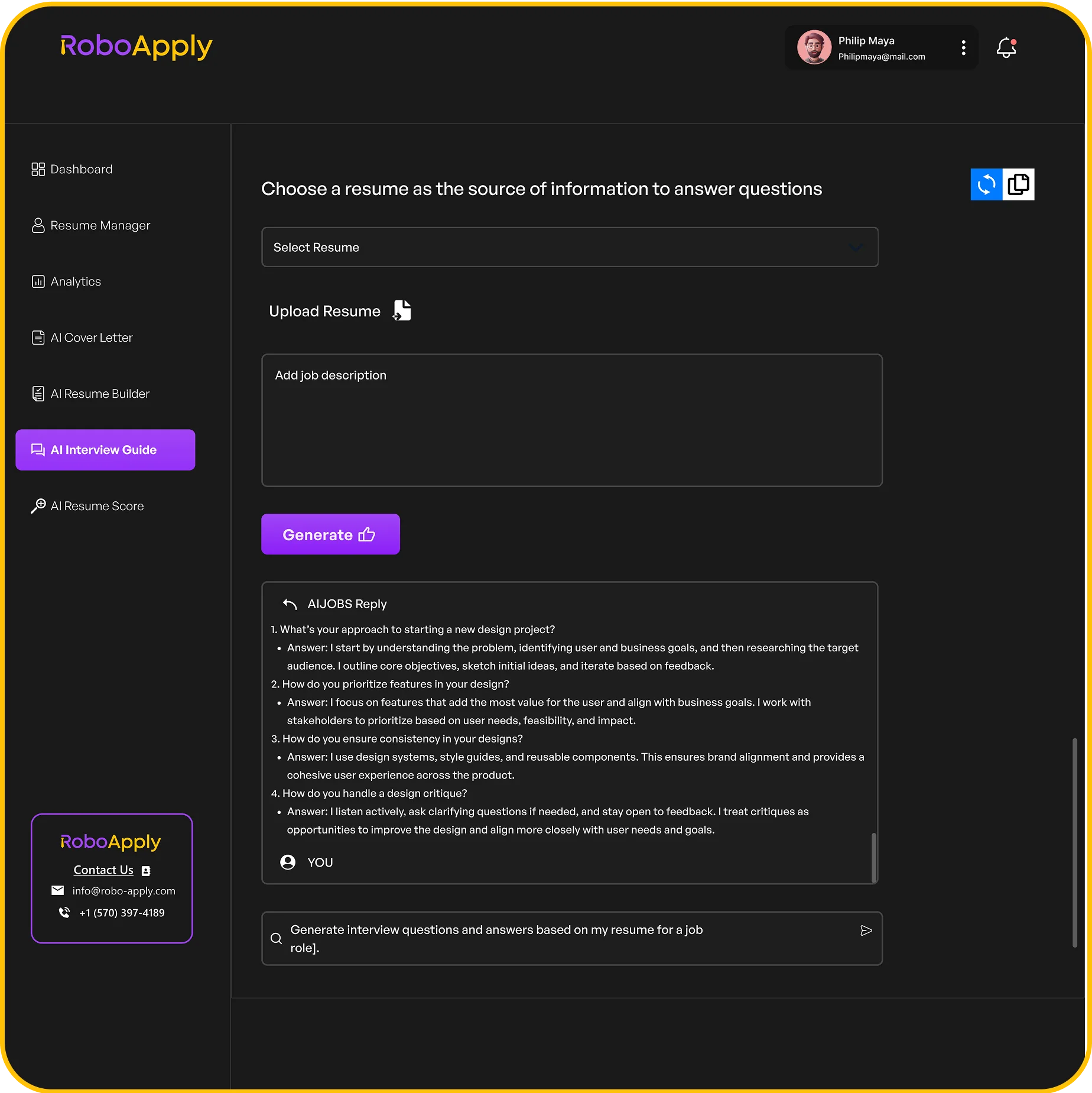
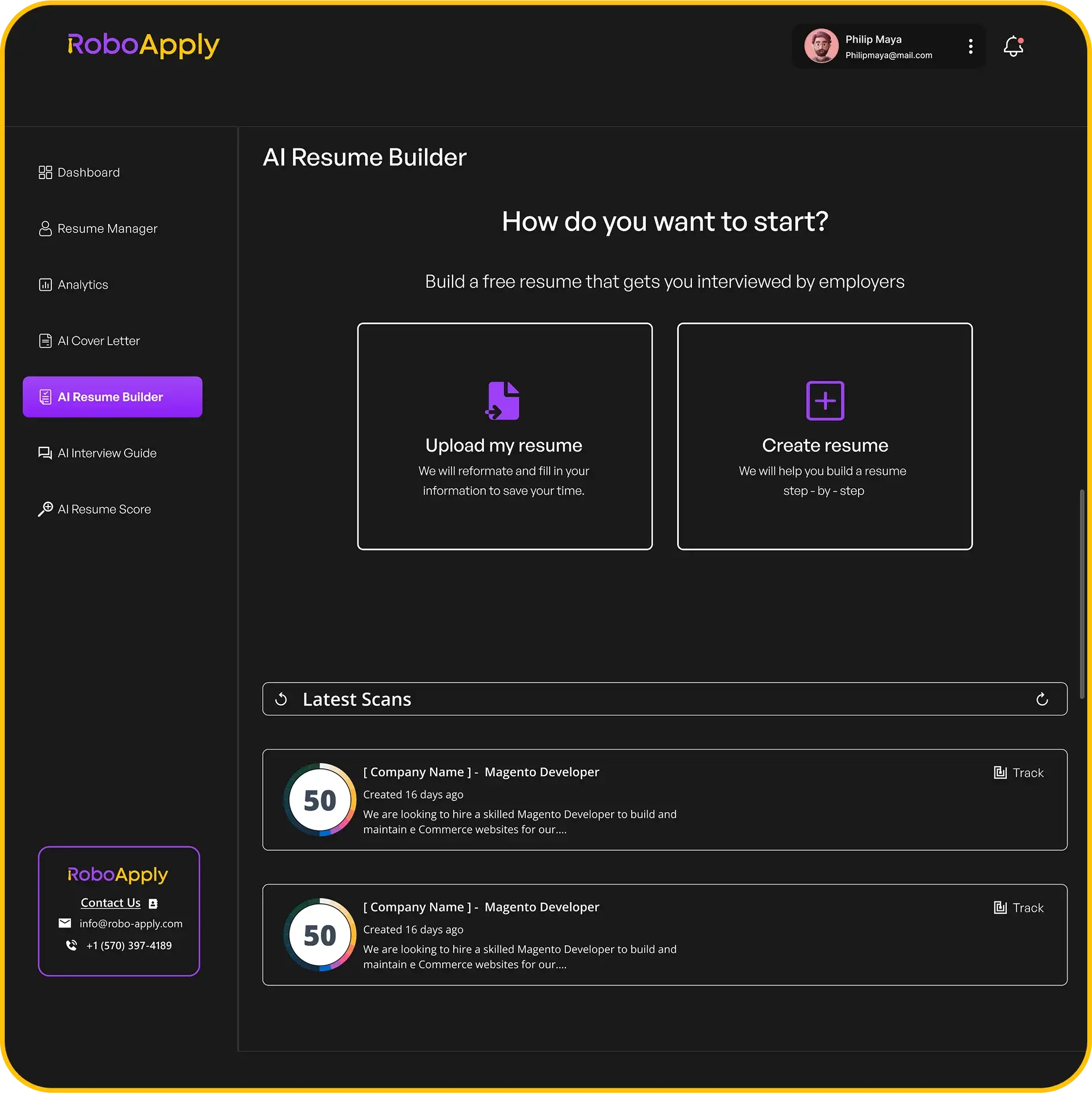
RoboApply’s AI Resume Builder creates optimized resumes emphasizing your customer service skills, reliability, and relevant experience.
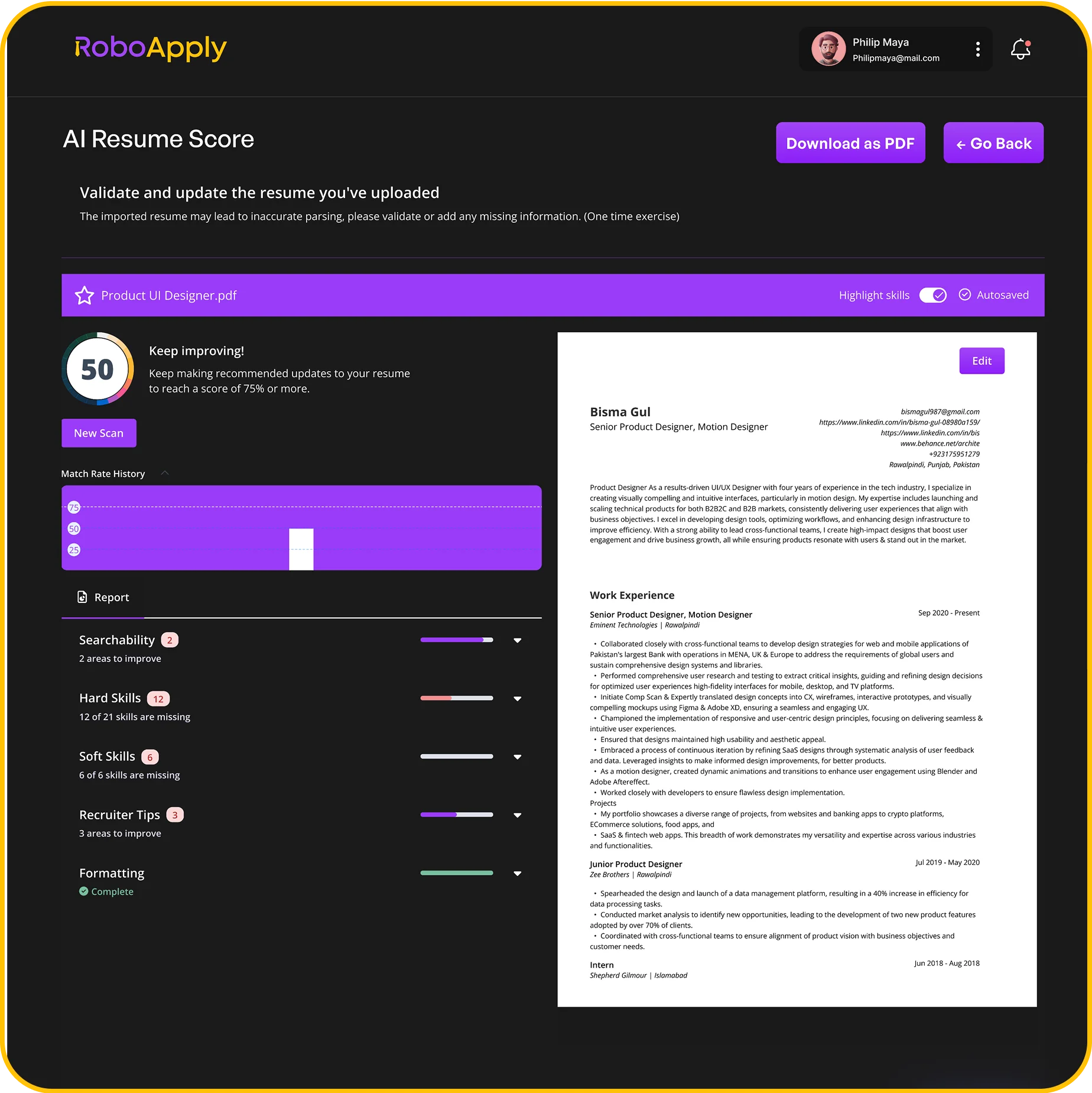
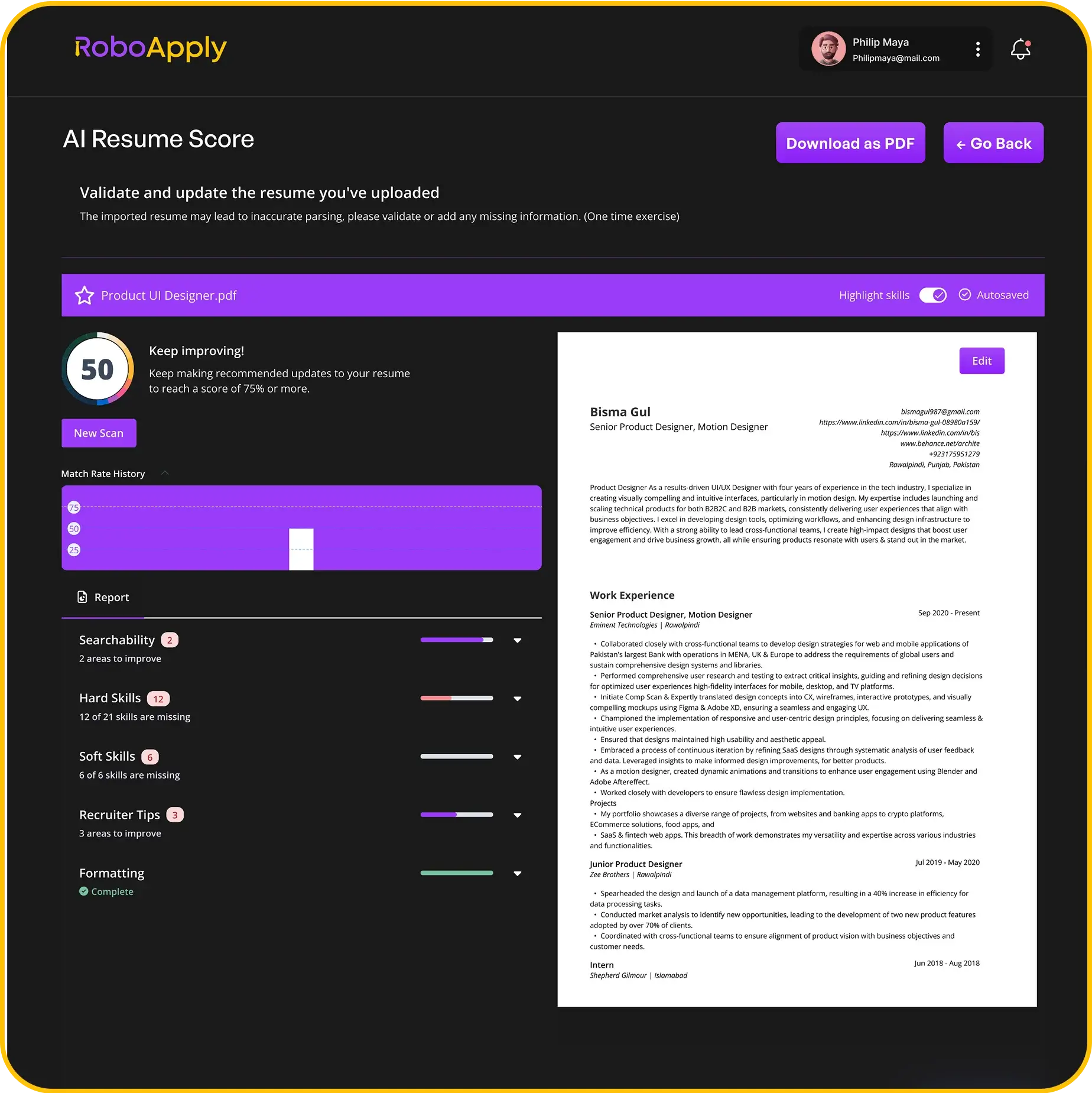
The Resume Score feature analyzes your application against job requirements. You’ll see which qualifications to emphasize for different consumer services roles.
AI Auto Apply manages applications across hundreds of consumer services positions while ensuring each application highlights relevant experience.
Frequently Asked Questions
How many jobs are available in consumer services?
Consumer services employs over 18 million people in the United States across retail, hospitality, food service, personal care, and related sectors with steady growth projected.
What types of jobs are in consumer services?
Consumer services includes retail sales, restaurant servers, hotel staff, customer service representatives, personal care providers, repair technicians, and entertainment industry workers.
Is consumer services a good career choice?
Yes, consumer services offers accessible entry points, flexible scheduling, advancement opportunities, and stable employment across diverse roles and geographic locations.
Do consumer services jobs pay well?
Pay varies widely from minimum wage entry positions to six-figure management roles. Compensation depends on position level, location, employer, and individual skills.
What skills do you need for consumer services?
Customer service orientation, communication abilities, problem-solving skills, reliability, basic technology competence, and positive attitude are most valued across consumer services roles.