Salary of a leasing agent typically ranges from $30,000 to $50,000 annually in the United States, with the national average sitting around $38,000 per year. Entry-level leasing agents usually start at $28,000 to $32,000, while experienced professionals in high-demand markets can earn $55,000 or more. Most leasing agents receive base salary plus commission or bonuses based on lease signings, renewals, and occupancy rates, which can add $5,000 to $15,000 to total annual compensation.
Understanding leasing agent compensation helps you evaluate career opportunities in property management and real estate.
Breaking Down Leasing Agent Base Salary
The salary of a leasing agent varies significantly based on location, property type, experience level, and company size.
Geographic location impacts earnings dramatically. Leasing agents in major metropolitan areas like New York or San Francisco earn substantially more than those in smaller markets.
According to research on real estate compensation, leasing agents in the top 10% earn over $60,000 annually while those in the bottom 10% make under $25,000.
Luxury apartment communities typically pay higher base salaries than affordable housing properties. Experience level creates predictable salary tiers, with senior consultants commanding premium compensation.
Commission and Bonus Structures
Beyond base salary, most leasing agents earn additional income through commission and bonus programs.
Here’s how typical commission structures work:
- New lease commissions of $100-$500 per signed lease
- Renewal bonuses of $50-$200 per renewal
- Occupancy bonuses paid when property meets targets
- Referral incentives for residents who bring new tenants
- Sales contests offering cash prizes or gift cards
Monthly performance bonuses can add $200-$1,000 to base salary. According to studies on sales compensation, top performers earn 30-50% of income through commissions.
For guidance on compensation expectations, resources on whether to put references on a resume can help.
Factors That Influence Leasing Agent Earnings
Multiple variables affect the salary of a leasing agent beyond experience and location.
High-demand rental markets with low vacancy rates benefit leasing agents. When apartments lease quickly, agents earn more commissions. Seasonal fluctuations impact earnings, with summer typically busier.
Large property management companies often offer better benefits and structured compensation. National chains like Greystar standardize compensation across properties.
Leasing agents who handle additional duties often earn higher salaries. Bilingual agents command premium pay in diverse markets.
For those exploring other sectors, how many jobs are available in basic industries can help you understand trends.
Benefits and Total Compensation Package
The salary of a leasing agent represents only part of total compensation.
Most full-time positions include:
- Health insurance with varying employee contributions
- Paid time off starting at 10-15 days annually
- Retirement plans with some offering 401k matching
- Rent discounts ranging from 10% to 50%
- Professional development opportunities
Rent discounts provide substantial value. A 30% discount on a $1,500 apartment saves $5,400 annually.
According to research on employee benefits, benefits typically add 20-30% to base salary value.
Resources on how many bullet points per job on resume provide formatting insights.

Career Advancement and Salary Growth
The salary of a leasing agent increases with advancement into management roles.
Entry-level agents advance to senior consultant within 2-3 years, bringing $3,000-$8,000 in additional salary.
Assistant property manager roles offer $40,000-$55,000 salaries. Property managers earn $50,000-$75,000 annually. Regional managers can earn $70,000-$100,000 or more.
Certifications boost earning potential. The National Apartment Association offers credentials that demonstrate expertise.
For specialized paths, how much do underwater welders make shows varying compensation.
Regional Salary Differences
Geographic location creates the largest salary variations.
Top-paying areas include:
- San Francisco Bay Area averaging $45,000-$60,000
- New York City ranging from $40,000-$58,000
- Los Angeles offering $38,000-$52,000
- Seattle providing $38,000-$50,000
Mid-range markets like Dallas-Fort Worth pay $32,000-$42,000 while Atlanta offers $30,000-$40,000.
For professional communication, calling a job after applying offers timing insights.

Streamlining Your Job Search
Finding the right leasing agent position requires targeting companies matching your compensation expectations.
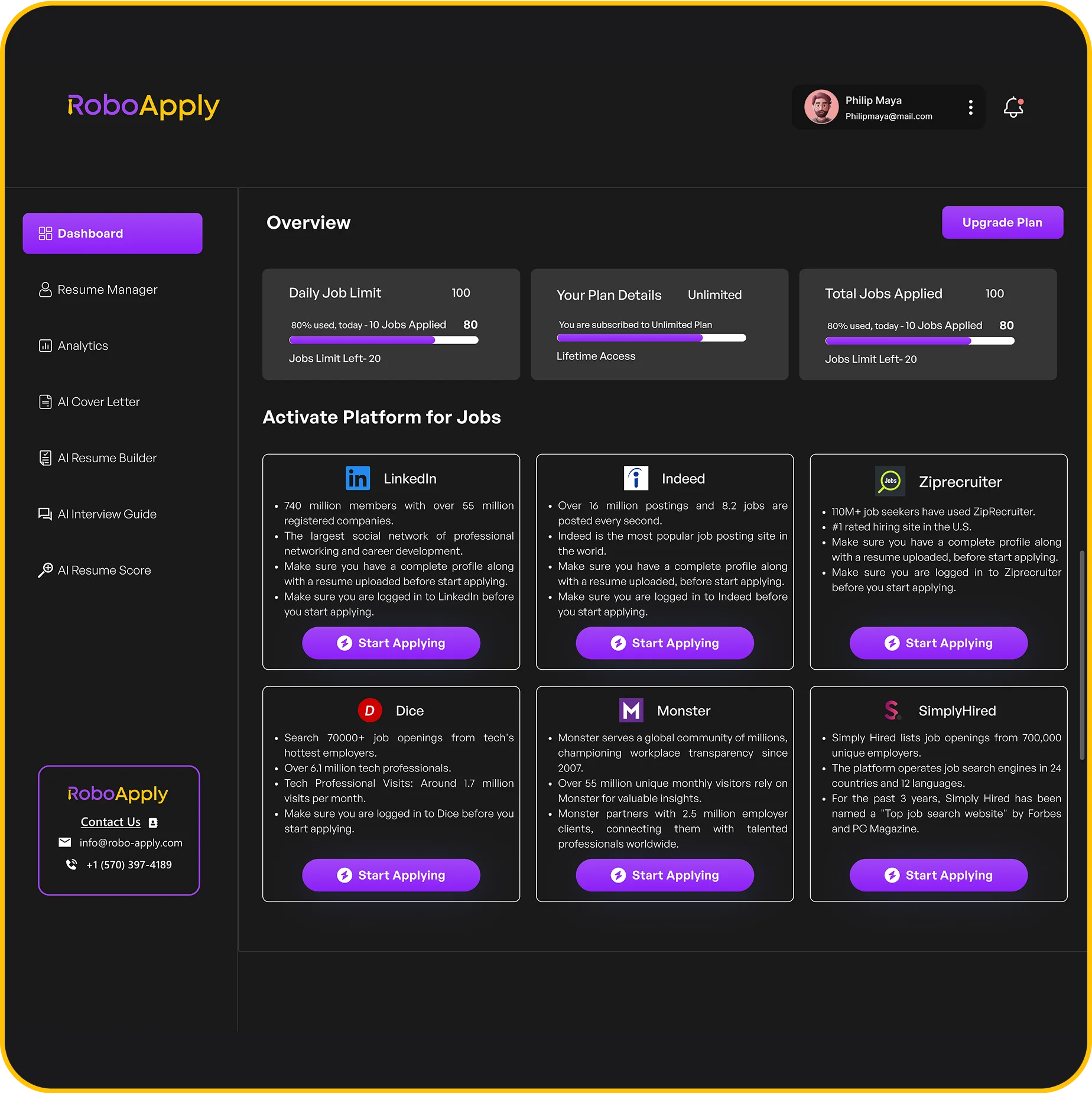
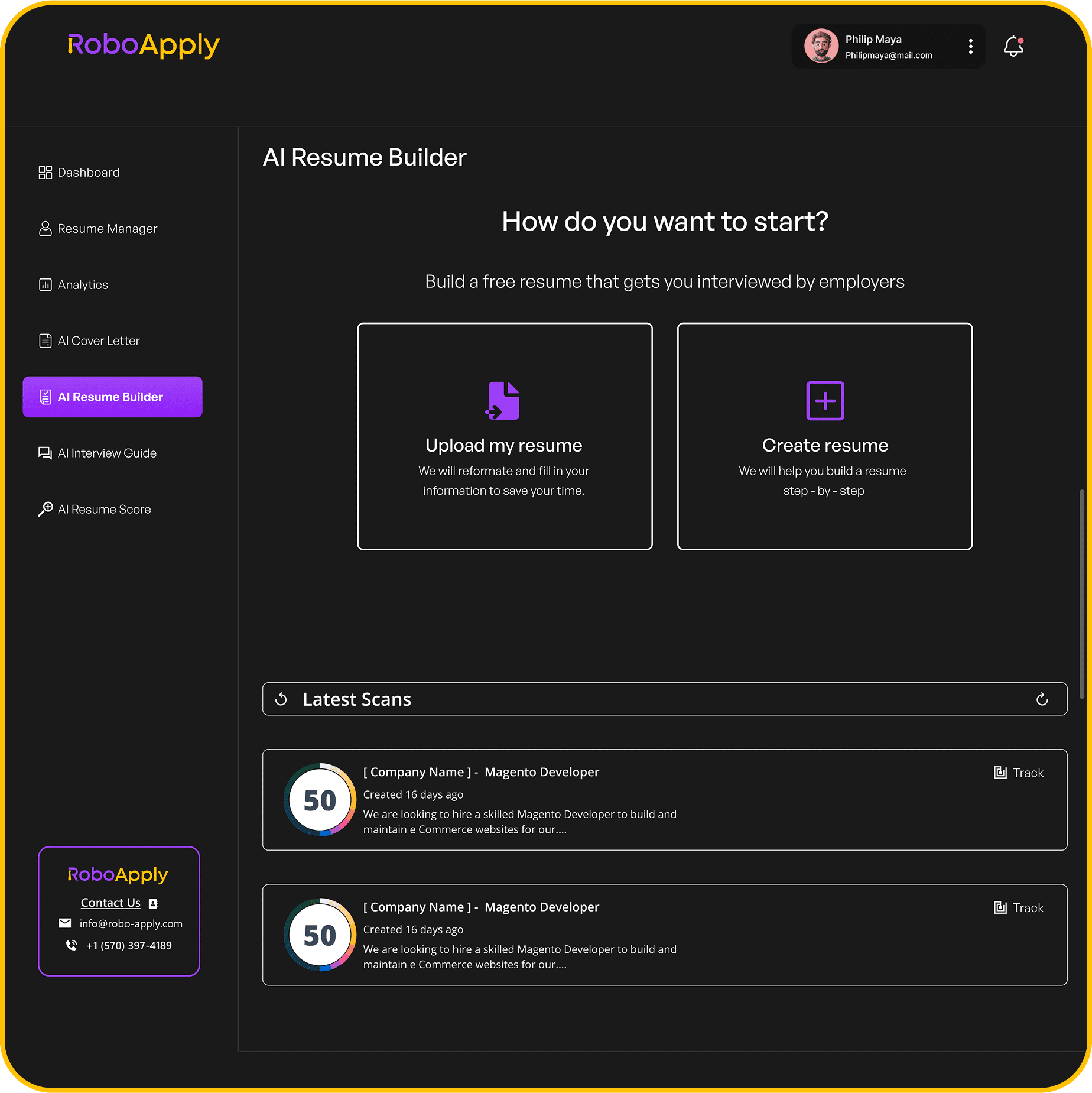
RoboApply’s AI Resume Builder creates optimized resumes emphasizing your customer service skills.
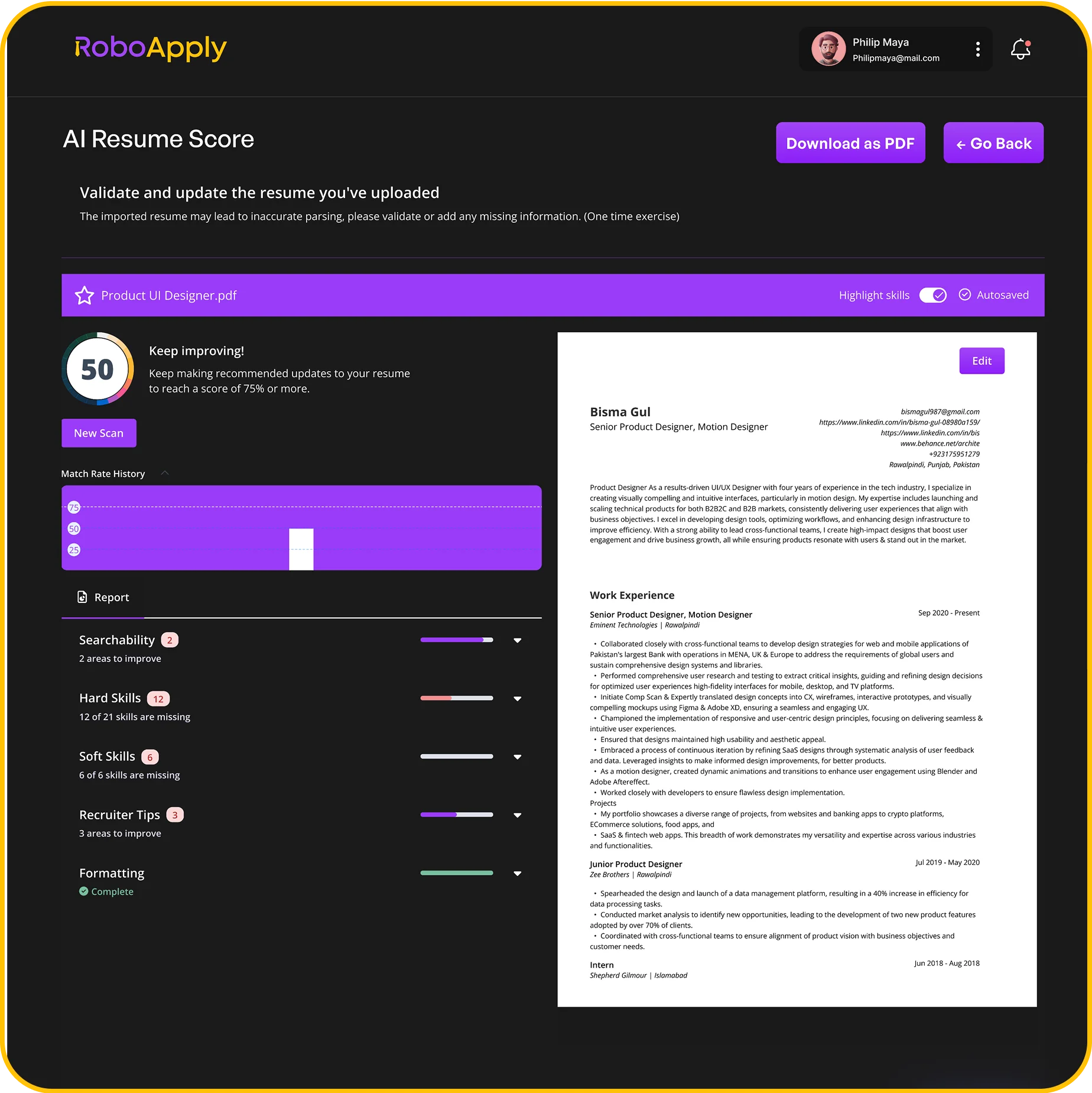
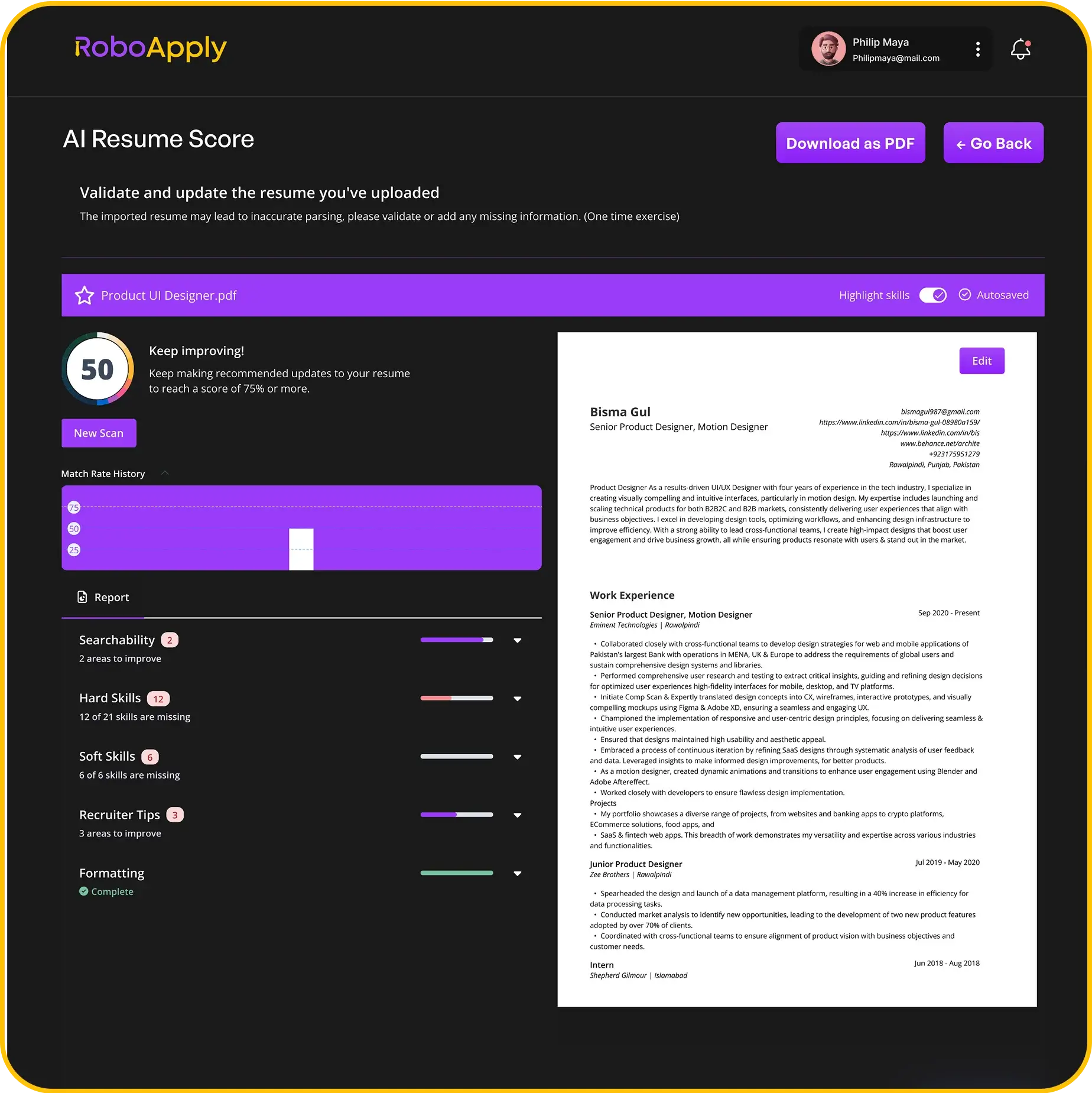
The Resume Score feature analyzes your application against job requirements.
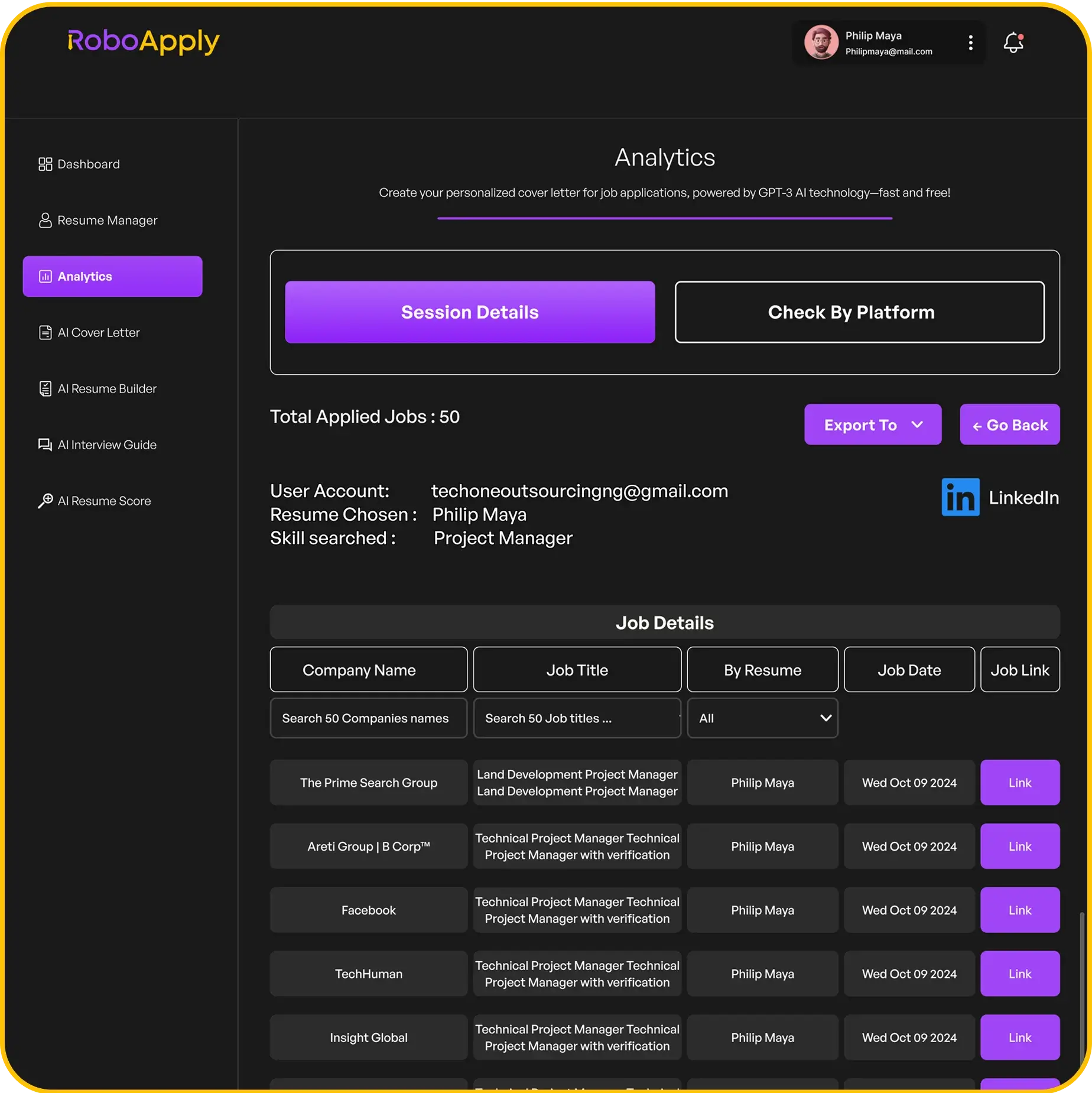
AI Auto Apply manages applications across hundreds of positions.
Frequently Asked Questions
What is the average salary of a leasing agent?
The average salary of a leasing agent is approximately $38,000 annually, with total compensation including commissions ranging from $35,000 to $50,000.
Do leasing agents make commission?
Yes, most leasing agents earn commission on new leases, renewals, and occupancy bonuses, typically adding $5,000 to $15,000 annually.
What benefits do leasing agents receive?
Leasing agents typically receive health insurance, paid time off, retirement plans, and rent discounts ranging from 10% to 50%.
How can leasing agents increase their salary?
Leasing agents increase salary through certifications, advancing to management roles, moving to higher-paying markets, or specializing in luxury properties.
Is being a leasing agent a good career?
Yes, leasing agent roles offer stable income, clear advancement paths, and opportunities to transition into broader real estate careers.