A computer assisted personal interview (CAPI) is a data collection method where interviewers use computers or tablets to record responses during face-to-face surveys. The interviewer asks questions while entering answers directly into software. CAPI is used in market research, academic studies, and government surveys. It’s different from computer-assisted job interviews, which use AI and video technology for hiring.
Most people searching this term are looking for information about survey methodology. However, the phrase also gets confused with computer-based job interviews. We’ll cover both to give you complete understanding.
Research from the Pew Research Center shows CAPI surveys produce more accurate data than paper questionnaires. The computer guides interviewers through proper question flow. Skip logic happens automatically. Data entry errors drop dramatically.
Understanding CAPI Survey Methodology
Computer assisted personal interviews revolutionized how researchers collect survey data. This methodology combines the personal touch of face-to-face interviews with the accuracy and efficiency of digital data collection.
How CAPI Surveys Work
CAPI interviewers visit respondents in person, just like traditional surveys. The difference is they’re carrying tablets or laptops instead of paper questionnaires. The software guides them through each question in the right order.
Here’s what happens during a typical CAPI interview:
- Interviewer introduces themselves and explains the survey purpose
- They open the survey software on their device
- Questions appear on screen in programmed order
- Interviewer reads questions aloud to the respondent
- Responses get entered directly into the software
- Skip logic automatically jumps to relevant follow-up questions
- Data uploads to central servers immediately or at day’s end
The respondent never touches the device. They just answer questions verbally like any interview. The technology stays in the interviewer’s hands. This method works great for populations with limited technology access. Understanding opportunities across basic industries often requires this kind of detailed survey work.
Advantages of CAPI Over Paper Surveys
CAPI offers significant improvements over traditional paper-based interviewing. These benefits explain why major research organizations switched to this methodology.
Data quality improves dramatically with CAPI systems. The software enforces valid responses automatically. You can’t accidentally skip required questions. Range checks prevent impossible answers like someone claiming to be 200 years old. Consistency checks catch contradictions between answers.
Cost savings add up over time. You’re not printing thousands of questionnaires. Data entry labor disappears completely. Processing time drops from weeks to days. Errors from manual data entry vanish.
Survey flexibility increases substantially. You can update questionnaires remotely mid-fieldwork if needed. Adding questions or changing logic happens through software updates. Complex skip patterns that confused paper interviewers work perfectly every time.
Real-time monitoring lets supervisors track progress constantly. They see which interviewers are working, how many surveys they’ve completed, and where they’re located. Quality control happens during fieldwork instead of after.

Computer-Assisted Job Interviews
Many job seekers search for “computer assisted interview” meaning technology-driven hiring processes. These are completely different from CAPI surveys but increasingly common in job hunting.
Types of Technology-Based Job Interviews
Several computer-assisted interview formats have emerged as hiring has gone digital. Each serves different purposes in the screening and selection process.
Video interviewing platforms like HireVue or Spark Hire let candidates record answers to preset questions. The AI analyzes your word choice, facial expressions, and tone. Some companies use these for initial screening before human interviews. Understanding when to follow up becomes trickier with automated systems.
Live video interviews through Zoom, Teams, or Google Meet connect you with hiring managers remotely. These function like in-person interviews but through screens. You’re talking to real people in real time.
AI-powered chatbot interviews ask questions through text interfaces. You type responses that algorithms evaluate. These are less common but growing in high-volume hiring.
Skills assessment platforms test your abilities through computer exercises. Coding tests for developers, writing samples for content roles, or data analysis challenges for analyst positions all happen through specialized software.
Preparing for Computer-Based Job Interviews
Technology-mediated interviews require different preparation than traditional face-to-face meetings. Technical setup and digital presentation skills become crucial.
Test your technology thoroughly before any computer-based interview. Check your camera, microphone, and internet connection. Do a practice run with a friend. Make sure your background looks professional. Good lighting prevents you from appearing as a dark blob on screen.
Practice answering common interview questions on camera. Recording yourself reveals nervous habits you don’t notice otherwise. You might fidget more than you think. Your “uhs” and “ums” multiply when you’re not aware of them.
Research the company extensively since you can’t rely on in-person chemistry as much. Your preparation needs to shine through your words since body language translates poorly through screens. Following professional standards remains important in digital formats.
CAPI in Market Research and Academic Studies
Organizations conducting large-scale research rely heavily on CAPI methodology. Understanding these applications helps you grasp why this technology matters beyond individual job seekers.
Government agencies like the Census Bureau use CAPI for national surveys. The American Community Survey switched to CAPI years ago. Health surveys tracking disease prevalence depend on this method. Economic data collection happens through CAPI interviews with businesses and households.
Market research firms employ CAPI for consumer studies. They’re testing new product concepts, measuring brand awareness, or gathering feedback on services. The face-to-face element helps for complex topics requiring explanation.
Academic researchers use CAPI for social science studies. Sociology, economics, public health, and political science researchers collect data this way. The methodology supports rigorous analysis because data quality is high. Similar to how specialized fields require specific research approaches, different disciplines adapt CAPI to their needs.
International development organizations employ CAPI in countries with limited infrastructure. You can collect data in remote villages without internet access. Interviewers upload results when they return to areas with connectivity.
Comparing CAPI to Other Data Collection Methods
Understanding where CAPI fits among survey methodologies helps researchers choose appropriate approaches. Each method has strengths and weaknesses depending on research goals and populations.
CATI (Computer Assisted Telephone Interviewing) conducts surveys by phone using similar software. It’s cheaper than CAPI since interviewers don’t travel. However, response rates have plummeted as people ignore unknown numbers. You can’t show visual materials over the phone.
CAWI (Computer Assisted Web Interviewing) sends surveys via email or web links. This costs least of all methods. Respondents complete surveys on their own time. But you’re limited to populations with internet access and digital literacy. Response rates often disappoint.
Paper and pencil interviewing (PAPI) is the traditional face-to-face method CAPI replaced. It maintains the personal connection without requiring devices. However, data quality suffers from entry errors and skip pattern mistakes. Processing takes forever.
Mixed-mode approaches combine multiple methods. You might start with CAWI for easy-to-reach respondents. Then use CAPI for harder-to-reach populations. This balances costs against data quality and coverage. Understanding resume formatting helps across different application methods too.
Implementing CAPI Successfully
Organizations considering CAPI adoption need to understand implementation requirements. Success depends on proper planning, training, and technology choices.
Software selection drives everything else. Major CAPI platforms include SurveyCTO, Survey Solutions, and CSPro. Each offers different features, costs, and learning curves. Your choice depends on survey complexity, team size, and budget.
Device selection balances durability against cost. Rugged tablets survive harsh fieldwork conditions but cost more. Consumer tablets are cheaper but break easily. Screen size affects usability. Seven to ten inch screens work best for most surveys.
Interviewer training makes or breaks CAPI projects. Your team needs to understand both the survey content and the technology. Practice sessions using actual devices are essential. Role-playing helps interviewers handle difficult respondents.
Data security requires careful planning. You’re collecting sensitive information on portable devices that could get stolen. Encryption protects data at rest and in transit. Password protection prevents unauthorized access. Regular backups prevent data loss.
Streamlining Your Job Application Process
Whether you’re dealing with computer-assisted job interviews or any other hiring technology, managing applications efficiently saves tremendous time and stress.
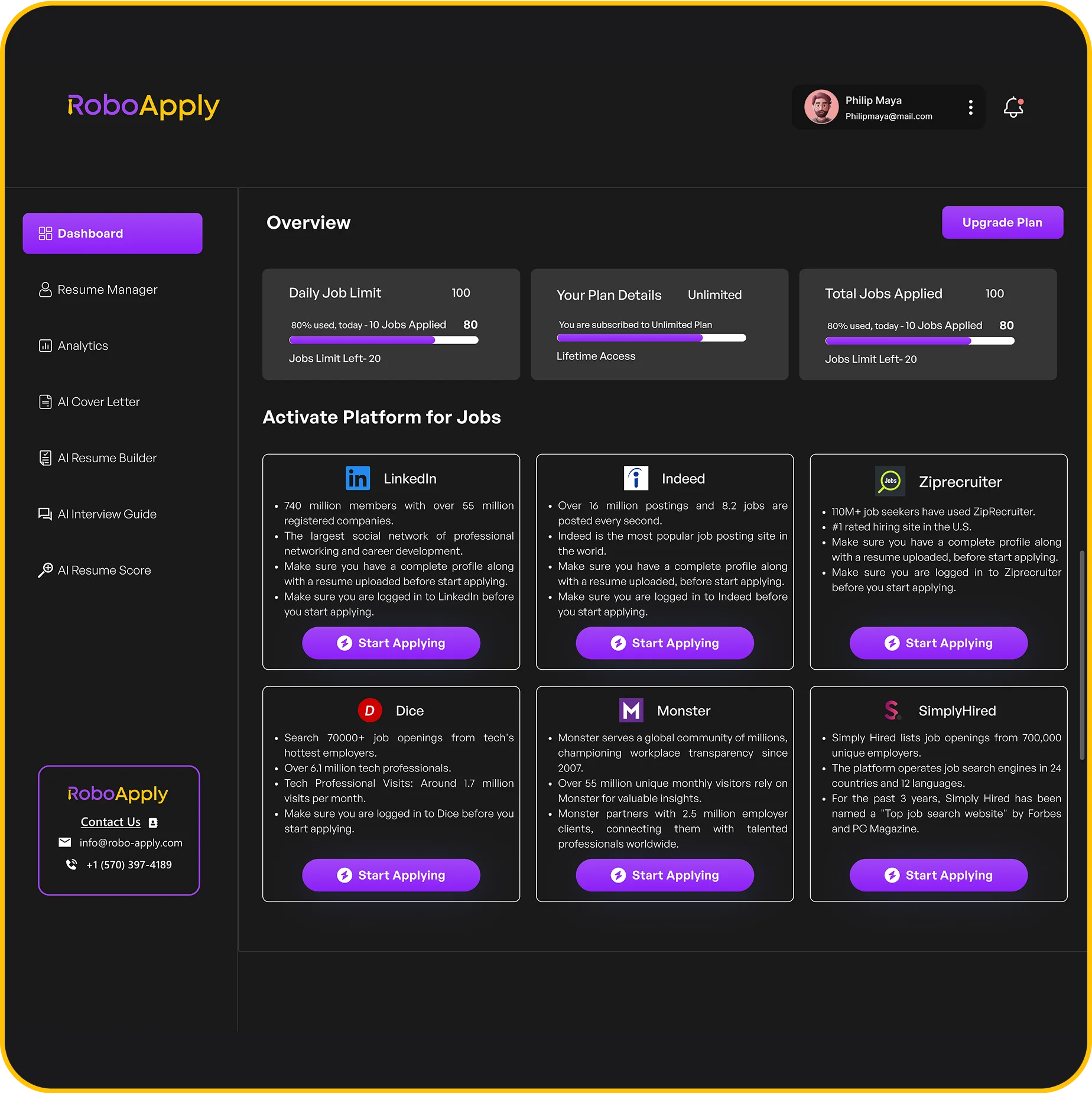
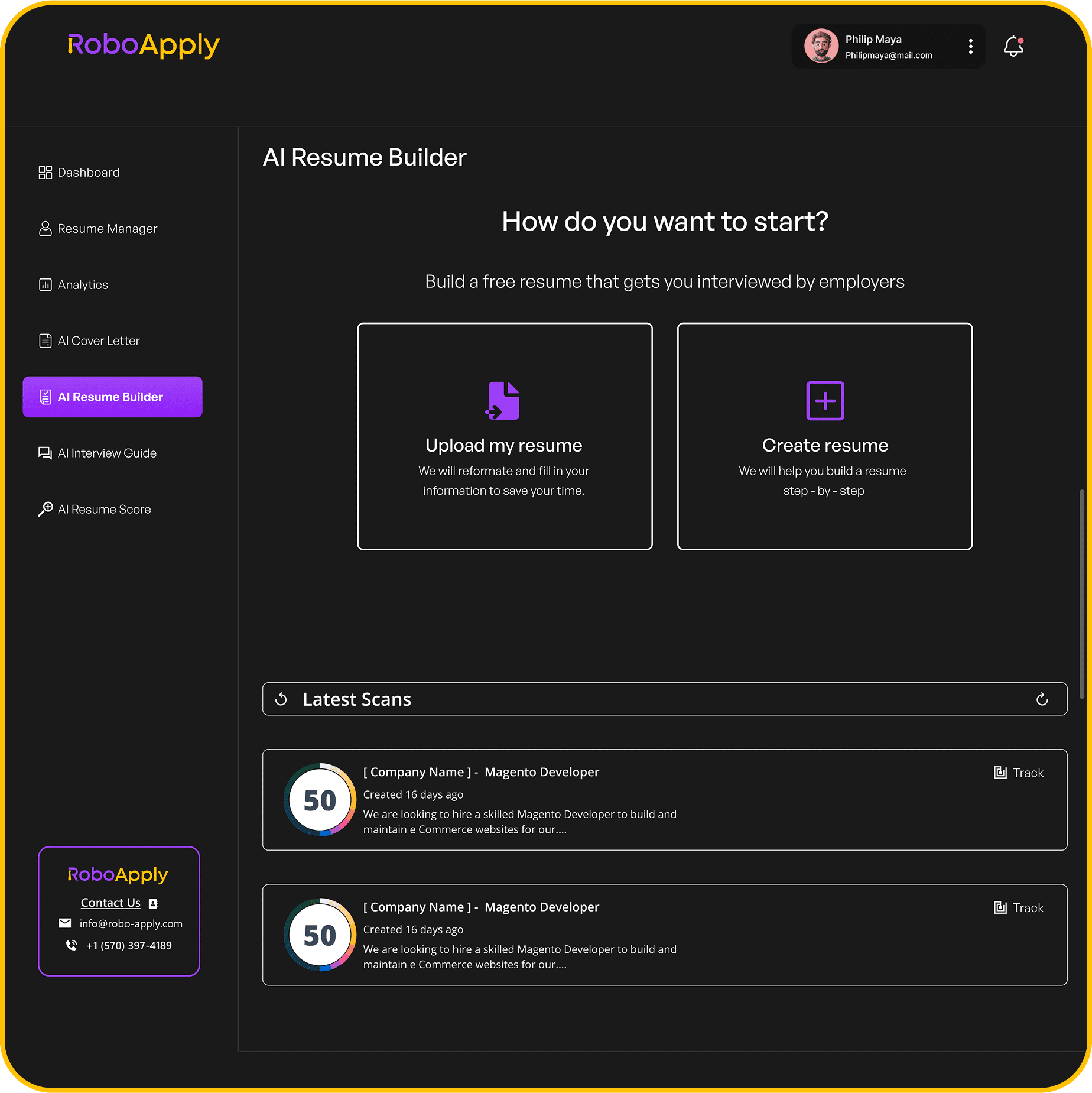
RoboApply’s AI Resume Builder helps you create ATS-optimized resumes that pass through automated screening systems. The platform formats your experience for both computer scanning and human review.
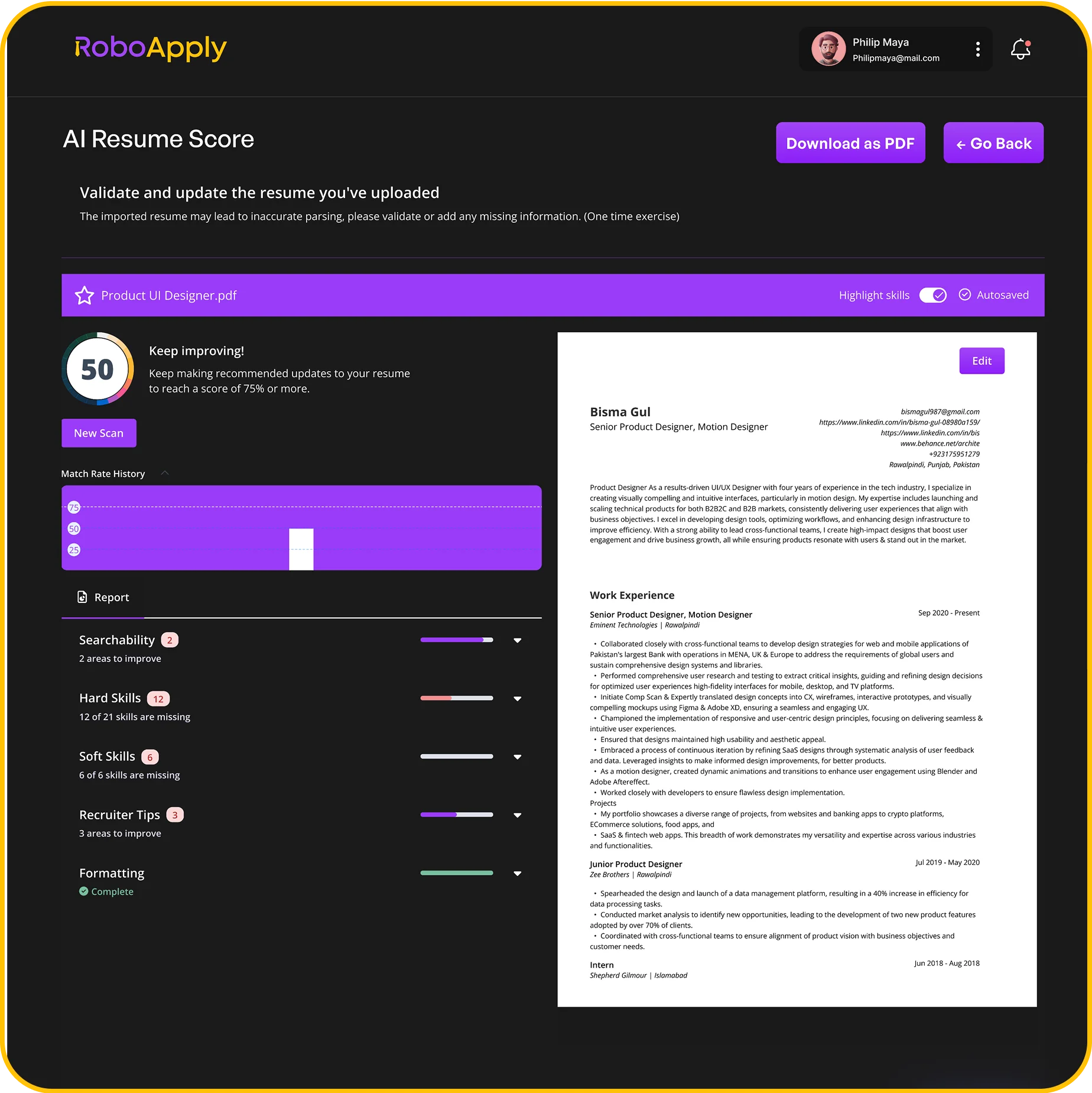
The Resume Score feature analyzes your resume against hiring algorithms. You’ll see exactly what automated systems evaluate and how to improve your score.
AI Auto Apply submits applications across hundreds of positions while you focus on interview preparation. The platform handles the repetitive work of filling forms and uploading documents.
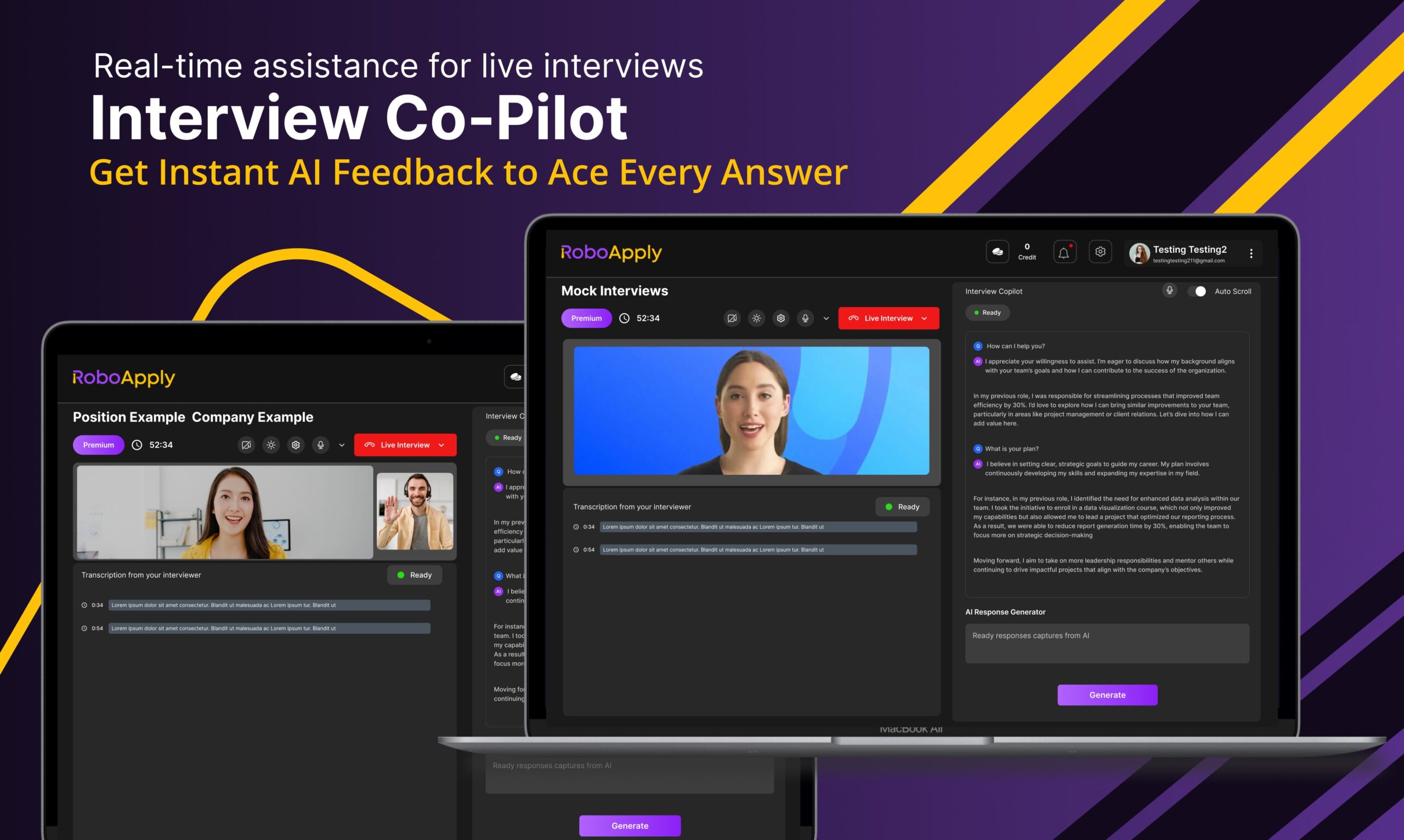
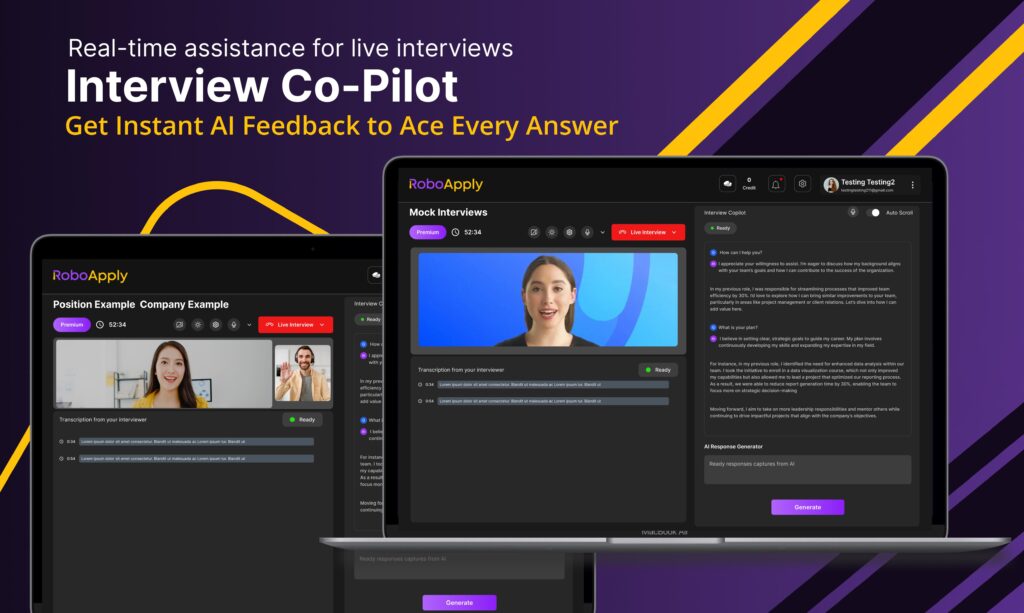
Interview Copilot prepares you for both traditional and computer-assisted interviews. You’ll practice answering questions and get feedback on your responses.
Frequently Asked Questions
What is a computer assisted personal interview?
CAPI is a survey method where interviewers use computers or tablets to record responses during face-to-face interviews, improving data quality and efficiency.
How is CAPI different from online surveys?
CAPI involves in-person interviewers using devices to record answers. Online surveys let respondents complete questionnaires independently without interviewer assistance or presence.
What are the main advantages of CAPI?
CAPI improves data quality through automatic validation, reduces costs by eliminating data entry, enables complex skip logic, and allows real-time monitoring.
Do respondents need computer skills for CAPI surveys?
No, respondents answer questions verbally like traditional interviews. The interviewer operates the device and enters responses, requiring no technical skills from participants.
Is CAPI the same as video job interviews?
No, CAPI is a research methodology for surveys. Video job interviews are hiring tools. They’re completely different despite both using computer technology.