Is public utilities a good career path? Yeah, it’s one of the better moves you can make if you want stability. We’re talking median salaries between $55,000 and $95,000, job security that outlasts recessions, and benefits packages that make other industries jealous. Public utilities keep electricity flowing, water clean, gas moving, and waste managed.
Over 550,000 Americans work in public utilities right now. The Bureau of Labor Statistics tracks these numbers because utility jobs pay better than average and come with strong union backing. You’re doing work people see every single day.
These companies kept workers employed straight through 2008 when everyone else was laying people off. Same thing during COVID. People need lights, water, and heat no matter what’s happening in the economy.
What Public Utilities Work Looks Like
Public utilities handle the basic services everyone takes for granted until they stop working. Each service creates different kinds of jobs with varying skill requirements.
Main Utility Sectors
Electric utilities generate power and move it through transmission lines. Water utilities clean drinking water and pump it through underground pipes. Natural gas companies run pipelines and maintain distribution networks. Wastewater plants treat sewage before releasing water back into rivers.
Power companies employ electrical engineers and line workers. Water plants need chemical technicians and operators. Gas utilities hire pipeline technicians and safety inspectors. Your background points you toward whichever sector makes sense.
How the Business Model Creates Stability
Most utilities either belong to cities and counties or operate as regulated monopolies. They get guaranteed service territories where nobody else competes. State commissions approve their rates and ensure fair customer treatment.
This setup means utilities plan decades ahead instead of quarter to quarter. They’re building facilities that’ll run for 40 or 50 years. That long-term thinking translates into steady employment. Looking at basic industries careers shows how utilities compare to other essential sectors.
Career Opportunities in Public Utilities
The variety of work surprises most people. Beyond technical jobs like line workers and plant operators, you’ll find customer service, engineering, environmental compliance, and business operations roles.
Starting positions usually don’t need college degrees. Utilities hire people with good attitudes and train them on specific systems. Here’s what entry-level work looks like:
- Utility worker doing basic maintenance earning $35,000-$48,000 yearly
- Meter reader making $32,000-$45,000 (though smart meters are replacing this)
- Customer service rep handling billing at $33,000-$47,000
- Maintenance technician trainee starting at $40,000-$55,000
- Water treatment operator trainee making $38,000-$52,000
Give it five to eight years and specialized roles open up. Electrical line workers earn $65,000-$90,000. Water treatment operators with certifications make $55,000-$75,000. Gas distribution technicians pull in $60,000-$85,000. Similar to specialized trade compensation, technical expertise gets rewarded well.
Stick around 12-15 years and leadership positions appear. Plant managers earn $95,000-$140,000. Operations directors make $110,000-$165,000. The path stays clear through performance.
Why Utilities Beat Most Other Industries
Job security in utilities is unreal compared to almost anywhere else. When was the last time people decided they could live without electricity or running water? Your utility job survives recessions that wipe out departments in other companies.
Look at 2008. Manufacturing, construction, finance, retail all hemorrhaging jobs. Utilities barely budged. Same during COVID when businesses shut down. The American Public Power Association shows utility employment staying flat over 40 years while other sectors bounce around.
The compensation packages stand out too. You’re getting competitive base pay plus benefits disappearing everywhere else:
- Defined benefit pension plans with guaranteed retirement checks
- Health insurance with low employee costs
- 401(k) matching at 6-8% (way higher than most places)
- Paid vacation starting at 3-4 weeks instead of stingy two
- Tuition reimbursement for certification courses
Bureau of Labor Statistics data shows benefits adding 35-45% on top of base salary. That’s real money making your total compensation way higher than posted wages.
The work itself provides direct community impact. Restore power after storms and people are genuinely grateful. Keep water clean and safe and you’re protecting public health. That purpose creates satisfaction you can’t get analyzing spreadsheets. Following professional standards helps throughout your career.
Downsides Worth Considering
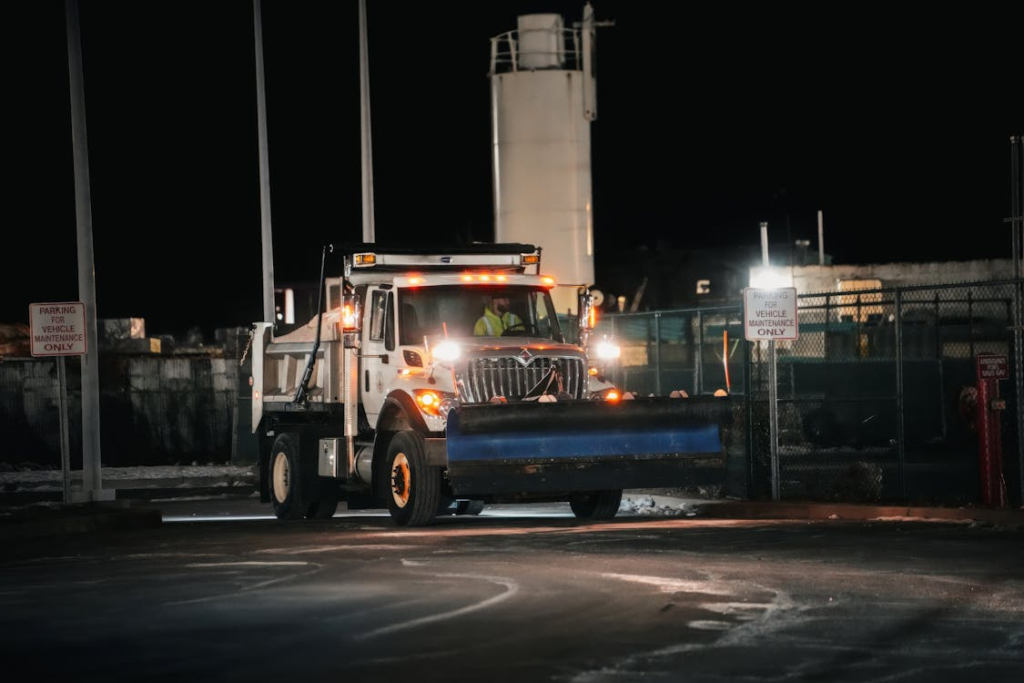
A lot of utility work is physical. You’re outside in whatever weather shows up. You’ll lift heavy equipment, climb poles, crawl into tight spaces. High voltage work requires constant attention.
Utilities take safety incredibly seriously though. They spend serious money on training and equipment. OSHA regulations get followed to the letter. Modern gear makes jobs safer than previous generations experienced.
The scheduling throws some people off. Utilities run 24/7/365. You’ll work rotating shifts covering days, evenings, nights. Weekend and holiday work happens when systems need attention. Being on call for emergencies affects personal life differently than office jobs.
The flip side is shift differential pay. Night shifts and weekends pay extra. Emergency response usually means overtime. Knowing when to follow up helps during applications.

Getting Started in Utilities
Government utilities use civil service hiring with tests and eligibility lists. Private utilities hire through standard applications and interviews. Figure out which kind you’re targeting.
Most jobs want technical training or certifications. Community colleges run utility-focused programs. Look for power distribution technology, water treatment operations, or general utility systems courses. OSHA safety cards help. Commercial driver’s licenses open field positions.
RoboApply’s AI Resume Builder formats your background for utility applications. The AI Cover Letter Generator creates letters emphasizing capabilities and public service interest. AI Auto Apply submits applications to multiple utilities efficiently.
Frequently Asked Questions
Is public utilities a good career path without a college degree?
Yes. Many positions need only high school diplomas or associate degrees. Apprenticeships and paid training replace expensive four-year programs in most cases.
What’s typical pay in public utilities?
Entry-level starts $32,000-$55,000. Mid-career makes $55,000-$90,000. Management hits $95,000-$180,000 with excellent benefits packages on top of base salary.
Are utility jobs safe from automation?
Most need human judgment, physical presence, and emergency response that machines can’t handle. Field work and system monitoring require people indefinitely.
Do public utilities give work-life balance?
Depends on your job. Shift work and on-call duty affect schedules. But generous vacation and predictable patterns help many workers.
How do I break into public utilities?
Apply for entry jobs at local utility companies. Get certifications through community colleges. Network at union programs where companies recruit.