Proven interview tips separate candidates who get offers from those who don’t. You’re competing against people who practiced their answers and researched the company thoroughly. Most candidates walk in unprepared and hope personality carries them through.
That strategy fails almost every time. Hiring managers spot unprepared candidates within the first three minutes. They’ve seen thousands of interviews. They know when you’re winging it versus when you’ve done the work.
This guide gives you proven interview tips that consistently work. You’ll learn exactly what separates successful candidates from everyone else. We’ll cover preparation strategies, execution techniques, and follow-up methods that land offers.
What Actually Makes Interview Tips Proven
Proven interview tips come from real hiring data and recruiter surveys. These strategies consistently lead to job offers across every industry.
Research from Harvard Business Review found that candidates using structured preparation receive offers 58% more often. Preparation beats natural charisma every time.
LinkedIn research data shows 82% of hiring decisions come down to communication skills and cultural fit. Technical skills matter way less than you think.
The STAR method represents one proven framework. Situation, Task, Action, Result. This structure helps you tell compelling stories about your experience.
Studies from TopResume confirm candidates who quantify achievements receive 67% higher salary offers. “Increased sales 34% generating $2M revenue” proves clear competence.

Preparing Before Your Interview
Preparation makes or breaks your interview performance. Most candidates spend maybe 30 minutes glancing at the company website. That’s not enough to stand out.
Effective preparation takes dedicated time and strategic focus. You need to research deeply, practice answers out loud, and develop intelligent questions.
Research the Company Thoroughly
Start with recent news and press releases from the past 90 days. Know their latest launches. Understand their challenges and growth. Reference this knowledge naturally.
Check social media channels across platforms. LinkedIn reveals culture and hiring patterns. Twitter shows customer interactions. This research helps you ask intelligent questions.
Look up your interviewer on LinkedIn before you meet. Understand their background and interests. Find common ground you can reference. People connect faster with shared experiences.
Practice Common Interview Questions Out Loud
Don’t just think about your answers silently in your head. Actually practice speaking them out loud repeatedly. Record yourself answering typical interview questions. Watch those recordings back objectively. You’ll immediately spot verbal tics, unclear explanations, and rambling tendencies.
Focus specifically on these categories of questions that appear in nearly every single interview:
- Tell me about yourself – Craft a compelling 2-minute professional story connecting your background directly to this specific role
- Why do you want this position – Demonstrate genuine interest through specific company research, not generic statements
- Describe your greatest weakness – Choose something real but show concrete steps you’re actively taking to improve it
- Tell me about a challenge you overcame – Use STAR method with quantified results that prove problem-solving ability
- Where do you see yourself in 5 years – Align your realistic career goals with potential growth at this company
- Why should we hire you – Connect your specific skills and experiences directly to their stated needs and challenges
Practice until your answers sound natural and conversational rather than rehearsed or robotic. You want to sound prepared but still authentic and spontaneous.
Prepare Intelligent Questions to Ask Them
Your questions reveal how seriously you take this opportunity and how deeply you’ve researched. Generic questions like “what’s the culture like” waste everyone’s valuable time and make you seem unprepared.
Ask questions that demonstrate deep research and genuine strategic interest. Here are strong examples worth adapting to your situation:
- “I saw your Q3 earnings showed 23% growth in the enterprise segment. How does this specific role contribute to scaling that success further?”
- “Your recent blog post mentioned challenges with customer retention rates. What strategies is the team currently exploring to address this?”
- “What does success look like for someone in this position during the first 90 days?”
- “How does this team typically collaborate with other departments on major cross-functional initiatives?”
- “What professional development opportunities exist for someone performing well in this role?”
These questions prove you’ve actually done your homework thoroughly. They show strategic thinking about the business. They demonstrate you’re already envisioning yourself successfully in the role.
Executing During the Interview
Your preparation means nothing if you can’t execute when it matters. The first few minutes create lasting impressions.
Strong execution combines confident body language, structured answer frameworks, and strategic handling of difficult questions.
Master Your Body Language
Walk in confidently with shoulders back. Make solid eye contact without staring. Offer a firm handshake. Sit up straight throughout.
Lean slightly forward when they’re speaking. This shows engagement. Nod occasionally to demonstrate listening. Mirror their energy level subtly.
Avoid crossing your arms or fidgeting. These signal nervousness. Keep hands visible and use natural gestures.
Answer Using the STAR Method Framework
Structure responses using this proven framework consistently. It keeps answers concise while providing complete information.
- Situation: Describe the context and challenge in concrete terms
- Task: Explain what you needed to accomplish and why
- Action: Detail specific steps you took systematically
- Result: Quantify the outcome and what you learned
Example: “At my previous company, customer churn hit 18% quarterly. I analyzed exit data and identified poor onboarding as the core issue. I redesigned our onboarding process adding personalized check-ins and video tutorials. Within 6 months, churn dropped to 9% saving $400K annually.”
This format works because it tells a complete story. Interviewers visualize your problem-solving process clearly.
Handle Difficult Questions Strategically
Tough questions will come up. How you handle them reveals your thinking process.
For salary questions early on, deflect politely. “I’d love to learn more about responsibilities before discussing compensation. What’s the range budgeted?” This puts it back on them.
For employment gaps, be honest but brief. Focus on what you learned. Then redirect to why you’re perfect now.
For weaknesses, choose something real but manageable. Explain concrete steps you’re taking to improve. Never claim you’re a perfectionist. Everyone sees through that.
Following Up After Your Interview
Most candidates send generic thank-you emails or nothing. This represents a massive missed opportunity.
Send personalized thank-you emails within 24 hours. Reference specific conversation points. Mention something you forgot to highlight if relevant.
Example: “Thank you for discussing the Marketing Manager role yesterday. Your explanation of the Q2 rebranding initiative resonated with me. My experience leading the rebrand at Company X, which increased brand recognition 31%, would apply directly. I’m genuinely excited about contributing to your team’s success.”
If you haven’t heard back within their timeline, follow up professionally. Express continued interest. Ask if they need additional information.
Connect with your interviewer on LinkedIn after appropriate time passes. Maintaining professional relationships opens future opportunities.
How RoboApply Maximizes Your Interview Success
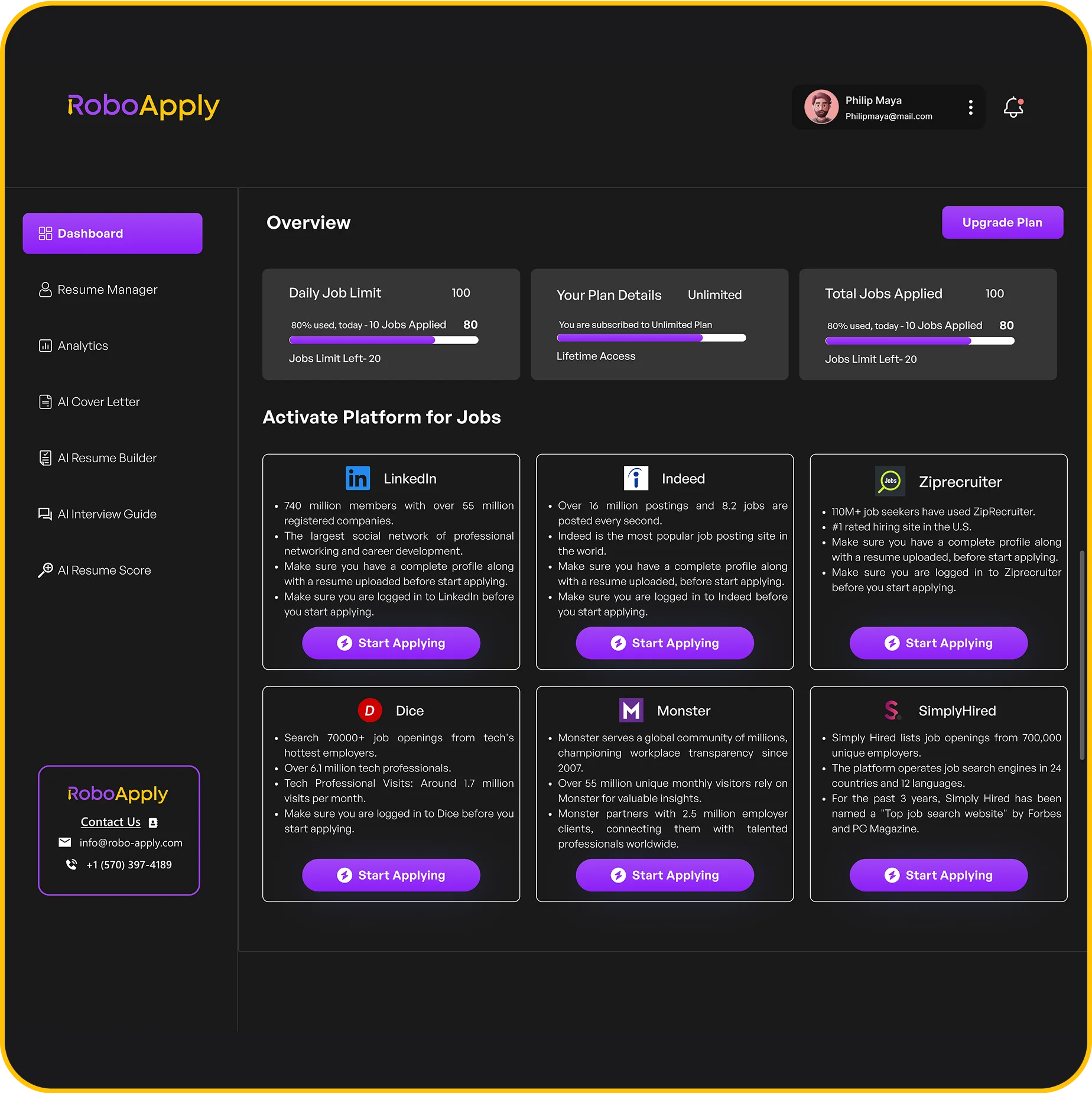
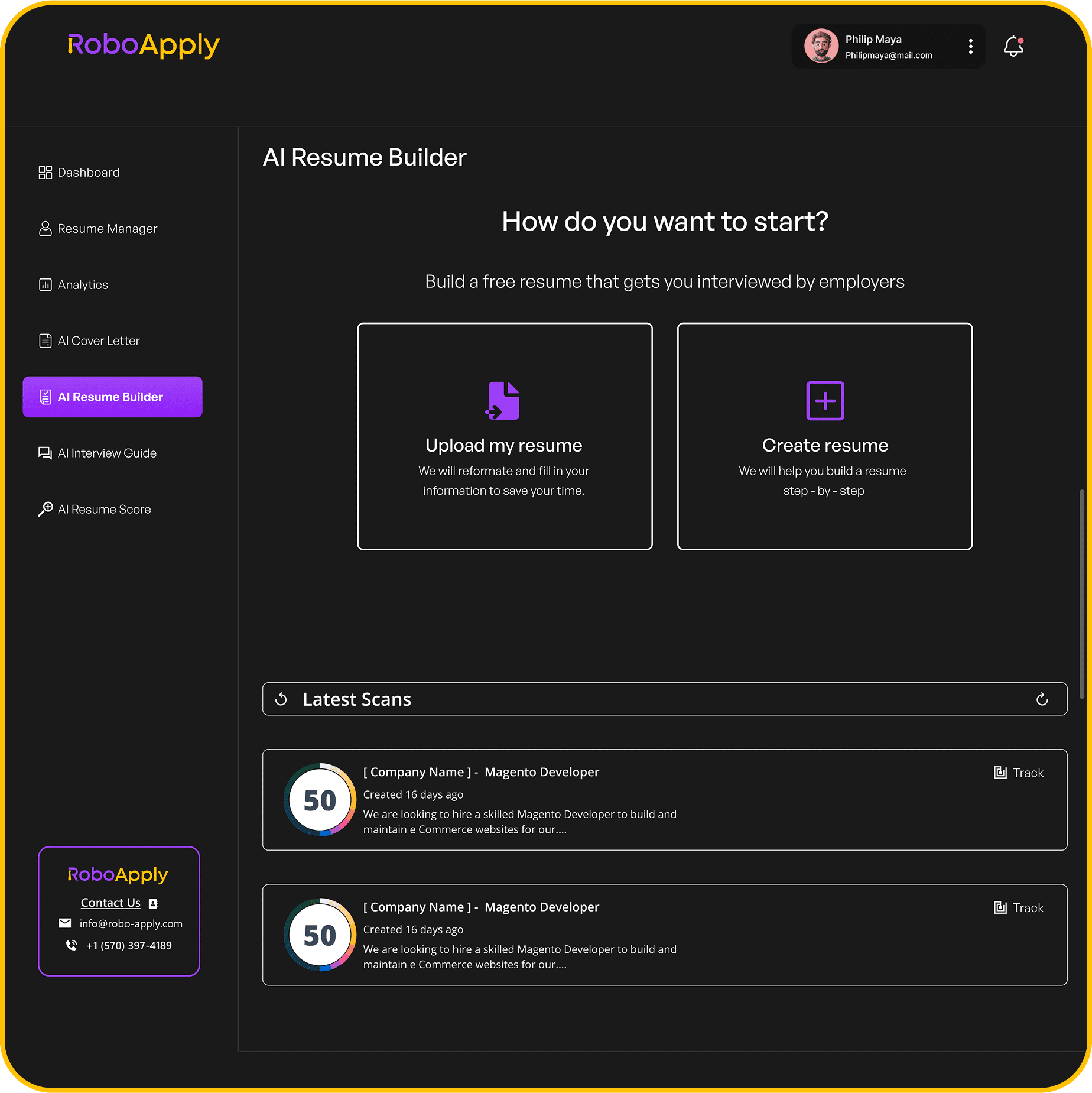
After understanding proven interview tips, you need to land interviews first. RoboApply’s AI Resume Builder creates resumes that get you in the door.
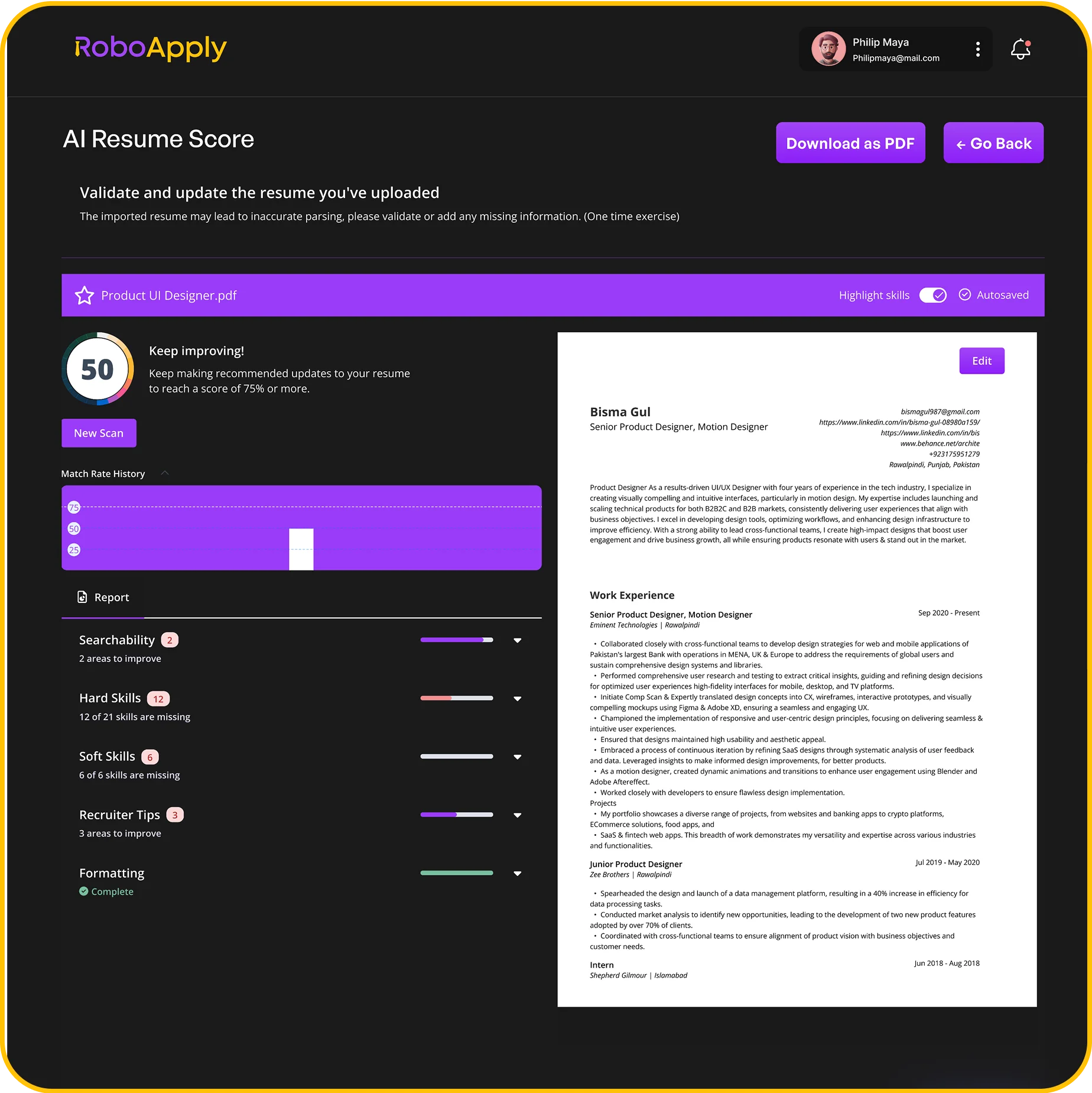
The platform optimizes applications for applicant tracking systems. The Resume Score identifies weak areas before submission.
The AI Tailored Apply system customizes your resume for each position automatically. This dramatically increases interview requests.
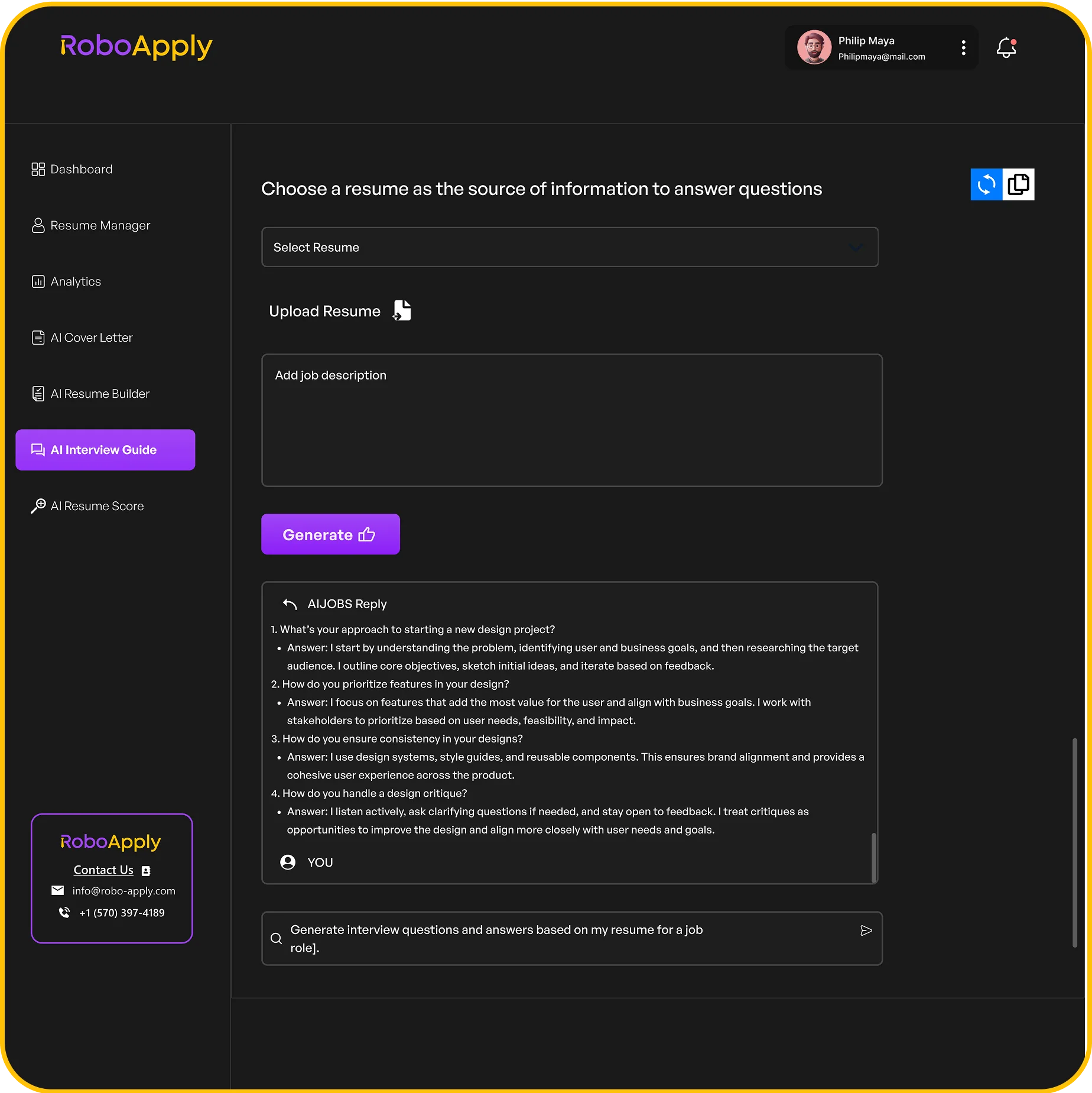
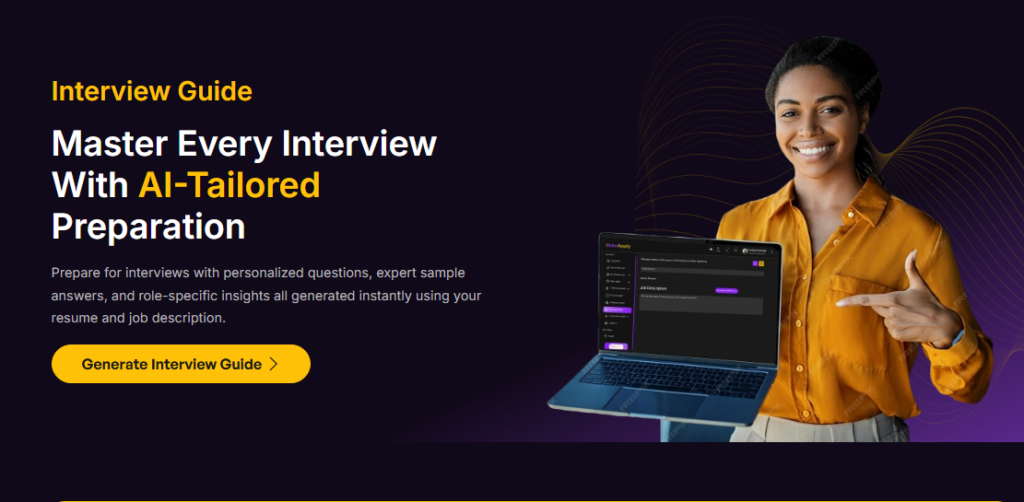
The AI Interview Copilot prepares you with role-specific practice questions. It generates questions based on your resume and job description. You practice likely questions beforehand.
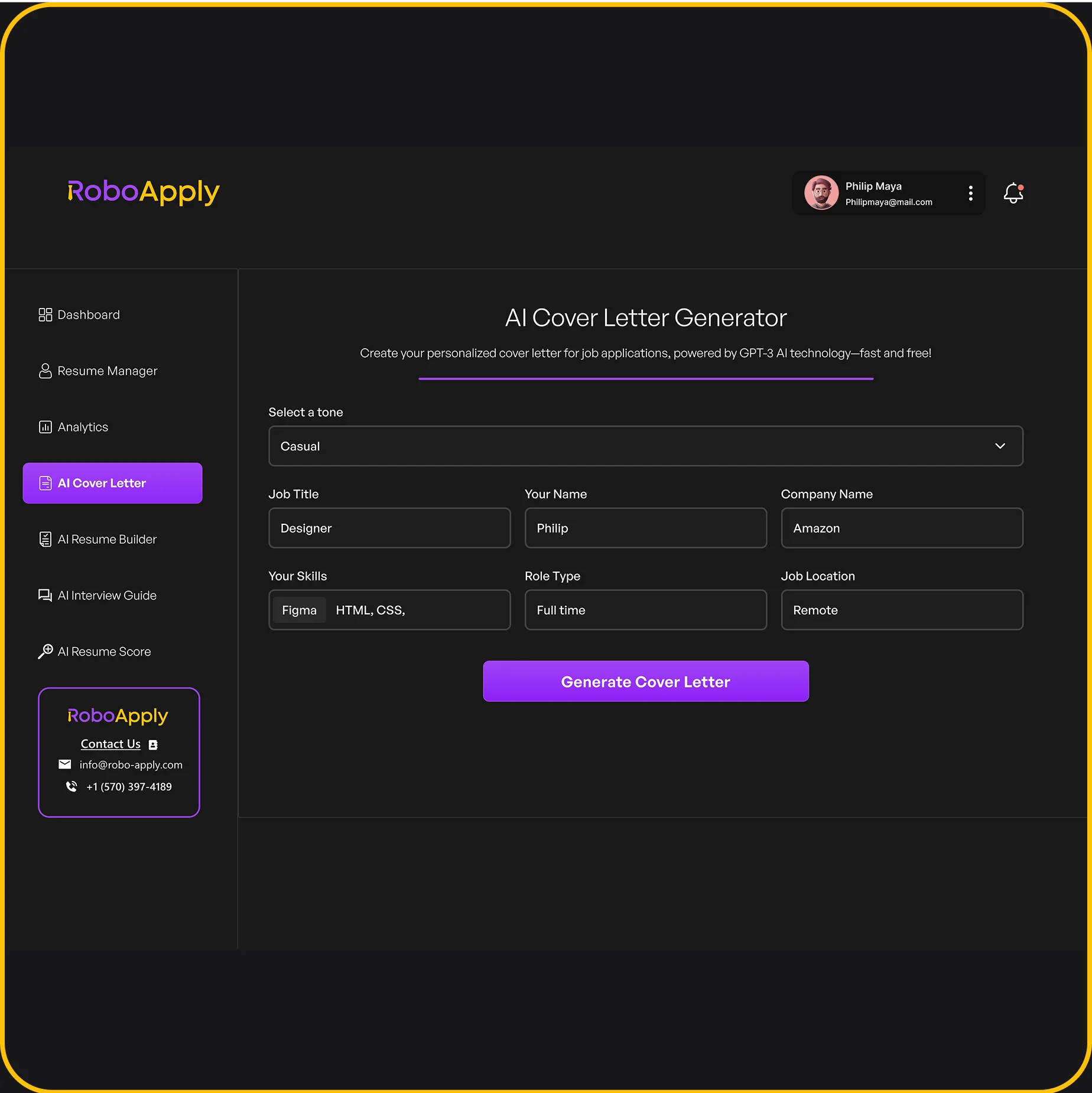
The system helps you develop STAR method responses for key achievements. The AI Cover Letter creates personalized letters demonstrating research. AI Auto Apply submits applications automatically.
Check the Interview Guide for additional strategies. Analytics track which versions generate interviews.
Start with the free plan to test everything. Three free applications show how optimization increases interview rates. 90-day guarantee removes all risk.
Maximizing Your Overall Interview Performance
Strong interview skills develop through practice and honest self-evaluation. Don’t wing your next interview.
Schedule mock interviews with experienced friends or mentors. Research from Forbes shows candidates who complete 3 mock interviews perform 44% better.
Record yourself answering common questions. Watch recordings objectively. Note where you ramble. Tighten those responses.
Research industry-specific questions for your field. Studies from SHRM confirm candidates who practice industry-specific questions receive offers 52% more often.
Prepare multiple examples for each major skill required. Don’t rely on single stories. Have varied examples ready.
Learn from every interview regardless of outcome. Write down questions you struggled with. Note what went well. This reflection accelerates growth.
Review your target company’s Glassdoor interview section. This intel provides huge advantages. You’ll know what’s coming.
Frequently Asked Questions
What are the most important proven interview tips?
Research the company thoroughly, practice STAR method responses with quantified results, prepare intelligent questions showing research, master confident body language, and send personalized follow-up emails within 24 hours.
How long should I prepare for an important interview?
Spend at least 3-5 hours preparing for important interviews. Research the company deeply, practice answering common questions out loud multiple times, and develop specific examples demonstrating your skills.
What’s the STAR method for answering interview questions?
STAR stands for Situation, Task, Action, Result. This proven framework helps you tell complete stories about your experience with specific context, your approach, and measurable outcomes.
Should I always send thank-you emails after interviews?
Yes absolutely. Send personalized thank-you emails within 24 hours to everyone who interviewed you. Reference specific conversation points and reaffirm your interest. This significantly strengthens your candidacy.
How many questions should I prepare to ask interviewers?
Prepare at least 5-7 intelligent questions demonstrating company research and strategic thinking. You won’t ask all of them, but having options ready ensures you never run out.