Systems engineering job application success takes way more than uploading a generic resume. You’re competing against hundreds of qualified candidates who all list the same skills. Most applications get tossed in under 10 seconds.
Your application needs to prove you solve complex technical problems. Show how you’ve actually optimized systems. Demonstrate you bridge different engineering disciplines effectively. Real numbers matter infinitely more than vague duty statements.
This guide shows you what actually works. You’ll see how to structure applications that land interviews. We’ll cover what hiring managers really want to see.
What Systems Engineering Managers Actually Look For
Systems engineering positions require completely unique application strategies. You can’t just list technical skills and hope for the best. Managers need concrete proof you handle complexity across multiple engineering domains simultaneously.
Research from IEEE shows that 78% of hiring managers prioritize demonstrated systems thinking over narrow technical expertise. Your application must prove you see the big picture. Not just individual components in isolation.
Strong applications emphasize actual integration capabilities. “Coordinated cross-functional teams reducing system failures 34%” beats “worked on systems projects” every single time. One proves measurable results. The other just states something obvious.
Data from the National Society of Professional Engineers found that applications with quantified outcomes receive 3x more interview requests. Show exactly what improved because of your engineering decisions. Not what you were theoretically “responsible for” doing.
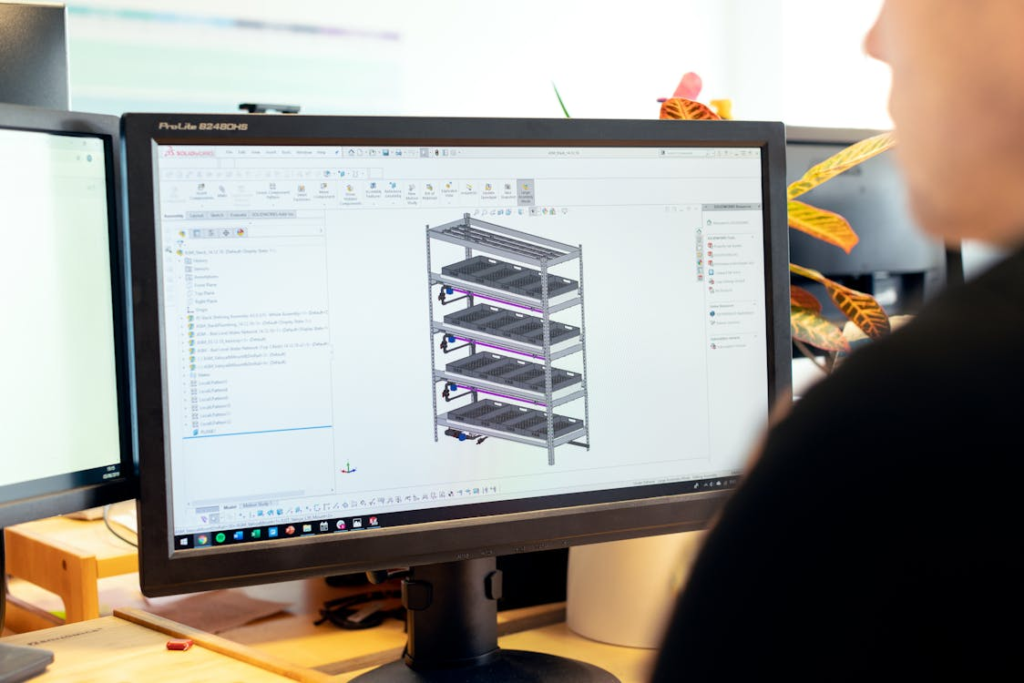
Modern systems engineering demands specific modeling expertise. Mention tools by actual name. SysML, MATLAB, Simulink, or Cameo Systems Modeler prove current capabilities. Generic “engineering software experience” means absolutely nothing to technical managers.
Building Your Systems Engineering Resume
Your resume must highlight systems-level thinking from the very first line. Generic engineering resumes fail hard because they focus on daily tasks instead of actual outcomes. Let’s break down the specific sections that separate strong applications from weak ones.
Professional Summary That Demonstrates Systems Thinking
Your summary appears right at the top of your resume. These 3-4 sentences need to demonstrate real integration capabilities immediately. Skip the tired “detail-oriented team player seeking challenges” garbage everyone writes.
Strong example: “Systems engineer with 6 years aerospace experience. Reduced integration testing time 42% through requirements optimization. Expert in Model-Based Systems Engineering and DOD frameworks. Led teams delivering $12M defense systems project.”
This works because it shows actual scale, measurable results, and specific methodologies. All facts managers can easily verify with references.
Weak example: “Experienced systems engineer with strong technical skills. Good communicator who works well with diverse teams. Seeking challenging position to advance my career.”
See the massive difference? Strong versions quantify real impact with numbers. Weak versions waste precious resume space with meaningless claims everyone makes.
Technical Skills That Show Real Breadth
Systems engineering demands genuine breadth across multiple technical disciplines. Your skills section must prove you handle integration work effectively. List specific tools, frameworks, and methodologies by their actual names.
When you’re showcasing your systems engineering capabilities, include these elements:
- Systems modeling tools with your proficiency levels – SysML, MATLAB/Simulink, Rhapsody, Cameo
- Requirements management platforms you’ve actually used – DOORS, Jama Connect, Polarion
- Architecture frameworks you’ve applied on real projects – TOGAF, DOD AF, Zachman
- Integration methodologies you’ve implemented – Agile systems engineering, V-model, spiral
- Analysis capabilities you possess – trade studies, risk analysis, V&V
- Specific domain expertise – aerospace, automotive, defense, medical devices
- Programming languages supporting your systems work – Python, C++, Java
Show your actual depth honestly. “Expert in SysML for complex system modeling with 5 years daily application” beats generic “knows modeling tools” every time.
Experience Section Proving Integration Skills
This section absolutely separates real systems engineers from regular engineers. Most candidates just list component-level work they performed. Systems engineers demonstrate how they connected everything together to create measurable value.
Use specific examples that clearly demonstrate systems-level thinking and business impact:
- “Developed requirements traceability matrix for 450+ system requirements, reducing integration defects 58% and saving $2.3M in rework costs”
- “Led trade study analysis across mechanical, electrical, and software domains, optimizing system performance while reducing weight 23%”
- “Implemented Model-Based Systems Engineering approach cutting design cycle time from 18 months to 11 months”
- “Coordinated verification activities across 4 engineering teams, achieving 100% requirements compliance on DoD project”
These bullets prove you handle genuine system complexity effectively. You coordinate across different technical disciplines. You deliver real measurable business value consistently.
Compare those to the weak bullets most engineers write:
- “Responsible for systems engineering tasks on various projects”
- “Participated in requirements development and testing activities”
- “Worked with engineering teams on system integration efforts”
Weak bullets just state obvious duties anyone does. Strong bullets prove exceptional systems-level contributions through actual data.
Writing Cover Letters That Actually Work
Cover letters matter significantly for systems engineering. Managers assess your communication abilities carefully. Systems engineers explain complex concepts to non-technical stakeholders. Your letter proves this ability.
Start by addressing the specific challenge the company faces. Research their products thoroughly. Reference this knowledge immediately.
“I’m writing regarding the Senior Systems Engineer position. Your recent satellite deployment demonstrates sophisticated integration. My experience optimizing multi-satellite architectures aligns with your requirements.”
This demonstrates you’ve done homework. You understand their domain.
Provide one detailed example showing systems thinking. Pick your strongest achievement. Explain the challenge, your approach, and results clearly.
Connect your background to their needs. If they mention Model-Based Systems Engineering, explain your MBSE experience. Mirror their language.
Close confidently. “I’d welcome discussing how my systems optimization can accelerate your development. I’ll follow up next week.”
Optimizing for Applicant Tracking Systems
Many engineering firms use ATS software. Harvard Business Review research confirms 75% of engineering resumes never reach humans because of filtering. Your application must pass automated screening.
Use exact keywords from job descriptions. If they want “systems architecture development,” write that precisely. Not “designed architectures.” Match their language.
List tools by proper names. “DOORS Next Generation” rather than “requirements tool.” “SysML” instead of “modeling language.” ATS searches for specific names.
Keep formatting simple. Standard fonts. Clear headers. No graphics. Stick with .docx or PDF. ATS systems choke on creative designs.
Include certifications fully spelled out. “INCOSE Certified Systems Engineering Professional (CSEP)” not just “CSEP.”
Tailoring Applications to Different Industries
Systems engineering spans incredibly diverse technical industries. Each domain requires different emphasis in your application materials. Let’s look at how to customize your approach for maximum impact.
Aerospace and Defense Systems
Aerospace applications need security clearance mentions upfront. DoD architecture framework experience matters. Emphasize DO-178C, DO-254, or military standards compliance.
Highlight program scale. “Led systems engineering for 8-satellite constellation” shows scope.
Automotive Systems Engineering
Automotive applications focus heavily on ASPICE and ISO 26262 functional safety standards. V-model development experience matters tremendously here. Demonstrate you understand automotive-specific technical challenges deeply.
Show actual experience with vehicle subsystems specifically. “Optimized powertrain control system reducing emissions 12% while improving fuel economy” demonstrates real domain knowledge. Mention AUTOSAR if relevant.
Medical Device Systems Engineering
Medical device applications require clear FDA regulation knowledge upfront. Emphasize your Design Control and risk management experience specifically. IEC 62304 or ISO 13485 familiarity proves you understand complex regulatory requirements.
Patient safety always takes absolute priority in this field. “Implemented comprehensive failure modes analysis preventing 3 potential safety issues during design phase” shows the appropriate engineering mindset clearly.
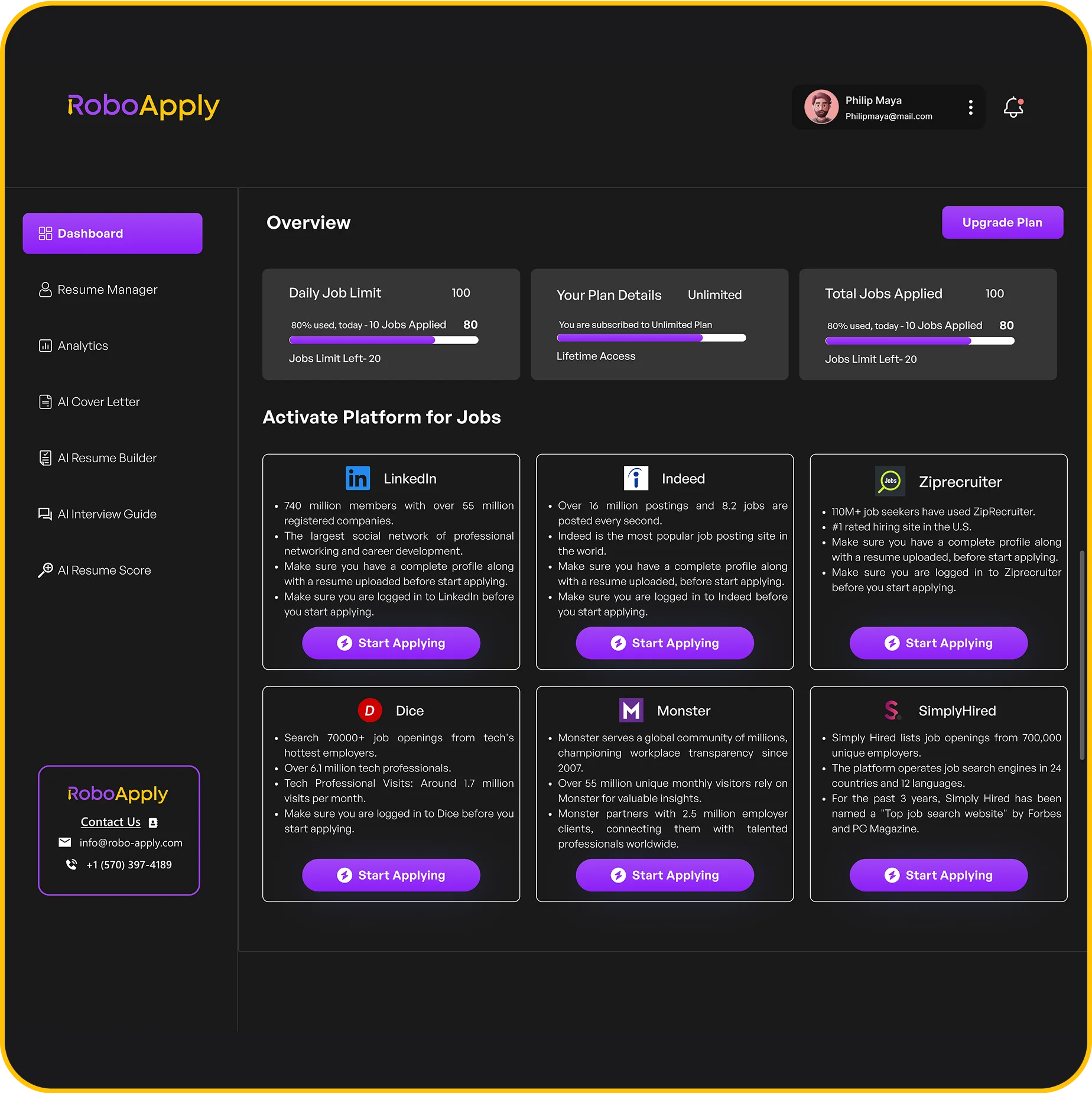
How RoboApply Streamlines Your Application Process
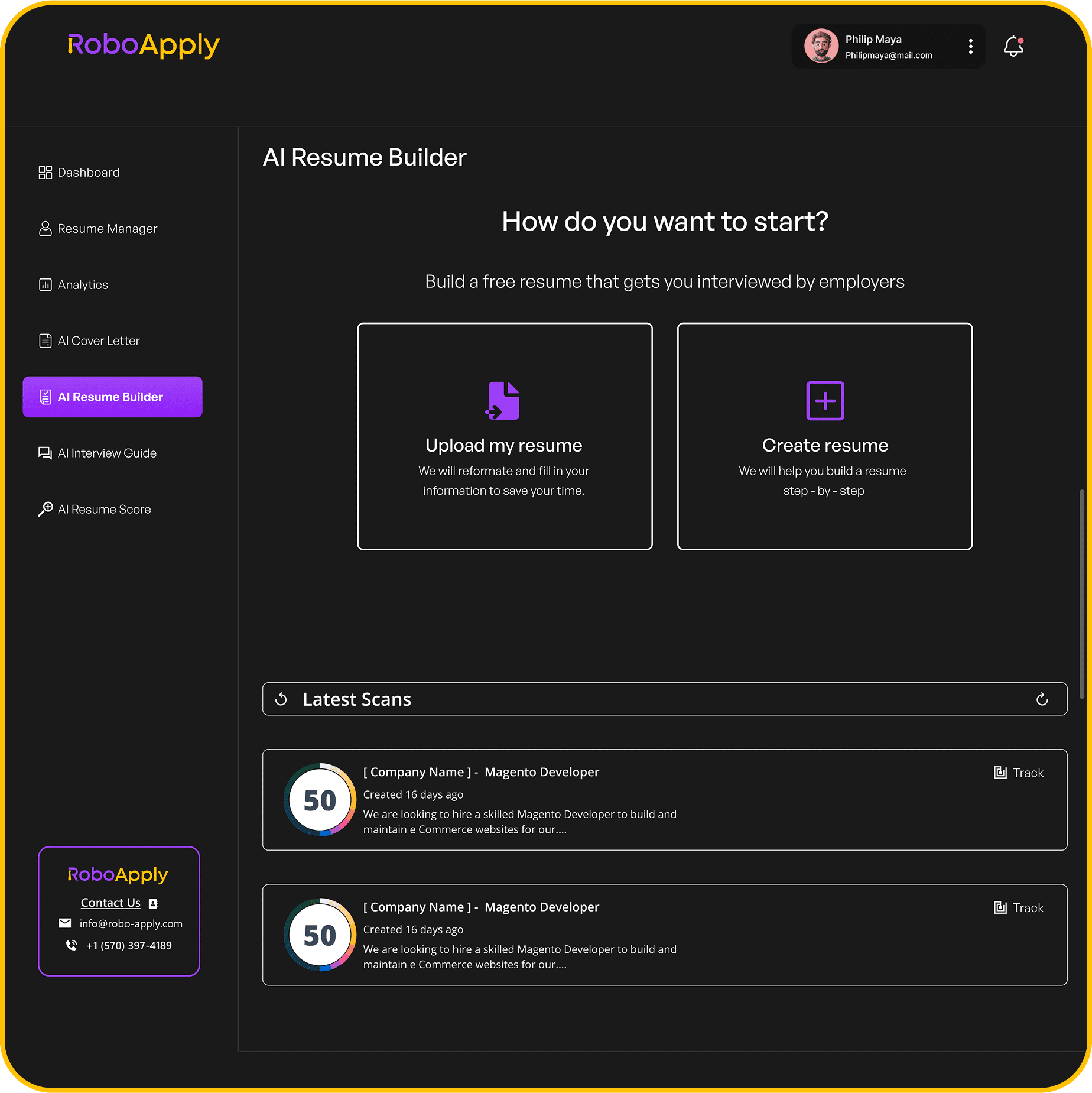
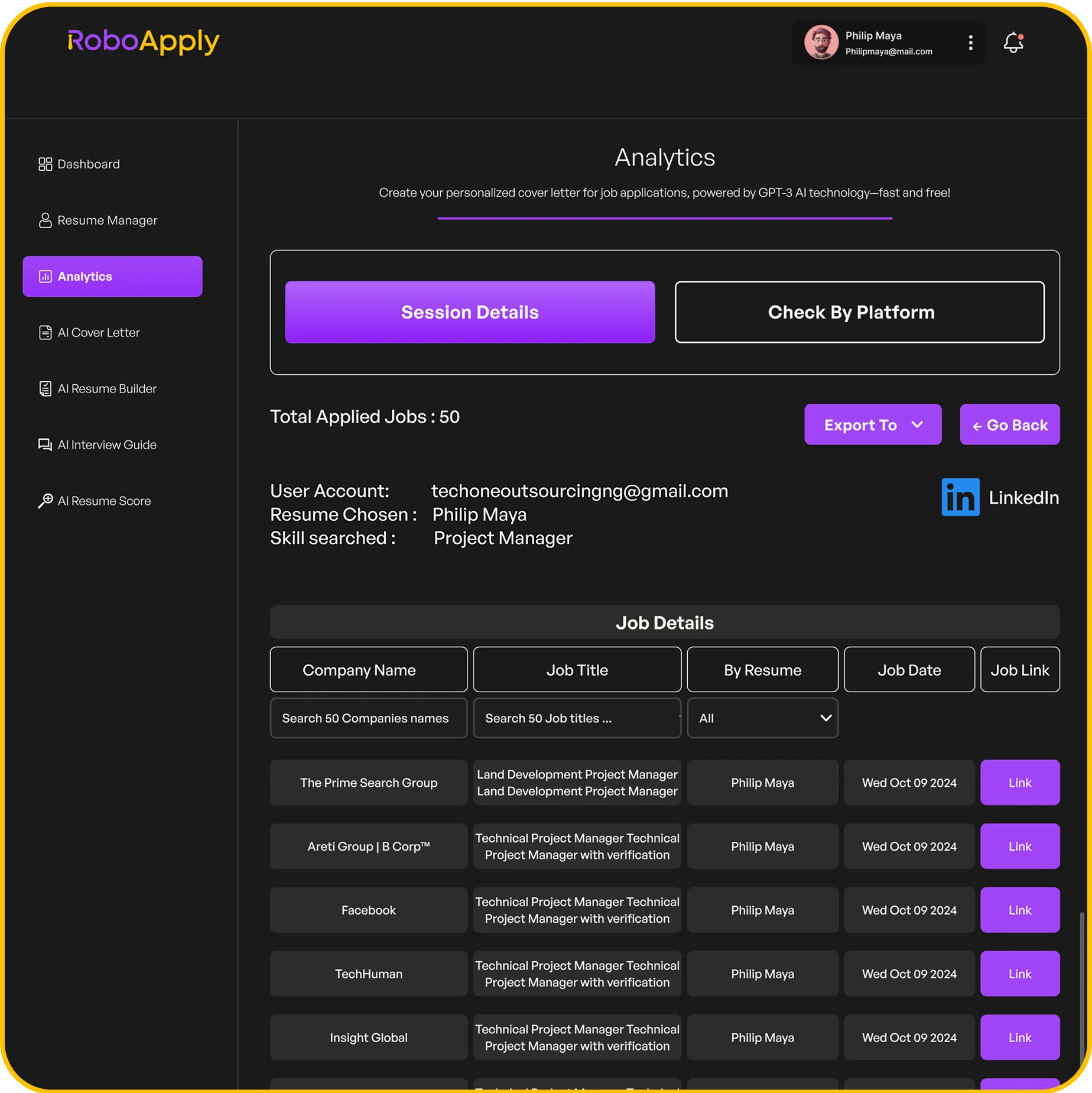
Creating strong systems engineering applications takes enormous time. RoboApply’s AI Resume Builder specifically understands technical engineering applications.
The platform generates achievement-focused bullets emphasizing systems-level thinking. Instead of generic “responsible for tasks,” you get “Coordinated cross-functional integration reducing validation time 34%.”
The AI Tailored Apply system recognizes aerospace versus automotive versus medical requirements automatically. It emphasizes relevant frameworks and standards based on each job description.
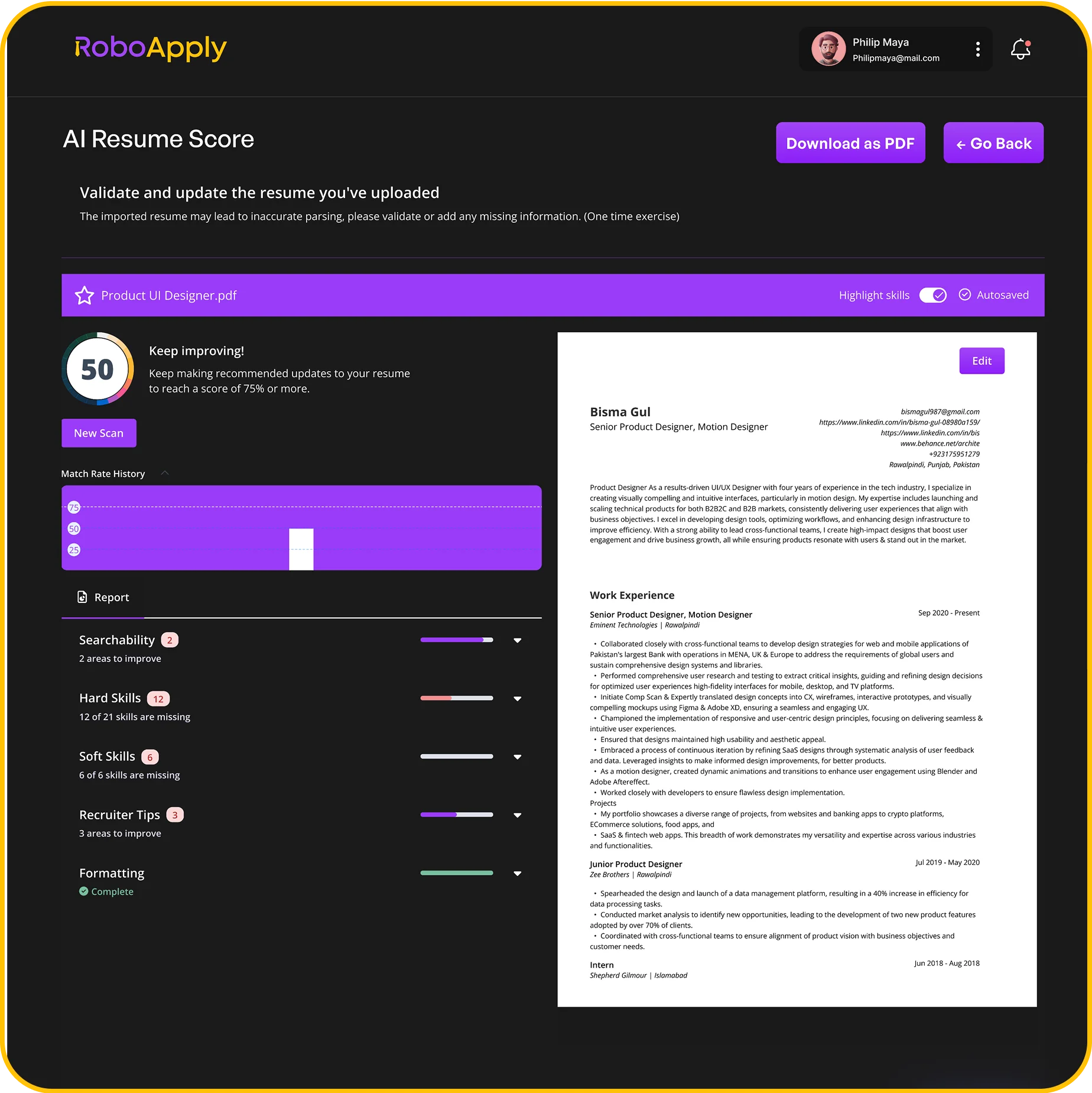
The Resume Score analyzes content against systems engineering requirements. It catches missing technical terms and formatting issues before submission.
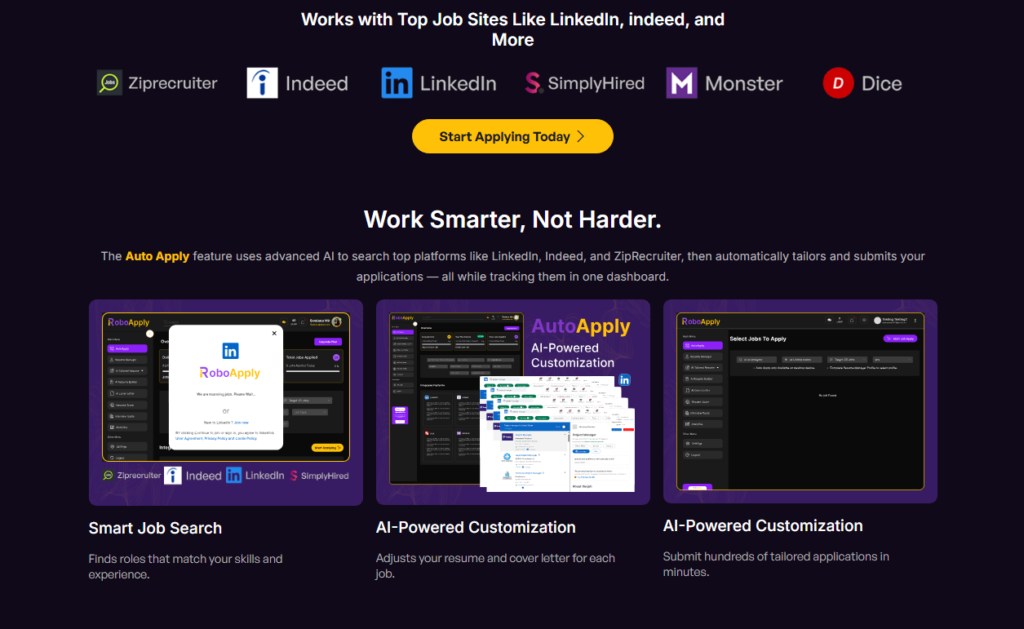
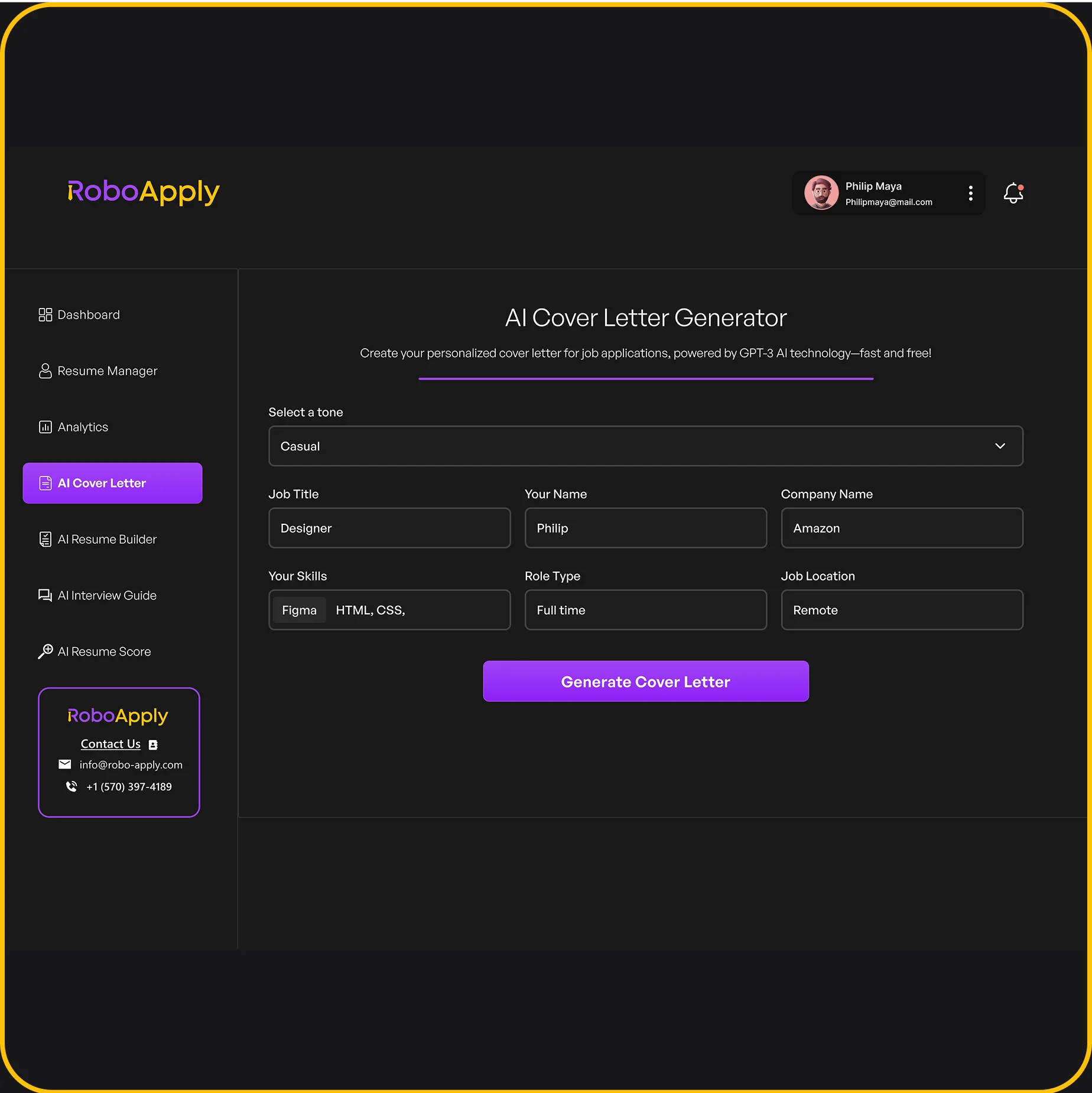
The AI Cover Letter creates letters demonstrating systems thinking. AI Auto Apply submits optimized applications automatically across platforms.
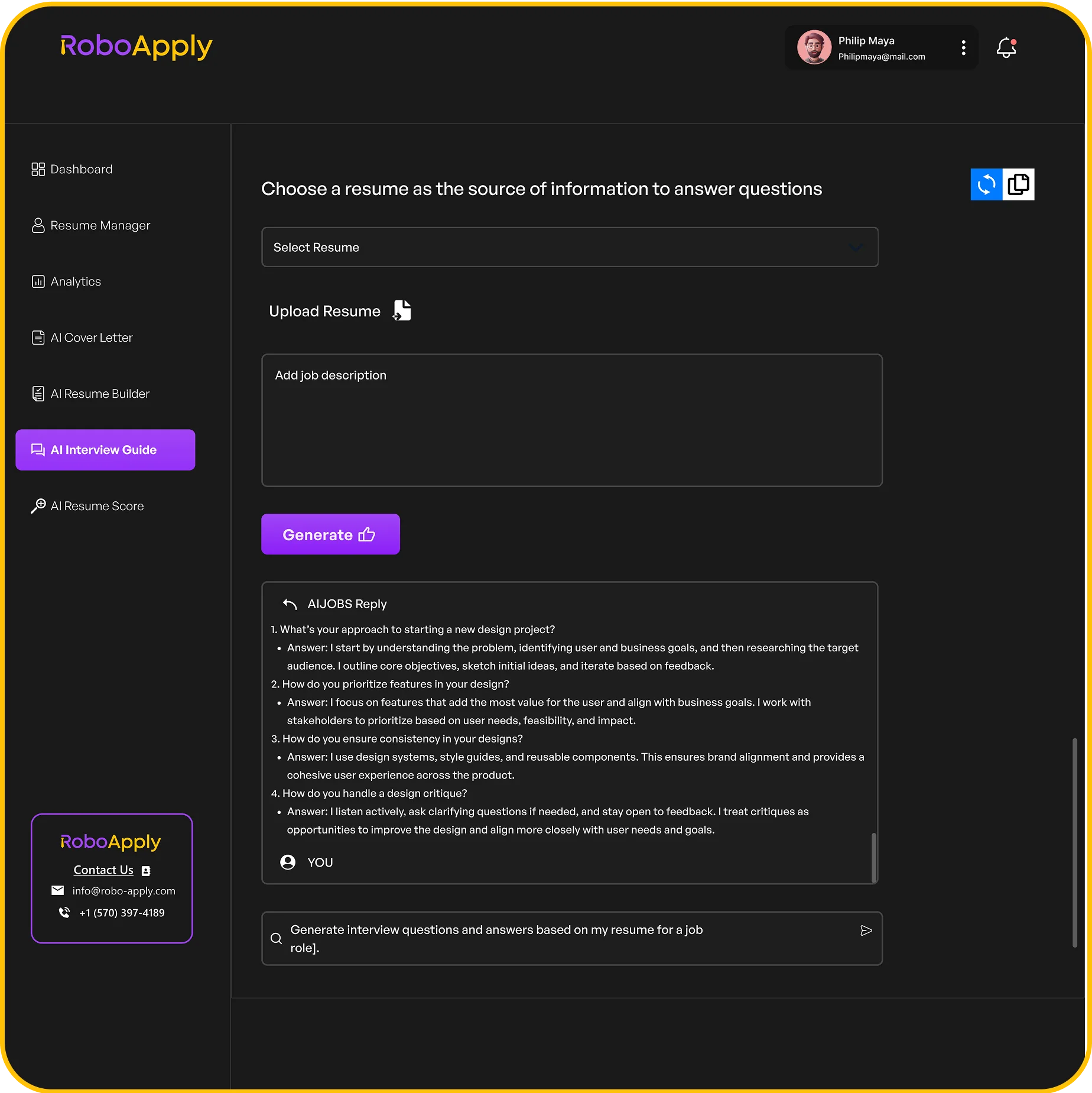
AI Interview Copilot generates technical questions about your actual systems. Check the Interview Guide for strategies. Analytics track which versions generate interviews.
Start with the free plan to test everything. Three free applications show how optimization works. 90-day guarantee removes all risk.
Maximizing Your Job Search Strategy
Strong applications open doors. Network actively within systems engineering communities. INCOSE chapters provide excellent contacts. INCOSE research found 64% of positions fill through networks before public posting.
Maintain a technical portfolio. Systems engineering papers show thought leadership. GitHub repositories prove skills. Conference presentations add credibility.
Stay current with emerging methodologies. Studies from MIT show engineers demonstrating digital capabilities receive 40% higher interview rates.
Consider certifications strategically. INCOSE CSEP signals commitment. But experience always trumps certifications.
Update LinkedIn for systems engineering. Use “Systems Engineer” as your headline. List systems-specific tools. Recruiters search these keywords.
Your next role starts with applications proving integration capabilities. Focus on systems-level outcomes. Show quantified impact.
Frequently Asked Questions
What should I emphasize most in systems engineering job applications?
Systems-level thinking with quantified integration outcomes always. Include cross-functional coordination examples, requirements traceability achievements, and measurable results from optimization work showing clear business value.
How long should my systems engineering resume actually be?
One page for engineers with under 10 years total experience. Two pages acceptable for senior systems engineers with extensive program leadership. Every single line must prove systems integration capabilities.
Do systems engineering applications really need cover letters?
Yes absolutely. Cover letters prove communication skills essential for systems engineers. Use them to demonstrate you understand the company’s technical domain and explain complex concepts clearly.
What technical keywords matter most for systems engineering ATS systems?
List specific tools by name – SysML, DOORS, MATLAB, Cameo. Include frameworks – TOGAF, DoD AF. Mention methodologies – MBSE, Agile systems engineering, V-model development explicitly.
How do I effectively show systems thinking in applications?
Use achievement bullets showing cross-disciplinary coordination and integration work clearly. Include examples connecting multiple engineering domains together. Quantify system-level improvements rather than listing component tasks.