Server resume tips matter way more than you’d think. Restaurant managers flip through hundreds of applications weekly. Most look identical. “Took orders, served food, cleaned tables.” They already know what servers do.
The trick? Show them actual results. “Increased average check by 30%” tells a real story. “Provided excellent customer service” tells them nothing new.
This guide cuts through the nonsense. You’ll learn what actually catches attention and makes your experience pop off the page.
What Makes Managers Stop and Actually Read Your Resume
Managers spend about 7 seconds scanning your resume. Research backs this up. Seven seconds to make an impression.
Numbers work magic. “Maintained 4.8/5 rating across 200+ reviews” beats “great customer service” every time. One proves something. The other’s just words.
Technical skills matter too. Knowing Toast POS or OpenTable means less training. National Restaurant Association data shows 72% of managers want candidates who know their systems. Less training equals money saved.
Show them you get the business side. Servers sell. You build relationships that bring people back. Those business results matter.

Building Your Resume Sections the Right Way
Each section needs a purpose. Don’t waste space. Every line should prove why you’re worth hiring.
Professional Summary That Actually Hooks Them
Your summary sits at the top. Make it count. Skip the “hard-working team player” garbage.
Try this: “Energetic server with 6 years upscale dining experience. Consistently hit $45+ average check through wine pairing expertise. Maintain 98% guest satisfaction scores.”
See how that tells three solid facts? Experience level, sales skills, service quality. All backed by numbers.
Compare that to: “Dedicated server seeking opportunities. Good with people.” Yawn.
Skills That Match What They Actually Want
List skills based on what each specific job needs. Fine dining cares about wine knowledge. Casual spots want speed.
Include these when relevant:
- Specific POS names like Square, Toast, Micros, Aloha
- Wine certs, craft beer knowledge, cocktail expertise
- Service types: fine dining, casual, high-volume, banquet
- Conflict resolution for handling difficult guests
- Training experience if you’ve brought new people up to speed
- Languages that help serve diverse customers
Don’t just list stuff. Show your level. “Expert in Micros POS, 4 years daily use” beats “familiar with technology.”
Experience Section That Proves You’re Good
Most servers mess this up bad. They list every boring duty. Greeted guests. Took orders. Served food. Managers know all that already.
Use the CAR method instead. Challenge, Action, Result. What problem existed? What’d you do about it? What improved?
Strong examples:
- “Cut table turn time by 12 minutes through better kitchen communication, boosting nightly revenue $800”
- “Hit 92% upsell rate on premium appetizers through enthusiastic menu knowledge”
- “Trained 8 new servers, cutting onboarding from 3 weeks to 10 days”
These show you think. You solve problems. You measure results. That’s gold.
Skills That Actually Matter to Managers
Different restaurants want different things. But some skills stay important everywhere.
Customer Service That Brings People Back
Managers need servers who create experiences. Not just take orders. Your resume should prove you build relationships.
Show it with metrics. “4.9/5 rating on OpenTable with 150+ reviews mentioning my name” proves guests remember you. Numbers tell the story.
Handling Rush Hours Without Falling Apart
Busy times show who can perform. SHRM found 68% of managers prioritize rush performance.
Prove it. “Managed 10-table section during 250+ cover weekend brunch” shows capacity. “Kept table turns under 20 minutes during holidays” demonstrates efficiency.
Sales Skills That Boost Revenue
Every recommendation affects the check average. Smart upselling helps the restaurant and your tips.
Show your sales impact:
- Check increases: “Raised average check from $42 to $56 through wine pairings”
- Item promotion: “Hit 88% success rate selling chef specials”
- Add-on sales: “Generated $300+ daily in dessert and drink sales”
These numbers prove you’re a business partner. Not just an order taker.
Mistakes That Kill Your Chances
Avoid these and you’re already ahead of most applicants.
Listing Duties Instead of Wins
Everyone greets customers and takes orders. Don’t waste space stating obvious stuff. Focus on exceeding expectations.
Change “Served customers in busy environment” to “Served 150+ covers nightly maintaining 4.8/5 satisfaction and 95% order accuracy.”
See the difference? One shows basic competence. The other proves excellence.
Ignoring Those Pesky ATS Systems
Many restaurants use software to screen resumes now. Harvard Business Review research found 75% of resumes never reach humans. Your resume needs to pass robots first.
Match their exact words. Job posting says “POS experience required”? Write “POS experience.” Not “point of sale knowledge.” Not “register skills.” Use their language.
Keep formatting clean. Simple fonts. Standard headers. No fancy graphics. ATS systems choke on creative designs.
How RoboApply Makes This Way Easier
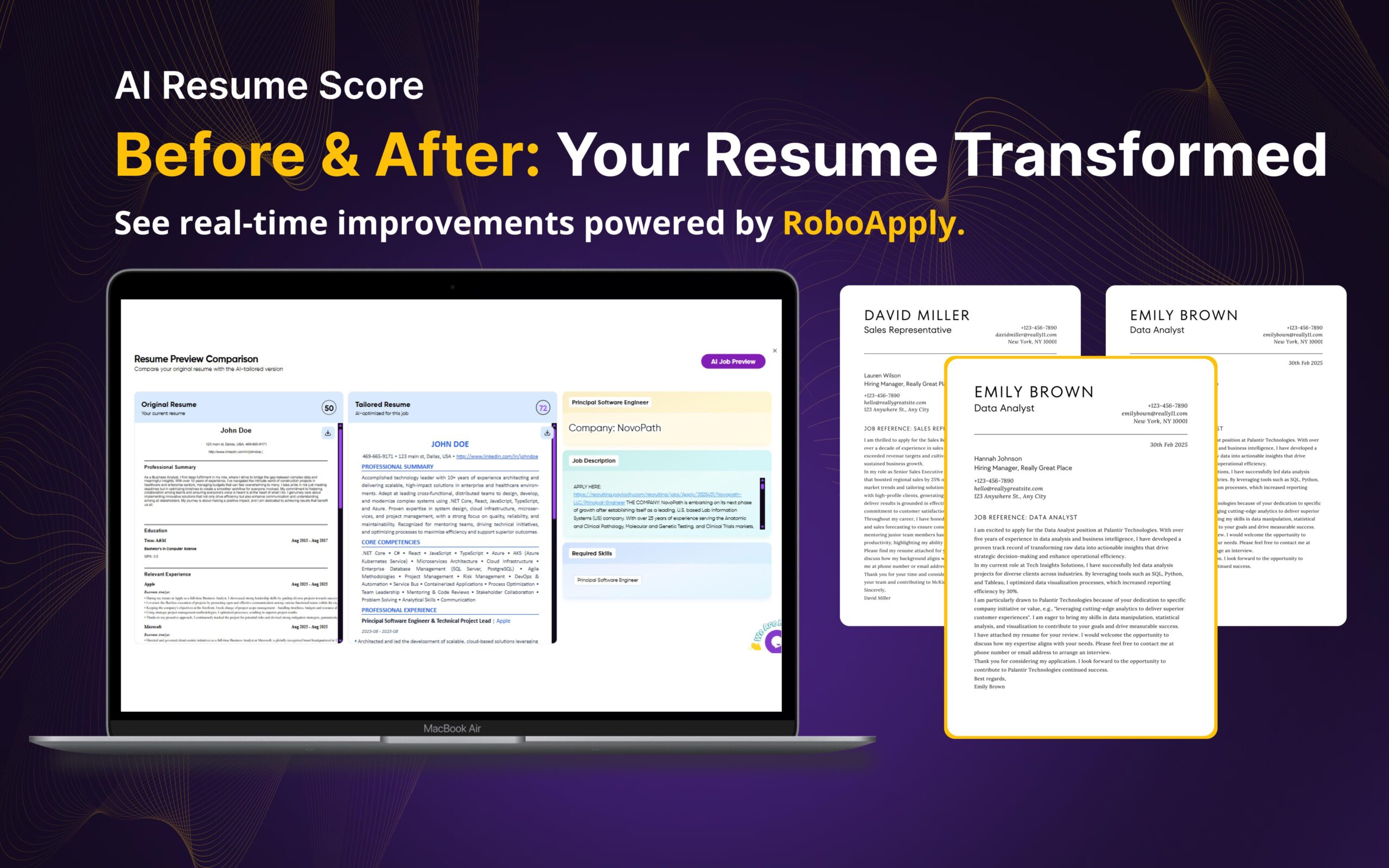
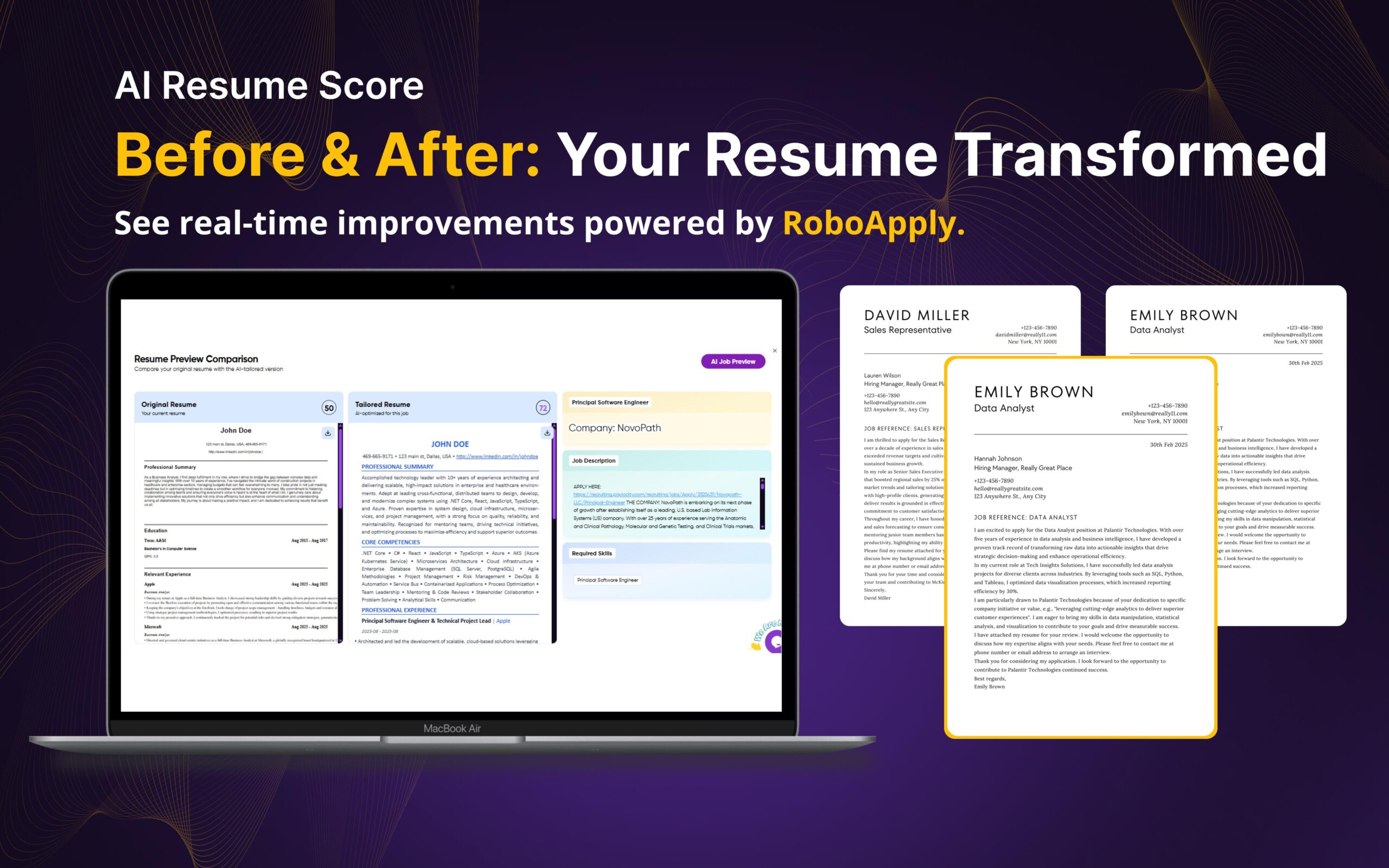
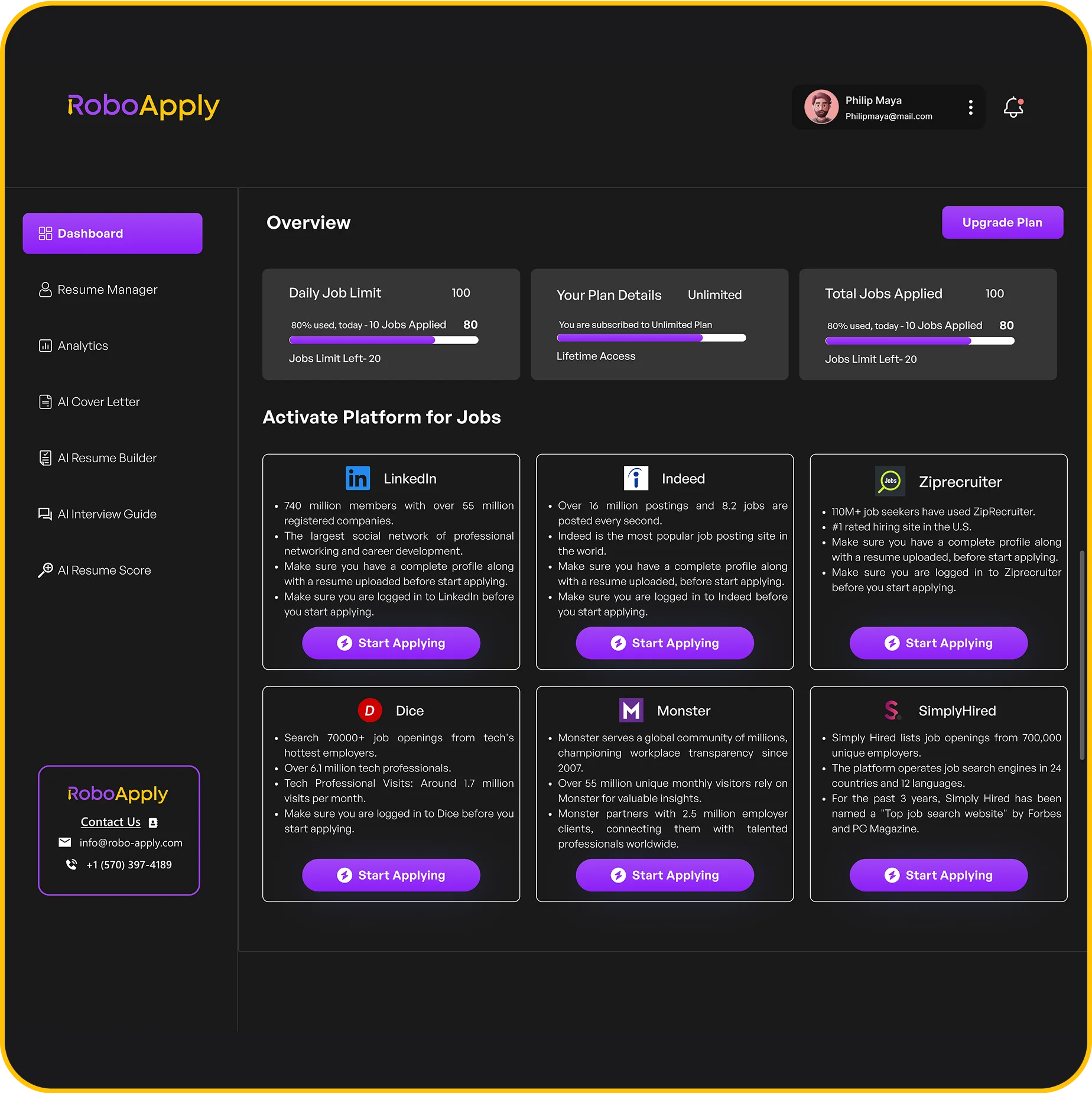
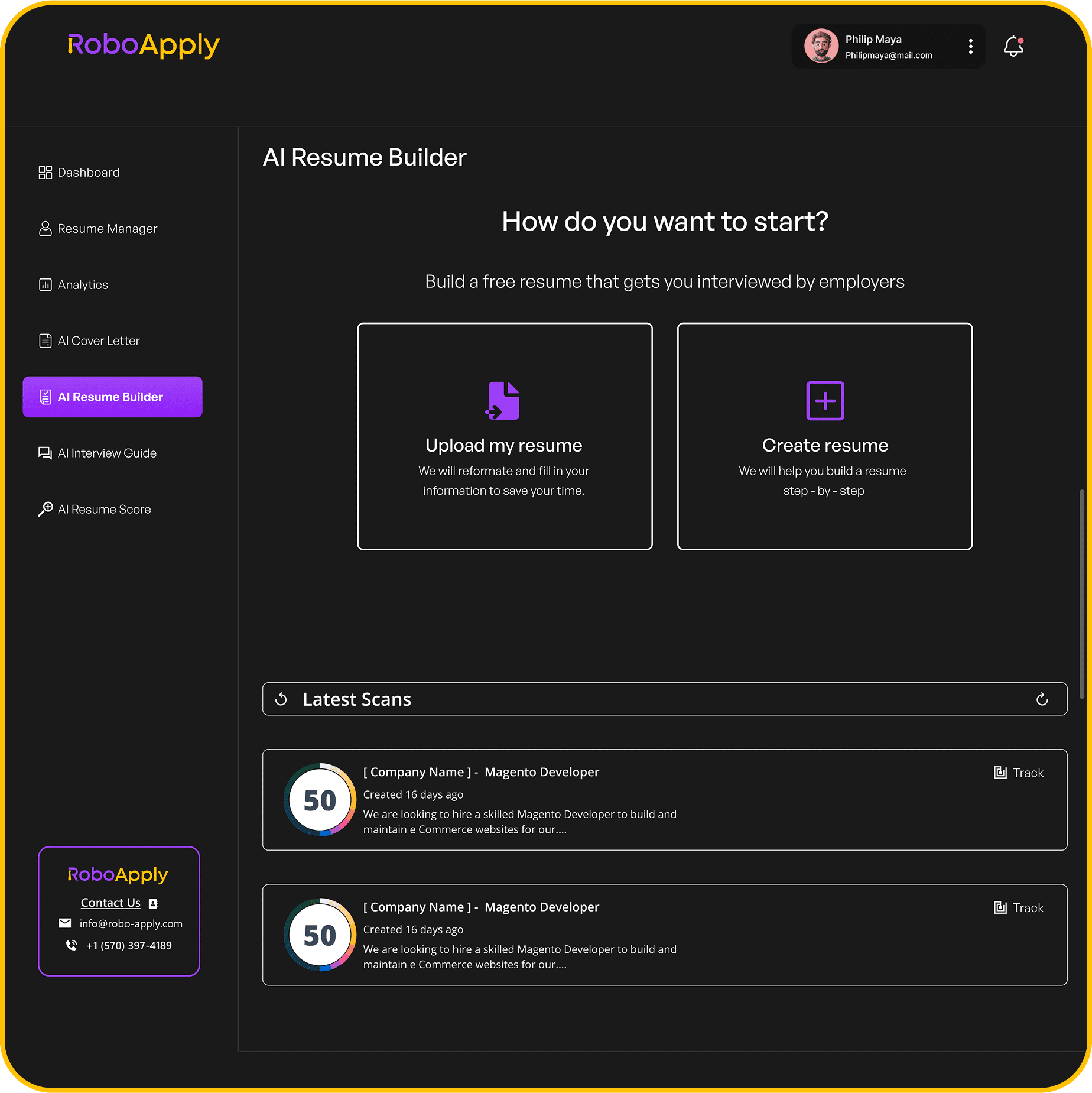
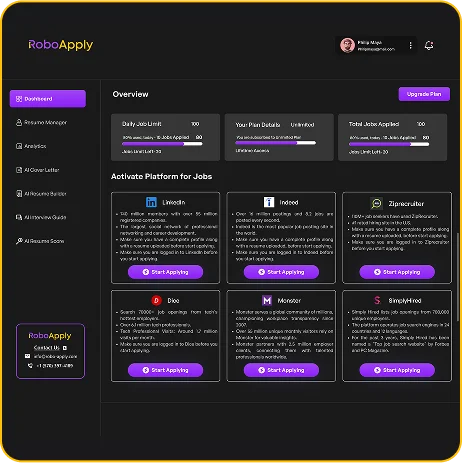
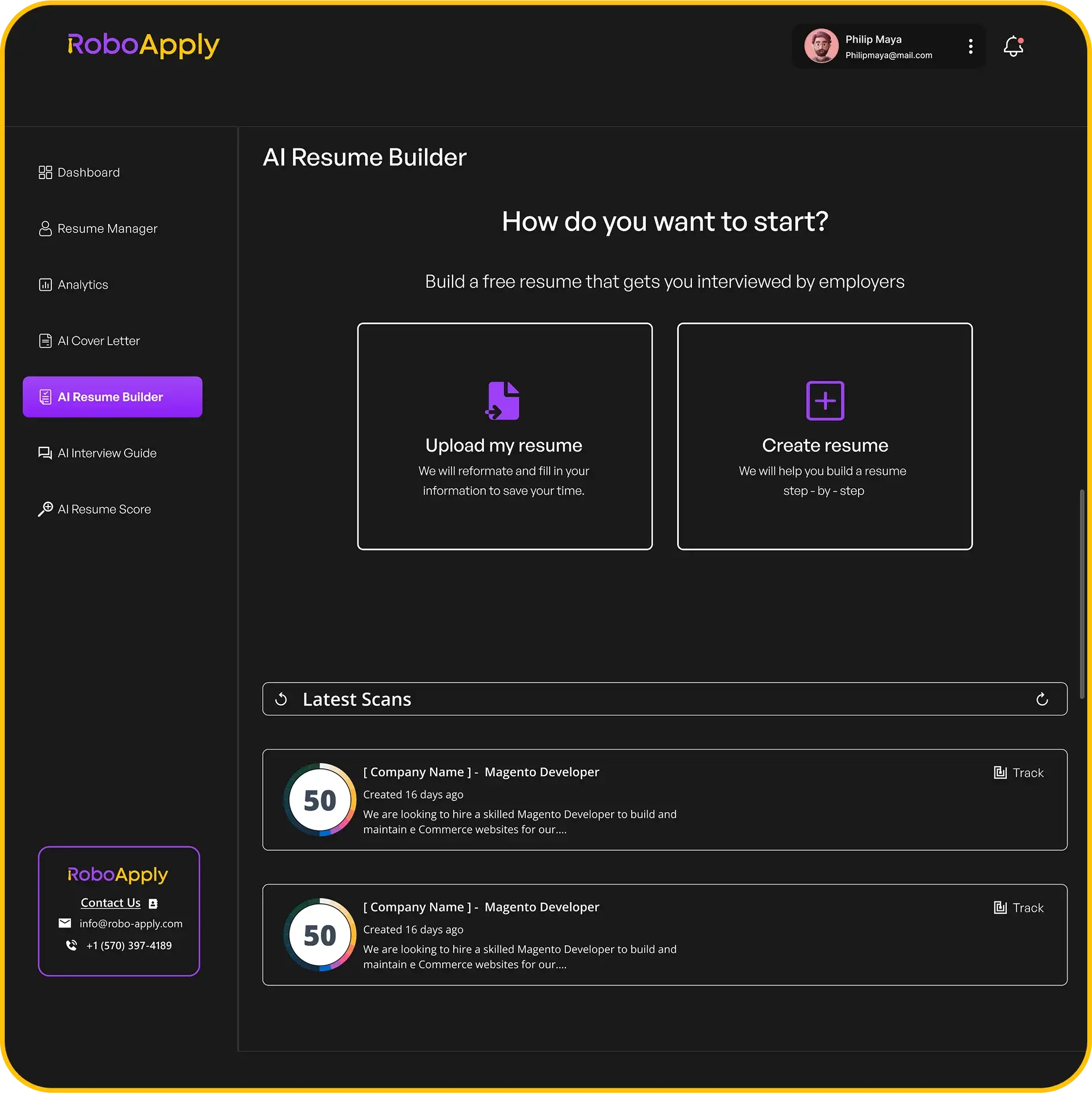
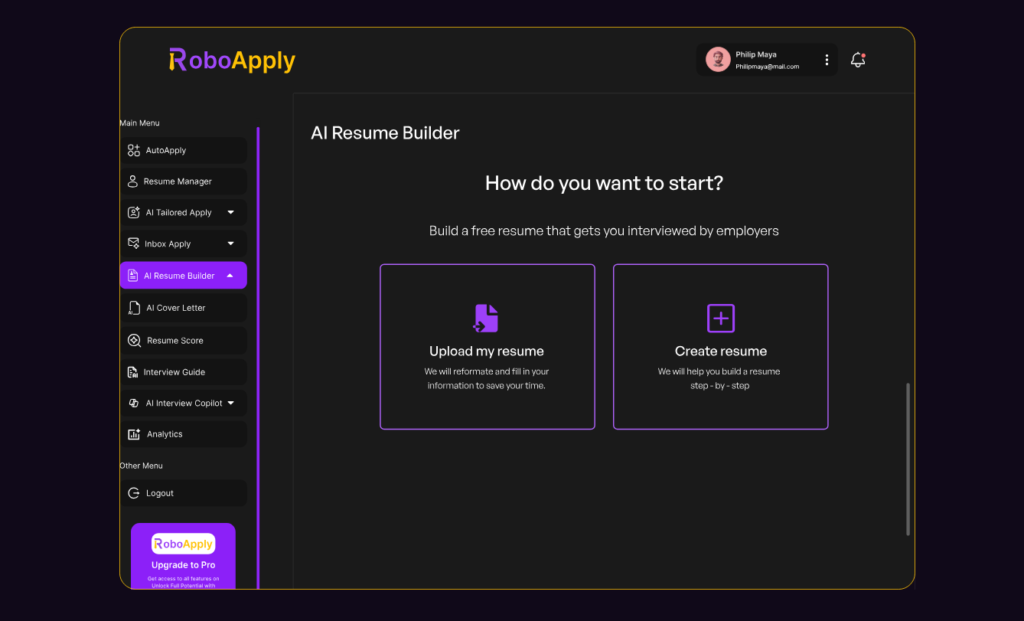
Creating achievement-focused resumes takes forever. RoboApply’s AI Resume Builder handles the hard parts.
The platform generates results-focused bullets based on your experience. No blank pages. You’re picking from solid achievements.
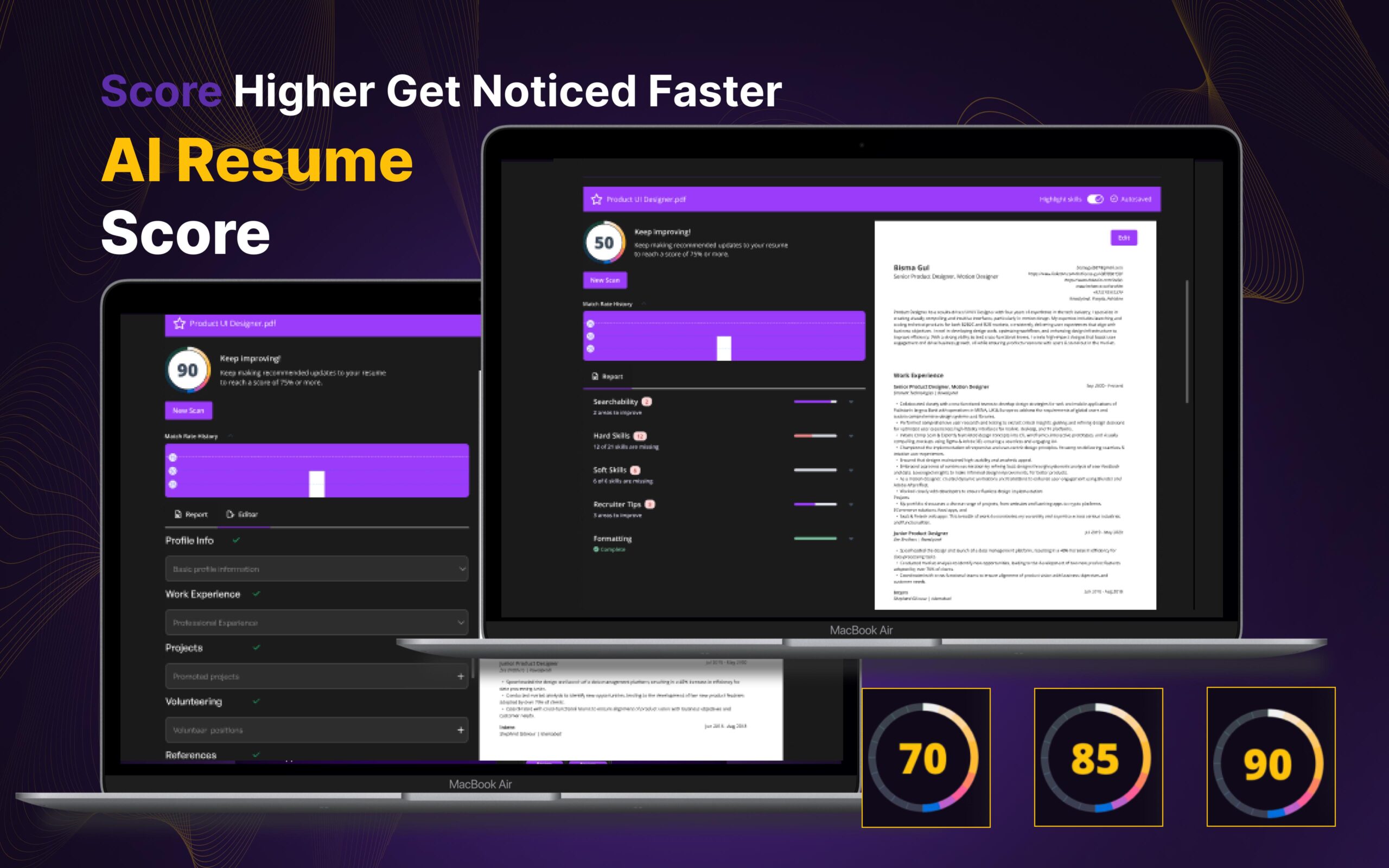
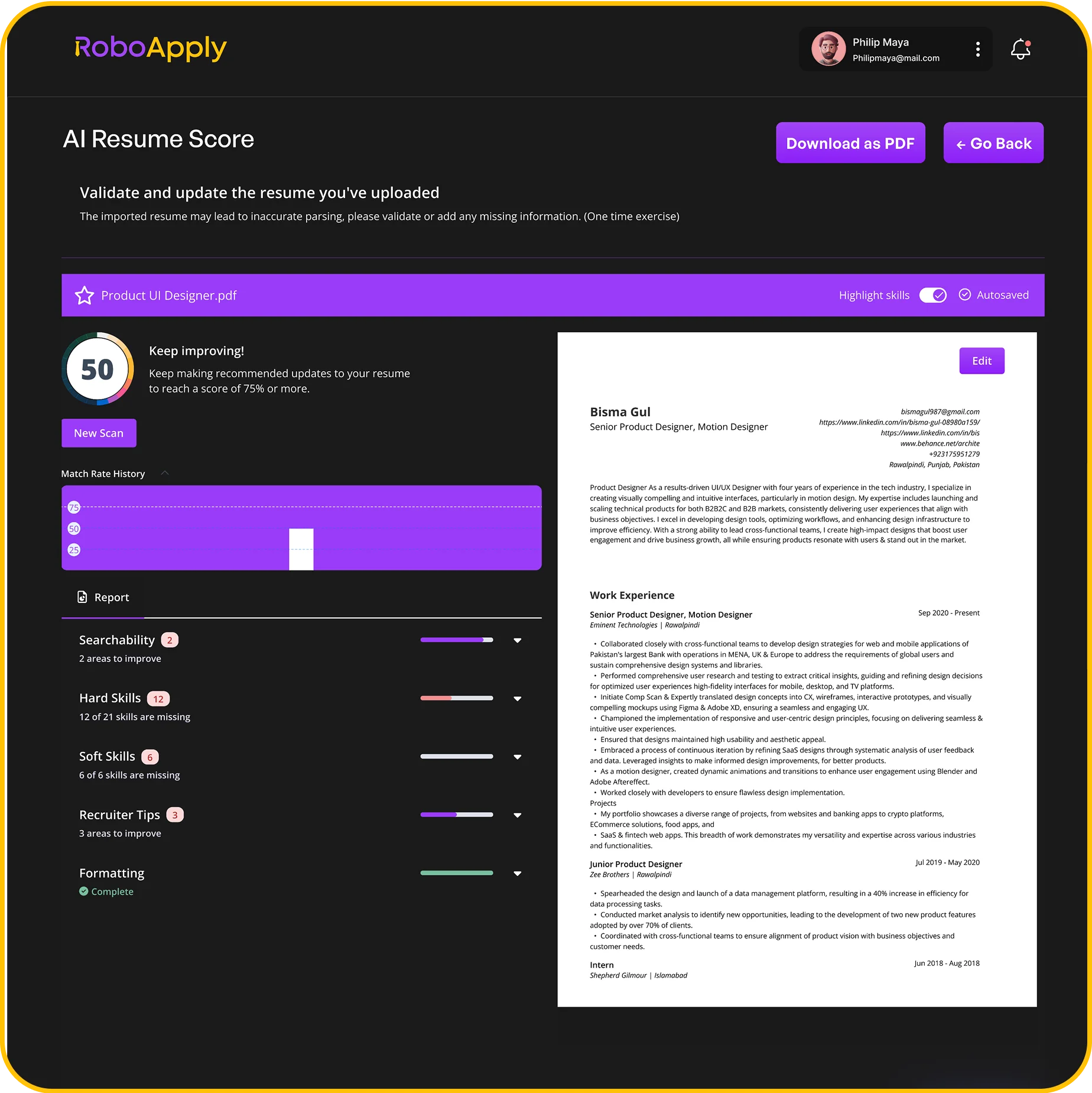
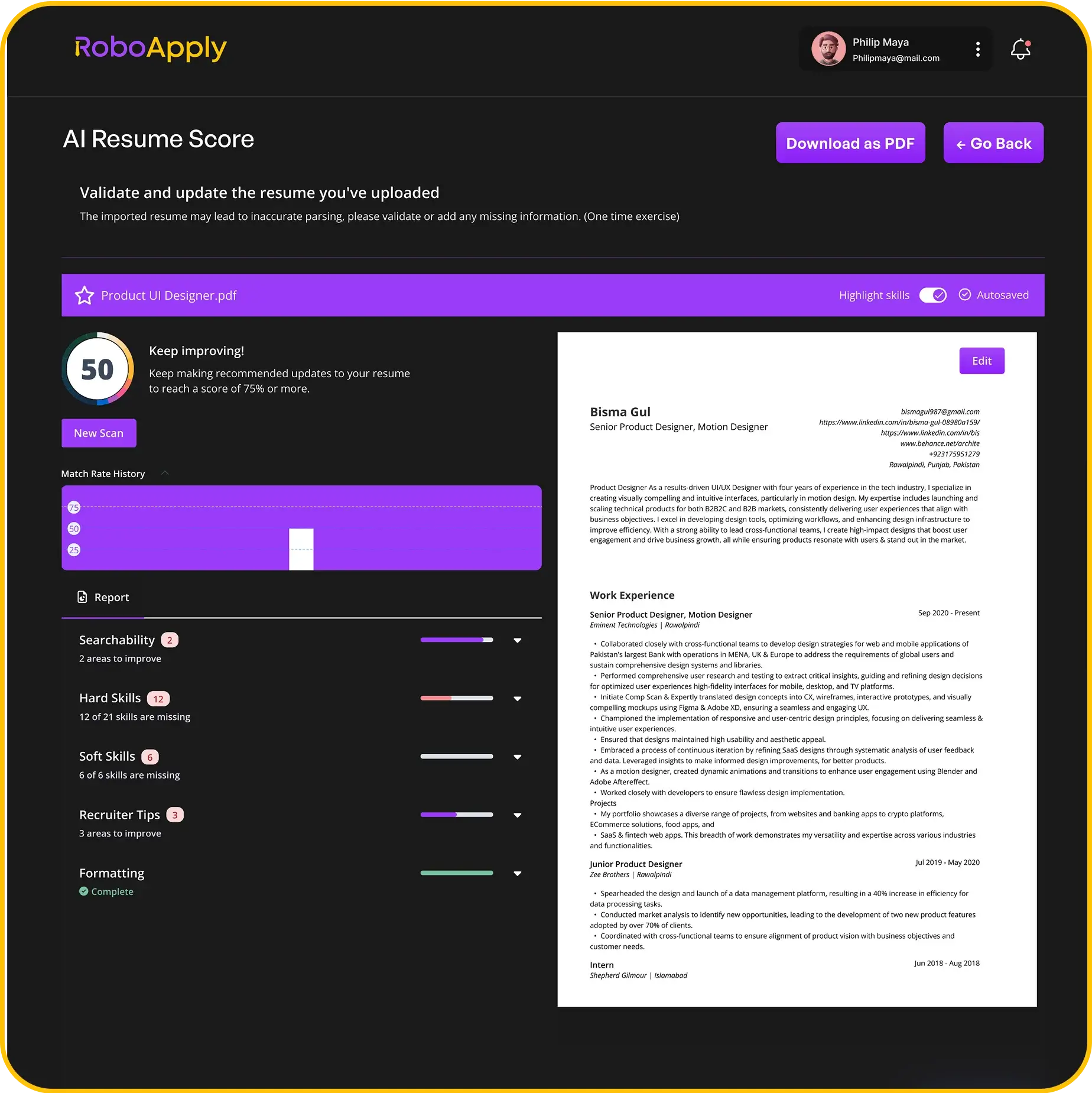
Templates come ATS-ready. The Resume Score catches problems before you submit. Missing keywords, weak phrasing, formatting issues.
The AI Tailored Apply system customizes for each restaurant. Fine dining? Wine knowledge emphasized. Casual spot? Volume management prioritized.
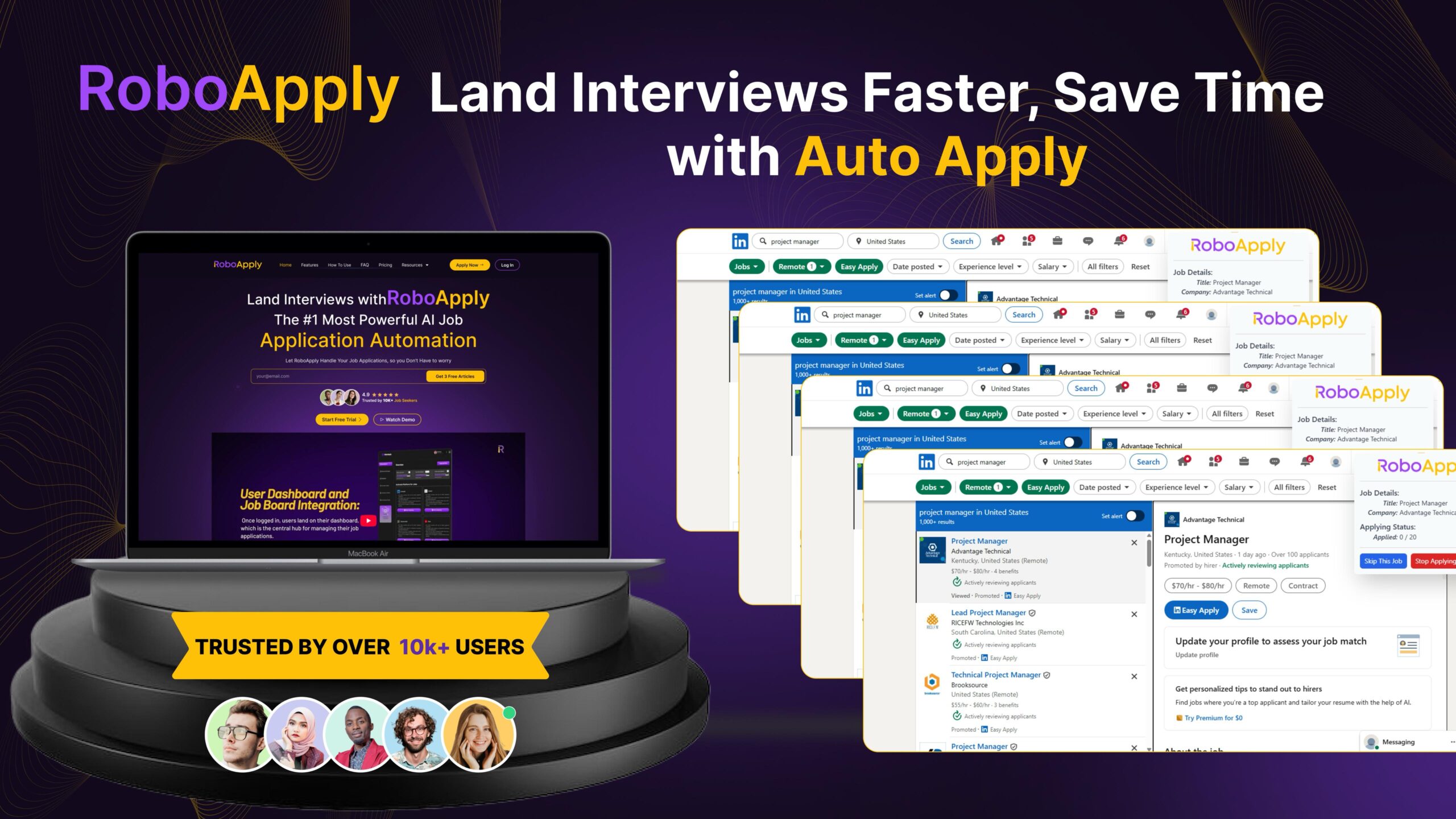
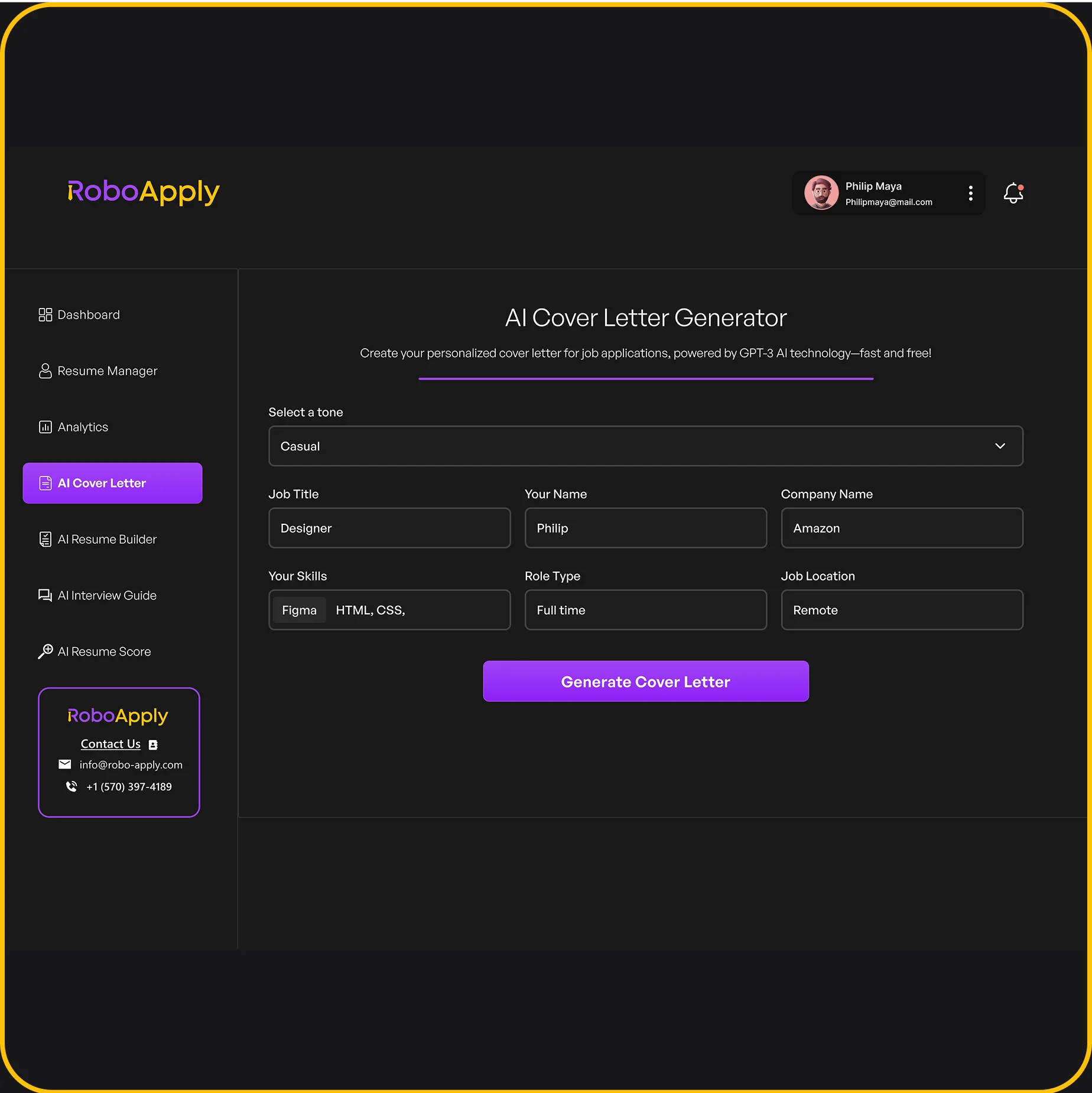
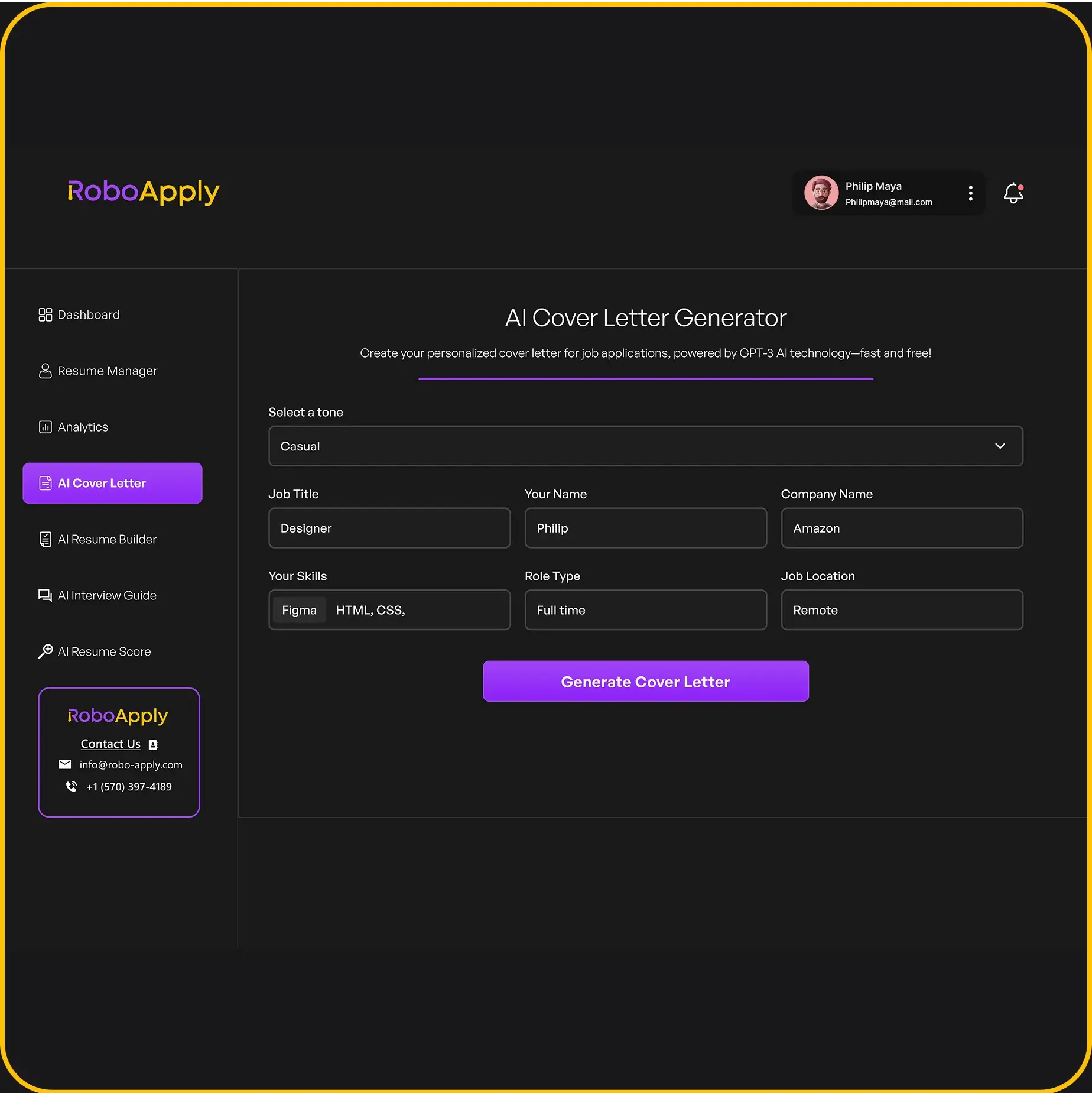
AI Cover Letter keeps everything consistent. AI Auto Apply submits your resume automatically. No more repetitive forms.
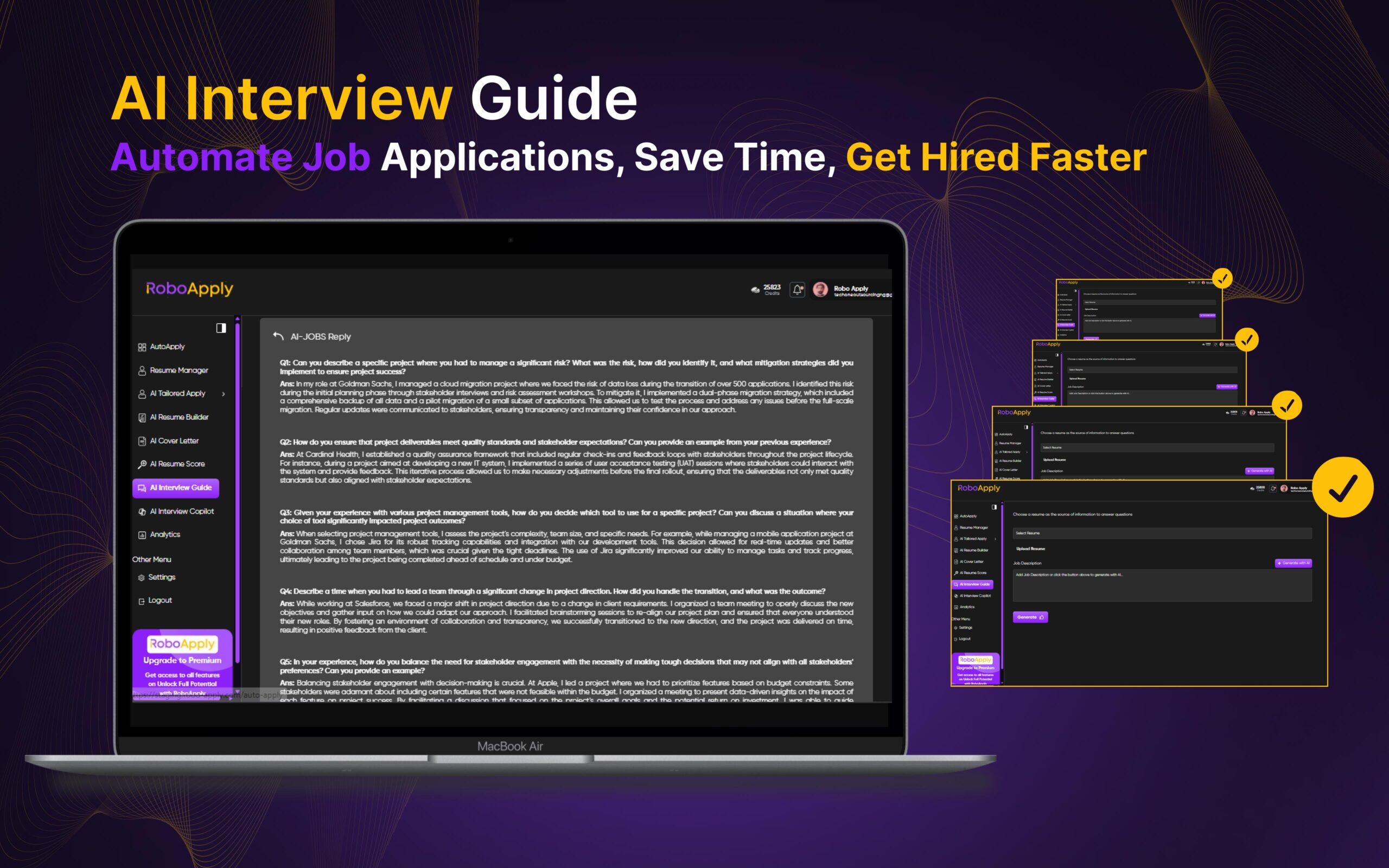
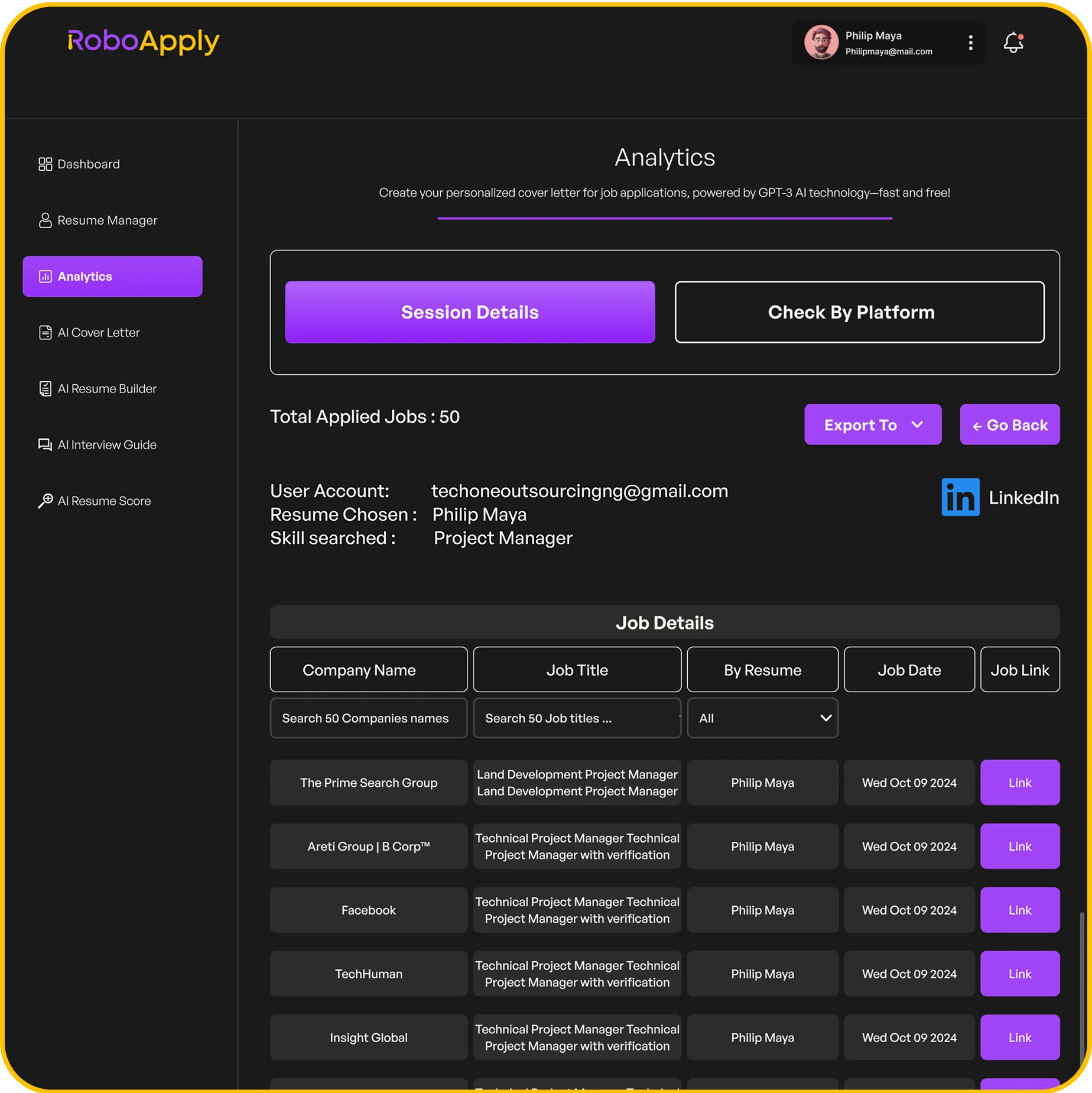
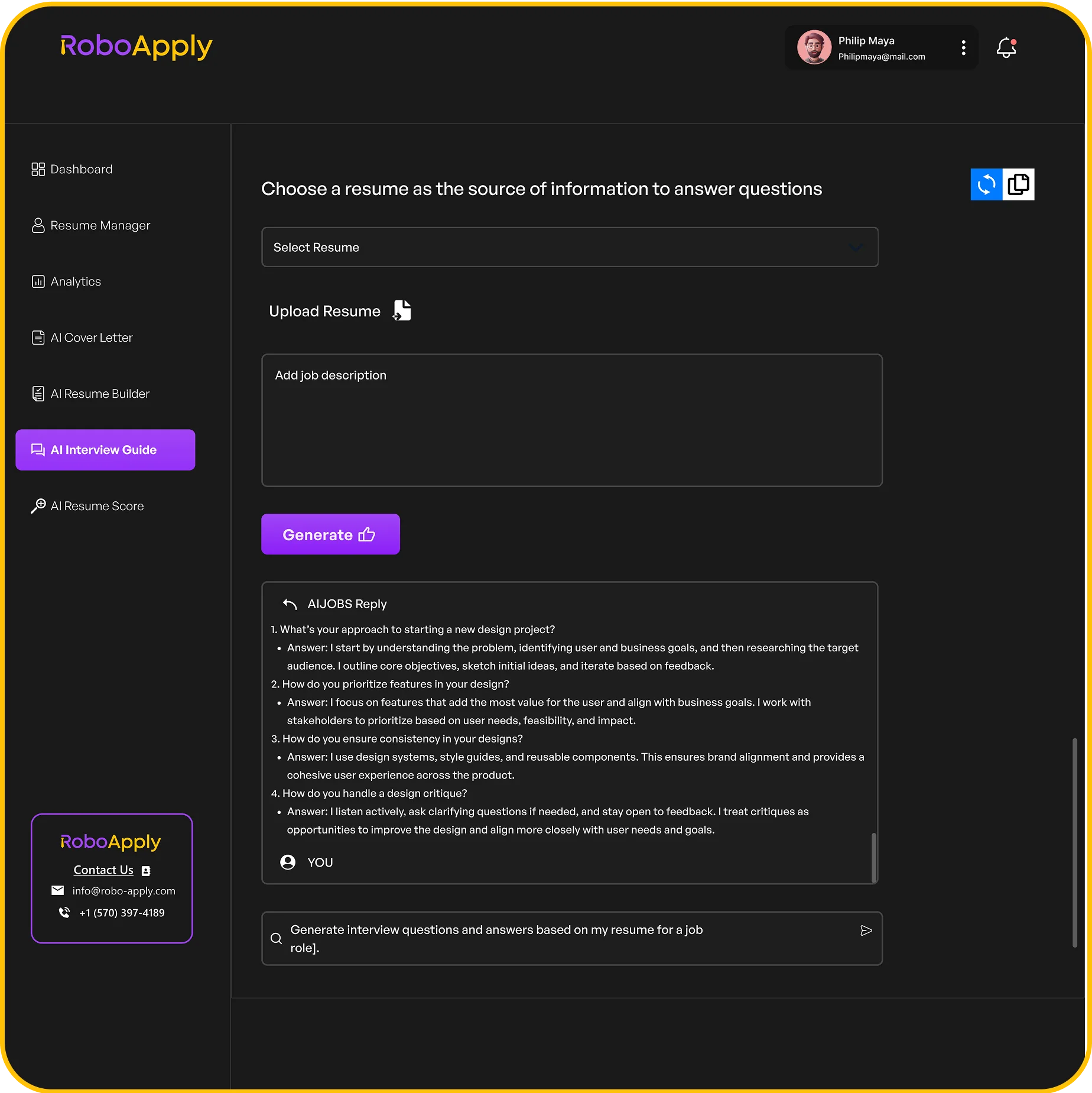
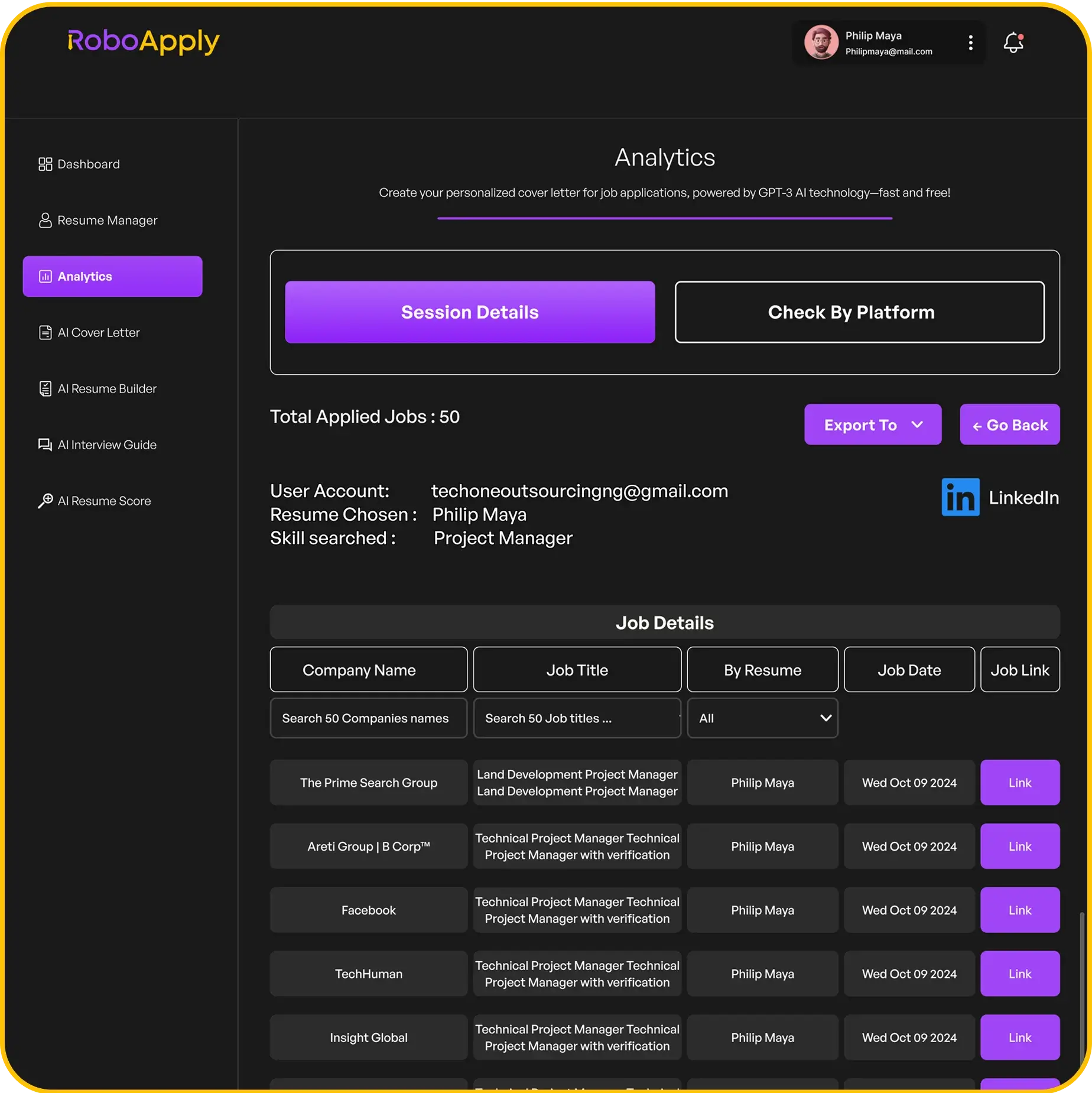
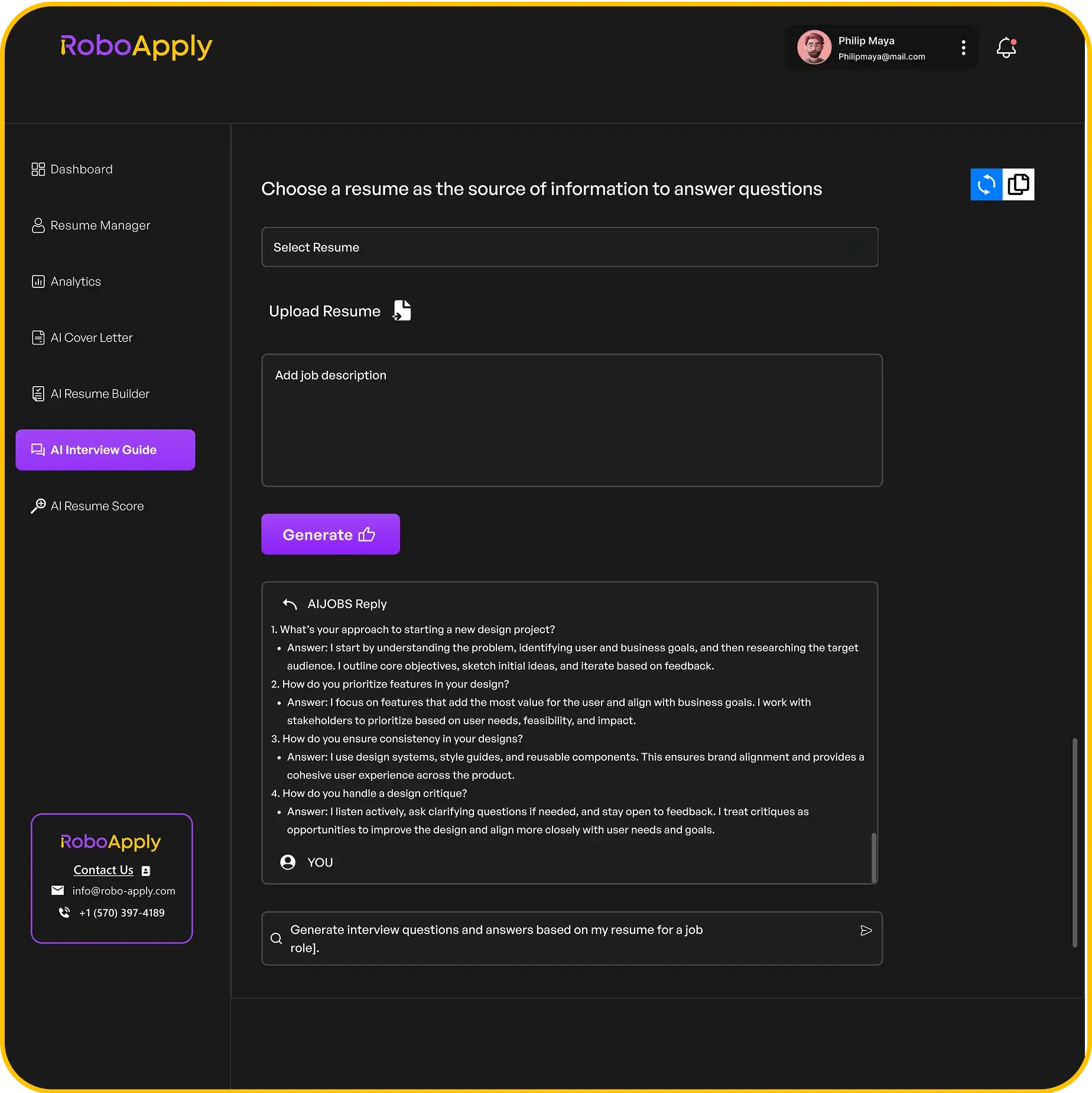
AI Interview Copilot uses your resume for prep. Check the Interview Guide for more strategies. Analytics show what works.
Start with the free plan. Three free resumes. 90-day guarantee means zero risk.
Making Your Job Search Actually Work
Keep multiple resume versions. Fine dining needs different emphasis than casual places. Update after gaining new skills.
Research each restaurant before applying. Forbes found 65% of managers prefer candidates showing knowledge about their place.
Your next server job starts with a resume proving your value. Focus on wins, not duties. Stop sending generic applications.
Frequently Asked Questions
What’s the most important thing on a server resume?
Quantifiable achievements proving impact. Include check average increases, satisfaction scores, sales numbers, efficiency improvements with specific percentages and dollar amounts.
How long should my server resume be?
One page for under 10 years experience. Two pages max for extensive fine dining careers. Every line must justify its space.
Should I list high school education?
Only if you lack other education or just graduated. Food handler certs and hospitality training matter way more than basic education.
What skills do managers want most?
POS expertise, upselling abilities, conflict resolution, team coordination, menu knowledge, proven satisfaction track records with measurable results showing business impact.
How do I stand out from other applicants?
Use specific numbers showing impact. Quantify check averages, table counts, satisfaction scores, efficiency gains. Evidence beats claims every time.