How long should a cover letter be for the best results? Keep it between 250 and 400 words. That’s half to one full page maximum. This length gives you enough space to prove your worth. It won’t lose the hiring manager’s attention.
Most hiring managers spend less than 60 seconds on cover letters. Every word needs to count. Too long? They’ll skim or skip it entirely. Too short? You haven’t proven you’re qualified.
The sweet spot is three to five paragraphs. Your opening states the job and one strong qualification. Your middle paragraphs prove you can handle the role. Your closing drives them to interview you.
Cover these essentials and nothing more: why you want this job, what makes you qualified, and how you’ll add value. Everything else is probably fluff. Cut it.
The Ideal Cover Letter Length
How long should a cover letter be in practical terms? Between 250 and 400 words works best. This equals half a page minimum and one full page maximum.
Three to five paragraphs handle most situations. Opening paragraph introduces you and names the position. Middle paragraphs prove your qualifications. Closing paragraph requests an interview.
Quality beats quantity every time. A tight 300-word letter destroys a rambling 500-word one. Say what needs saying. Then stop.
Breaking Down Word Count by Page
Here’s how word counts translate to actual page length:
- Half Page: 250-300 words across 3-4 paragraphs
- Three-Quarter Page: 300-350 words across 4 paragraphs
- Full Page: 350-400 words across 5 paragraphs
Stick to these ranges no matter your experience level. Entry-level folks don’t need longer letters. Senior professionals shouldn’t write shorter ones. The format stays consistent.
Everyone gets the same space to make their case. Use it wisely.
How Long Should a Cover Letter Be Per Paragraph
Your first paragraph runs 3-4 sentences. State the job title clearly. Show one strong qualification immediately. Maybe mention who referred you or where you found the posting.
Middle paragraphs need 4-5 sentences each. Focus each one on a single key point. Your relevant skills in paragraph one. Your matching experience in paragraph two. Your company knowledge in paragraph three if needed.
Your closing paragraph takes 2-3 sentences. Express interest in interviewing. Provide contact information. Thank them briefly for their time.
This structure keeps everything organized and scannable. Hiring managers can find what they need fast.

Why Cover Letter Length Actually Matters
Hiring managers don’t have time to read novels. They’re reviewing dozens or hundreds of applications. Your letter competes with every other candidate for limited attention.
A concise letter shows respect for their time. It proves you communicate efficiently. It demonstrates you understand what matters and what doesn’t. These are valuable skills.
Long letters signal problems. You might lack focus. You could be padding weak qualifications. You may not understand professional communication norms. None of these help you land interviews.
What Hiring Managers Really Read
Research shows hiring managers spend 30 seconds to 2 minutes scanning cover letters. Most spend closer to 30 seconds. That barely covers one page. Two pages? No chance.
They’re hunting for specific information fast. Can you do this job? Why do you want it? What makes you different from other applicants? Answer these quickly or lose their attention.
Your first paragraph gets the most eyeball time. Many hiring managers decide whether to keep reading based on those opening lines. Make them powerful. Check out how to begin a cover letter for opening strategies that grab attention.
The rest gets scanned more than read. Use clear paragraph structure. Lead each paragraph with a strong topic sentence. Make your best points easy to spot.
The Real Cost of Going Too Long
Cover letters over one page rarely get fully read. Hiring managers see the length and skim or bail completely. Your best points buried on page two might never get seen.
Excessive length suggests poor prioritization skills. This matters for most jobs since they require clear communication. Can’t write a concise letter? Why should they trust you with emails or reports?
Long letters also breed repetition. You start saying the same things multiple times. Just phrased differently. This bores readers instantly. Say it once well. Move on.
Plus you’re wasting your own time. Why spend an hour writing two pages when one page works better? Use that time applying to more jobs instead.
Factors That Change How Long Should a Cover Letter Be
Several factors influence your ideal length. Most letters should still stay within 250-400 words. But these factors determine where in that range you should land.
Your experience level affects how much explanation you need. Career changers need more context than people staying in their field. Senior roles might require more detail than entry-level positions.
The job itself matters too. Simple roles need simpler letters. Complex technical positions might justify additional detail. Just don’t go over 400 words regardless.
Your Experience Level
Entry-level candidates should aim for the shorter end. You have less work history to discuss. Focus on education, internships, coursework, and transferable skills. Target 250-300 words total.
You’re showing potential more than proven results. That takes fewer words. Keep it tight and enthusiastic.
Mid-career professionals fit comfortably in the middle range. You have real achievements worth highlighting. You can prove value with specific examples and numbers. Aim for 300-350 words.
You’ve got enough experience to be selective. Pick your best two or three wins. Expand on those.
Senior-level applicants might need the full page. You’re discussing strategic impact and leadership results. You’re connecting executive experience to their needs. Use up to 400 words but never more.
Even at the executive level, brevity shows confidence. You know your worth. You don’t need to oversell it.
Career changers need space to explain transitions. Why switch fields? How do skills transfer? What relevant experience exists despite the change? Plan for 350-400 words to address these questions properly.
Job Requirements and Complexity
Simple jobs need shorter letters. Straightforward requirements deserve straightforward applications. Don’t overcomplicate things. Stick to 250-300 words.
If the job description lists five basic requirements, address them quickly. No need to elaborate extensively on each one.
Complex technical roles might justify longer coverage. You’re explaining specialized skills and niche expertise. You need to prove deep knowledge. Use 350-400 words if the role demands it.
Just make sure the complexity is actually necessary. Don’t add length just because you can.
Highly competitive positions benefit from fuller treatment. You’re differentiating yourself from many qualified people. Extra relevant details help you stand out. Aim for the upper end.
Jobs listing specific requirements need thorough coverage. If they list ten must-have skills, you need space to address them. Plan accordingly but stay under 400 words total.
Company Culture and Industry Standards
Different industries have different expectations for how long should a cover letter be. Creative fields like marketing or design appreciate personality and storytelling. These letters might run slightly longer.
Tech companies often prefer brevity and directness. They move fast. They value efficiency. Keep these shorter and punchier.
Startups typically want concise communication. They don’t have time for lengthy letters. Target 250-300 words maximum. Get to the point fast.
Large corporations with formal hiring processes might expect more traditional longer letters. Up to 400 words fits their style. Just don’t exceed that even for big companies.
Research the company before writing. Check their website tone and style. Read their job postings carefully. Look at their social media presence. This gives clues about communication preferences.
Some companies explicitly state length preferences in postings. Follow these exactly. “Brief cover letter” means 250 words. “Detailed cover letter” means use the full 400 words.
What to Actually Include
Knowing how long should a cover letter be means nothing without knowing what goes in it. Every paragraph needs a clear purpose. Every sentence should advance your case for getting hired.
Your letter must answer three questions directly. Why do you want this job? Why are you qualified for it? What value will you bring? Answer these within your target word count.
Everything else is optional at best. Most of it is unnecessary filler.
Essential Elements That Must Appear
Start with contact information in your header. Your name, phone, email, and location go at the top. Add the date and company information below that. This header doesn’t count toward your 250-400 word limit.
Your opening paragraph names the position and shows one strong qualification. This hooks attention immediately. Skip generic openings like “I am writing to apply for.” They waste precious space.
Your middle section proves you handle the job. Use specific examples with numbers when possible. Show achievements relevant to their stated needs. Connect your background to their requirements directly.
Your closing requests an interview clearly. Thank them briefly. Provide your availability. Keep this short and action-focused. Three sentences maximum.
What to Cut From Your Letter
Generic statements that fit any job waste valuable space. “I’m a hard worker passionate about this industry” tells them nothing useful. Cut these completely.
Your entire work history doesn’t belong here. That’s what resumes are for. Pick your two or three most relevant experiences. Expand on those with context and results.
Excessive company praise sounds fake and burns words. One sentence about why you want to work there is plenty. More than that looks desperate.
Personal information unrelated to the job doesn’t belong. Your hobbies, family situation, or living arrangements rarely matter. Save those words for professional qualifications that actually help your case.
Explaining obvious things wastes space. Don’t tell them you attached your resume. They can see that. Don’t explain what a cover letter is. They know.
For more guidance on content worth including, check out AI cover letter tools that highlight what employers actually want to see.
Common Length Mistakes People Make
Most people get cover letter length wrong in predictable ways. Understanding these mistakes helps you avoid them in your own applications.
Going too short is just as bad as going too long. You need enough space to make your case convincingly. Less than 200 words rarely provides sufficient detail to stand out.
But going too long is more common and usually more damaging. Here’s what people get wrong.
Writing Way Too Much
The biggest mistake is writing too much. People think more words equal better applications. Wrong. More words equal more chances to bore readers or say something wrong.
Candidates often repeat information multiple times. They say it in the intro. Expand it in the middle. Restate it in the closing. Say it once clearly. That’s enough.
Adding unnecessary background bloats your letter. The hiring manager doesn’t need your complete career story. They need relevant highlights proving you’re qualified for this specific role right now.
Overly detailed past job descriptions waste space. Your resume lists job duties already. Your cover letter should focus on achievements and results. Not daily responsibilities.
Some people think longer equals more professional. It doesn’t. Concise communication is more professional. It shows you value other people’s time.
Writing Too Little
Cover letters under 200 words usually lack real substance. You haven’t given enough information to build a compelling case. The hiring manager is left wondering if you’re actually qualified.
Candidates sometimes think brevity means leaving out specific examples. Wrong. Specific examples are exactly what you need. Cut generic fluff. Keep concrete achievements.
Super short letters can signal low interest. If you only wrote 150 words, it looks like you didn’t care enough to try. That’s not the impression that gets you hired.
You also miss the chance to differentiate yourself. With 150 words, you’re barely covering the basics. You’re not showing what makes you unique or valuable.
Poor Space Management
Some candidates spend their entire letter talking about themselves. They never connect to the company’s actual needs. This is backwards. Half your letter should focus on how you’ll help them.
Others waste space on elaborate greetings or closings. Keep these parts brief and professional. Save word count for proving your qualifications matter.
Bad space management also means burying your best stuff in the middle. Lead with your strongest points. Don’t make hiring managers hunt for reasons to interview you.
Spending too much time on one point while rushing others shows poor judgment. Balance your coverage. Give each key point appropriate space.
Format to Maximize Your Space
How you format affects how much you can say effectively. Smart formatting makes your letter easier to read. It helps you stay within length limits too.
Use standard formatting that hiring managers expect. Don’t get creative with fonts, colors, or weird layouts. Professional and clean wins every time.
Hiring managers want to focus on your qualifications. Not figure out your artistic formatting choices.
Professional Formatting Standards
Use a standard font like Arial, Calibri, or Times New Roman. Size 11 or 12 points works best. Nothing smaller or you’ll strain eyes. Nothing larger or you’ll look amateurish.
Set margins to one inch on all sides. This is standard business letter formatting. It also helps keep your letter to one page even at 400 words.
Single-space your paragraphs for density. Add one blank line between paragraphs for readability. This creates white space that makes scanning easier.
Left-align your text throughout. Don’t center or justify anything except maybe your header. Left alignment reads most naturally and looks most professional.
Making Content Scannable
Break your content into clear paragraphs. Each paragraph should cover one main idea completely. Mix shorter and longer paragraphs to create visual variety.
Use strong topic sentences at the start of each paragraph. The first sentence should signal what that paragraph covers. This helps hiring managers skim effectively.
Consider bullet points for listing qualifications or achievements. Bullets break up dense text and draw the eye naturally. But use them sparingly. One set of 3-4 bullets maximum.
Here’s when bullets work well:
- Listing multiple relevant achievements with numbers
- Showing diverse skills that match their requirements
- Highlighting certifications or qualifications quickly
- Breaking up a long paragraph that covers multiple points
Bold key achievements or numbers if appropriate. This helps important information pop visually. But don’t overdo it. Too much bolding defeats the purpose entirely.
Keep formatting consistent throughout. If you bold one achievement, bold similar ones. If you bullet point one list, bullet point similar lists. Consistency looks professional.
Write Better Letters Faster
Creating a cover letter that hits perfect length while including everything necessary takes real time. You need to research the company thoroughly. Identify relevant qualifications carefully. Write compelling copy. Edit ruthlessly.
Most people spend 30-60 minutes per cover letter minimum. Multiply that by dozens of applications and you’ve spent weeks just on letters. That’s time you could spend networking or preparing for interviews.
There’s a better way to handle this repetitive task. Smart automation handles the heavy lifting. You focus on personalization and final touches.
Speed Up Your Whole Process
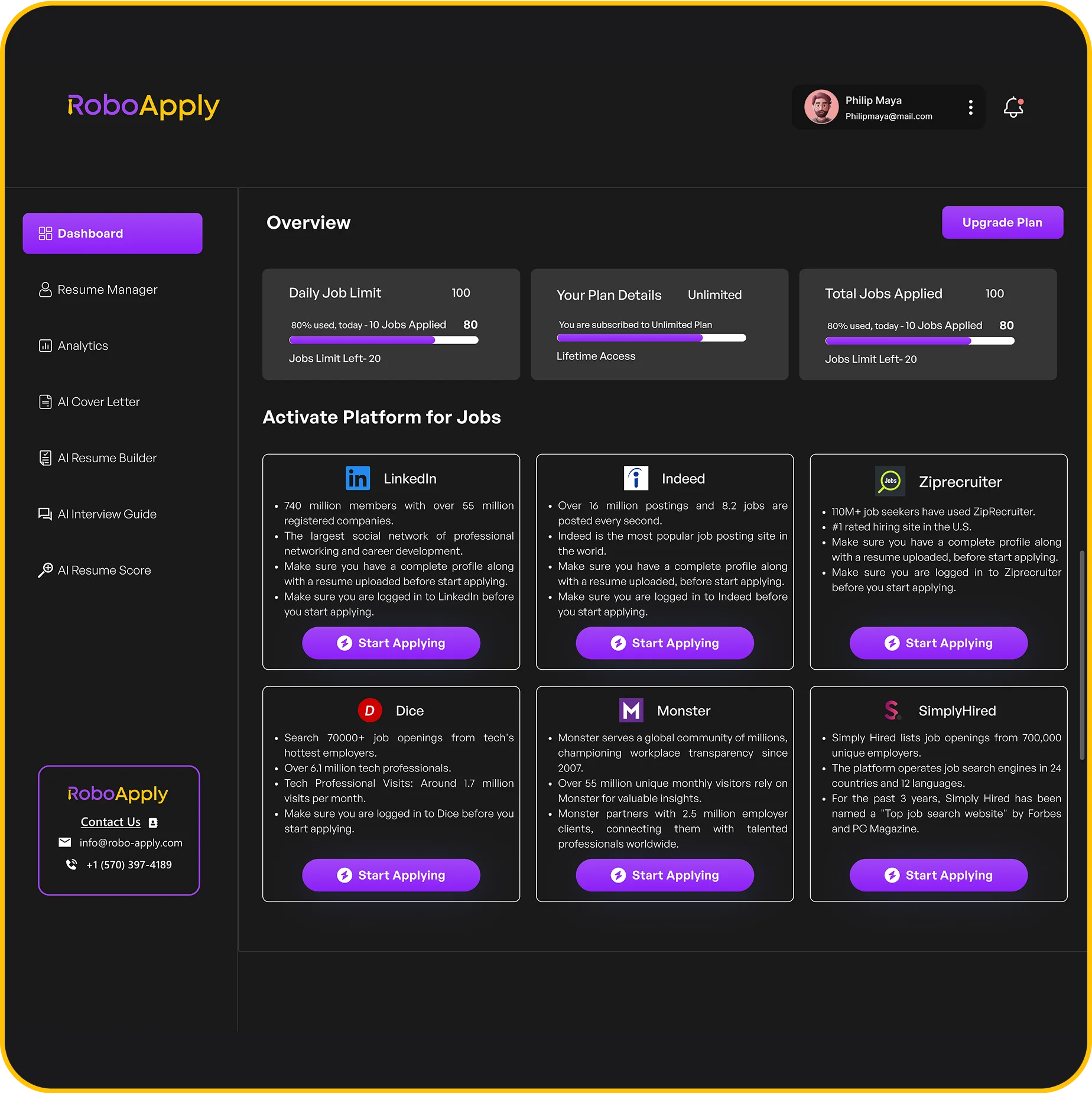
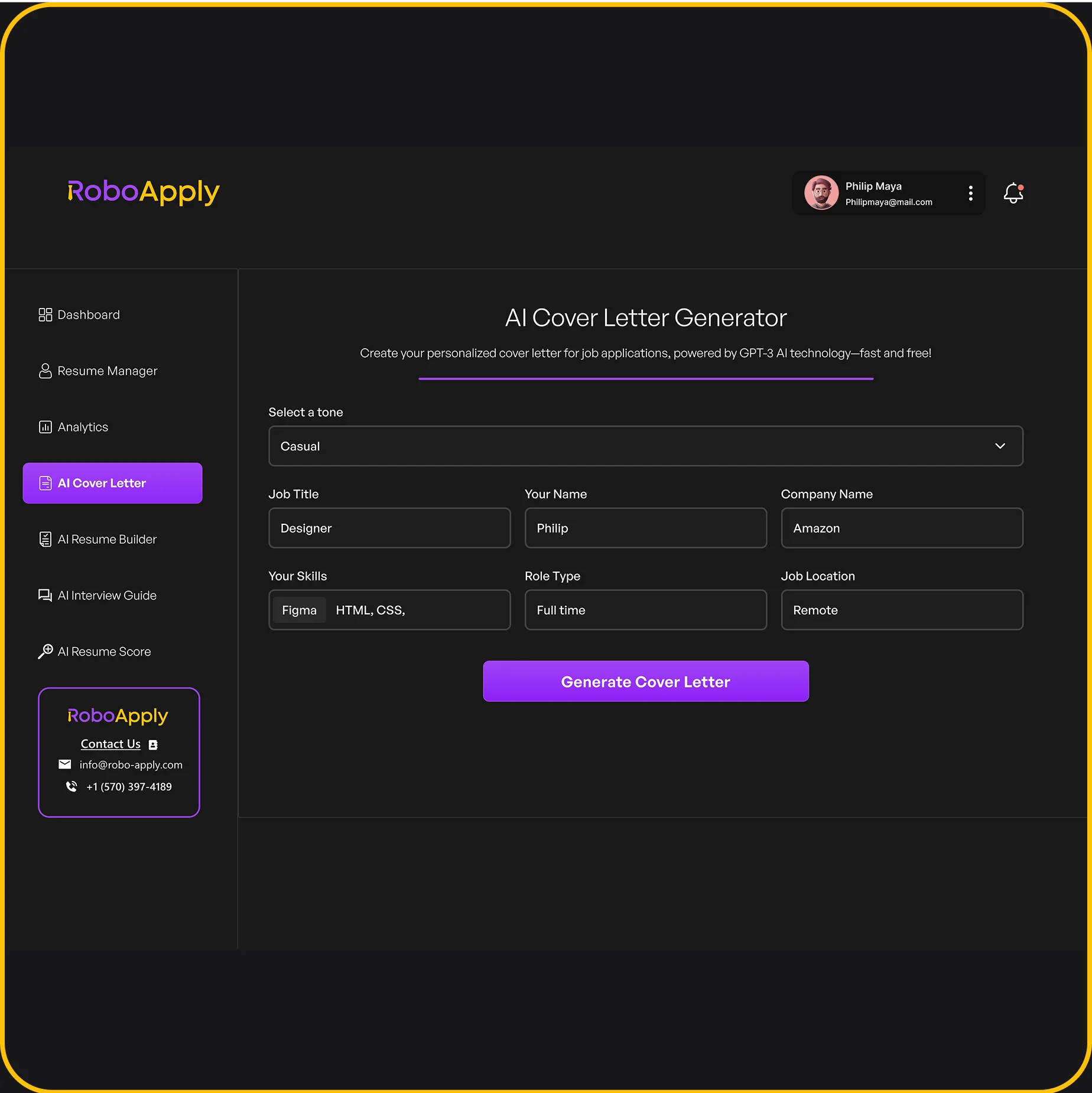
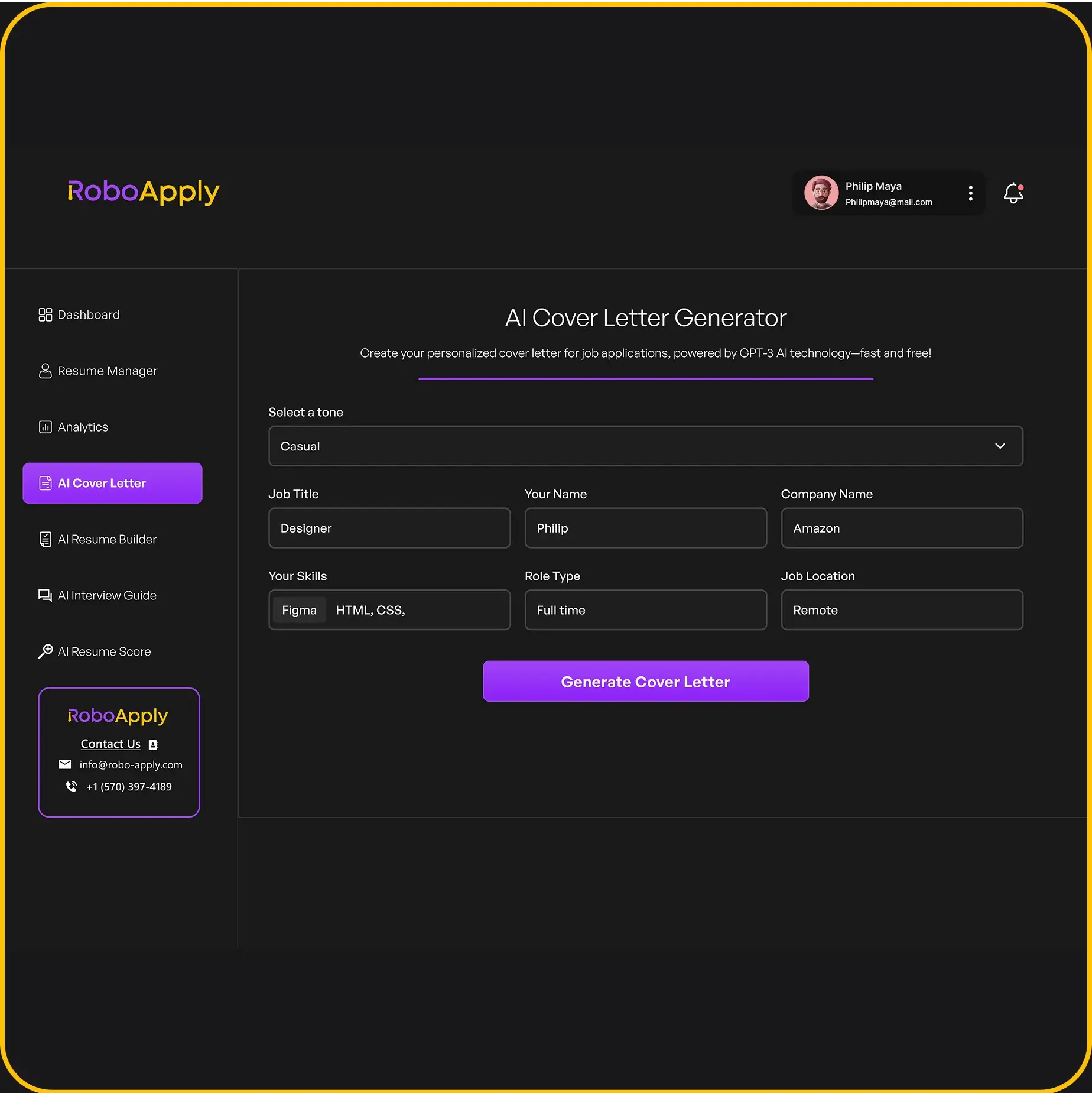
RoboApply’s AI Cover Letter Generator creates letters at optimal length automatically. The system analyzes job postings and your resume together. It identifies the most relevant qualifications to highlight for each role.
Then it writes a cover letter hitting the 250-400 word sweet spot perfectly. Every time.
The AI understands effective structure instinctively. Opening hooks that grab attention fast. Middle paragraphs that prove your worth clearly. Closings that drive hiring managers to action. All formatted professionally and kept to ideal length.
You review the generated letter and make adjustments. Add specific details the AI might miss. Change phrasing to match your personal voice. The framework is built. You just refine it.
This cuts your writing time from an hour to ten minutes. Same quality. Much faster execution.
Keep Quality High Across Applications
When you’re applying to multiple positions, maintaining consistent quality gets hard. Your twentieth letter won’t get the same care as your first. Fatigue sets in. Quality drops naturally.
RoboApply’s platform maintains quality across every single application. Each letter gets the same attention to length, structure, and content quality. The AI doesn’t get tired or sloppy.
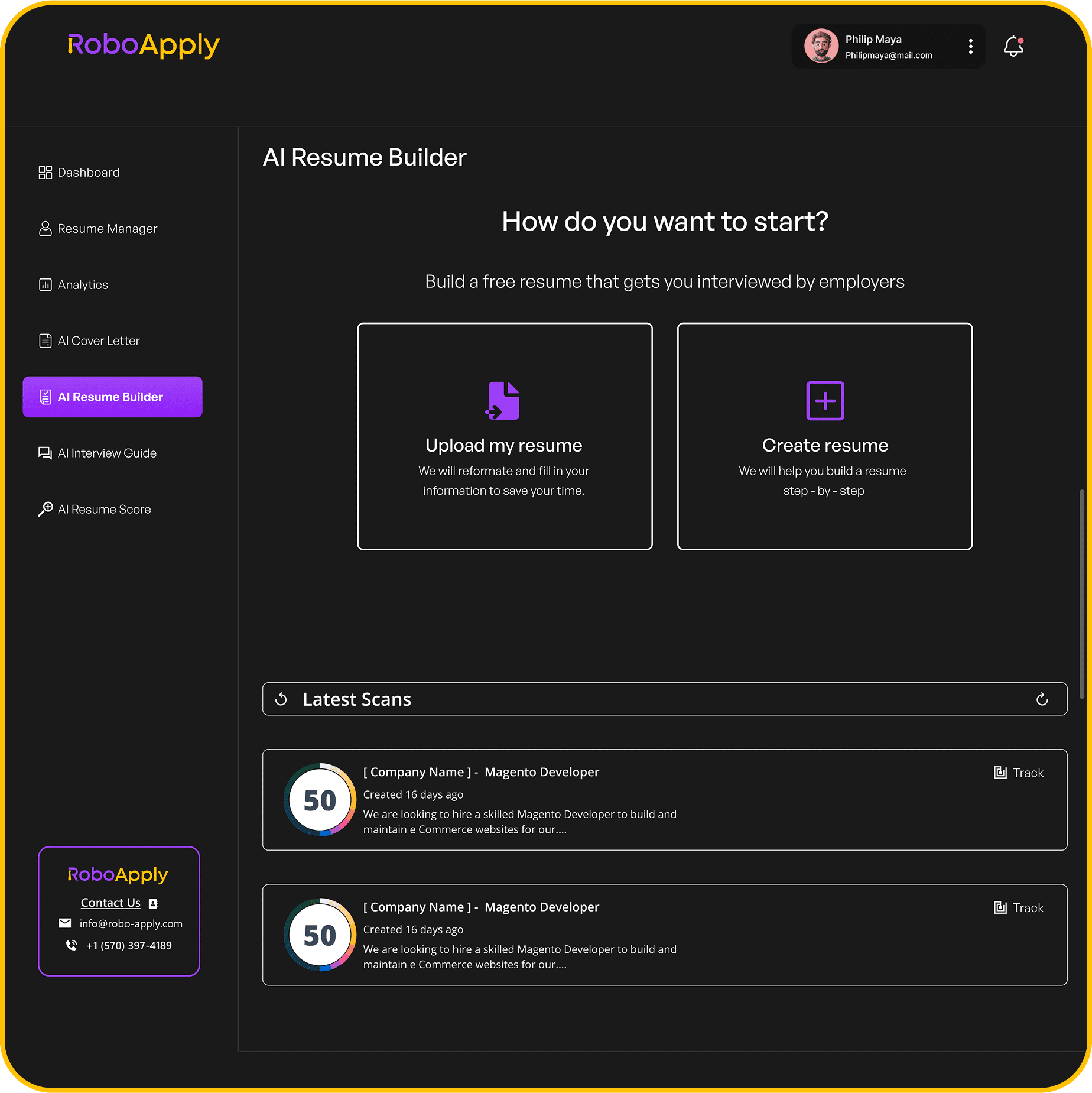
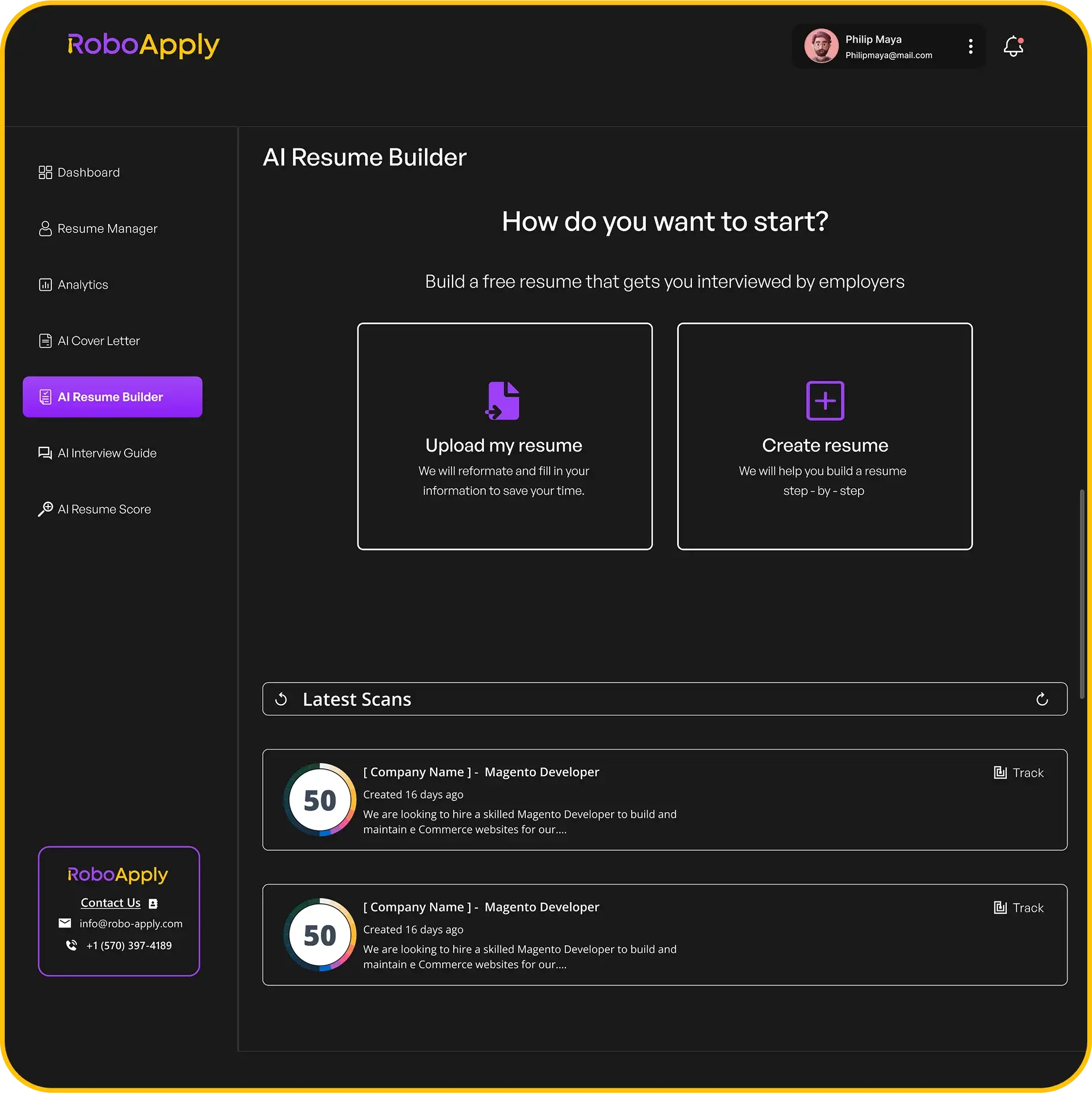
The AI Resume Builder ensures your resume and cover letter tell consistent stories. Matching messaging across both documents makes your application package significantly stronger.
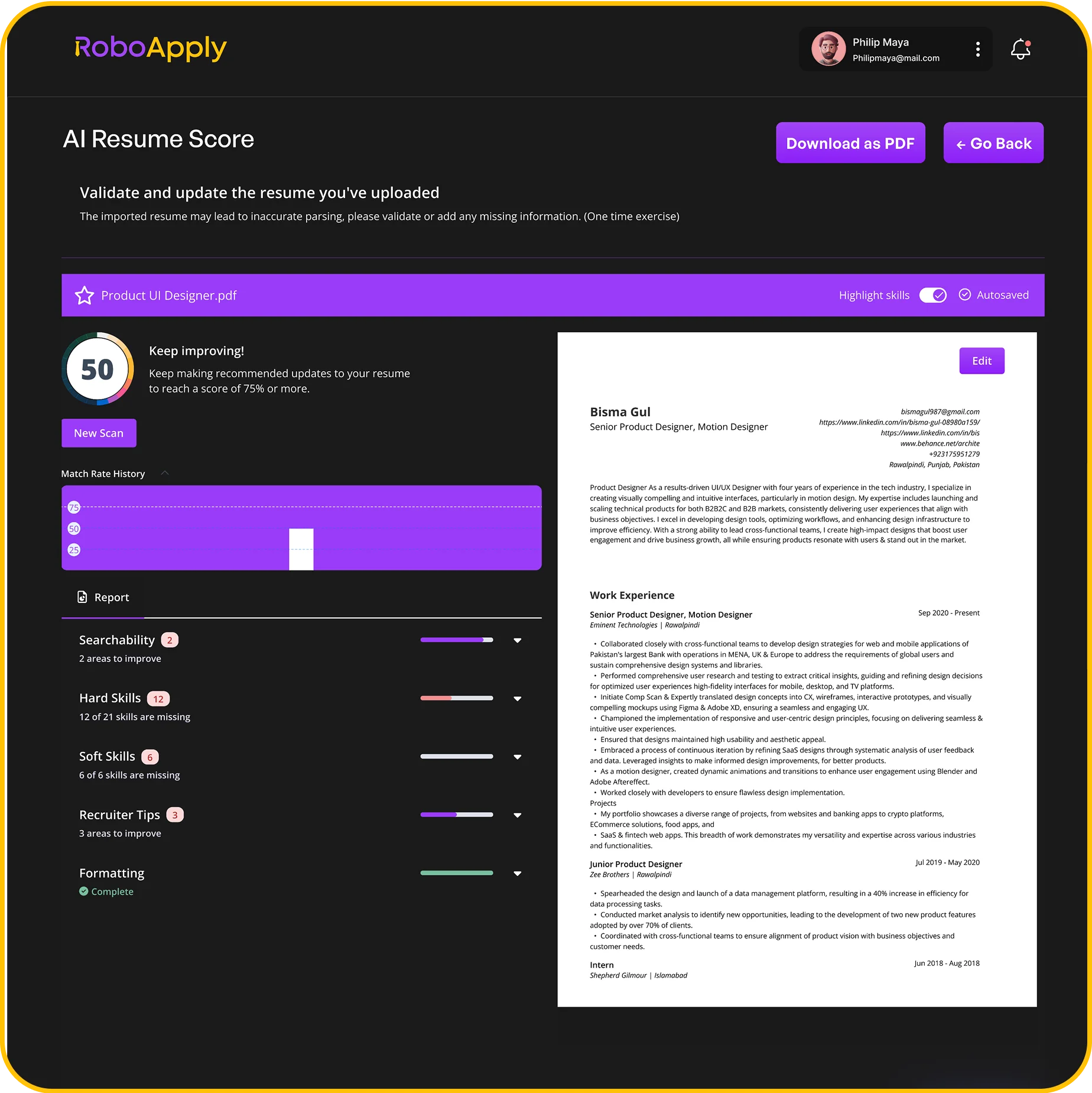
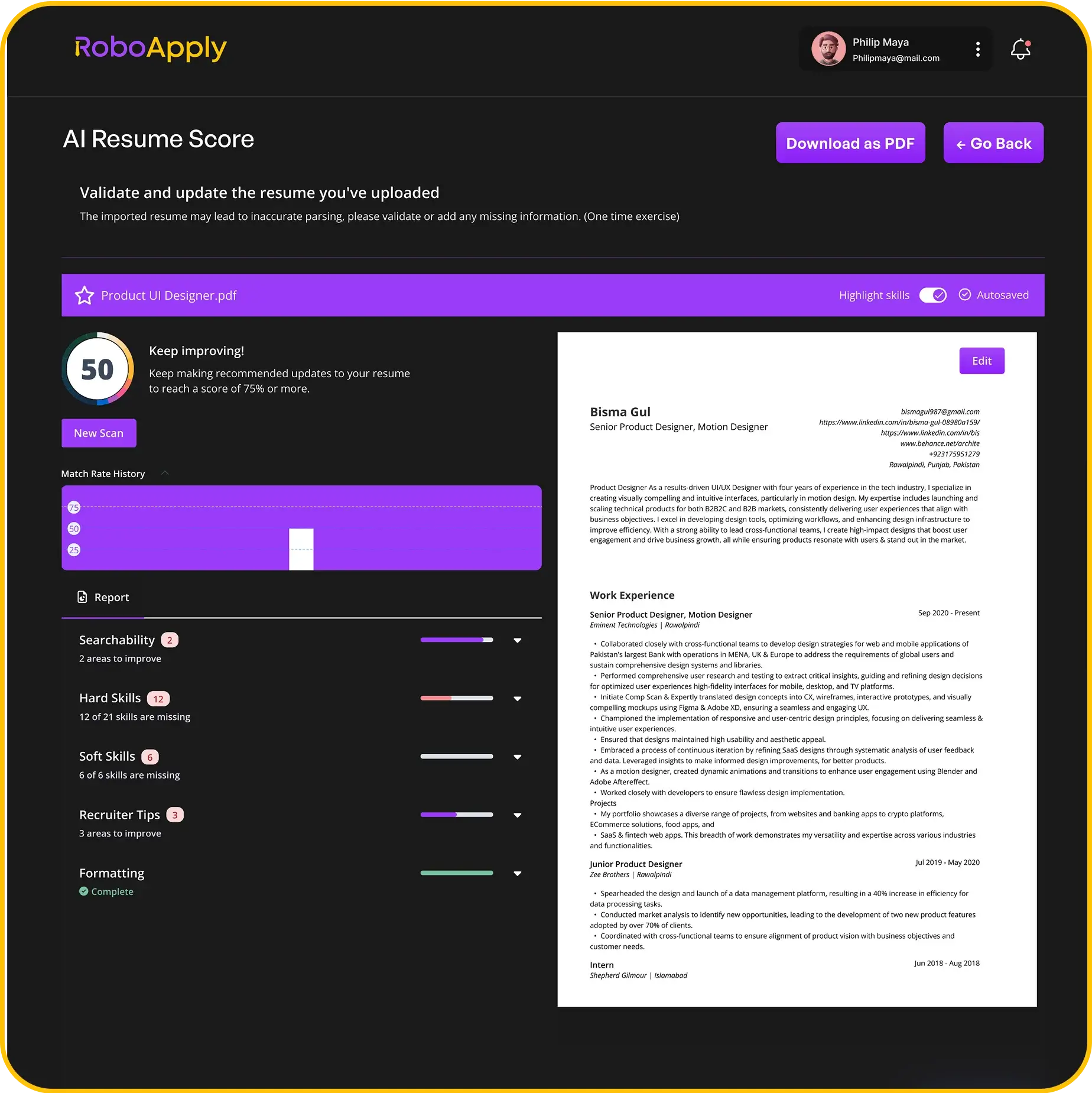
Use the resume scoring tool to verify your materials pass screening systems. Then your perfect-length cover letter actually gets read by humans.
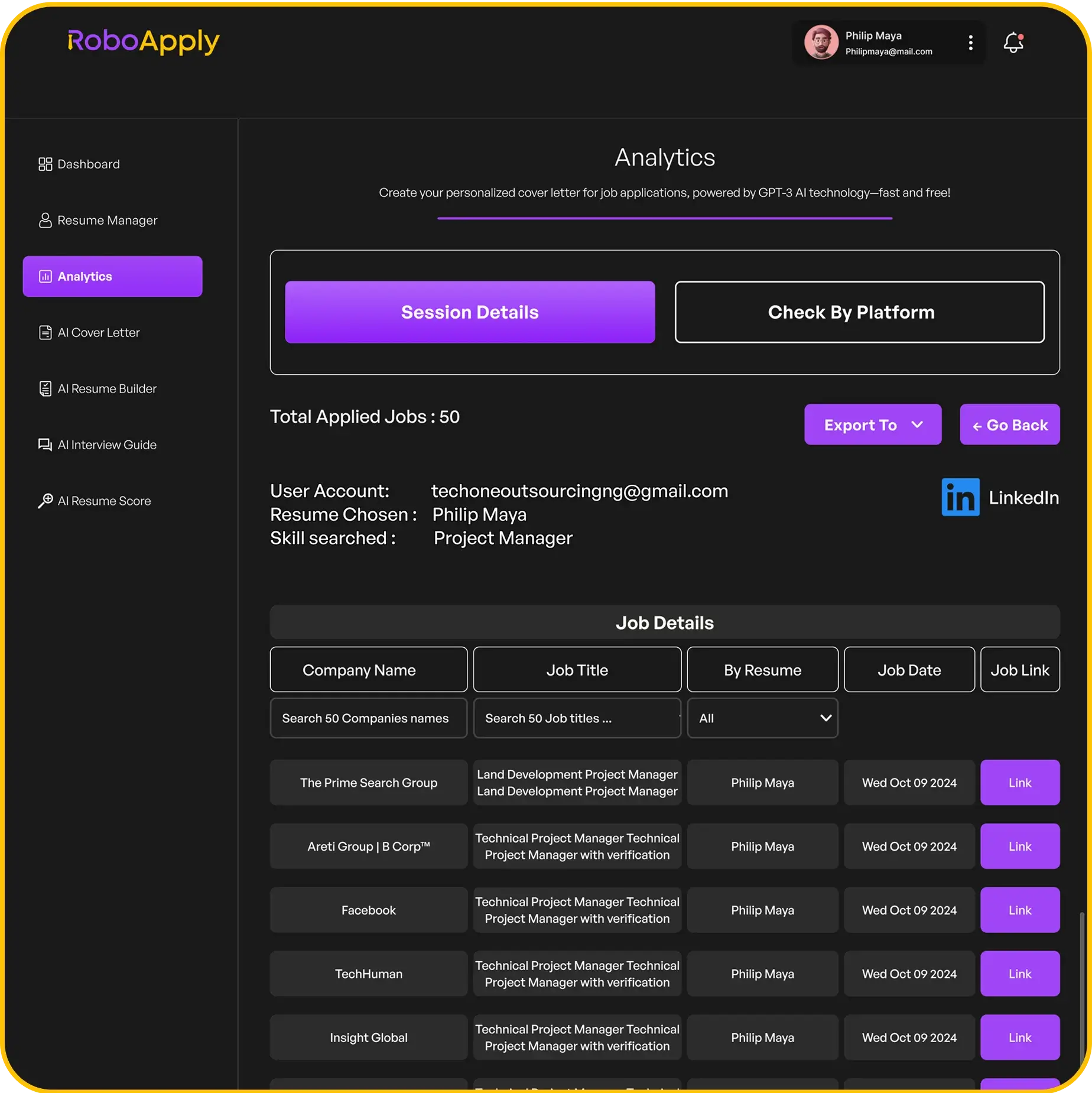
For maximum efficiency, AI Auto Apply handles everything automatically. It finds relevant jobs continuously. Creates optimized cover letters at the right length. Submits applications while you focus on interview preparation.

Your Next Steps
How long should a cover letter be for best results? Between 250 and 400 words. Half to one full page maximum. Three to five focused paragraphs. No longer than that.
Write your opening paragraph first. State the position clearly. Show one strong qualification immediately. Keep it to 3-4 sentences maximum. This sets your length expectations from the start.
Draft your middle section next. Pick your two strongest qualifications for the role. Prove them with specific examples and actual numbers. Use 4-5 sentences per paragraph. Two paragraphs usually cover everything.
Write your closing last. Request an interview directly. Provide contact information clearly. Keep it brief at 2-3 sentences total.
Edit ruthlessly after drafting. Cut anything that doesn’t directly support your case for hiring. Remove all repetition. Eliminate generic statements completely. Get your word count to target range.
Start applying now with cover letters that respect hiring managers’ time while proving your value clearly. The right length combined with strong content gets you interviews. That’s what actually matters.