


Learning to write a letter of interest changed how I approached job hunting completely. You’re not waiting for postings. You’re going straight to companies you actually want to work for.
Most job seekers play the waiting game. They check Indeed every morning. Apply to anything remotely close to their skills. Send out 50 applications and maybe hear back from three companies.
There’s a better way.
A letter of interest puts you in front of hiring managers before job postings even exist. NPR reported that 70% of jobs never get advertised publicly. Companies fill these positions through referrals and direct contact from candidates.
You’re cutting the line essentially. No crowd of 200 applicants. Just you introducing yourself at exactly the right time.
What a Letter of Interest Really Is
A letter of interest is your introduction to a company. No job posting required. Some folks call it a prospecting letter. Others say job inquiry letter.
Here’s what you’re actually doing. You’re telling a company “I want to work here” before they announce they’re hiring. You’re showing them what you’d bring. Starting a conversation early.
Companies appreciate receiving these. It shows initiative. You researched them. You understand their business. You see where you’d fit.
LinkedIn’s data shows proactive candidates get 40% more interview requests. Direct outreach beats waiting around every time.
Why does this work? Three reasons really.
First, you’re demonstrating confidence. That matters to hiring managers. Second, timing works in your favor because there’s no rush. Third, you avoid the application black hole where resumes disappear forever.
Hiring managers remember candidates who contacted them directly. Six months later when a position opens? They’ll dig through old emails. Your name comes up again.

How to Write a Letter of Interest That Actually Works
Writing one of these letters takes real work. No shortcuts here. Each letter needs customization for that specific company. Generic templates get deleted immediately.
Research the Company Thoroughly
You’ve got to dig deep into the company first. What projects are they working on? Did they recently win awards? Are they expanding?
Look for specific details to mention. Maybe they acquired a competitor. Maybe their CEO was just interviewed about new initiatives. Forbes found personalized messages get 50% better response rates.
Finding the right person is crucial. Don’t send your letter to careers@company.com. Find the actual hiring manager on LinkedIn. Get their name. Check their title. Spell everything correctly.
Here’s what you should look up:
- Recent news about the company
- New products or services they launched
- Awards or industry recognition
- Expansion plans or new locations
- Key department heads and managers
Structure Matters More Than You Think
Start with your contact info at the top. Name, phone, email, LinkedIn. All visible.
Add the date. Then the recipient’s details. Name, title, company. Get every detail right. Small mistakes here hurt you.
One page maximum. That’s it. Managers have maybe 30 seconds to look at your letter. They’re not reading novels. Three or four short paragraphs work best.
Leave white space. Dense text blocks get skipped.
Your Opening Paragraph Is Everything
This first paragraph decides if they keep reading or delete your email.
Don’t open with “I am writing to express my interest in opportunities at your company.” That’s boring. Everyone says that.
Start with something specific instead. Reference a real project. Then connect it to your experience immediately.
Try something like this: “Your company’s new sustainability initiative caught my attention. I spent three years helping manufacturers cut waste by 45%. These kinds of challenges excite me.”
That opening does three things fast. Shows research. Proves relevant experience. Hints at value.
Show Them What You Bring
Your middle section focuses on what you offer. Don’t recite your resume. Explain how your background solves problems they probably face.
Numbers help tremendously here. “Increased customer retention by 38%” beats “improved customer satisfaction” every time. Specific results stick.
Think about their needs based on research. Growing companies need people who scale operations. Innovative companies want creative problem solvers. Show you understand their situation.
Essential Elements Every Letter Needs
Some parts must appear in every letter of interest. Skip these and your response rate tanks.
Your header needs complete contact information. Phone number, professional email, LinkedIn profile. Make reaching you simple.
State clearly what role interests you. Saying “any available position” sounds desperate. Be specific about the department or role type matching your skills.
Highlight three strong skills aligning with their needs. Back each with a quick example. Quality over quantity here.
End with a clear call to action. “I’d appreciate 15 minutes to discuss how my background in project management could support your expansion” works well. Specific and actionable.
Interest Letters vs Cover Letters
People confuse these constantly. They’re different documents serving separate purposes.
Cover letters respond to job postings. You’re applying for a specific role. Requirements are listed. You address each one.
When you write a letter of interest, no job exists yet. You’re creating opportunity from nothing. Introducing yourself before they think about hiring.
Cover letters follow strict formats. Interest letters give you creative freedom. You shape the conversation however makes sense.
Both need professional formatting and customization. The difference is timing. Cover letters react. Interest letters create.
Step-by-Step Process to Write a Letter of Interest
Here’s exactly how to create one that gets responses.
Start with deep company research. Go beyond their About page. Check recent news. Look at LinkedIn posts. Read Glassdoor reviews. Find pain points and opportunities.
Identify your contact person next. Use LinkedIn to find the hiring manager or department head. Get their exact name and title. Spell everything right.
Draft your opening. Reference something from your research. Connect it to your experience. Hook them fast.
Write two middle paragraphs highlighting relevant experience. Use specific examples. Include numbers if possible. Show real impact.
Create a strong closing with clear next steps. “I’ll follow up next week to see about scheduling a brief call” beats vague endings.
Proofread at least three times. Read it aloud. Catch every error. The Muse reports candidates who follow up get 30% more responses.
Wait two weeks. Send a polite follow-up email. Keep it short. Reference your original letter. Show continued interest.
Mistakes That Kill Your Chances
Even experienced job seekers make these errors. Avoid them and you’ll see better results.
Sending identical letters to everyone wastes your time. Managers spot generic templates instantly. Customize each letter.
Spelling and grammar mistakes destroy credibility. One typo suggests carelessness. Proofread carefully. Get someone else to read it.
Writing too much loses readers. One page maximum. That’s non-negotiable.
Only talking about what you want sounds selfish. Focus on what you offer them instead.
Watch for these problems too:
- Missing or wrong contact information
- Unprofessional email addresses
- Sending to generic company emails
- Skipping research completely
- Being too casual or overly formal
Your email address matters. partyguy2000@email.com won’t get you hired. Use something professional with your name.
Generic addresses like info@company.com rarely reach actual hiring managers. Find real people’s emails.
Download Letter of Interest Templates
We created three professional templates you can customize immediately. Each fits different career stages and situations. Download all three templates plus our usage guide below.

Combining Traditional Methods with Modern Tools
Writing letters of interest takes considerable time. You’re researching companies. Finding contacts. Customizing messages. Tracking everything.
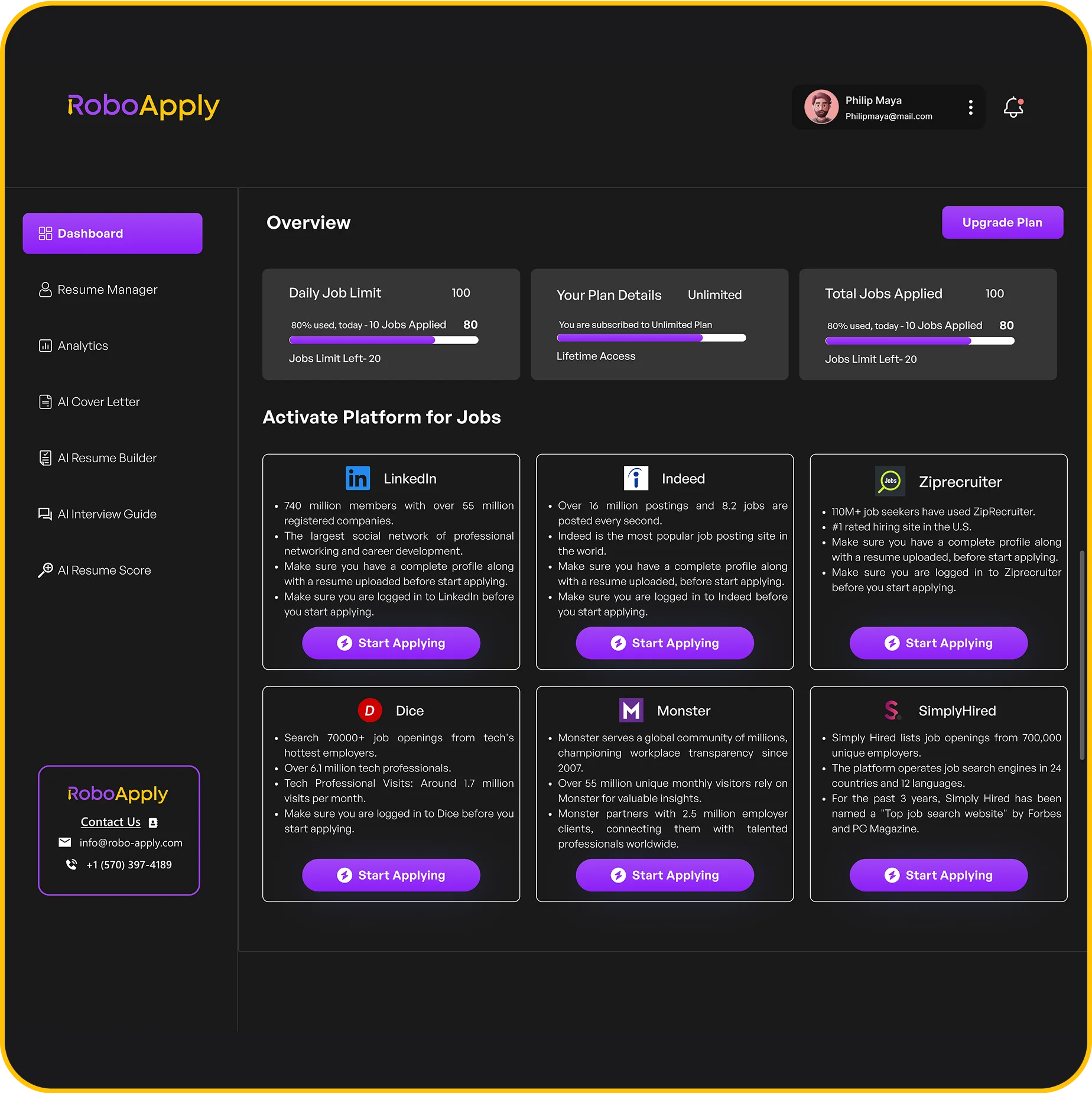
Smart job seekers blend personal outreach with helpful technology. RoboApply’s platform manages your entire job search efficiently. You maintain personal touches while cutting repetitive work.
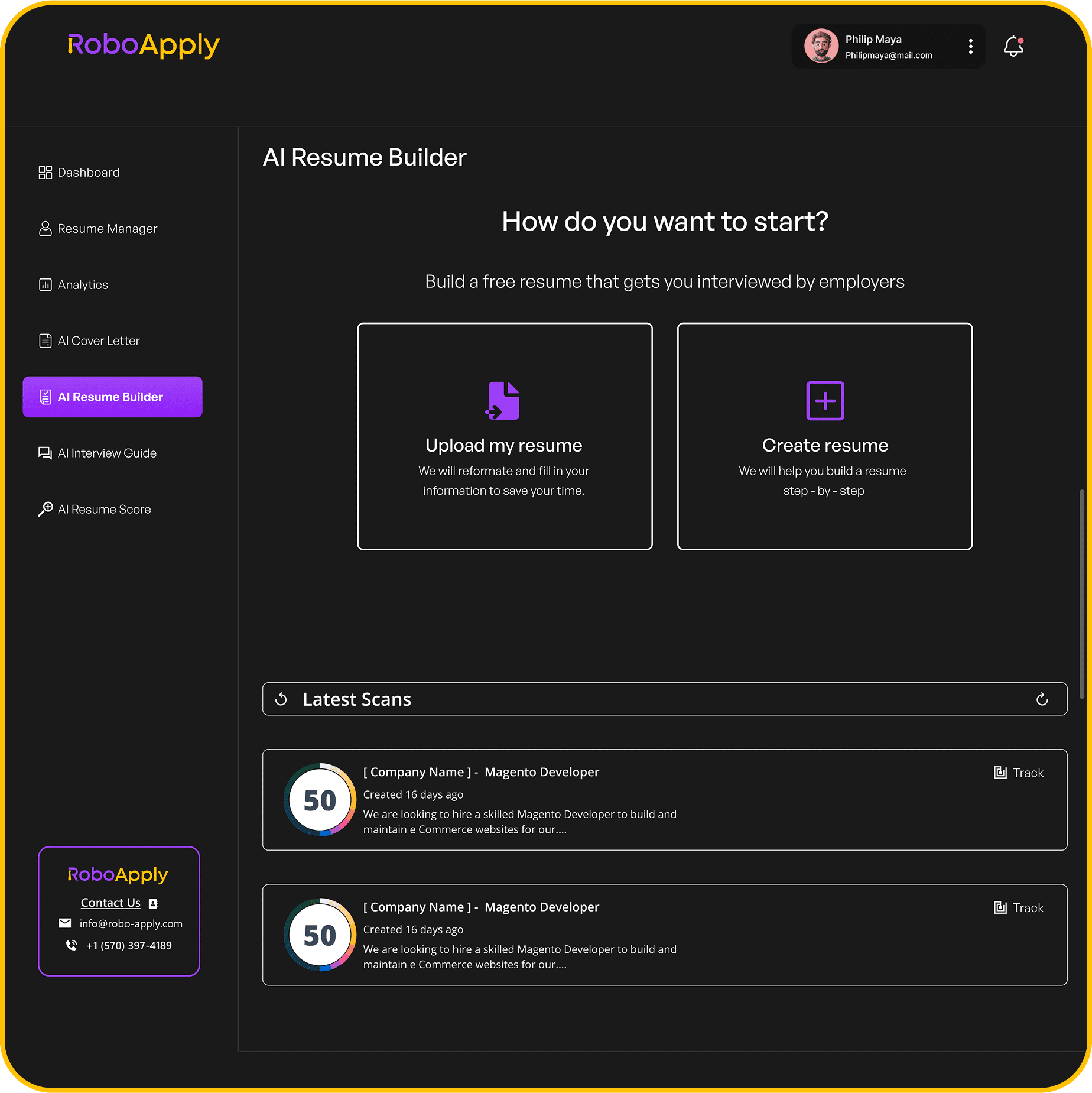
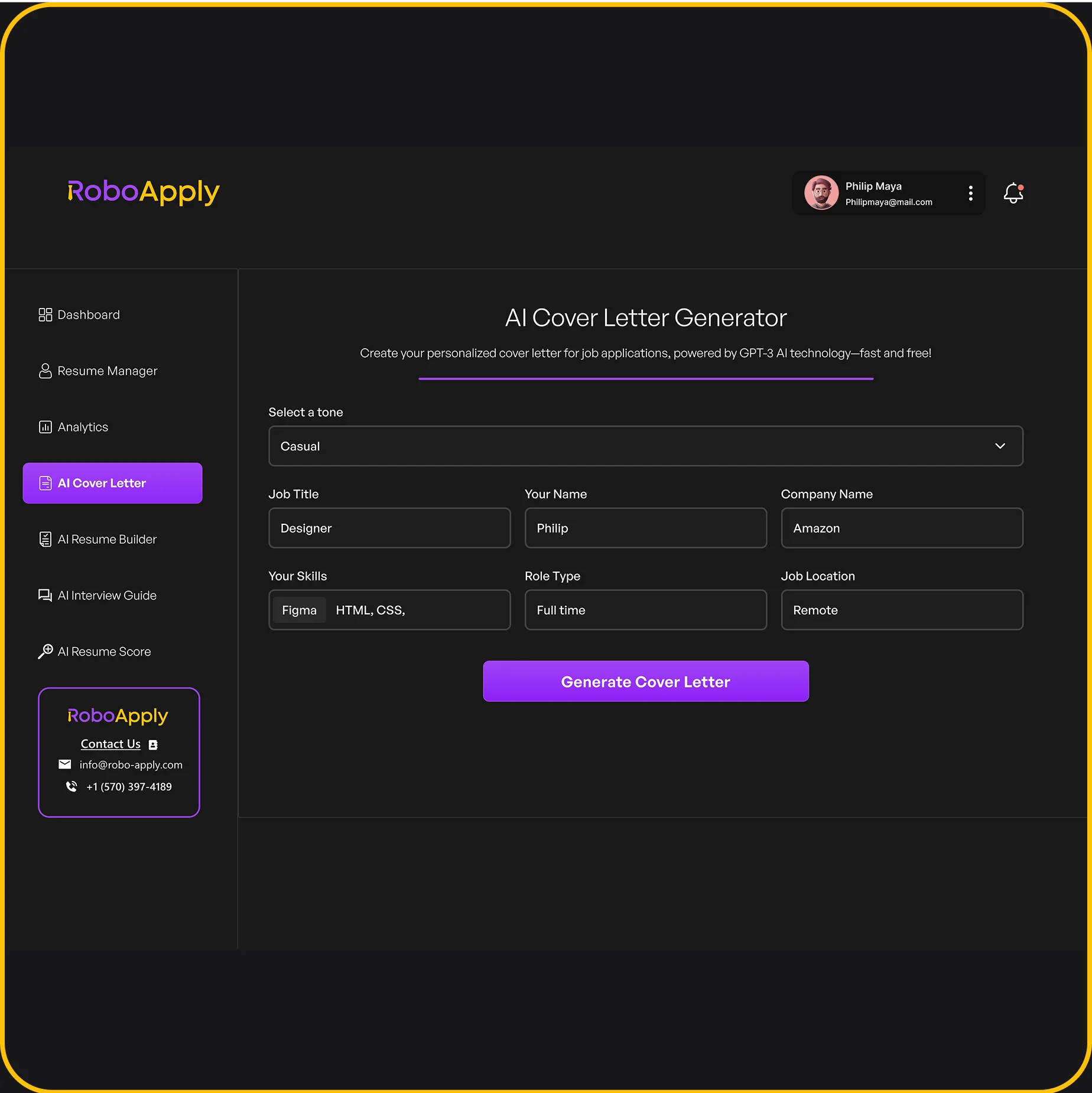
Build professional resumes quickly. Create customized cover letters fast. Everything stays organized centrally.
When companies respond, you need materials ready immediately. Quick responses matter.
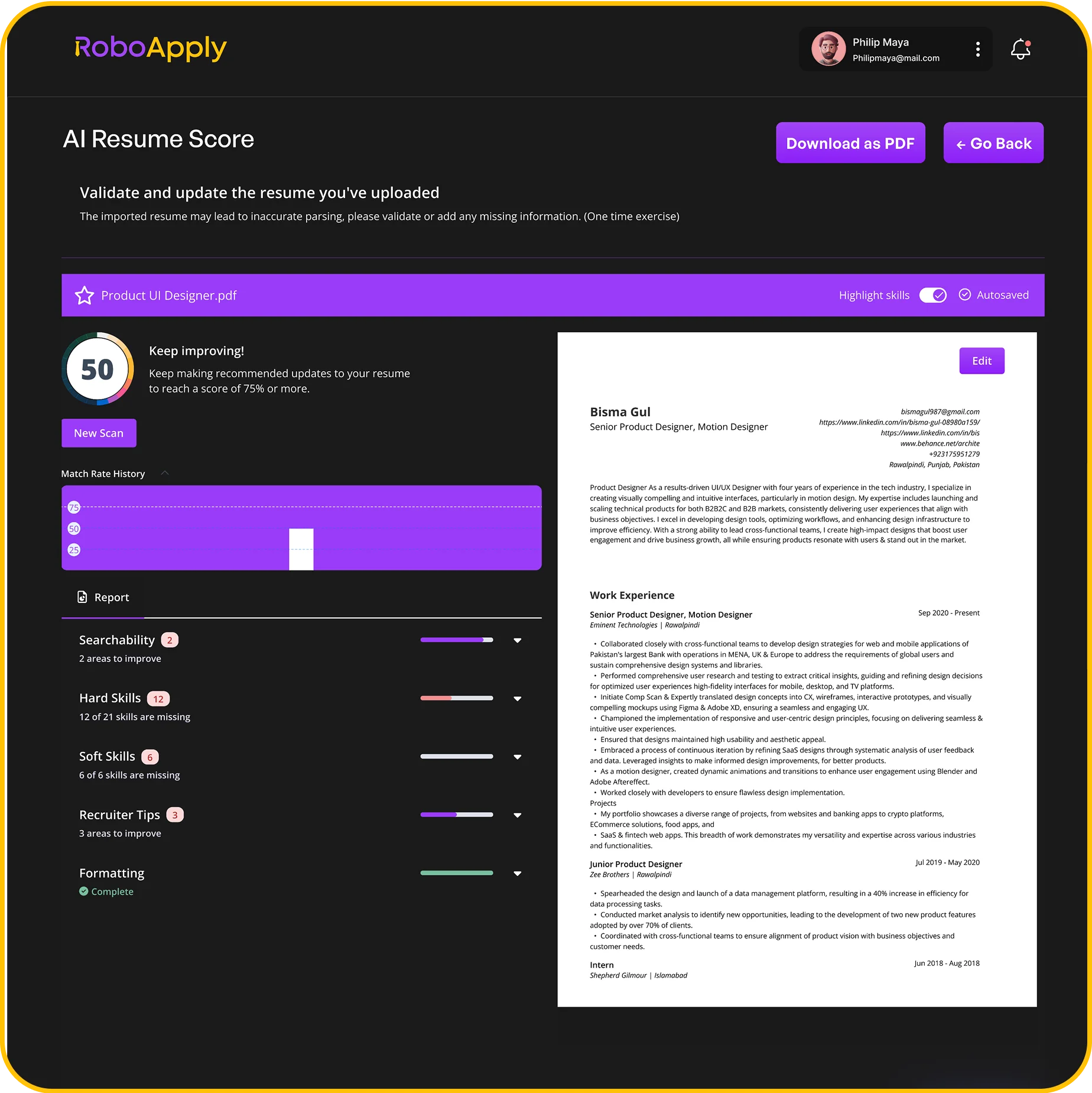
Some positions require passing applicant tracking systems. Understanding your resume score helps optimize it before sending follow-up materials.
Balance personal touches with smart automation. Letters of interest must be customized. Technology handles administrative tasks. You focus on genuine connections.
Check out how the platform works to see if it fits your strategy.
Frequently Asked Questions
How long should a letter of interest be?
One page works best, around 250 to 400 words. Managers are busy. They appreciate brevity and clear communication over lengthy explanations.
When should I send a letter of interest?
Send one when you’d love working somewhere but see no openings posted. Works great after meeting company reps at networking events too.
Should I attach my resume to a letter of interest?
Always attach your resume. Your letter sparks interest. Your resume provides complete details for managers wanting to know more.
How soon should I follow up after sending?
Wait one to two weeks before following up. Send a brief email referencing your original letter. Stay professional without seeming pushy.
Can I send letters to multiple departments in one company?
Yes, but customize each for that department’s needs. Send to different managers. Space them out by several weeks minimum.