


A unique cover letter nursing can separate you from hundreds of applicants competing for the same position. Your cover letter creates that first impression hiring managers remember long after they finish reviewing applications.
Nursing positions attract massive competition. The U.S. Bureau of Labor Statistics projects 189,100 registered nurse openings annually through 2034, which means thousands of qualified candidates apply for every available role. Your nursing cover letter needs to capture attention fast.
Most nurses make the same mistakes. They copy resume content word for word. They send generic letters to every hospital. They forget to showcase what makes them different from every other applicant.
This guide shows you how to write a unique cover letter nursing that gets interviews. You’ll learn what hiring managers actually look for, common mistakes to avoid, and how to customize your letter for maximum impact.
What Makes a Nursing Cover Letter Unique
A unique cover letter nursing tells your specific story. Generic templates kill your chances before hiring managers read past the first paragraph.
Hospitals and healthcare facilities receive hundreds of applications for single positions. Your letter needs specific details about your experience. Talk about the 35-bed cardiac unit where you worked. Mention the protocol you developed that reduced medication errors by 18%. Share the moment you knew nursing was your calling.
Numbers matter more than vague descriptions. Instead of saying you “provided excellent patient care,” write that you maintained a 96% patient satisfaction score while managing 12 patients per shift. Quantifiable achievements prove your capabilities.
Your personality should shine through professional language. Hiring managers want to know they’re bringing a real person onto their team. Show your passion without crossing into unprofessional territory.
Connection to the specific facility matters. Research shows 83% of hiring managers use cover letters to screen candidates. Reference the hospital’s mission statement. Mention their recent expansion into pediatric care. Explain why you specifically want to work there.

Essential Elements Every Nursing Cover Letter Needs
Strong nursing cover letters follow a clear structure. Each section serves a specific purpose in convincing hiring managers you’re the right candidate.
Professional Header
Your header should include your full name, phone number, professional email, and location. Add your nursing license number and state if relevant. Below your information, include the date and the hiring manager’s contact details.
Always address the letter to a specific person. Call the hospital to find the hiring manager’s name if needed. “Dear Hiring Manager” works as a last resort, but personalization shows initiative.
Opening Paragraph
State your interest in the specific position within the first sentence. A unique cover letter nursing grabs attention by highlighting your most impressive qualification immediately.
Mention where you found the job posting. If someone referred you, name them here. Explain briefly why you’re excited about this particular opportunity.
Experience Paragraphs
Your middle paragraphs need specific examples from your nursing career. Connect your experience directly to the job requirements listed in the posting.
Pick two or three major accomplishments. Describe the situation, your actions, and the measurable results. Focus on experiences that match what the hospital needs.
New graduates should emphasize clinical rotations, volunteer work, and relevant coursework. Talk about your hands-on experience during training. Mention any leadership roles in nursing school.
Closing Paragraph
Restate your enthusiasm for the position. Thank the hiring manager for their time. Include a clear call to action requesting an interview.
Provide your contact information again. Make it easy for hiring managers to reach you.
Common Mistakes That Kill Nursing Cover Letters
Certain errors immediately disqualify otherwise strong candidates. Research on nursing cover letters shows these mistakes appear in more than 70% of rejected applications.
Copying Your Resume
Your cover letter and resume serve different purposes. Your resume lists facts. Your cover letter explains the story behind those facts.
Avoid repeating every bullet point from your resume. Instead, expand on your most relevant experiences. Provide context that helps hiring managers understand your capabilities.
Grammar and Spelling Errors
Nursing requires attention to detail. A single typo signals carelessness to hiring managers. Run spell check. Read your letter out loud. Have someone else proofread it.
Double check all names. Verify you spelled the hospital name correctly. Confirm the hiring manager’s name and title.
Generic Content
Mass-produced cover letters fail. Hiring managers spot template language immediately. Customize every letter for each specific position.
Research the facility before writing. Reference specific programs, values, or achievements. Show you’ve done your homework.
Wrong Tone
Balance professionalism with personality. Too formal sounds robotic. Too casual seems unprofessional. Find the middle ground that shows your authentic self while maintaining appropriate boundaries.
Avoid these overused phrases: “I am writing to apply,” “I believe I would be a good fit,” “I am passionate about nursing.” Start with something memorable instead.
Length Issues
Keep your letter to one page. Busy hiring managers won’t read lengthy documents. Three to four short paragraphs work best.
Cut unnecessary words. Every sentence should add value. Make your point and move on.
How to Customize Cover Letters for Different Nursing Specialties
Different nursing specialties need different approaches in your unique cover letter nursing. What works for emergency room positions won’t work for hospice care.
Critical Care and Emergency
Emphasize your ability to handle high-pressure situations. Describe times you remained calm during emergencies. Quantify your experience with critical equipment and procedures.
Talk about your quick decision-making skills. Mention specific certifications like ACLS or PALS. Explain how you prioritize multiple patients with varying acuity levels.
Pediatric Nursing
Show your connection with children and families. Describe your patience and communication skills when working with young patients. Mention any child development coursework or certifications.
Reference experience calming anxious parents. Talk about creative approaches to making procedures less scary for kids. Share examples of building rapport with pediatric patients.
Geriatric and Long-Term Care
Highlight your compassion and patience with elderly patients. Discuss your understanding of age-related conditions. Mention experience with dementia care or end-of-life support.
Talk about building relationships with patients over extended periods. Describe your communication approach with patients who have cognitive impairments.
Mental Health Nursing
Emphasize your de-escalation skills and therapeutic communication training. Describe situations where you helped patients through mental health crises. Mention relevant certifications or specialized training.
Discuss your understanding of psychiatric medications and treatment approaches. Show your commitment to reducing stigma around mental health conditions.
Writing Your First Nursing Cover Letter as a New Graduate
New nursing graduates face unique challenges when writing cover letters. You’re competing against experienced nurses, but you bring fresh knowledge and enthusiasm.
Start by highlighting your education. Mention your nursing school, graduation date, and GPA if above 3.5. Reference any honors or awards you received.
Focus on clinical rotations. Describe the units where you trained and specific skills you developed. Quantify your experience when possible. “Cared for 8-12 patients daily during 400-hour clinical rotation in medical-surgical unit” sounds more impressive than “completed clinical hours.”
Include any externships, internships, or volunteer work in healthcare settings. These experiences demonstrate initiative and genuine interest in the field.
Discuss your adaptability and eagerness to learn. National data shows 72% of employers prefer bachelor’s-prepared nurses, but your willingness to develop your skills matters just as much as your degree.
Mention your NCLEX results if you passed on the first attempt. Reference any additional certifications you’ve already earned, like BLS or IV therapy.
Connect your coursework to the job requirements. If you took a specialized class in oncology nursing and you’re applying to a cancer center, make that connection clear.

Technology Makes Cover Letter Writing Faster
Creating a unique cover letter nursing for every application takes time. Modern tools speed up the process without sacrificing quality.
Manual cover letter writing means starting from scratch each time. You waste hours customizing content for different positions. You risk missing key requirements from job postings.
AI-powered tools analyze job descriptions and suggest relevant content. They identify keywords hiring managers look for. They help you match your experience to specific requirements.
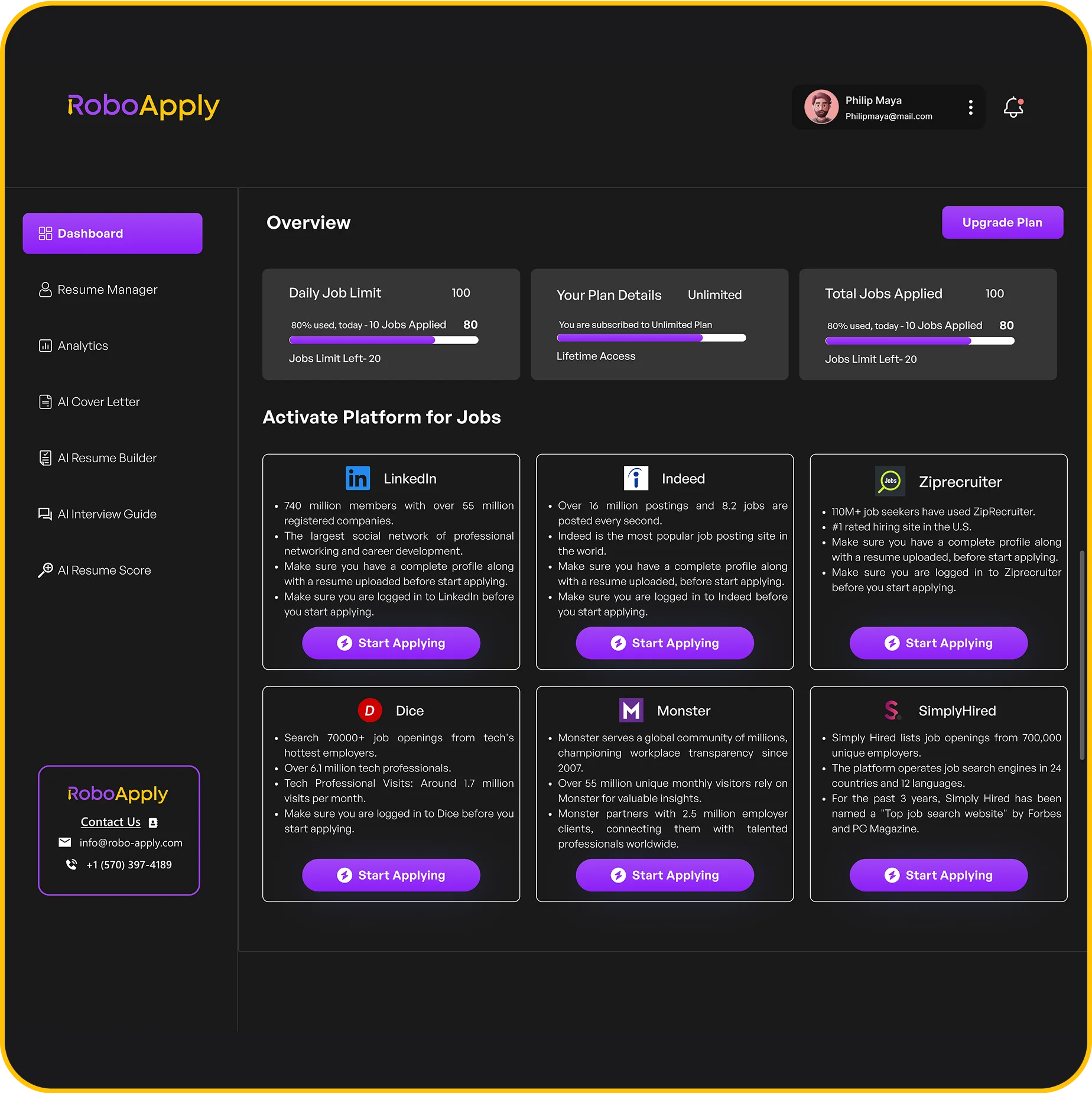
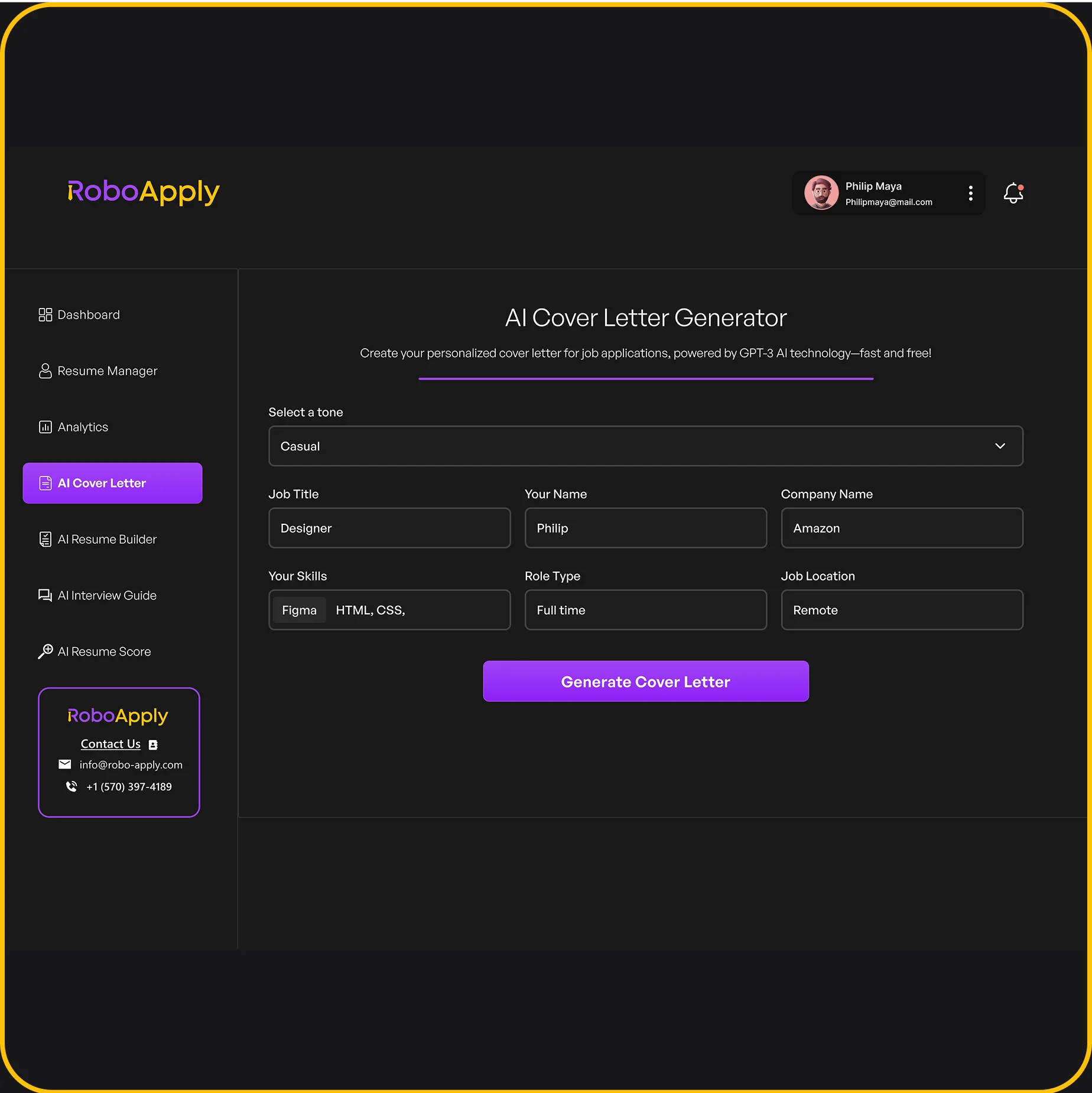
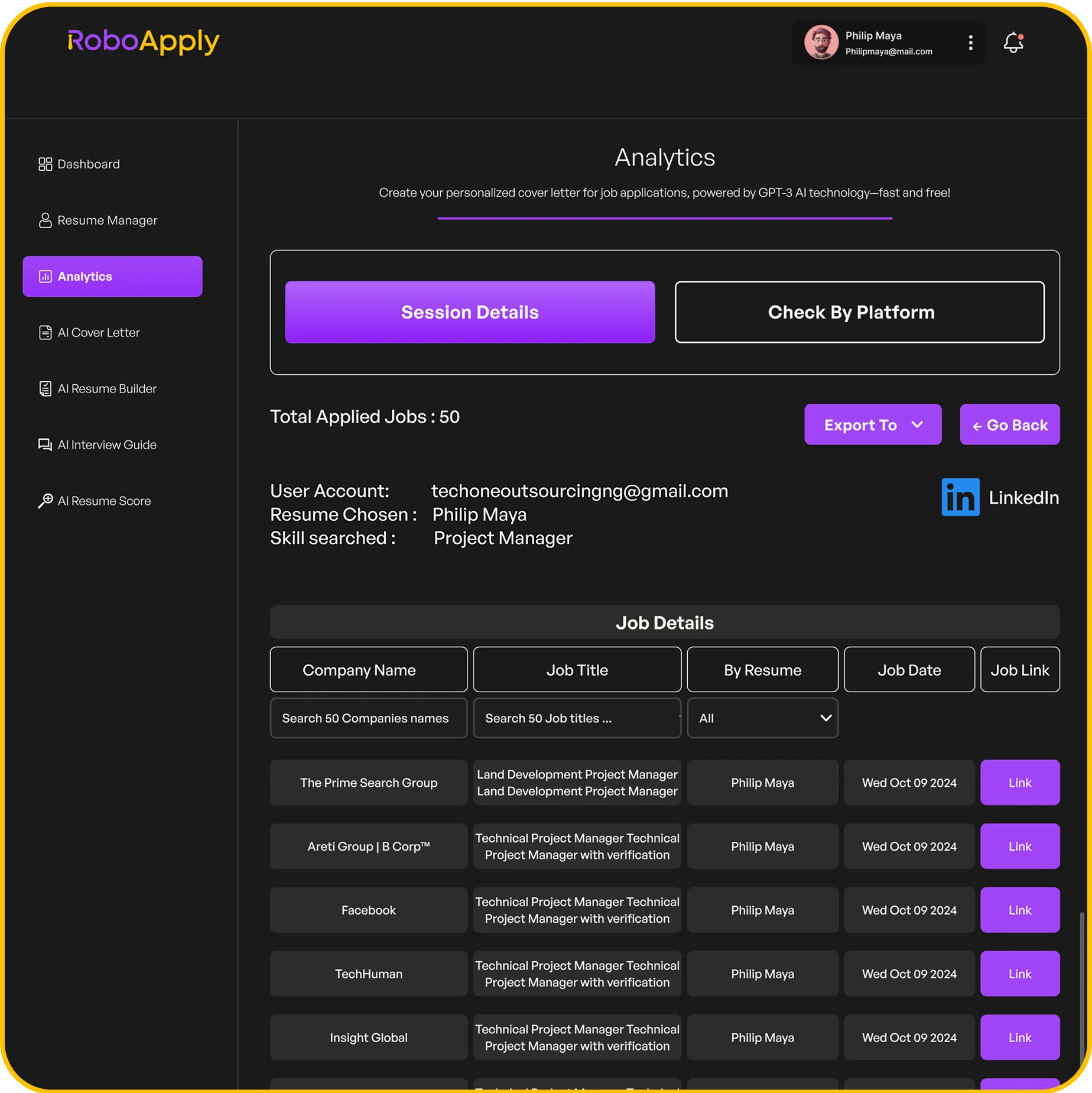
RoboApply’s AI Cover Letter Generator creates personalized nursing cover letters in seconds. Upload your resume and paste the job description. The AI pulls relevant experiences from your background and structures them to match the position.
The tool doesn’t create generic templates. It analyzes your unique qualifications and the specific role requirements. You get a customized starting point that you can refine to add your personal voice.
Save multiple versions for different specialties. Switch between tones from professional to confident with one click. The AI suggests improvements to strengthen weak sections.
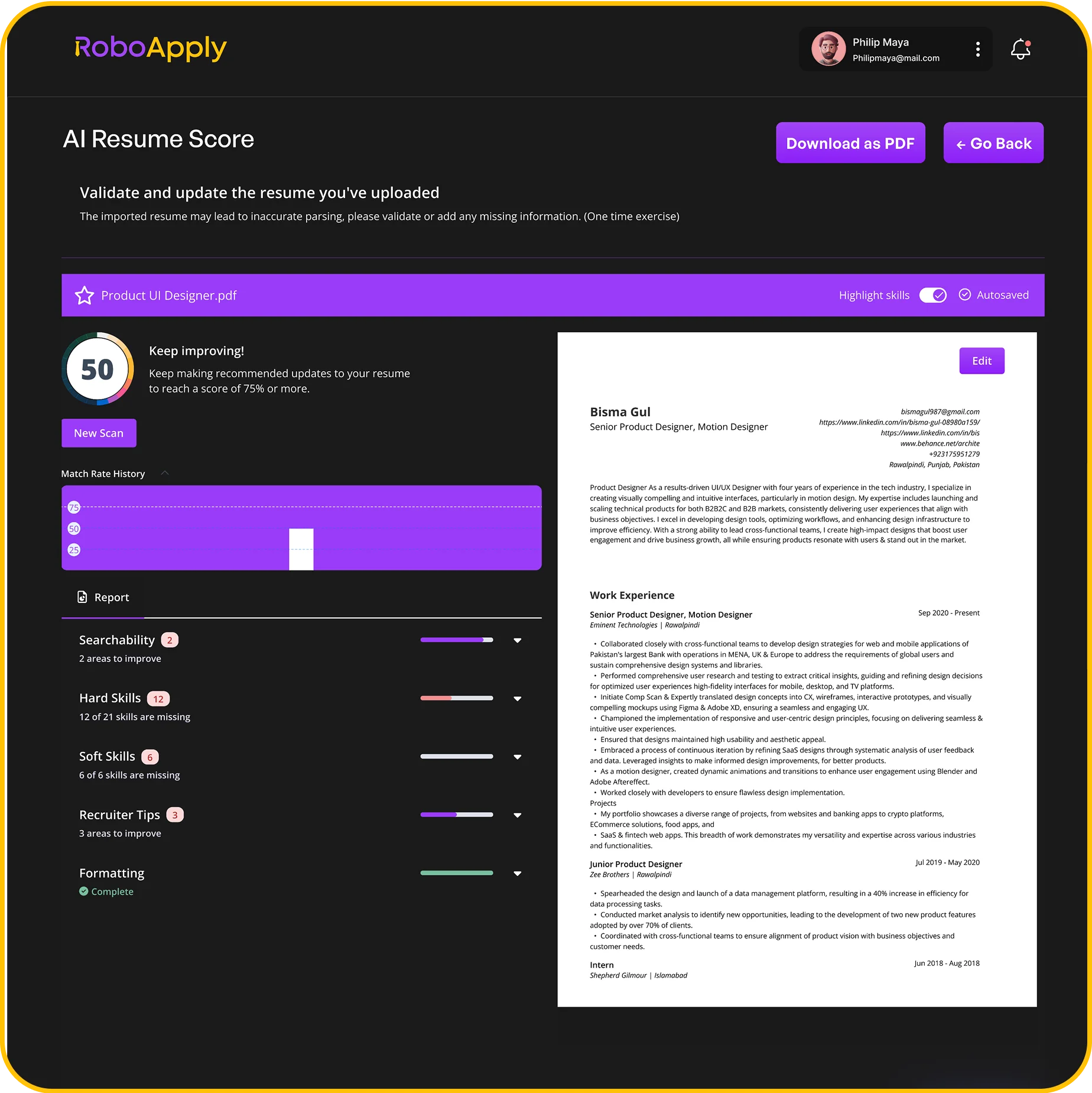
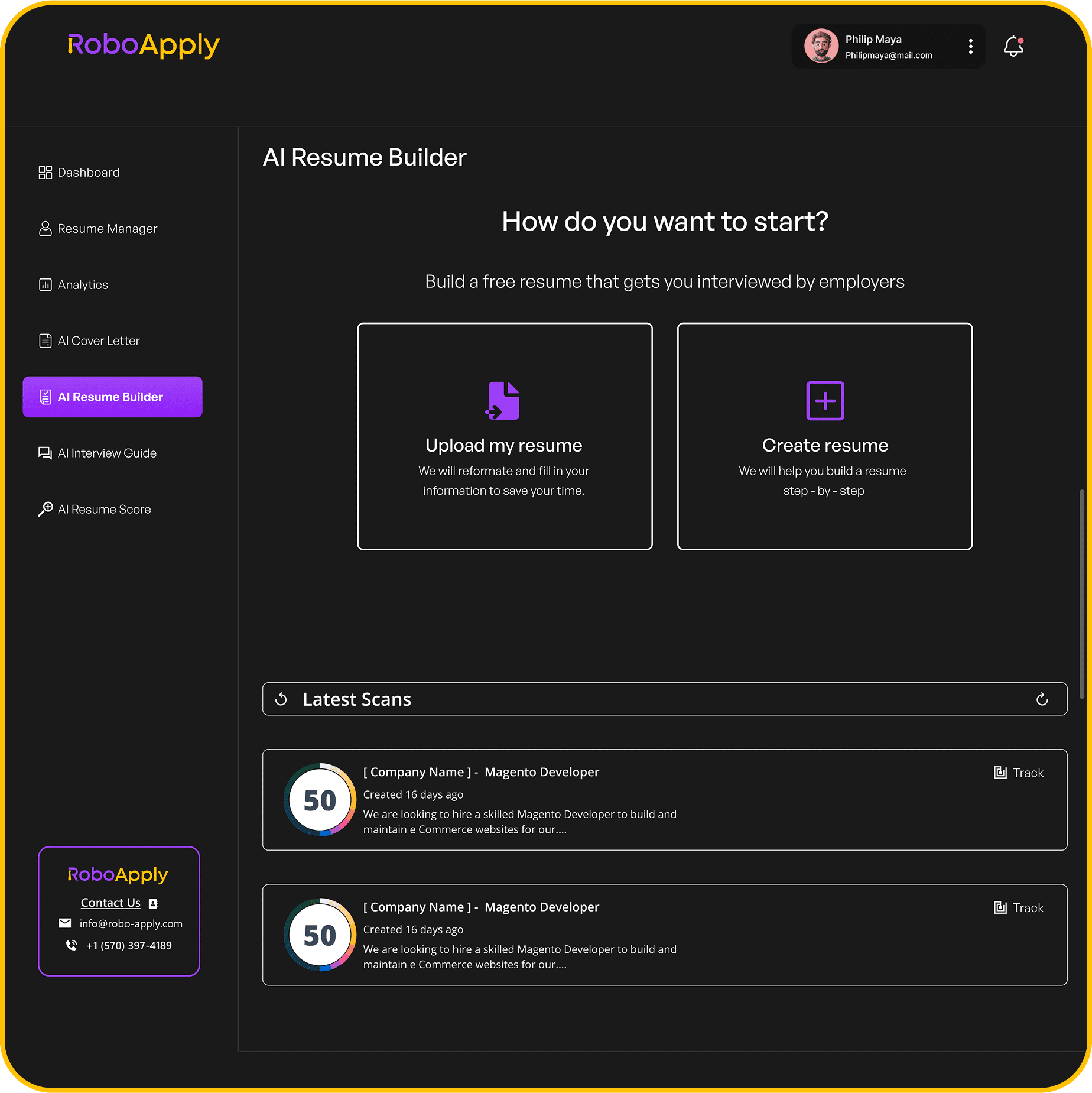
Integration with RoboApply’s Resume Builder ensures your application materials match. Consistent formatting across documents shows professionalism and attention to detail.
Track which cover letters generate interviews with built-in analytics. See which approaches work best for your background and target positions. Refine your strategy based on real results.
Download Ready-to-Use Nursing Cover Letter Templates
Templates provide structure while you add your unique details. These templates work for different nursing specialties and experience levels.
Download Your Free Nursing Cover Letter Templates
Each template includes formatting, section headers, and guidance on what content to include. Customize the highlighted areas with your specific information.
Available in multiple formats for your convenience.
Frequently Asked Questions
How long should my nursing cover letter be?
Keep your nursing cover letter to one page, approximately 250-350 words across three to four paragraphs.
Should I mention salary expectations in my cover letter?
Skip salary discussions unless the job posting specifically requests this information in your cover letter.
Can I use the same cover letter for multiple applications?
No, customize each nursing cover letter for the specific position and facility you’re applying to for best results.
What’s the best way to address gaps in my employment?
Briefly explain gaps in your cover letter if they’re career-advancing, like certification courses or specialized training programs.
Do hiring managers actually read cover letters?
Yes, 83% of hiring managers actively use cover letters to screen nursing candidates before reviewing resumes.