


A nursing cover letter is your first chance to show hiring managers why you’re the right fit for their healthcare team. Landing your first nursing job requires more than just clinical skills and good grades. You need a cover letter that highlights your unique strengths, patient care philosophy, and readiness to contribute from day one.
New nursing graduates face stiff competition in today’s job market. According to the American Association of Colleges of Nursing, thousands of qualified nurses enter the workforce each year. Your cover letter needs to stand out immediately. It should demonstrate your clinical competencies while showing genuine enthusiasm for the position.
Most hiring managers spend less than 30 seconds scanning each cover letter. You need to grab their attention fast. Your letter should complement your resume by telling your professional story in a compelling way. It’s your opportunity to explain why you chose nursing and what makes you different from other candidates.
What Makes a Strong Nursing Cover Letter
A strong nursing cover letter connects your clinical experience directly to the job requirements. Generic letters that could apply to any nursing position get ignored. You need specificity that shows you’ve researched the facility and understand their patient population.
Your letter should highlight concrete examples from your clinical rotations, internships, or volunteer work. These real experiences prove you can handle the responsibilities listed in the job description. Numbers and specific outcomes make your accomplishments more credible and memorable.
The best cover letters balance professional expertise with personal passion. Research published in the Journal of Nursing Education shows that hiring managers value both technical competence and emotional intelligence in nursing candidates. Your letter needs to demonstrate both qualities clearly.
7 Essential Elements of a Nursing Cover Letter
Every effective nursing cover letter contains specific components that work together to create a compelling narrative. These seven elements form the foundation of a letter that gets you noticed and lands interviews.
Contact Information and Professional Header
Start with your full name, phone number, email address, and LinkedIn profile at the top. Include the date and the hiring manager’s contact information below. Use a professional email address that includes your name. Skip nicknames or outdated email accounts from college.
Your header creates the first impression. Keep it clean and easy to read. Use a professional font like Arial, Calibri, or Times New Roman in 11 or 12-point size. Match the formatting style of your resume for consistency.
Personalized Greeting and Opening
Address the hiring manager by name whenever possible. Check the job posting, hospital website, or call the HR department to find the right person. “Dear Hiring Manager” works only as a last resort when you truly cannot find a name.
Your opening paragraph should state the specific position you’re applying for and where you found the listing. Mention any mutual connections or referrals in the first sentence. This immediately establishes credibility and shows you’re part of the healthcare community.
Your Nursing Education and Credentials
Highlight your nursing degree, GPA (if above 3.5), relevant coursework, and any honors or awards. Include your RN license number and state of licensure. Mention specialized certifications like BLS, ACLS, PALS, or any other credentials relevant to the position.
Clinical rotations deserve special attention in your nursing cover letter. According to data from the National Council of State Boards of Nursing, hands-on clinical experience is one of the top factors in hiring decisions. Describe where you completed rotations and what patient populations you worked with. This shows you have practical experience beyond classroom learning.

Relevant Clinical Experience and Skills
Detail specific patient care scenarios that demonstrate your competencies. Describe situations where you successfully managed complex cases, worked under pressure, or made quick decisions. Use the STAR method: Situation, Task, Action, Result.
Focus on skills that match the job description. If the position emphasizes critical care, highlight your ICU rotation experience. For pediatric nursing roles, discuss your comfort level with children and families. Tailor every example to align with what the employer needs.
Soft skills matter just as much as clinical expertise. Communication, teamwork, adaptability, and emotional resilience define successful nurses. Research from the Robert Wood Johnson Foundation confirms that these interpersonal abilities directly impact patient outcomes. Give brief examples that show these qualities in action.
Understanding of the Healthcare Facility
Show you’ve researched the hospital, clinic, or healthcare system. Mention their mission, values, recent achievements, or specialized programs. Explain why these aspects resonate with your own professional goals and values.
Connect your background to their specific needs. If they’re a trauma center, emphasize your ability to work in fast-paced environments. If they focus on community health, discuss your commitment to preventive care and patient education. This demonstrates genuine interest rather than mass-applying to every opening.
Your Nursing Philosophy and Patient Care Approach
Articulate what quality patient care means to you. Describe your approach to building trust with patients and their families. Explain how you handle challenging situations or difficult conversations. This reveals your emotional intelligence and professional maturity.
Keep your philosophy grounded in real experiences. Abstract statements about “providing excellent care” don’t resonate. Instead, share a brief story that illustrates your values. Maybe you advocated for a patient who couldn’t speak for themselves. Or you took extra time to explain a complex treatment plan to an anxious family member.
Strong Closing and Call to Action
Your final paragraph should express enthusiasm for an interview. Restate your interest in the specific position and facility. Thank the hiring manager for their time and consideration. Include your contact information again for easy reference.
Close with a professional signature. Use “Sincerely” or “Best regards” followed by your full name. If submitting electronically, include a typed signature. For printed letters, leave space for a handwritten signature above your typed name.
Key Steps to Write Your Nursing Cover Letter as a New Graduate
Writing your first nursing cover letter feels overwhelming. Breaking the process into manageable steps makes it easier. Follow this sequence to create a professional letter that showcases your qualifications effectively.
- Start by analyzing the job description carefully. Highlight keywords related to required skills, preferred qualifications, and patient populations. Make a list of how your experience matches each requirement. This becomes the foundation for your letter’s content.
- Create an outline before writing. Plan which experiences you’ll feature in each paragraph. Decide which clinical rotation stories best demonstrate the competencies they’re seeking. Choose one or two standout achievements that prove you’re ready for the role.
- Write a compelling opening that hooks the reader immediately. State the position and facility name in your first sentence. Follow with a brief statement about why this specific opportunity excites you. Avoid generic introductions that could apply to any job.
- Develop body paragraphs that tell your professional story. Each paragraph should have a clear focus: education and credentials, clinical experience, relevant skills, and cultural fit. Use specific examples rather than vague claims. Show don’t tell whenever possible.
- Review and refine multiple times. Read your letter aloud to catch awkward phrasing or repetitive language. Check that every sentence adds value. Remove filler words and unnecessary details. Studies in healthcare communication show that concise, direct writing makes the strongest impression.
- Get feedback from trusted sources. Ask a nursing instructor, mentor, or career counselor to review your draft. They can spot gaps in your narrative or suggest stronger examples. Incorporate their suggestions thoughtfully.
- Proofread thoroughly for errors. Typos and grammatical mistakes suggest carelessness. Use spell check but don’t rely on it alone. Print your letter and review it on paper where errors stand out more clearly. Verify all names, titles, and contact information for accuracy.
- Customize each letter for different applications. Never send the same cover letter to multiple facilities. Change specific details to reflect each organization’s unique characteristics. This extra effort shows genuine interest and significantly improves your response rate.
Common Mistakes That Weaken Your Nursing Cover Letter
Even strong candidates sabotage their chances with avoidable errors. Being aware of these common pitfalls helps you create a more effective letter.
Repeating your resume verbatim wastes valuable space. Your cover letter should expand on resume highlights with context and stories. It complements your resume rather than duplicating it. Choose different examples or provide deeper detail about your most relevant experiences.
Being too modest hurts your chances. New graduates often downplay their accomplishments or apologize for limited experience. Confidence matters in nursing. Present your skills and achievements assertively. You earned your degree and completed clinical rotations successfully. Own that preparation.
Using generic language makes your letter forgettable. Phrases like “I’m a hard worker” or “I have excellent communication skills” mean nothing without proof. Replace abstract claims with concrete examples that demonstrate these qualities through action.
Focusing too much on what you want from the job misses the point. Hiring managers care about what you bring to their team. Frame your letter around how you’ll contribute to patient care and support the facility’s mission. Your career goals matter less than solving their staffing needs.
Submitting a letter with errors shows lack of attention to detail. In nursing, details can be life or death. A cover letter with typos raises concerns about your ability to document accurately and follow protocols carefully. Proofread multiple times and ask someone else to review it.
Making your letter too long reduces its impact. Keep your nursing cover letter to one page maximum. Hiring managers don’t have time to read lengthy narratives. Every sentence should serve a clear purpose. Cut anything that doesn’t directly support your candidacy.
Download Your Nursing Cover Letter Templates
Get professionally designed nursing cover letter templates that you can customize for any position. These templates include proper formatting, suggested content sections, and examples specific to new nursing graduates. Available in Word, PDF, and text formats for maximum flexibility.

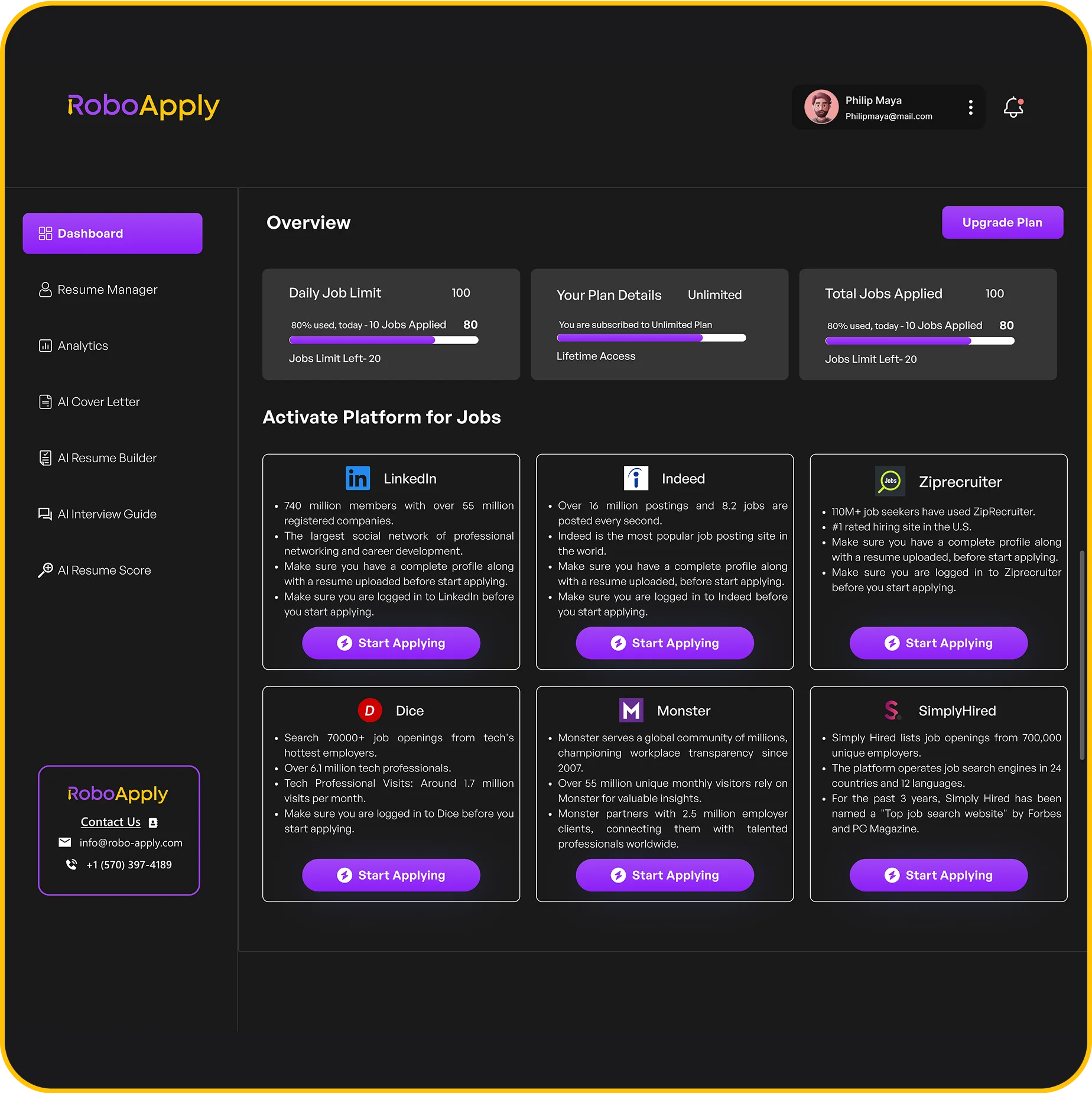
How RoboApply Simplifies Your Nursing Cover Letter Creation
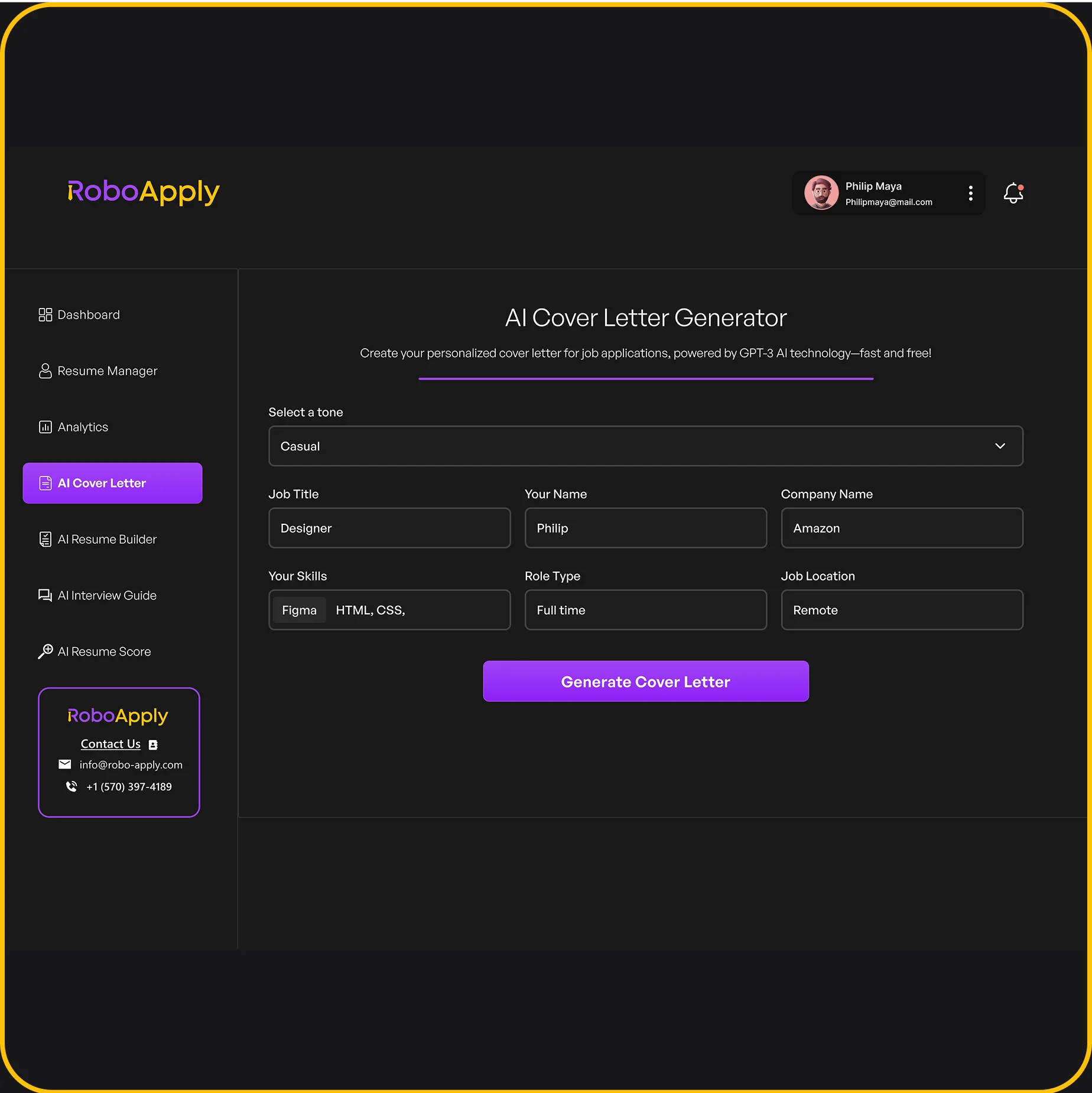
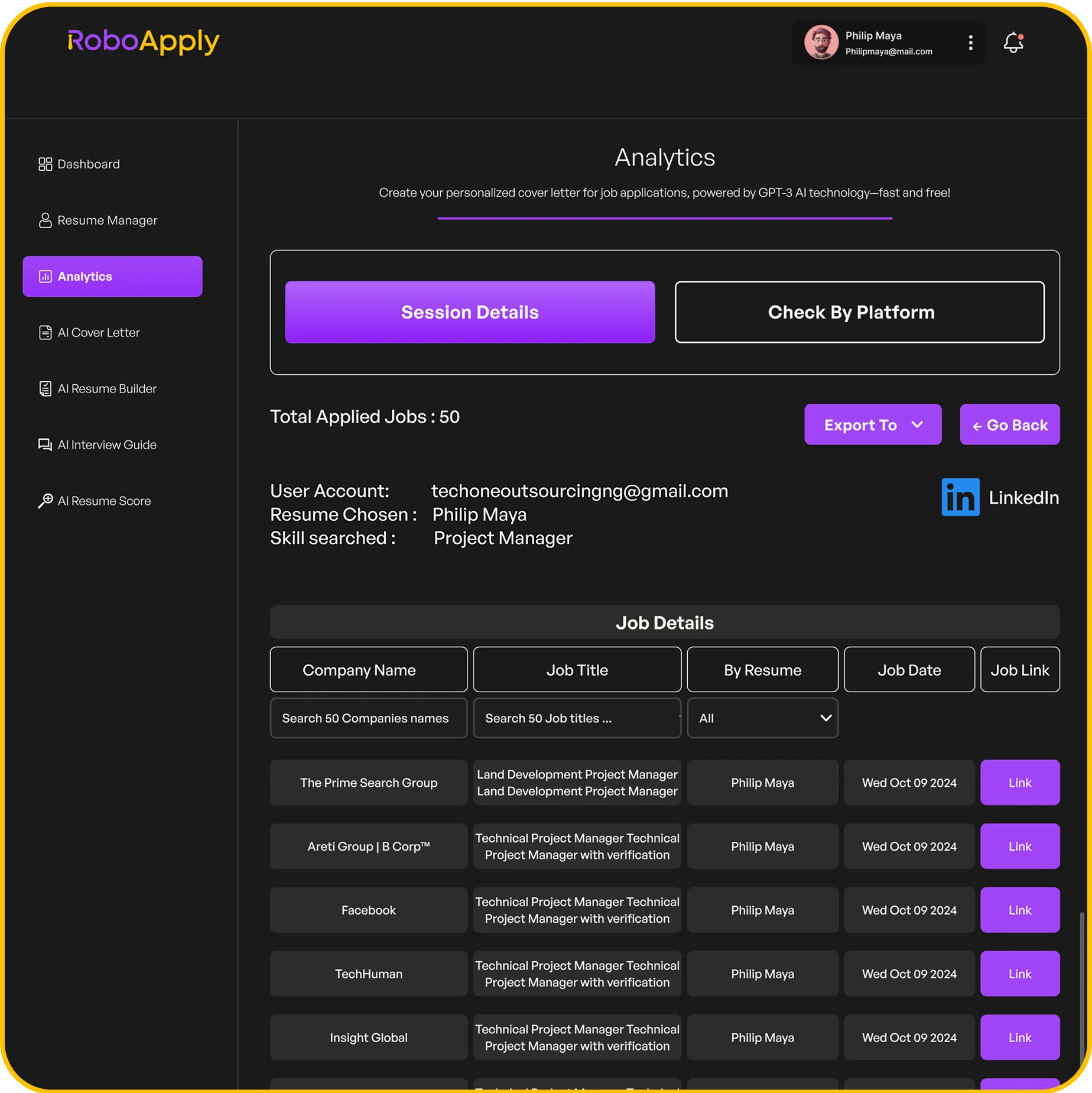
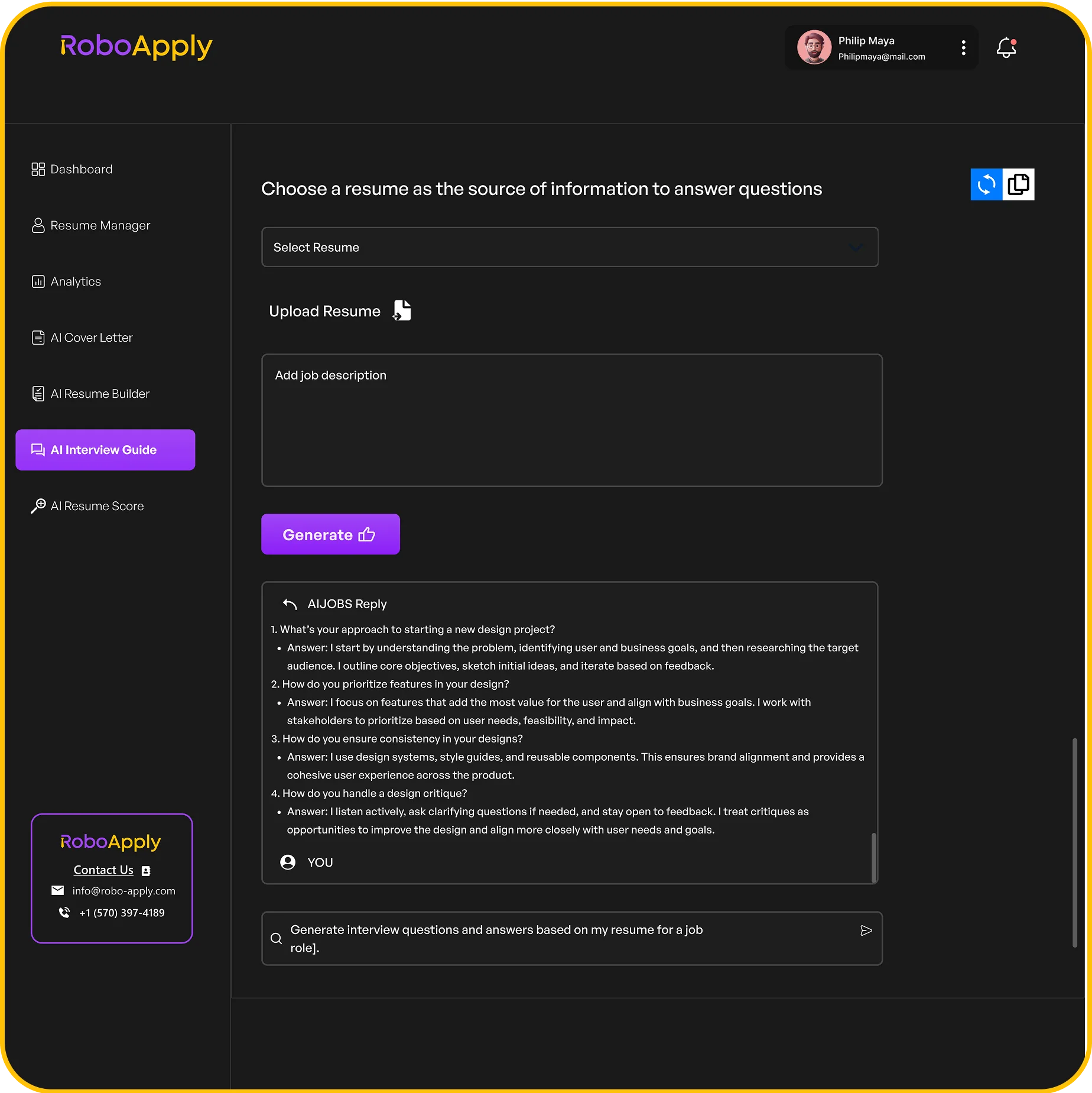
Creating multiple customized cover letters takes hours you don’t have during an intense job search. RoboApply’s AI Cover Letter Generator eliminates the tedious work while maintaining personalization and quality.
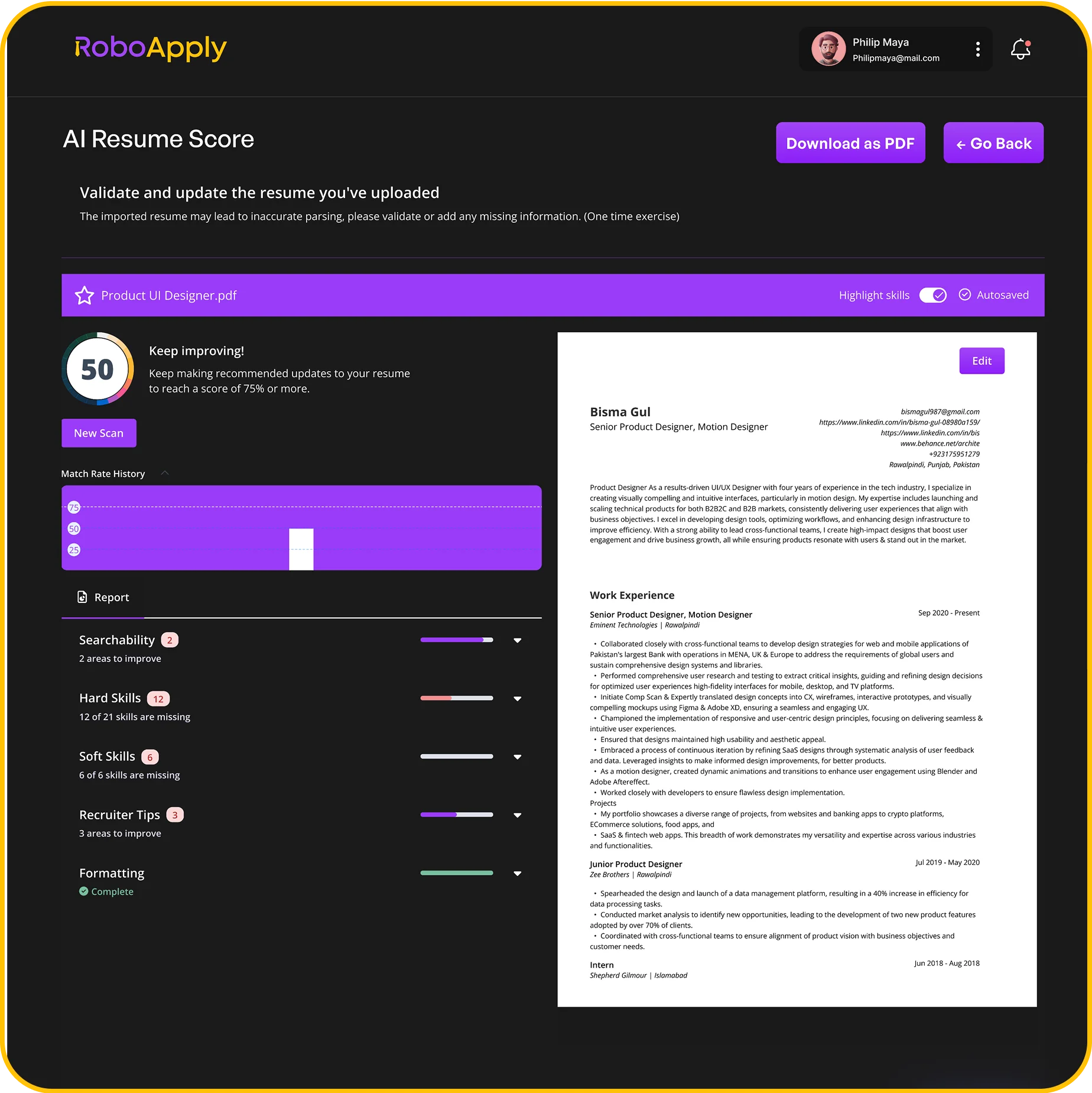
The AI analyzes job descriptions and automatically adjusts your cover letter to highlight the most relevant experiences. It identifies keywords from the posting and incorporates them naturally throughout your letter. This optimization helps your application get past applicant tracking systems that many healthcare facilities use.
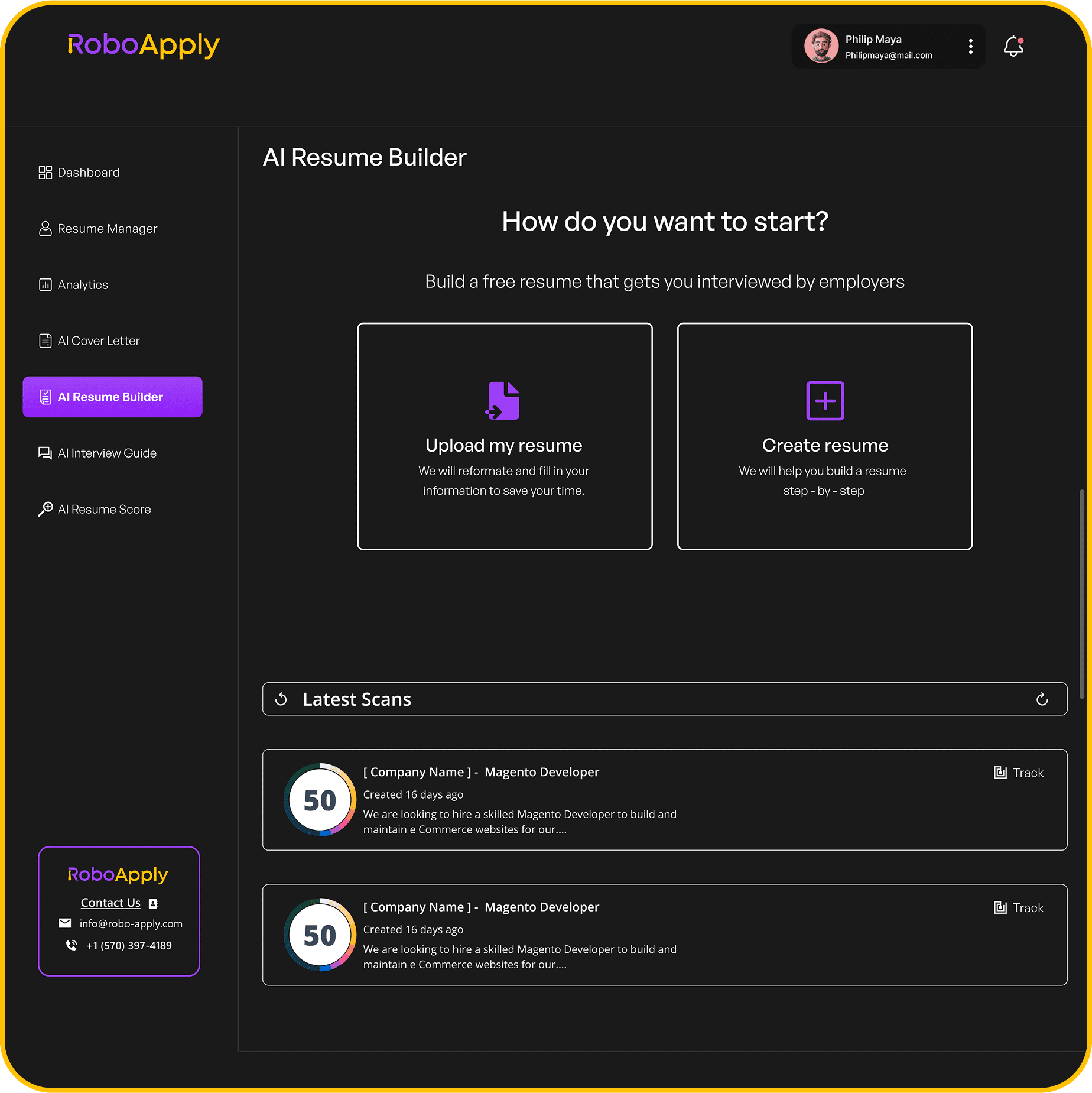
You maintain complete control over the content. The AI Resume Builder works alongside the cover letter tool to ensure consistency across your application materials. Edit any section to add personal touches or specific examples from your clinical experience. The system suggests improvements while keeping your unique voice.
RoboApply offers multiple tone options for your nursing cover letter. Choose professional, confident, or friendly depending on the facility culture. Switch between styles with one click to see which feels most authentic. This flexibility helps you match the organization’s communication style.
The platform integrates with AI Tailored Apply to customize your entire application package for each position. Apply to multiple nursing jobs efficiently without sacrificing quality or personalization. Track all your applications in one dashboard and monitor your progress.
Creating an effective nursing cover letter doesn’t have to consume your limited time. Get started with RoboApply to automate the time-consuming parts while keeping the personal elements that make you stand out. Focus your energy on interview preparation instead of rewriting the same letter repeatedly.
Frequently Asked Questions
How long should a nursing cover letter be?
Keep your nursing cover letter to one page maximum. Three to four paragraphs is ideal. Hiring managers spend minimal time reviewing applications.
Should I mention my GPA in my nursing cover letter?
Include your GPA only if it’s 3.5 or higher. Strong academic performance demonstrates dedication and competence. Skip it if below this threshold.
Can I use the same cover letter for multiple nursing positions?
No. Customize each nursing cover letter for the specific facility and role. Generic letters get rejected. Personalization shows genuine interest and effort.
What’s the best way to address gaps in experience?
Focus on relevant clinical rotations and transferable skills from other jobs. Emphasize your learning ability and enthusiasm. Show how education prepared you for this role.
How do I make my nursing cover letter stand out?
Use specific patient care examples with measurable outcomes. Research the facility and reference their programs. Show personality while maintaining professionalism throughout your letter.