Jobs for a lazy person are really low-stress positions requiring minimal physical exertion and offering flexible schedules. These include data entry clerks, security guards, night auditors, librarians, and remote customer service roles. Salaries range from $30,000-$60,000 annually. These positions maximize efficiency over constant activity, offer work-life balance, and don’t require you to be “on” every single minute.
Let’s be honest. You’re not actually lazy. You’re smart enough to know working harder doesn’t always mean working better. You want a job that pays decent money without burning you out or demanding 60-hour weeks.
Research from the American Psychological Association shows workplace stress costs U.S. businesses $300 billion annually. Finding low-stress work that matches your energy levels isn’t lazy. It’s self-aware career planning that prevents burnout.
Understanding Low-Effort Jobs
Low-effort jobs don’t mean you do nothing. They mean you’re not constantly running around, dealing with emergencies, or working yourself into exhaustion. These positions value efficiency and consistency over hustle culture.
The best low-stress jobs share common characteristics making them appealing to people who value work-life balance over climbing corporate ladders. Understanding what makes these positions different helps you identify opportunities matching your preferences.
What Makes a Job Low-Effort
Low-effort positions typically include predictable daily routines without constant surprises, minimal physical demands beyond sitting or light walking, flexible schedules or remote work options, limited customer interaction reducing social exhaustion, and clear responsibilities without scope creep.
These jobs let you complete tasks efficiently then relax rather than constantly finding more work. You’re paid for showing up and handling specific duties, not for appearing busy every second. Understanding opportunities across basic industries shows various low-stress options.
Work Smarter Not Harder Philosophy
The stigma around wanting easy work is outdated. Modern workers prioritize efficiency and results over performative busyness. You’re looking for roles where you can complete responsibilities without unnecessary stress.
Smart workers choose positions matching their energy levels and lifestyle goals. If you don’t want to manage people, don’t pursue management. If you hate constant interruptions, avoid customer-facing roles. This isn’t lazy. It’s strategic career planning. Following professional standards includes self-awareness.

Best Low-Stress Jobs with Good Pay
Certain careers offer decent salaries without demanding constant hustle. These positions provide stable income while respecting your time and energy.
Remote and Flexible Positions
Remote work eliminates commuting stress and offers schedule flexibility. You can work from home in comfortable clothes without office politics.
Top remote low-stress jobs include these options:
- Data entry clerk typing information into systems at your own pace earning $30,000-$42,000 annually
- Transcriptionist converting audio to text with flexible hours making $32,000-$48,000 yearly
- Online tutor teaching subjects you know via video calls earning $35,000-$55,000 depending on subjects
- Virtual assistant handling administrative tasks for executives making $38,000-$52,000 annually
- Content moderator reviewing posts and comments for platforms earning $32,000-$45,000 yearly
Remote positions let you structure your day around personal preferences. Night owl? Work evenings. Early riser? Start at 6 AM. You control your environment and schedule.
Security and Monitoring Roles
Security positions involve mostly watching, monitoring, and occasional intervention. Long stretches of downtime are normal and expected.
Security jobs include security guard monitoring buildings earning $28,000-$40,000 with lots of downtime, night auditor at hotels working overnight shifts with minimal activity making $30,000-$42,000, parking lot attendant managing parking facilities earning $26,000-$35,000, and museum security guard protecting artwork in quiet environments making $32,000-$45,000.
These roles pay you to be present and alert. Actual emergencies are rare. You’ll spend most shifts monitoring cameras, doing rounds, or sitting at desks. Like understanding specialized compensation, different industries offer different pay.
Library and Research Positions
Libraries offer peaceful environments with predictable work. You’re helping people but not dealing with angry customers or high-pressure sales.
Library careers include library assistant shelving books and helping patrons earn $28,000-$38,000, archivist organizing historical documents making $42,000-$58,000, research assistant supporting academic projects earning $35,000-$48,000, and museum technician cataloging collections making $38,000-$52,000.
These positions attract people who value quiet work environments. You’re not racing against quotas or managing difficult personalities. The pace is relaxed and civilized.
Jobs to Avoid If You Value Low Stress
Some careers sound easy but involve hidden stress that exhausts people quickly. Knowing what to avoid helps you target genuinely low-pressure positions.
Restaurant and food service jobs seem simple but involve constant movement, angry customers, and unpredictable rushes. Servers, cooks, and baristas deal with intense pressure during peak hours despite low pay.
Retail positions promise easy work but demand standing for 8 hours, dealing with difficult customers, and working holidays. The “customer is always right” mentality creates stress without adequate compensation.
Sales roles offer high earnings but require constant rejection, meeting quotas, and aggressive networking. Commission-based pay creates financial stress that contradicts the low-effort goal. Like knowing when to follow up matters in sales.
Healthcare jobs including nursing assistants and medical technicians involve physical demands, emotional stress, and irregular hours. Caring for sick people is rewarding but exhausting work.
Teaching positions require planning lessons, grading work, managing classrooms, and dealing with parents. The workload extends far beyond school hours despite summer breaks.
How to Land Low-Stress Jobs
Finding and securing low-effort positions requires strategic searching and realistic expectations. These approaches help you identify opportunities matching your preferences.
Search specifically for low-stress keywords in job descriptions. Terms like “self-paced,” “flexible schedule,” “remote,” “predictable hours,” and “minimal supervision” signal lower-pressure environments. Avoid postings mentioning “fast-paced,” “dynamic,” or “wearing many hats.”
Target night shifts and off-peak positions. Overnight and weekend roles often have less supervision, fewer interruptions, and more downtime. Hotels, security companies, and warehouses need night coverage with premium pay.
Look for government and library positions. Public sector jobs offer stability, benefits, and reasonable workloads. They’re not high-paying but they’re predictable and low-stress.
Consider seasonal work if you want extended time off. Tax preparation, retail holiday help, and summer camp positions pay concentrated income allowing long breaks between contracts. Understanding resume formatting helps applications.
Optimizing Your Job Search for Low-Stress Positions
Finding positions matching your work style and energy level requires efficient application management. These tools help you discover and apply to low-stress opportunities strategically.
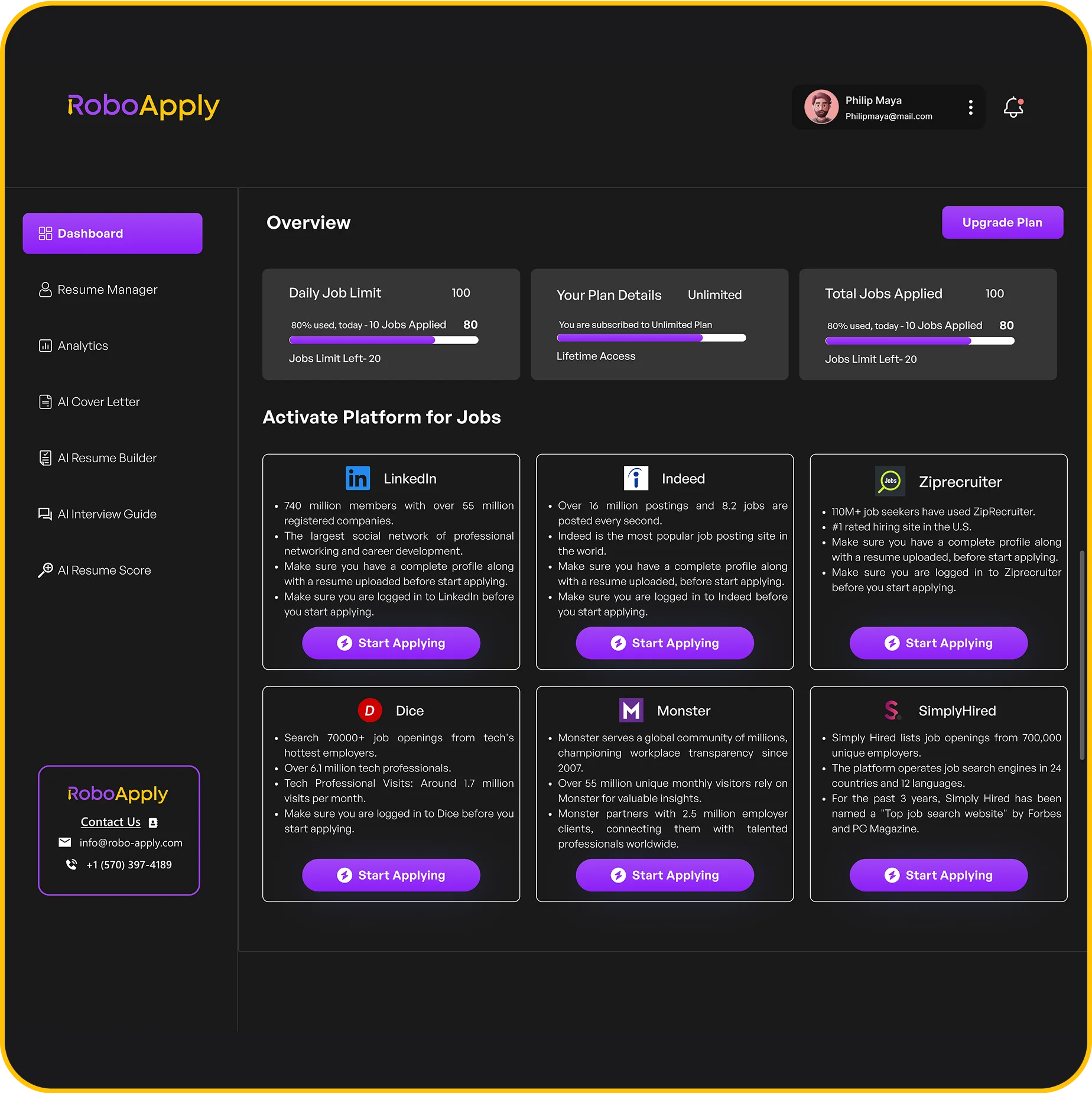
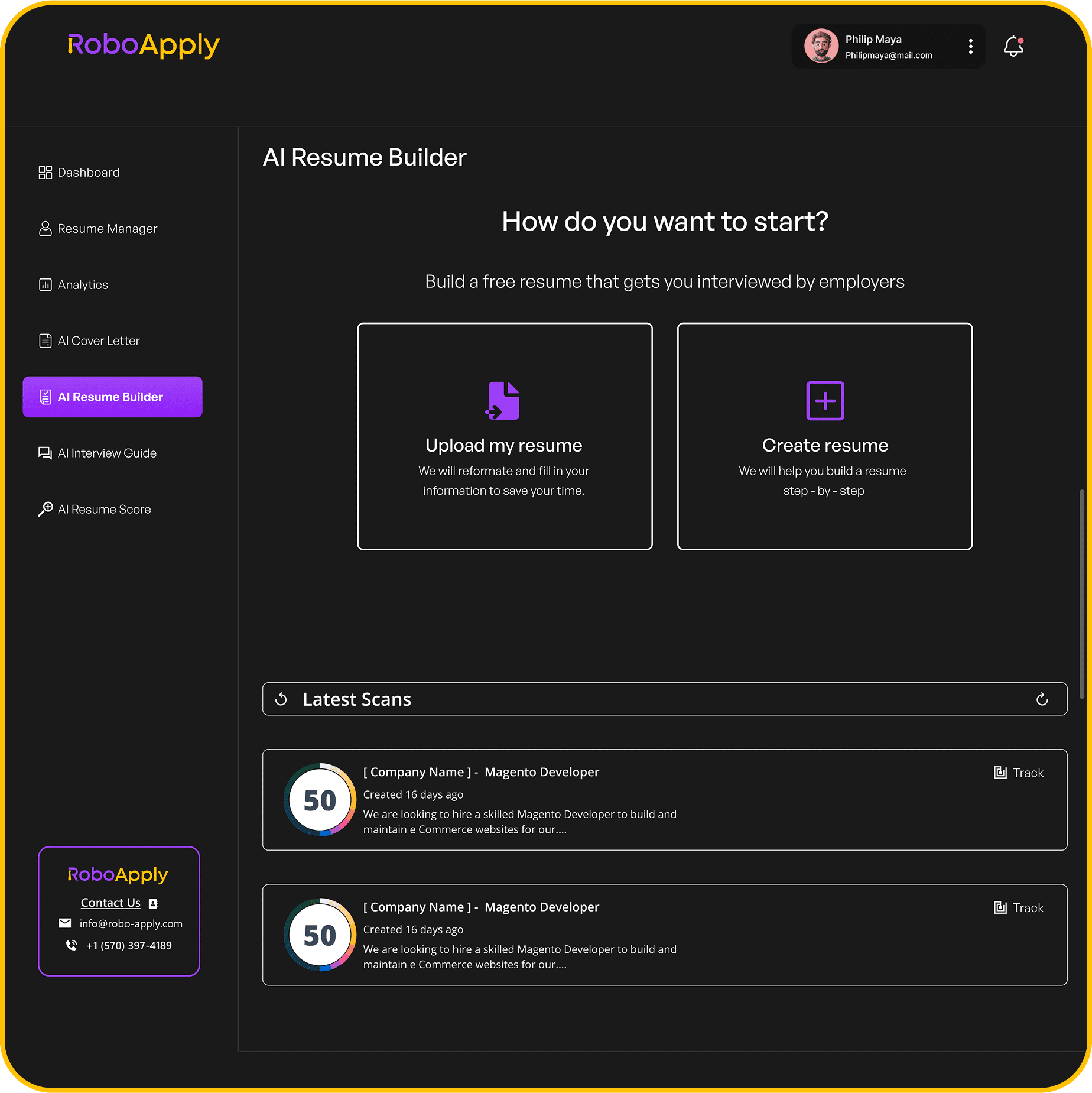
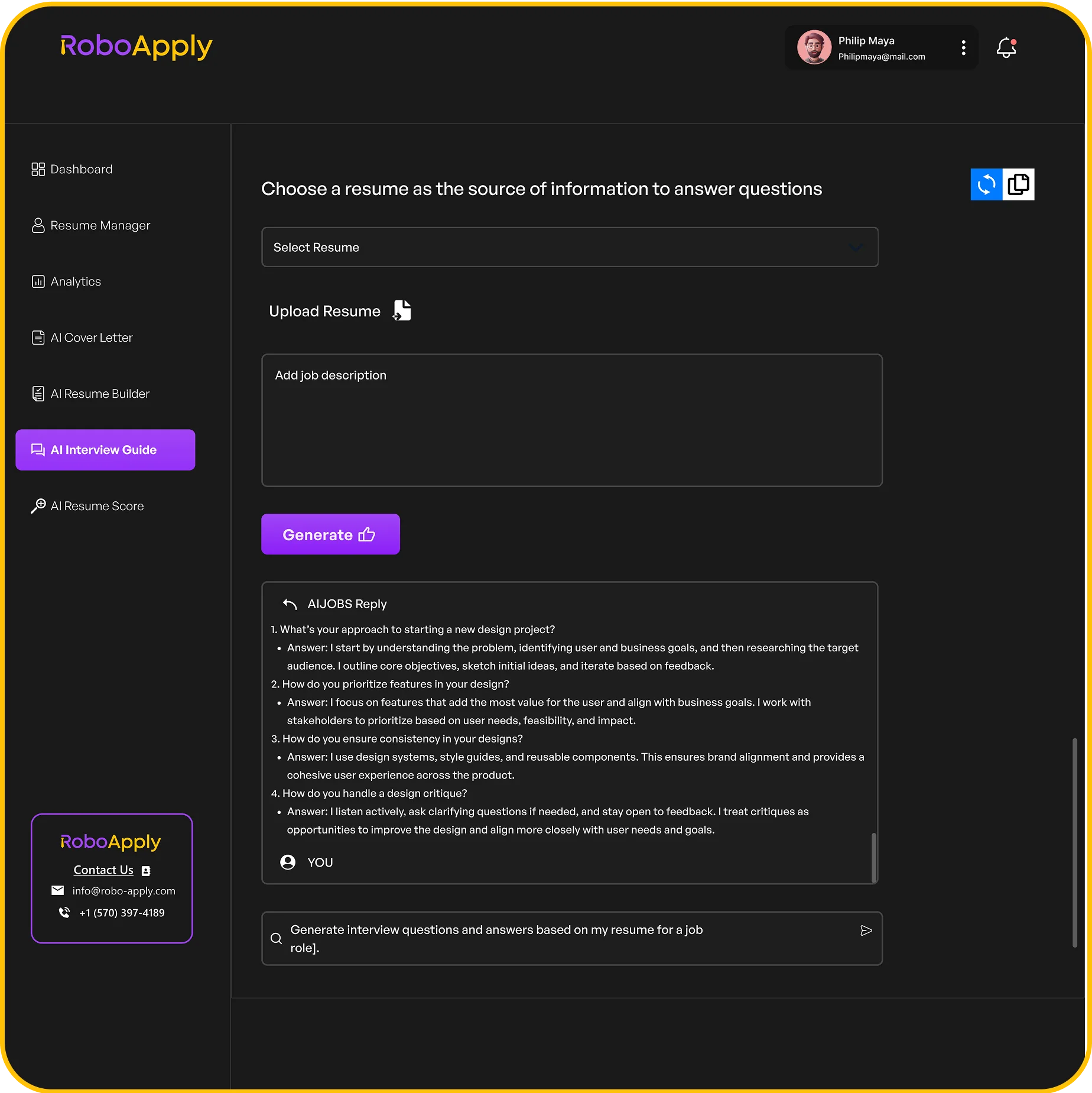
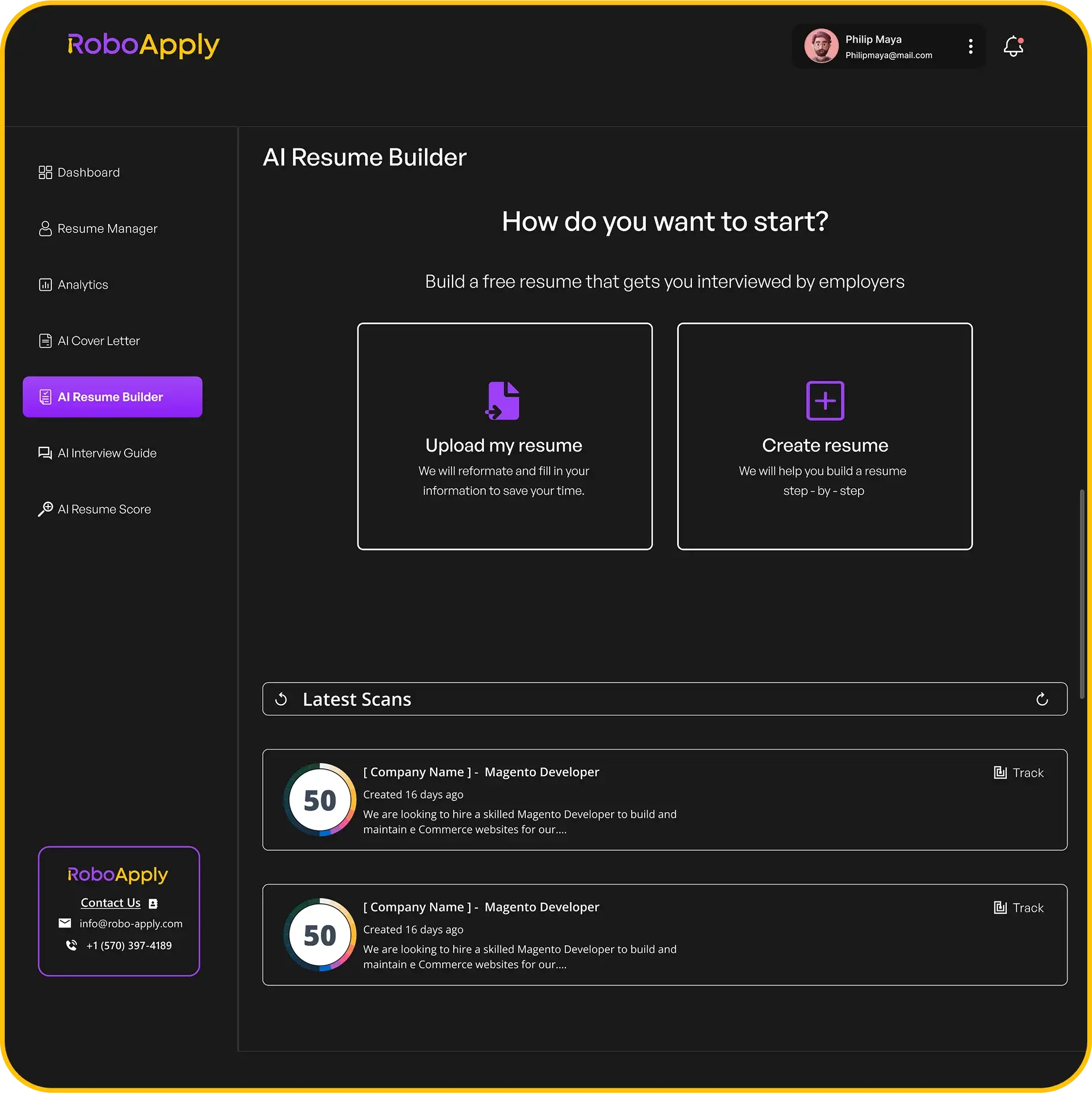
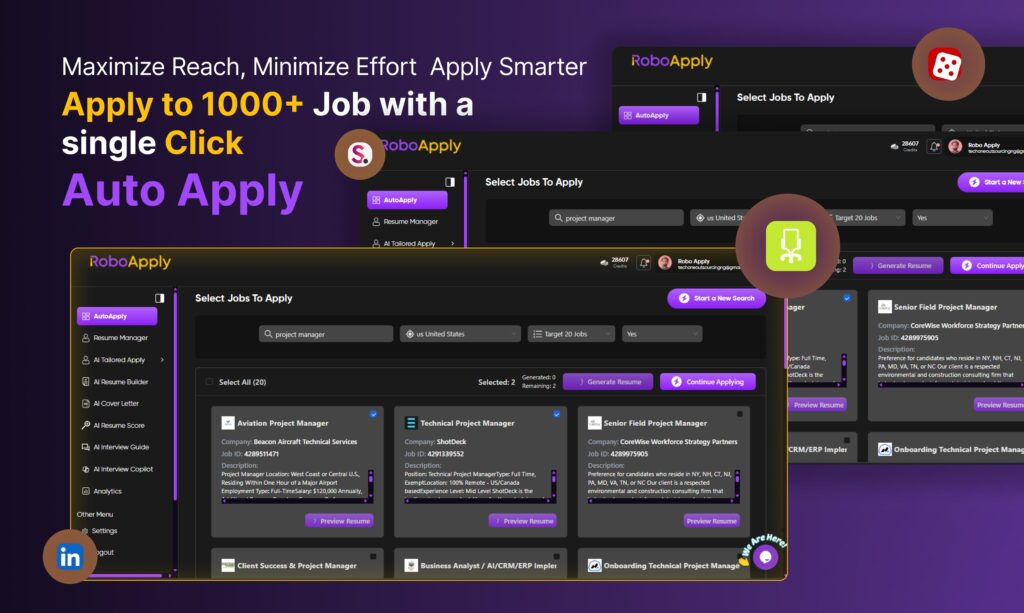
RoboApply’s AI Resume Builder creates optimized resumes emphasizing your reliability and efficiency. The platform formats your experience for low-stress position requirements.
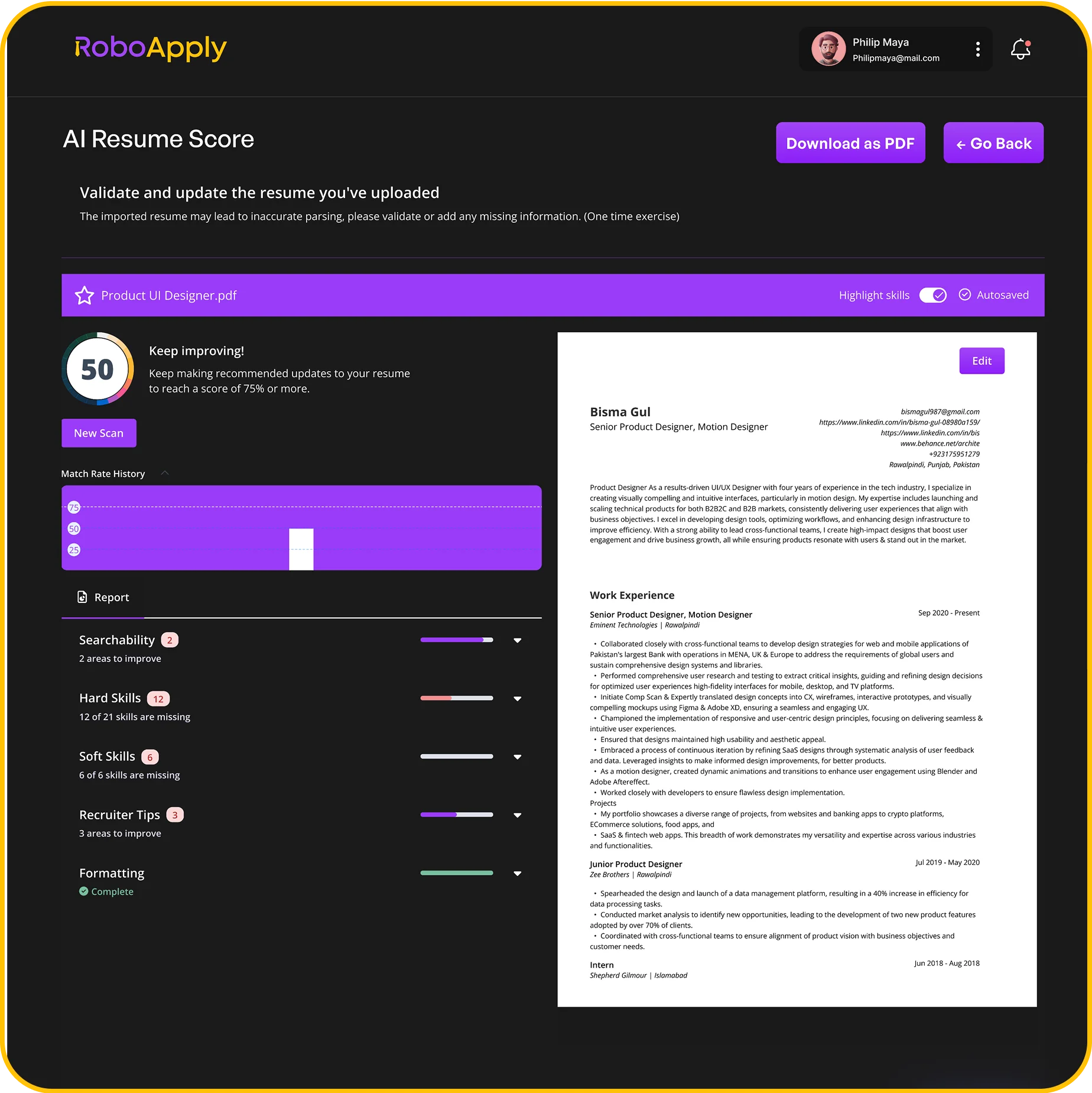
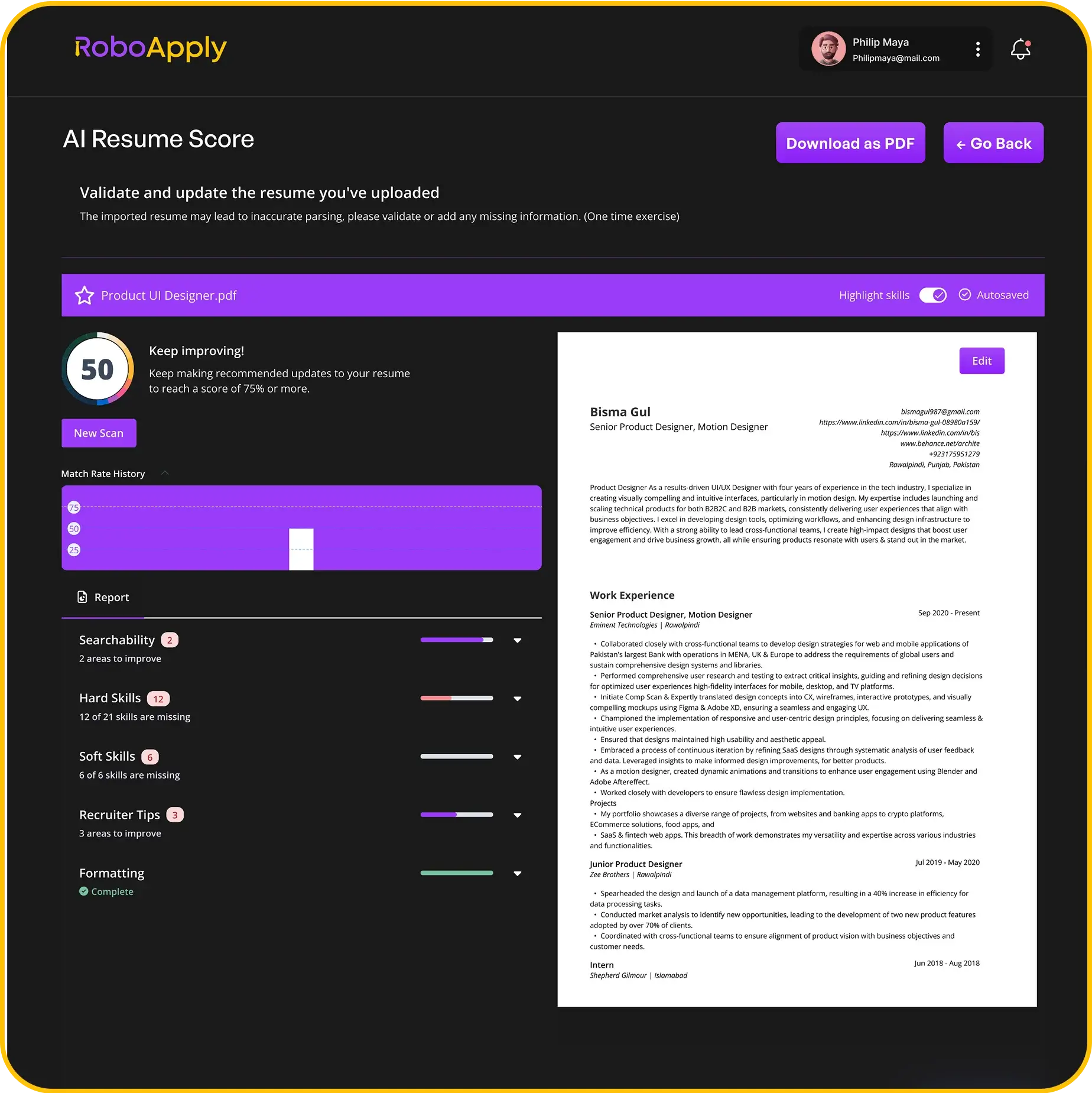
The Resume Score feature analyzes your application against job requirements. You’ll see which qualifications to emphasize for remote and flexible positions.
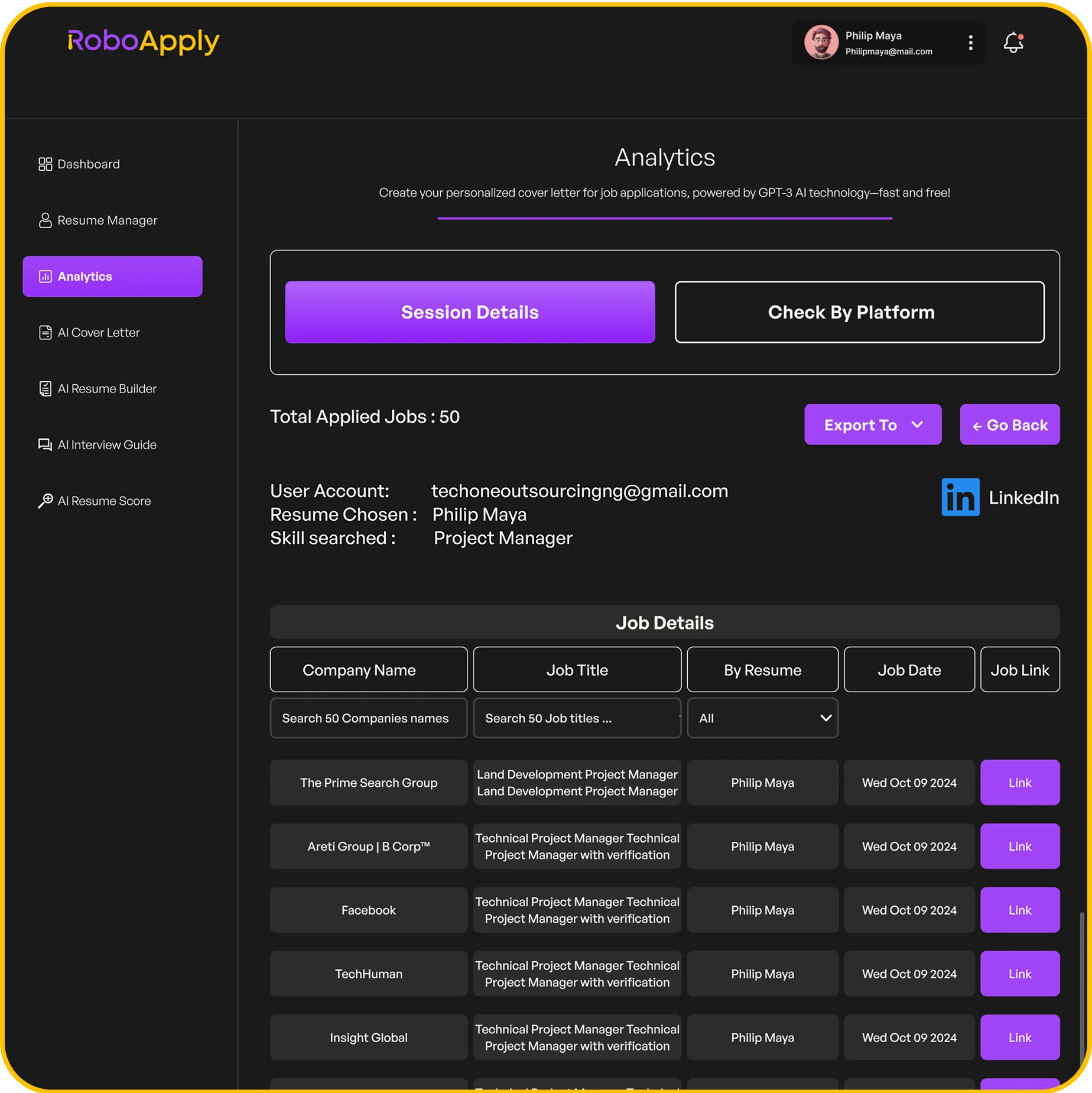
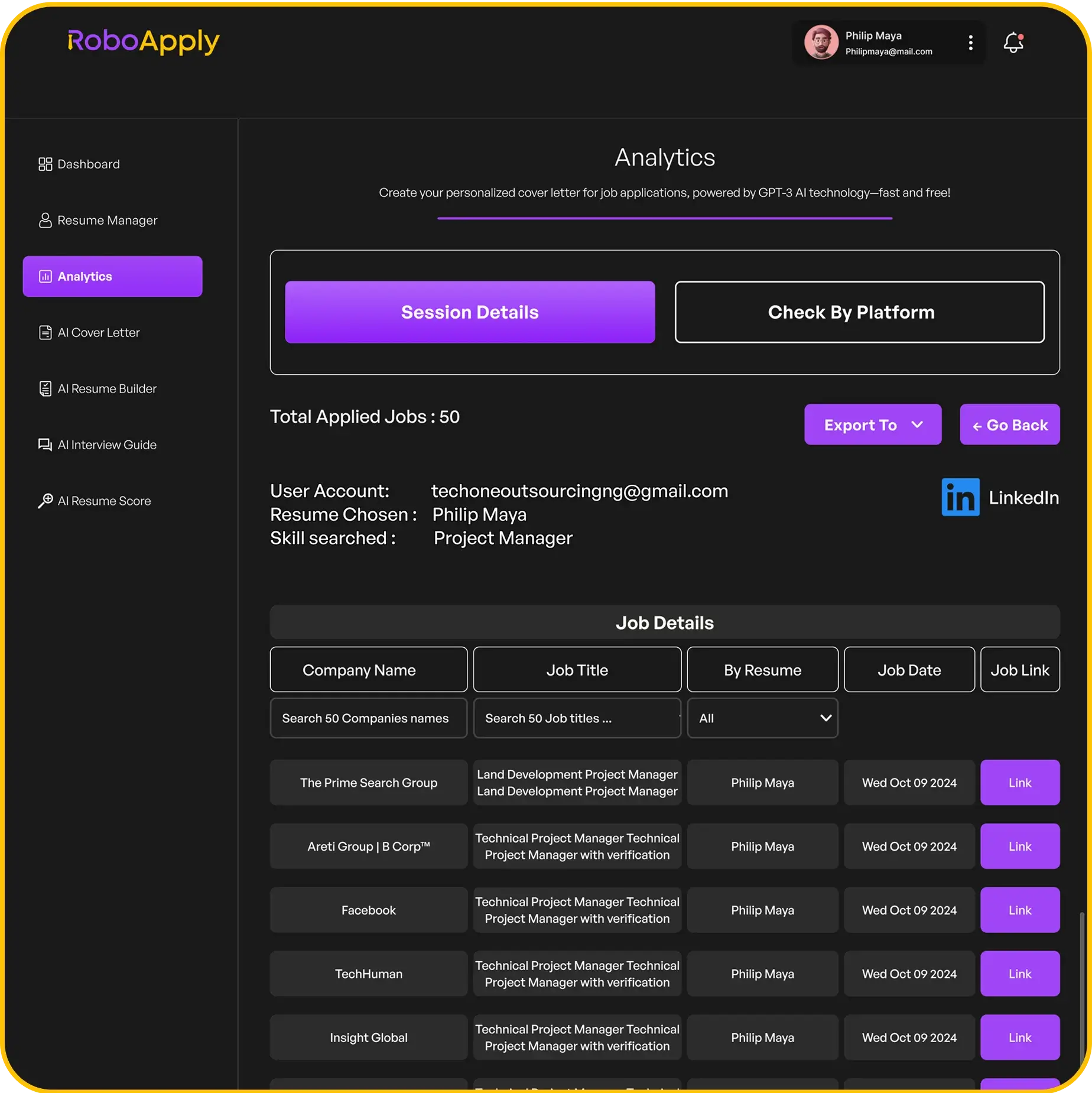
AI Auto Apply manages applications across hundreds of low-stress positions. You’re not manually filling repetitive forms for every data entry and security job.
Frequently Asked Questions
What are the best jobs for lazy people?
Best low-effort jobs include data entry, security guard, night auditor, librarian, and remote customer service. These offer $30,000-$60,000 annually with minimal stress.
Can you make good money in low-stress jobs?
Yes, some low-stress positions like technical writing, archiving, and specialized data analysis pay $50,000-$70,000 while maintaining reasonable workloads and flexibility.
Are remote jobs less stressful?
Generally yes, remote jobs eliminate commuting, office politics, and constant supervision. However, some remote positions still involve high-pressure deadlines and workloads.
What jobs have the most downtime?
Security guard, night auditor, parking attendant, and monitoring positions have significant downtime. You’re paid to be present rather than constantly busy.
How do you find low-stress jobs?
Search for keywords like “self-paced,” “flexible,” “remote,” and “predictable hours.” Target night shifts, government positions, and library careers for lower-pressure environments.