Checking average salaries in finance through online platforms gives any finance professional a clear picture of what their role is worth in the current job market. Finance is one of the highest-paying sectors in the economy, but the range within it is enormous. An entry-level financial analyst at a regional bank earns a very different salary from a senior investment banker at a bulge-bracket firm.
The Bureau of Labor Statistics (bls.gov/ooh/business-and-financial) reports that financial analysts earn a median annual wage of around $99,000 in the US, while personal financial advisors earn a median of about $95,000. But these figures don’t capture the full picture. Bonuses, commissions, and equity can double or triple total compensation in many finance roles, particularly in investment banking, asset management, and private equity.
Online salary platforms fill the gap between government statistics and real-world compensation. They pull from job postings, employee-submitted data, and company-specific reports to give you a much more granular view of what a specific role pays at a specific type of firm.

Why Finance Salary Data Requires Specialized Research
Finance compensation structures are more complex than most industries. Average salaries in finance often look lower than actual take-home pay because the base salary is only part of the package. Understanding how to read and interpret the data correctly is just as important as knowing where to find it.
The Base Salary vs. Total Compensation Gap
In investment banking, private equity, and hedge funds, year-end bonuses routinely exceed base salary. A first-year investment banking analyst might earn $110,000 in base salary but receive an additional $80,000 to $100,000 in bonus, putting total compensation closer to $200,000. Platforms that report only base salary data significantly understate what finance professionals actually earn. Always look for total compensation figures, not just base pay.
How Firm Type and Asset Class Affect Pay
A financial analyst at a community bank earns very differently from one at a global investment bank. Similarly, a portfolio manager at a small hedge fund and one at a top-tier asset management firm operate in completely different pay environments. When checking average salaries in finance, always filter by firm type and sector if the platform allows it. Blended averages across all finance firms are rarely useful for individual career decisions.
The Best Online Platforms for Finance Salary Research
Several platforms offer reliable finance salary data. Here’s a breakdown of the most useful ones for finance professionals:
- Wall Street Oasis (wallstreetoasis.com): The most detailed salary database specifically for finance careers. Covers investment banking, private equity, venture capital, hedge funds, and consulting. Data is crowdsourced from verified finance professionals. Strong for understanding bonus norms and total compensation by year of experience.
- Glassdoor (glassdoor.com): Broad salary database with finance-specific filters. Useful for large banks and financial services firms where many employees have submitted data. Includes bonuses and benefits information in many entries.
- LinkedIn Salary (linkedin.com/salary): Good for financial roles at established corporations. Filters by education, years of experience, and geography. Requires LinkedIn Premium to access the full dataset.
- Bureau of Labor Statistics (bls.gov/oes): Government data by occupation code and metropolitan area. Less granular on bonus structures but highly credible and updated annually. Best for regulatory or HR reference purposes.
- Robert Half Salary Guide (roberthalf.com/research-and-insights/salary-guide): Annual industry guide covering finance and accounting roles. Breaks down pay by role type, years of experience, and company size. Free to download and updated annually.
How to Use Platform Data to Make Career Decisions
Pulling average salaries in finance from online platforms is most valuable when you apply the data to a specific decision: negotiating an offer, evaluating a promotion, or deciding whether to leave for a better-paying role.
Comparing Your Current Pay to Market
Start by finding your exact role title on two or three platforms. Note the median and the range. If your current salary falls below the median for your experience level and location, you have a data-backed case for a raise. If it falls in the top quartile, you can evaluate whether the premium is enough to justify staying versus exploring other opportunities.
Evaluating a Job Offer
When you receive an offer, check it against total compensation data for that firm type specifically. An offer from a boutique investment bank has different benchmarks than one from a major commercial bank. Using the wrong comparison group leads to bad decisions. Filter your research to match the size, type, and sector of the company making the offer.
Planning the Next Career Move
Finance professionals who understand average salaries in finance at adjacent roles make better lateral and upward moves. If you know that moving from financial analysis into corporate finance strategy at the same company typically brings a 20% compensation increase, you can time and target that move deliberately rather than stumbling into it.
How RoboApply Helps Finance Professionals Act on Salary Data
Knowing average salaries in finance is only useful if you act on the information. For finance professionals ready to move into a better-paying role, the application process needs to match the ambition.
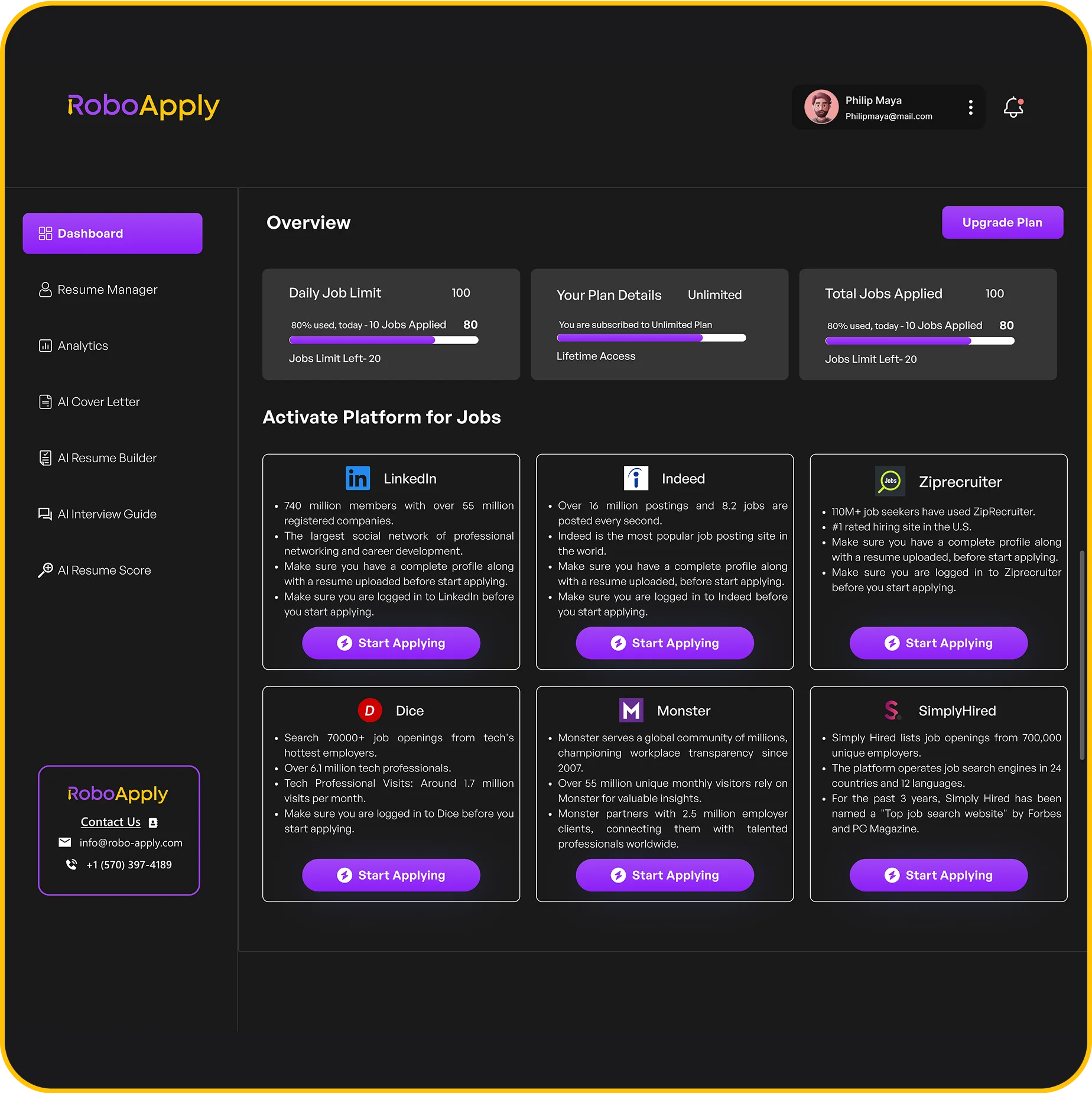
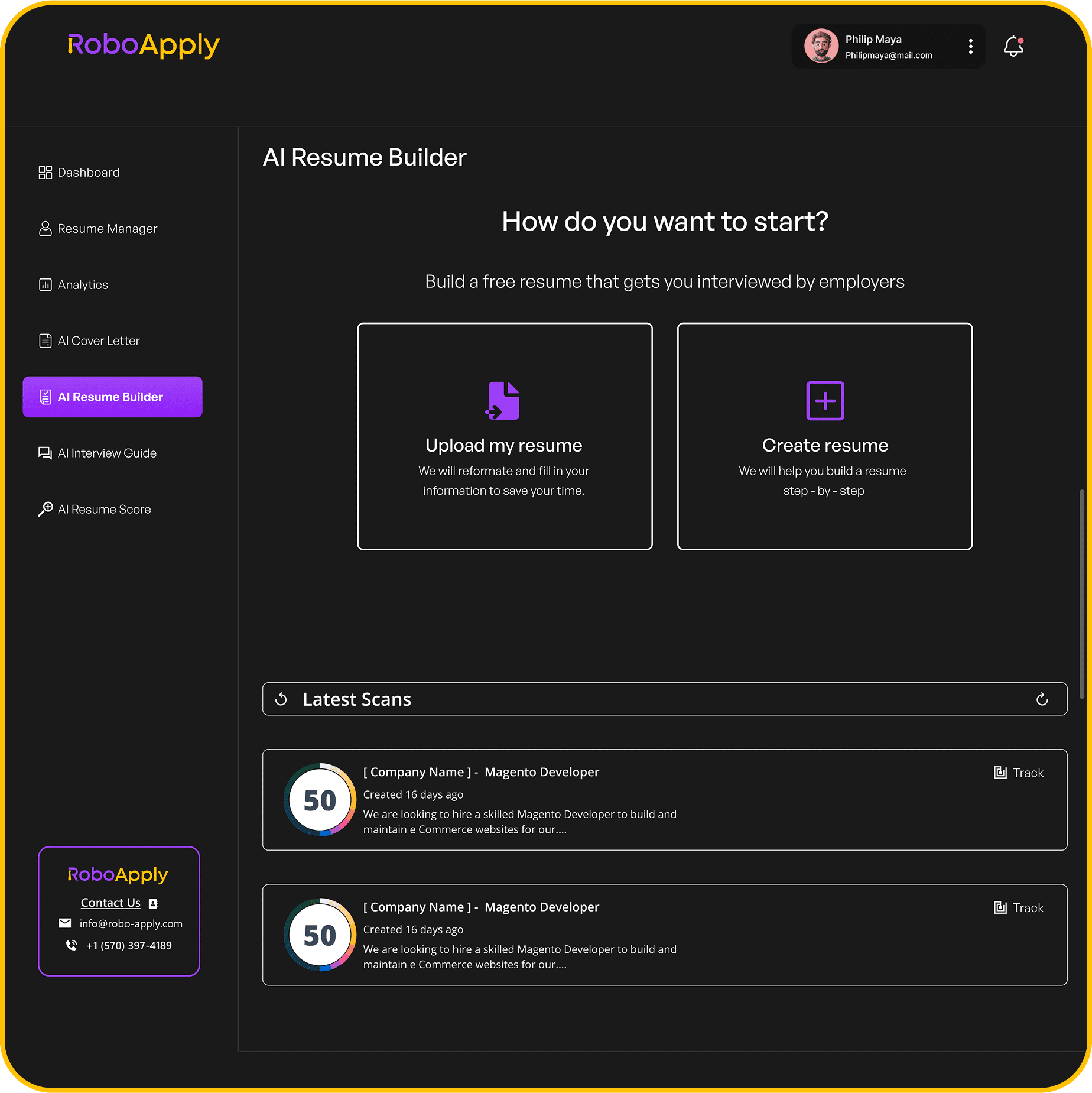
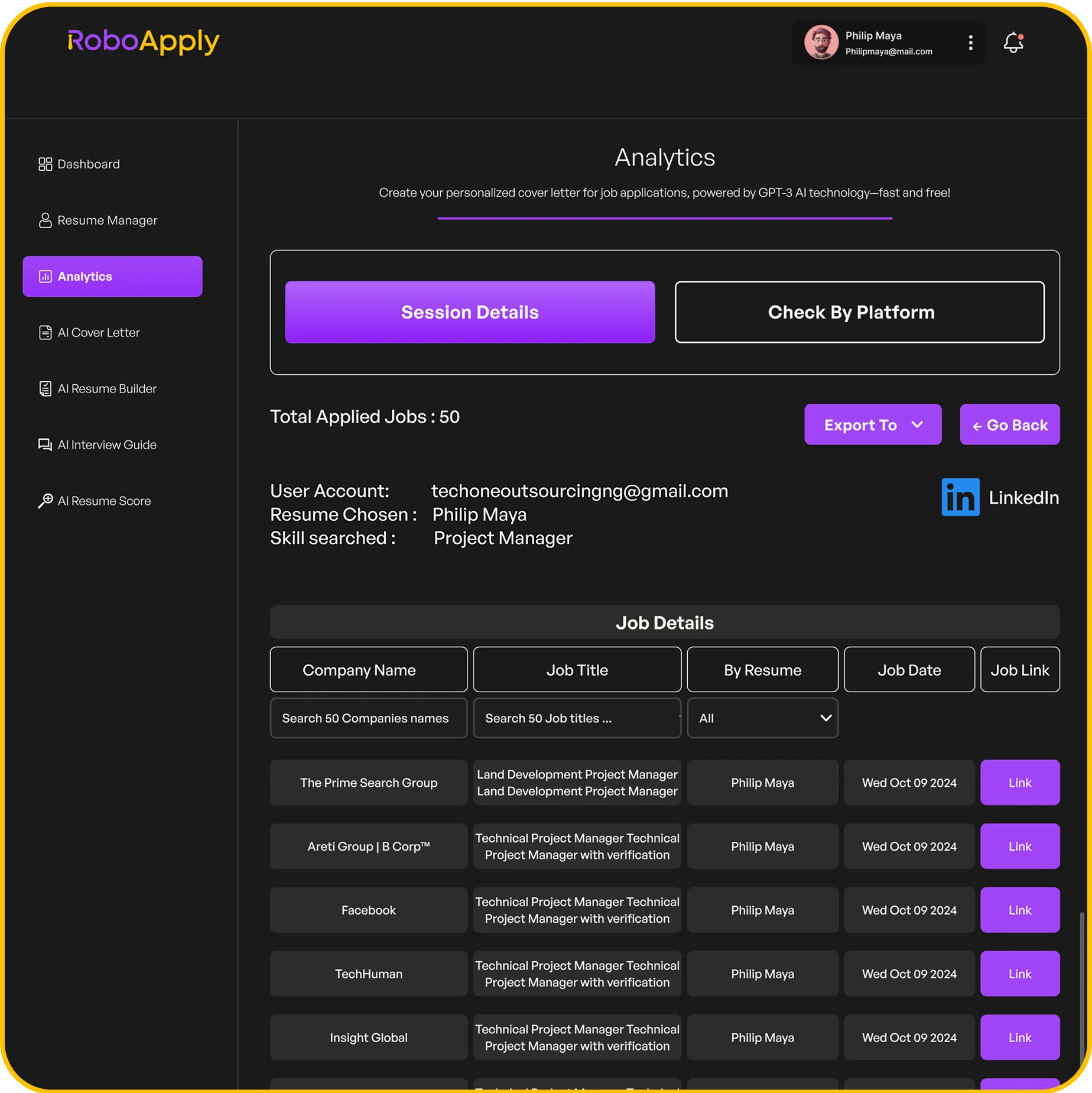
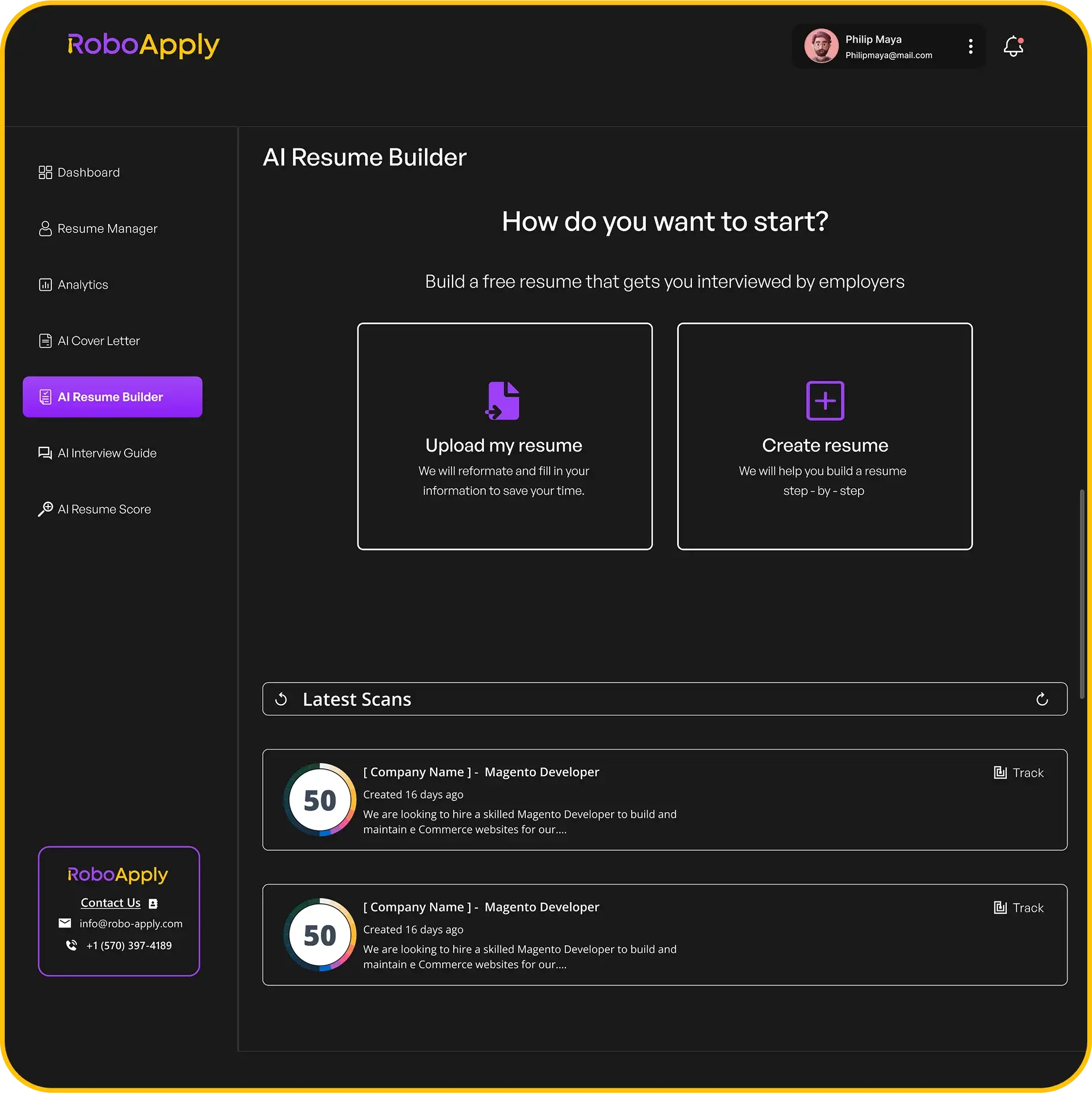
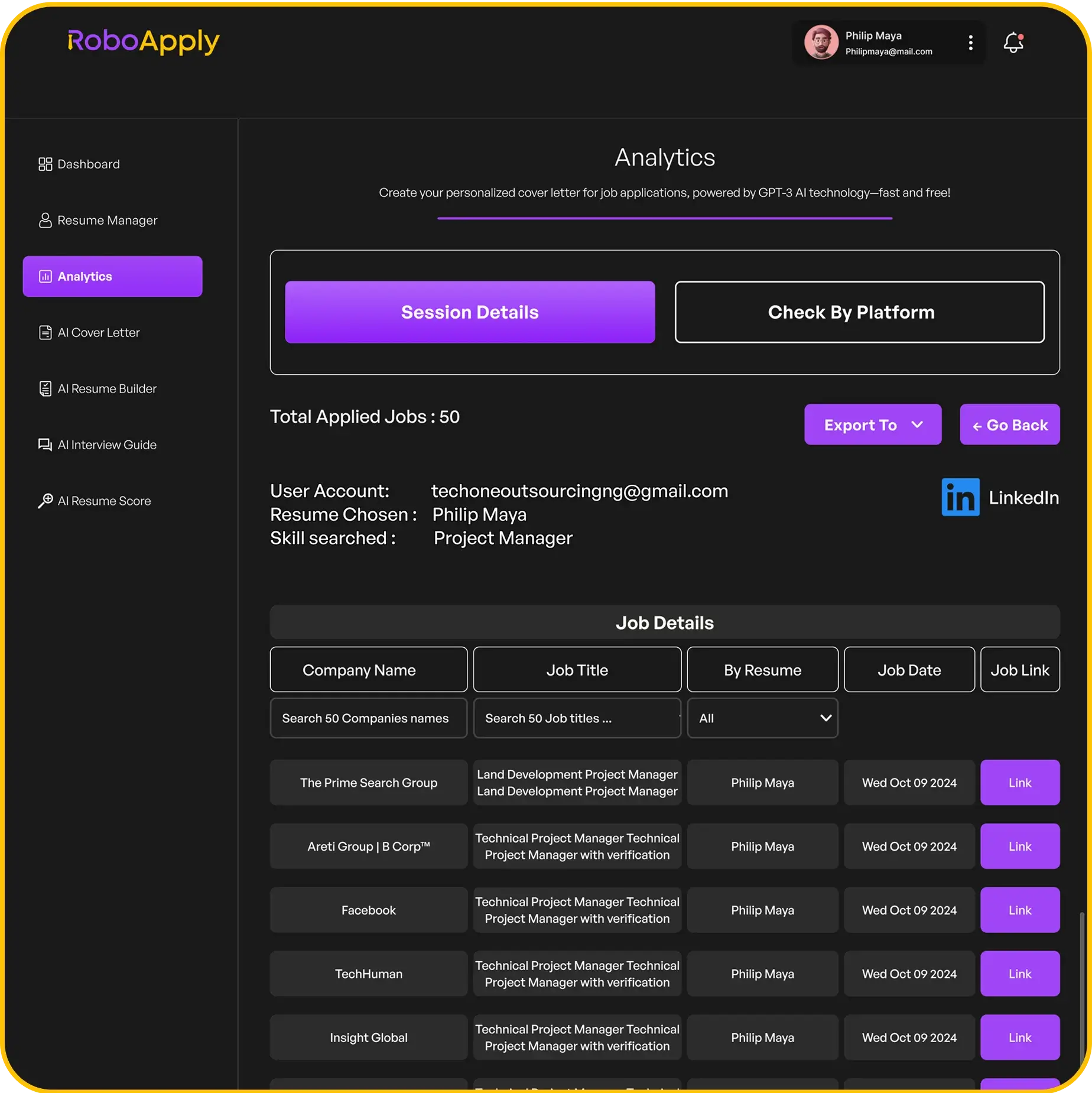
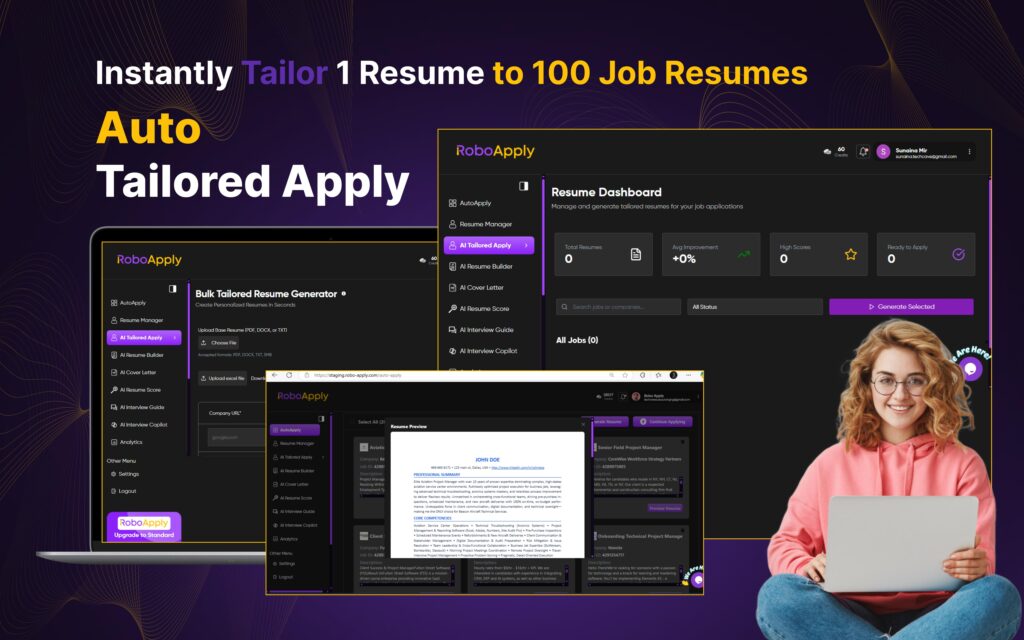
RoboApply’s AI Auto Apply submits applications automatically across major job boards including LinkedIn, Indeed, and ZipRecruiter. Finance professionals can apply to dozens of roles per day without spending hours on individual applications. The AI Tailored Apply feature customizes your resume to match each job description, improving ATS alignment and increasing your chances of getting called in for an interview.
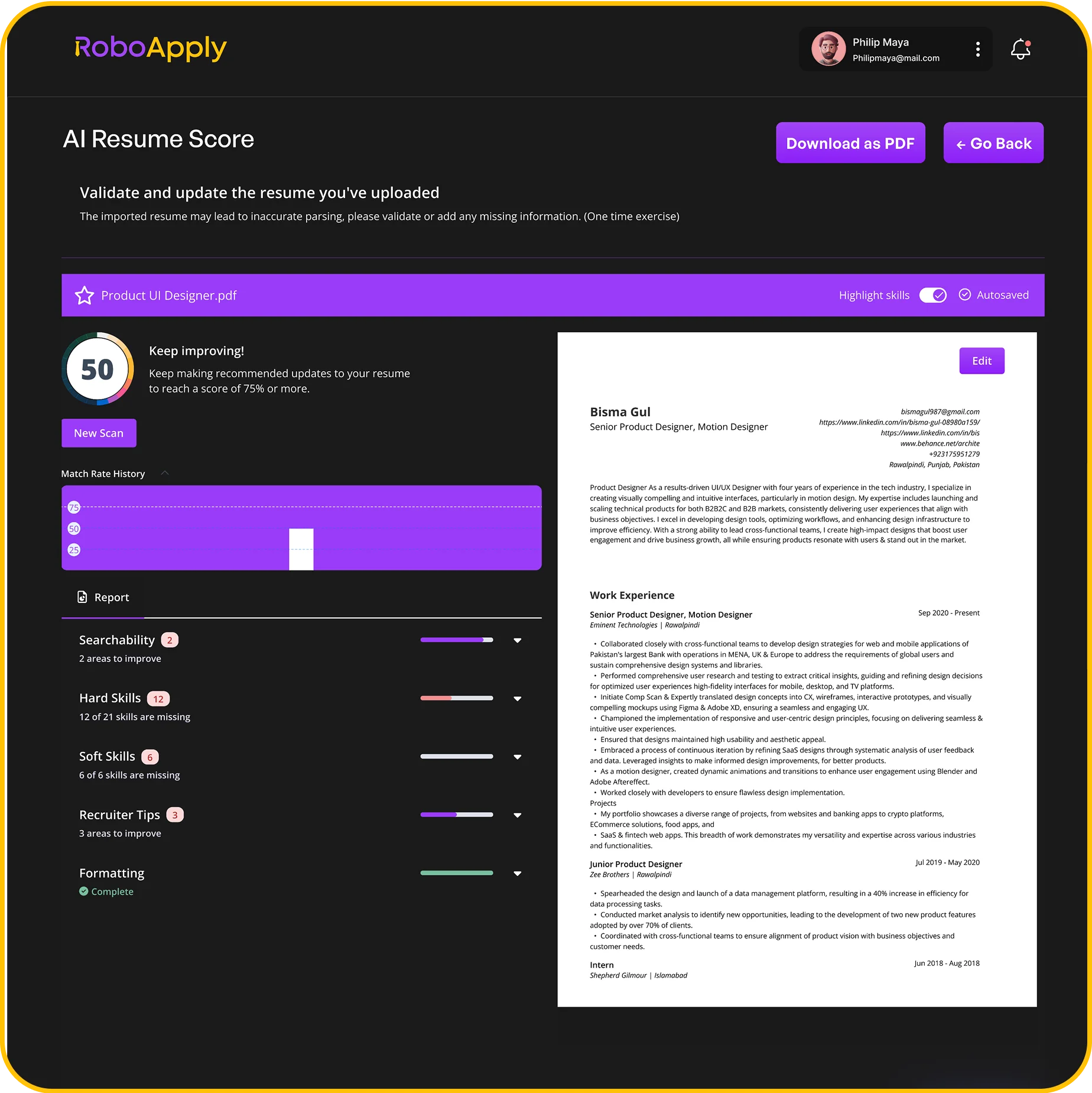
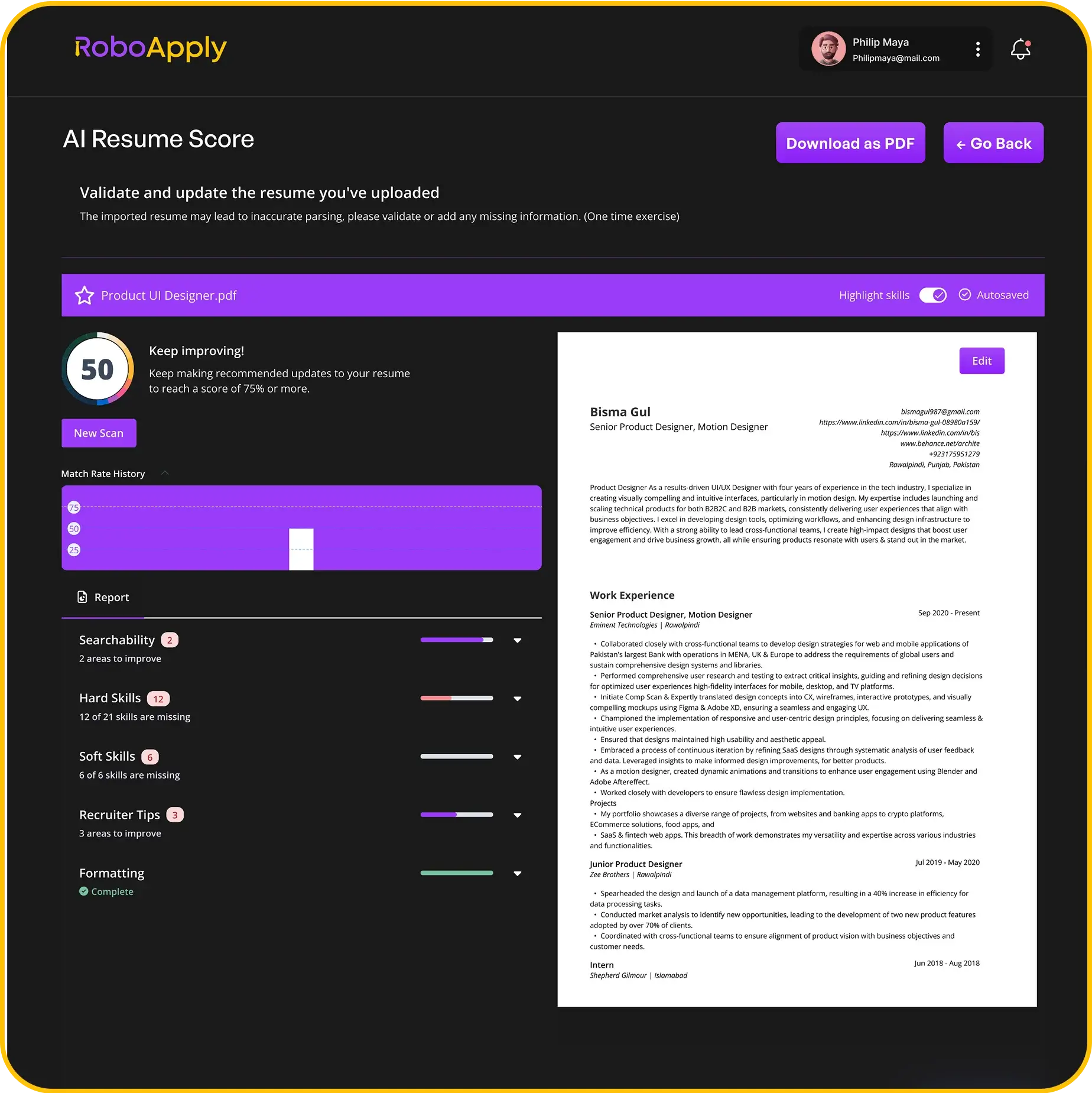
RoboApply also covers finance-adjacent salary benchmarks on its salary pages. Check roboapply.jobs/salaries/us/financial-analyst for financial analyst pay data and roboapply.jobs/salaries/us/analyst-salary for broader analyst benchmarks in the US. The AI Resume Score shows how your resume compares to what employers are currently looking for in finance candidates.
RoboApply vs. Manual Job Searching in Finance
Finance professionals often underestimate how many applications it takes to generate strong competing offers. Here’s how manual and automated approaches compare.
Applying to finance roles manually, tailoring each resume, and writing individual cover letters limits most professionals to 10 to 15 applications per week. RoboApply applies to up to 500 roles per day on the Premium plan, generating a much larger pool of active conversations simultaneously.
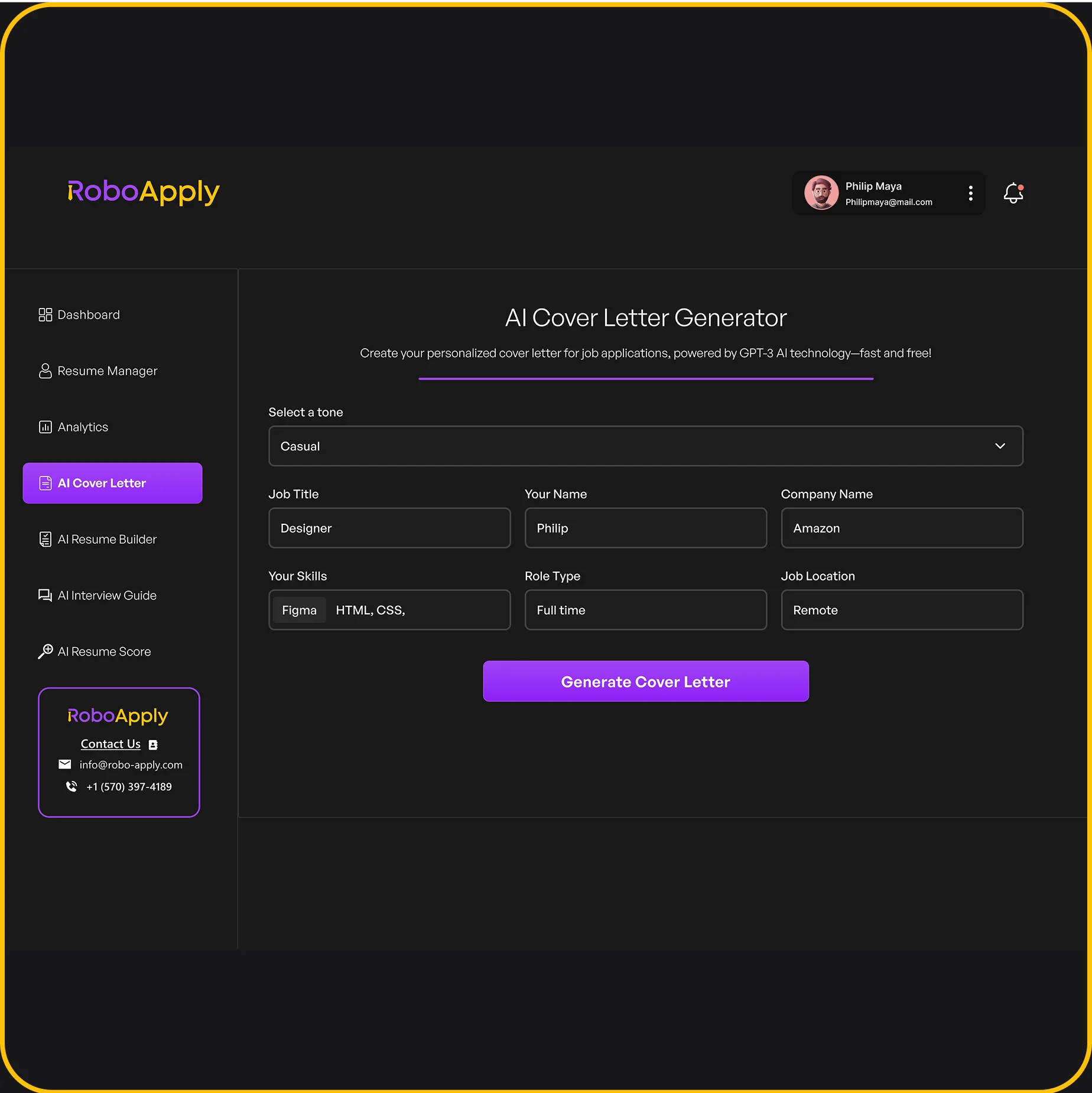
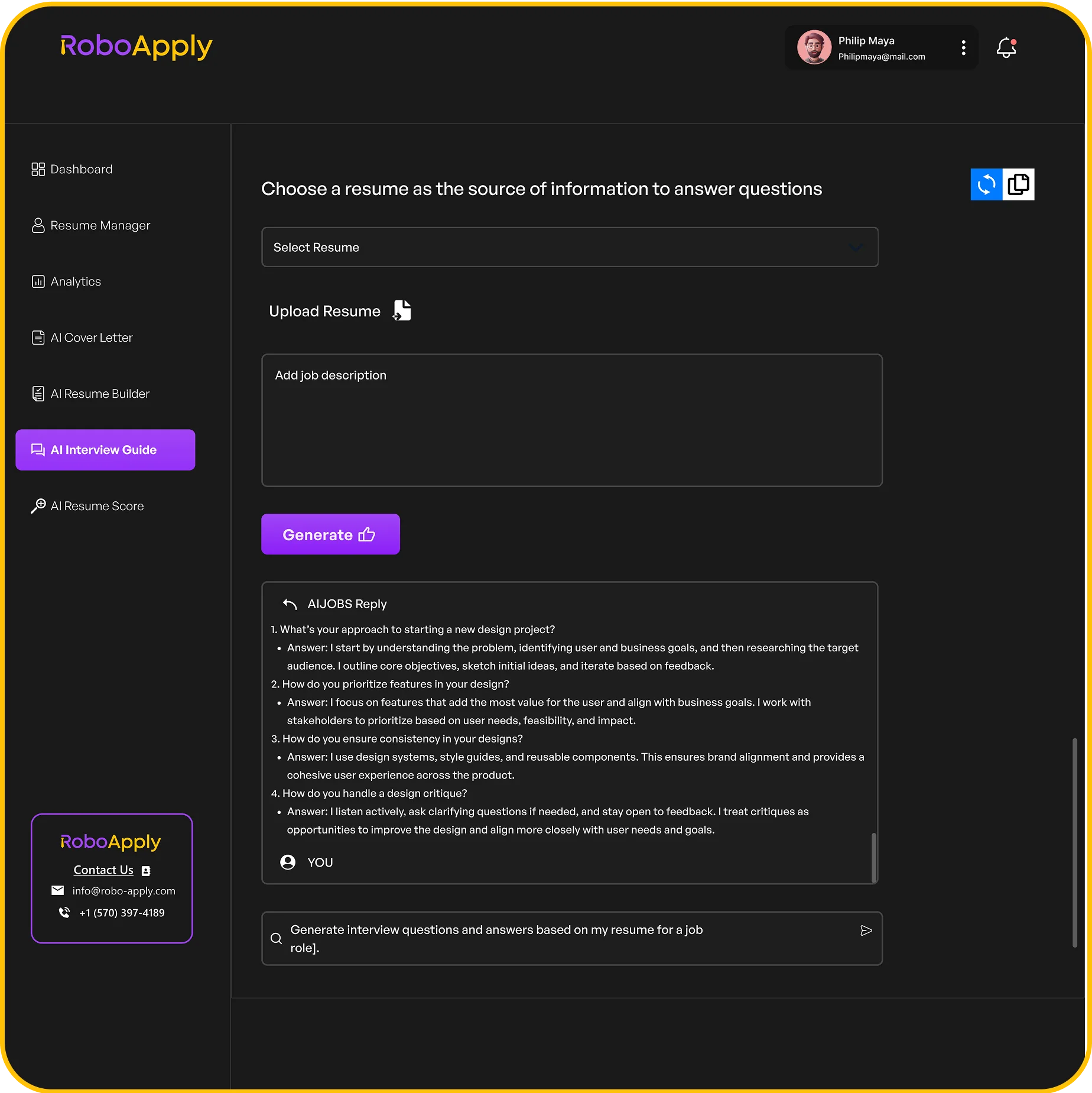
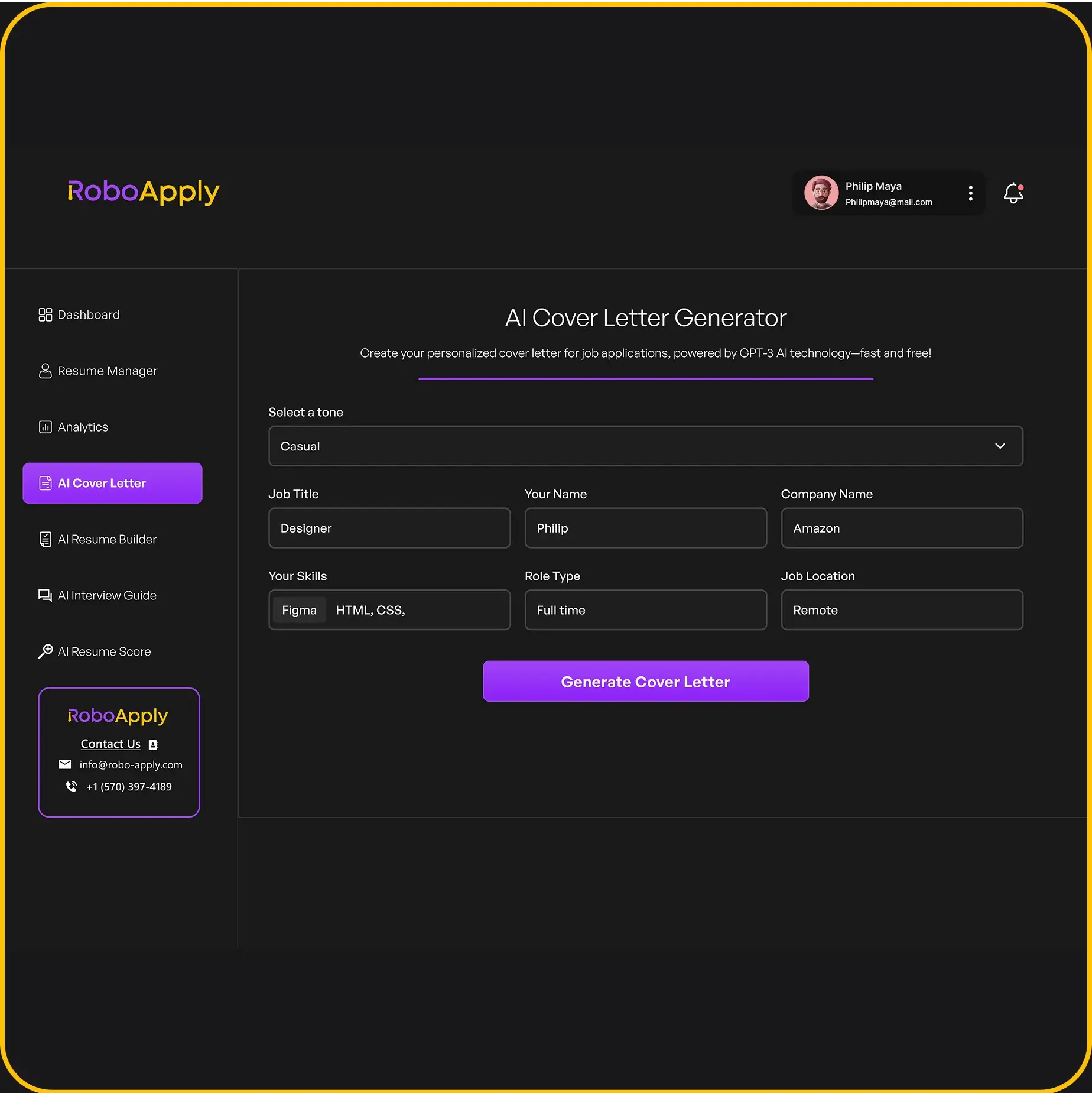
The AI Cover Letter Generator writes position-specific letters aligned to the job description and your finance background. The Inbox Apply feature reaches hiring managers directly at target firms via email, which is particularly effective in relationship-driven finance hiring environments. All plans come with a 90-day money-back interview guarantee. See details at roboapply.jobs/pricing.
Conclusion
Online platforms for checking average salaries in finance give professionals the data they need to evaluate offers, plan career moves, and make informed decisions about compensation. The key is knowing which platforms to trust, how to filter for firm type and total compensation, and how to apply the data to a real-world decision. Once you know your market value, moving on it quickly is what leads to a better outcome.
Frequently Asked Questions
What is the average salary in finance for an entry-level analyst?
Entry-level financial analysts in the US typically earn $60,000 to $85,000 in base salary, with bonuses adding more at investment banks.
Which platform has the most accurate salary data for investment banking?
Wall Street Oasis is widely considered the most reliable source for investment banking total compensation data.
Do finance salary platforms include bonus data?
Yes. Wall Street Oasis, Glassdoor, and Robert Half’s salary guide all include bonus ranges for most finance roles.
How often should I check finance salary benchmarks during my career?
Checking annually, or before any performance review or job application, ensures your benchmarks reflect current market conditions.
Do average salaries in finance vary significantly by city?
Yes. New York, San Francisco, and Chicago pay significantly more for identical finance roles than most other US markets.