Salary negotiation courses for remote workers address a unique challenge: negotiating compensation when you never sit across the table from the person making the hiring decision. Remote hiring often involves asynchronous communication, video calls with multiple decision-makers, and companies with distributed pay policies that vary by geography or “location-neutral” salary bands.
A Pew Research Center report (pewresearch.org) found that 35% of workers who can do their jobs remotely choose to work from home all or most of the time. As remote roles become standard at many companies, so does the complexity around how those roles are compensated. Some employers pay market rate for the job. Others pay based on where the employee lives. And some use tiered systems that adjust salary annually based on location changes.
Understanding how to negotiate in this environment requires more than general negotiation advice. These courses go deep on compensation structure, counter-offer scripts, and the specific dynamics of remote salary conversations.

Why Remote Salary Negotiation Requires Different Skills
In an in-person offer scenario, body language, tone, and real-time rapport play a large role in how negotiations flow. Over video or email, those signals disappear. Salary negotiation courses for remote workers teach you how to be persuasive in writing, how to handle video negotiations without nervous tells, and how to present data through a screen in a way that lands effectively.
Location-Based Pay Policies
Many companies with remote teams now use location-adjusted salary bands. A software engineer in Seattle may receive a different offer from the same company than one in Atlanta for an identical role. Understanding whether a company uses this model, how to find their pay bands, and how to negotiate within them requires specific preparation. Some courses teach you exactly how to research and respond to location-based pay structures.
Negotiating Across Multiple Formats
Remote negotiations often happen in stages: a verbal offer over video, a written offer sent by email, a follow-up call with HR. Each format requires a different approach. Salary negotiation courses for remote workers walk you through what to say at each stage, how long to wait before responding, and how to handle the silence after you make your counter-offer.
Top Salary Negotiation Courses for Remote Workers
Several high-quality courses are available across major learning platforms. Here are the most relevant options based on curriculum, instructor credibility, and real-world applicability:
- “Successful Negotiation” by University of Michigan on Coursera (coursera.org): A well-structured four-week course covering negotiation theory and practice. Includes salary-specific modules with scripts and real-world case studies. Free to audit; certificate requires payment.
- “Salary Negotiation” on LinkedIn Learning (linkedin.com/learning): Short courses focused specifically on compensation conversations. Multiple instructors with different styles. Good for learners who want practical, tactical advice in under two hours.
- “Negotiation Mastery” by Harvard Business School Online (online.hbs.edu): More advanced and theory-heavy. Designed for professionals who want a deep understanding of negotiation dynamics. Includes business and salary negotiation frameworks. Higher cost than other options.
- “Get Paid What You’re Worth” on Udemy (udemy.com): Practical, step-by-step course focused entirely on salary negotiation. Lower cost and shorter format. Strong reviews from job seekers in tech and finance roles.
- Fearless Salary Negotiation by Josh Doody (fearlesssalarynegotiation.com): A book and course bundle specifically about salary negotiation for tech workers. One of the most cited resources in tech communities. Includes email templates, scripts for video calls, and counter-offer calculators.
What to Look for in a Salary Negotiation Course
Not all negotiation courses cover the specific dynamics of remote work compensation. Before enrolling, look for these elements in the curriculum.
Remote-Specific Negotiation Modules
A general negotiation course teaches persuasion principles but may not address video call dynamics, email counter-offer scripts, or how to handle asynchronous offer timelines. Look for courses that specifically address what happens when you can’t meet in person.
Compensation Structure Education
The best salary negotiation courses for remote workers teach you how to read a total compensation package, not just the base salary. This includes understanding equity vesting schedules, bonus structures, benefits valuation, and signing bonuses. Without this knowledge, you might negotiate the base salary up while missing a better opportunity to negotiate a signing bonus or equity grant.
Practice Components
Knowing what to say and being able to say it under pressure are different skills. Look for courses that include role-play exercises, practice videos, or recorded negotiation scenarios. Watching how other people handle pushback and counter-offers is one of the fastest ways to get comfortable with the process yourself.
According to data from the ILR School at Cornell University (ilr.cornell.edu), individuals who practice negotiation through role-play exercises perform significantly better in real negotiations than those who study theory alone.
How RoboApply Puts You in More Salary Conversations
Salary negotiation skills only create value when you have offers to negotiate. Getting more offers faster means practicing your negotiation approach more often, building confidence, and landing more compensation wins.
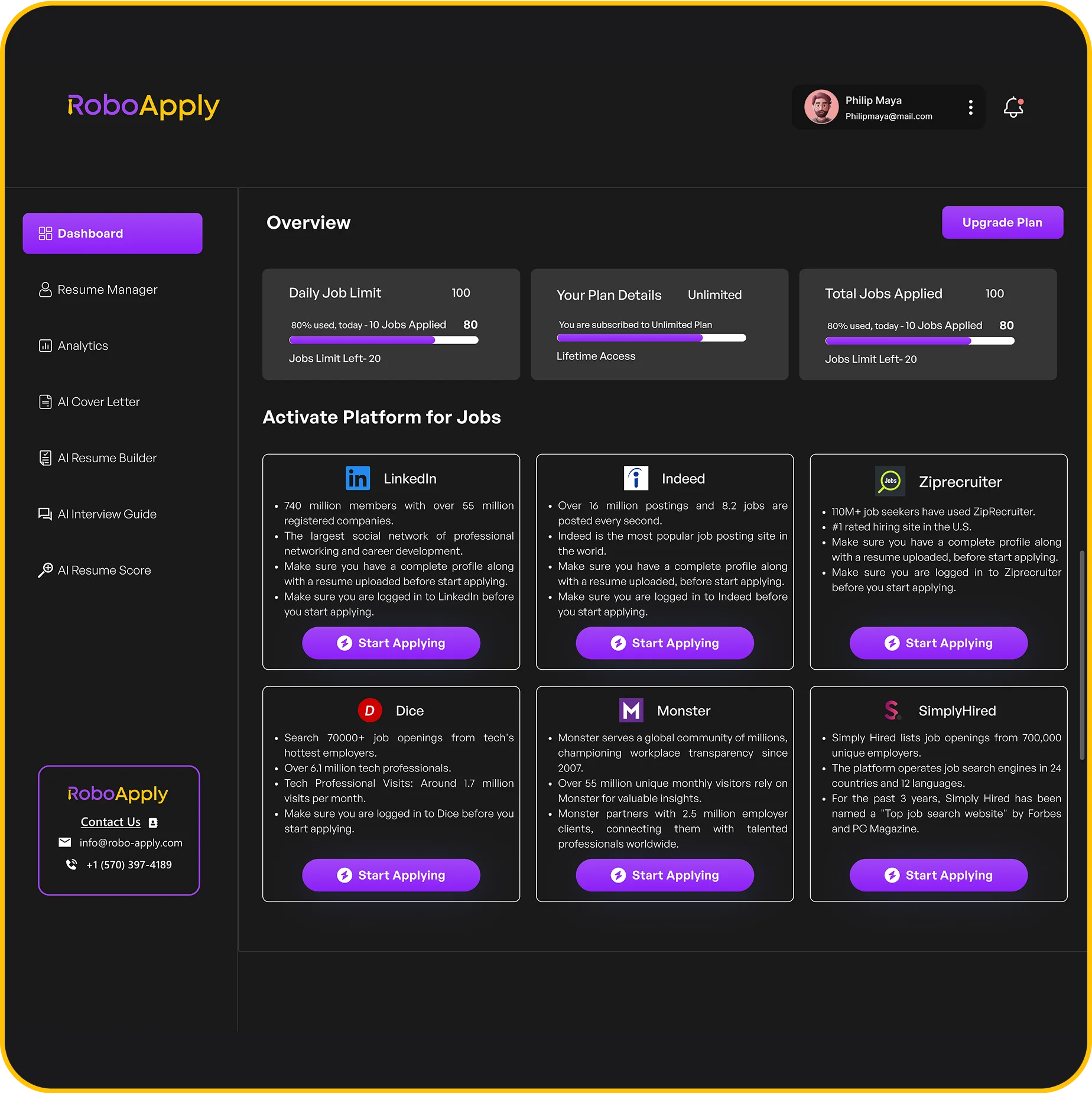
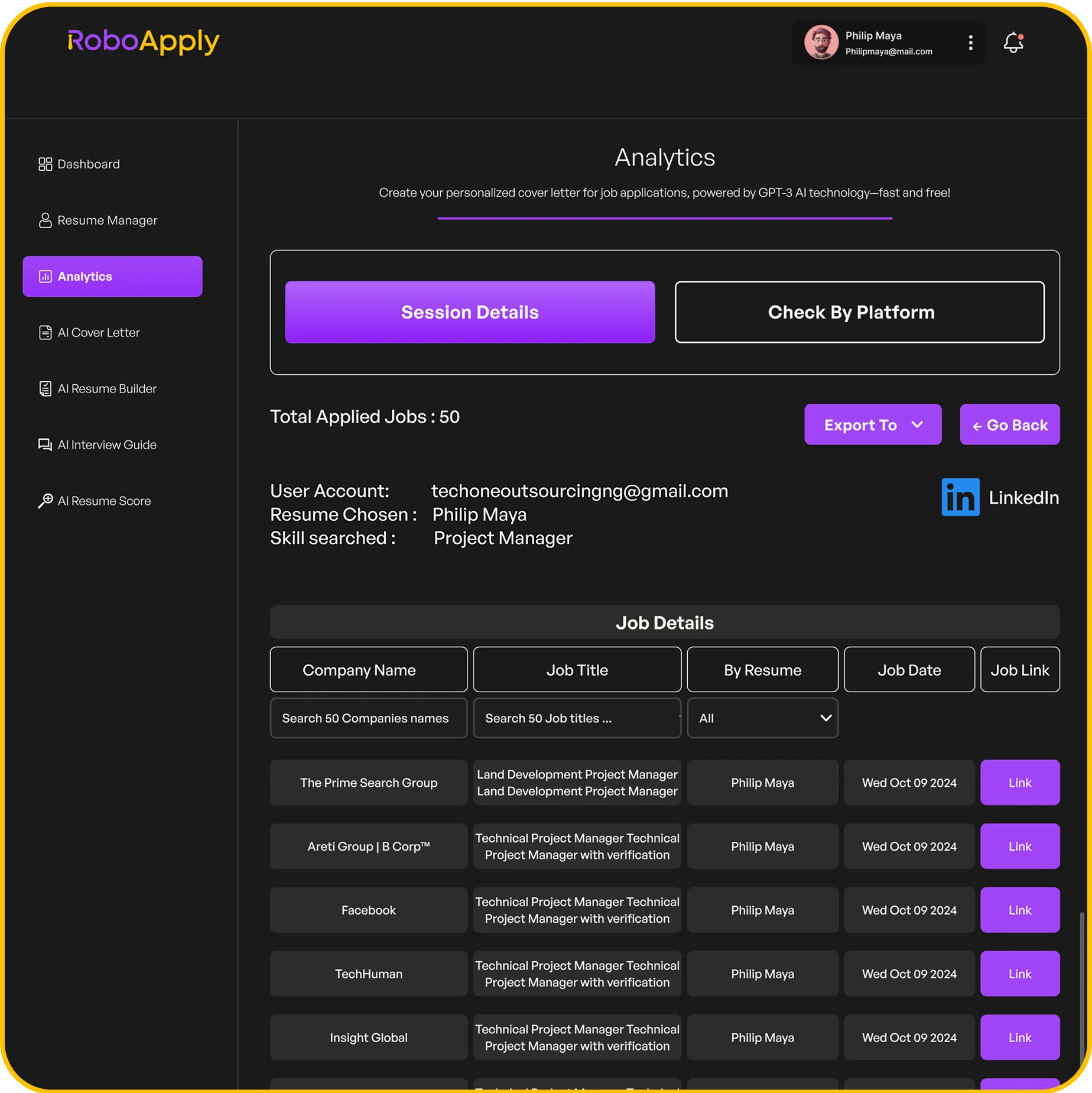
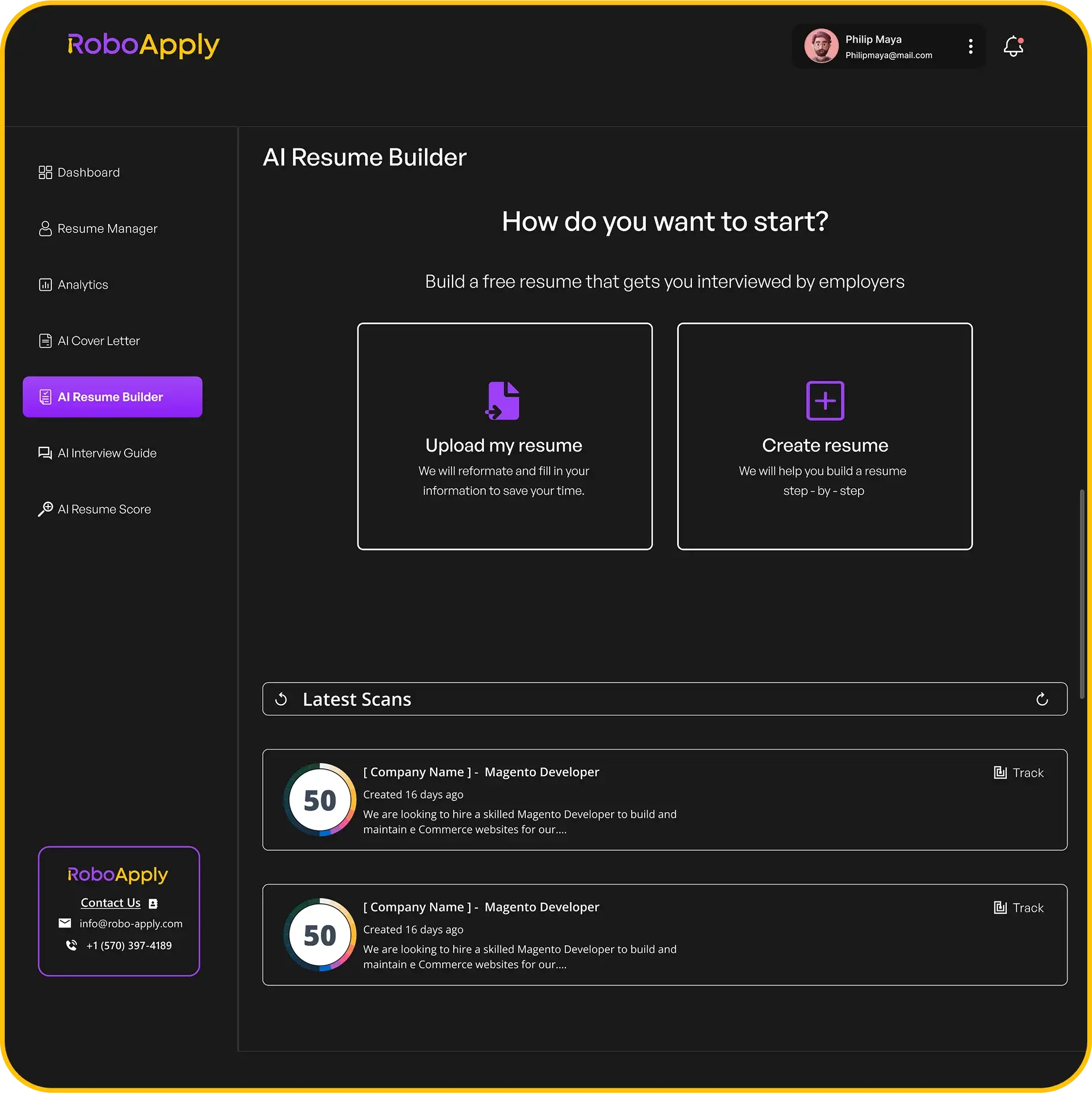
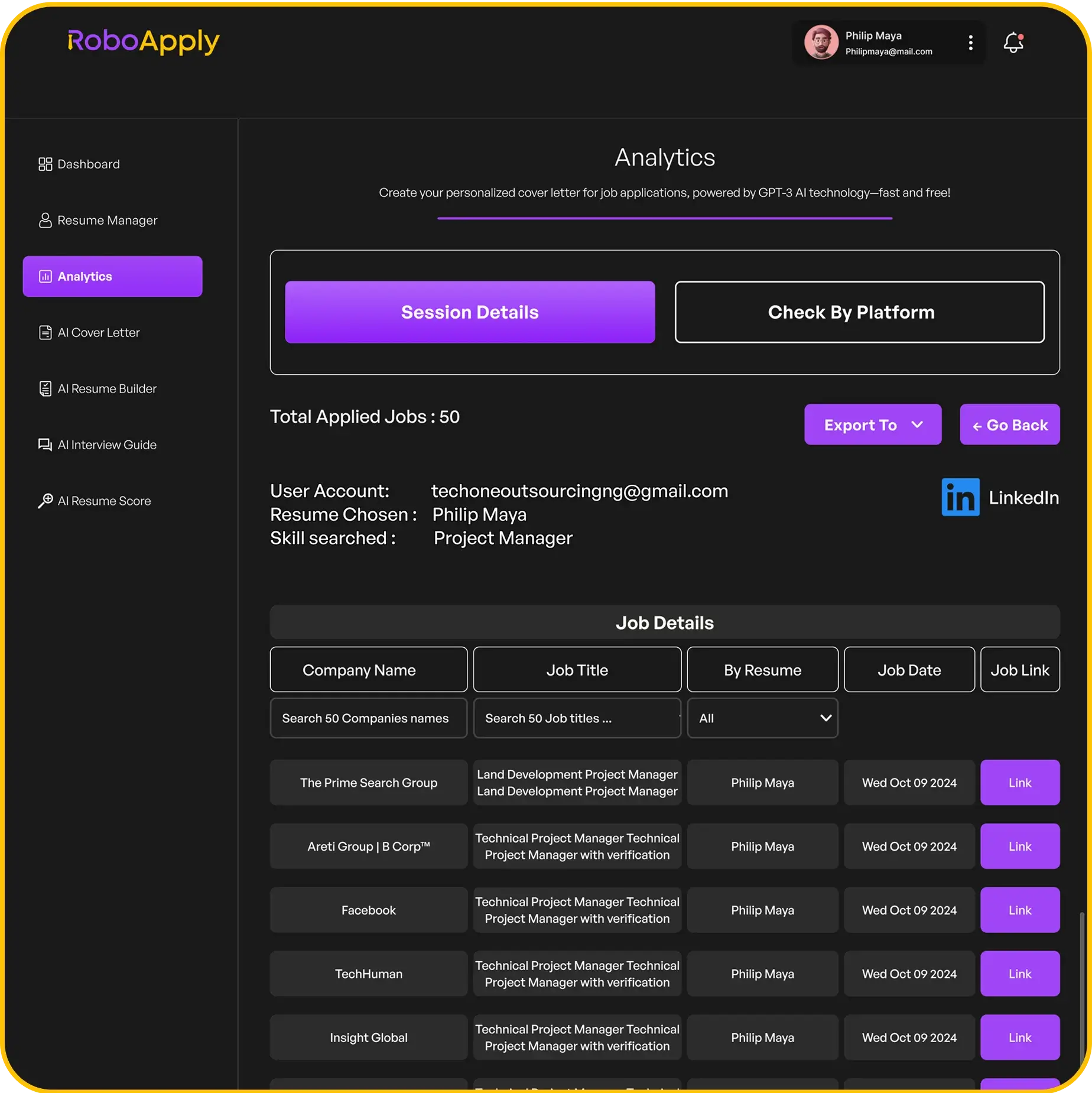
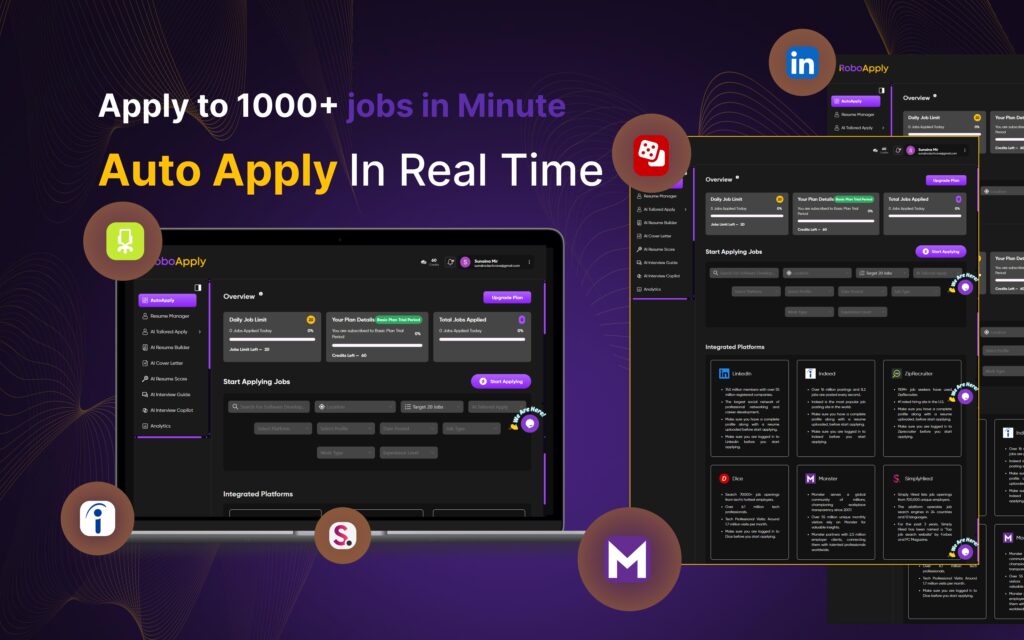
RoboApply’s AI Auto Apply submits applications automatically across LinkedIn, Indeed, ZipRecruiter, Monster, and other major platforms. Remote job seekers can apply to roles in any location without geographic limits, expanding the pool of opportunities significantly. More applications mean more conversations and more chances to put your negotiation training to work.
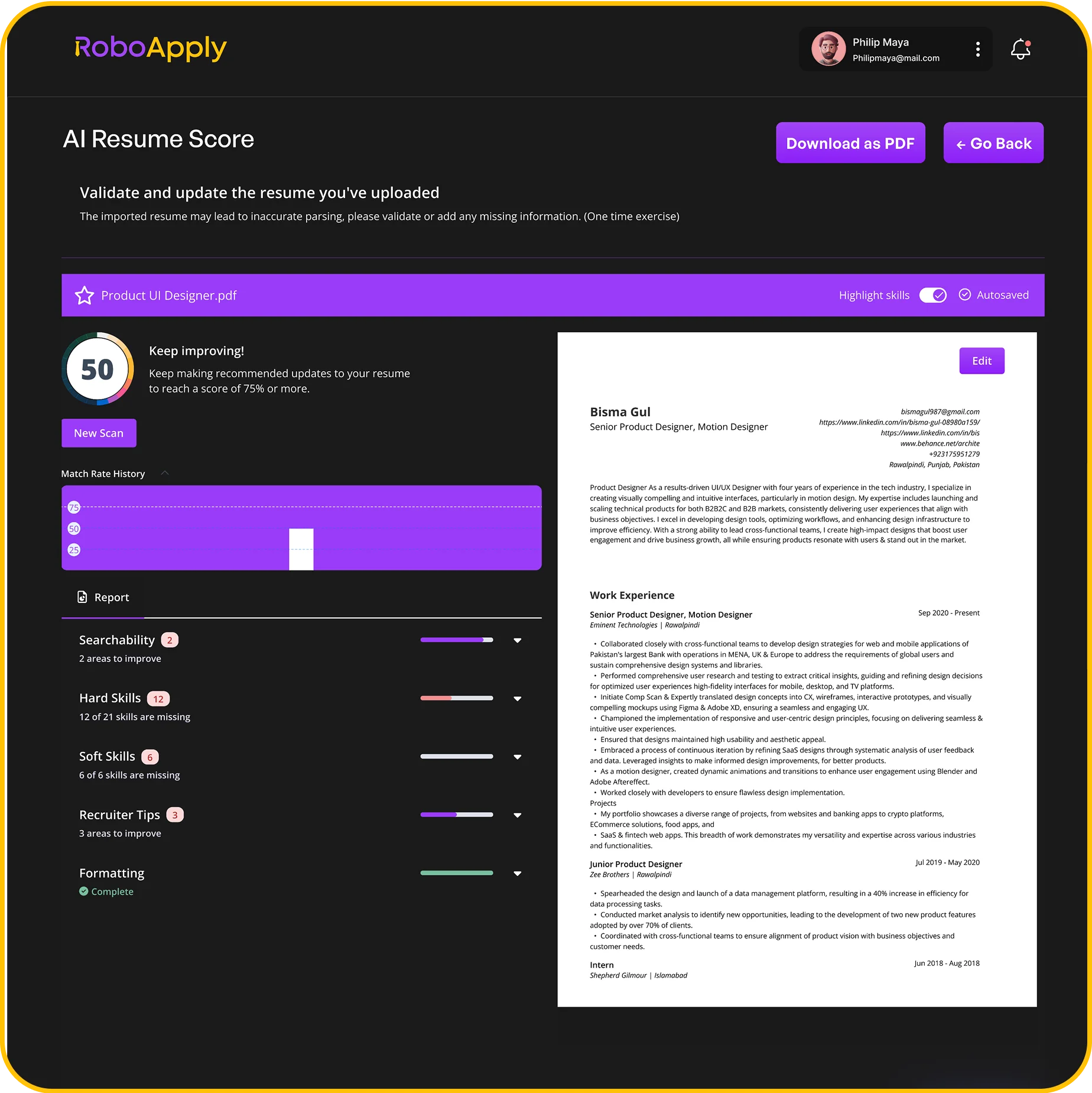
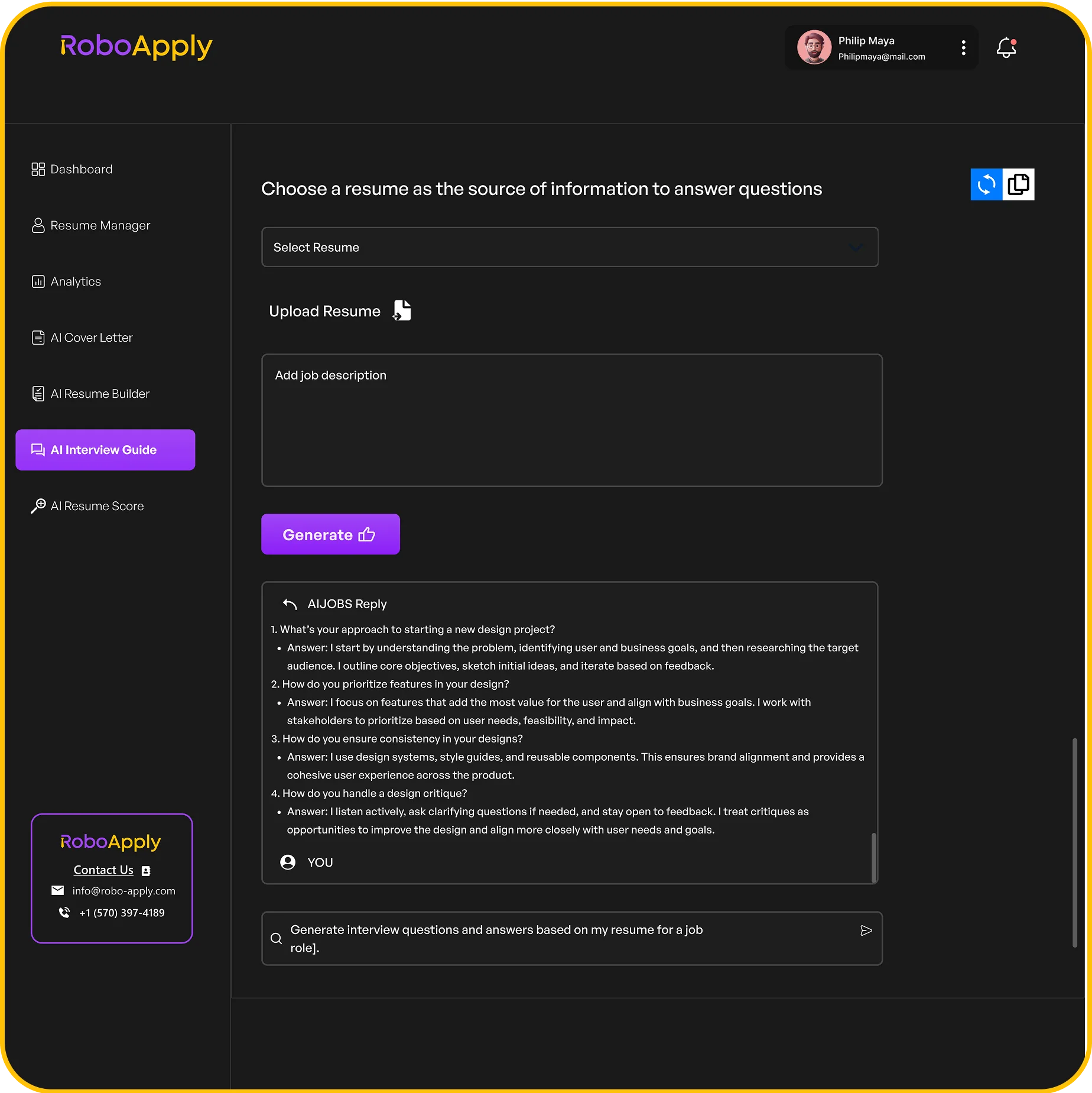
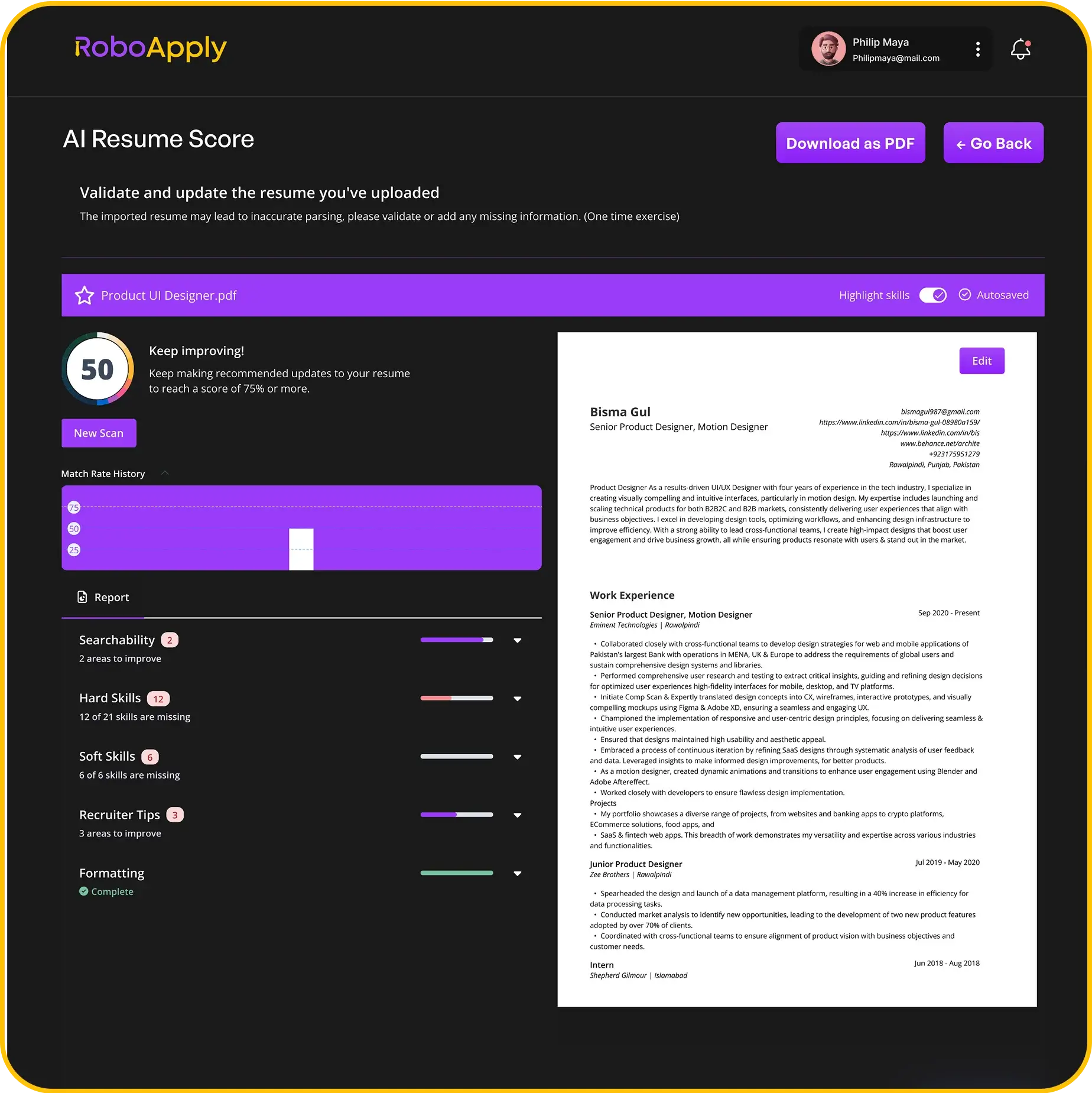
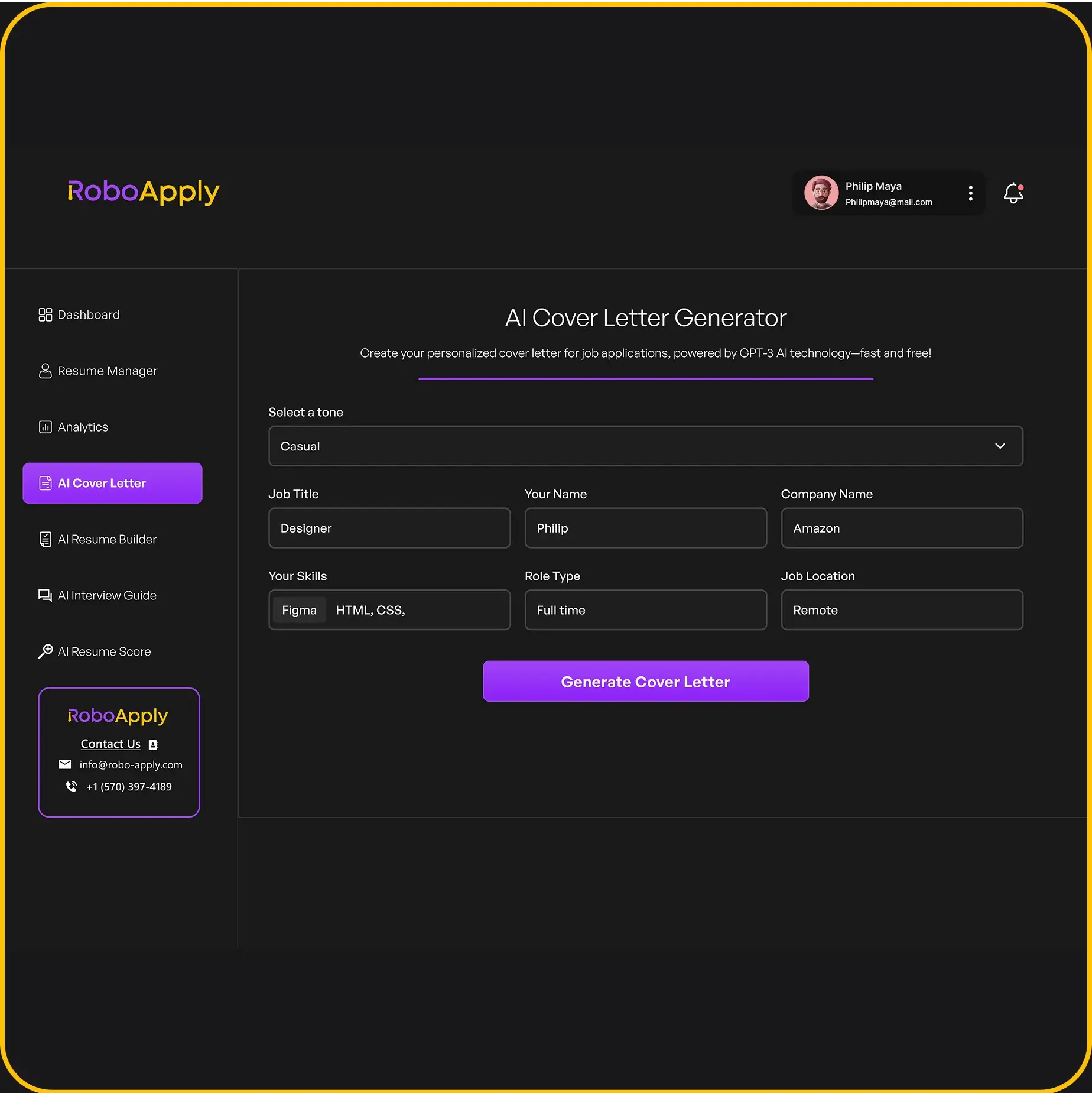
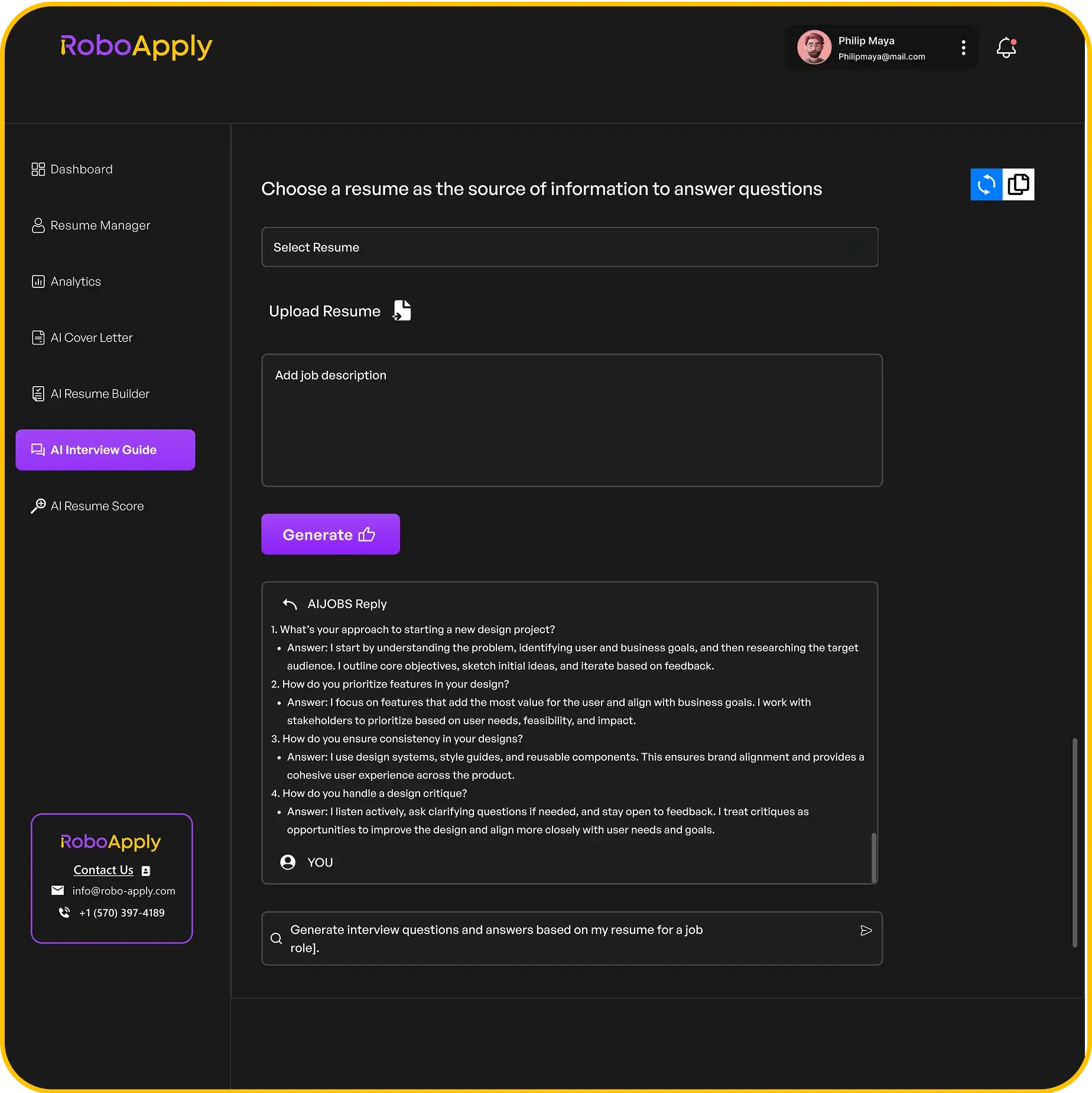
The AI Tailored Apply feature customizes your resume for each application to improve your ATS score and increase the likelihood of getting to the interview stage. The AI Interview Copilot on Standard and Premium plans prepares you for the full interview cycle, including how to respond when compensation comes up during screening calls.
RoboApply also includes salary data for various roles at roboapply.jobs/salaries to help you benchmark before applying and before entering any offer discussion.
RoboApply vs. Relying Solely on Course Training
Salary negotiation courses improve your skills, but skills alone don’t create opportunities. Here’s how the two approaches differ when combined versus used separately.
Taking a negotiation course gives you scripts and frameworks. Without a strong pipeline of interviews, those skills stay theoretical. Applying to five roles a week manually and landing two or three conversations per month gives you limited practice.
RoboApply generates a much larger volume of active conversations simultaneously. When you combine that pipeline with the negotiation training from a quality course, you get more reps, more real-world practice, and more offers to compare. That combination is what leads to meaningfully higher compensation over time.
See all RoboApply features at roboapply.jobs/features and view pricing at roboapply.jobs/pricing.
Conclusion
Salary negotiation courses for remote workers teach the skills that change compensation outcomes. The best ones cover video negotiation dynamics, total compensation structure, and specific counter-offer scripts. Pairing that knowledge with a strong job search system puts you in more offer conversations faster, giving you more chances to use what you’ve learned. Practice leads to confidence, and confidence is what actually moves the number.
Frequently Asked Questions
Are online salary negotiation courses worth the cost?
Yes. A single successful negotiation typically returns ten to fifty times the cost of any course in added annual compensation.
How long does it take to complete a salary negotiation course?
Most practical courses run between two and eight hours. Coursera’s University of Michigan course spans four weeks with flexible scheduling.
Do these courses teach email-based negotiation for remote offers?
Yes. Fearless Salary Negotiation and LinkedIn Learning courses include specific email scripts for written offer negotiations.
Can salary negotiation courses help with existing job raise requests?
Yes. Most courses include modules on internal negotiation with current employers, not just new job offers.
What is the most important skill covered in salary negotiation courses?
Anchoring your counter-offer with specific market data is consistently cited as the most impactful negotiation skill across all courses.