The average salary for a Data Analyst in the US is $88,000 per year.
Data Analysts collect, process, and interpret data to help organizations make informed business decisions. In the US, this role exists across nearly every industry including technology, healthcare, finance, retail, and government. Salaries vary based on technical skills, industry exposure, and experience level. Professionals who can translate raw data into clear business insights often earn higher compensation.
Salary Statistics: Data Analyst (US)
| Salary Type | Annual Pay (USD) |
|---|---|
| Average Salary | $88,000 |
| Median Salary | $84,000 |
| Lowest Salary | $60,000 |
| Highest Salary | $140,000 |
Gender Pay Analysis in Data Analyst
Gender pay differences for Data Analysts in the US are influenced by specialization, experience, and industry sector.
| Gender | Average Annual Salary (USD) | Compared to National Avg |
|---|---|---|
| Male | $91,000 | ▲ +3% |
| Female | $85,000 | ▼ −3% |
| Non-binary / Not Disclosed | $88,000 | ▲ +0% |
Salary gaps typically reduce at senior levels where compensation depends more on measurable performance and business impact.
Salary by Experience Level
Entry-Level
Entry-level Data Analysts in the US typically earn around $60,000 per year. These roles focus on data cleaning, basic reporting, and assisting senior analysts. Most professionals at this level have 0–2 years of experience. Developing strong SQL and Excel skills is critical for growth.
Mid-Level
Mid-level Data Analysts usually earn between $75,000 and $105,000 per year. At this stage, professionals manage dashboards, perform trend analysis, and provide actionable insights to teams. This level commonly requires 3–6 years of experience. Strong visualization and data storytelling skills lead to faster salary progression.
Senior Level
Senior Data Analysts earn $120,000 or more per year, with top roles reaching $140,000 in large US organizations. These professionals lead analytics initiatives, mentor junior analysts, and influence strategic decisions. Compensation reflects the ability to drive measurable business results.
Certifications for Data Analyst
- Google Data Analytics Professional Certificate
- Microsoft Power BI Certification
- Tableau Desktop Specialist
- AWS Data Analytics Certification
- Certified Analytics Professional (CAP)
Key Skills That Impact Salary
- SQL and database querying
- Data visualization tools (Power BI, Tableau)
- Excel and spreadsheet modeling
- Python or R for analysis
- Dashboard automation
- Data storytelling and reporting
Best-paying cities for Data Analyst in the US
| City | Avg Salary (USD) | Compared to National Salary ($88,000) |
|---|---|---|
| San Francisco, CA | $104,000 | ▲ +18% |
| New York, NY | $97,000 | ▲ +10% |
| Seattle, WA | $94,000 | ▲ +7% |
| Boston, MA | $91,000 | ▲ +3% |
| Austin, TX | $84,000 | ▼ −4% |
| Atlanta, GA | $80,000 | ▼ −9% |
| Dallas, TX | $79,000 | ▼ −10% |
| Remote (US) | $89,000 | ▲ +1% |
| Chicago, IL | $82,000 | ▼ −7% |
How RoboApply Helps Professionals Get High-Paying Jobs
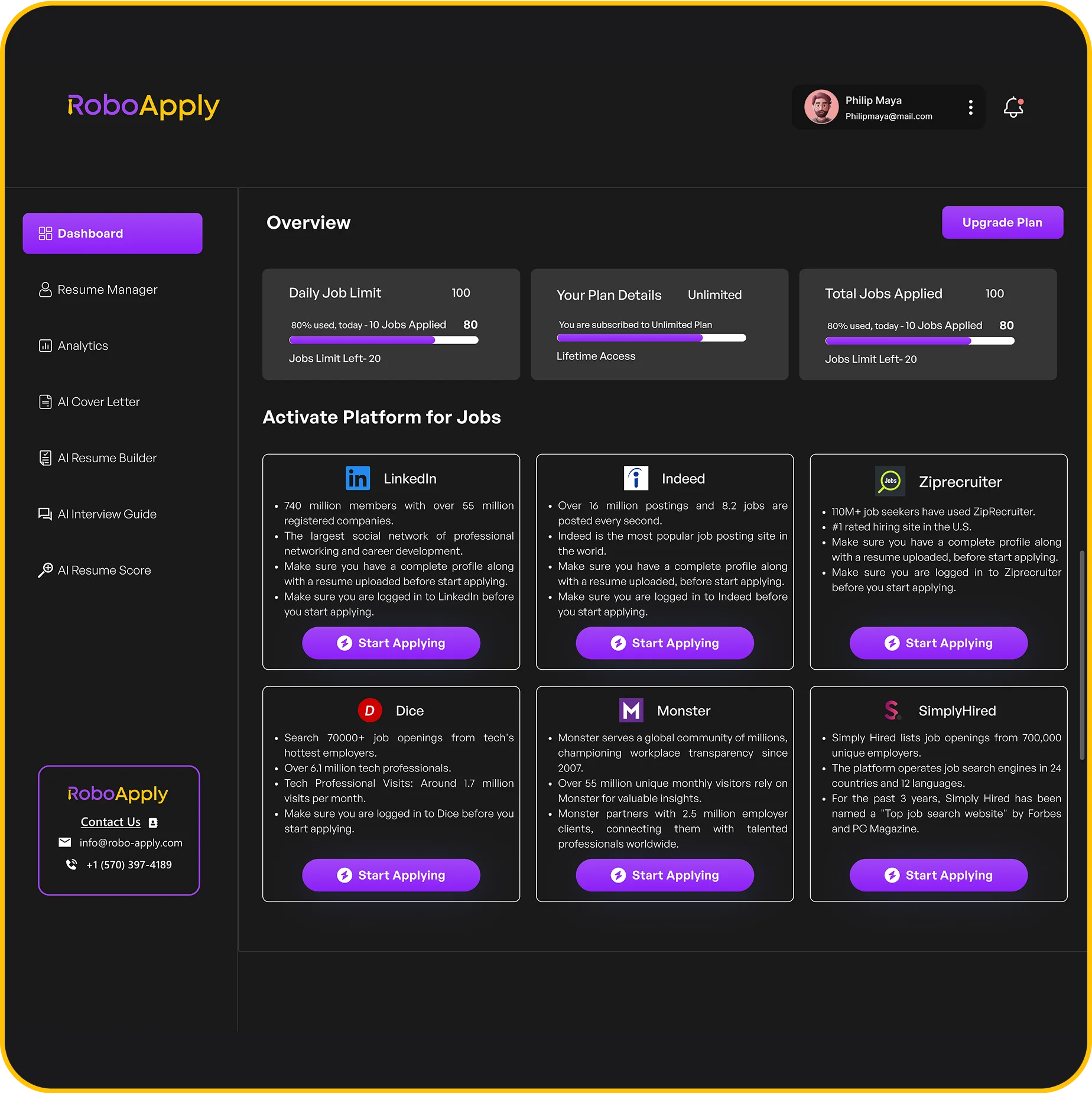
Finding a high-paying role isn’t just about skills — it’s also about applying consistently, at scale, and to the right opportunities. RoboApply helps professionals simplify and speed up the job search process so they can focus on interviews and salary negotiation instead of manual applications.
Apply to Jobs Across Multiple Platforms
RoboApply brings job listings from multiple platforms into one place. This includes roles from major job boards and company career pages, helping you discover opportunities you might otherwise miss, including high-paying and remote positions.
This broad coverage increases your chances of finding roles that match both your experience level and salary expectations.
Save Time with Auto-Apply
Manually applying to jobs is time-consuming and repetitive. RoboApply’s auto-apply feature allows users to apply to many relevant jobs efficiently, helping maintain consistent application activity, which is often necessary in competitive, high-salary job markets.
Improve Resume Relevance with AI Support
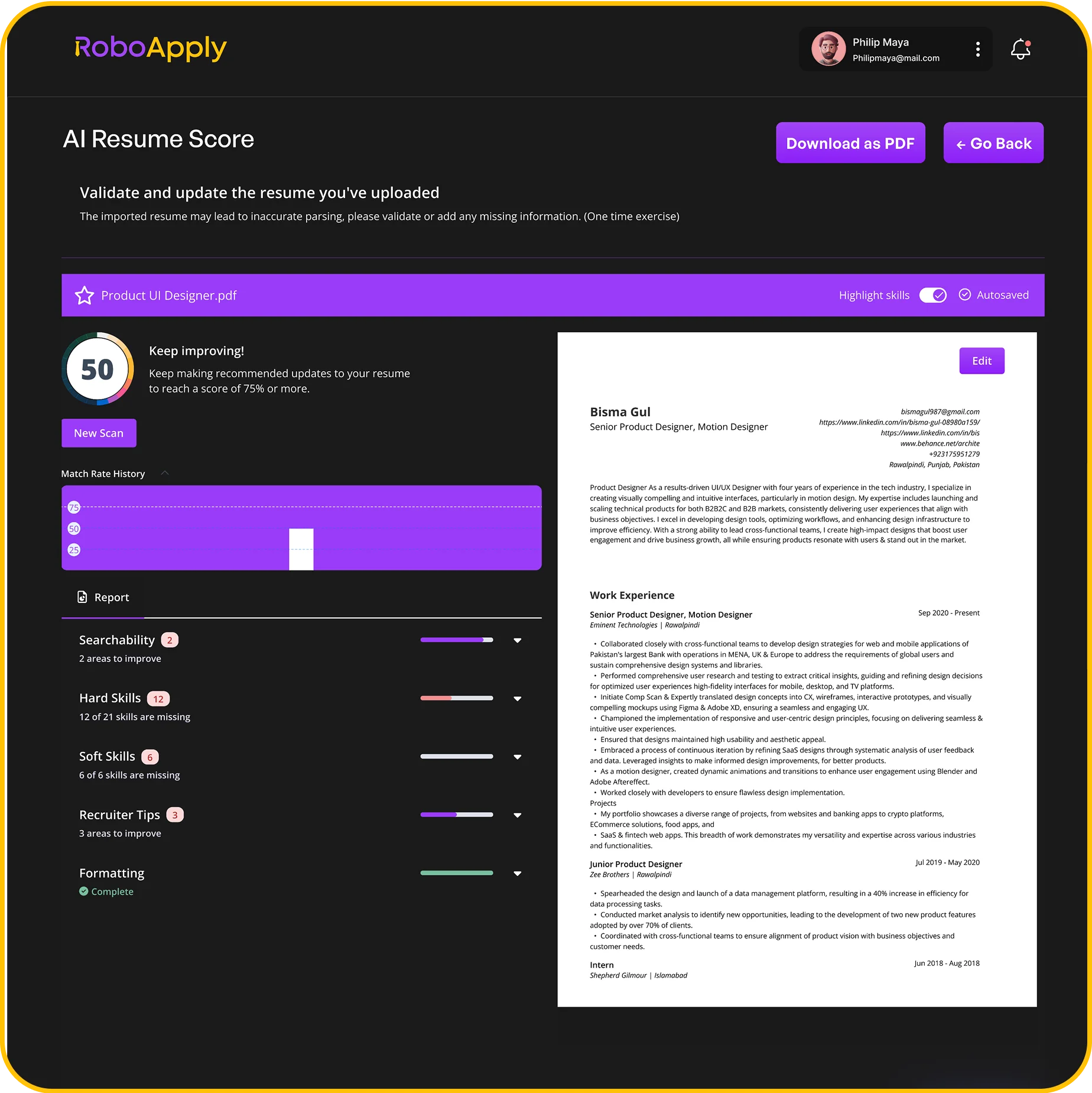
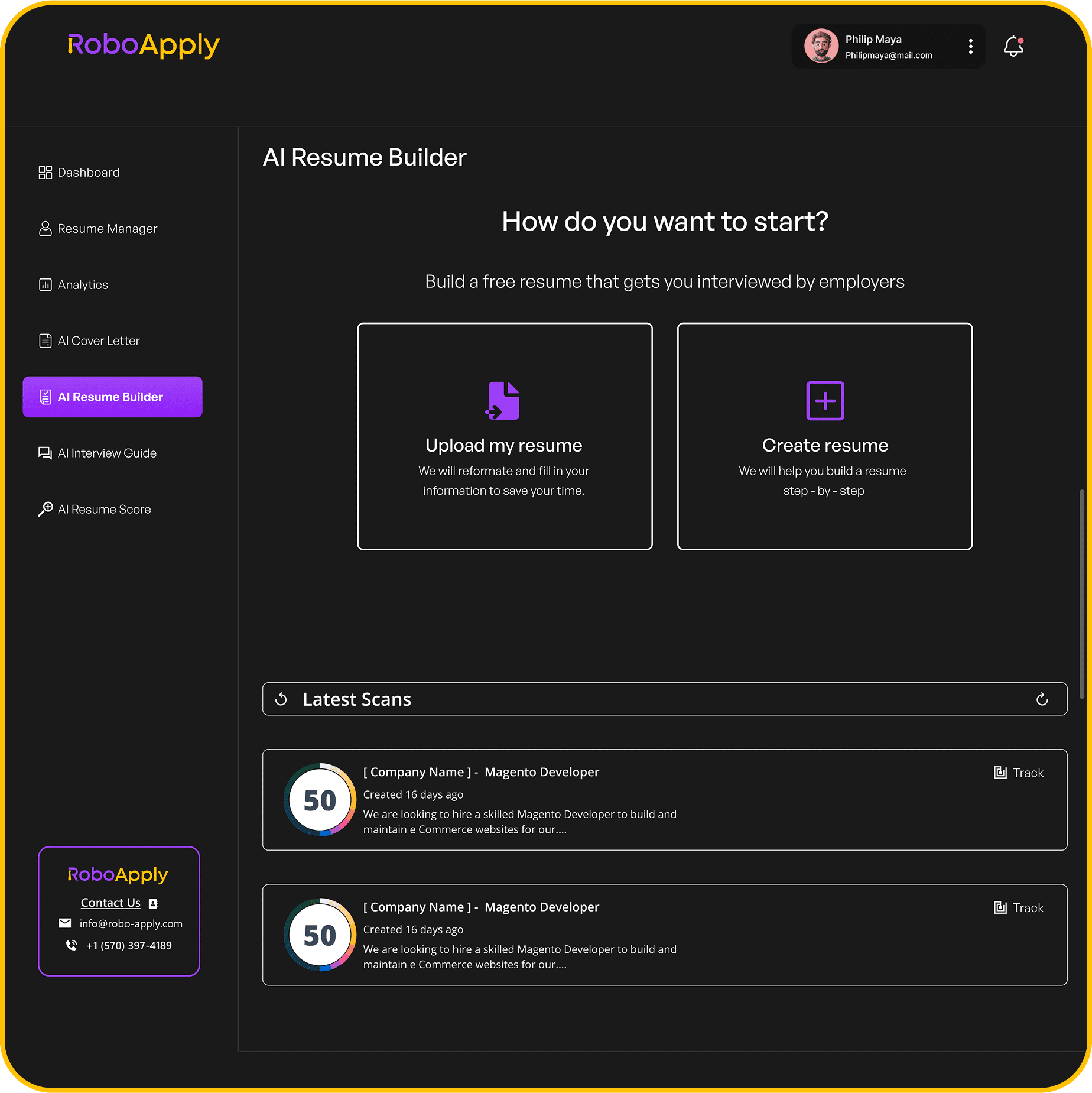
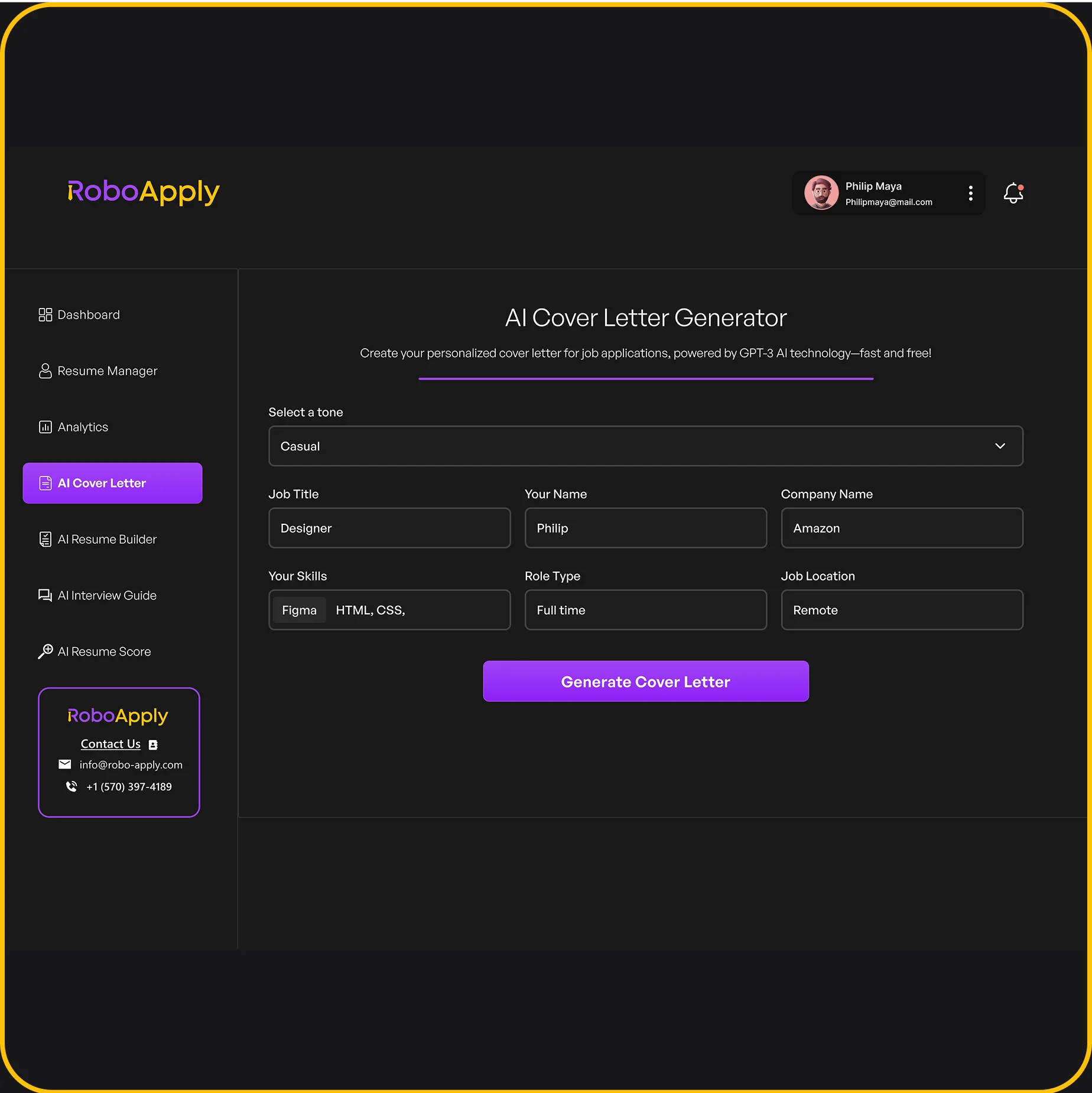
Different employers look for different skill combinations. RoboApply helps tailor resumes to better match job descriptions, improving relevance and increasing the likelihood of getting interview callbacks for well-paid roles.
Prepare Better for Interviews
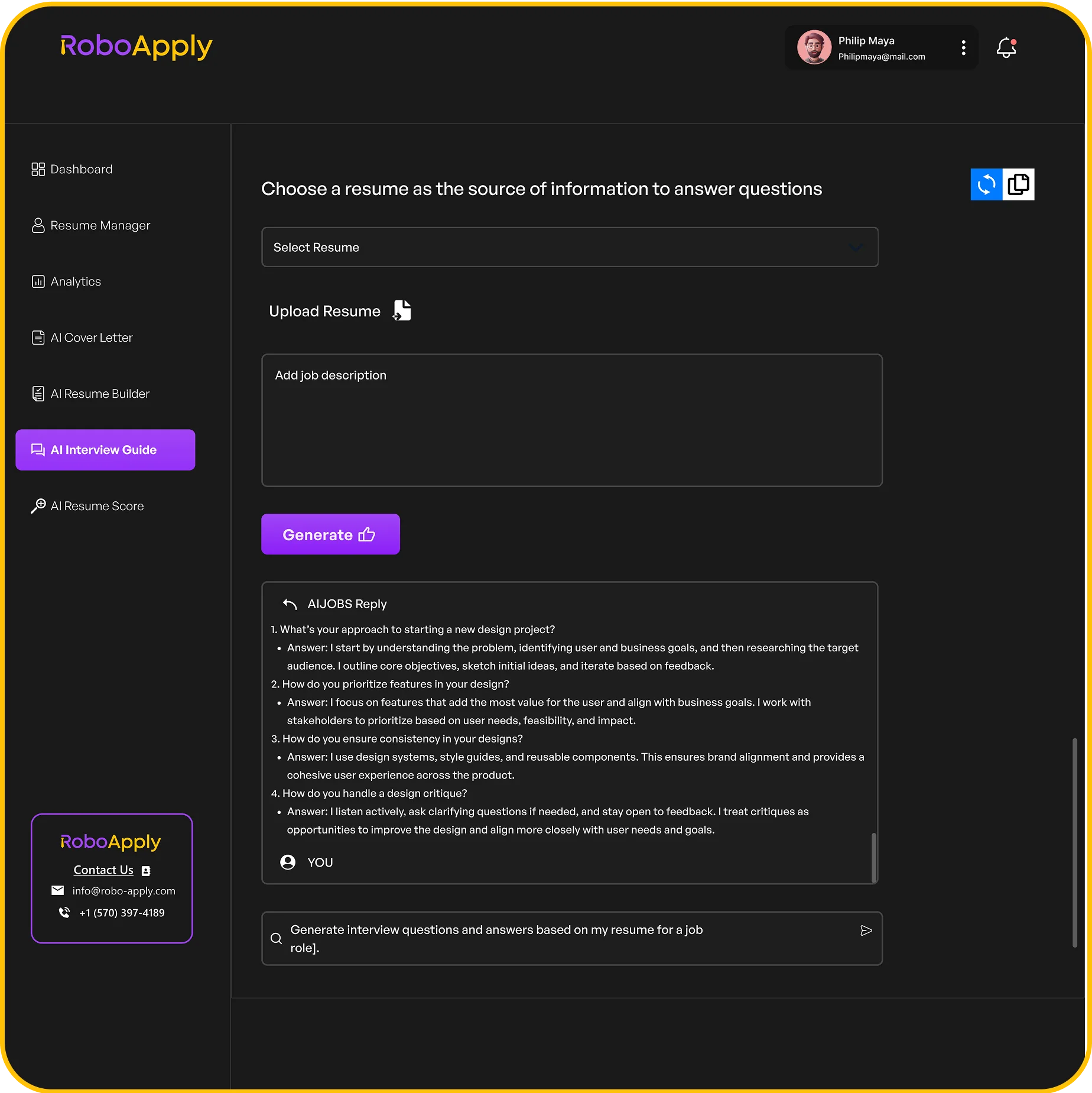
RoboApply also supports interview preparation by helping candidates understand common role-specific questions and expectations. Better preparation leads to stronger interviews and more confidence during compensation discussions.
Track and Optimize Your Job Search
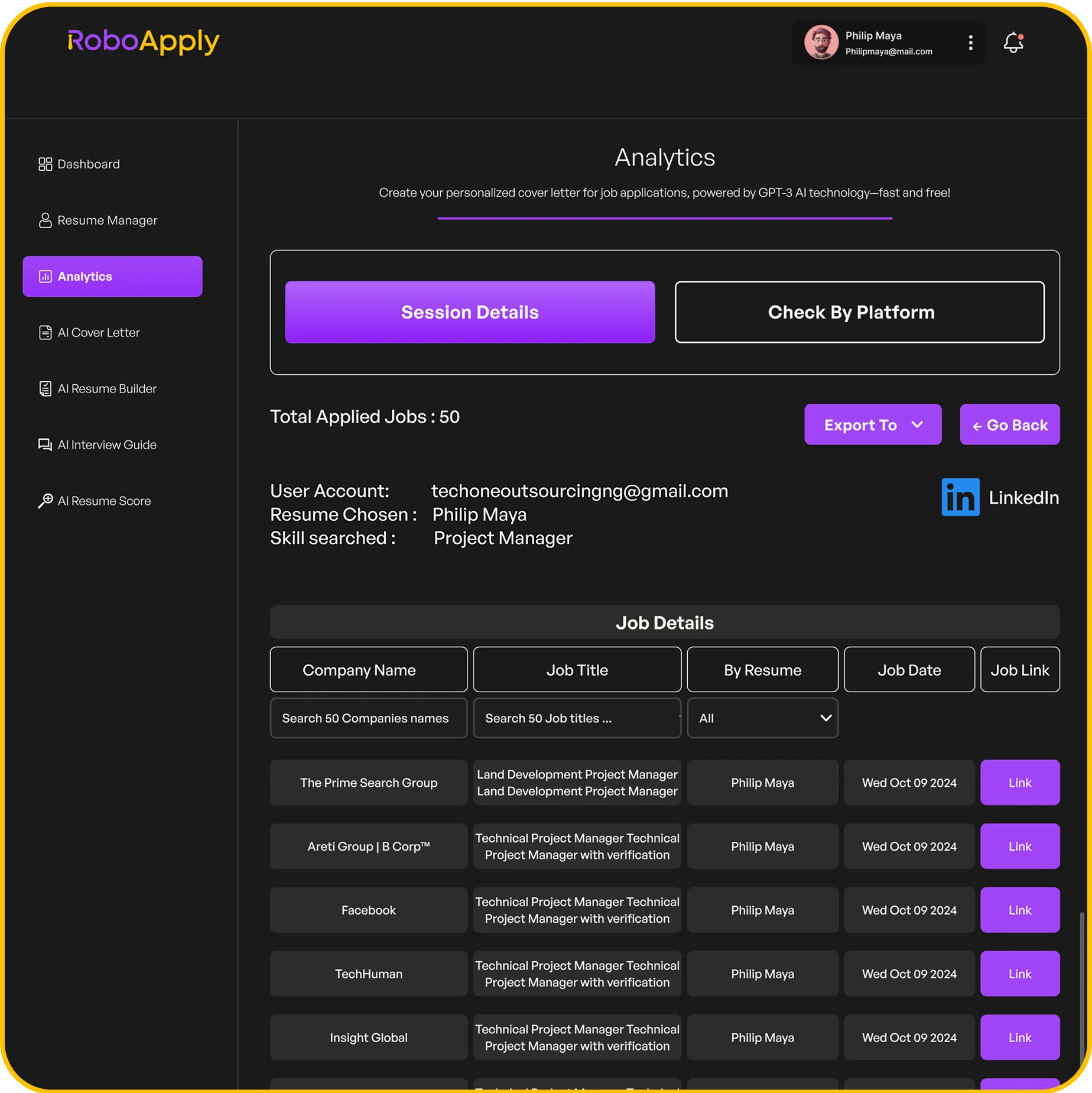
Users can track where they’ve applied and monitor responses over time. This makes it easier to identify which types of roles or platforms generate the best results and adjust the job search strategy accordingly.
Using Salary Data to Negotiate Better Offers
- Research before negotiating
Use location- and experience-based salary data to define a reasonable target range instead of relying on a single national average. - Show measurable impact
Employers pay more when candidates can demonstrate how their analysis improved efficiency, revenue, or cost savings. - Look beyond base salary
Compensation often includes bonuses, equity, learning budgets, remote flexibility, and time off, all of which can add meaningful value. - Keep multiple options open
Applying to multiple roles at once creates leverage and helps candidates avoid accepting the first offer below their expectations.
Future Outlook for Data Analyst Compensation
Demand for Data Analysts continues to grow as organizations depend on data-driven decision-making. Professionals skilled in automation, cloud analytics, and advanced data tools are expected to remain well-compensated as businesses prioritize insights and efficiency.
Frequently Asked Questions
Is $85,000 a good salary for a Data Analyst?
Yes, $85,000 is competitive for mid-level roles depending on location and industry.
Can Data Analysts earn over $120,000?
Yes, senior Data Analysts and specialists in high-demand industries can exceed $120,000 annually.
Do certifications increase Data Analyst salary?
Yes, certifications in Power BI, Tableau, and analytics platforms can improve earning potential.
Are remote Data Analyst roles common?
Yes, many organizations offer remote and hybrid Data Analyst positions.
Which industries pay Data Analysts the most?
Technology, finance, and consulting sectors typically offer higher salaries.
How long does it take to become a senior Data Analyst?
It typically takes 5–7 years of experience in analytics and reporting roles.
Is Data Analysis a stable career in the US?
Yes, data analysis skills remain essential across industries, ensuring steady demand and career stability.