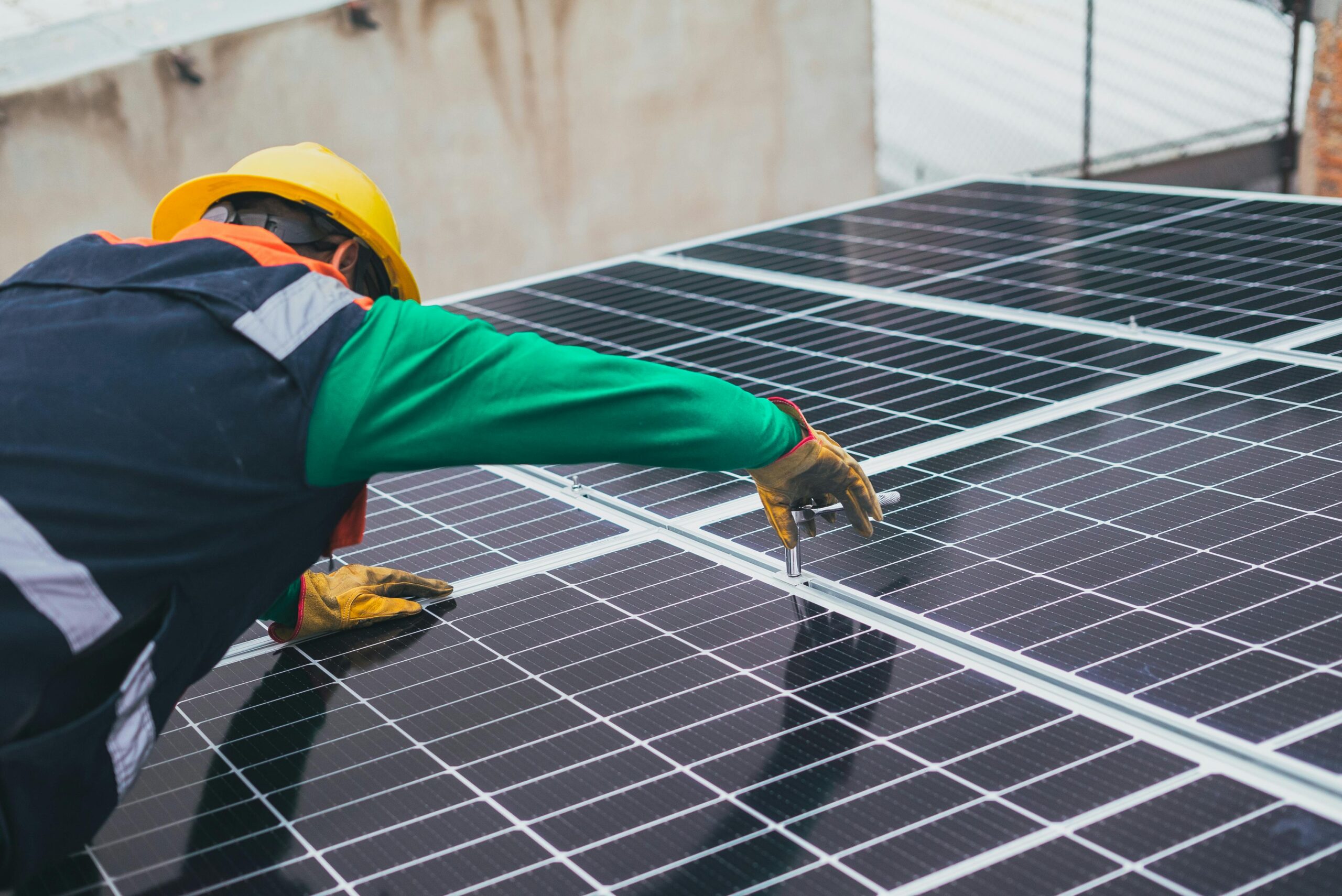
What do energy jobs pay right now? The median sits at $58,810. Nearly 19% higher than most Americans earn. Traditional fuel production? Even better at $65,400 median. Renewables are catching up fast though. Specialized roles there hit $130,000 and beyond.
The energy field isn’t one thing anymore. Oil rigs to solar panels. Each pays differently. Location changes everything too. Wyoming, North Dakota, and West Virginia lead in energy jobs per person. Texas, California, and Michigan have the most total positions.
These aren’t minimum wage gigs. The sector needs specialized skills. Specific certifications. Technical degrees. It employs 8.5 million Americans. That’s over 5% of all jobs nationwide.
What Do Traditional Energy Sector Jobs Pay?
Oil and gas still crushes it on pay. Always has.
Crude petroleum extraction tops every industry at $227,080 average annually. Natural gas extraction follows at $176,800. Overall industry average? $81,808.
Entry-level starts way lower. But stick around a few years and the money gets serious.
What Different Roles Actually Earn
Pay depends heavily on what you actually do. Here’s what specific positions make in traditional energy:
- Drilling Engineers: $140,000 to $180,000
- Geoscientists and Petroleum Geologists: $120,000 to $160,000
- Production Supervisors: $90,000 to $130,000
- Field Engineers: $80,000 to $110,000
- Roughnecks and Derrick Hands: $50,000 to $75,000
Offshore work pays 20-30% more. Remote locations add extra cash. Your safety record matters.
Get certified and watch your offers improve. Half of oil and gas workers got raises in 2024. Only 5% saw cuts.
Power generation sits at $65,430 median. Plant operators with licenses earn $75,000 to $95,000. Maintenance techs make $60,000 to $80,000.
What Do Renewable Energy Jobs Pay?
Clean energy salaries are climbing fast. Real opportunity here.
Solar pros earn $98,000 to $133,000 based on experience. Project managers overseeing installations? Up to $120,000.
Photovoltaic installers make around $73,256. No four-year degree required for many positions.
Wind sector averages $87,000. Turbine technicians start at $61,000 and climb to $80,000 with experience. Site managers hit $130,000. Engineers average $94,500.
Green Energy Pay Right Now
Renewables created 16.2 million jobs globally in 2023. Still growing. Understanding what do energy jobs pay in renewables helps you plan your career move.
Solar engineers make $95,000 to $125,000. Energy storage specialists average $116,000. Project managers earn $84,610.
Data scientists pull $80,000 to $130,000. Green building architects start at $80,000.
Nearly half of renewable workers got raises in 2024. Companies need skilled people. Bad.
Engineers and project managers lead the pay scale. Some AI roles in grid optimization hit six figures regularly.
Skill shortages are real. Companies compete hard for qualified candidates. Wages keep climbing. Get the right certifications and you’re golden.
Geography matters tons. Wyoming, North Dakota, and West Virginia pay more to attract workers.
California leads with 554,000 clean energy jobs. Texas has 283,000. Houston and Midland offer premium oil and gas pay. Remote work adds 15-35% premiums.
What Do Energy Efficiency and Emerging Sector Jobs Pay?
Newer categories are creating jobs most people miss. Energy efficiency employs 2.3 million at $59,390 median.
Smart grid engineers earn $85,000 to $120,000. They design electrical systems with sensors and automation. Requires engineering plus programming skills.
Hydrogen engineers are hot right now. Starting pay hits $81,000. Mid-level makes $115,000.
Experienced pros get $121,500 or more. Growth projections look strong through 2030.
Battery storage specialists matter more every year. Tesla’s Megapack engineers earn $124,000 to $200,000. Industry average sits at $116,000.
How Do You Get Into Energy Jobs?
Getting in depends on your target sector. Barriers vary wildly.
Technical jobs need associate’s degrees minimum. Engineering requires bachelor’s. Some advanced positions want master’s or PhDs.
But plenty of high-paying jobs skip the four-year degree. Worth knowing if you’re planning your path.
Wind turbine techs need mechanical skills and high school diplomas. Training runs 6-24 months. Solar installers start with certifications.
Oil and gas demands safety credentials. IWCF matters for drilling. OSHA training is standard everywhere.
How Do Salaries Grow Over Time?
Salaries grow significantly with time. Entry to senior progression looks like this:
Field tech earning $55,000? Hit $90,000 in five years. Senior positions command $120,000 to $180,000.
Project managers in renewables make $100,000 to $150,000. Operations managers in oil and gas earn $130,000 to $200,000.
Specialize and earn more. Safety specialists get premiums. Same for data analysts and automation experts. Cross-train in new tech and doors open.
What Trends Are Affecting Energy Job Pay?
Several big factors shape what do energy jobs pay in the USA going forward. Clean energy employment grew 3% while total workforce grew 1%.
Solar and wind installer jobs show 52% and 68% growth through 2030. Fastest-growing occupations nationwide.
Worker shortages drive pay up. Extraction workforce sits 20% below pre-pandemic levels. Companies compete fiercely.
Retirement waves hit hard. Younger workers aren’t replacing retirees fast enough.
Electrician demand increases 9% through 2034. But 30% of union electricians retire in the next decade. Math doesn’t work. Creates openings.
Workers with digital skills and data analytics earn premiums. Training programs help people transition sectors. Companies pay for the right talent.
What’s Included Beyond Base Salary?
Total packages include way more than just your base pay. Here’s what companies typically offer:
Health insurance, retirement matching, paid time off. Field positions add housing allowances. Offshore workers get rotation schedules with extended time off.
Performance bonuses run 5-25% of base. Profit-sharing exists at major companies. Stock options for corporate roles. These add up.
Continuing education is standard. Companies pay for certs and training. Tuition reimbursement for degrees.
Professional development budgets. Tech changes fast so this matters.

How Can You Maximize Your Energy Career Earnings?
Build in-demand skills. Certs increase value immediately. Project management opens higher-paying doors. Software proficiency matters more each year.
Learn multiple systems. Traditional and renewable both. Cross-functional knowledge makes you more valuable. Digital skills complement technical expertise perfectly.
Stay current with emerging tech. Hydrogen, battery storage, smart grids. Early adopters command premium pay.
Solar and wind show strongest growth. Battery storage explodes. Get in early.
Traditional energy still pays well. But future growth sits in renewables. Bridge both worlds and companies love you.
How to Apply to Energy Jobs Efficiently
Applying to multiple positions eats time. Different platforms need separate apps. Each requires customization.
Your resume needs optimization for each role. Energy companies use applicant tracking systems heavily.
Automation tools like RoboApply handle this process. They customize resumes automatically. Tailor cover letters. Applications go out while you prep for interviews.
ATS optimization matters. Proper keywords and formatting get you through. Interview prep tools generate role-specific questions. Build confidence before real interviews.
Track everything in one dashboard. Monitor applications. Track responses. Export history anytime. Clear visibility across multiple job boards.
Frequently Asked Questions
What is the average salary for energy jobs in the USA?
Energy sector median hits $58,810. That’s 18.8% higher than the national median across all industries.
Do renewable energy jobs pay as well as oil and gas?
Top renewable positions pay $98,000 to $133,000. Oil and gas averages higher but varies by role.
What energy job pays the most?
Crude petroleum extraction averages $227,080 annually. Drilling supervisors and petroleum engineers top the charts.
Do you need a college degree for energy jobs?
Not always. Wind turbine techs and solar installers start with certifications. Engineering needs bachelor’s minimum.
Are energy job salaries growing?
Yes. Half of energy workers got raises in 2024. Clean energy sectors grow 3% annually.