How much do underwater welders make is probably the first thing you ask when you hear about this career. The numbers sound wild, but they’re legit.
Underwater welders earn anywhere from $54,000 to $300,000 yearly. Most pull in around $60,000 to $80,000. Newbies start at $40,000 to $54,000, while seasoned pros on offshore oil rigs can crack $200,000.
That massive range isn’t arbitrary. It depends on your experience, where you work, what projects you take, and whether you’re inland or offshore. Let’s break down what these welders actually earn and what drives those numbers.
What These Welders Really Make
The pay scale shifts dramatically based on where you are in your career and what kind of work you’re doing.
Starting Out
Brand new underwater welders start between $40,000 and $54,000 yearly. These jobs are usually inland stuff like dams, bridges, and water systems. You’re building skills and certifications while working under someone who knows what they’re doing.
Entry jobs don’t involve the deep, sketchy work that pays the big bucks. You’re learning procedures, racking up dive hours, and proving you can handle the mental and physical grind.
Getting Established
After 3-5 years, pay jumps to $60,000 to $100,000 annually. You’ve built a reputation and probably hold multiple certifications. You might work independently on moderately complex stuff now.
Mid-level welders often bounce between inland and offshore work. You’re trusted with more responsibility and maybe supervising newer people. The Bureau of Labor Statistics shows commercial divers with specialized skills earn well above median wages.
Top of the Game
Experienced underwater welders with 10+ years and specialized certifications can earn $100,000 to $300,000 yearly. These folks work on offshore oil rigs, nuclear facilities, and critical infrastructure needing top expertise.
Senior welders often work as independent contractors. They negotiate their own rates and cherry-pick high-paying projects. Saturation diving work, where welders basically live in pressurized chambers for weeks, commands insane rates because of the extreme conditions and health risks involved.
What Actually Drives the Numbers
Multiple things influence how much do underwater welders make beyond just years on the job. Getting these right helps you max out earnings.
Location Matters More Than You Think
Geography impacts pay massively. Offshore work in the Gulf of Mexico or North Sea pays way more than inland river work. Remote locations with harsh conditions get premium rates every time.
Coastal areas with heavy maritime activity offer more opportunities and higher pay than landlocked regions. PayScale data shows underwater welders in Louisiana and Texas earn 15-25% more than the national average because of oil industry demand.
Project Type Changes Everything
Oil and gas projects typically pay the highest rates, often $50-$100+ per hour for experienced welders. Nuclear power plant maintenance, ship repair, and dam construction also offer premium pay.
Municipal water system repairs and bridge maintenance pay less but provide steadier year-round work. Lots of welders balance high-paying but sporadic offshore gigs with consistent inland projects to keep income steady.
Certifications Equal Real Money
Additional certifications directly boost what you can charge. What actually matters:
- American Welding Society certifications for specialized techniques
- Advanced diving credentials for deeper or more complex environments
- Non-destructive testing qualifications for inspection work
- Hyperbaric welding certifications for extreme pressure conditions
- Contaminated water diving certifications for hazardous environments
The more unique your skill set, the more you can charge. Simple as that.
Staff vs Going Solo
Staff positions with diving companies offer stability with salaries in the $50,000-$90,000 range plus benefits. Independent contractors earn more per project but handle their own equipment, insurance, and finding work.
Contractors working offshore can pull $1,000-$2,000 per day on lucrative projects. Work isn’t always consistent though, so annual income varies based on how much you actually secure.
Inland vs Offshore: The Split That Matters
The divide between inland and offshore work represents one of the biggest pay differences. Each path has different trade-offs you need to think about.
Inland welders working on rivers, lakes, dams, and bridges typically earn $40,000-$75,000 annually. The work is steadier with regular hours and you sleep in your own bed most nights. Projects include bridge repairs, dam maintenance, water treatment facilities, and pier construction. The diving is generally shallower and less dangerous.
Offshore welders on oil rigs and platforms earn $75,000-$300,000+ annually depending on experience and project scope. The work is intense, legitimately dangerous, and often requires living on the rig for weeks straight. You’re away from home for extended periods in harsh conditions.
Commercial Diving Academy research shows experienced offshore welders working saturation can earn $1,000-$1,500 per day plus bonuses.
Extra Income Streams
Smart welders add multiple revenue sources to boost their base income:
- Inspection and non-destructive testing services add $15,000-$40,000 annually
- Part-time teaching at commercial diving schools brings $200-$500 per day
- Equipment rental to other divers generates $10,000-$30,000 yearly
- Consulting work for diving companies or engineering firms
- Specialized photography and documentation services
Inspection work is often less physically demanding and can extend your career as you age. It also provides work during slower welding seasons when project work dries up.
The Career Path Reality
Most underwater welders start with commercial diving training costing $15,000-$30,000 over 6-12 months. After certification, you typically work inland for 2-4 years building experience.
Years 1-2 focus on gaining dive hours and basic welding experience at $40,000-$55,000 annually. Years 3-5 involve specialization and potentially offshore work at $60,000-$100,000. Years 6-10 see earnings jump to $80,000-$150,000 with solid experience. Beyond 10 years, top welders earning $150,000-$300,000 often work as contractors on premium offshore projects.
Divers Institute of Technology explains the career progression follows a clear path with predictable income increases tied to experience and specialization.
Challenges Nobody Talks About
The work is physically demanding and legitimately dangerous. Underwater welders face decompression sickness, drowning risks, electric shock, and hypothermia. The Occupational Safety and Health Administration reports commercial diving has higher injury rates than most construction trades.
Work is often seasonal and project-based. Income fluctuates significantly year to year. You might work 70-hour weeks for two months then have minimal work for six weeks. Time away from home is substantial, especially offshore. Many welders work 28 days on, 28 days off rotations.
The career has a limited lifespan too. Most underwater welders transition to inspection, supervision, or other roles by their 40s because of the physical toll. Planning for what comes next is essential if you’re getting into this field.
Training Investment
Commercial diving schools cost $15,000-$30,000 for 6-12 month programs covering diving physics, safety, welding techniques, and hands-on training. After basic training, you’ll pursue additional certifications throughout your career costing $1,000-$5,000 each.
Equipment represents another chunk. Basic personal dive gear costs $3,000-$8,000. Many entry-level positions provide equipment, but independent contractors need their own gear.
Most welders recoup training costs within their first 2-3 years of work. The high earning potential makes underwater welding training a solid investment for people actually suited to this kind of work.
Making Applications Work
Breaking into underwater welding or advancing to better-paying positions requires solid job applications. Competition for top-paying roles is fierce.
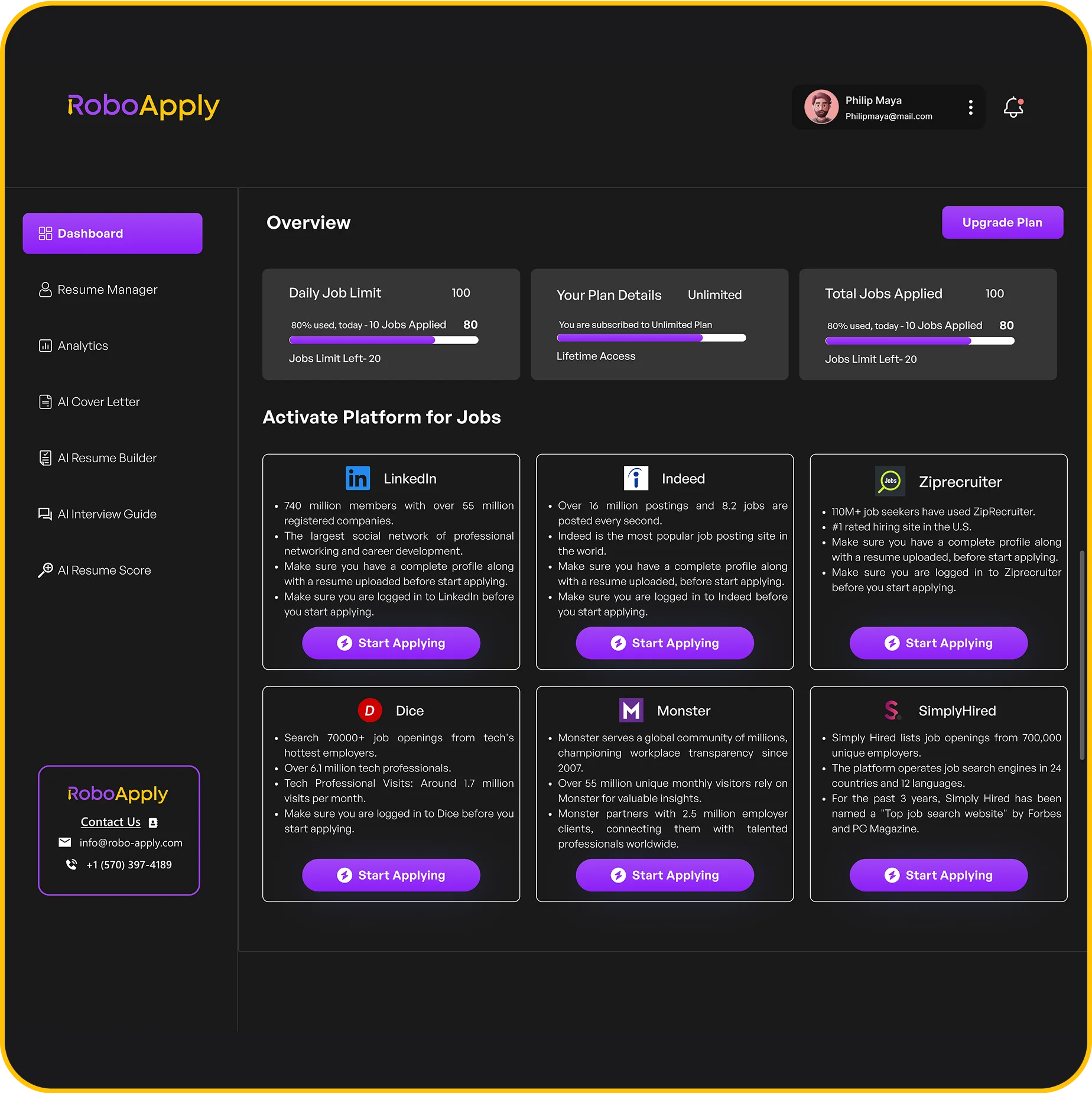
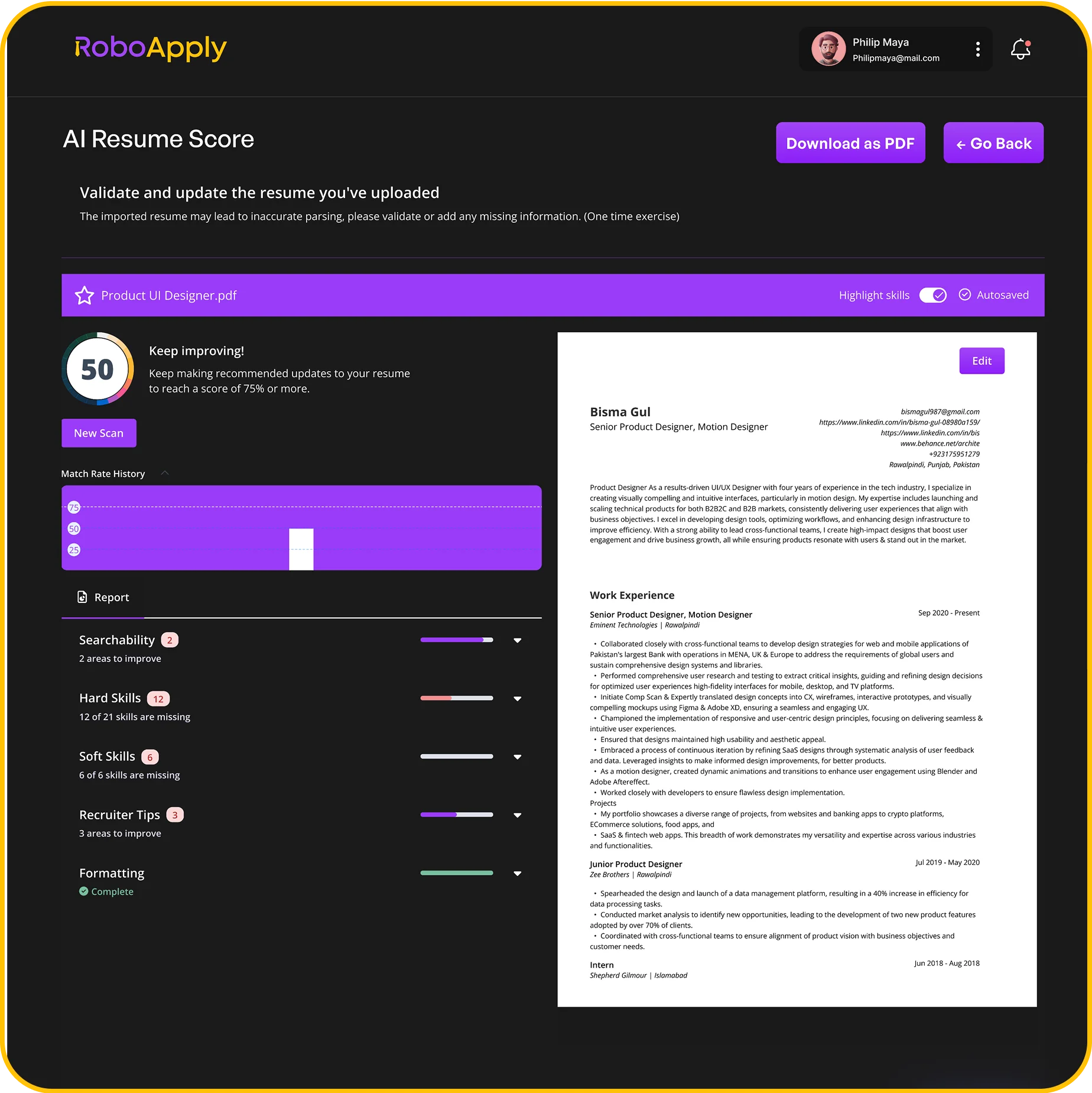
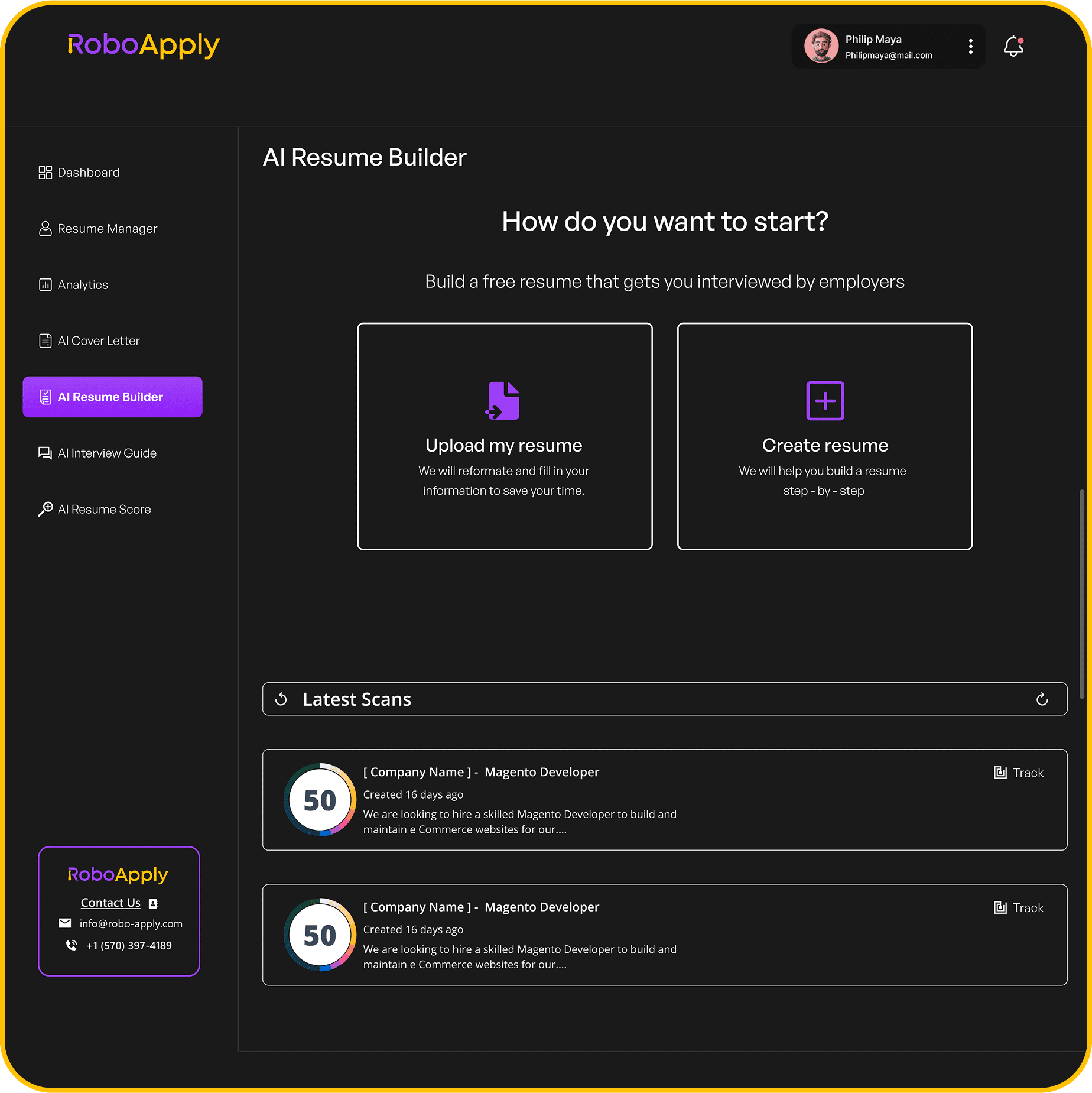
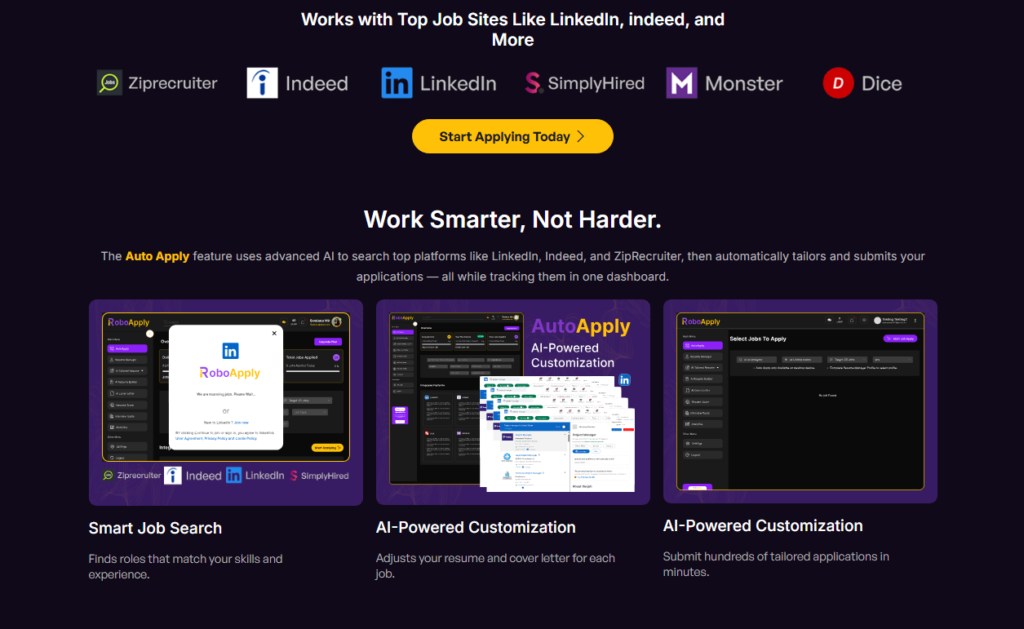
RoboApply’s AI Resume Builder helps underwater welders create compelling resumes highlighting certifications, dive hours, and specialized skills. AI Tailored Apply customizes your resume for each specific diving job, emphasizing the most relevant stuff for that employer.
For welders applying to multiple companies, AI Auto Apply automates applications while maintaining quality. The system applies to relevant positions across major job boards, saving time on repetitive form-filling.
Frequently Asked Questions
How much do underwater welders make per year?
Underwater welders earn $54,000-$300,000 annually, with most making $60,000-$80,000. Pay depends on experience, location, and project type.
What is the highest paid underwater welder salary?
Top underwater welders working offshore saturation diving can earn $200,000-$300,000+ annually with extensive experience and specialized certifications.
How much do entry-level underwater welders make?
Entry-level underwater welders typically earn $40,000-$54,000 per year working inland projects while building experience and certifications.
Do offshore underwater welders make more money?
Yes, offshore welders earn significantly more at $75,000-$300,000 annually compared to $40,000-$75,000 for inland work.
How long does it take to become an underwater welder?
Commercial diving training takes 6-12 months. Most welders need 2-4 years experience before accessing higher-paying offshore positions.