These 6 job application follow-up email examples will help you get noticed by hiring managers. You sent in your resume two weeks ago. Radio silence. Your inbox stays empty while doubt creeps in. Did they even see your application? Are they interested? Should you reach out?
The answer is yes. Following up shows initiative without crossing into annoying territory. Studies from TopResume reveal something interesting. Candidates who send follow-up emails are 40% more likely to hear back. That’s a massive difference for five minutes of work.
Most recruiters actually appreciate a well-timed follow-up. It separates serious candidates from people who spray resumes everywhere. The trick is knowing exactly when to send your message and what to say. You need the right balance of confidence and respect. This guide gives you real examples you can copy and customize today.

Best Times to Send Your Follow-Up Email
Timing separates effective follow-ups from wasted effort. Send too early and you look pushy. Wait too long and the position gets filled. Most companies need seven to ten business days to sort through applications. This window gives hiring teams enough time to review candidates without feeling rushed.
The one-week mark works perfectly for most situations. You’ve given them reasonable time to process applications. Research from Glassdoor shows that 44% of employers respond within two weeks. Your follow-up lands right in their decision-making window.
Job postings with application deadlines need different timing. Wait three to five days after the deadline passes. The hiring team has likely finished their initial screening by then. Your email arrives when they’re choosing who to interview.
Career fair connections require faster action. Send your follow-up within 24 hours of meeting someone. Fresh connections stick better than stale ones. People meet dozens of candidates at these events. Your quick follow-up helps them remember your conversation.
6 Job Application Follow-Up Email Examples You Can Use
Different situations call for different approaches. These examples cover the scenarios you’ll face most often during your search. Pick the template that matches your situation and add your personal details.
Example 1: Standard One-Week Follow-Up
Use this template for regular applications submitted through company websites or job boards. You’re checking in without being aggressive.
Subject: Following Up on Marketing Coordinator Application
Hi [Hiring Manager Name],
I applied for the Marketing Coordinator position last week. I wanted to express my continued interest in joining your team.
My three years managing social media campaigns aligns well with your requirements. I’ve increased engagement rates by 65% at my current company through targeted content strategies.
I’d welcome the chance to discuss how my background could benefit [Company Name]. Please let me know if you need any additional information.
Thanks for your consideration.
Best regards, [Your Name] [Your Phone Number] [Your LinkedIn Profile]
Example 2: Two-Week Check-In
This works when you haven’t heard back after the standard waiting period. You’re asking for an update while highlighting your qualifications.
Subject: Checking In on Software Developer Application
Hello [Hiring Manager Name],
I submitted my application for the Software Developer role two weeks ago. I remain very interested in this opportunity.
My experience with Python and React matches your technical requirements perfectly. I’m particularly excited about your mobile app expansion plans mentioned in the job posting.
Could you share any updates on the hiring timeline? I’m happy to provide additional materials if that would help.
Thank you, [Your Name] [Your Phone Number] [Your LinkedIn Profile]
Example 3: Job Board Application Follow-Up
Finding the hiring manager’s email takes extra work when you apply through LinkedIn or Indeed. This template acknowledges that effort while showing initiative.
Subject: Application for Customer Service Representative Position
Dear Hiring Team,
I recently applied for the Customer Service Representative position through LinkedIn. I wanted to reach out directly to emphasize my interest.
With five years of customer support experience and fluency in Spanish, I bring valuable skills to your team. Data from HubSpot shows multilingual support increases customer satisfaction by 73%.
I’ve attached my resume again for easy reference. I’d love to discuss how I can help improve your customer experience.
Best, [Your Name] [Your Phone Number] [Your Email]
Example 4: Referral-Based Follow-Up
Employee referrals dramatically boost your hiring chances. Statistics from LinkedIn show referred candidates are four times more likely to get hired than other applicants.
Subject: Referral Application for Data Analyst Role
Hi [Hiring Manager Name],
[Referrer Name] suggested I reach out about the Data Analyst opening. I submitted my application last week through your careers page.
My background in statistical analysis and data visualization matches your requirements well. [Referrer Name] mentioned your team values candidates who translate complex data into clear insights. I’ve done exactly that for three years at [Current Company].
I’d appreciate the opportunity to discuss how my skills could support your analytics team.
Thank you, [Your Name] [Your Phone Number] [Your LinkedIn Profile]
Example 5: Career Fair Connection
Career fair meetings need quick follow-up. Your goal is reminding them of your conversation before memory fades.
Subject: Great Meeting You at [Event Name]
Hello [Hiring Manager Name],
It was great talking with you about the Project Manager position at yesterday’s career fair. Your description of the team’s agile approach really resonated with me.
As we discussed, I have four years leading cross-functional teams using Scrum methodology. I formally applied through your website this morning.
I’d love to continue our conversation about contributing to your upcoming product launches.
Looking forward to hearing from you, [Your Name] [Your Phone Number] [Your LinkedIn Profile]
Example 6: Post-Phone Screen Thank You
This follow-up comes after an initial screening call. You’re thanking them while reinforcing your fit for the role.
Subject: Thank You for the Phone Interview
Hi [Interviewer Name],
Thank you for taking time to speak with me about the Sales Associate position yesterday. I enjoyed learning more about your expansion plans for the Southeast region.
Our conversation confirmed my interest in joining your sales team. My track record of exceeding quarterly targets by 20% would translate well to the goals you outlined.
Please let me know the next steps in your hiring process. I’m excited about this opportunity.
Best regards, [Your Name] [Your Phone Number] [Your Email]
Download the Templates
[DOWNLOAD PLACEHOLDER: Complete set of customizable follow-up email templates in Word and PDF format, plus usage guide]
What Makes Follow-Up Emails Actually Work
Writing emails that get responses requires more than copying a template. You need to understand what hiring managers actually want to see. These strategies separate effective messages from ones that get ignored.
Your subject line needs to be crystal clear. Vague subjects like “Following Up” disappear into crowded inboxes. Include the position title so recipients know immediately what you’re referencing. “Application for UX Designer Role” tells them everything they need.
Start with a quick reminder of your application. Hiring managers juggle dozens of open positions and hundreds of candidates. Help them place you by mentioning when you applied and which role you want. This takes one sentence.
Add something valuable to your message. Don’t just ask for updates. Reference a specific skill or achievement that matches their needs. This reminds them why you’re worth interviewing. Maybe you mentioned a certification in your resume. Expand on how you’ve used it to solve problems.
Keep your email tight. Research from Boomerang analyzed millions of emails and found something useful. Messages between 50 and 125 words get the highest response rates. Busy recruiters appreciate brevity.
End with a specific request. Ask about next steps or the hiring timeline. Make it easy for them to give you useful information. Vague endings like “hope to hear from you soon” don’t prompt action.
Proofread everything twice before hitting send. Typos in a follow-up email signal carelessness. Use Grammarly or ask someone to review your message. Small mistakes can kill an otherwise strong application.
Mistakes That Kill Your Follow-Up Email
Even well-meaning follow-ups can backfire if you make these common errors. Avoid these pitfalls to protect your professional reputation.
Sending multiple emails in a short period looks desperate. One follow-up per application is standard. Wait at least two weeks before sending a second message if you haven’t heard back. Three emails crosses the line into harassment.
Sounding entitled or demanding turns recruiters off instantly. Phrases like “I deserve a response” or “You should get back to me” damage your chances. Stay polite and professional no matter how long you’ve waited. The hiring process often takes longer than expected for legitimate reasons.
Writing long, wandering emails wastes the recruiter’s limited time. They’re managing multiple openings and reviewing hundreds of applications. Get to your point in three paragraphs maximum or risk being ignored.
Generic templates make you look lazy. Always customize the company name, position title, and specific details. Recruiters can spot mass emails instantly. They want candidates who genuinely care about their specific opportunity.
Sending your email to the wrong person creates unnecessary confusion. Research who handles hiring for the role you want. LinkedIn and company websites usually list this information. A quick search saves you from embarrassing mistakes.
Being vague about your qualifications wastes an opportunity. Your follow-up should remind them of specific skills or experiences that match their needs. Don’t just say you’re interested. Explain why you’re the right fit.
How Modern Tools Speed Up Your Job Search
Managing follow-up emails gets overwhelming when you’re applying to dozens of positions. Tracking application dates, customizing messages, and researching companies takes hours each week. Technology can handle much of this repetitive work.
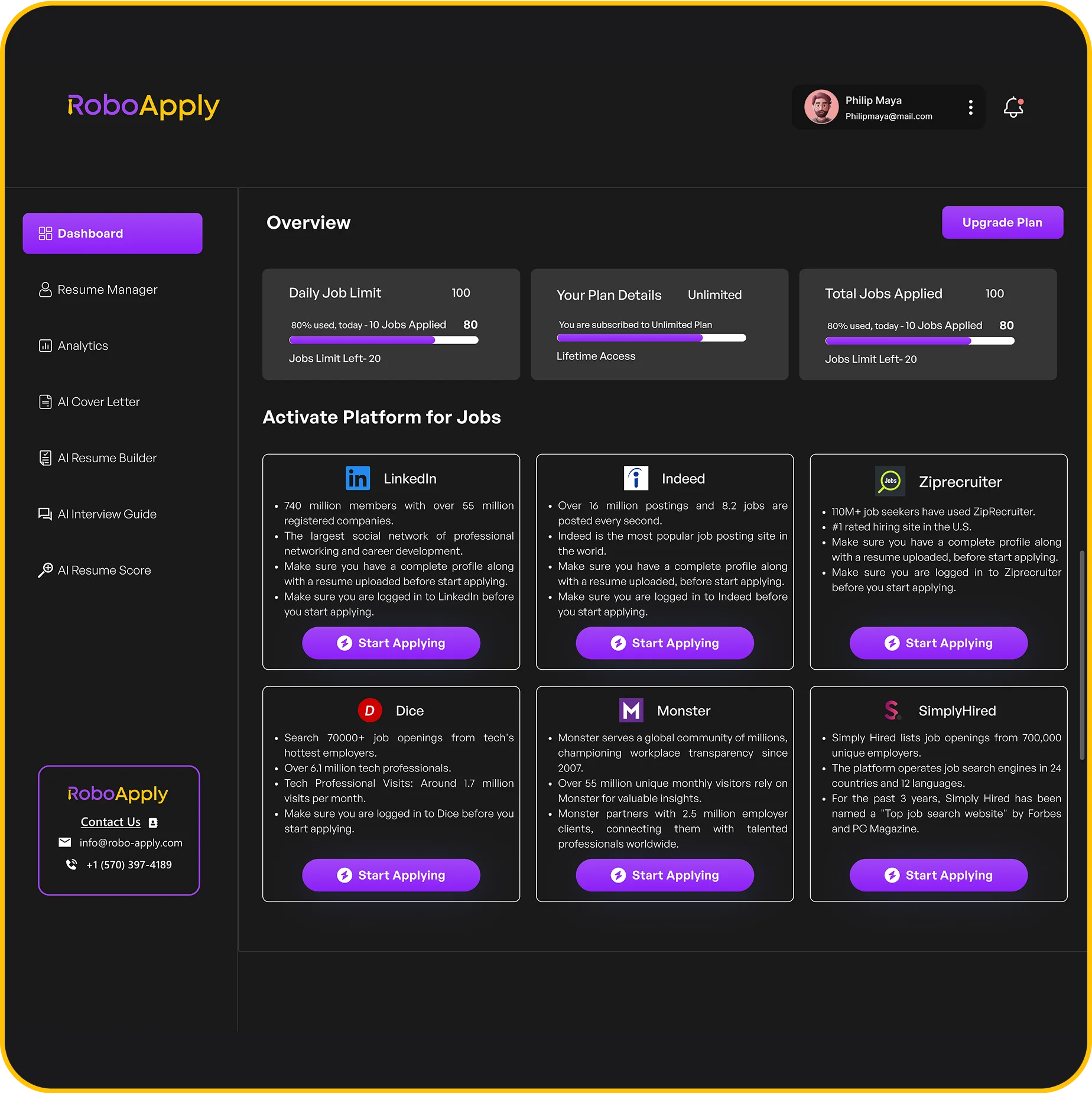
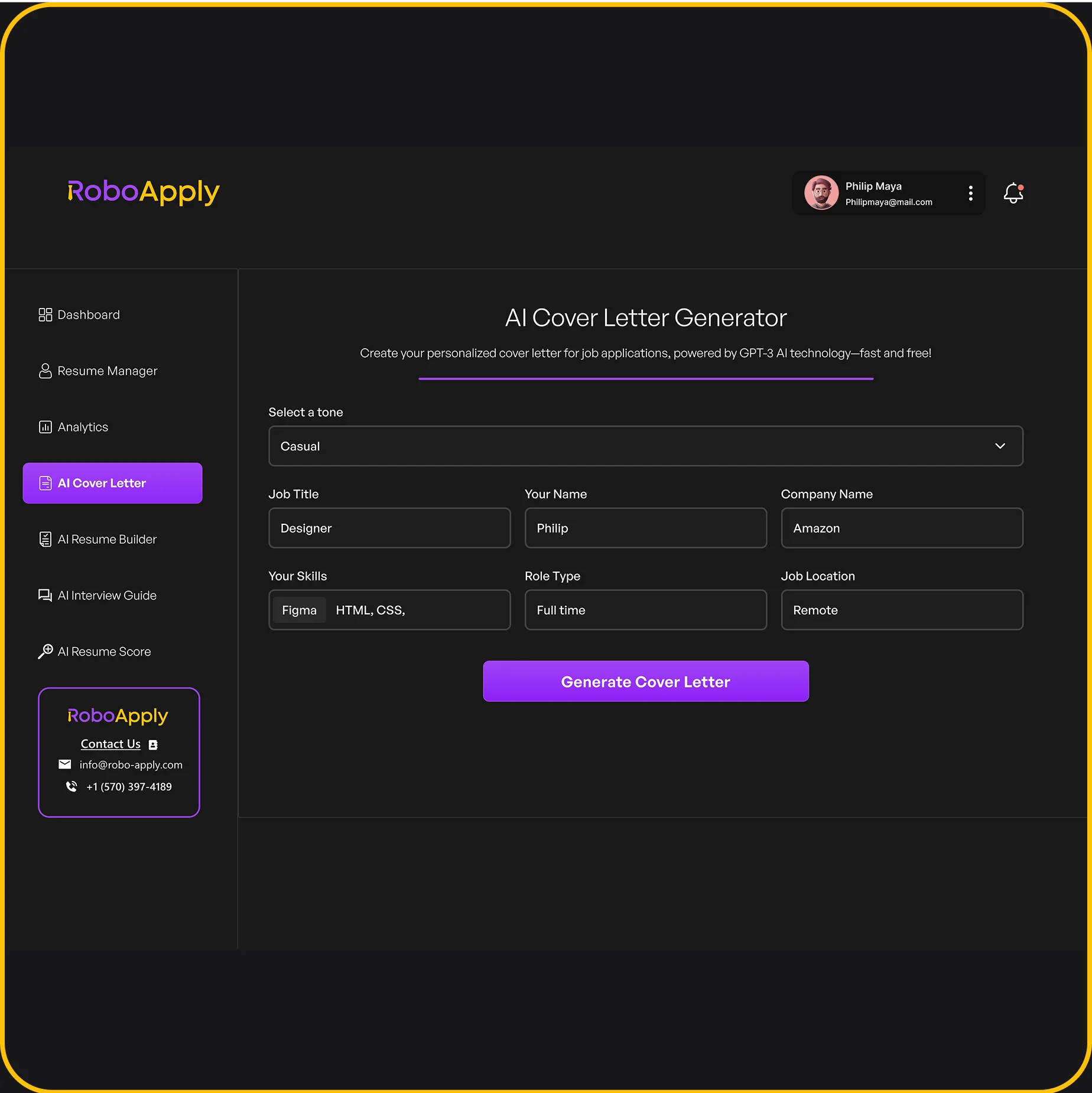
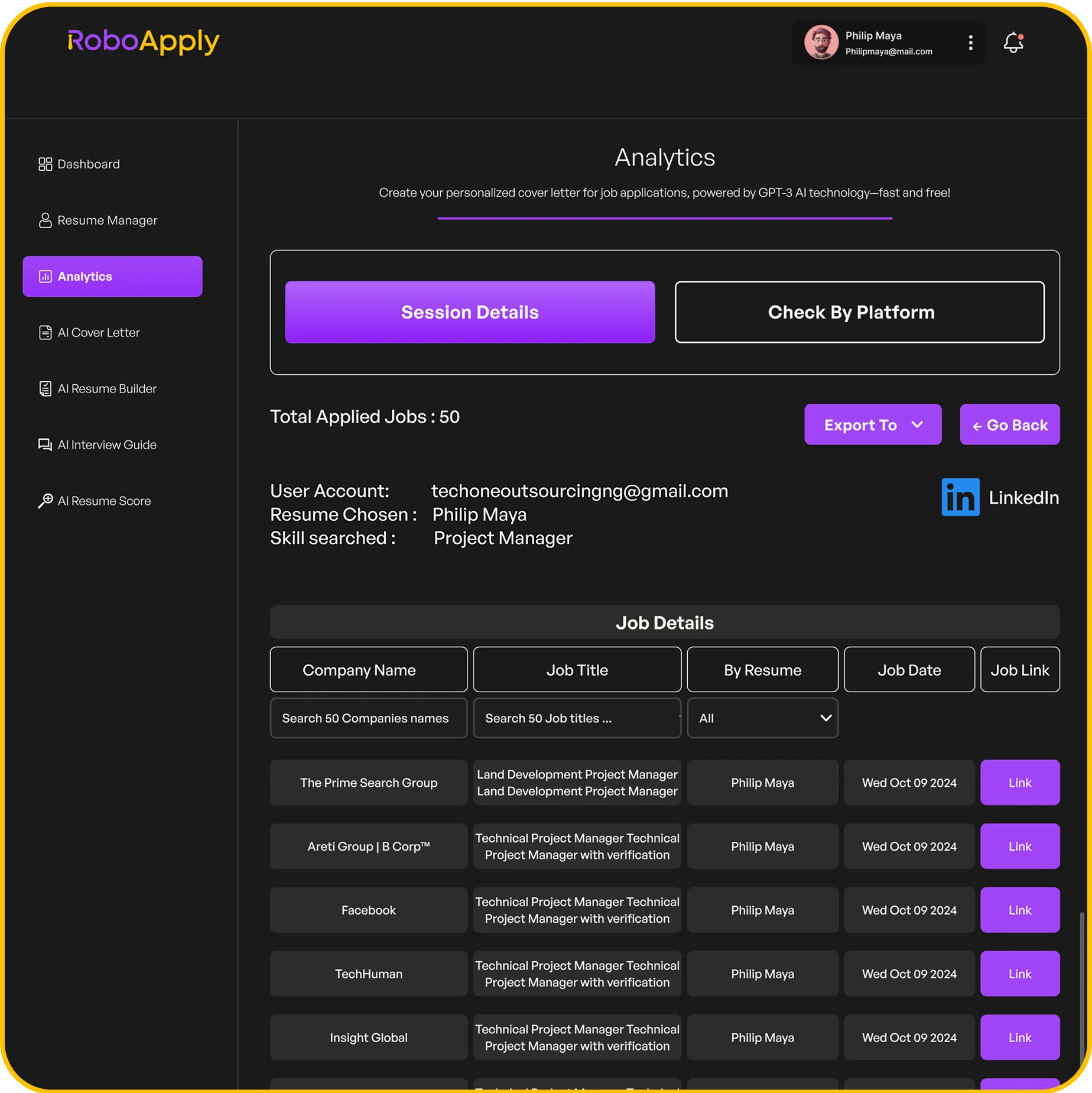
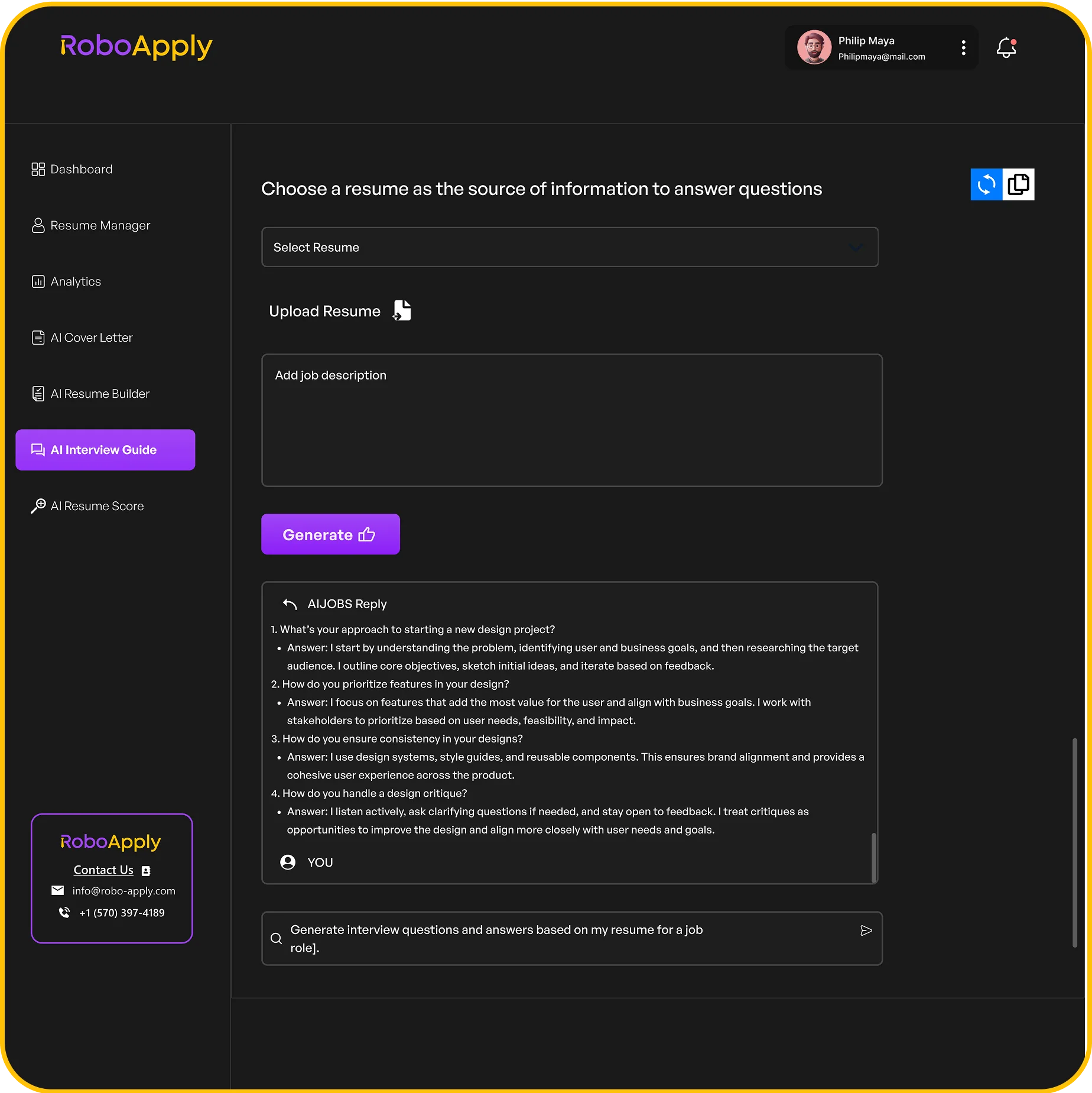
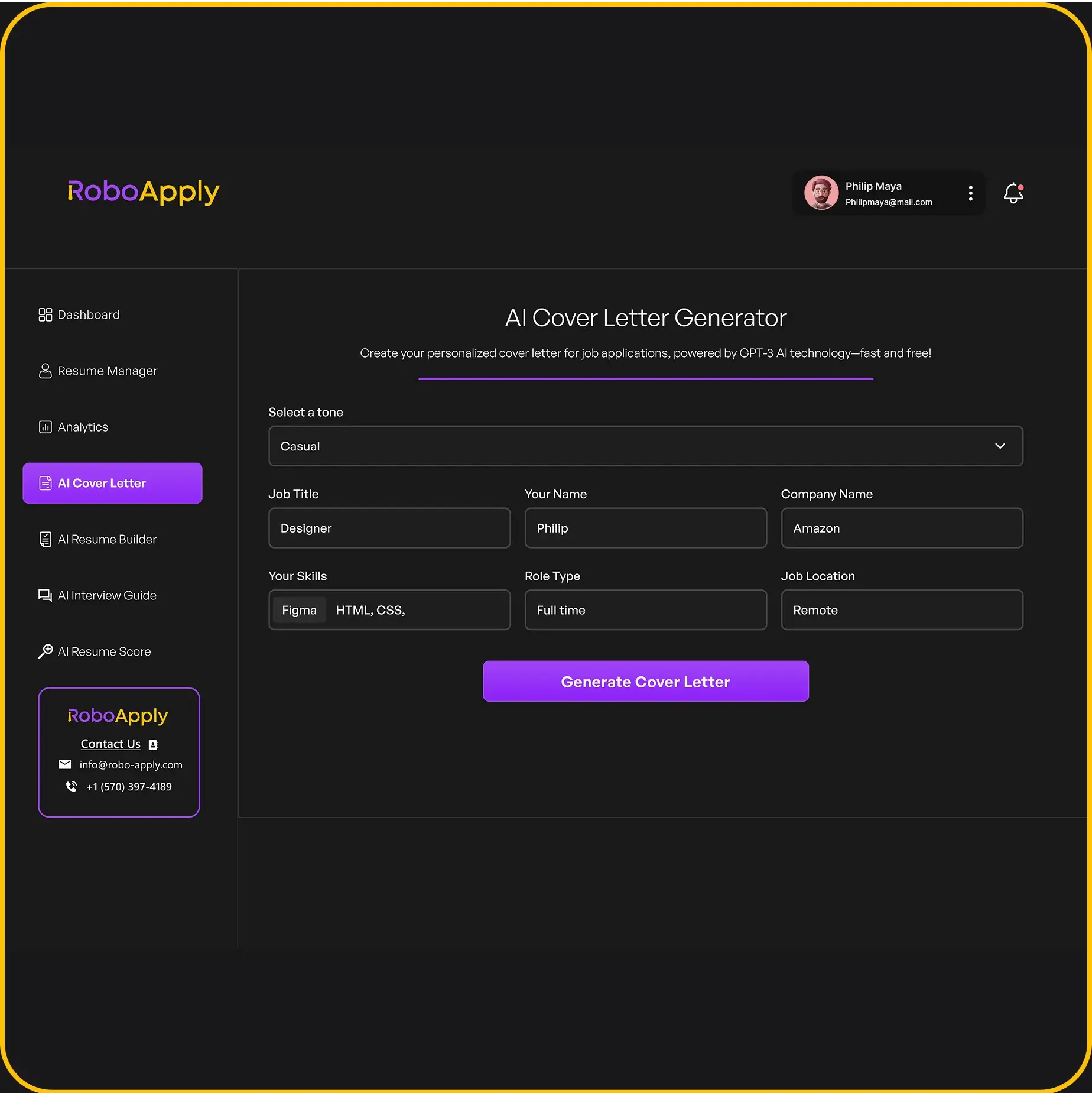
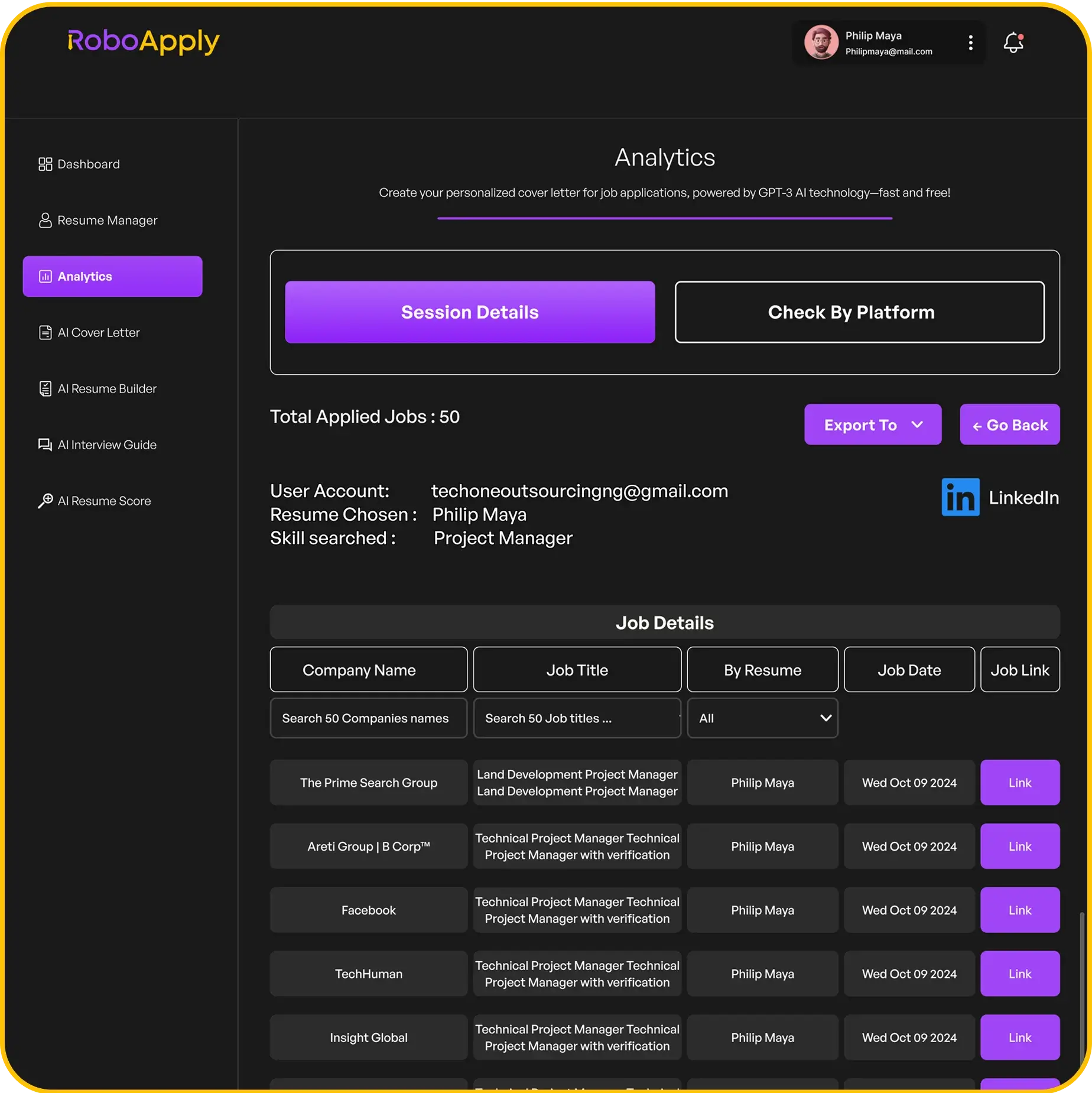
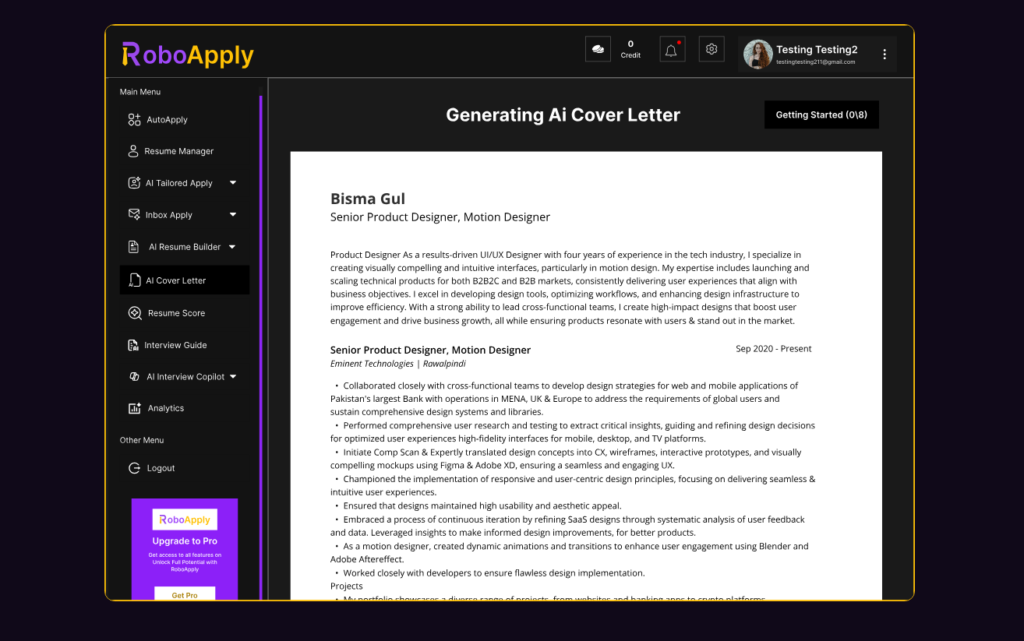
RoboApply’s AI Cover Letter feature creates customized messages for each application automatically. You maintain the personal touch without spending hours on each one. The platform tracks every application through its analytics dashboard. You’ll know exactly when to send follow-ups without manual spreadsheets.
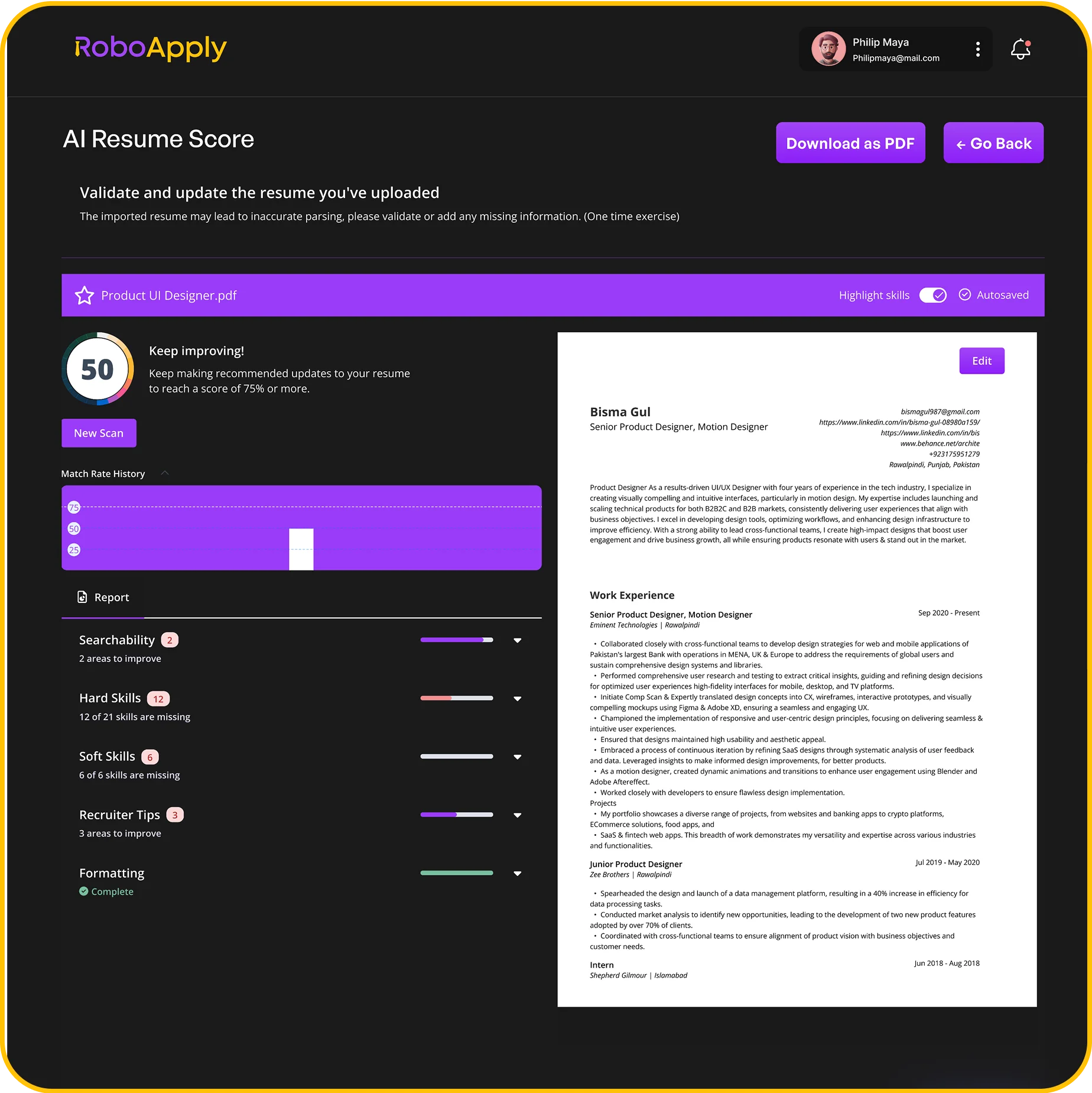
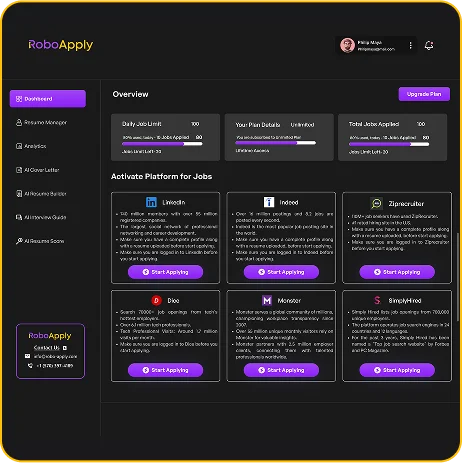
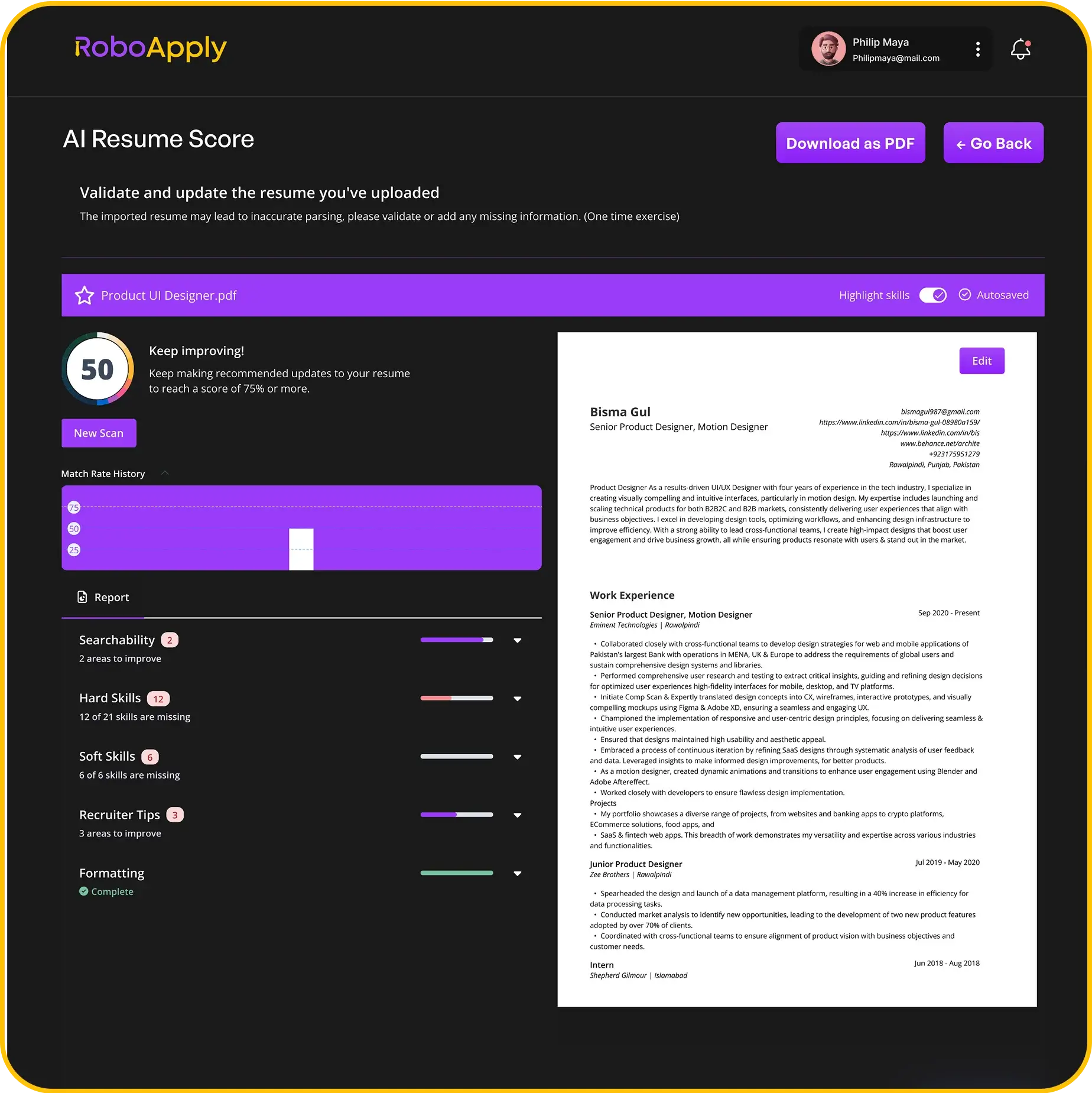
AI Auto Apply handles the initial application process across LinkedIn, Indeed, and other major job boards. This frees you up for strategic follow-up. AI Resume Score gives instant feedback on your application materials before you follow up. You can fix issues and strengthen your position.
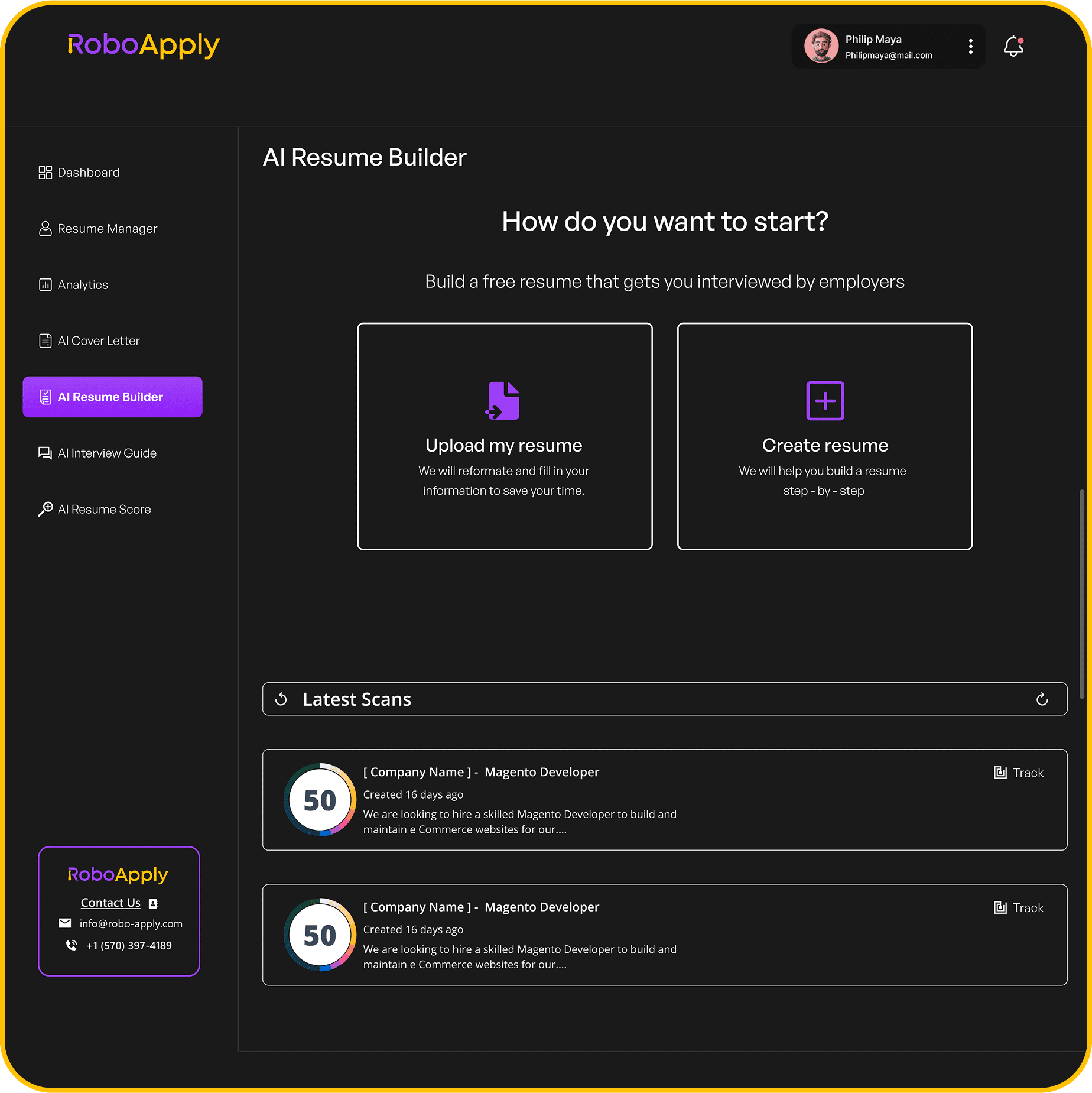
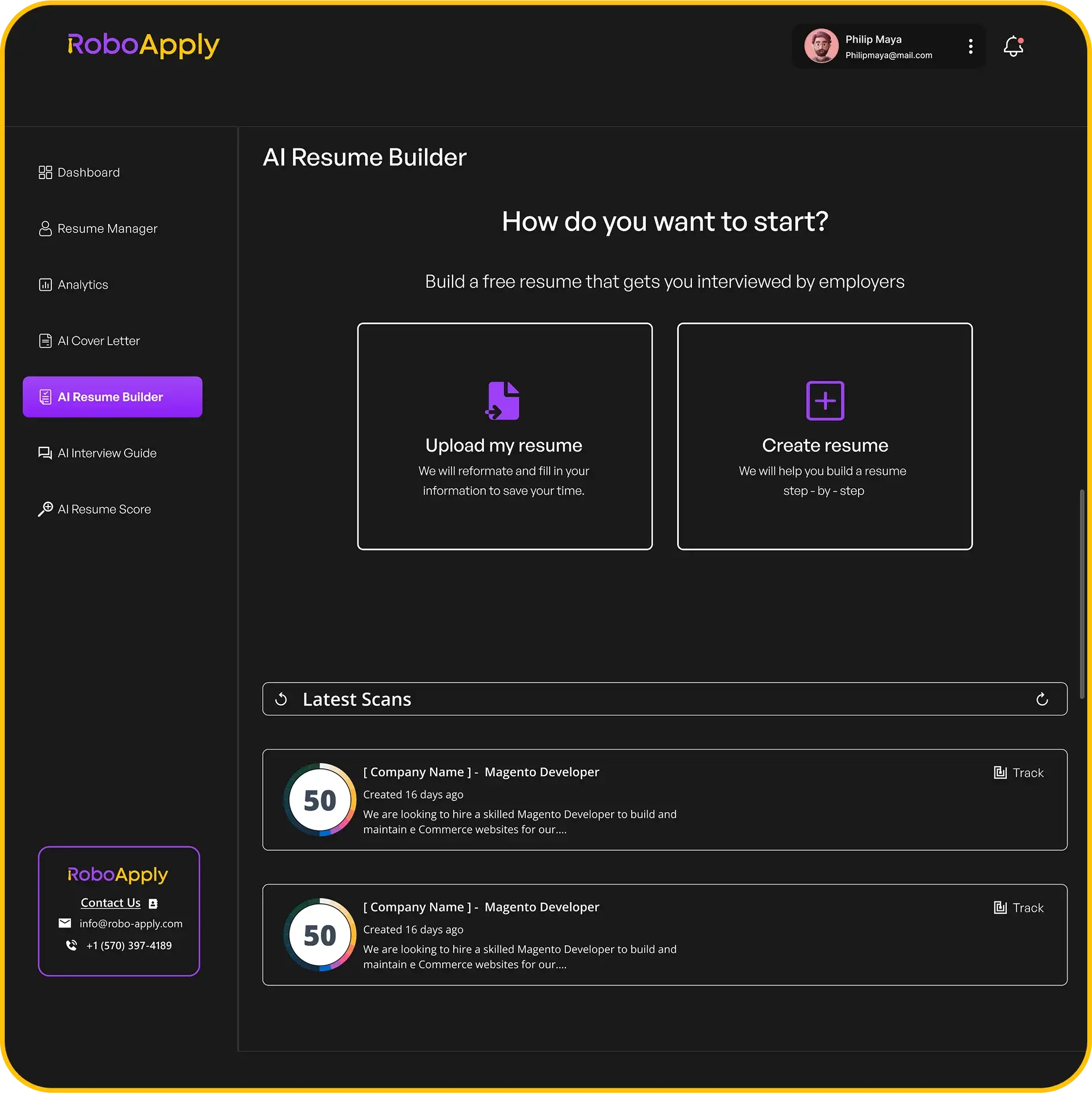
The Resume Builder creates ATS-optimized resumes that pass initial screening filters. When you’re ready to reach out directly, Inbox Apply helps you find verified email addresses and craft personalized messages. This works alongside standard applications to increase your visibility.
These features save hours while maintaining the authenticity employers value. You can apply to hundreds of jobs while still sending thoughtful, timely follow-ups that actually get responses.
Frequently Asked Questions
How long should I wait before sending a follow-up email after applying?
Wait at least one week after submitting your application. This gives hiring managers enough time to review initial candidates without seeming pushy.
What should I include in a job application follow-up email?
Mention the position you applied for, when you applied, and one specific qualification. Keep it under 150 words with a clear question.
How many follow-up emails should I send for one job application?
Send one follow-up email maximum. If you hear nothing after two weeks, send one brief second message before moving on completely.
What’s the best subject line for a follow-up email?
Use the exact position title like “Following Up on Marketing Manager Application” so recipients immediately understand your message without opening it.
Should I attach my resume to a follow-up email?
Only attach your resume after career fairs or networking events. Otherwise, reference your previous application without resending materials they already have.