The average salary for a Systems Engineer in the US is $129,840 per year.
Systems Engineers design, implement, and maintain complex IT systems that support enterprise infrastructure and business operations. In the US, this role is common across technology companies, defense contractors, financial institutions, healthcare organizations, and enterprise IT environments. Salaries vary based on system complexity, cloud exposure, automation expertise, and industry specialization. Professionals who manage large-scale distributed systems and integrate secure, scalable architecture typically earn higher compensation.
Salary Statistics: Systems Engineer (US)
| Salary Type | Annual Pay (USD) |
|---|---|
| Average Salary | $129,840 |
| Median Salary | $123,500 |
| Lowest Salary | $88,000 |
| Highest Salary | $205,000 |
Gender Pay Analysis in Systems Engineer
Gender pay differences for Systems Engineers in the US are influenced by specialization depth, cloud architecture exposure, and enterprise-level responsibility.
| Gender | Average Annual Salary (USD) | Compared to National Avg |
|---|---|---|
| Male | $132,000 | ▲ +2% |
| Female | $126,000 | ▼ −3% |
| Non-binary / Not Disclosed | $130,000 | ▲ +0% |
Compensation gaps tend to narrow at senior levels where pay reflects system reliability ownership and architectural leadership.
Salary by Experience Level
Entry-Level
Entry-level Systems Engineers in the US typically earn around $88,000–$105,000 per year. These professionals assist with infrastructure maintenance, server configuration, network troubleshooting, and system monitoring. Most at this level have 0–2 years of experience in IT or infrastructure roles.
Mid-Level
Mid-level Systems Engineers usually earn between $110,000 and $155,000 per year. At this stage, professionals design infrastructure solutions, manage virtualization platforms, oversee cloud migrations, and implement automation scripts. This level commonly requires 3–6 years of experience.
Senior Level
Senior Systems Engineers earn $180,000 or more per year, with top roles reaching $205,000 in major US enterprises. These professionals design enterprise architecture, manage mission-critical systems, and lead infrastructure modernization initiatives. Compensation reflects responsibility for performance, uptime, and scalability.
Certifications for Systems Engineer
- Microsoft Certified: Azure Solutions Architect
- AWS Certified Solutions Architect
- Red Hat Certified Engineer (RHCE)
- Cisco Certified Network Professional (CCNP)
- Certified Kubernetes Administrator (CKA)
Key Skills That Impact Salary
- Infrastructure architecture and design
- Cloud platform expertise (AWS, Azure, GCP)
- Virtualization and containerization
- Automation and scripting (Python, PowerShell)
- Network configuration and troubleshooting
- System performance optimization
Best-paying cities for Systems Engineer in the US
| City | Avg Salary (USD) | Compared to National Salary ($129,840) |
|---|---|---|
| San Francisco, CA | $153,000 | ▲ +18% |
| New York, NY | $144,000 | ▲ +11% |
| Seattle, WA | $139,000 | ▲ +7% |
| Boston, MA | $133,000 | ▲ +3% |
| Austin, TX | $123,000 | ▼ −5% |
| Chicago, IL | $120,000 | ▼ −7% |
| Atlanta, GA | $117,000 | ▼ −10% |
| Remote (US) | $130,500 | ▲ +0% |
How RoboApply Helps Professionals Get High-Paying Jobs
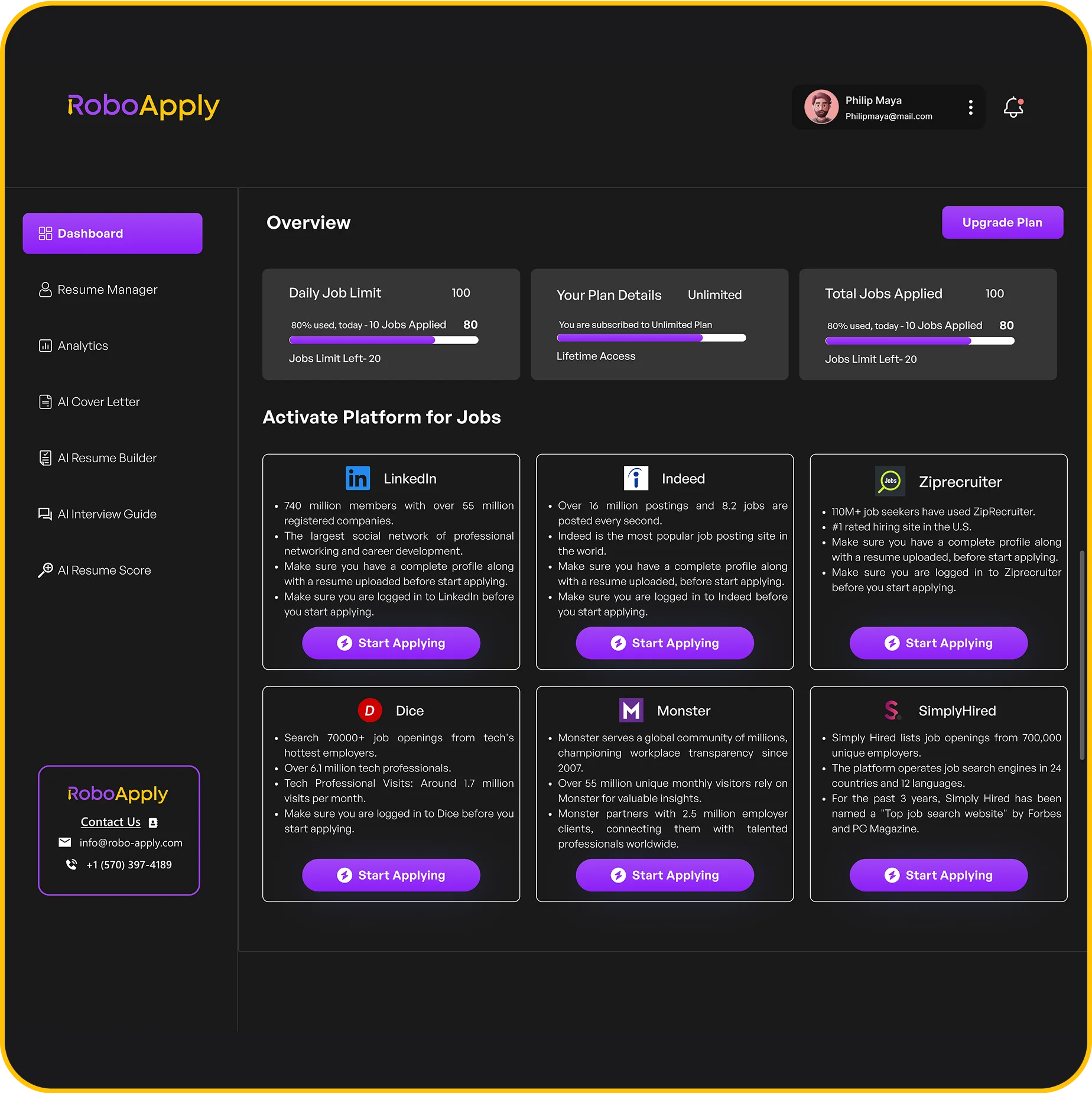
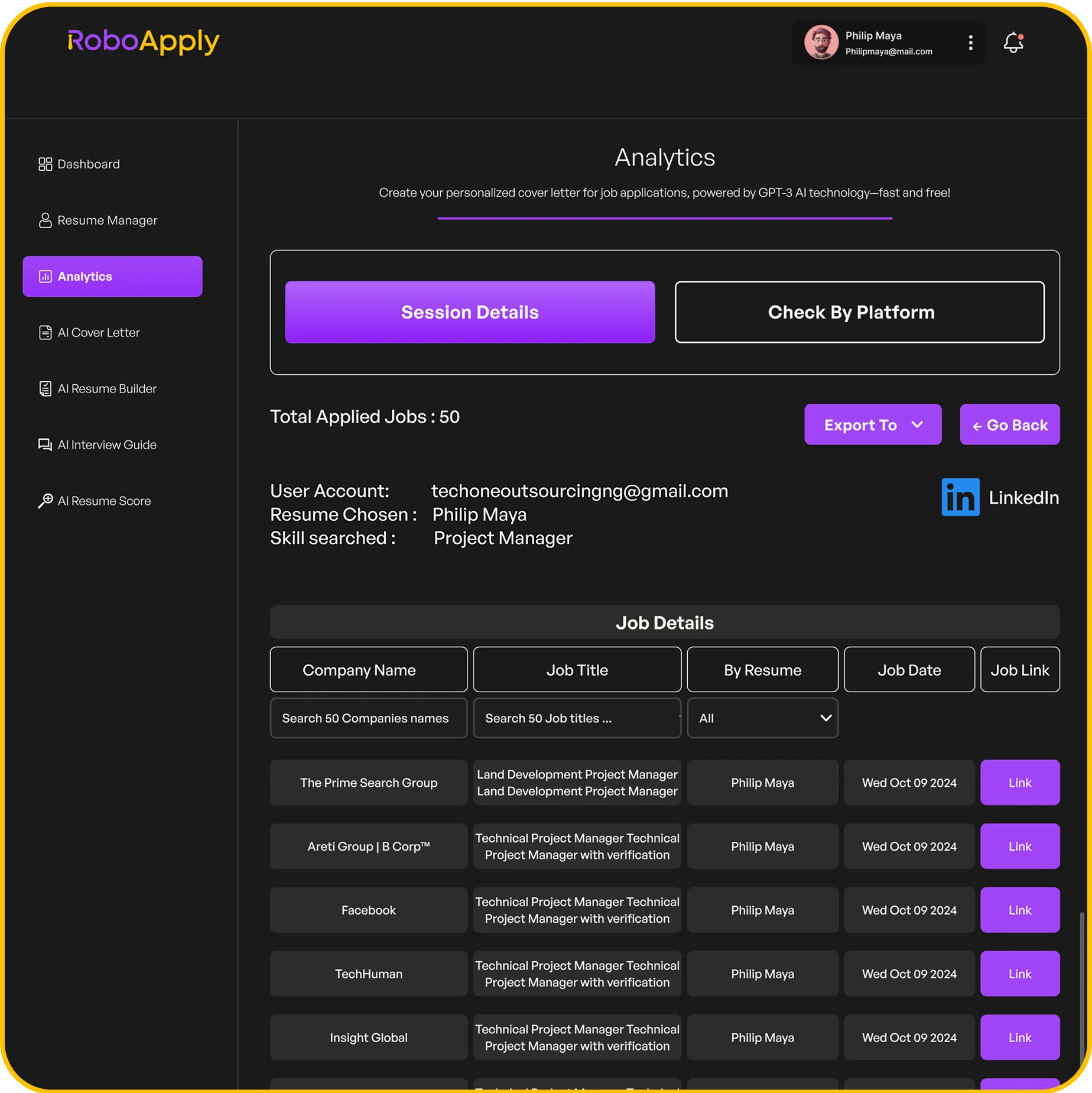
Finding a high-paying role isn’t just about skills — it’s also about applying consistently, at scale, and to the right opportunities. RoboApply helps professionals simplify and speed up the job search process so they can focus on interviews and salary negotiation instead of manual applications.
Apply to Jobs Across Multiple Platforms
RoboApply brings job listings from multiple platforms into one place. This includes roles from major job boards and company career pages, helping you discover opportunities you might otherwise miss, including high-paying and remote positions.
This broad coverage increases your chances of finding roles that match both your experience level and salary expectations.
Save Time with Auto-Apply
Manually applying to systems engineering roles can be time-consuming and repetitive. RoboApply’s auto-apply feature allows users to apply to many relevant jobs efficiently, helping maintain consistent application activity in competitive infrastructure markets.
Improve Resume Relevance with AI Support
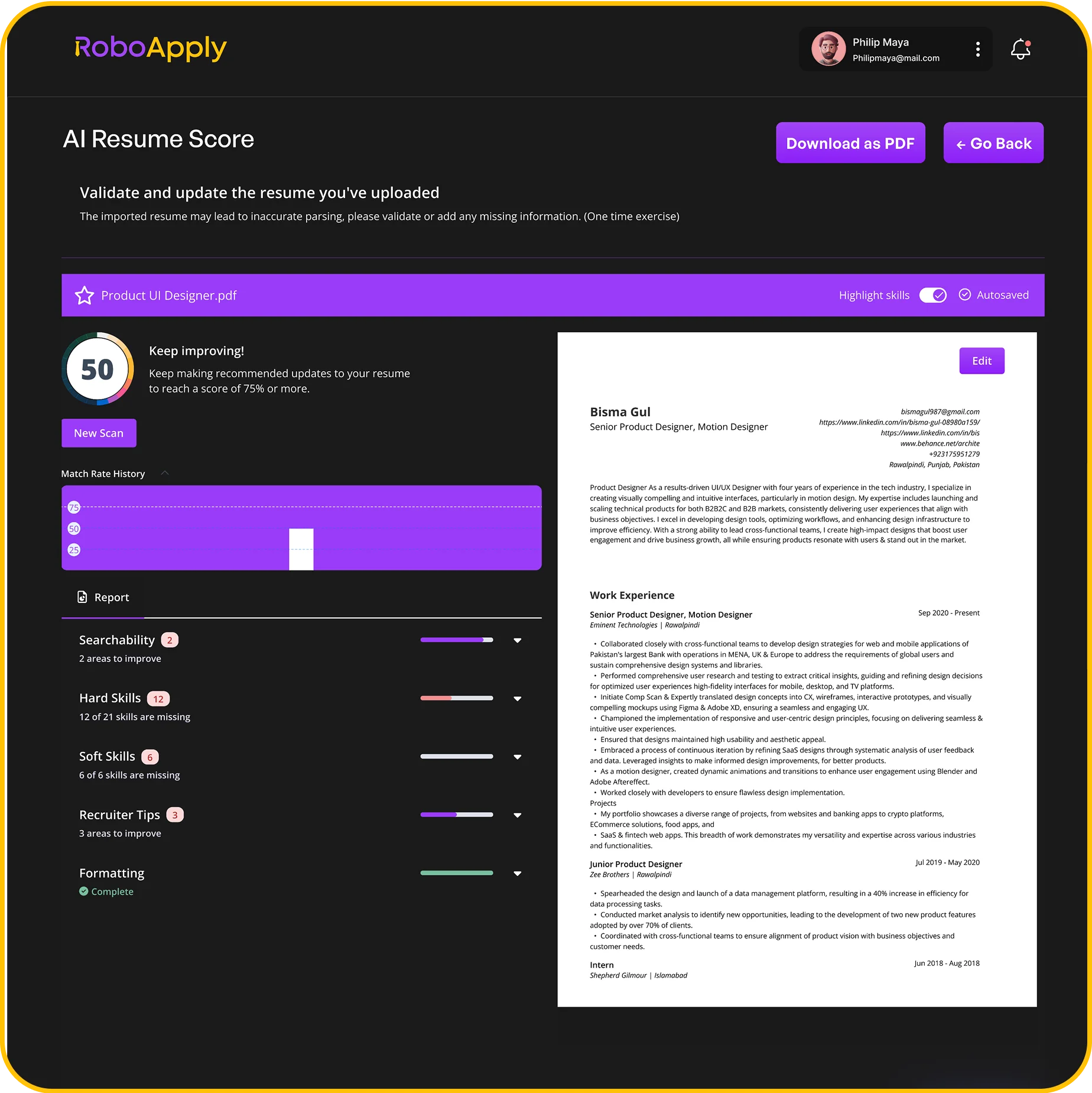
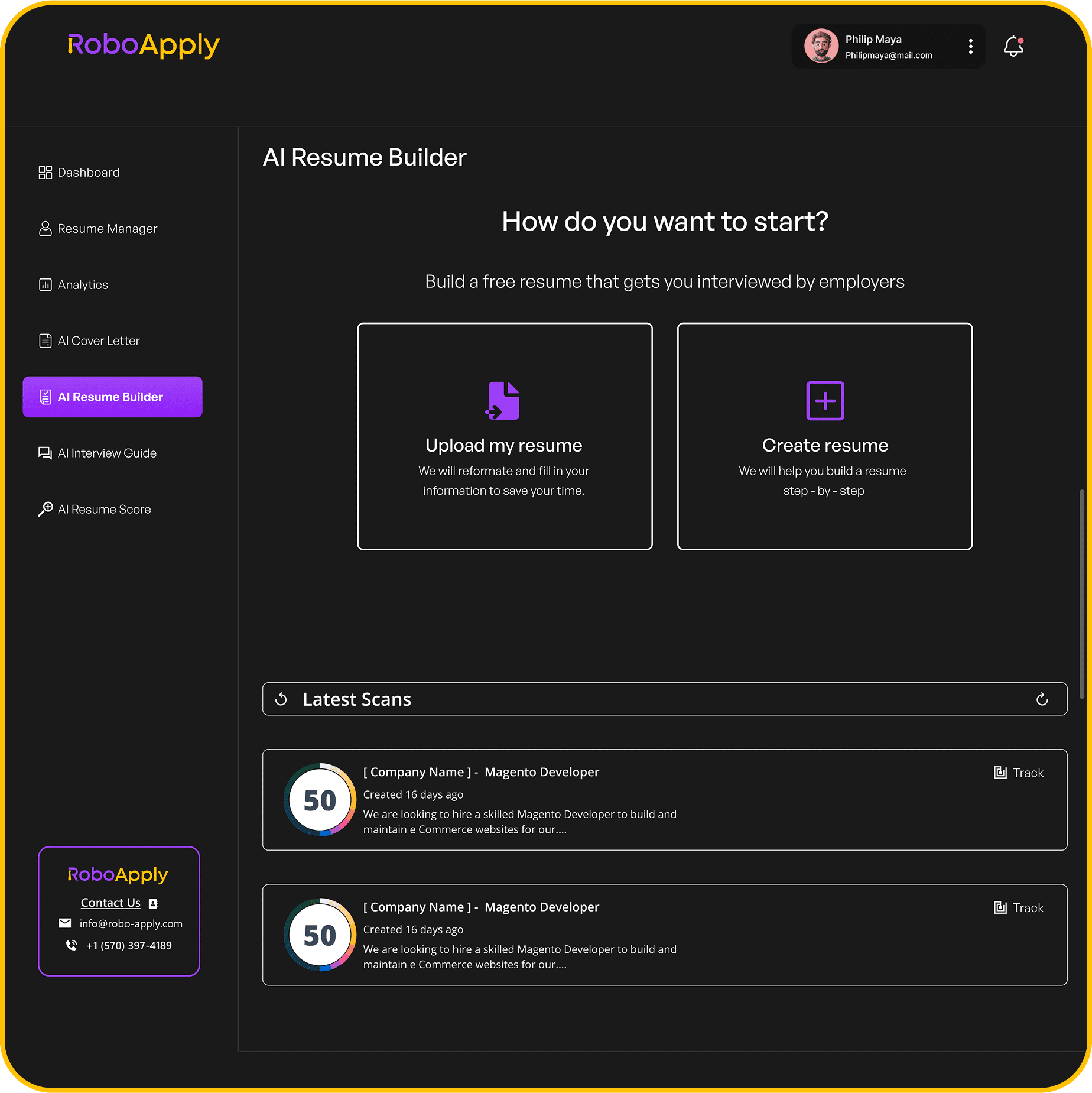
Different employers prioritize different cloud platforms and infrastructure technologies. RoboApply helps tailor resumes to better match job descriptions, increasing interview callbacks and improving application success rates.
Prepare Better for Interviews
RoboApply supports interview preparation by helping candidates understand infrastructure design scenarios, troubleshooting discussions, and cloud architecture questions.
Track and Optimize Your Job Search
Users can track submitted applications and monitor employer responses to refine their job search strategy over time.
Using Salary Data to Negotiate Better Offers
- Research before negotiating
Use experience-level and location-based salary data to define a realistic and competitive target range. - Show measurable impact
Demonstrate improved system uptime, successful infrastructure migrations, and performance optimization initiatives. - Look beyond base salary
Compensation often includes bonuses, certification reimbursements, equity, and remote flexibility. - Keep multiple options open
Applying to multiple roles increases leverage during salary negotiations.
Future Outlook for Systems Engineer Compensation
As organizations continue modernizing infrastructure and migrating to cloud-native environments, demand for skilled Systems Engineers remains strong. Professionals who combine traditional infrastructure knowledge with automation and cloud expertise are expected to see sustained earning potential in the US market.
Frequently Asked Questions
Is $129,840 a good salary for a Systems Engineer?
Yes, this is competitive compensation for mid-level systems engineering roles depending on specialization and industry.
Can Systems Engineers earn over $200,000?
Yes, senior Systems Engineers and infrastructure architects in large enterprises can exceed $200,000 annually.
Do certifications increase salary?
Yes, cloud and infrastructure certifications often increase earning potential when combined with hands-on experience.
Are remote Systems Engineer roles common?
Yes, many infrastructure roles are remote or hybrid.
Which industries pay Systems Engineers the most?
Technology, financial services, healthcare, defense, and enterprise SaaS companies typically offer higher salaries.
How long does it take to become a senior Systems Engineer?
It typically requires 6–10 years of progressive infrastructure and systems experience.
Is Systems Engineering a stable career in the US?
Yes, continued digital transformation ensures long-term demand.