The New York professional job search doesn’t give much margin for a mediocre process. Finance roles in Midtown pull candidates from across the tri-state area and well beyond. Tech positions in Hudson Yards and the Flatiron District compete on a near-global scale, even for hybrid roles. Healthcare systems throughout the five boroughs, Long Island, and Westchester stay consistently competitive, and media jobs in the city have always attracted far more applicants than there are openings. Being qualified gets you in the door of the process, but it doesn’t guarantee you’ll be seen before the position is filled.
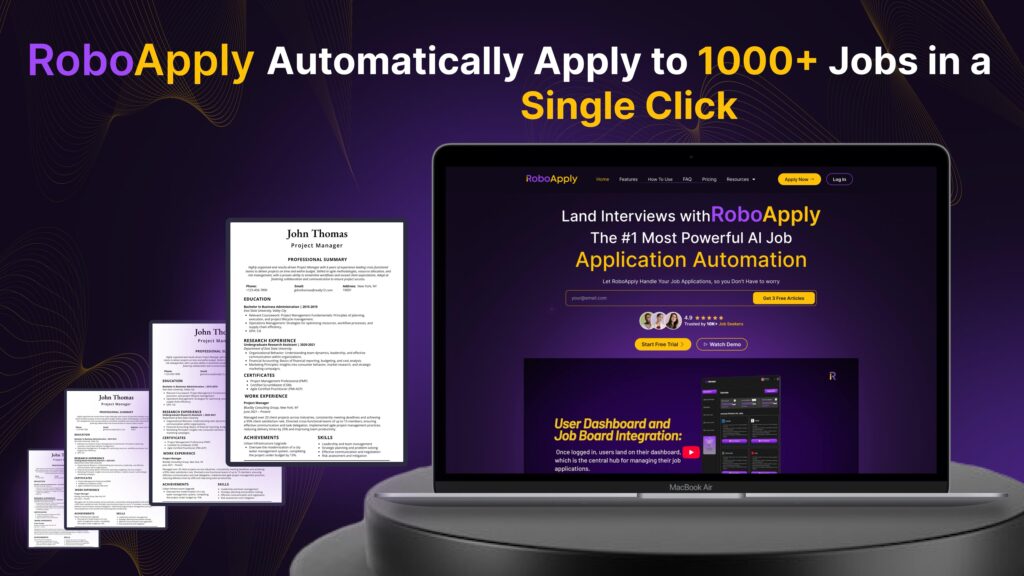
What separates the professionals landing roles quickly from those stuck in months-long searches isn’t usually credentials. It’s process. Tools like RoboApply AI Auto Apply are helping New York professionals run higher-volume, better-optimized searches without the time investment that manual applying demands, and the outcomes are showing up in faster interview timelines and more competitive offer situations.
Why Manual Job Searching Falls Apart in a Market Like New York
Competition in New York changes how the entire application process works, from the first submission to the final interview. When a product management role at a growth-stage company receives 400 applications within two days of posting, the question isn’t whether you’re qualified. It’s whether your resume clears the automated layer before any human sees it.
Research from Jobscan found that over 75% of resumes are filtered out by applicant tracking systems before a recruiter reviews them, typically because of keyword mismatches or formatting problems that have nothing to do with actual capability. For New York professionals applying across multiple sectors, or making a deliberate pivot from one industry to another, maintaining a separately optimized resume for each application type manually is a real and compounding time problem.
According to the National Bureau of Economic Research, candidates who run systematic, high-volume searches reach the offer stage faster and with stronger negotiating leverage than those applying sporadically. In a city where compensation for equivalent roles can vary by $30,000 or more depending on the company and how well you negotiate, that leverage difference translates directly into income.
A Five-Step Framework for New York Professionals Running a Serious Search
Getting traction in the New York job market requires more than persistence. It requires a process that generates consistent output at every stage and improves over time based on what the data shows. These five steps, run together as a coordinated workflow, are what that process looks like in practice.
Step 1: Optimize Your Resume for the ATS Systems New York Employers Use
New York employers in competitive sectors use sophisticated ATS platforms, and the scoring criteria are calibrated for industry-specific vocabulary. A finance resume that describes experience one way may need to use different language entirely to score well at a different firm, even when the underlying work is identical. This isn’t a flaw in the system. It’s how keyword-based screening works at scale.
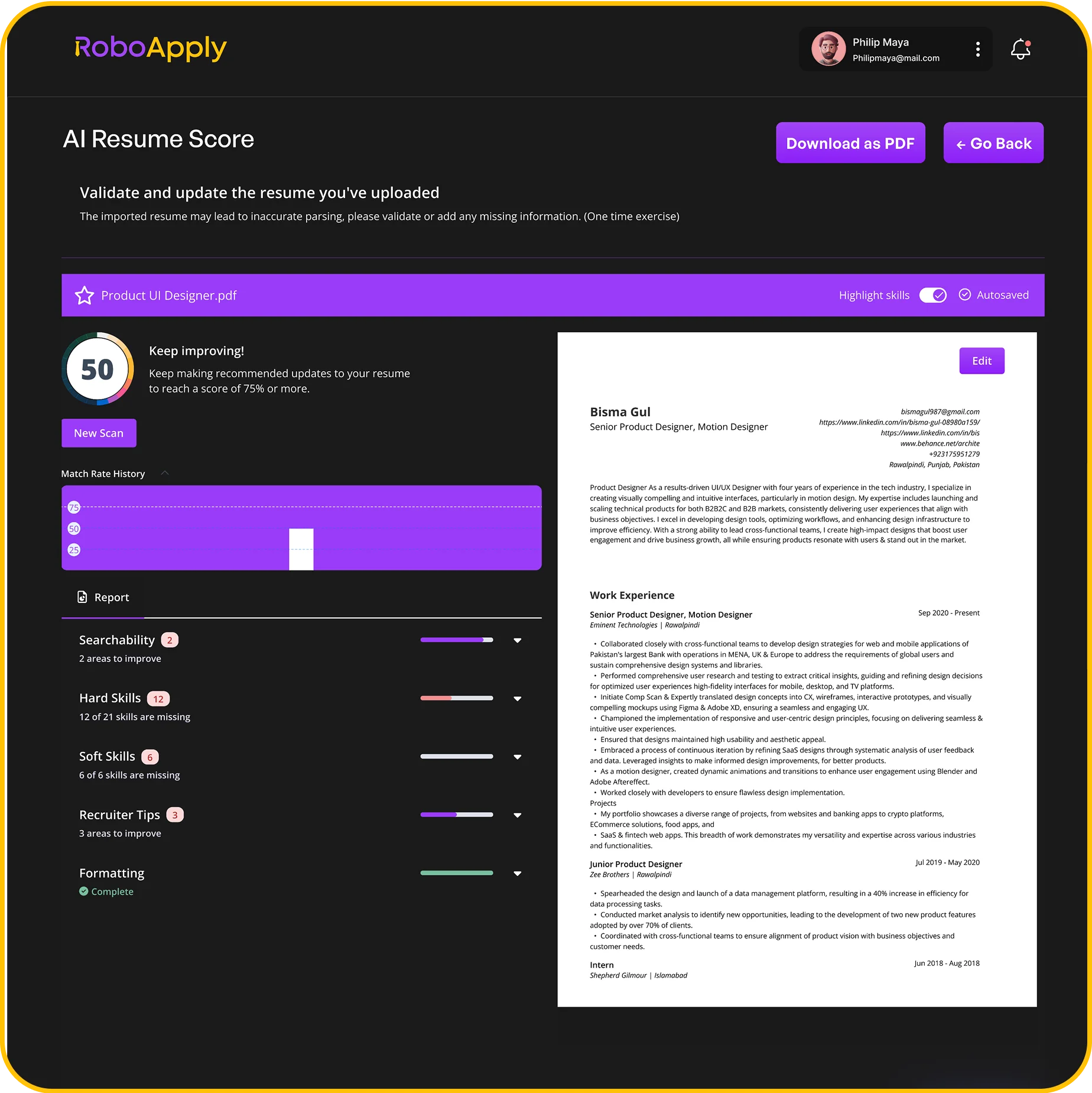
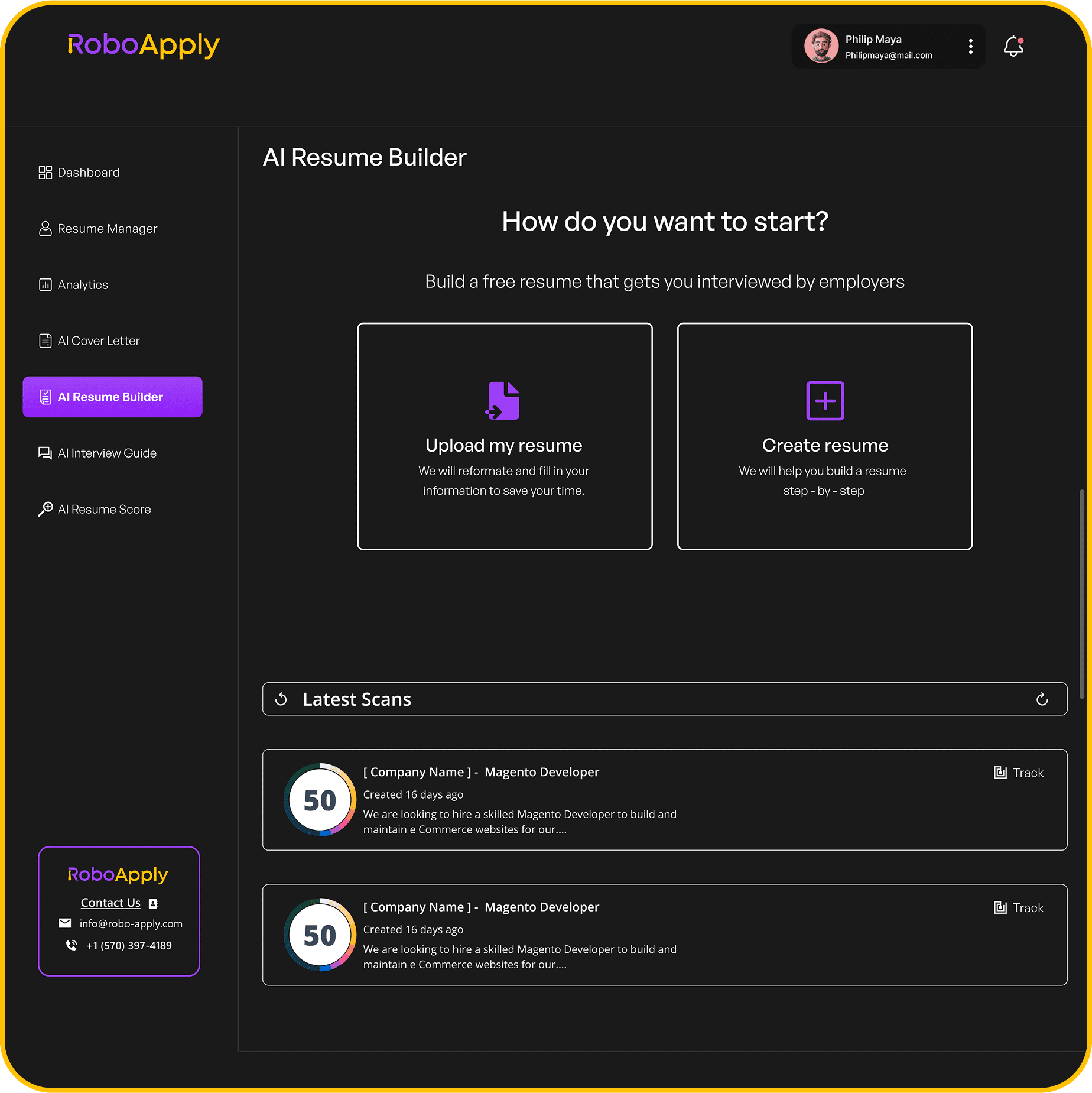
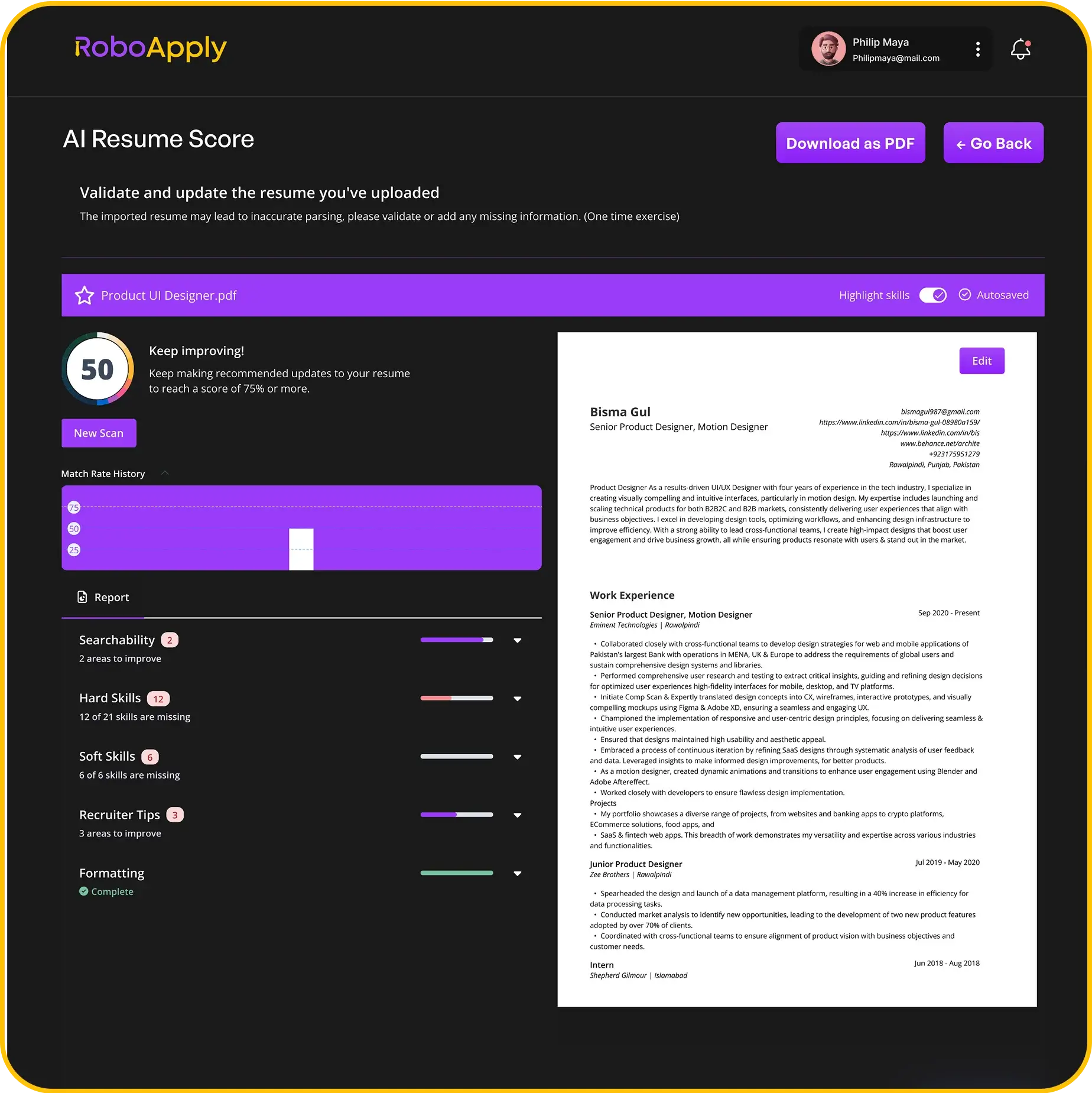
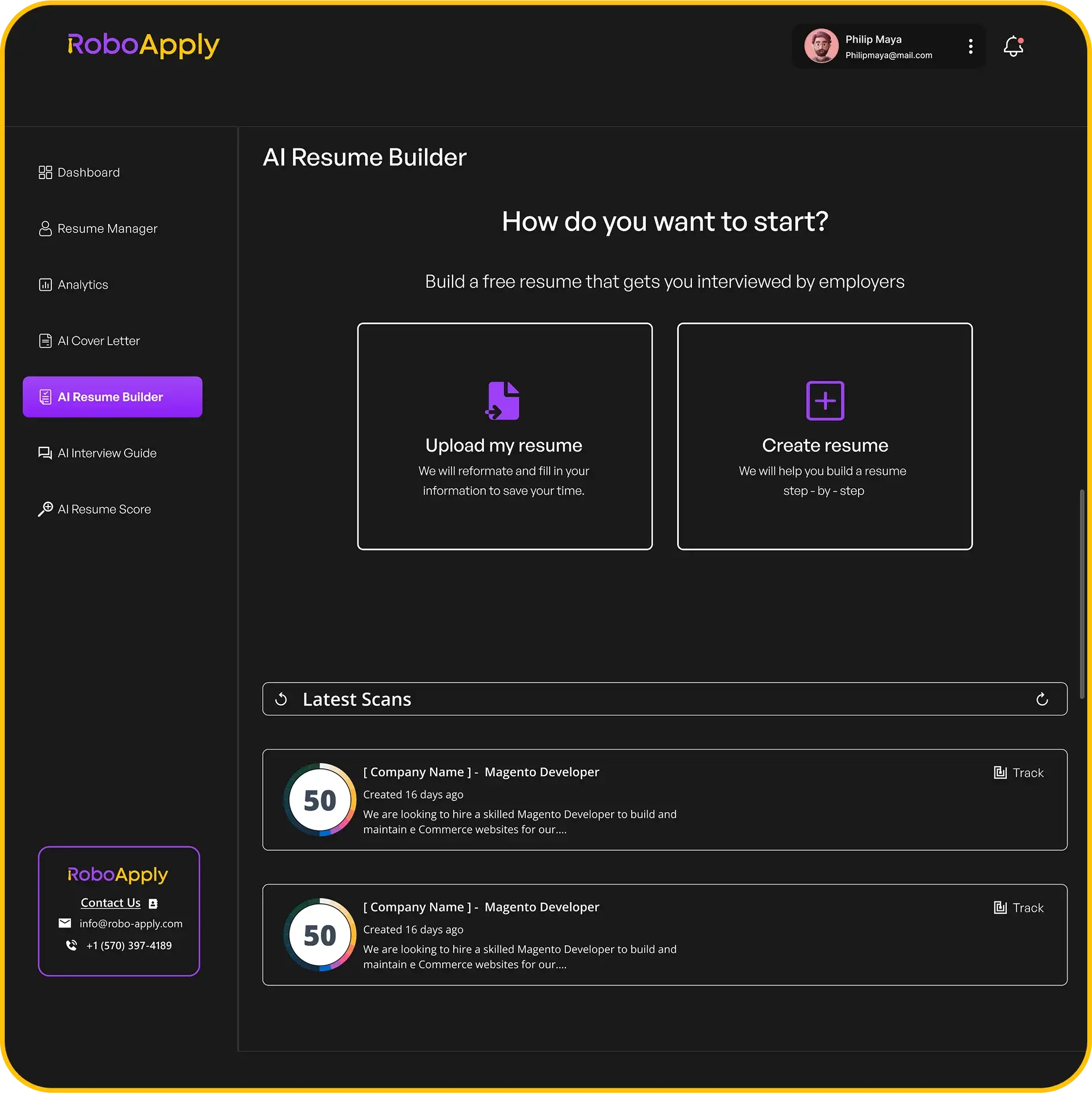
AI resume tools address this by reading the target job description and rewriting the relevant sections of your resume to reflect the employer’s specific language and competency framing. Your experience doesn’t change. The way it’s described adapts to what each system is screening for, and that adaptation is what gets your resume past the filter that eliminates most of the competition before anyone reads a word.
Step 2: Automate Job Discovery So You Stop Missing Opportunities
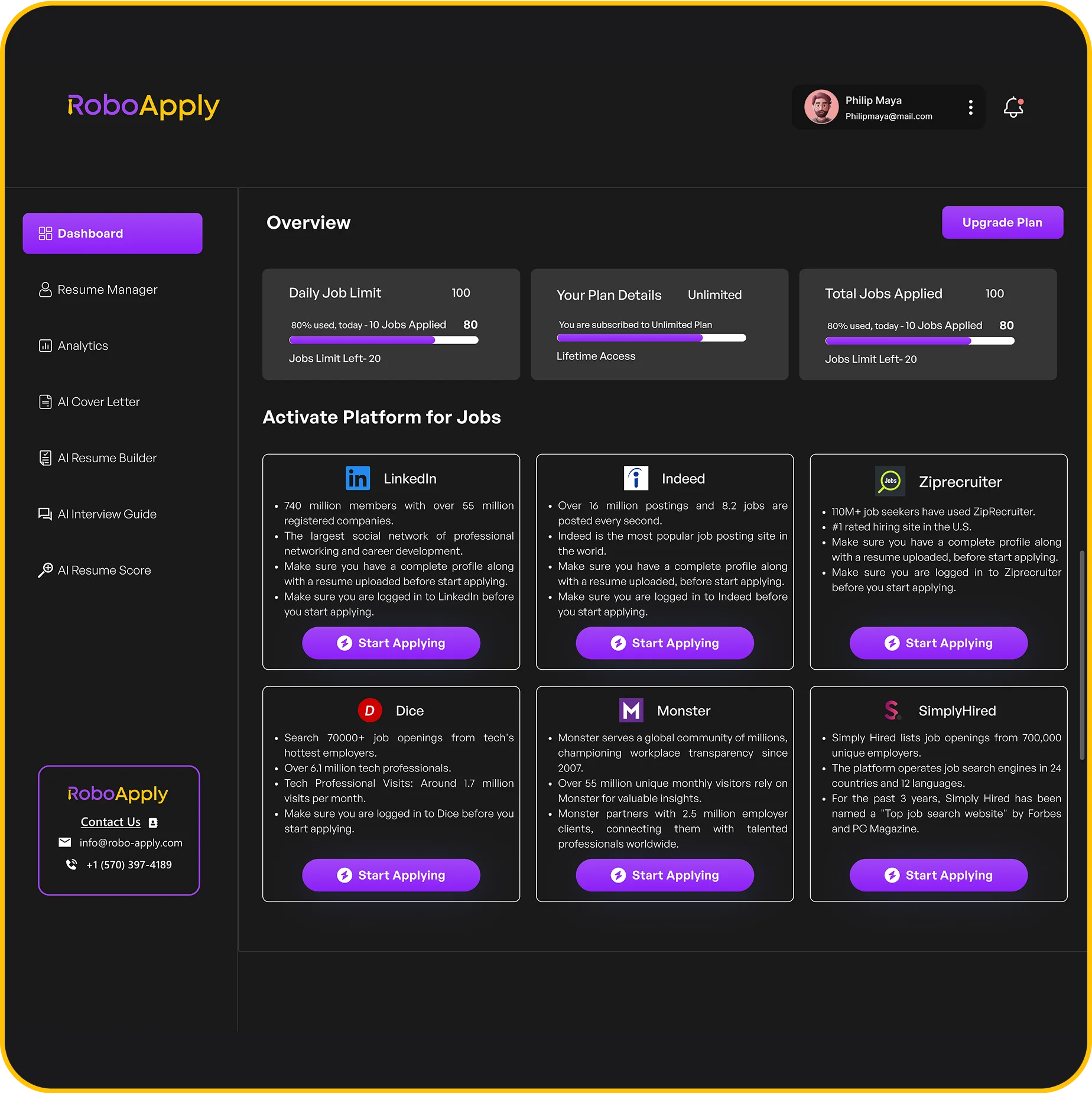
New York postings go up across LinkedIn, Indeed, ZipRecruiter, Dice, Monster, Simply Hired, and industry-specific boards throughout the day, and the most desirable roles often fill before most candidates notice they exist. AI job discovery tools solve this by monitoring all connected platforms continuously based on your configured preferences, surfacing new matches as they post rather than waiting for your next manual check.
The configuration step determines how well this works in practice. A few choices that consistently improve match quality for New York-area searches:
- Use two to four specific job titles rather than a broad category, since title conventions vary considerably across New York’s industries and company sizes
- Define geographic range precisely, whether that’s Manhattan, the full five boroughs, or tri-state with remote options included, since geographic precision filters out listings you wouldn’t pursue
- Set a salary floor that reflects current New York market rates for your experience level so your pipeline stays focused on roles that can deliver your target compensation
- Flag remote-eligible postings separately if you’re open to them, since that expands the relevant search significantly without adding commute burden

Step 3: Apply at Scale Without Sacrificing Per-Application Quality
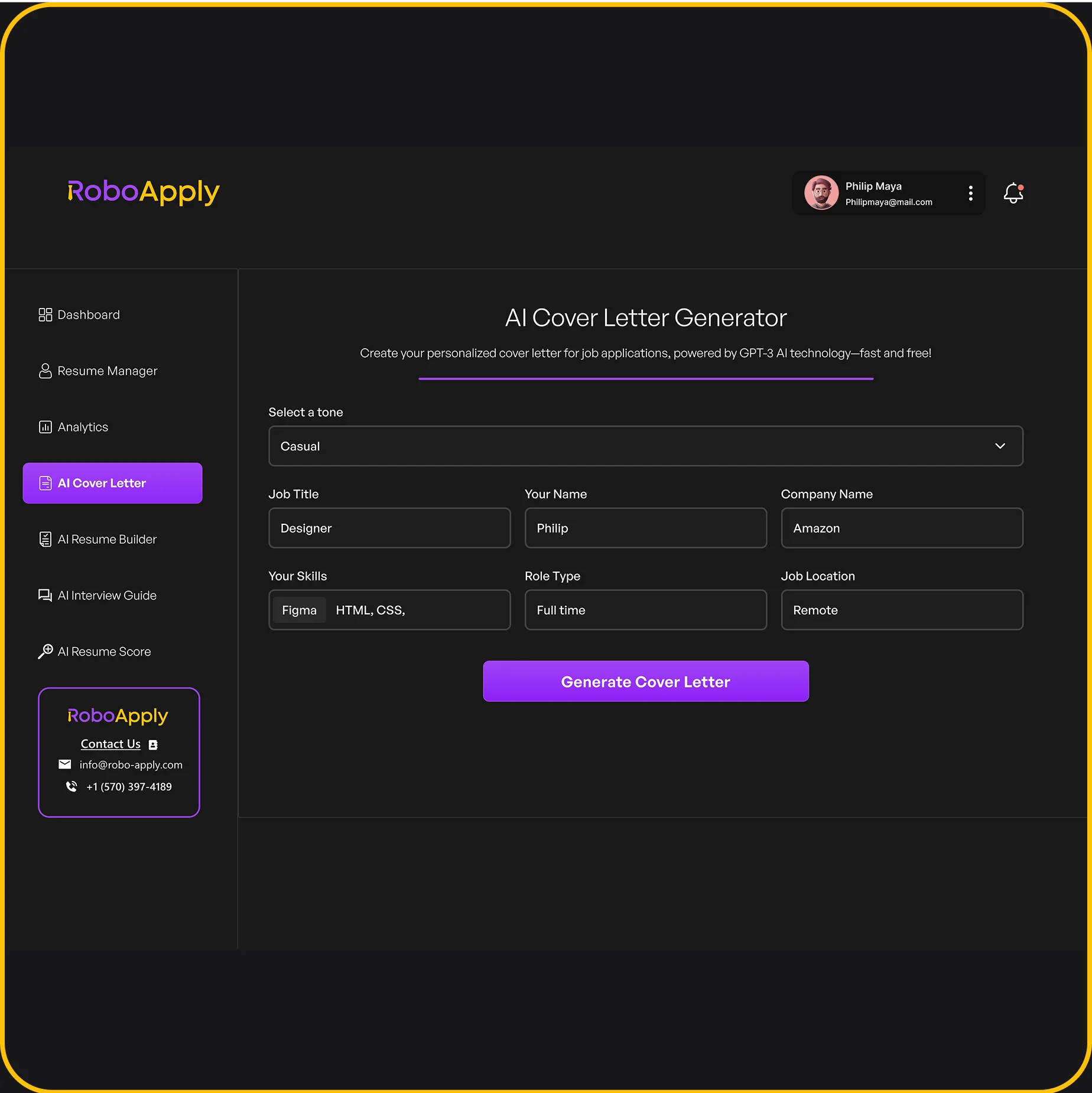
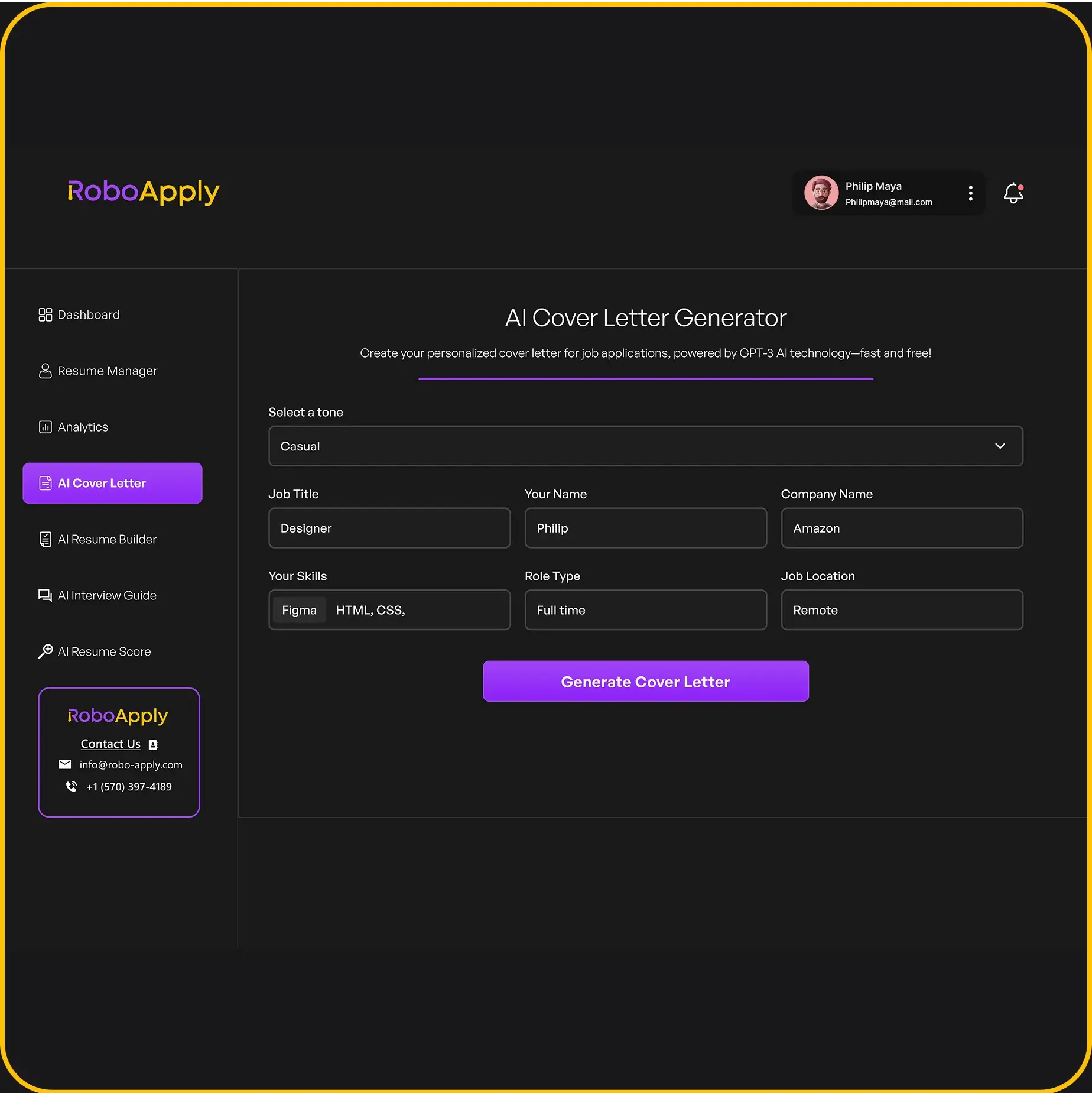
This is where a systematic approach changes the competitive picture most visibly. Instead of spending 30 to 40 minutes per application on form-filling, cover letter writing, and platform navigation, AI auto-apply platforms read each job description, customize your resume and cover letter for that specific role, and submit the complete application without manual input. Every submission reflects the employer’s stated priorities rather than a generic document sent everywhere.
A 2023 study from MIT’s Work of the Future initiative found that candidates using AI-assisted job search tools reported significantly higher application-to-interview conversion rates than those applying manually, with volume and per-application relevance working together to produce that outcome. For a New York professional targeting 60 to 100 weekly applications across finance, consulting, technology, or media, that combination is what builds a real pipeline.
Step 4: Track and Adjust Based on What Your Data Shows
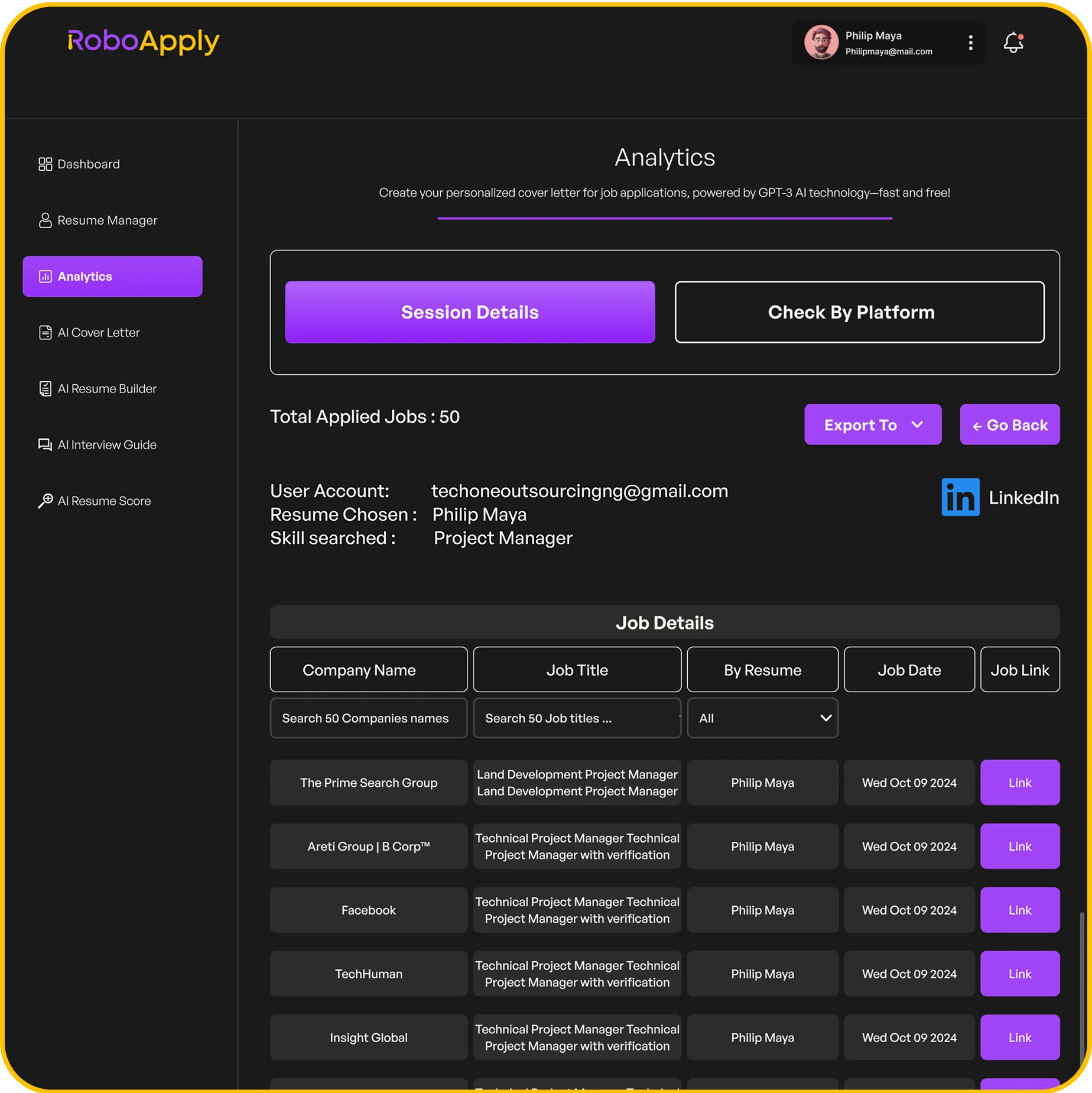
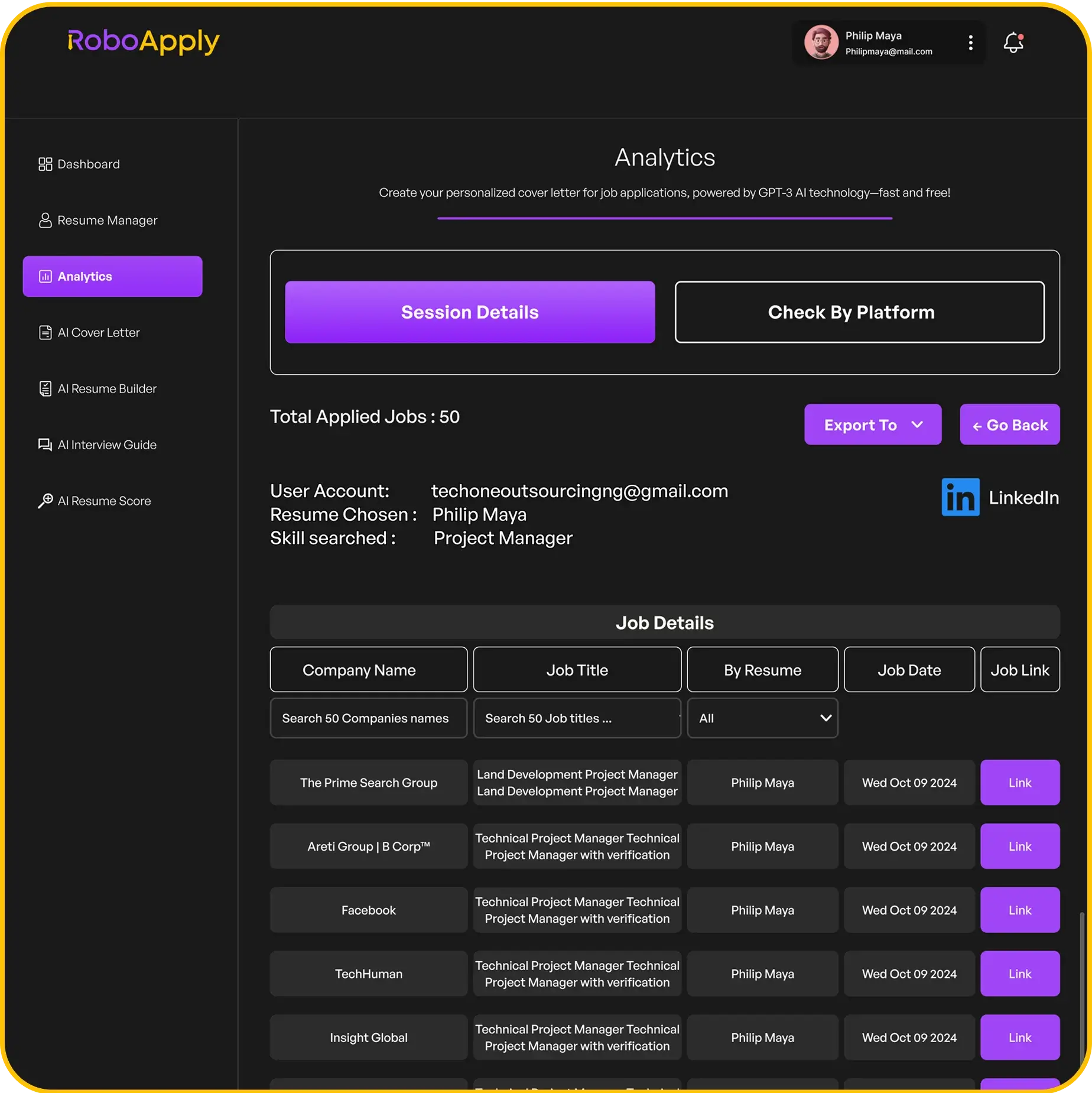
The New York job market produces signal quickly enough that weekly tracking reviews can meaningfully improve your search within a few cycles. Most AI platforms surface response rates by job title, industry, and platform automatically, and paying attention to those patterns is where a good search becomes a great one.
A focused weekly review should look at which job titles are generating the most callbacks, which suggests your resume framing is working well for that role type, which platforms are outperforming for your specific background in the New York market, and which applications have gone seven to ten days without a response and deserve a brief professional follow-up. That follow-up habit, even just a short and direct message, keeps you visible to hiring managers managing high inbound volumes where strong candidates can easily get lost in a full inbox.
Step 5: Prepare Specifically for Every Interview the Process Generates
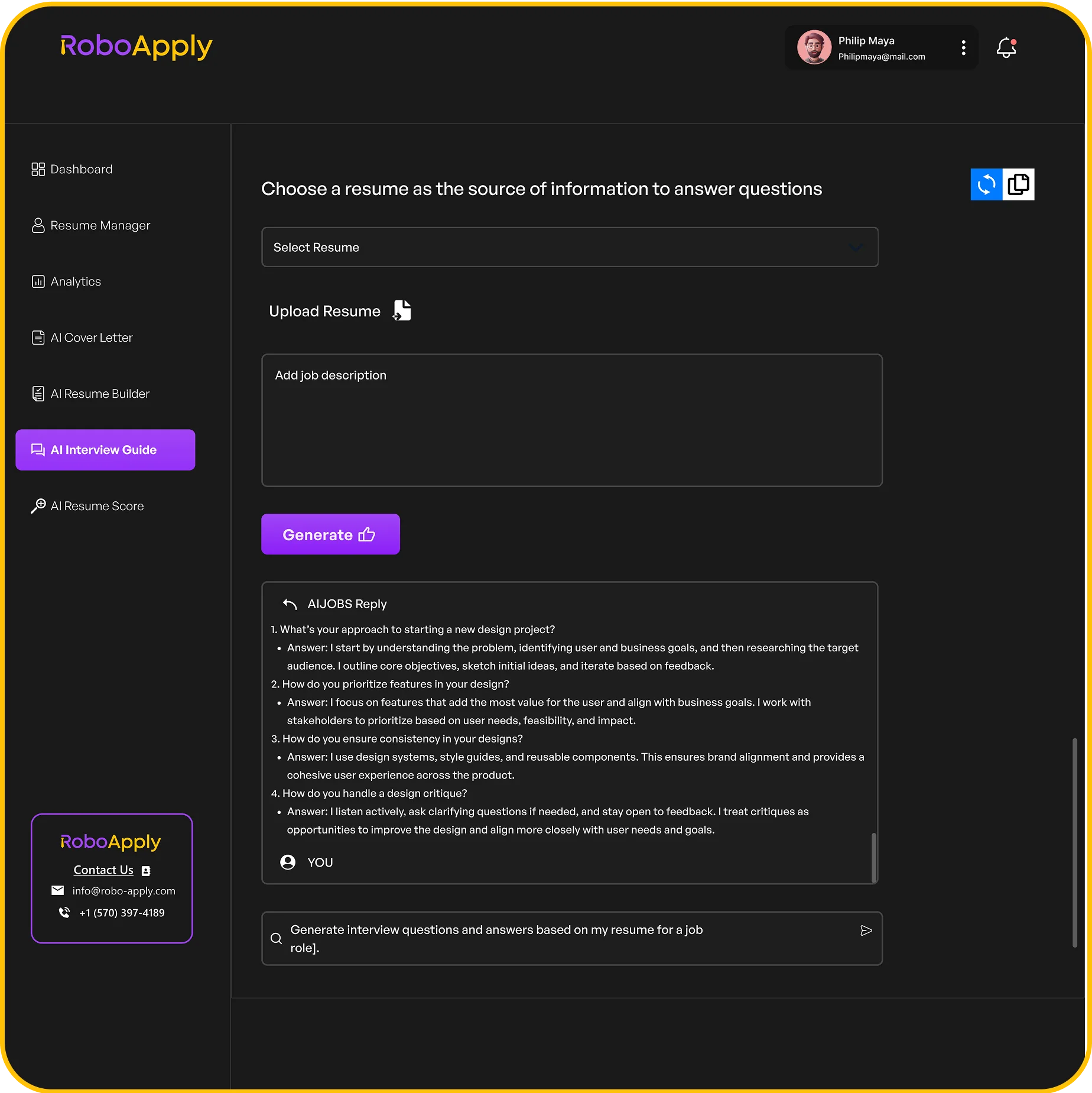
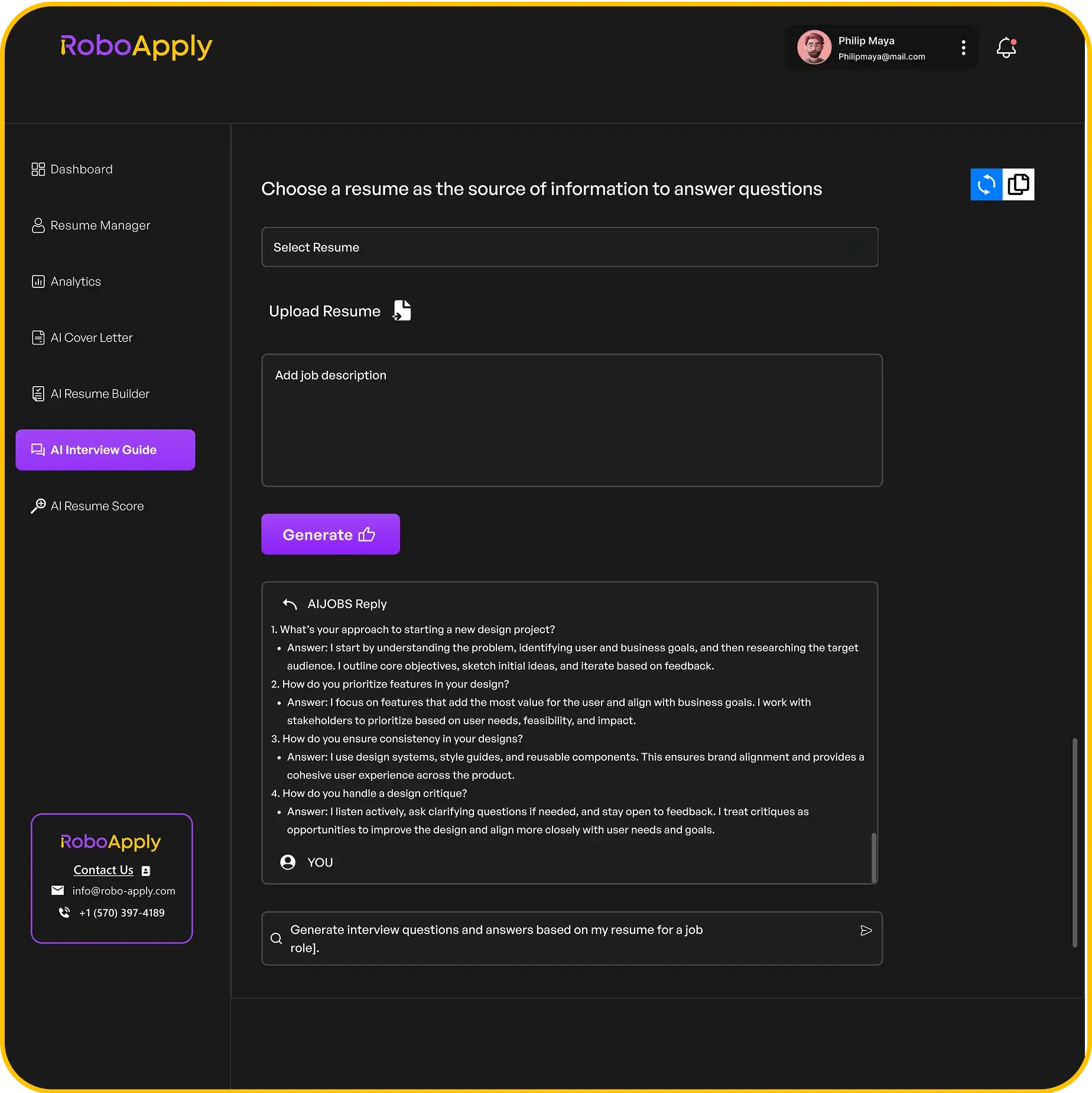
New York interviews in competitive roles move fast and expect candidates to be sharp from the very first conversation. A recruiter screen at a major financial institution or a product interview at a Brooklyn-based startup doesn’t leave room for generic preparation. AI interview preparation tools generate role-specific practice questions drawn from the actual job description and your background, evaluate your responses, and give feedback on clarity and delivery before the real conversation happens.
Research published in Harvard Business Review found that structured preparation produces meaningfully better interview outcomes than unstructured self-review. A Gallup workplace study reinforced that professionals who approach high-stakes career decisions with systematic strategies consistently outperform those who rely on intuition alone. In a market as competitive as New York, preparation at each stage is what turns a strong pipeline into the offer you were after.
Frequently Asked Questions
How do AI job search tools help New York professionals compete in high-volume markets?
They customize each resume and cover letter to match the specific job description, improving ATS pass-through rates in a market where hundreds of candidates compete for every posting.
How many applications per week should a New York professional target using AI automation?
Most professionals running 60 or more targeted applications weekly start seeing consistent interview activity within two to three weeks of sustained effort.
Does AI job search automation work equally well across finance, tech, and media sectors in New York?
Yes. AI tools read any job description and customize applications for finance, technology, media, healthcare, and other New York industries with equal effectiveness.
Will automated submissions get flagged or blocked by platforms like LinkedIn or Indeed?
Reputable platforms submit in compliance with job board terms of service using methods that avoid triggering spam or security filters on major platforms.
What’s the most important preparation step before activating any AI automation?
A complete, specific base resume with quantified accomplishments and named competencies. Every customized version the AI generates depends on the quality of that foundation.