


The Best Job Application Tool changes everything about how you search for jobs. You know that feeling when you’ve spent your entire Saturday applying to jobs? Three hours straight. Copy-pasting the same information into 15 different application forms. Writing cover letters that all start blending together. Your eyes hurt. Your brain is fried. You applied to maybe 12 positions.
Here’s the frustrating part. Most of those applications will never get seen by a real person. They’ll get filtered out by software before a human even glances at them. All that work for nothing.
Job application tools exist to fix this exact problem. They automate the mind-numbing parts so you can focus on things that actually matter. Like preparing for interviews. Building your network. Researching companies you actually want to work for. But here’s the catch: not all tools work the same way. Some are basically fancy spreadsheets. Others actually apply to jobs for you. The results you get vary wildly.
What Separates Tools That Work from Ones That Don’t
A job application tool needs to solve actual problems you’re dealing with right now. The good ones handle three main things without screwing any of them up. Application automation that doesn’t produce garbage. Resume optimization that gets past those annoying ATS systems. Tracking that actually keeps you organized instead of adding more chaos.
Application automation is where you save the most time. Filling out job applications manually is absolutely brutal. Every company wants the same information formatted slightly differently. Previous employer. Job title. Start date. End date. Supervisor name. Responsibilities. Over and over. Sometimes you’re entering this stuff 20 times a day.
Tools that work pre-fill all this information automatically. They know your work history. They fill in the blanks. You just review and submit. Takes you from 30 minutes per application down to maybe 3 minutes.
Resume optimization matters way more than people think. Research from Jobscan shows about 75% of resumes never make it to human reviewers. Applicant tracking systems kill them first. The software scans for specific keywords and formatting. Miss what it’s looking for and you’re done. Doesn’t matter how qualified you are.
Good tools adjust your resume for each job automatically. They read the job description. Figure out what keywords matter. Restructure your resume to highlight relevant experience. All without making it obvious you used automation. According to TopResume, optimized resumes get past ATS filters 3x more often than generic ones.
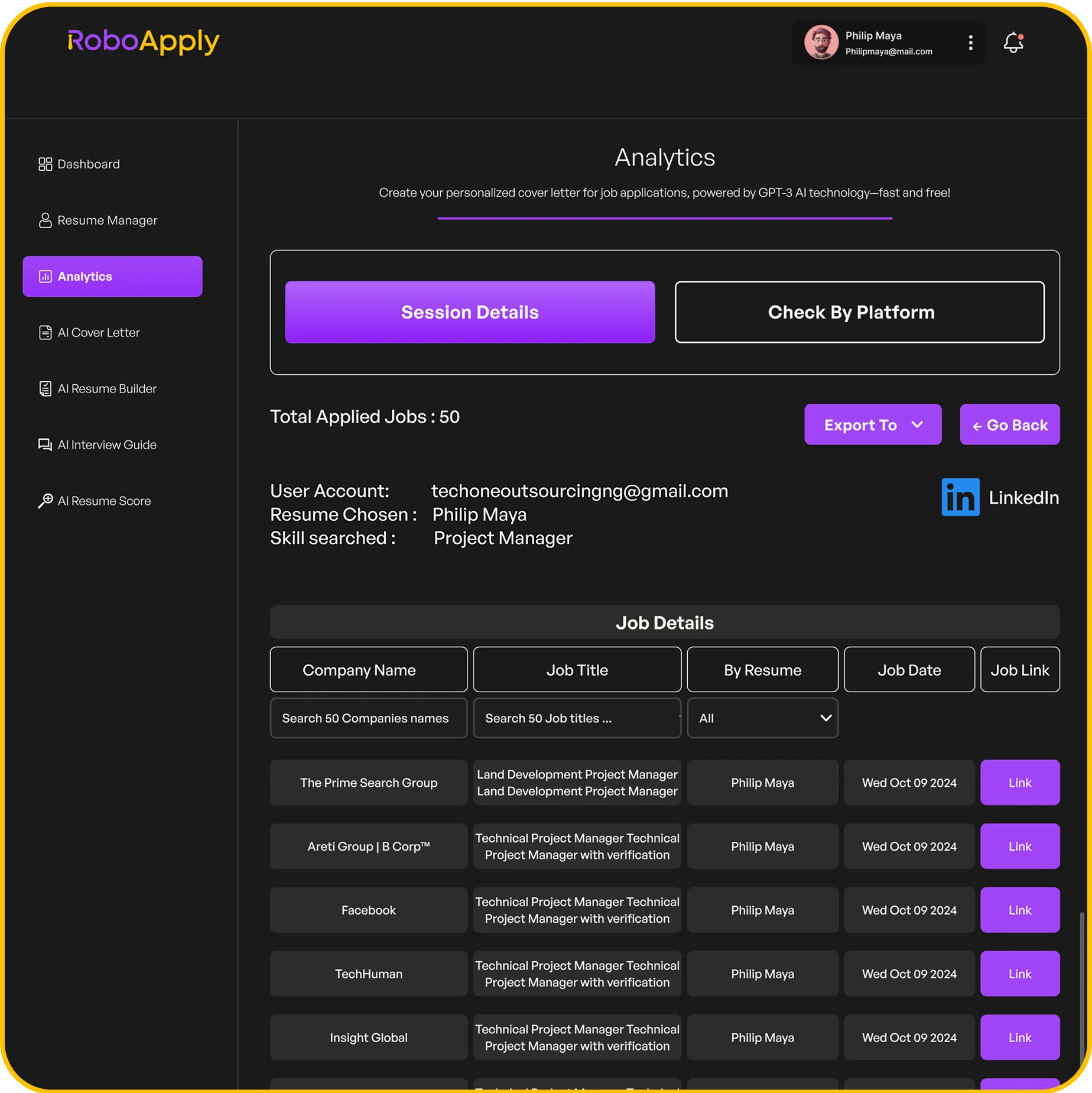
Application tracking keeps you sane when you’re applying to 50+ positions. You can’t remember where you applied three weeks ago. Which companies responded. Which ones ghosted you. When you’re supposed to follow up. Good tracking systems show you everything at a glance. No more digging through email trying to remember if you applied to that marketing role at that tech company or was it a different company.
Features That Actually Make a Difference in Your Results
Tons of tools exist out there. They all claim to revolutionize your job search. Most of them are garbage. Here’s what actually matters when you’re evaluating options.
Resume Customization That Isn’t Obvious
Your resume can’t be the same for every job. That’s application suicide. Generic resumes get rejected instantly by ATS systems. But writing a new resume for every position is completely unrealistic.
Strong tools analyze each job description thoroughly. They figure out which of your skills and experiences matter most for that specific role. Then they restructure your resume to emphasize those things. Marketing role? Your campaign management experience goes front and center. Engineering position? Your technical skills and projects get highlighted.
Weak tools just swap a few keywords here and there. Doesn’t work. The good ones actually reorganize sections. Change the order of bullet points. Adjust language to match how the company talks. All while keeping everything truthful and making it sound natural.
Auto-Apply That Actually Submits Complete Applications
Real auto-apply features do the whole application for you. Not just clicking easy-apply on LinkedIn. Full applications with every question answered. Documents attached. Everything submitted properly.
This is where you get massive time savings. The system finds jobs matching your criteria. Customizes your resume and cover letter for each one. Fills in all the application fields. Submits everything. You can apply to 50 jobs overnight while you’re sleeping.
Fake auto-apply just sends you alerts about job openings. You still do all the work manually. That’s not automation. That’s basically a more annoying version of job board email alerts you already get.
Cover Letters That Don’t Sound Like a Robot Wrote Them
Cover letters still matter despite what people say. About 40% of hiring managers won’t even look at your application without one. But writing unique letters for 50 applications? Nobody has time for that.
Tools worth using generate personalized cover letters that actually sound human. They analyze the job description. Pull relevant stuff from your background. Write naturally using varied sentence structure. Each letter feels custom even though it’s automated.
Bad tools produce obvious templates. “I am writing to express my strong interest in the [POSITION] at [COMPANY].” Hiring managers spot these in two seconds. Instant trash.
Interview Prep That Prepares You for Real Conversations
Getting interviews means nothing if you bomb them. The best job application tools help you prepare for the conversations you’ll have.
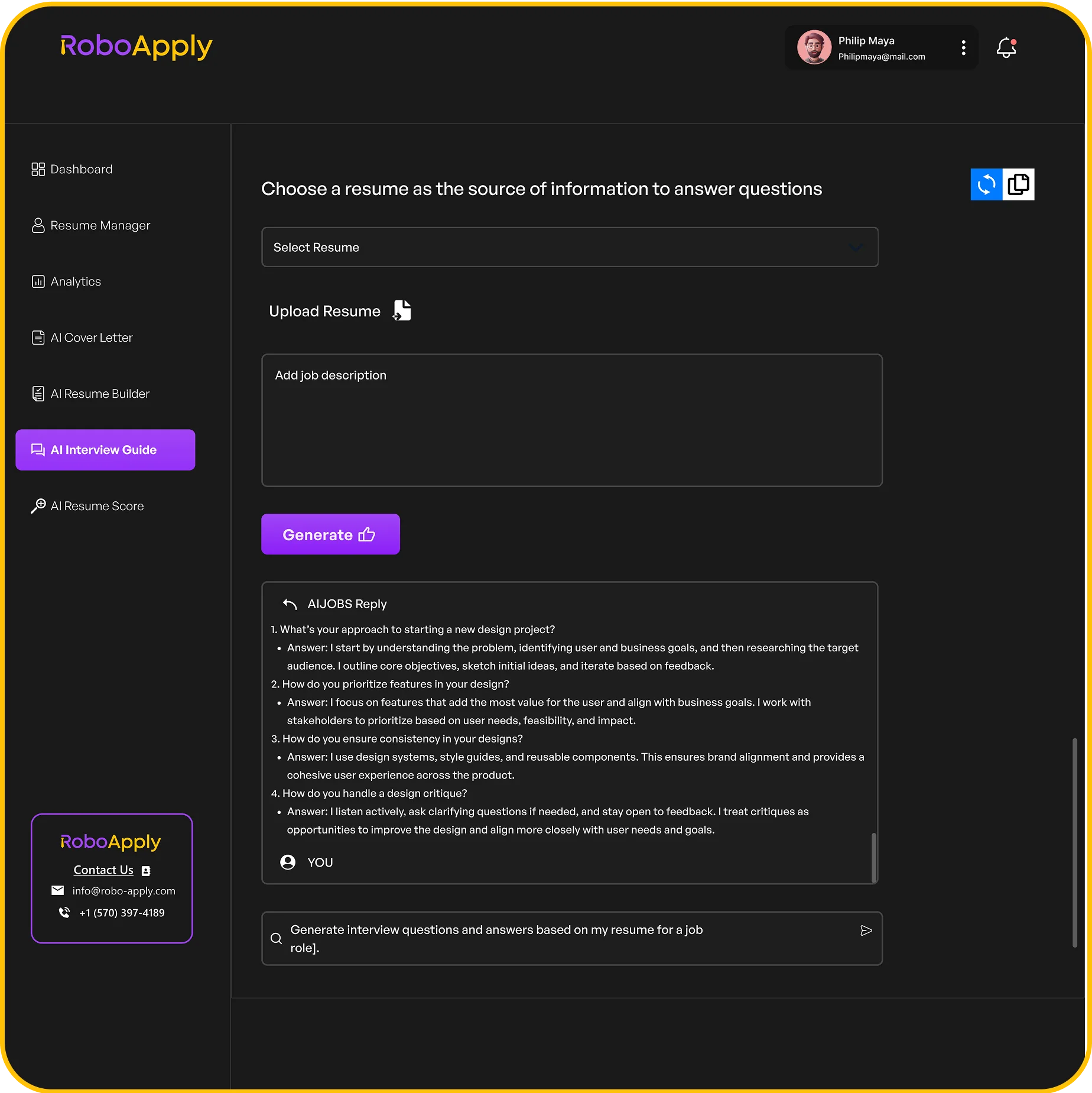
They generate likely questions based on the specific role and company. Provide sample answers you can adapt. Some even offer real-time support during actual interviews through earpiece technology or second-screen displays. Harvard Business Review research shows prepared candidates perform 40% better in interviews than unprepared ones.
This separates tools focused on getting you hired from ones that just get applications submitted. Activity doesn’t equal results. Interviews and offers do.

How to Tell Which Tools Are Legit vs Which Are Scams
Dozens of companies claim their tool will revolutionize your job search. Most don’t deliver. Here’s how you separate real options from hot garbage.
Testing their ATS optimization should be your first step. Upload your resume plus a job description. See what the tool produces. Does it read naturally or scream “I used automation”? Does it actually match the job requirements? Run the result through an ATS checker like Jobscan to see if it passes.
Check application volume capabilities thoroughly. Can it handle 10 applications daily? 50? 100? What’s the real limit? More importantly, does quality tank as volume increases? Some tools sacrifice quality for speed. You need both working together.
The user interface matters more than you’d think. You’ll use this tool every single day. Clunky interfaces waste time and piss you off. Good tools feel intuitive from the start. You figure out features without reading documentation. Everything just makes sense. Navigation flows logically.
Look for concrete results data instead of vague testimonials. How many users actually got interviews? What’s the average time to first interview? How many total job offers resulted? Random quotes like “this tool changed my life” mean absolutely nothing. Show me numbers or shut up.
Examine job board integrations carefully. Does it work with LinkedIn, Indeed, ZipRecruiter, Monster, and other platforms you use? Limited integrations restrict where you can apply. You want access to as many opportunities as possible without needing multiple tools.
Review pricing models with a calculator in hand. Some charge per application. Others offer unlimited for flat monthly fees. Do the math based on how many jobs you plan to apply to. Per-application pricing gets expensive incredibly fast. Monthly subscriptions usually offer better value for serious job seekers applying to 50+ positions.
Problems Any Decent Tool Should Actually Solve
Effective tools tackle specific pain points you’re experiencing right now in your job search. If a tool doesn’t address these problems, it’s not worth your money or time.
Time consumption absolutely destroys job searches. Manual applications eat 30 to 45 minutes each when you factor in finding the job, reading the description, customizing your resume, writing a cover letter, and filling out the application. Apply to 50 jobs manually and you just burned 25+ hours. That’s insane. Tools should cut this dramatically to under 5 hours for 50 applications.
Generic applications get ignored instantly. Sending identical resumes and cover letters everywhere tanks your response rate down to maybe 2% or 3%. Tools need to customize automatically so each application feels specific to that job and company. This should happen without you doing extra work.
ATS systems reject perfectly qualified candidates constantly. You might be ideal for a role but your resume doesn’t pass the software filters. Tools should optimize for ATS automatically so your applications actually reach human reviewers who can appreciate your qualifications.
Organization becomes literally impossible at scale. Apply to 100+ jobs and tracking everything manually becomes a complete nightmare. Where did you apply? When? What was the position called? Did they respond? Did you follow up? Tools need tracking that keeps you organized without any effort on your part.
Follow-ups get forgotten despite their importance. According to Indeed research, following up increases response rates by about 30%. But remembering when to follow up with which company is basically impossible when you’re applying everywhere. Tools should automate reminder systems so opportunities don’t slip away.
What Sets the Best Option Apart from Average Tools
Lots of job application tools offer similar basic features. What makes one actually better than the others? These differentiators produce noticeably better results in real-world use.
Speed without sacrificing quality separates winners from losers. Some tools blast out applications fast but produce obvious garbage. Others maintain quality but work painfully slow. You need both happening simultaneously. Fast submission with genuine customization for each position.
Platform integration breadth matters enormously. The best tool works seamlessly across all major job boards. LinkedIn, Indeed, ZipRecruiter, Glassdoor, Monster, company career pages. Everywhere you need to apply. Limited integrations force manual applications on certain sites. That completely defeats the purpose.
Intelligence level in customization makes the real difference. Weak systems just do basic keyword matching. Strong ones understand context, restructure content logically, and produce genuinely unique applications. The output should be indistinguishable from what you’d create manually if you had unlimited time.
Focus on actual outcomes shows what developers care about. Are they optimizing for application volume or real interviews? Best tools track your entire funnel from application to interview to offer. They optimize for outcomes that matter, not vanity metrics that sound impressive but mean nothing.
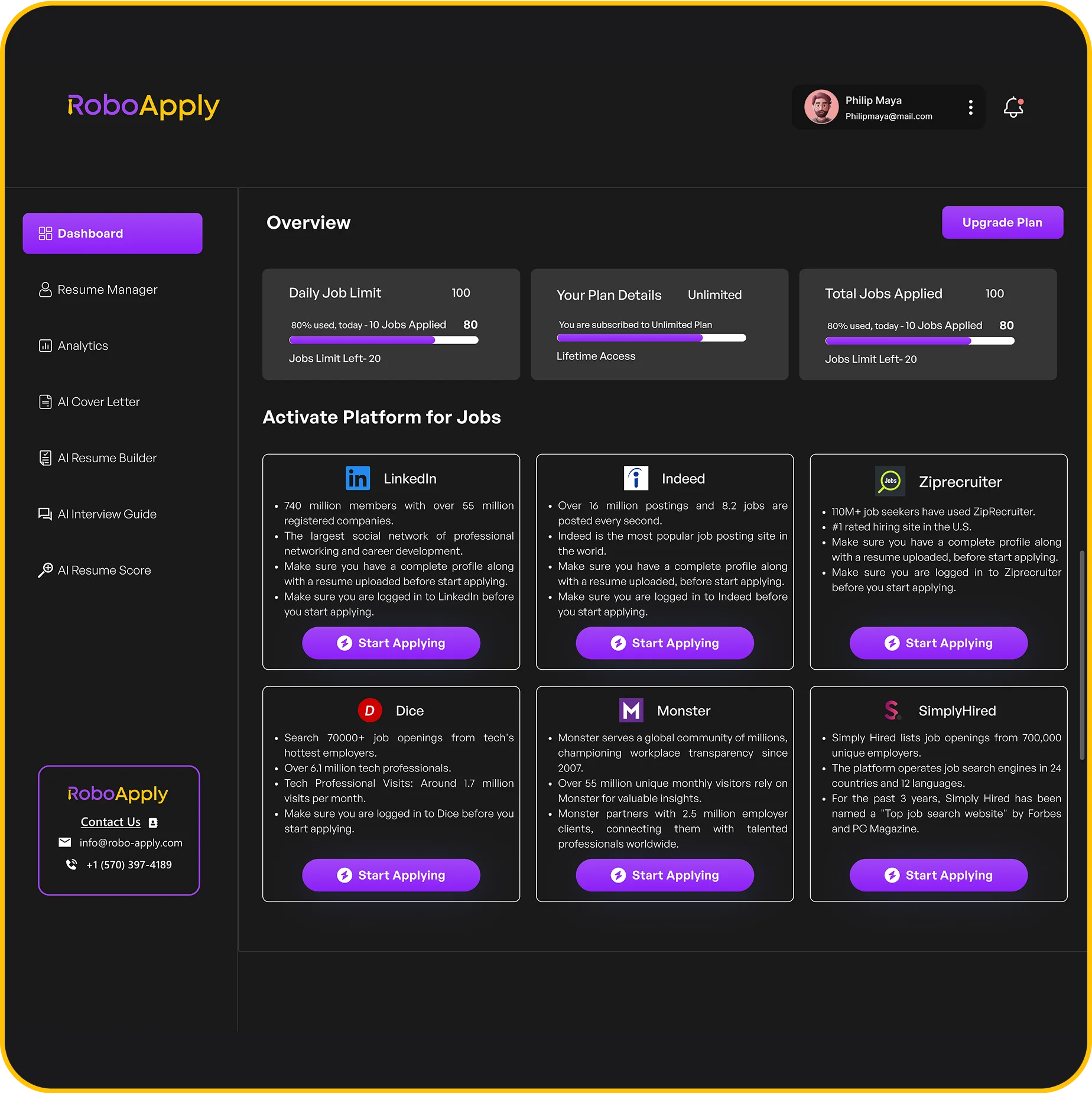
Here’s where things get specific. RoboApply handles everything mentioned above in one integrated system. The platform applies to hundreds of jobs automatically while keeping quality high. Each application gets properly customized based on specific job requirements.
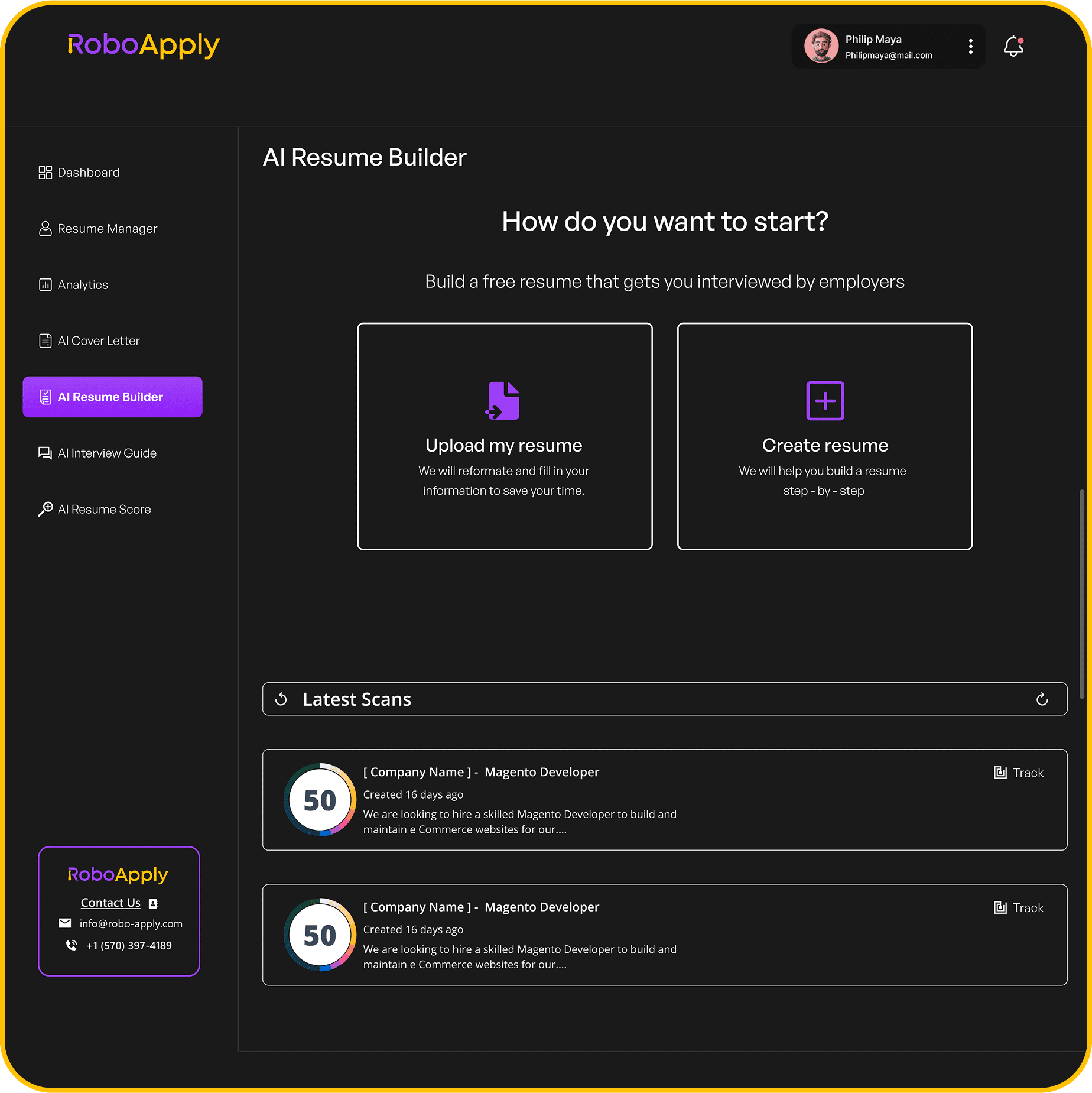
The resume builder restructures your resume for each position intelligently. It reads job descriptions thoroughly, identifies key requirements, and emphasizes your most relevant experience naturally. Results pass ATS filters and appeal to human reviewers.
Auto Apply functionality submits applications across LinkedIn, Indeed, and other platforms while you sleep. Set your preferences once. The system finds matching jobs, customizes your materials, and submits everything. Apply to 100+ positions in the time manual work takes for 5.
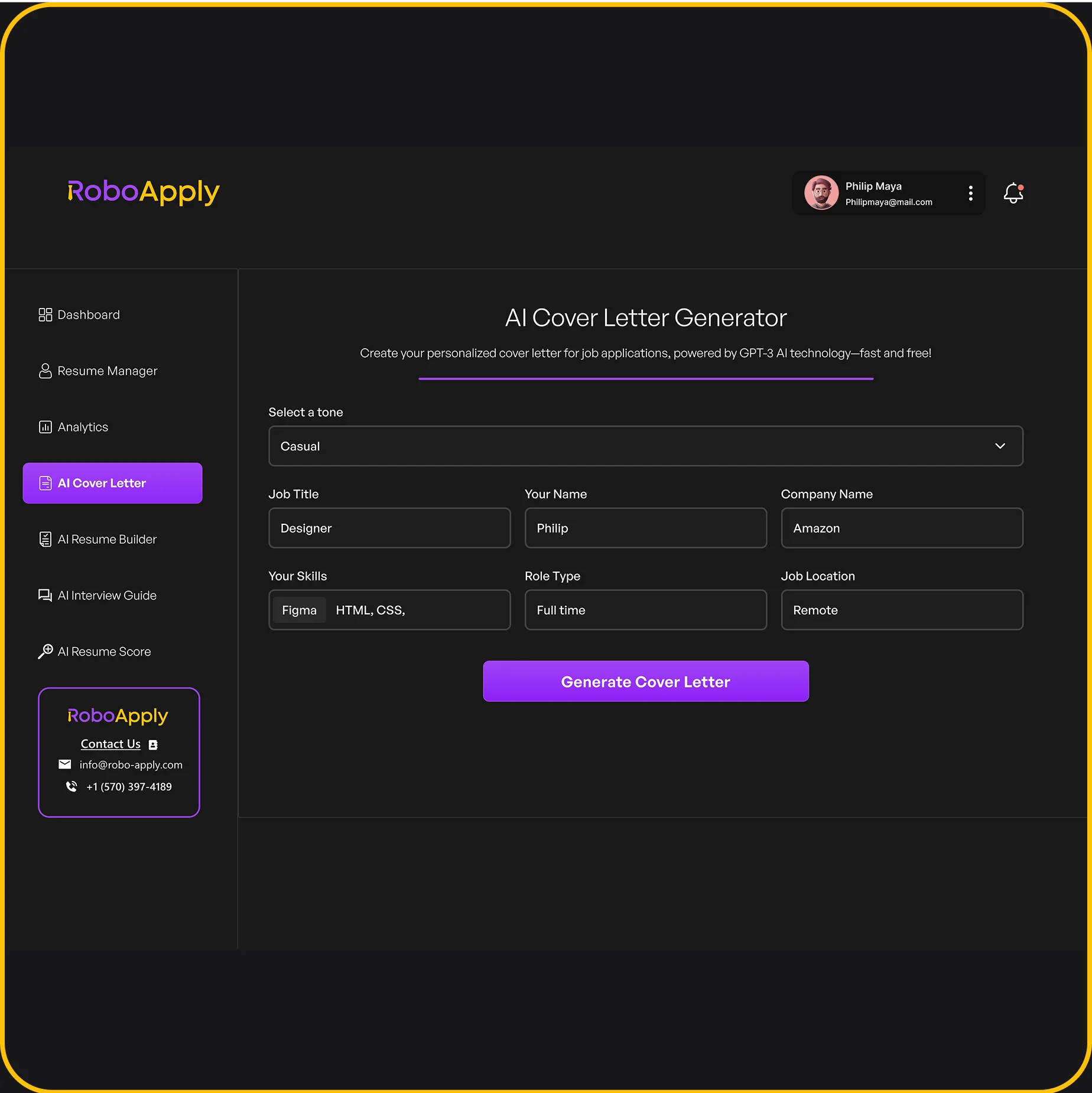
Cover letter generation creates unique letters for each application. They sound natural, highlight relevant experience, and match company tone. Each letter feels personally written despite being automated.
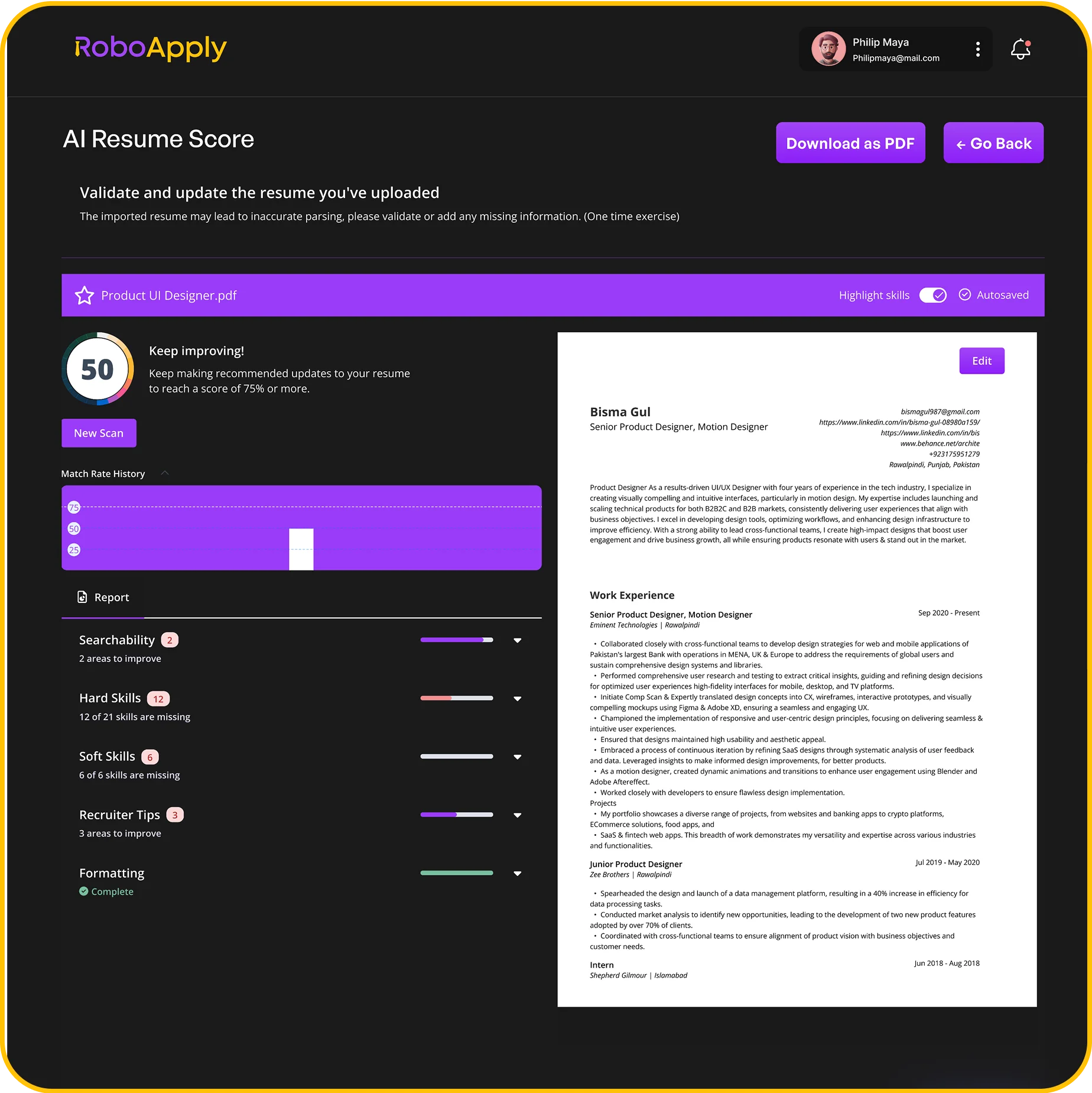
Resume scoring shows exactly how well your resume matches each job. You get instant feedback on improvements needed. The system highlights missing keywords, formatting problems, and content gaps. Fix issues before applying instead of wondering why nobody responds.
Everything lives in one dashboard. Track all applications in one place. See which companies responded, which ghosted you, when to follow up. The system sends reminders so nothing gets forgotten.
Results focus drives every feature. It’s not about hitting some arbitrary application number. It’s about getting interviews and offers. User data shows people using the platform get 3x more interview invites compared to manual applications. Research from LinkedIn supports that optimized applications dramatically outperform generic ones.

Getting Real Results From Your Tool
Setting up takes maybe 15 minutes total. Upload your resume. Fill in your profile. The system pulls information automatically so you’re not retyping everything. Add job preferences for roles, industries, locations, and salary range. Then let it run.
Start with clear targeting instead of applying everywhere randomly. Focus on roles matching your actual experience and career goals. Quality targeting produces infinitely better results than spray-and-pray approaches. The system can apply to hundreds of jobs, but relevant hundreds outperform random thousands every time.
Review your materials after the first batch goes out. Check how the system customized your resume and cover letter. Make sure tone and content align with what you want. Adjust your base materials if needed. The system learns from your preferences and improves over time.
Set realistic expectations for response rates upfront. Even with perfect applications, you won’t hear back from everyone. Industry average response rates hover around 10% to 15% for cold applications. Using optimization tools can push this to 20% to 25%. That still means 75% to 80% won’t respond. This is completely normal. Volume compensates for percentage math.
Monitor your metrics weekly to spot trends. How many applications went out? How many responses came back? What’s your interview conversion rate? Use this data to refine your approach continuously. Low response rates signal the need for targeting or material adjustments.
Follow up consistently when reminders come through. The system sends alerts but you need to actually do the follow-ups. Persistence pays off significantly. Many job seekers land interviews from second or third follow-ups after initial silence.
Frequently Asked Questions
What makes the Best Job Application Tool actually effective?
Automation maintaining quality, strong ATS optimization, comprehensive tracking, and features increasing interview rates rather than just application volume. Results matter more than activity.
How much time do these tools really save?
Manual applications take 30 to 45 minutes each. Good tools reduce this to 2 to 5 minutes per application or enable overnight bulk submissions.
Do automated applications get worse response rates?
No, when done properly. Well-optimized automated applications often outperform manual ones because they better match job requirements and pass ATS filters more consistently.
What’s the biggest mistake people make with application tools?
Applying to tons of irrelevant positions. Quality targeting matters enormously. Tools amplify your strategy. Poor targeting just scales bad decisions faster.
How fast can I expect to see actual results?
Most users report first interviews within 5 to 10 days of starting. Job offers typically come within 3 to 6 weeks of consistent use.