How AI auto-apply technology works for job seekers automates the full application process. It finds matching roles across multiple job boards, rewrites your resume to fit each specific posting, generates a matching cover letter, and submits the complete application automatically. You configure the system once. It runs continuously and does the work for you.
This guide explains exactly how the technology operates at each stage, what separates strong platforms from weak ones, and which tools job seekers are using to get consistent interview results in 2026.

The Five Stages of AI Auto-Apply Technology
AI auto-apply technology for job seekers follows a structured five-stage process. Each stage builds on the previous one. Understanding all five helps you evaluate whether a platform is actually automated or just marketing itself that way.
Stage 1: Profile Setup
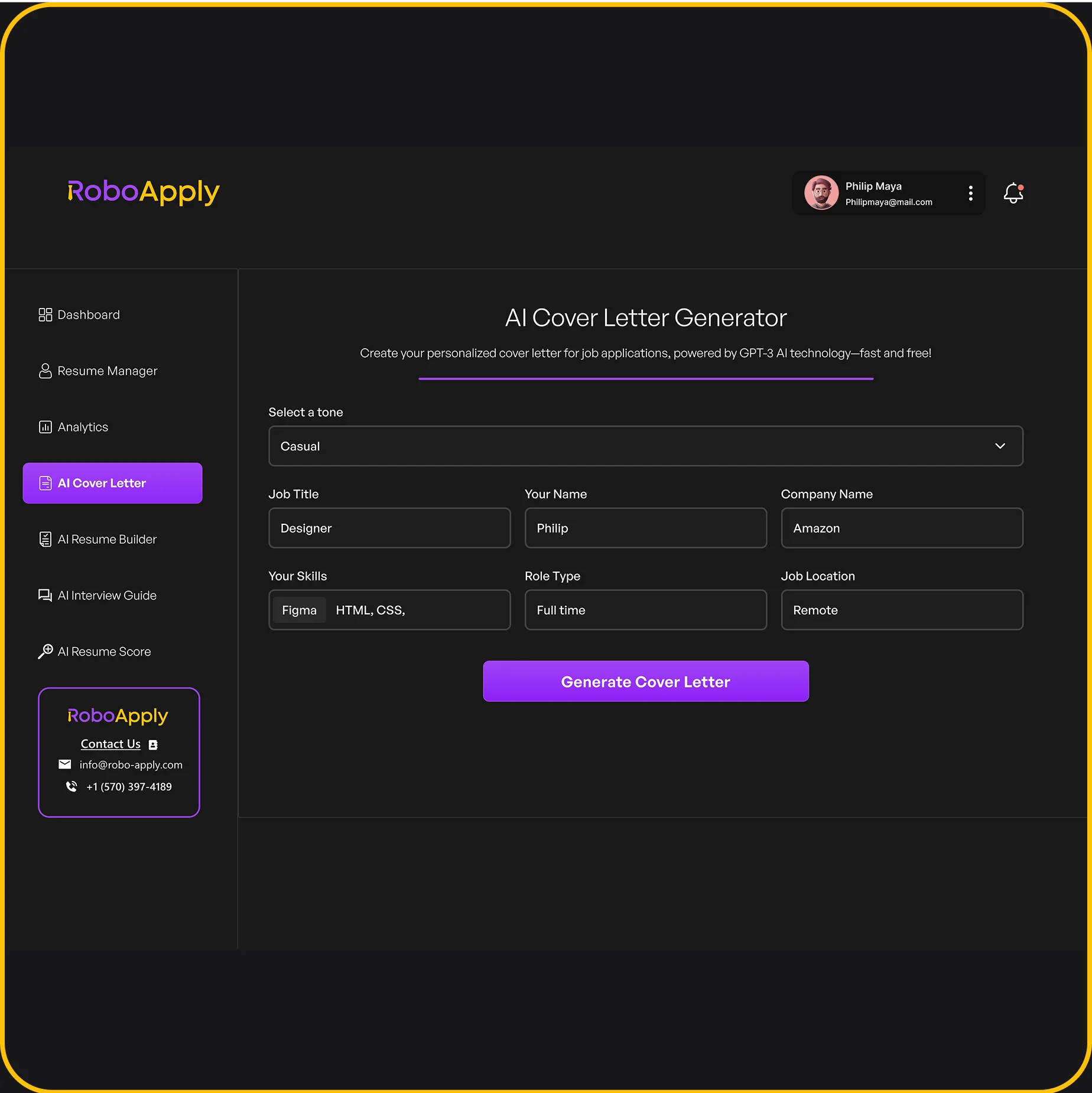
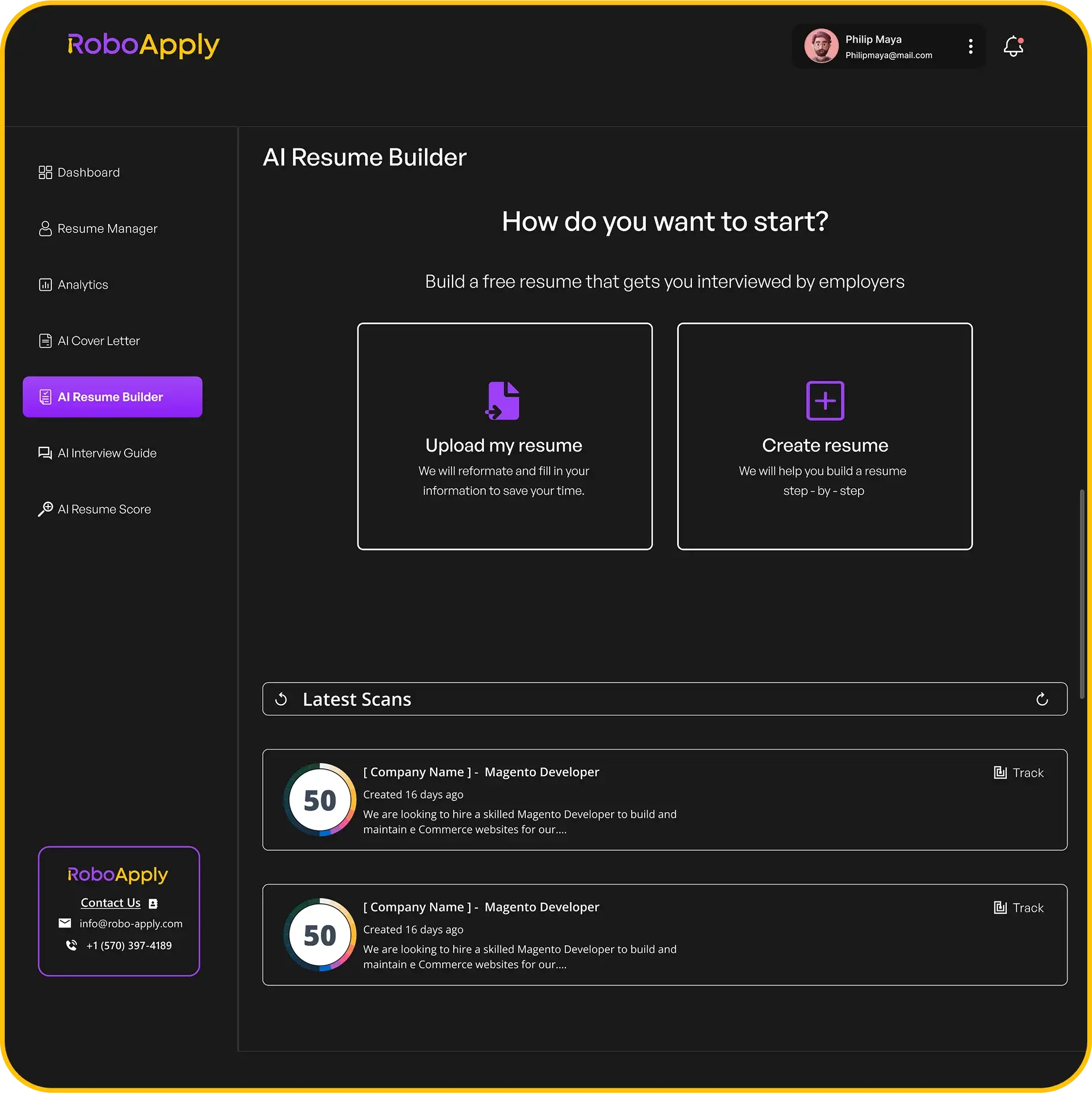
You build a profile containing your resume, target job titles, preferred location, remote work preferences, and salary expectations. This is the only step that requires significant input from you. The quality of this profile determines how well the AI performs at every stage that follows.
Stage 2: Job Discovery
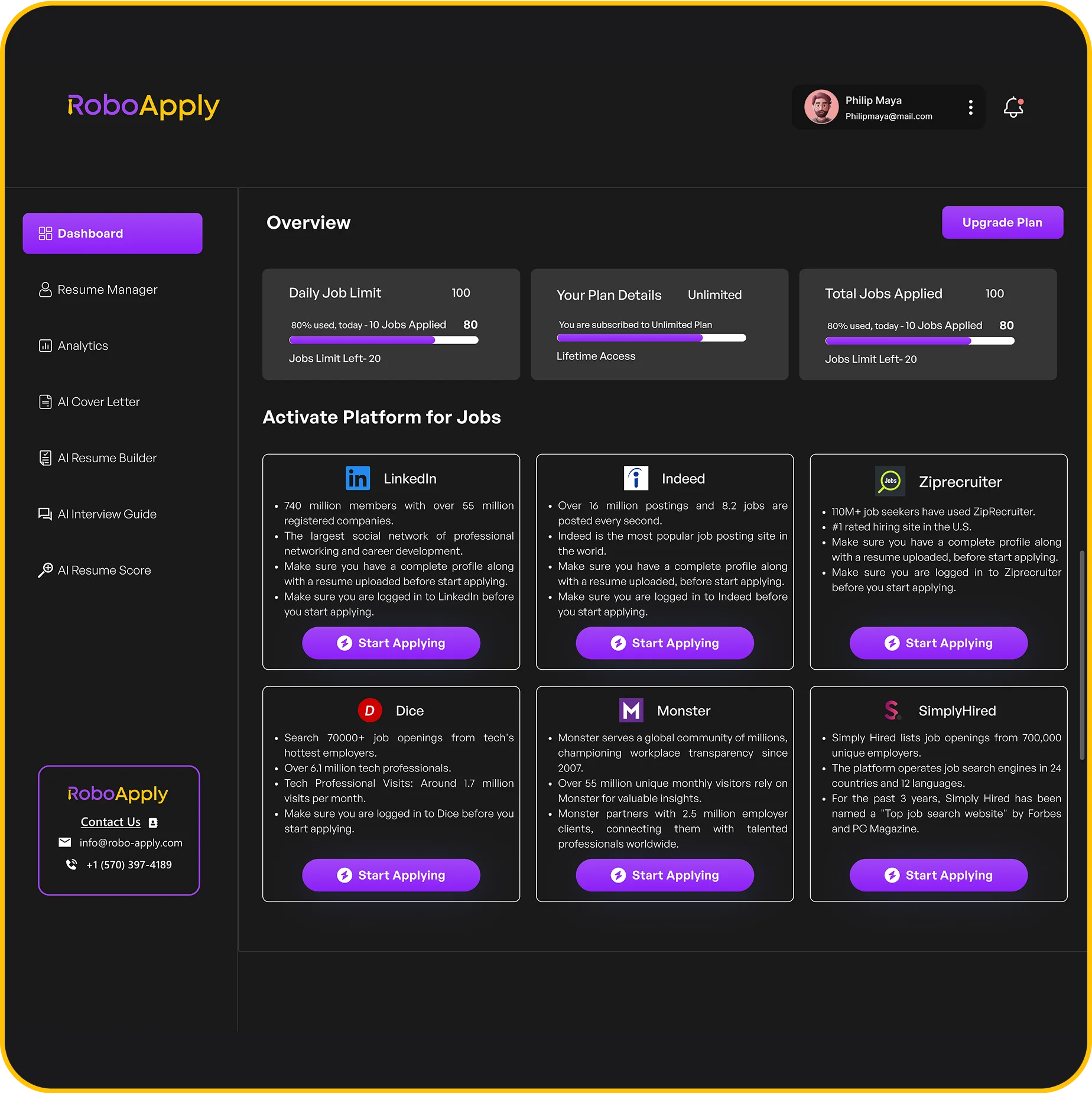
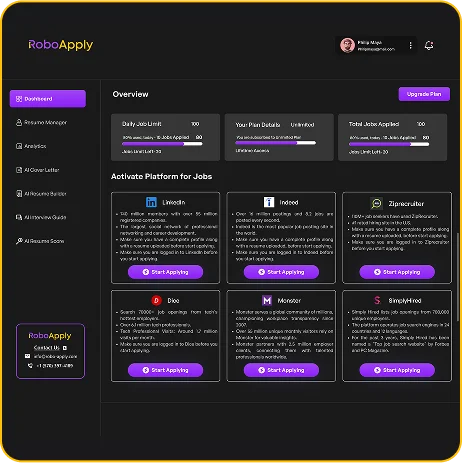
The AI connects to major job boards and monitors them continuously for new postings that match your configured preferences. It checks LinkedIn, Indeed, ZipRecruiter, Monster, Dice, Simply Hired, and platform-specific boards simultaneously. New matching roles are identified and queued for processing as soon as they appear.
Stage 3: Job Description Analysis
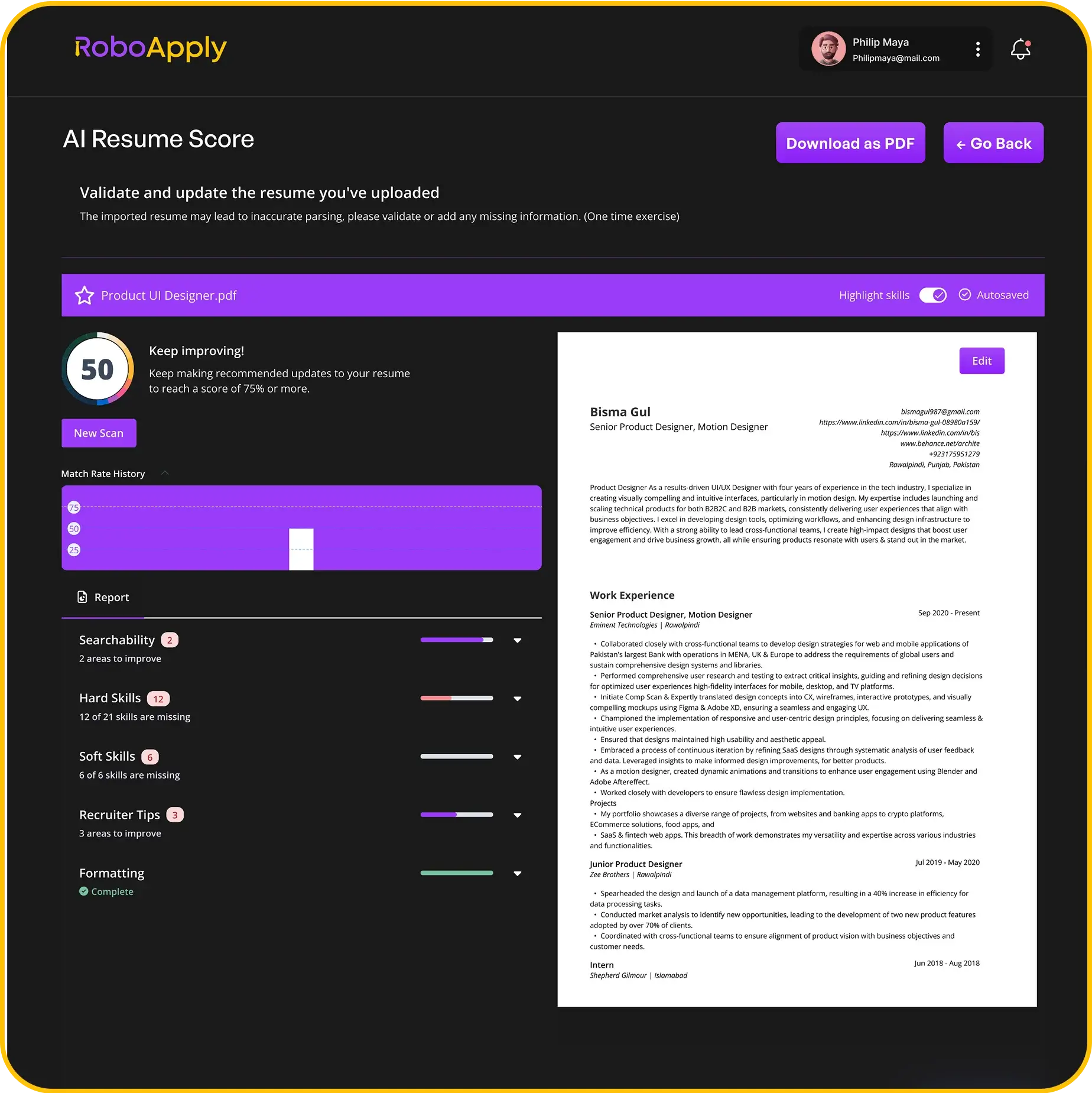
For each matched role, the AI reads the full job description. It identifies the employer’s priority skills, required experience, and keyword patterns. This analysis drives the customization that happens in the next stage.
Jobscan research confirms that over 98% of Fortune 500 companies use applicant tracking systems to score resumes before human review. Those systems compare resume language against the job description. Without this analysis step, submissions get filtered out at the ATS layer regardless of the candidate’s qualifications.
Stage 4: Resume and Cover Letter Customization
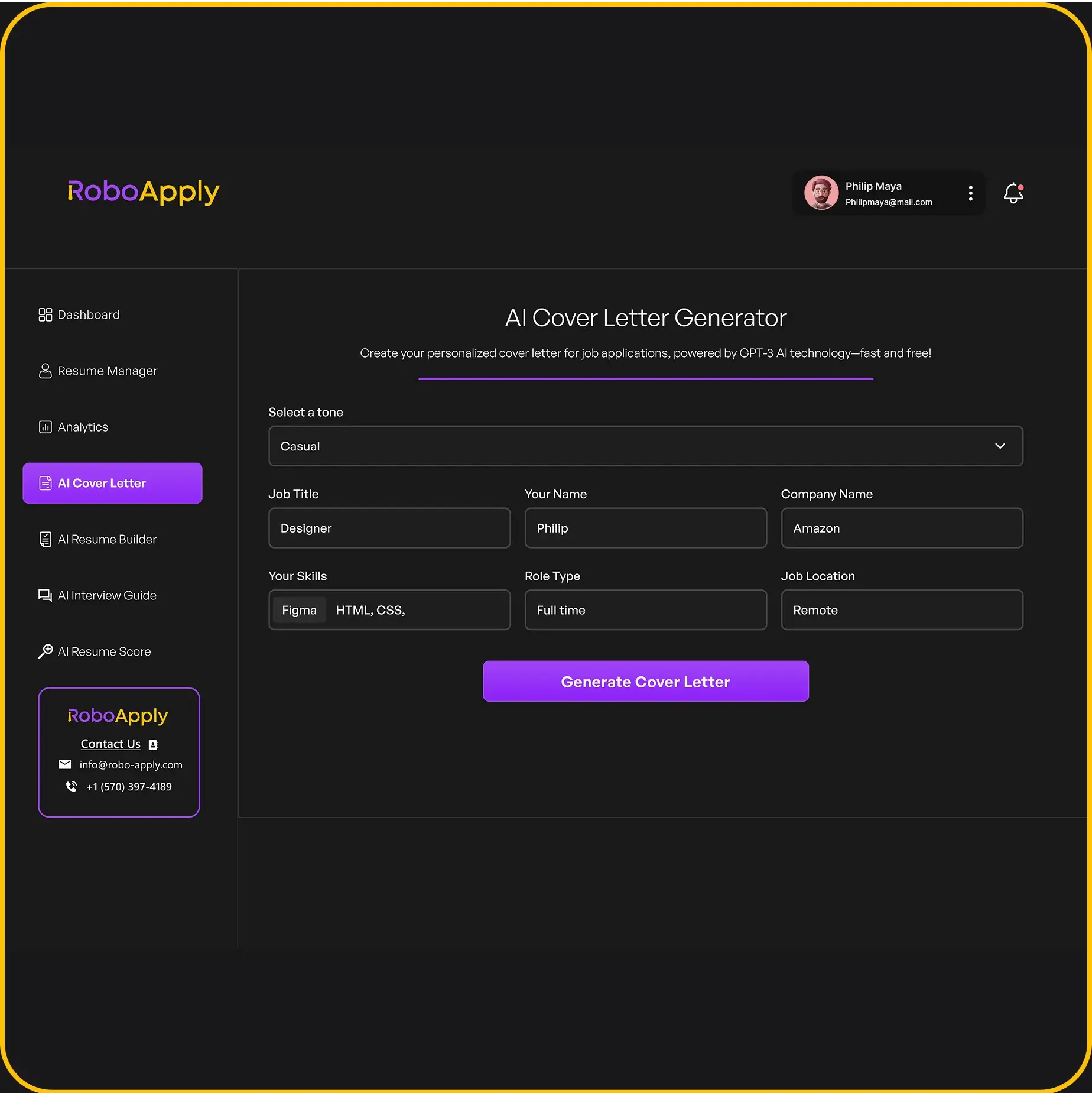
The AI rewrites the relevant sections of your resume using the language and keywords from the job description. It generates a cover letter that reflects both your background and the specific role requirements. Tone, structure, and content align with the employer’s expectations for that particular posting.
Stage 5: Automated Submission
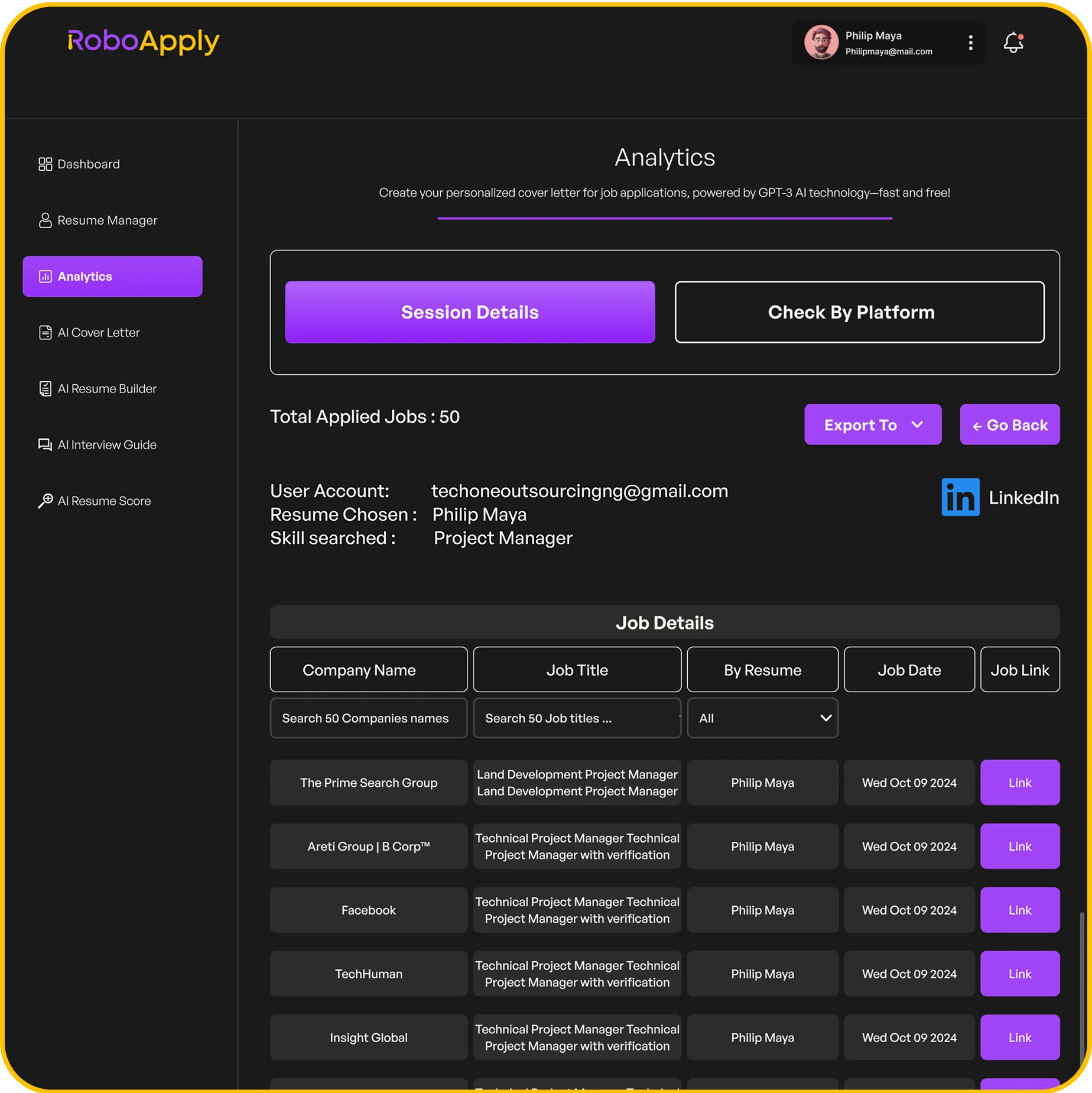
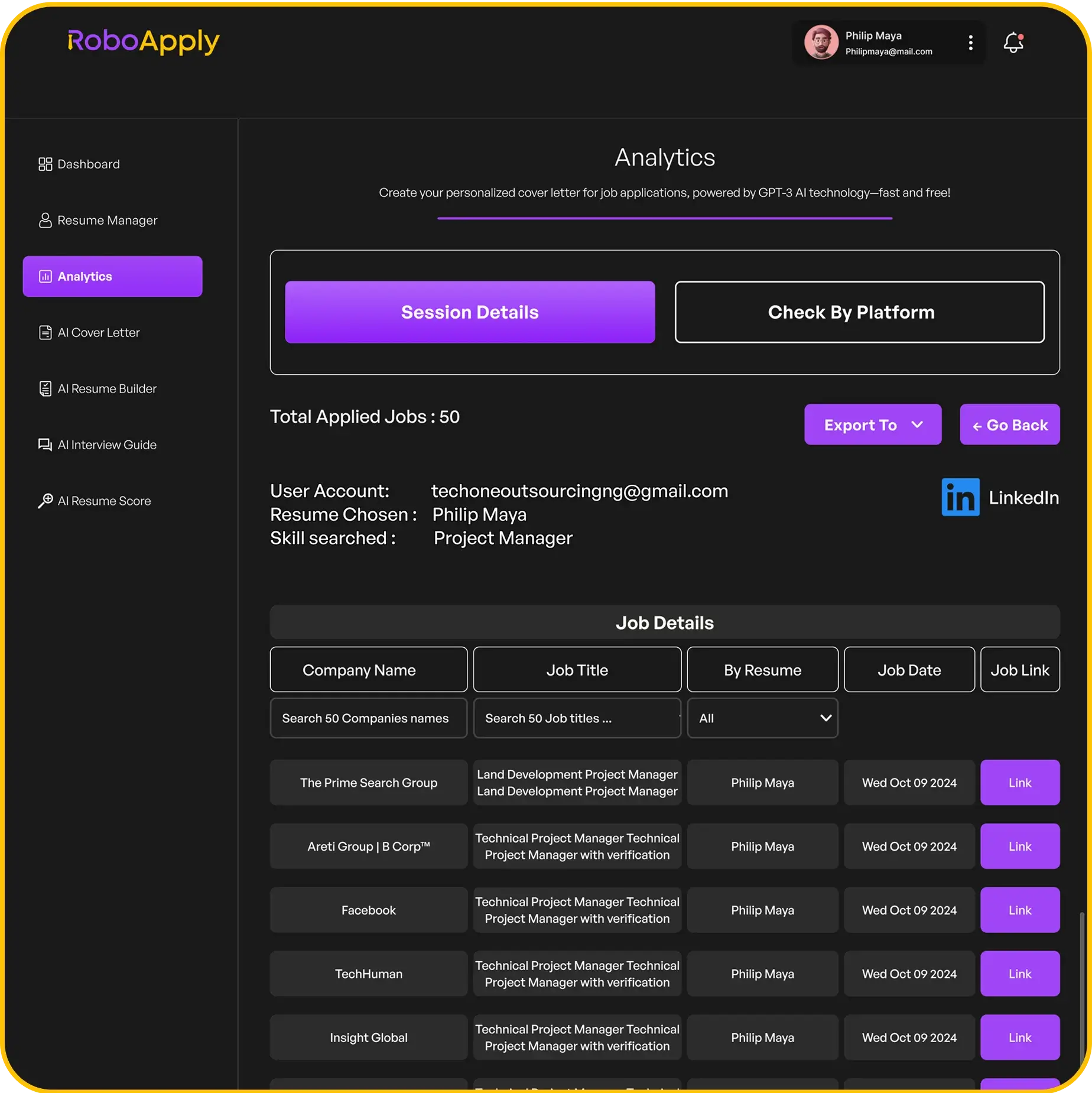
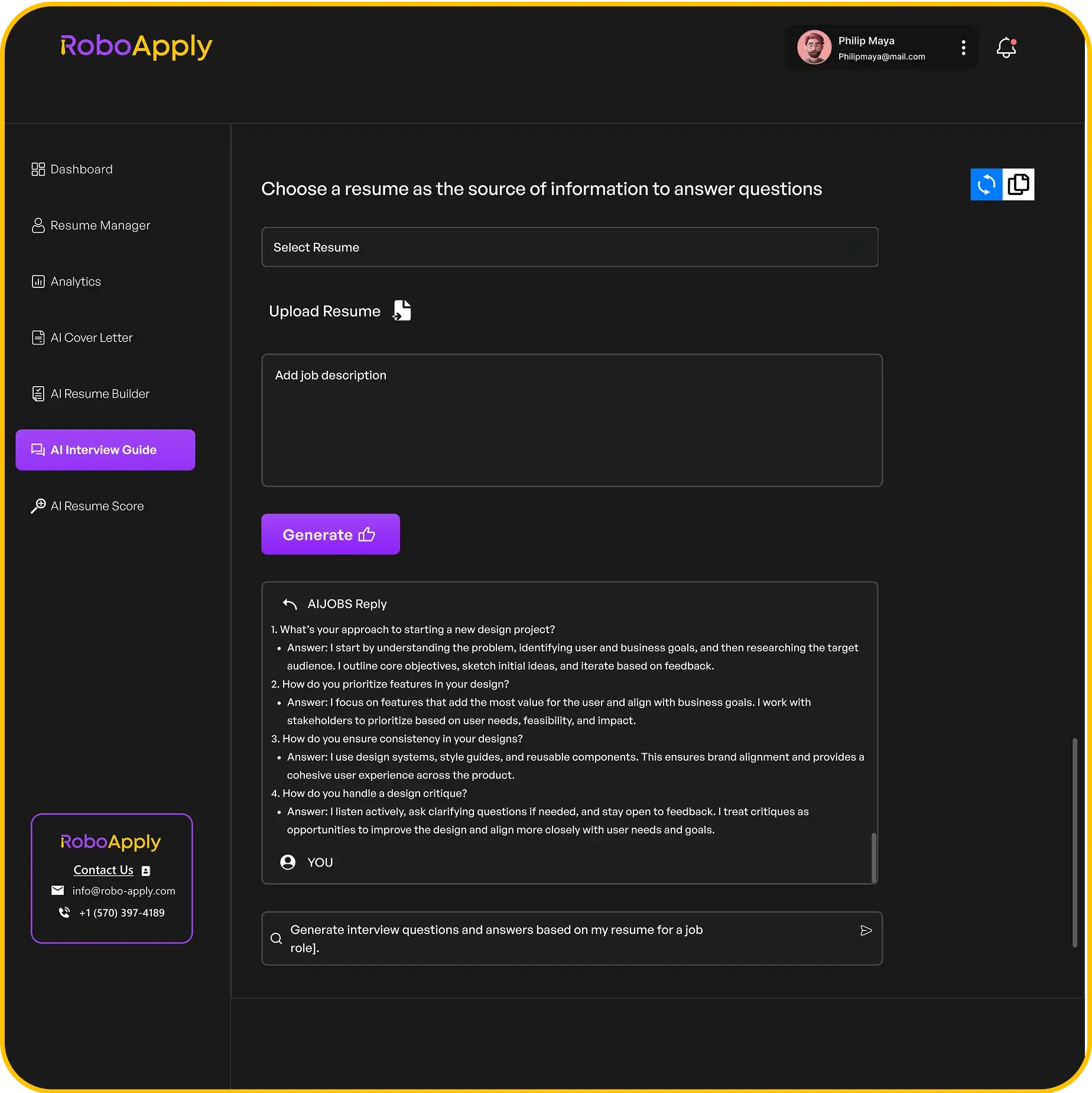
The AI submits the complete application, including the customized resume and cover letter, directly to the job board listing. Every submission gets logged in a central dashboard with timestamp, platform, job title, and company information. You can review everything that went out without having been involved in any individual submission.
What the Research Says About AI Auto-Apply Technology for Job Seekers
Three bodies of research speak directly to how effective this technology is when implemented correctly.
The National Bureau of Economic Research found that job seekers running systematic, high-volume searches reach the offer stage faster and with stronger negotiating positions than those applying sporadically. AI auto-apply technology produces consistent volume without requiring proportional time investment from the job seeker.
MIT Work of the Future research found that candidates using AI-assisted job search tools reported significantly higher application-to-interview conversion rates than those applying manually. Volume paired with per-application relevance drove those outcomes.
Harvard Business Review analysis of hiring found that most qualified candidates fail to advance through ATS screening because their resume language doesn’t align with the employer’s screening criteria. AI auto-apply technology that customizes each submission addresses this directly.
How RoboApply Implements AI Auto-Apply Technology for Job Seekers
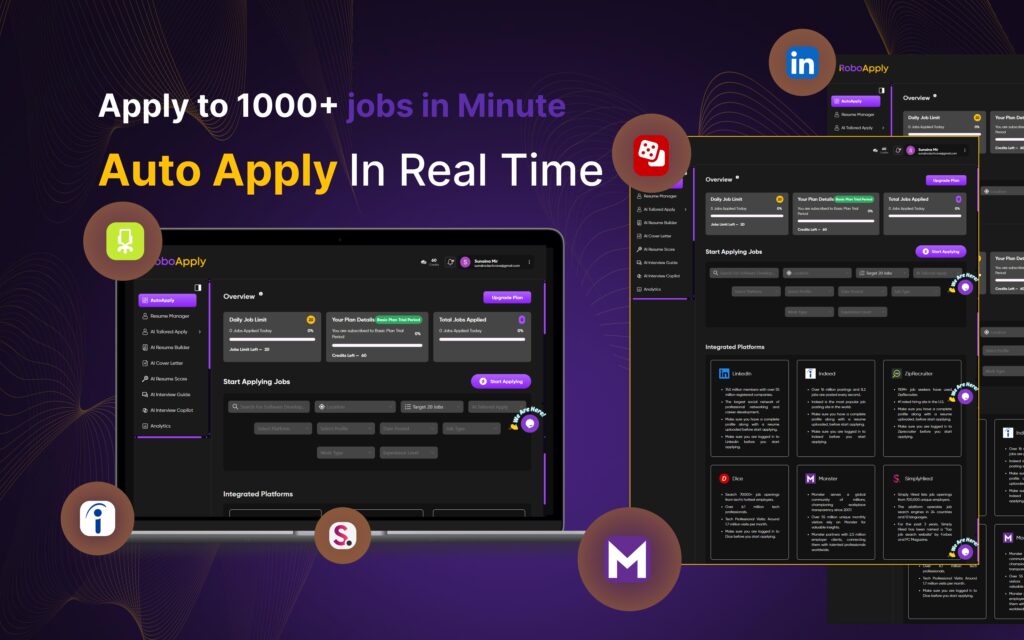
RoboApply applies all five stages of the AI auto-apply process at scale. It covers more job boards and delivers more complete per-job customization than any competing platform in 2026.
AI Auto Apply runs continuously across LinkedIn, Indeed, ZipRecruiter, Monster, Dice, Simply Hired, and the RoboApply job board. For every matching role, it completes stages three through five automatically: job description analysis, resume and cover letter customization, and full application submission.
AI Tailored Apply handles resume customization with additional precision for job seekers who want to review specific applications before submission. It rewrites your resume for individual postings in seconds and is also available in bulk mode for up to 100 roles simultaneously. Users see a 4x higher interview callback rate compared to generic submissions.
Additional tools supporting job seekers through the full workflow:
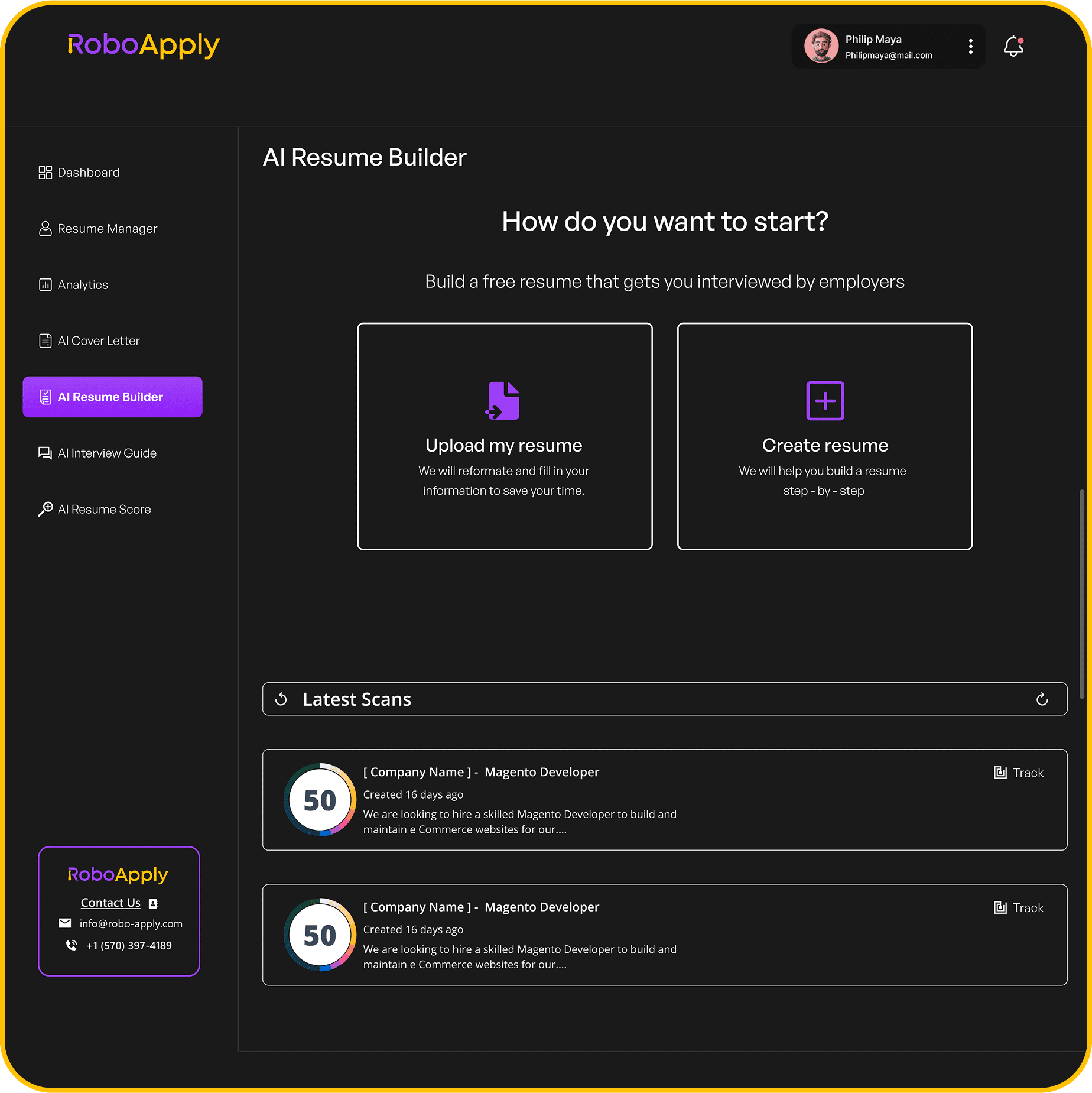
- AI Resume Builder for creating a strong base profile that feeds better AI customization
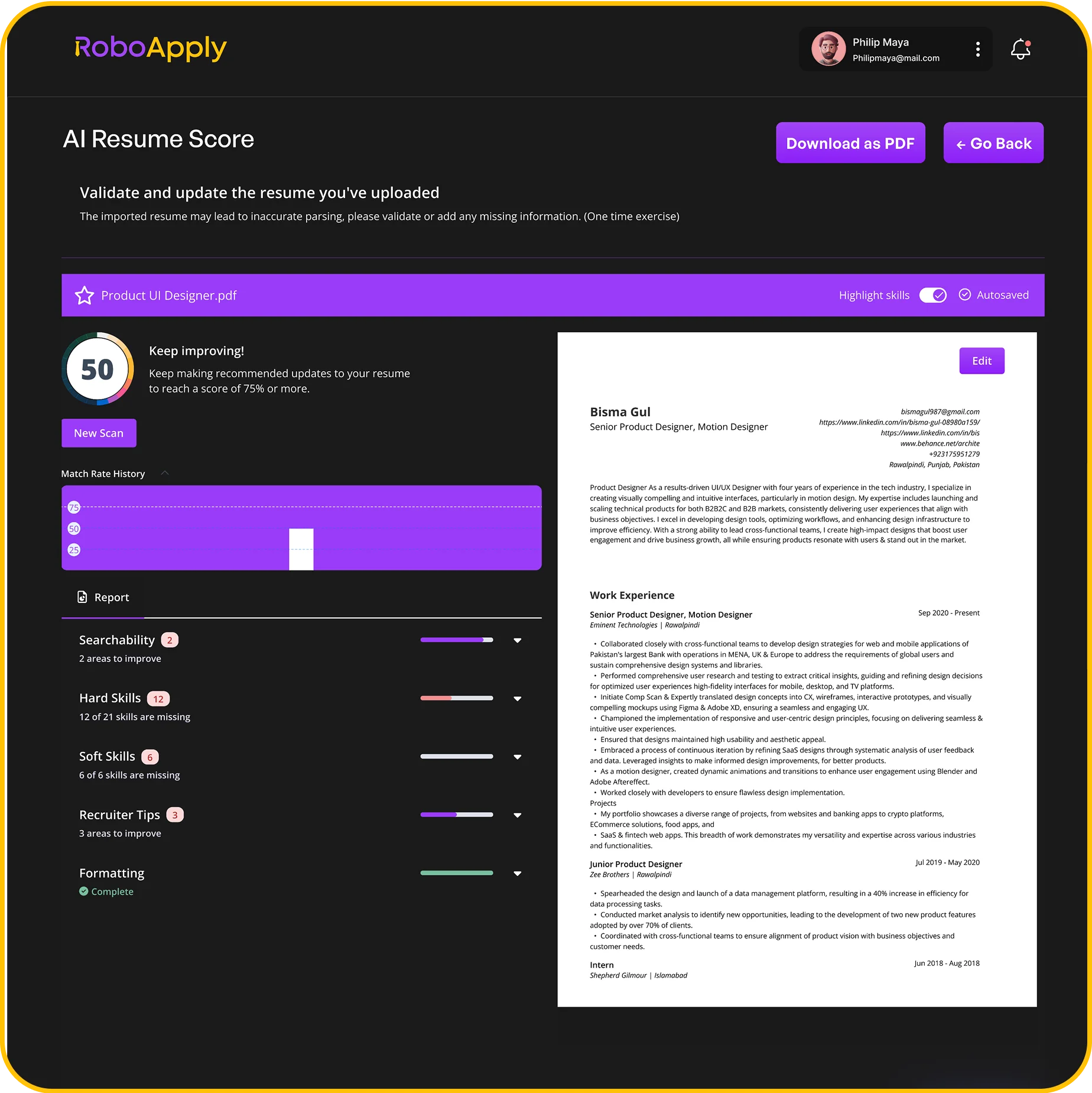
- AI Resume Score for identifying gaps before automation activates
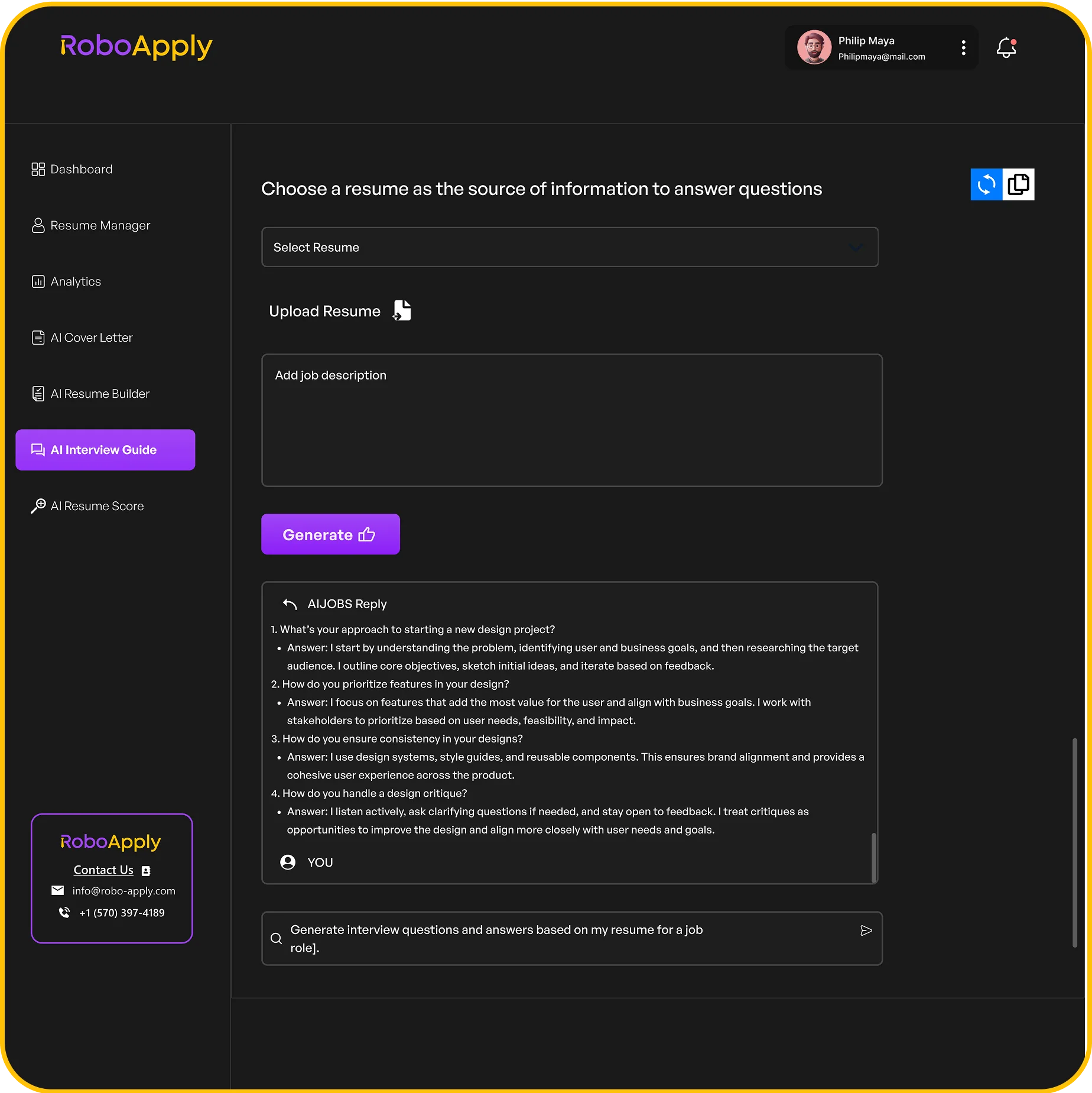
- Interview Copilot with real-time AI practice, included on Standard and Premium plans
- Inbox Apply for direct email outreach to verified hiring managers outside of job board systems
- Analytics dashboard showing response rates by platform, job title, and industry
RoboApply vs. Competing AI Auto-Apply Technology
LazyApply covers stages two and five, job discovery and submission, but skips stage four entirely. It sends the same resume to every role without customization. This produces poor ATS scores across most submissions and doesn’t reflect how AI auto-apply technology should work for job seekers.
Simplify assists job seekers with application organization but skips stage five entirely. Every submission still requires manual action. It operates at stage one and partial stage two only.
Zippia’s job search data shows most job seekers need 21 to 80 applications before landing a role. RoboApply’s Standard plan reaches that range in one to two days at 100 applications per day, with every submission going through all five stages of the AI auto-apply process.
For job seekers preparing strong profiles before activating the technology, the career change resume guide and the resume formatting reference both cover profile quality standards that improve customization outputs. The AIApply alternatives guide offers an additional platform comparison for job seekers evaluating specific tools.
Frequently Asked Questions
What are the main stages of AI auto-apply technology for job seekers?
AI auto-apply follows five stages: profile setup, job discovery, job description analysis, resume and cover letter customization, and automated submission.
Does AI auto-apply technology customize the resume for every job posting?
The best platforms do. RoboApply rewrites your resume per job description before every submission, increasing interview callbacks by 4x.
How many job boards does AI auto-apply technology cover simultaneously?
RoboApply connects to LinkedIn, Indeed, ZipRecruiter, Monster, Dice, Simply Hired, and the RoboApply job board all at once from one dashboard.
How long does it take AI auto-apply technology to generate interview activity?
Most users see interview invites within one to two weeks of consistent use. RoboApply backs paid monthly plans with a 90-day interview guarantee.
Does AI auto-apply technology risk getting a job seeker’s account flagged?
No. Reputable platforms like RoboApply use AI security systems that submit applications without triggering spam filters or job board restrictions.