Want to advance your career fast using proven techniques? Skip the generic advice about working hard or staying positive. That stuff doesn’t move the needle. You need actual tactics that create visible results.
Career growth happens when you make smart moves consistently. Research from LinkedIn found professionals who actively manage their careers earn 20% more over their lifetime. Same work, way more money.
Three things matter most. Build skills that get rewarded. Make your wins visible. Create your own opportunities. Everything else is just noise.
Build Skills That Get You Promoted
Here’s the truth about skills. Not all of them help you advance your career equally. Some training adds real value. Other certifications just waste your time.
Look at job postings two levels above you right now. What keeps showing up? Those are the skills you need. Don’t chase trendy courses that won’t help you get promoted.
Check LinkedIn profiles of people in roles you want. What did they learn before moving up? Copy what works. Data from the National Association of Colleges and Employers shows employers value communication and problem-solving as much as technical skills. You need both.
Focus your learning time here:
- Core technical skills for your specific role
- Leadership abilities that signal you’re ready
- Industry certifications people actually respect
- Data skills that improve business decisions
- Communication skills that let you influence people
Update your resume the day you finish any training. Tell your manager about completed courses. Add certifications to your email signature. Skills nobody knows about won’t advance your career.

Make Your Work Visible
Your manager isn’t tracking every project you finish. They’re too busy. You need to make your wins obvious without being annoying.
Start a monthly wins doc today. List completed projects, solved problems, exceeded goals. Use numbers. “Cut processing time by 30%” beats “improved efficiency” every time.
Share wins through proper channels. Send quick updates to your manager. Mention recent accomplishments in team meetings. Post relevant wins in company channels. Research from UC Berkeley proved something useful. People who self-promote appropriately get promoted faster than equally good peers who stay quiet.
Volunteer for high-profile projects. New initiatives get senior leadership’s attention automatically. You want decision makers seeing your work firsthand.
Present at meetings whenever possible. Public speaking builds your expert reputation fast. Start with simple updates. Work up to bigger presentations.
Write docs for processes you improve. This makes you the go-to expert. Other teams will seek your advice. Your influence grows without a title change.
Network Inside Your Company
Internal relationships beat external ones for career growth. The people you work with control your next opportunity. Build real connections at multiple levels.
Grab coffee with colleagues from other departments regularly. Learn what they’re working on. Find ways to help them. These relationships pay off when positions open up. Statistics from Lou Adler show 85% of jobs get filled through networking.
Connect with senior leaders naturally. Comment on their posts thoughtfully. Attend optional company events. Ask smart questions at all-hands meetings. Get memorable for good reasons.
Don’t ask someone to be your mentor formally. That’s awkward. Ask for advice on specific situations instead. Build the relationship over time through valuable conversations. Real mentorship happens naturally.
Help your peers without keeping score. Share resources freely. Celebrate their wins publicly. People remember who helped them when it mattered.
Create Your Own Opportunities
Passive people wait for opportunities. Active ones make them happen. This shift separates fast movers from people who plateau.
Find problems nobody’s solving. Research solutions yourself. Present a quick proposal to your manager. Volunteer to lead it. You just created a visibility project.
Propose improvements with data backing them up. Show how your idea saves time or money. Offer to test it first. Successful tests often expand company-wide.
Ask for more responsibilities before they’re offered. Tell your manager you want to grow. Most appreciate employees who want more, not less.
Document everything beyond your job description. These extras prove promotion readiness. They give you talking points during reviews.
Lead lunch sessions on topics you know well. Write internal guides. Build tools that help multiple teams. This builds your reputation as valuable.
Position Yourself for Promotion
Promotions don’t happen randomly. They result from strategic positioning over months. Start preparing way before you want to move up.
Learn your company’s promotion timeline first. Some promote annually. Others use project milestones. Know the game.
Schedule regular one-on-ones with your manager. Come prepared with updates and questions. These build the relationship supporting promotion talks.
Ask directly what promotion requires. Get specific metrics. Write them down. Track your progress visibly. Remove any guesswork.
Build a promotion packet. Include wins, projects, expanded duties, peer feedback. Make your manager’s advocacy job easy.
Time your request right. After major wins works great. Annual reviews create natural openings. Never ask during budget freezes.
Common Career Growth Mistakes
Smart people still make avoidable errors that slow them down. Skip these traps.
Staying comfortable too long kills growth. You can’t advance your career repeating the same year ten times. Stretch yourself regularly.
Ignoring politics backfires eventually. You don’t need to play games. You do need to understand who influences decisions.
Complaining without solutions damages your reputation fast. Everyone knows what’s broken. Few people fix things. Be a fixer.
Focusing only on tasks while ignoring relationships creates problems. Your network determines how far you go. Invest in both.
Waiting for perfect timing means waiting forever. Take smart risks when good chances appear.
How Technology Helps You Move Faster
Research from Jobscan shows 98% of Fortune 500 companies use tracking systems. Your resume needs optimization for both humans and algorithms.
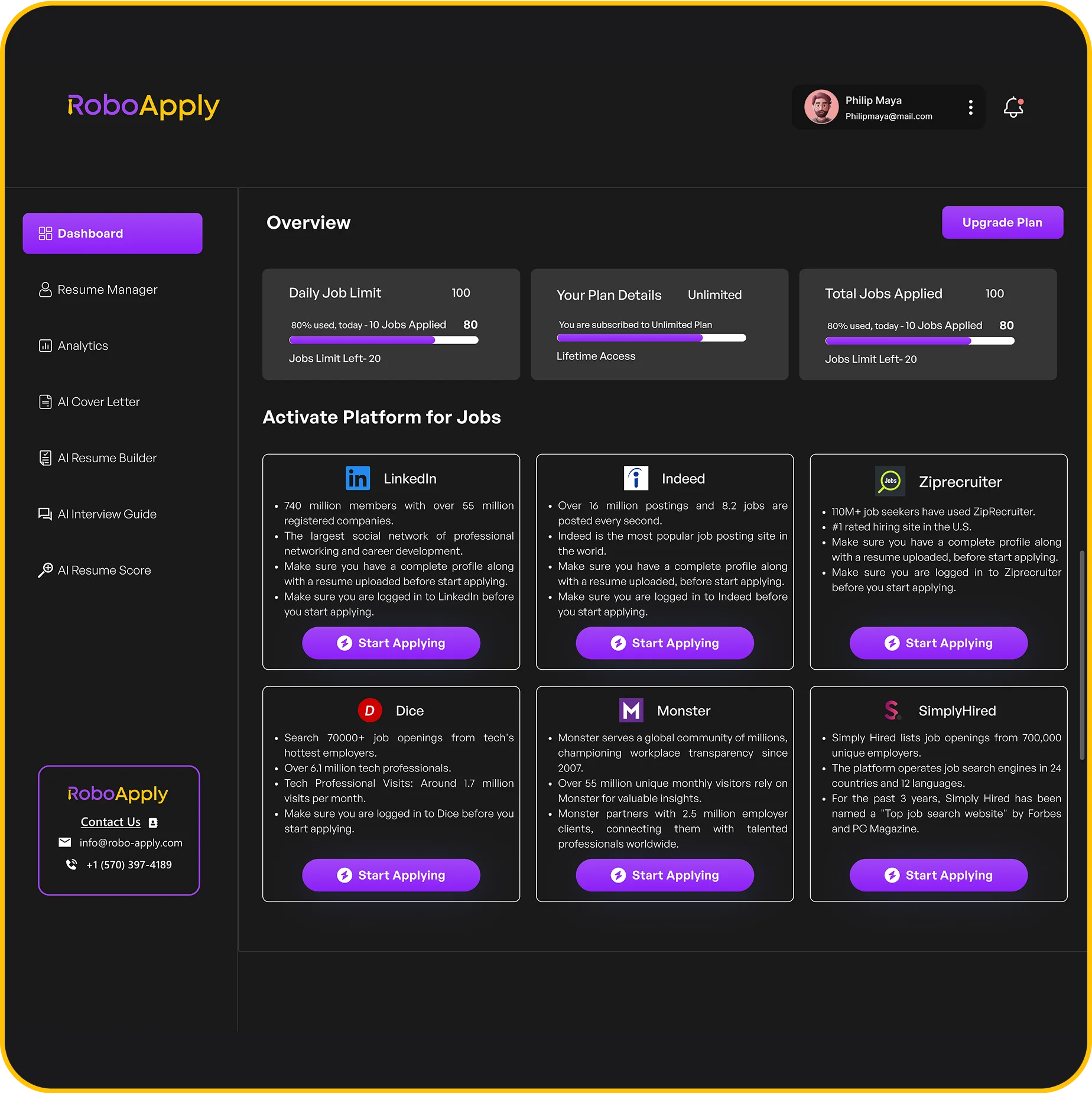
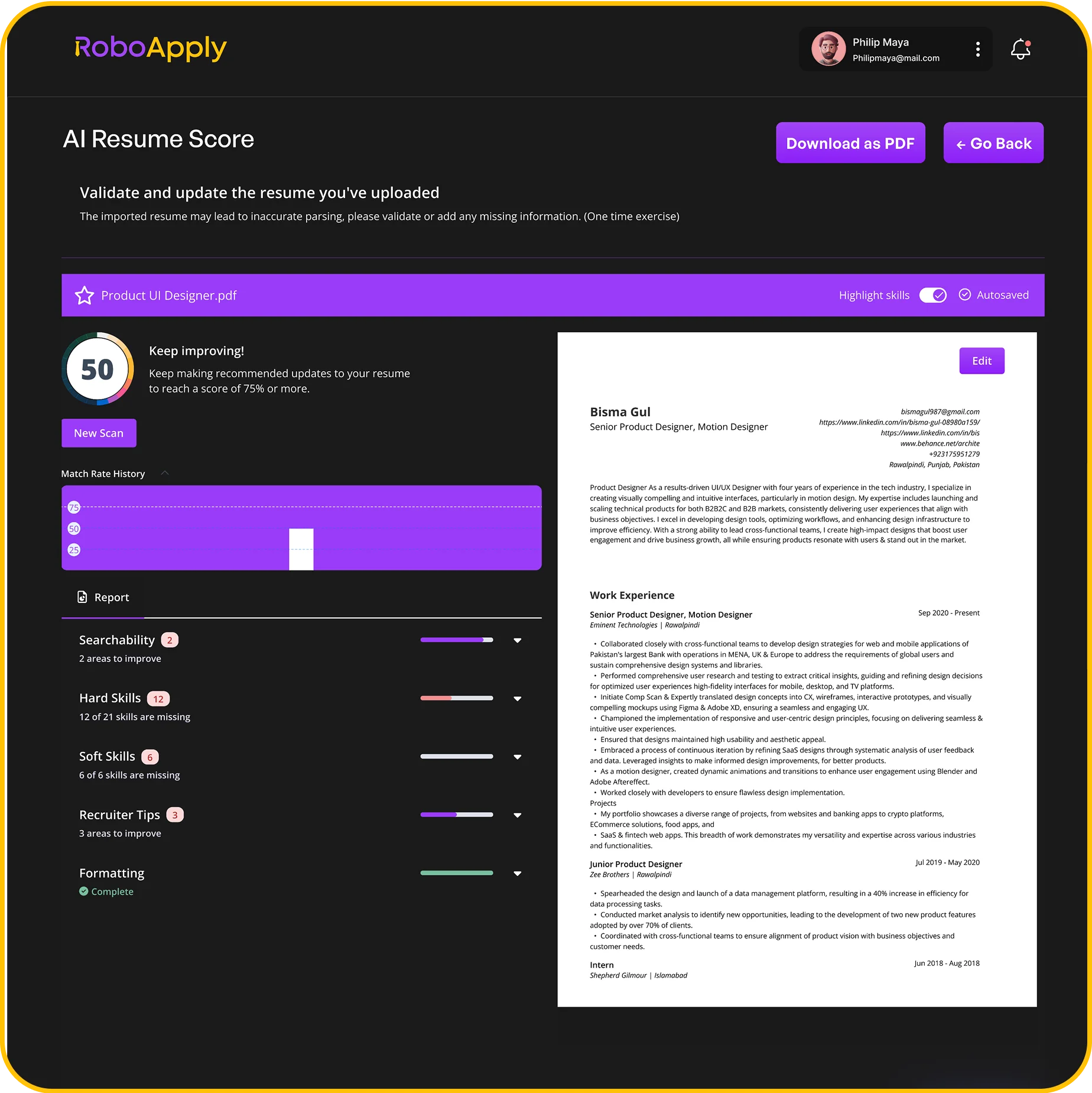
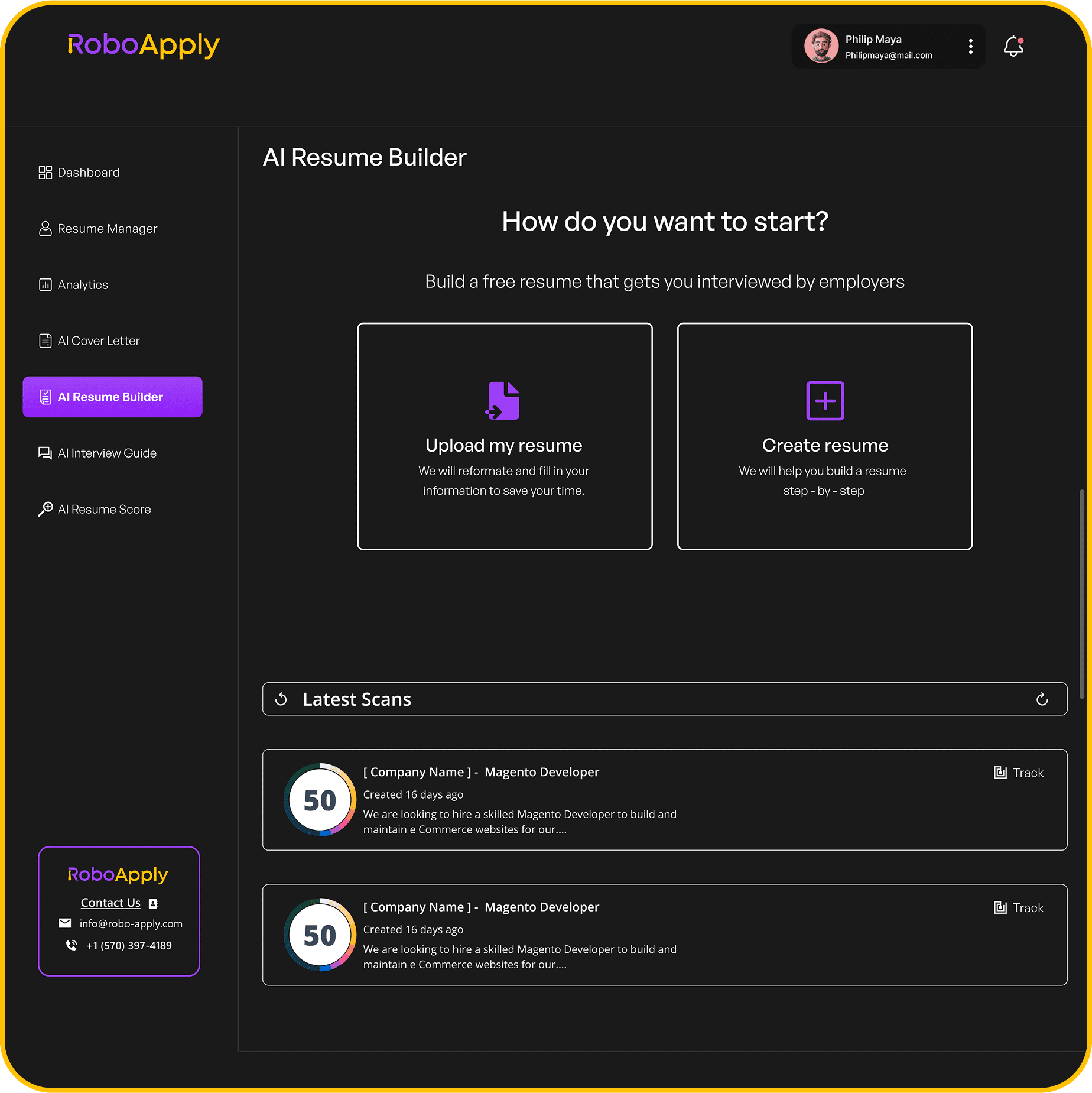
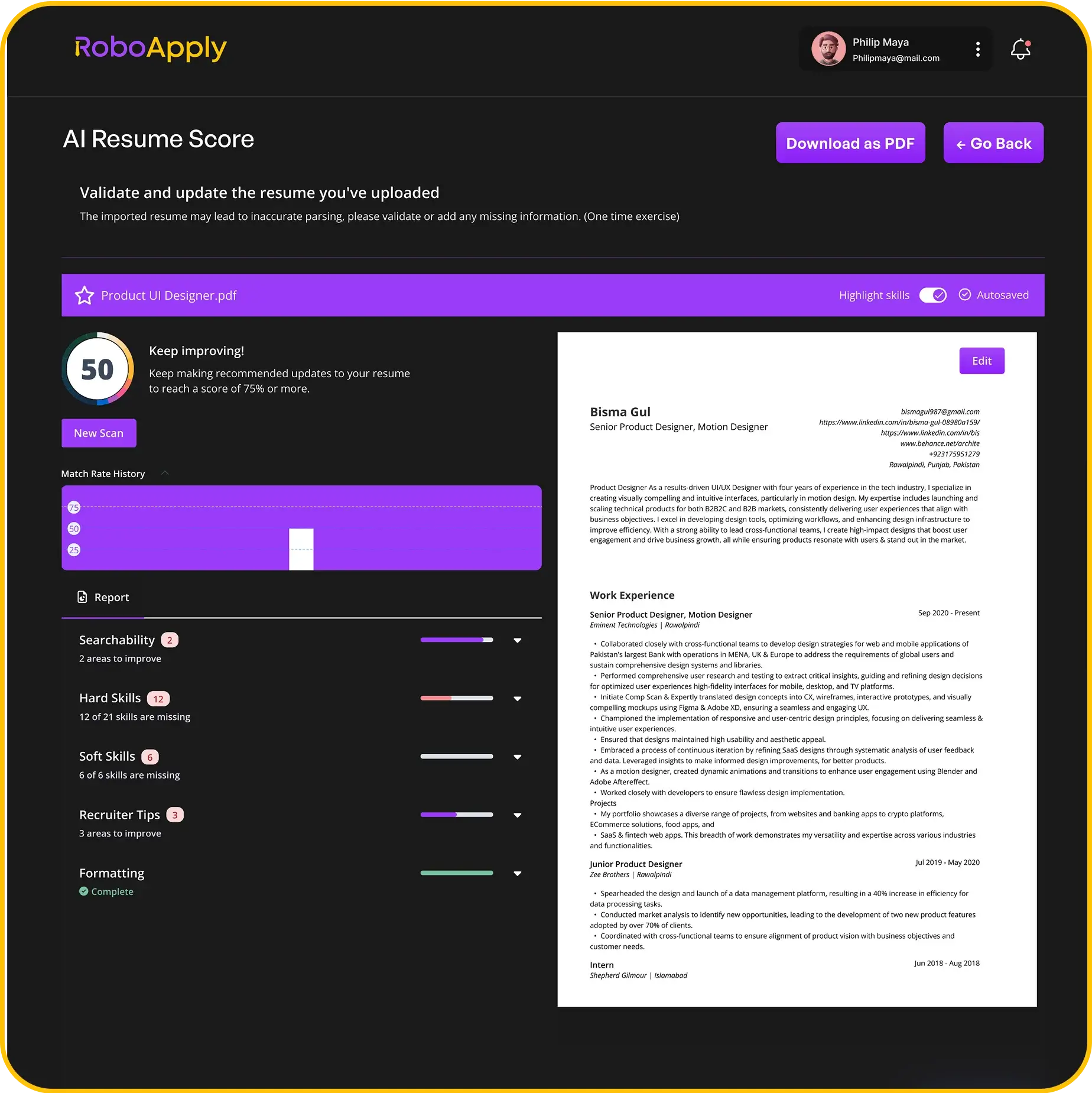
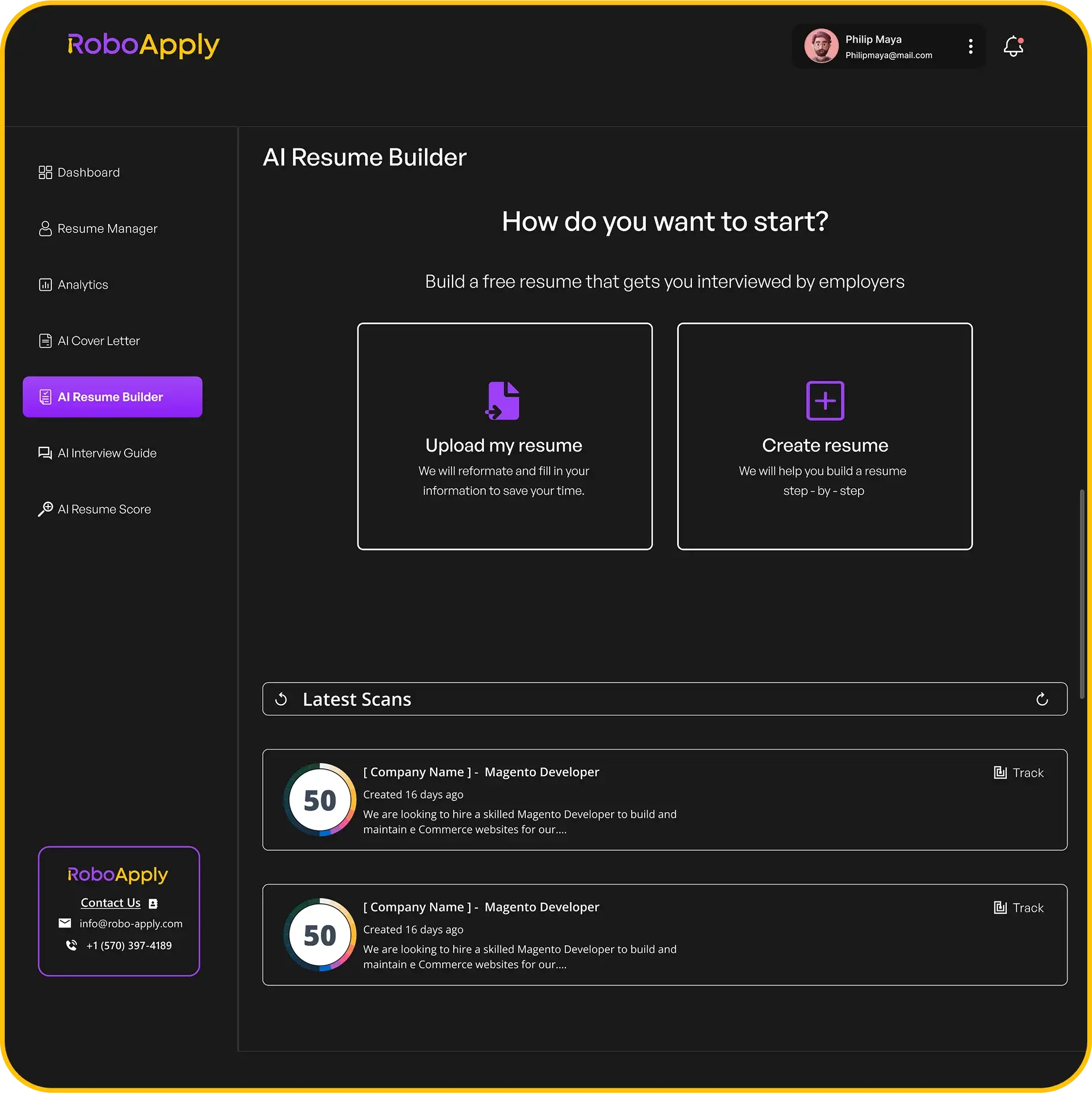
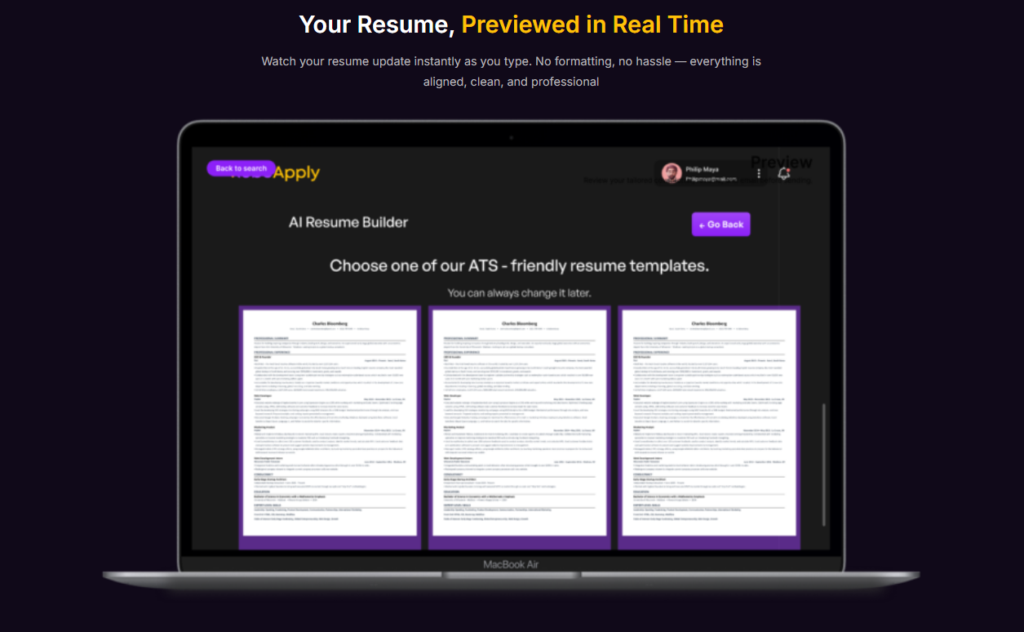
RoboApply’s AI Resume Score shows you what hiring managers actually see. The Resume Builder creates formats that pass filters automatically.
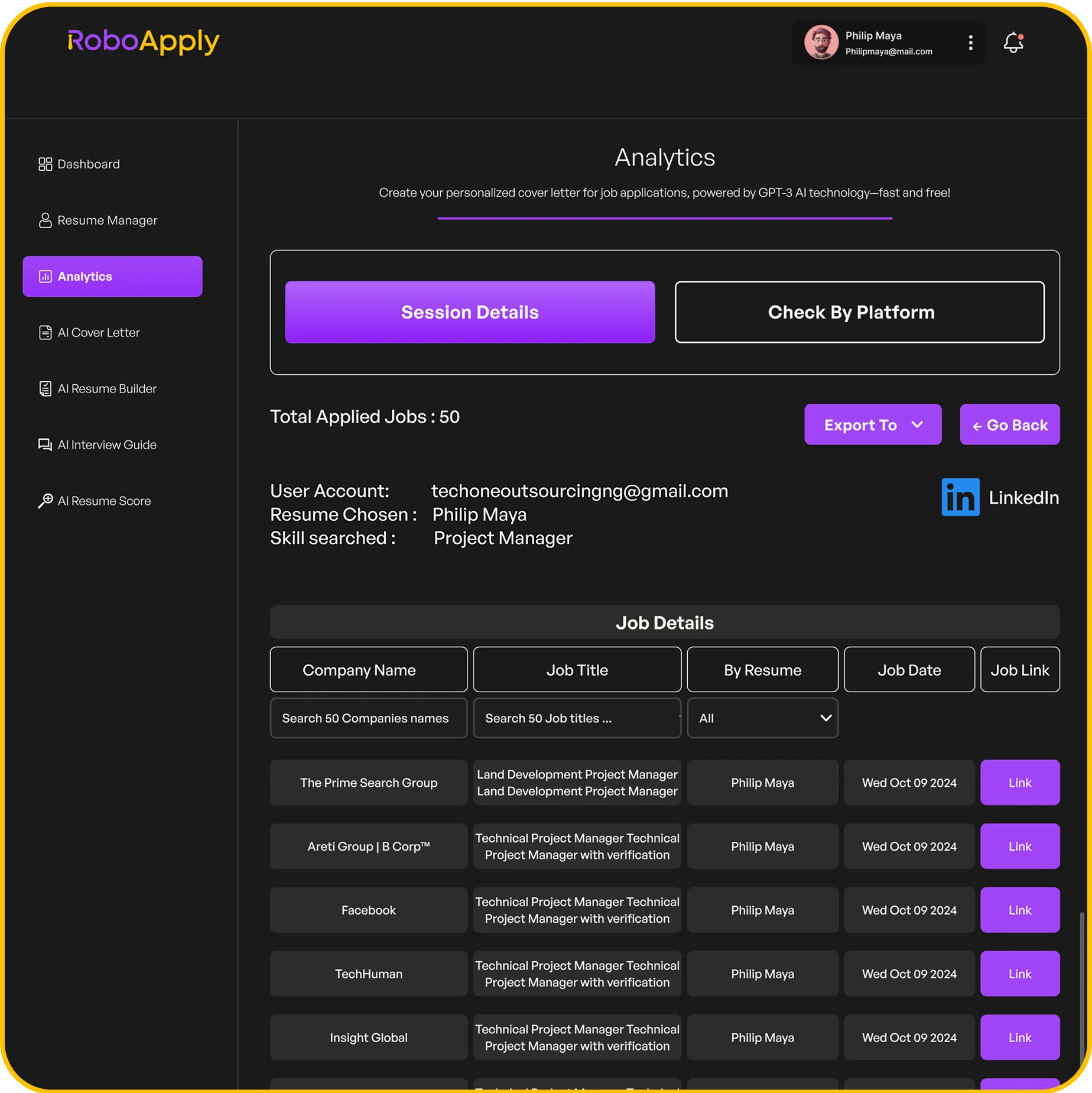
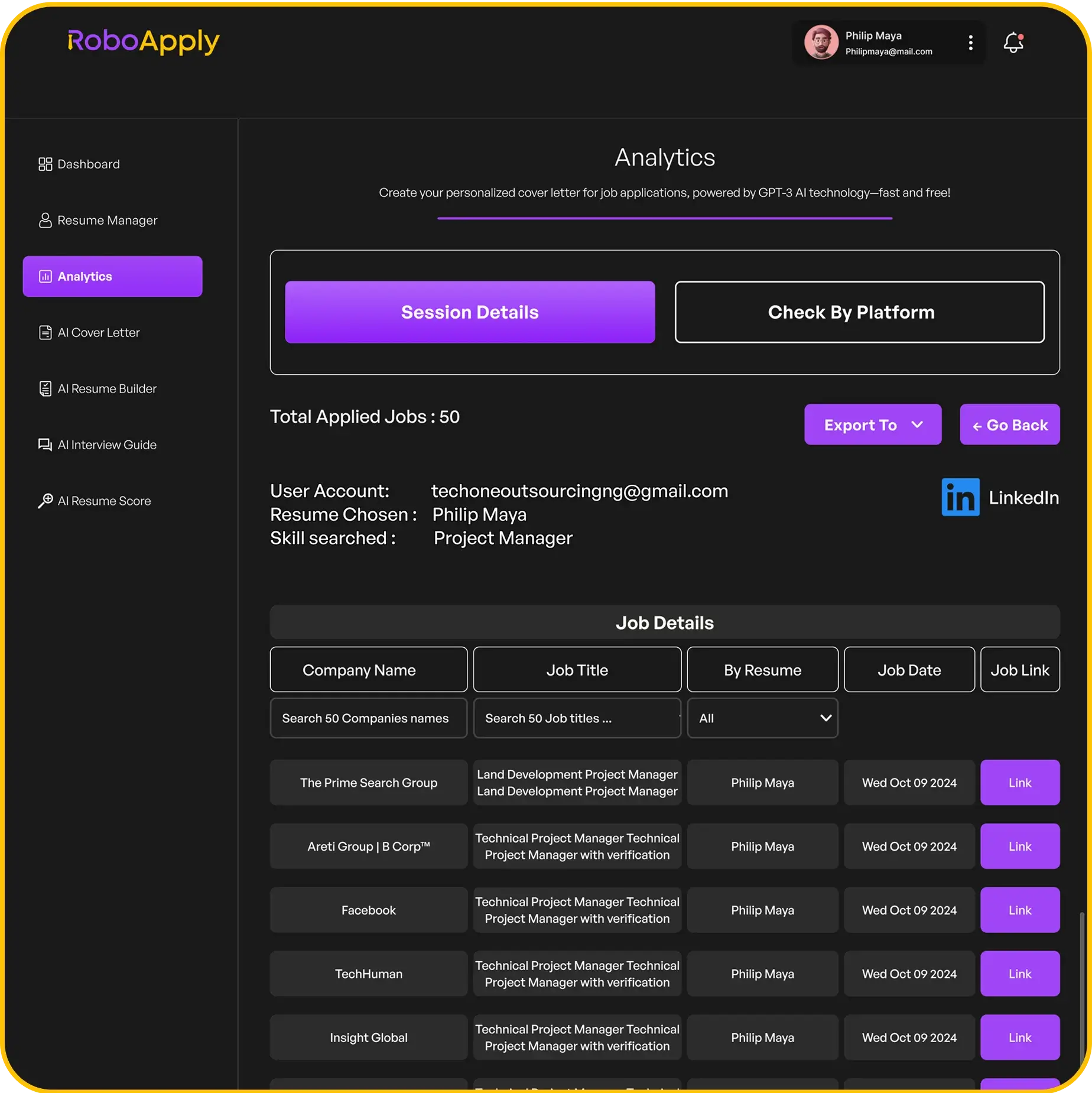
Ready to explore outside options? AI Auto Apply handles applications across major job boards. You keep working while testing the market systematically. This gives you leverage for internal raises too.
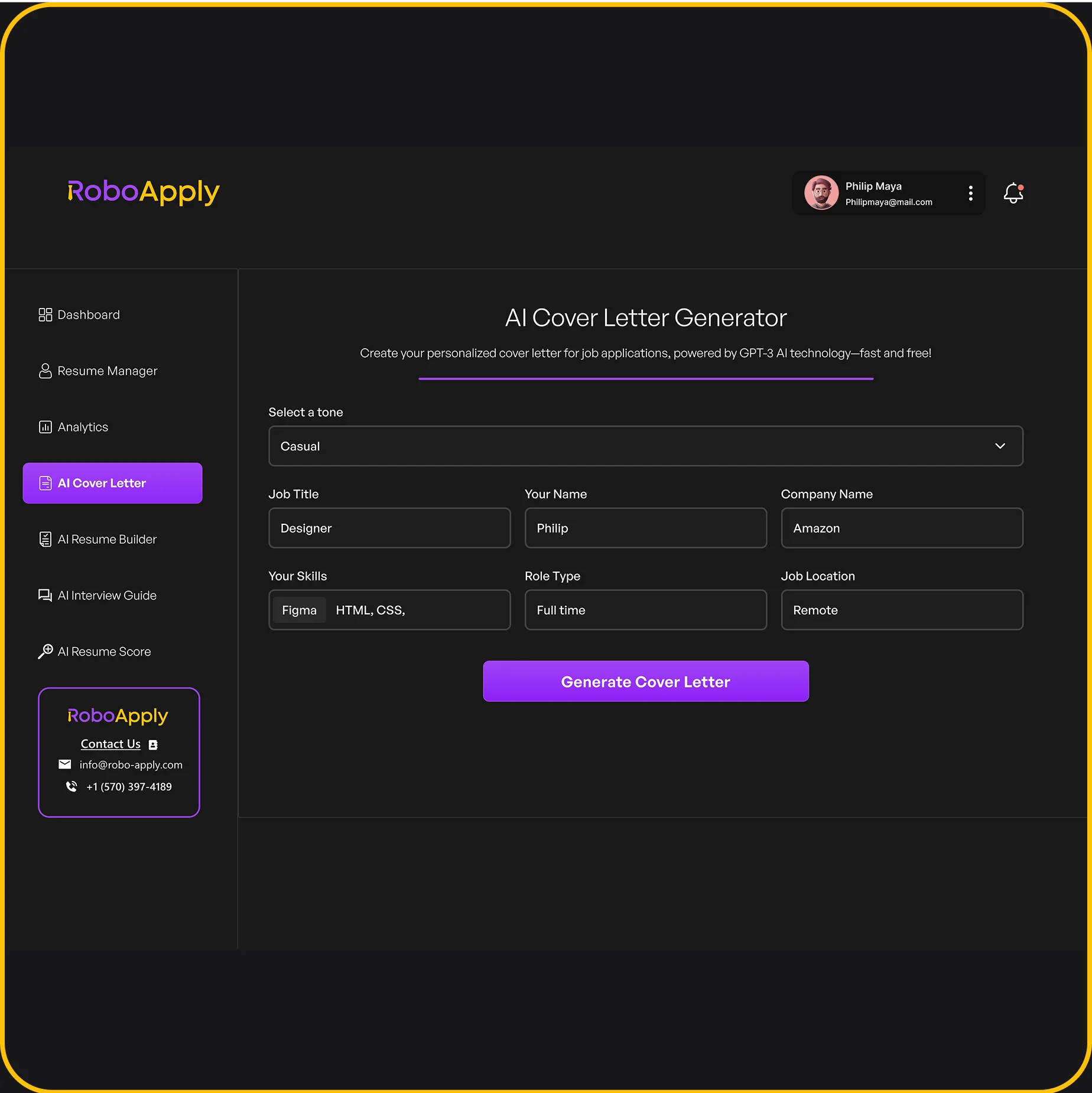
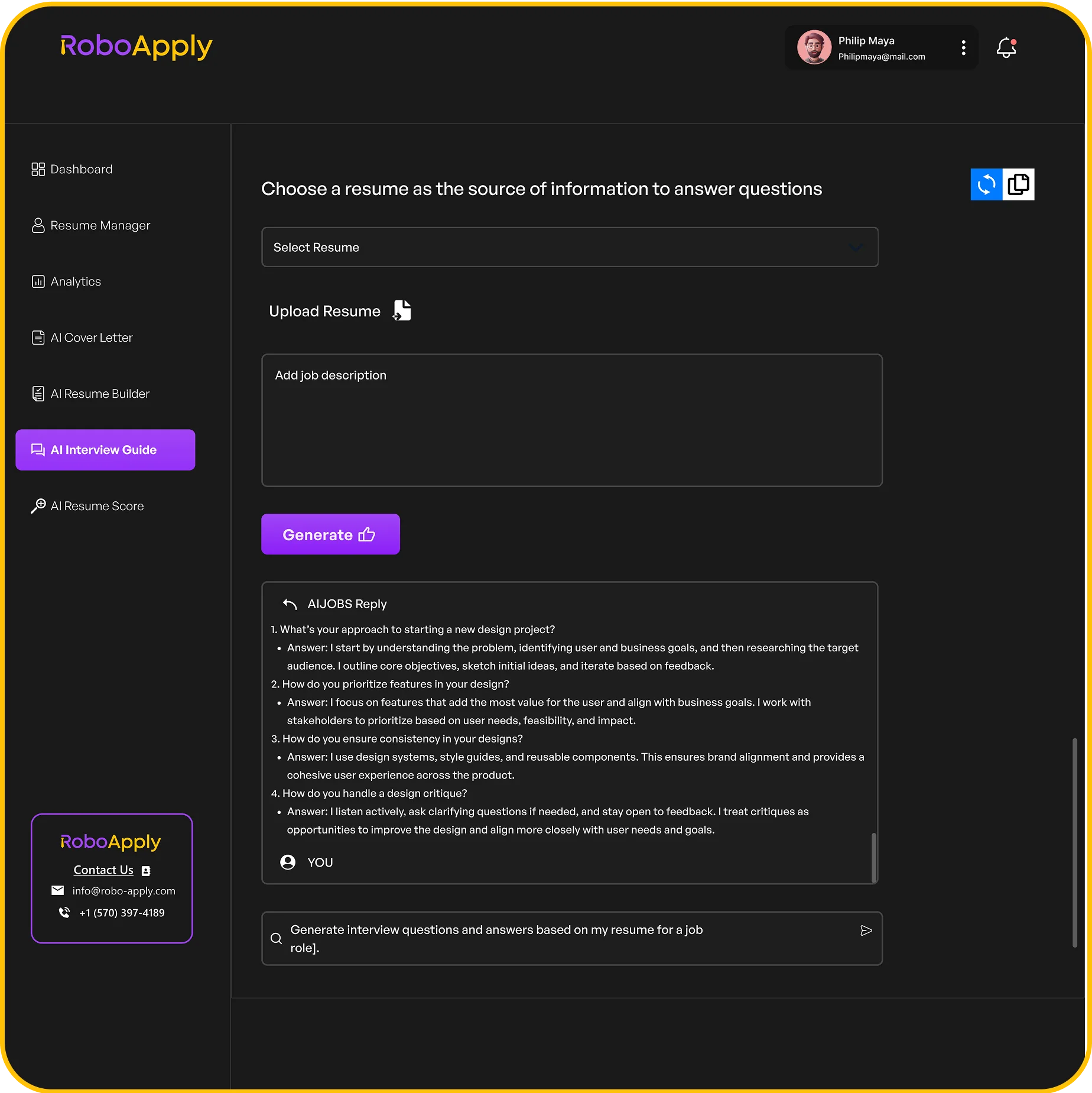
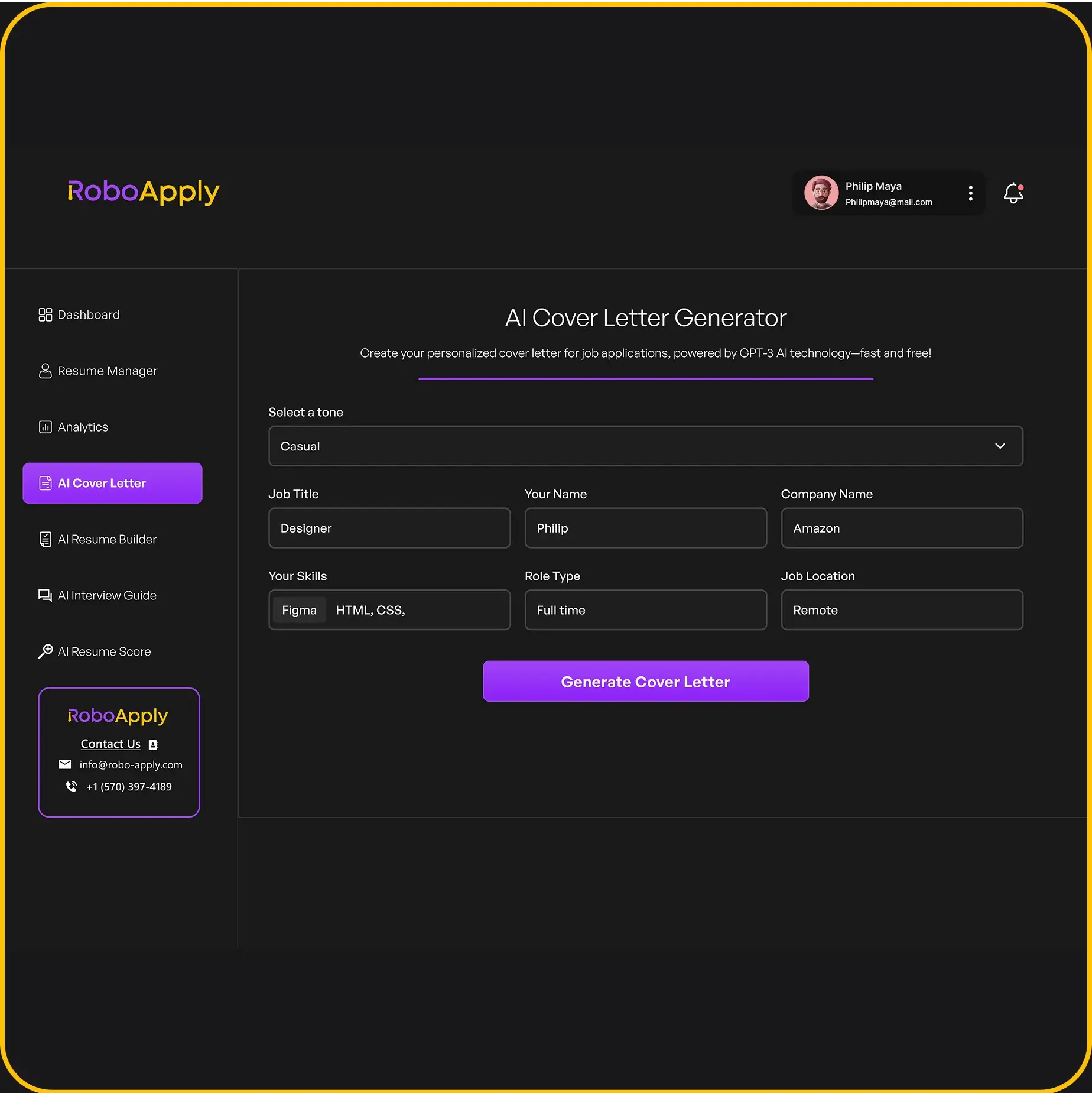
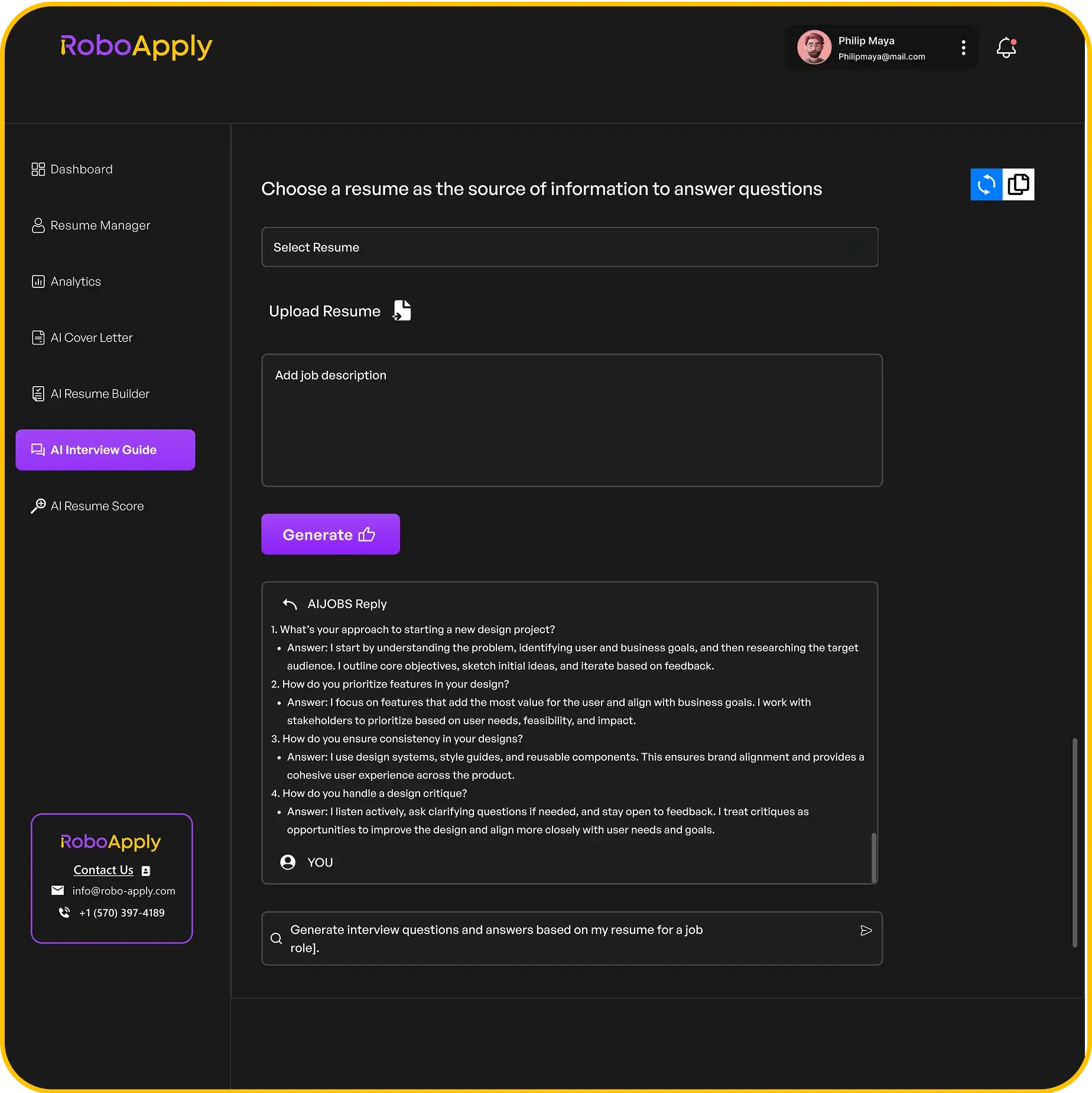
AI Cover Letter customizes letters without hours of writing. The Interview Copilot preps you through realistic practice. These features work together to advance your career faster. You focus on skills and relationships. Tech handles the grunt work.
Frequently Asked Questions
What’s the fastest way to advance your career?
Build visible skills, document wins consistently, network strategically, and create opportunities. Combine all four approaches for maximum speed and impact.
How often should I ask for a promotion?
Once yearly during reviews is standard. Ask more often only after major wins or clearly expanded responsibilities warrant it.
Should I switch companies to advance my career faster?
Sometimes. Internal moves average 3 years. External jumps can be faster but require proving yourself again at a new place.
What skills help you advance your career in any field?
Communication, problem-solving, data analysis, leadership, and project management work everywhere. Add technical skills specific to your industry on top.
How do I know if I’m ready for promotion?
You handle your role easily, take extra projects regularly, and deliver beyond expectations. Ask your manager directly for confirmation.