Knowing how to answer the are you a team player question can save your interview. Most candidates blow this one badly. They say something like “Oh yeah, I love working with people!” Then they sit there smiling. The interviewer writes nothing down. That’s a bad sign.
Here’s what actually works. You need three things. A clear yes. A quick explanation of how you collaborate. Then a real story with numbers. Research from Harvard Business Review shows collaborative work jumped 50% in recent years. Companies need team players now more than ever.
Your story makes all the difference. Skip the vague fluff. Tell them about a time you helped a team hit a deadline. Explain what you personally did. Share the result you got together. That’s how to answer the are you a team player question properly.

Why Interviewers Ask This Question
Hiring managers aren’t asking just to be nice. They’re testing something specific. Your answer tells them if you’ll fit their team or cause problems.
Most jobs need collaboration now. You can’t hide in a cubicle anymore. Data from Queens University of Charlotte found 75% of employers rank teamwork as very important. Even solo roles require coordinating with others.
The question also checks your self-awareness. People who can’t work with others usually don’t know it. They blame everyone else when teams fail. They hog credit when teams win. Your answer reveals which type you are.
Bad team dynamics cost companies real money too. Studies by CPP Global discovered U.S. employees waste 2.8 hours weekly on conflict. That’s $359 billion lost every year. Nobody wants to hire someone who adds to that problem.
What Makes a Strong Answer
Good answers follow a pattern. Interviewers listen for specific things. Generic statements don’t cut it.
Talk about your actual role on teams. Don’t just say you enjoy collaboration. Describe what you do. Maybe you organize tasks naturally. Maybe you’re good at settling disagreements. Get specific.
Use real examples with numbers. Don’t claim you’re great at teamwork. Tell them about the project where your team faced a killer deadline. Explain how you split up the work. Share the result. Did you finish early? Exceed the goal by 30%? Numbers stick.
Mention a challenge you faced too. Perfect teams don’t exist. Talk about handling a disagreement or different work styles. That shows you’ve actually been on real teams.
Give credit where it’s due. Team players recognize what others bring. Taking all the credit yourself throws up red flags fast.
The Simple Formula That Works
Here’s how to answer the are you a team player question every time. This works across any industry or role.
Start with yes. Keep it short. “Absolutely” or “Yes, teamwork is one of my strengths” works fine.
Explain your style next. One or two sentences. “I keep projects organized and make sure everyone knows what’s happening” tells them something real.
Then use the STAR method for your example:
- Situation: Quick context. What team? What goal?
- Task: What challenge came up?
- Action: What did you do specifically?
- Result: What happened? Use numbers.
End by connecting to their role. “I’d bring that same approach to your marketing team” shows you’re thinking about them.
Real Examples You Can Adapt
Different situations need different stories. Here’s how to answer the are you a team player question based on your experience.
For New Grads or Entry-Level
“Yes, definitely. During my internship at ABC Marketing, we had two weeks to launch a campaign. I made a shared tracker so everyone saw task updates. I also started quick daily check-ins. We launched on time and beat engagement goals by 40%. I’d use that same organized approach on your team.”
For Experienced Professionals
“Absolutely. Last quarter, our product launch needed engineering, marketing, and sales aligned. I set up weekly meetings and built a timeline everyone shared. When engineering hit delays, I adjusted our schedule instead of blaming them. We launched two weeks late but got zero complaints. First-month sales hit 120% of target. Your role needs similar coordination, which is my strong suit.”
For Career Changers
“Yes. In nursing, teams save lives through coordination. I managed a case with six specialists once. I organized how we shared information and scheduled meetings. The patient recovered two weeks faster than average. Those same coordination skills work for project management.”
Mistakes That Kill Your Answer
Even strong candidates mess this up. Avoid these errors.
Just saying “yes” wastes the opportunity. Interviewers want you to elaborate without prompting. Show them what you’ve got.
Vague statements mean nothing. “I get along with everyone” tells them zero. Research from TopInterview shows examples work 60% better than general claims.
Taking all the credit raises flags instantly. Teams produce results together. Share credit while explaining your part.
Talking badly about old teammates wrecks your credibility. Even difficult people should be discussed diplomatically. Focus on what you did, not what they did wrong.
Making up stories shows. Use real situations. Authentic details make you believable.
How Practice Improves Your Answer
Mastering how to answer the are you a team player question takes rehearsal. The more you practice, the smoother you sound. You catch awkward phrases before the real interview.
Prepare three team stories before you interview. Pick different situations. One with conflict. One where you led. One where you supported someone else’s idea. Then pick the best fit for each company.
Use numbers whenever possible. “Increased sales 25%” sticks better than “did really well.” Specifics prove impact.
Say your answer out loud three times minimum. You’ll hear what sounds weird. You’ll speak more naturally when it counts.
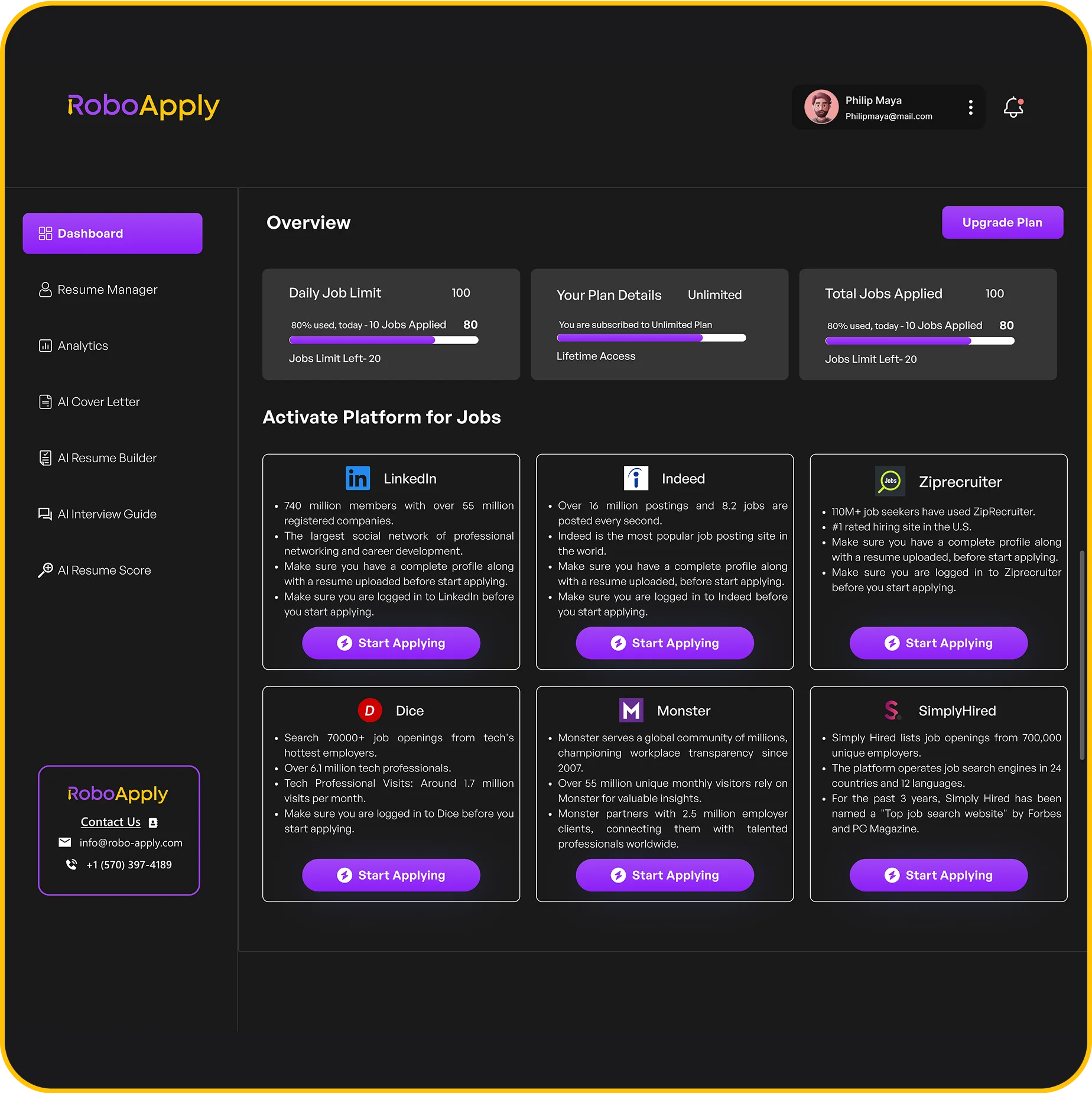
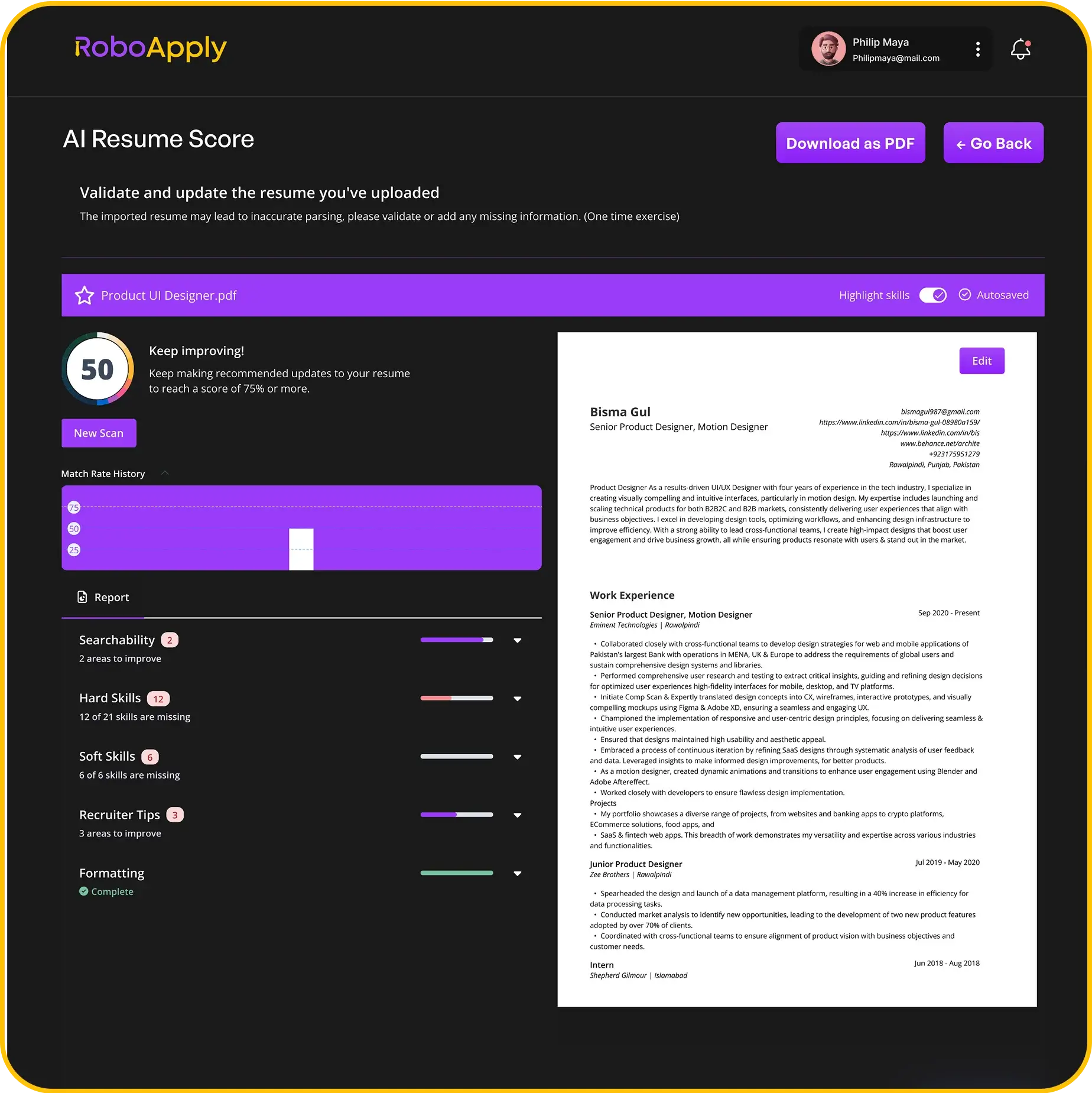
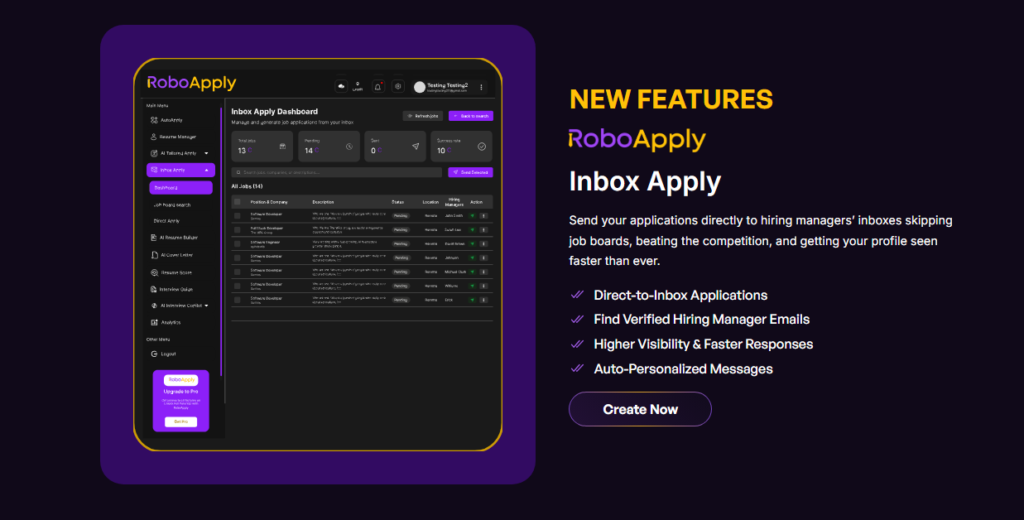
RoboApply’s Interview Copilot simulates real interview pressure. You practice behavioral questions and get instant feedback. The platform gives role-specific questions so you’re ready for industry variations.
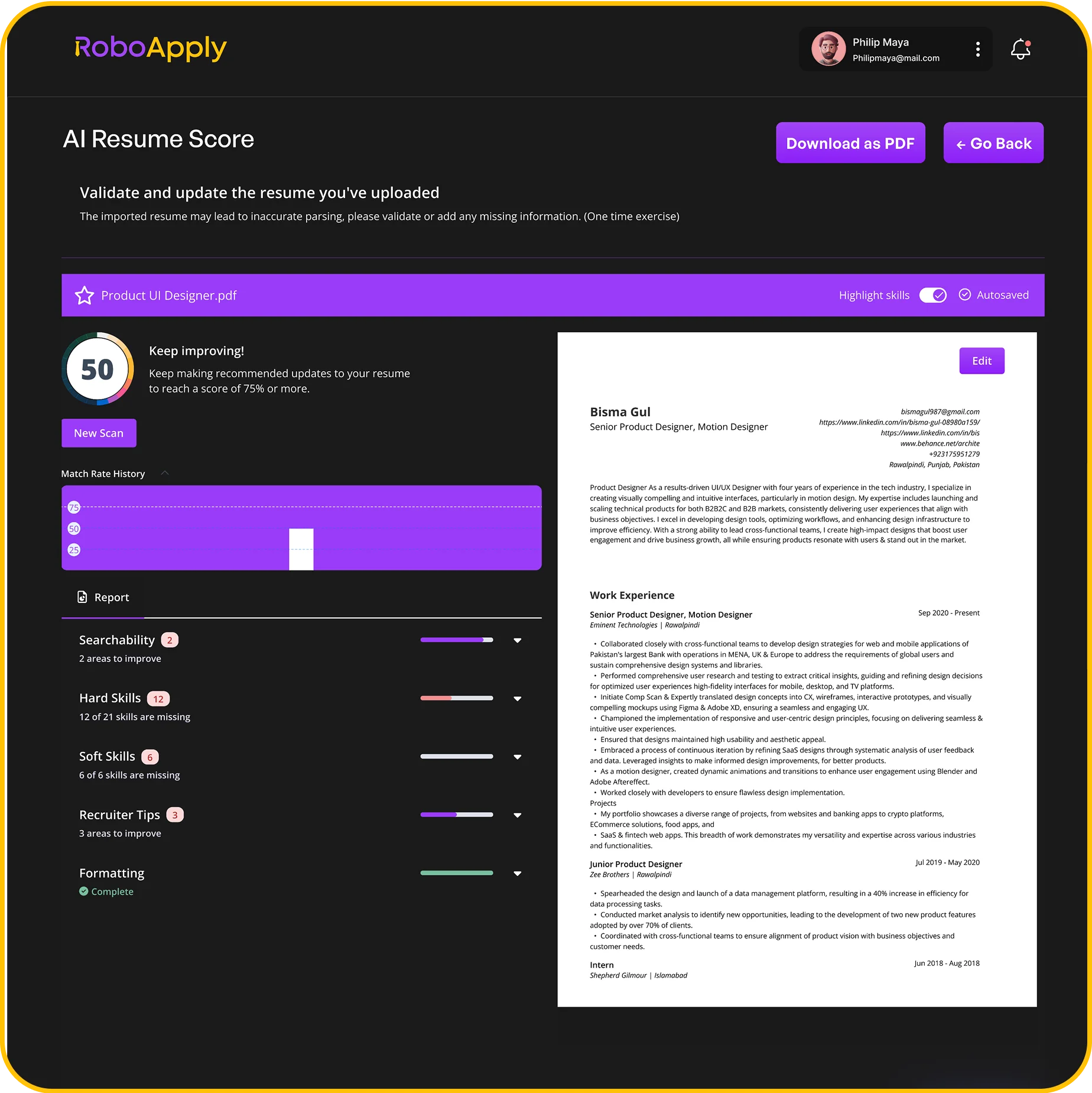
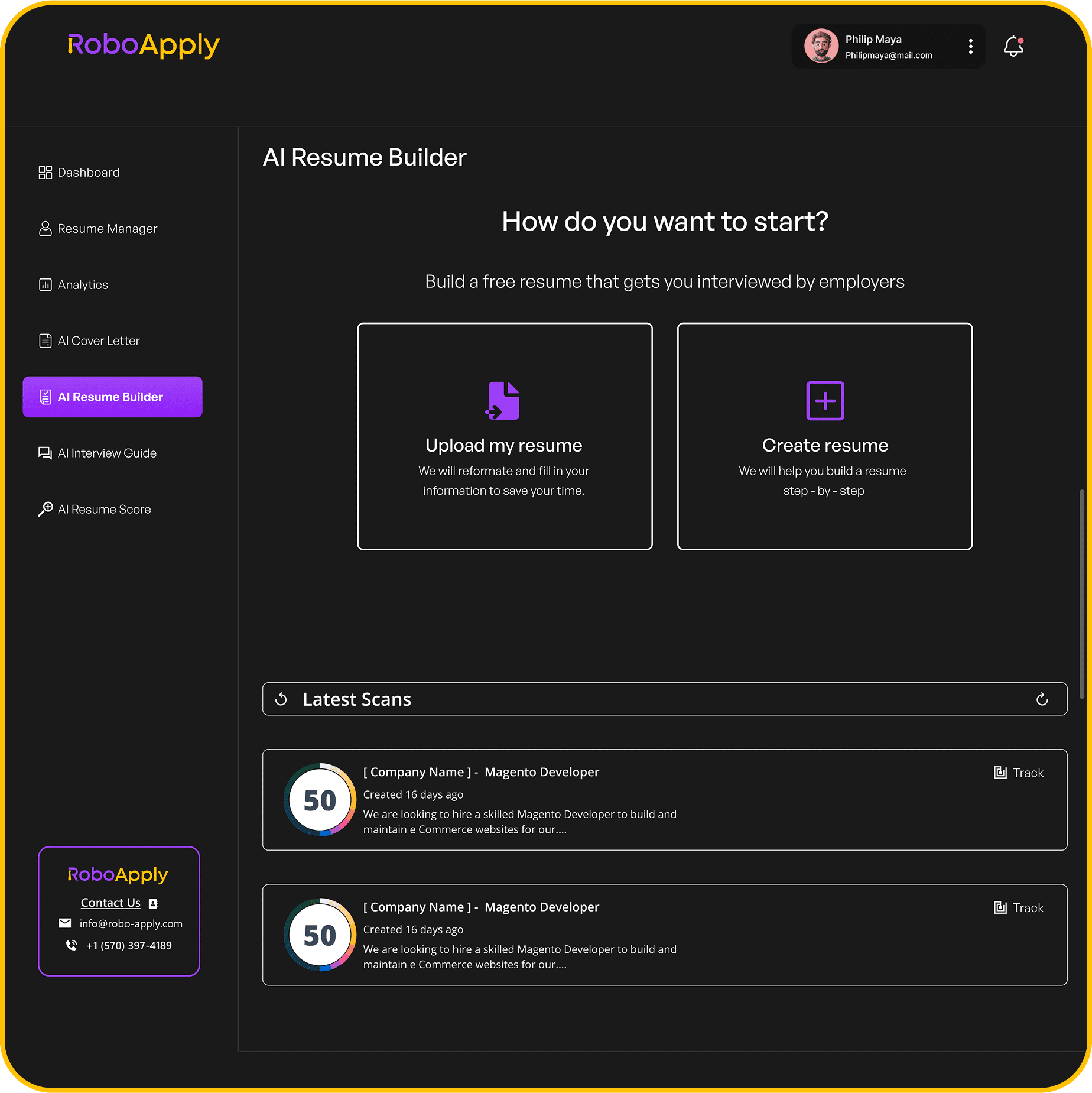
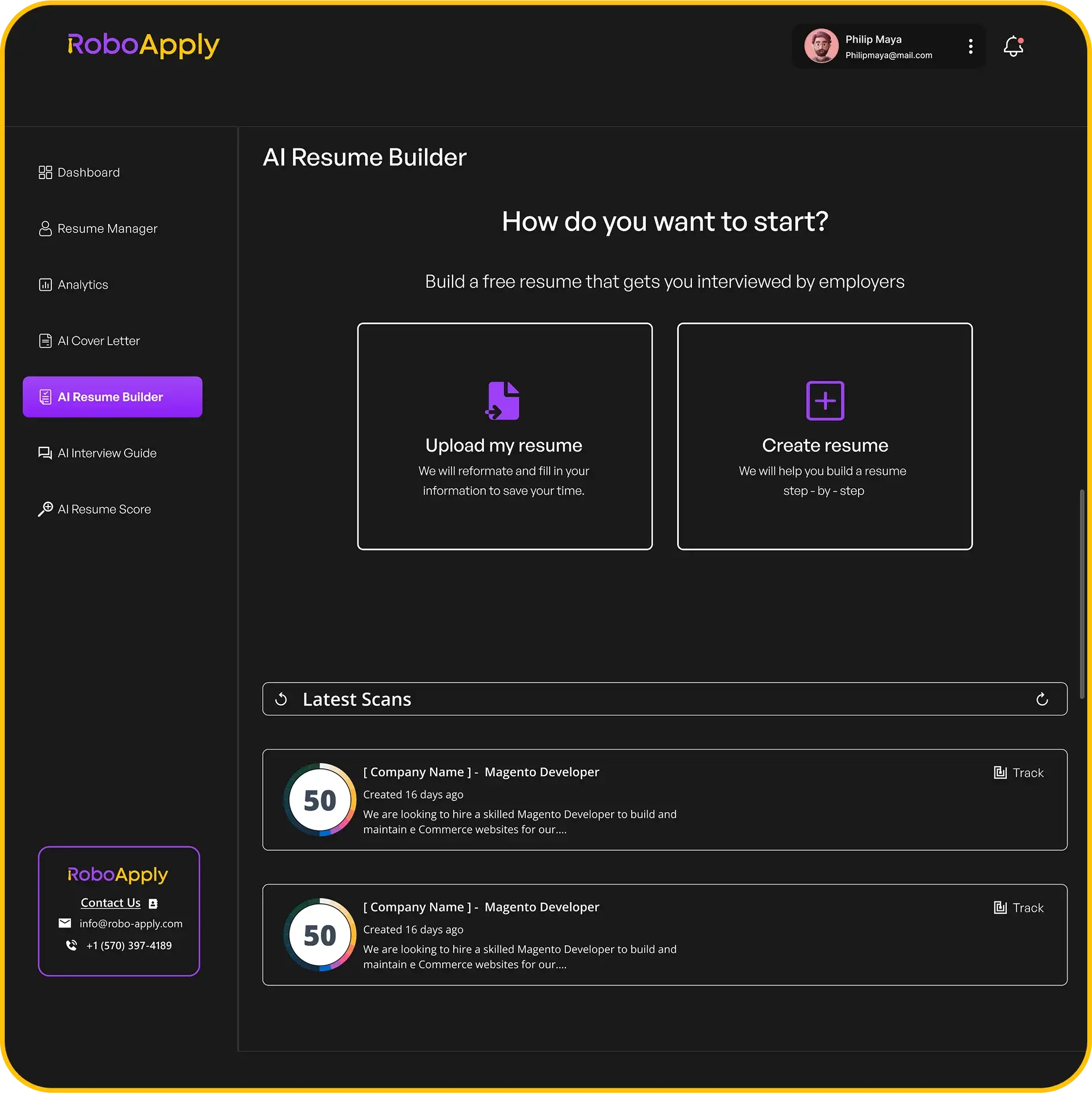
AI Auto Apply tracks where you’ve applied. AI Resume Score finds teamwork examples in your background you forgot about. The Resume Builder keeps achievements documented and fresh.
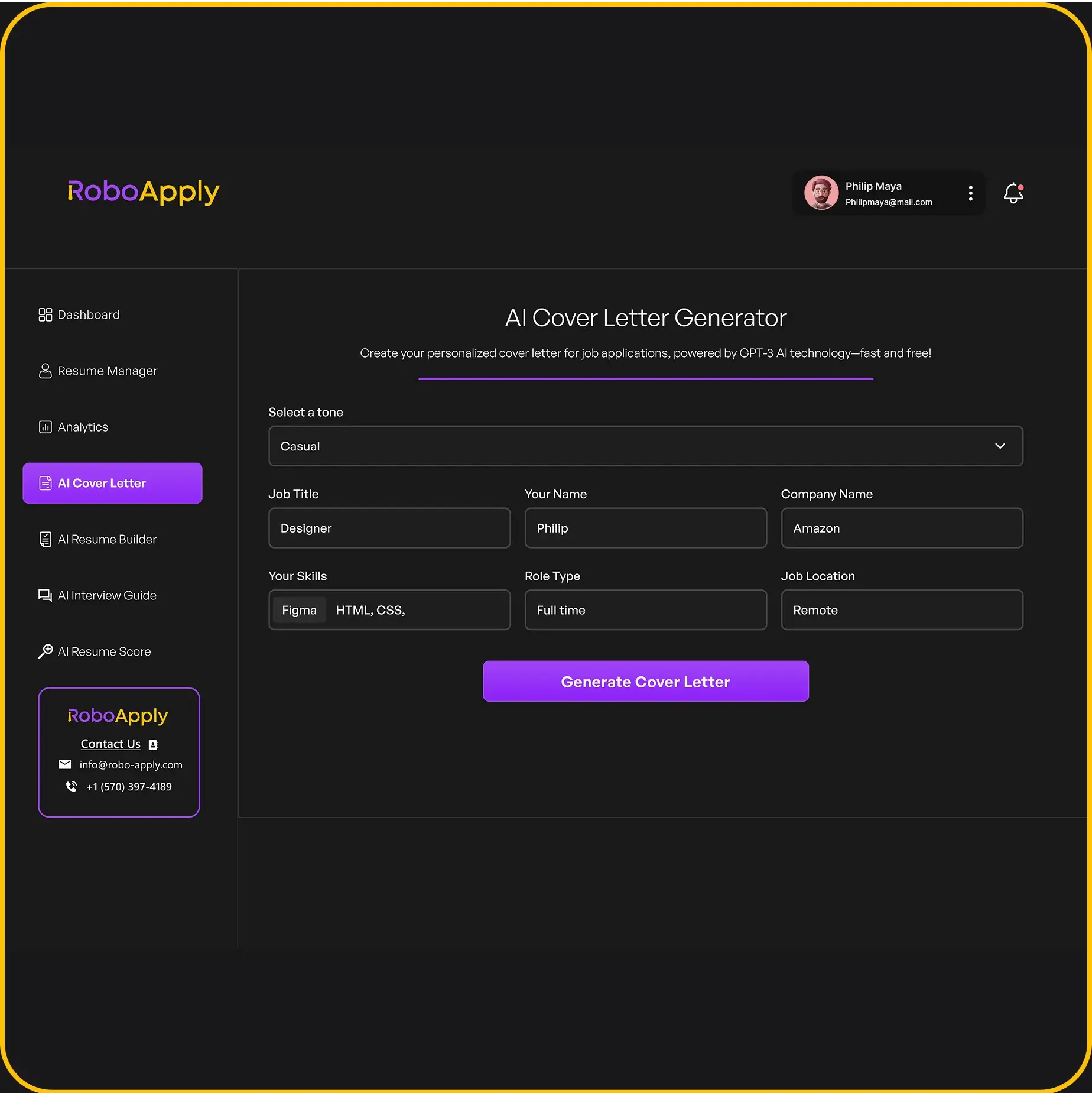
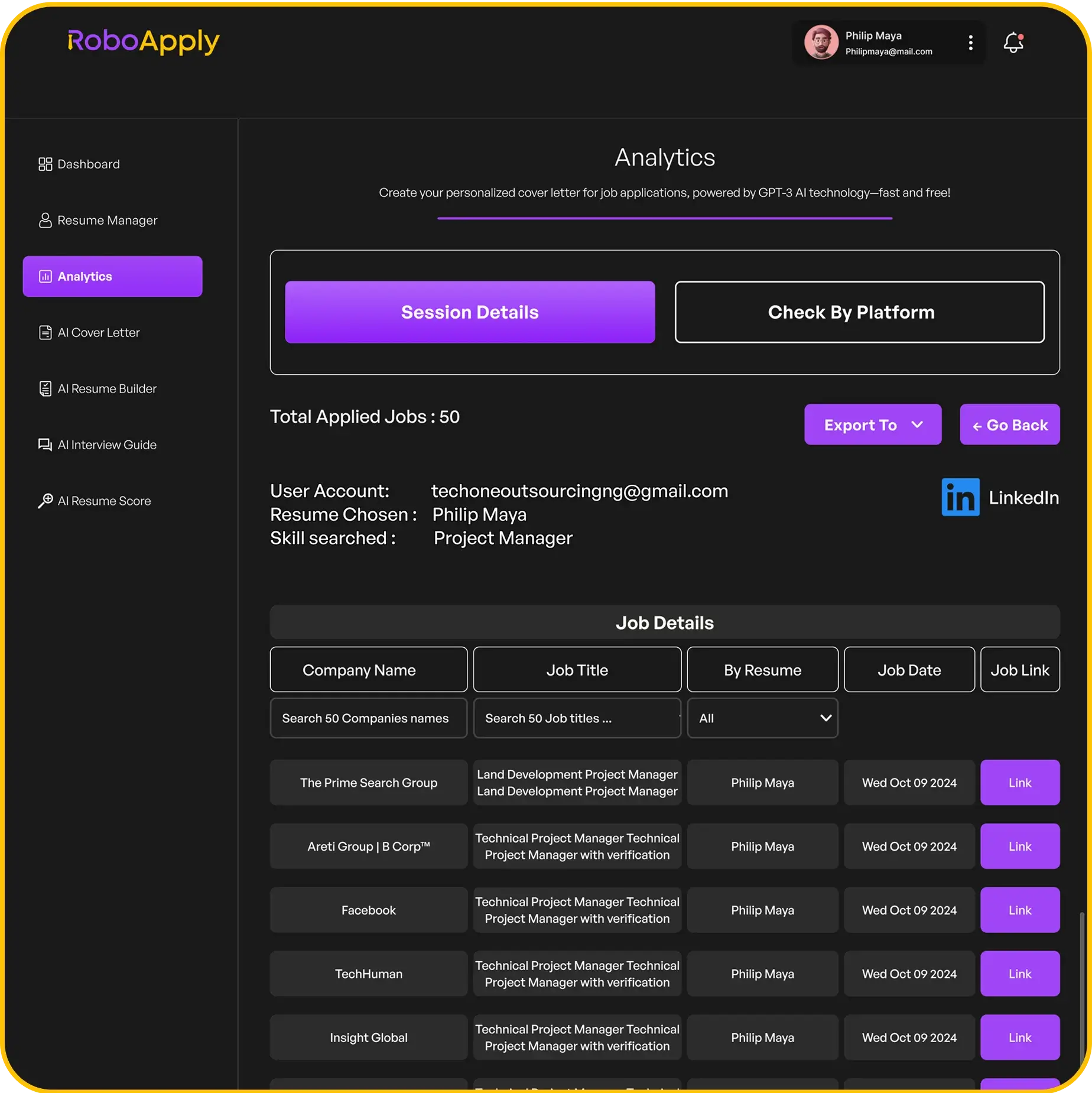
When juggling multiple interviews, Analytics keeps you organized. The AI Cover Letter helps articulate collaboration skills in writing. This strengthens verbal answers too.
Frequently Asked Questions
What’s the best way to answer are you a team player?
Say yes, briefly describe your collaboration approach, then share a specific example using the STAR method with measurable results.
Should I mention times when teamwork was difficult?
Yes, briefly acknowledging challenges shows maturity. Focus on how you handled difficulties rather than complaining about teammates.
How long should my answer be?
Aim for 60 to 90 seconds total. Longer answers lose the interviewer’s attention. Shorter ones seem unprepared or evasive.
Can I use volunteer or school examples?
Absolutely. Early career candidates should use any relevant teamwork experience. Just ensure the example demonstrates real collaboration skills.
What if I prefer working alone?
Be honest but frame it positively. Explain you work independently but value team input and collaboration when needed.