Most people get rejected from a job and just… move on. Apply to the next thing. Cross their fingers. Hope it goes better somehow.
Here’s the problem with that approach. You’re repeating whatever mistakes cost you the last job. Over and over. Different companies, same issues, no clue what’s actually going wrong.
Getting feedback after an interview changes that completely. You find out exactly what happened in there. Maybe your conflict resolution answer came across way too aggressive for their culture. Maybe you undersold yourself when talking about achievements. Maybe they loved you but your salary expectations were double their budget. Whatever it was, you’ll actually know instead of lying awake at 2am guessing.
One honest five-minute conversation with a hiring manager beats six months of wondering “was it something I said?”
But here’s the thing. You can’t just text “hey got any feedback lol” and expect a thoughtful response. There’s definitely a right way and a wrong way to ask. Timing matters huge. The exact words you choose can be the difference between getting real insights versus complete silence.
This guide walks through the whole thing. When to ask so people actually respond. What to say that makes busy hiring managers want to help you out. How to handle feedback when it stings. Plus copy-paste templates you can use literally today.
Why Bothering to Ask for Feedback after an Interview Actually Pays Off
Interview feedback tells you stuff you can’t figure out on your own. You know what came out of your mouth during the interview. What you don’t know is how it landed with the person sitting across the table.
That answer about handling difficult coworkers? Seemed perfect to you. To them it screamed “this person’s gonna create drama.” You crushed every technical question but somehow gave off “difficult to work with” energy. These gaps between what you meant and what they heard only get revealed when someone actually tells you.
LinkedIn did research showing 94% of employees want feedback at work. But almost nobody asks for it after job interviews. That right there is your edge.
Asking also keeps you in their head. Hiring managers remember candidates who genuinely want to grow. Six months later another position opens up? Your name’s already sitting there in their memory as “that person who impressed me with their attitude.”
Yeah, some companies won’t give feedback. Legal departments get twitchy about potential lawsuits. That’s fine. Just asking positions you as professional and growth-focused. Even a “sorry, we can’t” leaves a way better impression than you ghosting them first.
Nailing the Timing When You Ask for Interview Feedback
Timing is literally everything here. Ask too soon and you’re that annoying pushy candidate nobody likes. Wait forever and they’ve moved on mentally, forgotten half your interview.
The magic window? 24-48 hours after you get rejected. Everything’s still fresh. Your request makes sense instead of coming out of nowhere three weeks later.
What if two weeks passed and you’ve heard absolutely nothing? That’s when you combine a status check with a feedback request. Kill two birds. You’re following up on your application and showing you value professional development.
Never, ever ask during the actual interview though. That’s awkward as hell. You’re basically announcing “I know I bombed this so tell me how bad it was.” Wait until things officially end.
Here’s usually how it goes down:
- Interview Monday morning, went okay you think
- They said they’d let you know within a week
- Next Monday afternoon, rejection email hits
- Tuesday or Wednesday morning, you send your ask
- Some reply within hours, others take a few days
- If two weeks pass with nothing, send that combo message
Responses are all over the place. Some hiring managers write back same day with detailed thoughts. Others take a week. Some never respond at all, which sucks but happens. You did your part though.

Writing Your Feedback Request So People Actually Respond
How you word this thing determines everything. Your tone’s gotta land somewhere between professional and genuinely humble without sounding fake or desperate.
Start with real thanks. Always. Thank them for their time, for considering you, whatever. People respond better when you appreciate them first. Acknowledge their decision without any bitter undertones sneaking through. Then ask for something specific that’s easy to answer.
Keep it short. Hiring managers are drowning in emails and meetings and chaos. A novel-length feedback request isn’t getting read. Three quick paragraphs tops.
Actually Writing the Email
Your email needs three parts basically. Thanks, acceptance, clear request. That’s it.
Open with genuine gratitude for the opportunity. Accept the rejection gracefully without any “but I was so qualified though” vibes leaking through.
Make your ask specific instead of vague. “Any feedback would be cool” is too generic and lazy. Try “I’d love your take on my technical responses” or “feedback on my communication style would help me improve a ton.”
Close by making it super easy for them to say no. Acknowledge they’re slammed. Give them a simple out while still asking.
Here’s what gets responses:
“Hey [Name],
Really appreciate you spending time interviewing me for the [Position] role last week. Enjoyed hearing about the projects your team’s tackling.
Disappointed it didn’t work out obviously, but I’m always trying to get better at this interview stuff. If you’ve got a spare couple minutes, any feedback on my performance would be incredibly valuable. Even just pointing out one or two things I could improve would make a real difference.
Totally understand if you’re swamped or company policy doesn’t allow it. Thanks again for everything.
[Your Name]”
Getting Specific About What You’re Actually Asking
Generic questions get generic answers if anything at all. Specific questions unlock feedback you can actually use.
Was it a technical interview? Ask about your technical stuff. “Did my approach to the system design problem make sense?” gives them something concrete.
Feel like you rambled? Ask about communication directly. “Did I give enough concrete examples when discussing my project work?” focuses what you want to know.
Sensed hesitation about culture fit? Just ask. “Any concerns about how I’d fit with the team dynamic?” opens that conversation.
You can touch on a couple areas, but don’t go beyond 2-3 questions. More than that and you’re basically assigning homework. Nobody wants homework from someone they just turned down.
Changing Your Approach Based on What Actually Happened
Not all rejections are the same. Your request should match your specific situation.
Getting Cut After Phone Screens
Phone screens are fast. Feedback here usually covers basic stuff like communication or whether you hit minimum qualifications. Keep your request even shorter.
“Thanks for the phone call about the [Position] role. Would love any quick thoughts on my phone interview approach for next time.”
Phone screeners work from literal checklists most of the time. They can often tell you exactly which requirement you missed or why another candidate was stronger on paper.
After You Made Final Rounds
Final round rejections hurt more because you invested way more. The feedback’s usually better though. Research shows later-stage candidates get more detailed responses when they ask.
You met multiple people. Ask if similar themes came up across different interviewers. That question often gets you better info than just asking “how’d I do?”
When They Straight Up Ghost You
Getting ghosted after interviewing is the absolute worst. You can still ask for feedback though. Just frame it different.
“Wanted to check in on the [Position] I interviewed for on [date]. Know things get crazy and sometimes roles get put on hold internally. If you’ve got a second, I’d genuinely appreciate any feedback from my interview that could help me.”
This acknowledges they disappeared without being accusatory. Sometimes ghosting happens because something blew up internally, not because you bombed. Your email might actually get them to finally respond.
Actually Doing Something with Feedback You Get
Getting feedback is step one. Using it separates people who improve from people who keep making the same mistakes forever.
Read it without immediately getting defensive. Your gut reaction might be “that’s not fair” or “they’re wrong.” Totally normal. Sleep on it before deciding if they have a point.
Look for patterns when you collect feedback from different places. One person saying you seemed nervous might just be their take. Three people saying it means you’re genuinely coming across nervous.
Act on specific stuff right away. Someone said your examples lacked numbers? Add metrics to every example starting today. Said you rambled? Practice tight 60-second answers to common questions.
Studies show candidates who seek and use feedback improve interview performance by around 40% next time around. That’s huge from one simple habit.
Thank whoever gave you feedback too. Quick follow-up expressing real appreciation cements you as professional and growth-focused in their brain.
Mistakes That Kill Your Feedback Requests
Even smart requests blow up if you make these errors.
Asking before they decided is the biggest mistake. Requesting feedback while you’re still being considered seems presumptuous as hell. Like you’re announcing you know you didn’t get it. Wait for the actual rejection.
Arguing with feedback destroys goodwill permanently. Someone took time to help you. Responding with “actually I thought I nailed that part” makes you look defensive and impossible to coach.
Requesting too much detail overwhelms people. “Can we do a 30-minute debrief call?” is asking way too much. Brief written feedback is reasonable. Full debriefs aren’t.
Following up repeatedly crosses into annoying fast. One request. If no response after a week, drop it. They’re not responding to attempt two.
What tanks requests:
- Asking while they’re still deciding
- Getting defensive with feedback
- Requesting excessive time or detail
- Multiple follow-ups when ignored
- Sounding entitled instead of humble
Using Tools to Get Better at Interviewing
Feedback helps a ton. Combining it with practice tools speeds improvement even more.
Recording yourself answering questions reveals patterns you never notice. Maybe you say “um” constantly. Maybe you make weird faces when thinking. Video shows everything.
Mock interviews with friends give different angles. They catch stuff you’re blind to. They’ll tell you when answers don’t make sense or when you’re underselling yourself hard.
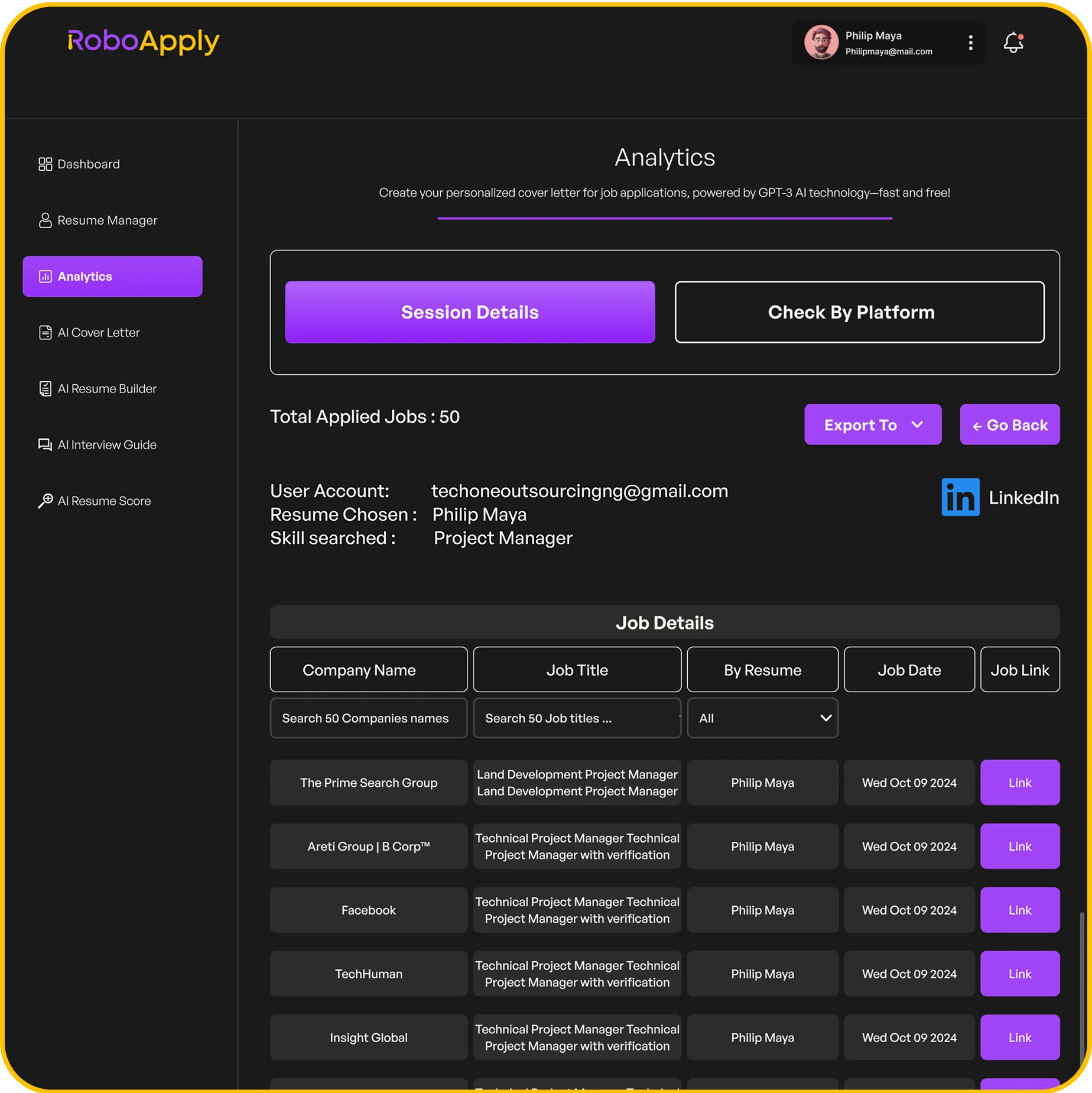
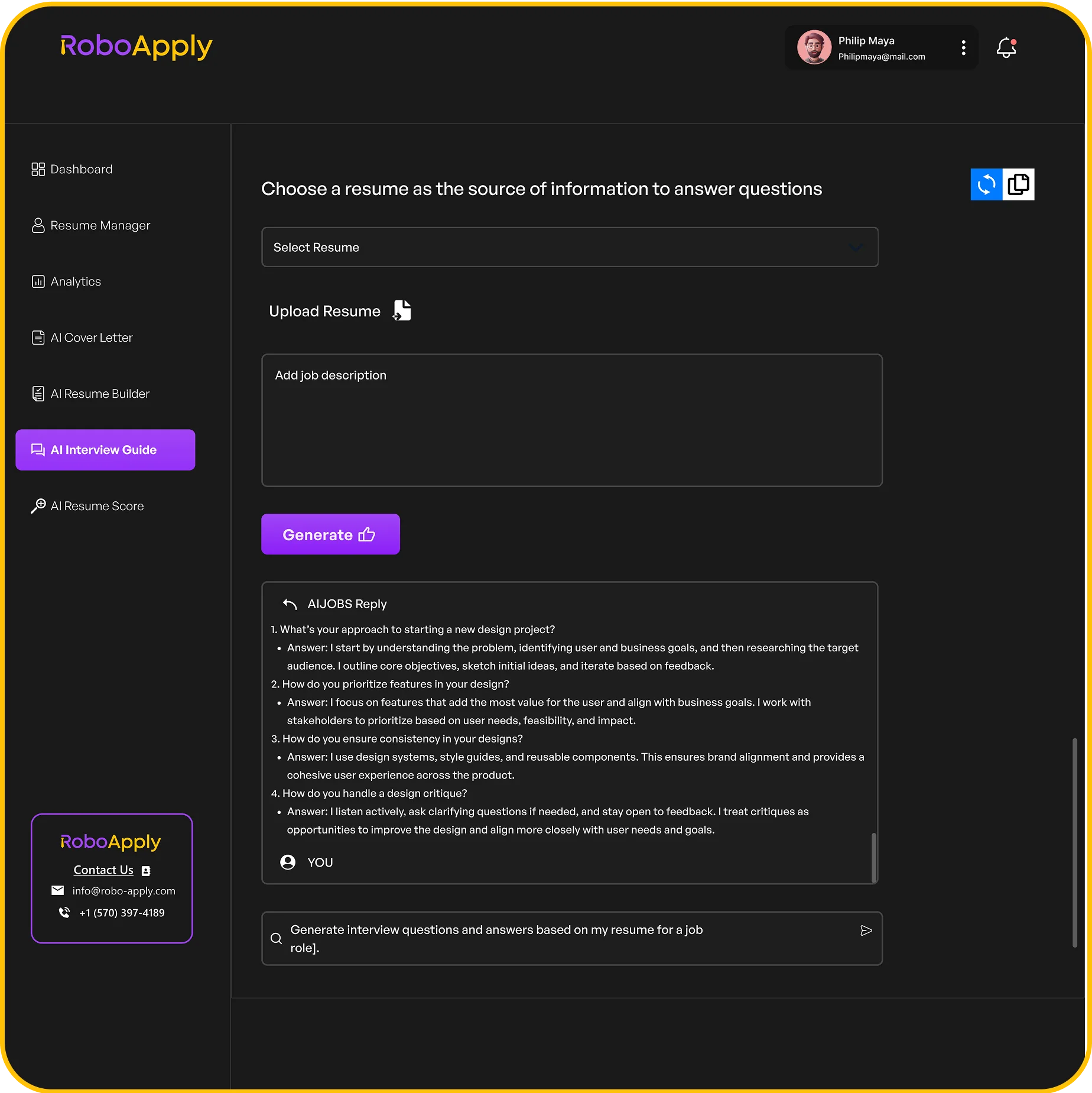
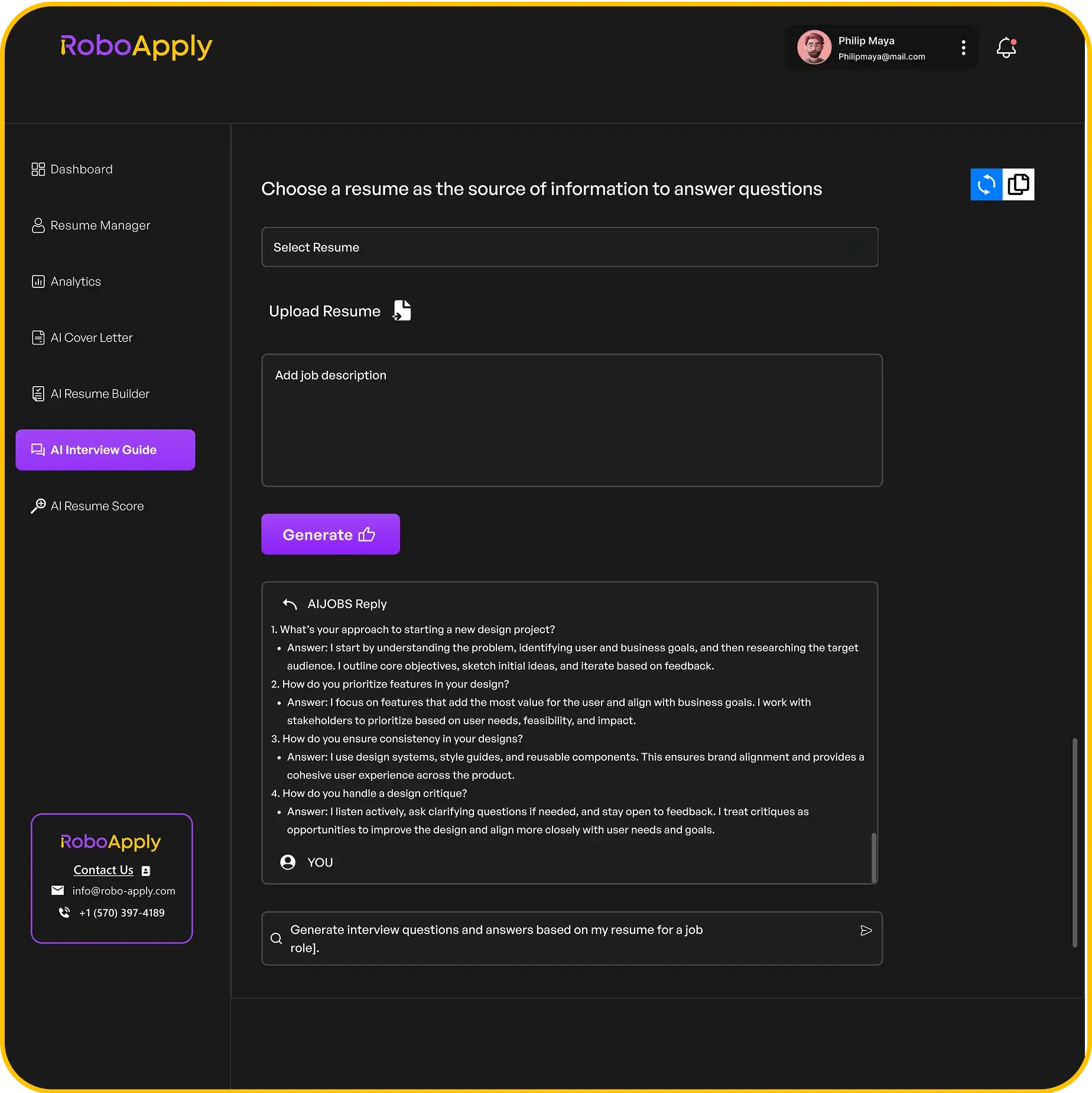
RoboApply’s Interview Copilot takes practice further with AI feedback. You get instant reactions. The system spots weak areas and suggests concrete improvements.
Practice until answers feel natural instead of memorized. The platform’s tools help you rehearse without sounding robotic. You’re building real confidence through smart repetition.
Tracking feedback across multiple companies gets messy. Which company said what? What did you fix? RoboApply centralizes everything so you’re not hunting through emails.
You spot patterns fast. Three companies mentioning similar stuff means fix it systematically. Not just hope it doesn’t come up again.
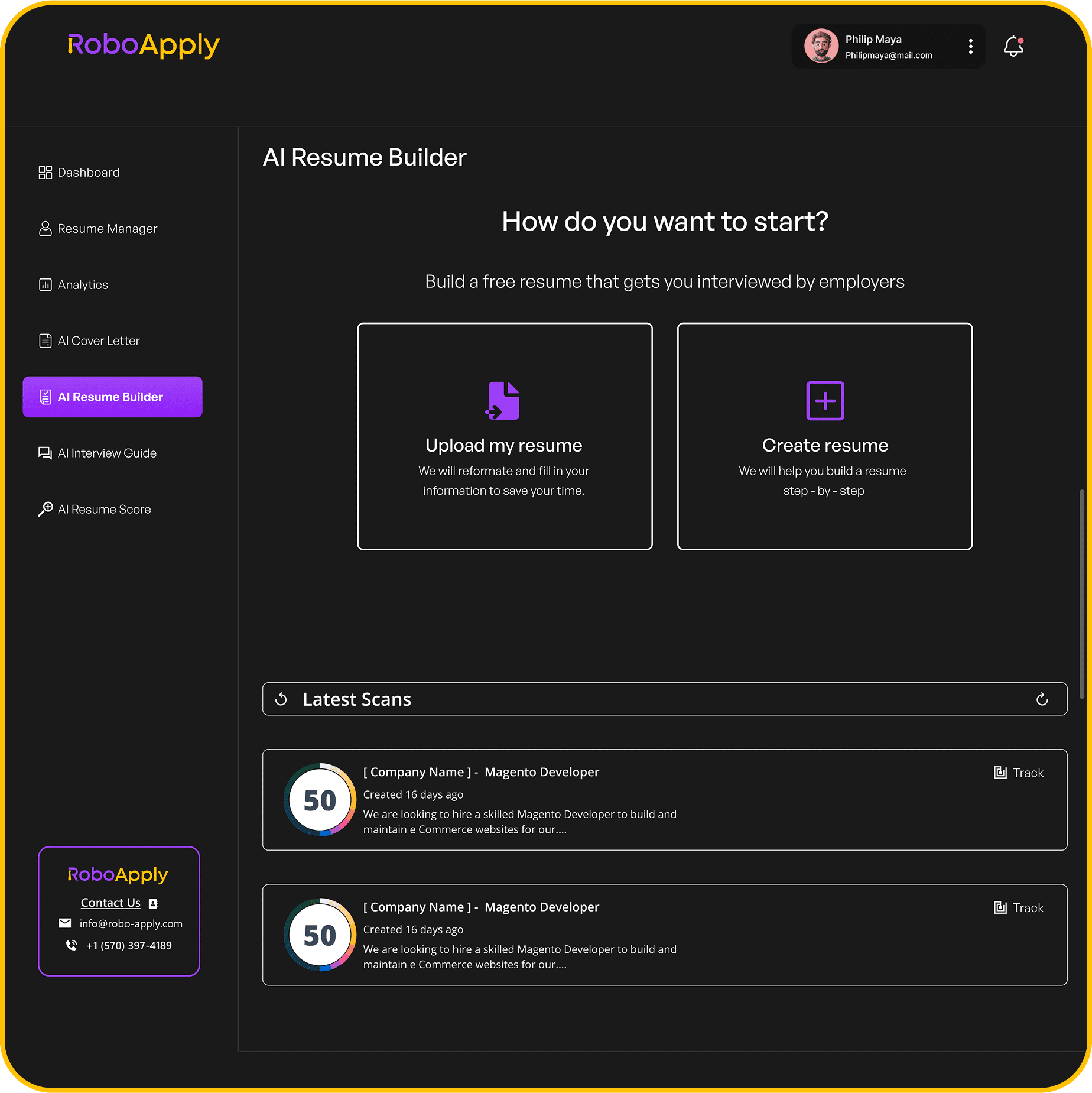
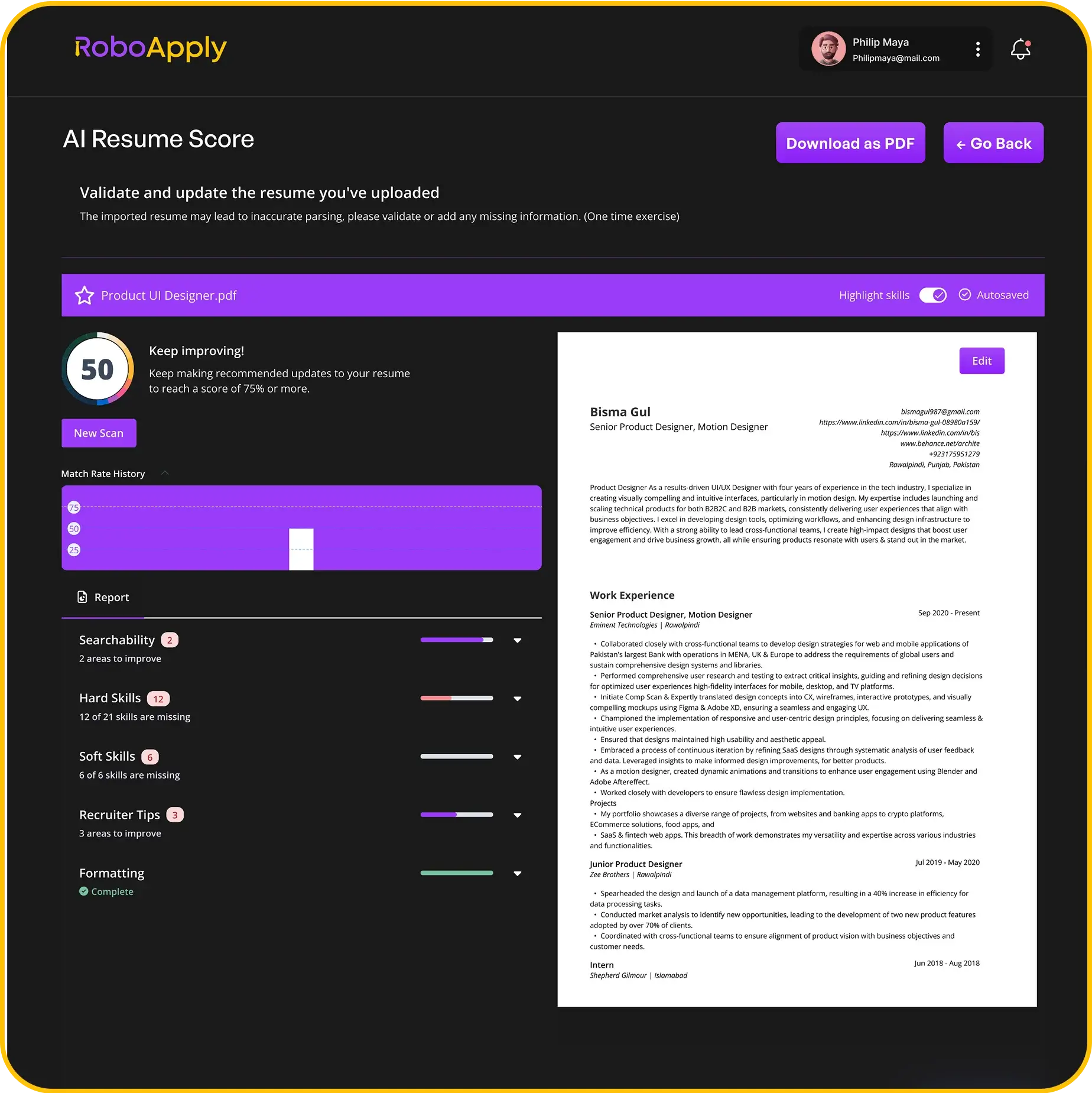
The system helps you build stronger resumes incorporating feedback. Interviewers wanted more leadership examples? Emphasize those everywhere going forward.
Real feedback plus smart tools creates complete improvement. You’re learning from hiring managers while getting better between opportunities. Creating better cover letters gets easier when you know what resonates.

Following Up After Getting Feedback
Getting feedback opens the door to stay connected professionally. Most people never follow up. That’s leaving opportunity sitting there.
Send quick thanks after someone gives feedback. Brief but genuine. “Thanks for the feedback on my interview. Really appreciate the specific insights about my technical explanations. Already working on what you mentioned.”
This does two things. Shows genuine appreciation. Proves you’re actually using their advice.
Sometimes feedback reveals you were their second choice. Super close decision. Staying in touch means they might reach out when something else opens.
Connect on LinkedIn after your thank you. Most professionals accept requests from candidates they interviewed. Keeps you visible when future stuff pops up.
Frequently Asked Questions
When should I ask for feedback after an interview? Hit them up 24-48 hours after getting rejected. Everything’s fresh so the feedback will be way more specific and actually useful for improving next time.
What if the company ignores my feedback request completely? Tons of companies won’t respond because of legal stuff or they’re just overwhelmed with work. That’s normal. Send one polite request then move on with life.
How should I write my feedback request email? Keep it short, genuinely thank them, acknowledge the rejection without bitterness, ask specific questions, and make declining easy if they can’t help out.
Can asking for feedback get me reconsidered for the job? Sometimes yeah. Showing professionalism and genuine growth mindset keeps you on their radar. They might hit you up about different openings that fit better later.
What should I do with negative feedback after an interview? Don’t argue or get defensive at all. Look for patterns across multiple interviews. Act on specific stuff immediately and genuinely thank them for being honest.