Career Fair Follow-Up Email strategy is the difference between getting callbacks and wondering why your phone never rings. You just spent your entire afternoon at a career fair. Your feet are killing you. You talked to maybe six recruiters. Passed out your resume to everyone with a pulse. Now you’re home eating leftover pizza thinking “well, that’s done.”
Wrong. You’re not done. Not even close.
Most people walk out of career fairs and never do anything else. They wait around for recruiters to call them. News flash: that recruiter talked to 200 people today. Your conversation? Already blurred with 50 other finance majors who said basically the same stuff. Your resume is buried somewhere in their bag with 150 others.
The follow-up email is your shot at standing out. Thing is, barely anyone sends them. Which is actually great for you.
Why This One Email Changes Everything
Recruiters actually expect follow-ups after career fairs. Sounds weird but it’s true. When you don’t send one, they assume you weren’t really interested. They’re back at the office going through this massive pile of resumes. Your email puts you back on their radar when they’re making decisions about who to call.
Think about what career fairs look like from their side for a second. They stand at that booth for six straight hours. Talk to person after person with maybe one bathroom break. By hour four, everyone’s face starts looking the same. Every conversation blends together. “Yeah, I’m a marketing major, really interested in your company” times 100.
Your follow-up cuts through all that and reminds them exactly who you are. Here’s the part nobody tells you though. This email isn’t just about being polite. It’s basically a second chance to impress them.
Forgot to mention that internship where you managed a $50k budget? Put it in the email. Wish you’d shown them your portfolio? Attach it now. Stumbled over your words when they asked about your experience with data analysis? Write a better answer in the email.
The competitive advantage here is massive. Data from university career centers shows only about 20% to 30% of students actually send follow-ups. Just by sending an email, you’re ahead of 70% of everyone they talked to. Pretty good odds for 10 minutes of work.
When You Actually Need to Send This
Get your Career Fair Follow-Up Email out within 24 hours. Same day is even better if you can pull it off. Recruiters don’t wait around. They start going through candidates the day after the fair, sometimes even that same night.
Wait three days and you’ve basically already lost. They moved on. Talked to 80 more people since you. Your face faded into the crowd. Speed matters here more than people think.
Here’s what works best. Right when you leave the career fair, before you even get to your car, pull out your phone and write notes about each conversation. Who did you talk to? What did you discuss? What was their name? Do this immediately while it’s fresh.
That same night or first thing the next morning, write your emails. All of them. Get everything sent before 24 hours hits. TopResume did research on this – 80% of recruiters want to hear from you within that first day.
Time of day matters too. Send between normal business hours, like 8am to 5pm on weekdays. Early morning around 8 or 9am usually works best. Don’t fire off emails at midnight on Saturday. Makes you look either desperate or like you have no idea what you’re doing.

What Actually Goes in This Email
Your follow-up needs specific stuff working together. Those super generic “thanks for your time” emails? Deleted in two seconds flat. Emails that bring up real details from your actual conversation? Those get responses.
Subject Lines That Don’t Get Ignored
Your subject line is everything. Opens your email or sends it straight to trash. That recruiter probably got 200 emails today already. Yours has to stand out without sounding desperate or weird.
Stick your name in there so they know who’s emailing. Mention the specific career fair and maybe the role you talked about. “Following up: Marketing role – Jamie Rodriguez” destroys just “Thank you” or “Nice meeting you.”
Formats that consistently work:
- “[Your Name] – [Career Fair Name] – [Job Title]”
- “Great chat about [Specific Thing] at [Event Name]”
- “[Event Name] follow-up: [Your Name] – [Major/Skill]”
- “[Job Title] from [Career Fair Name] yesterday”
Skip generic garbage like “Thanks for your time.” Could literally be about anything. Tells them nothing. Makes you instantly forgettable. And definitely don’t use ALL CAPS or five exclamation points. Looks ridiculous. Might trigger their spam filter too.
Opening Lines That Jog Their Memory
Your first sentence has to reference something specific from your real conversation. This immediately reminds them who you are. Also proves you’re not just blasting the same email to everyone.
Bring up a project they mentioned. A challenge their team’s dealing with. Something funny that happened during your chat. A connection you both know. Whatever. Just make it specific to your conversation with them and nobody else.
“Really enjoyed hearing about the mobile app launch at the State Career Fair yesterday” is infinitely better than “Thank you for taking time to speak with me.” One shows you actually paid attention. The other could’ve been copied and pasted to 50 people.
Quick Hits on Why You’re Qualified
Remind them fast why you’re a solid candidate. Don’t write your autobiography. Pick two or three things that match what they need. Tie these back to what you discussed at the booth.
Real examples work way better than vague claims. “Increased Instagram engagement by 65% over six months” hits harder than “I’m good at social media.” One proves it. The other is just words.
Keep this section tight. Two sentences max, maybe three. You’re refreshing their memory, not reintroducing yourself completely. They met you already. Just hit them with your best stuff again.
Actually Saying You Want the Job
Tell them straight up that you want to work there. Don’t make them guess if you’re interested or just networking. Be direct without sounding desperate.
Name the specific role or team that interests you. Shows you thought about where you’d actually fit. Also helps them send your info to the right people.
“I’m really interested in that Digital Marketing Coordinator position, especially the Q2 campaign work” beats “I’d love to explore opportunities.” One is specific. The other is vague and forgettable.
What You Want to Happen Next
End with a specific ask. Don’t just leave it hanging with “hope to hear from you.” That’s polite but useless. Doesn’t move anything forward.
Ask for a phone call. Ask about timeline. Ask what happens next. Make it easy for them to respond with something concrete. Harvard Business Review found emails with clear asks get 30% more responses than vague ones.
“Could we schedule a 15-minute call next week?” gives them something definite. Way better than hoping they’ll magically get back to you.
Making It Personal So It Doesn’t Sound Robotic
Every email you send should feel like you wrote it just for that one recruiter. Mass emails get spotted instantly. Deleted just as fast.
Pull up your notes from the conversation. What did you actually talk about? What projects are they working on? What problems did they mention? What got them excited? Build your email around those specifics.
Mention their company’s recent news if it makes sense. Just launched a new product? Won an award? Expanded somewhere? Bringing this up shows you’re paying attention. LinkedIn research shows personalized messages get about 50% more responses.
Connect your background to what they specifically need. Don’t randomly list skills. Tie each one to something they said. “You mentioned needing Salesforce experience – I’ve used it daily for two years managing our client database” makes the connection obvious.
Mistakes That Kill Your Email Dead
Some errors will destroy your email before it even has a chance. Watch out for these.
Sending identical emails to multiple recruiters is instant death. They can tell. Shows you’re lazy and not genuinely interested. Personalize every single one even though it takes forever.
Waiting too long probably kills more opportunities than anything else. Recruiters move lightning fast. They’re setting up first interviews within three to five days. Miss that window and you’re behind everyone who followed up quickly.
Writing novels buries your actual point. Recruiters don’t have time for your life story. Keep it under 200 words total. Three short paragraphs. Make your point and bounce.
Typos and grammar mistakes make you look sloppy. Proofread at least three times. Run spell check. Read it out loud. Get a friend to look at it. One tiny typo might slide. Multiple errors kill your credibility instantly.
Forgetting to attach your resume wastes an opportunity. Include it even though you handed them a paper copy. Digital versions are way easier to forward and file. Name it professionally: “Sarah_Chen_Resume.pdf” not “resume_FINAL_edited_v7.pdf.”
Being too formal or too casual throws everything off. Match how they talked. Most recruiters want professional but approachable. Skip the corporate robot language. Write like a human.
What to Do When They Ghost You
No response doesn’t mean you’re done. Recruiters get slammed with emails. Stuff gets buried. Messages get missed.
Wait a full week before sending another one. Gives them time to respond. Shows patience. Following up after two days looks desperate.
Your second email should be shorter. Mention your first message briefly. Say you’re still interested. Ask about next steps. Keep it under 100 words.
Stay positive. Don’t complain about getting ghosted. Don’t ask why they didn’t respond. Just say you’re still interested. Indeed found second follow-ups boost responses by about 40%.
After two follow-ups with nothing, move on. Some companies won’t respond no matter what. Focus on opportunities showing actual interest. You can try one last shot at three or four weeks if you’re really passionate about them.
Email Structure That Actually Works
Here’s a structure that works. You need to adapt this heavily to your situation. Personalization is critical.
Subject: Following up: [Job Title] chat – [Your Name]
Body:
Hey [Recruiter Name],
Really enjoyed talking with you at the [University] Career Fair yesterday about [Specific Thing]. Your take on [Specific Detail] was helpful for understanding where things are headed.
I’m interested in the [Job Title] we discussed. My experience with [Specific Thing You Did] lines up with [Need They Mentioned]. Think I could help with [Project They Talked About].
Attached my resume and [Work Sample if relevant]. Could we grab 15 minutes next week for a quick call?
Thanks for your time yesterday.
Best, [Your Name] [Phone] [LinkedIn]
This covers everything. Personal opening. Quick reminder why you’re qualified. Clear interest. Specific ask. Professional close with contact info.
Handling Your Whole Job Search Smarter
Following up is just one piece. You’re probably applying to 30 or 40 jobs right now. Writing different cover letters. Tweaking your resume constantly. Tracking everything. This eats up insane amounts of time.
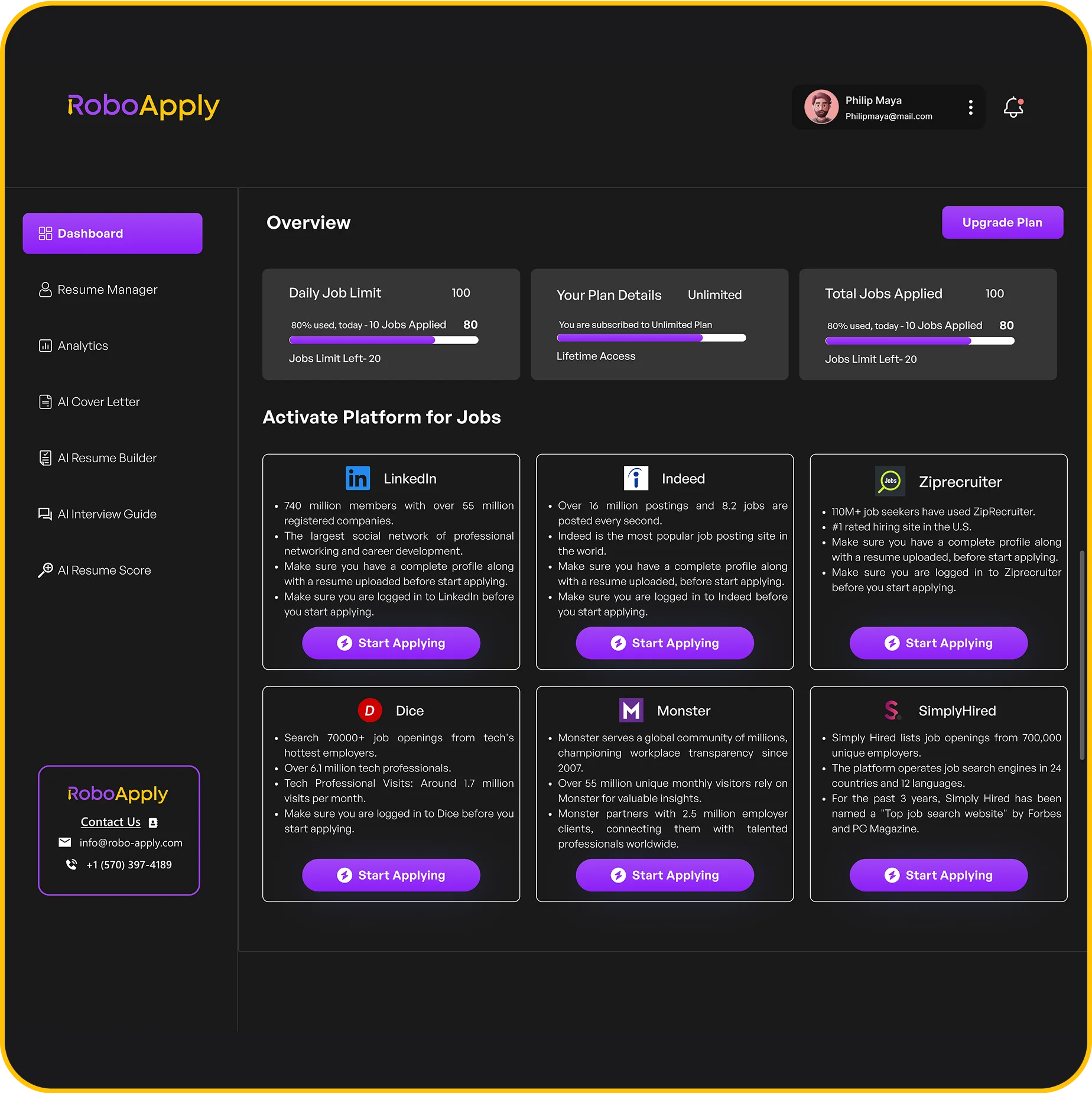
Technology can handle a ton of this repetitive work. Instead of burning 30 minutes per application, you can cover way more ground. Smart tools help you work more efficiently without cutting corners.
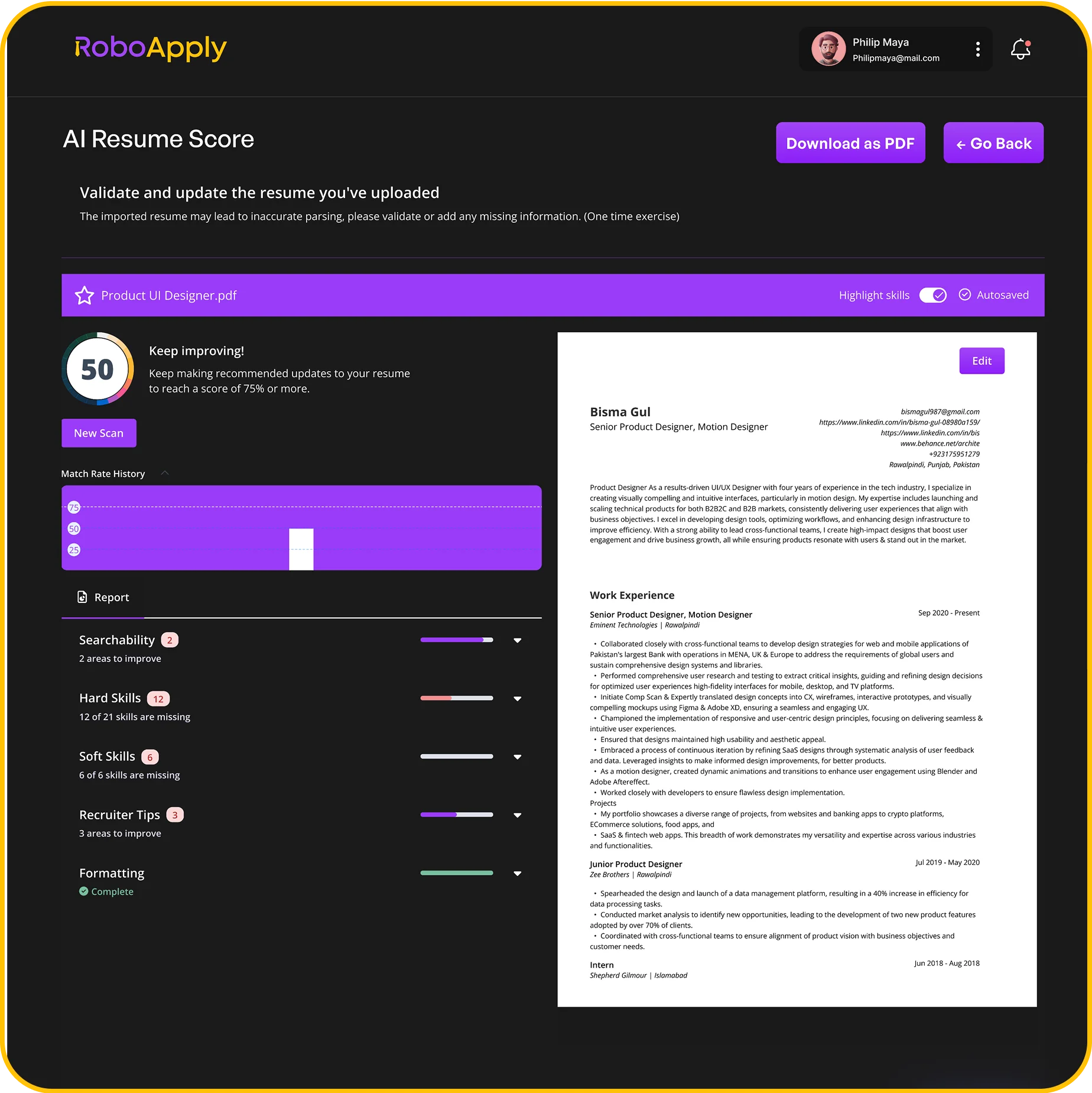
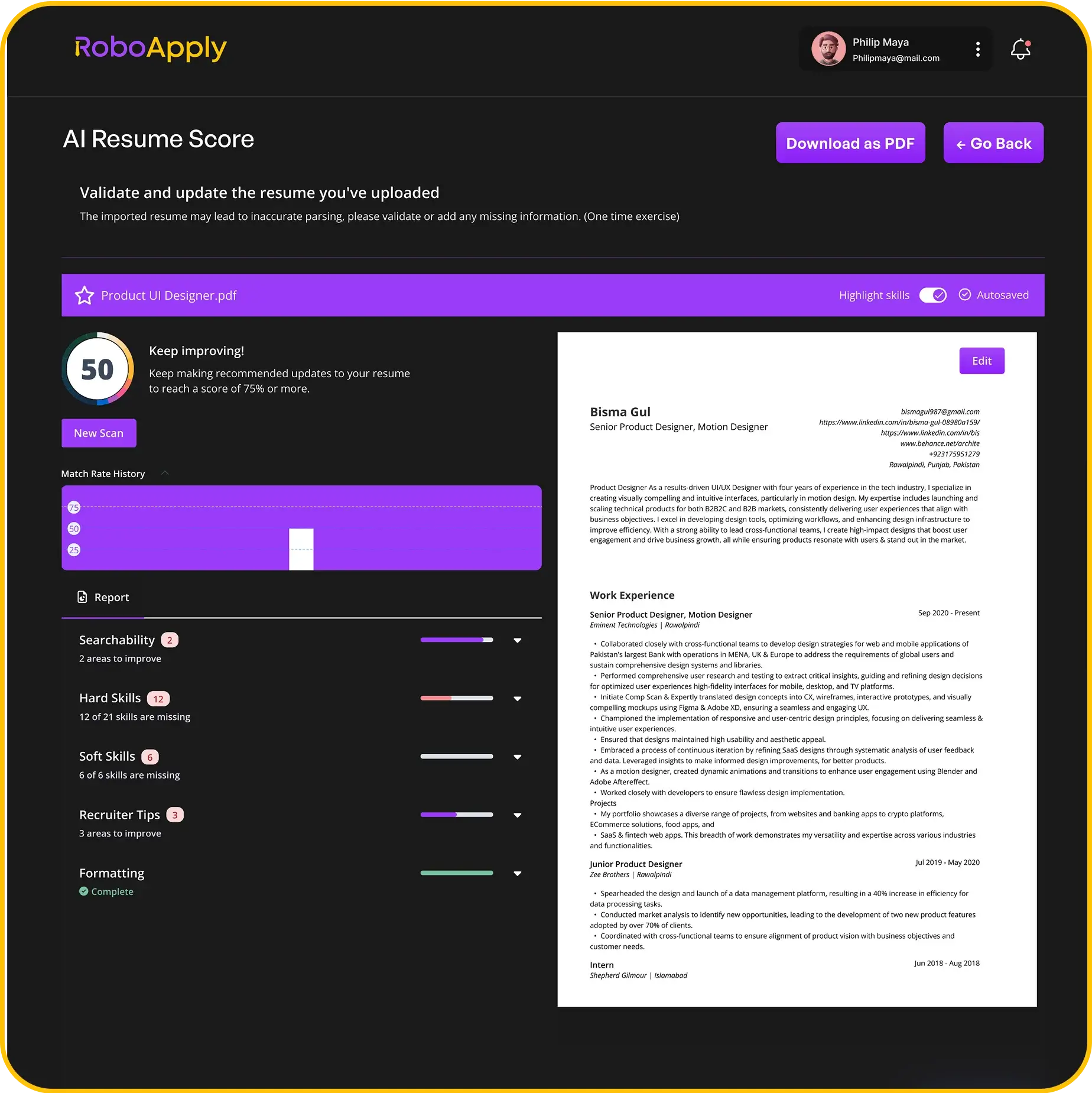
Resume builders adjust your resume for different jobs automatically. They spot keywords and structure everything to match what employers want. Your resume stays optimized without hours of manual editing.
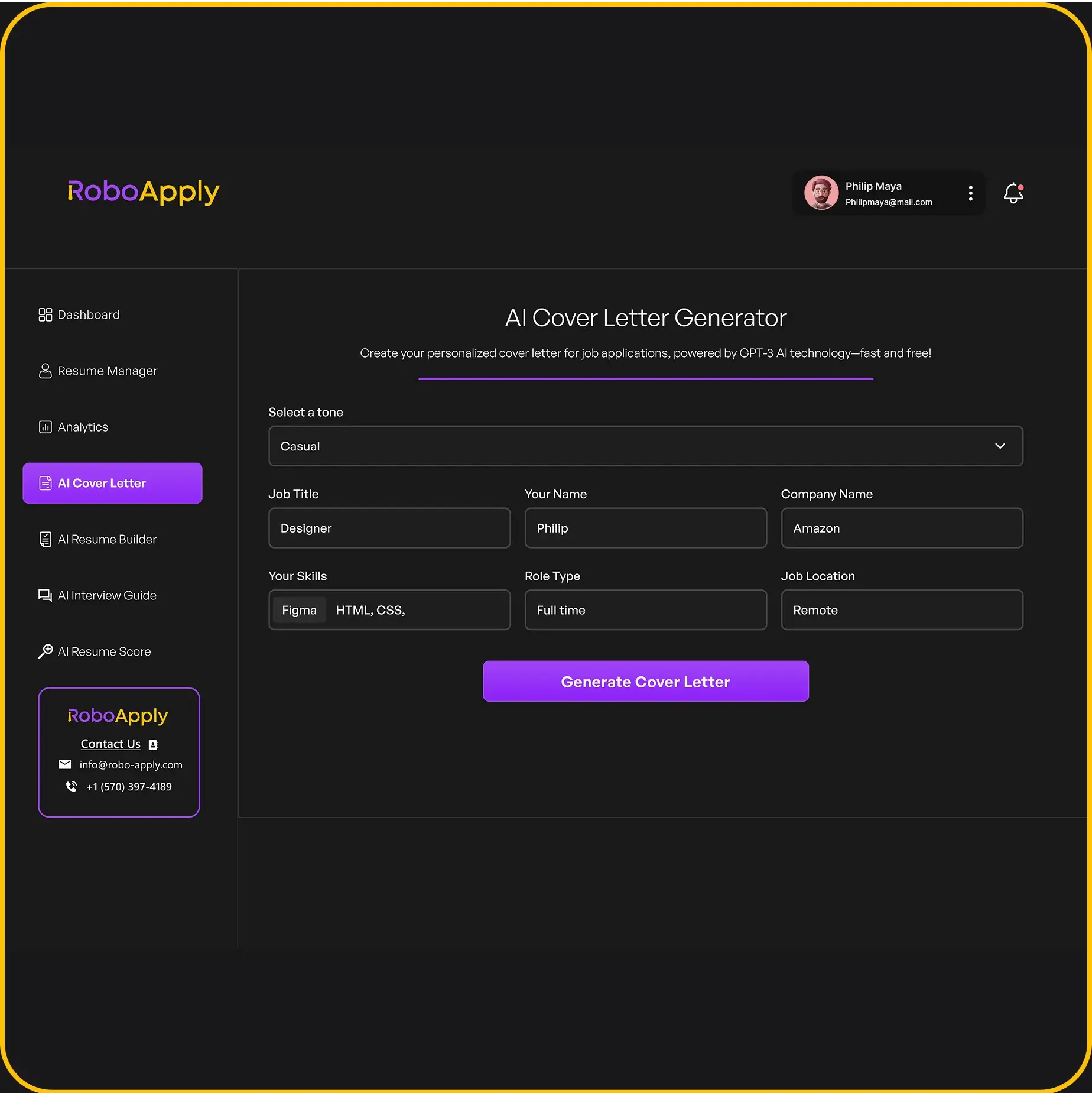
Cover letter tools create personalized letters for every job. They read descriptions and highlight your relevant stuff. Quality letters get written in seconds instead of 20 minutes each.
Auto apply features submit applications while you’re doing other things. The system customizes materials and handles submissions. Apply to 50 jobs in the time manual work takes for 5.
Smart people use these to compete better. You’re up against candidates applying to dozens of positions weekly. Technology levels things out. Jobscan data shows candidates using tools get roughly 30% more interview requests.

Tracking Everything So Nothing Falls Through
Keep a spreadsheet with every recruiter you contact. Company name, recruiter name, date sent, status. Stops you from following up twice or forgetting someone.
Note which emails get responses. Look for patterns. Maybe Tuesdays work better than Fridays. Maybe shorter messages get more replies. Use this data to improve.
Set calendar reminders for second follow-ups. Don’t trust your memory with multiple companies. Tracking systematically ensures you follow up consistently.
Write down any feedback you get. Position filled? Apply through website? These details help you figure out what’s working.
Frequently Asked Questions
How long should a Career Fair Follow-Up Email be?
Under 200 words. Three short paragraphs. Recruiters are drowning in emails. Make your point fast and get out of there.
Should I send follow-ups to every recruiter I met?
Follow up with everyone you had a real conversation with. Skip booths where you just grabbed free stuff without talking.
What if I didn’t get their business card?
Check the company website for contact info. Search LinkedIn for recruiters there. Try their general careers email as backup.
Can I just connect on LinkedIn instead?
Email works way better for first follow-up. LinkedIn requests are decent secondary touchpoints. Email feels more professional and gets checked regularly.
Should I follow up if they said they weren’t hiring?
Yeah, send a quick note saying you’re interested in future opportunities. Ask to stay connected. Hiring situations change fast.