Are you a team player? You’ve definitely heard this one before. Probably in every interview you’ve ever had. Seems simple, right? Just say yes and move on? Wrong.
Most people completely blow this question. They sit there and say something like “Oh yeah, I’m great with people.” Then they’re shocked when the company ghosts them. The interviewer heard that exact same answer from 50 other people this week.
Here’s what’s actually happening. Hiring managers ask are you a team player because they need to know if you’ll fit. Will you cause drama? Take all the credit? Or will you actually make the team better? Behavioral questions like this check how you’ve really worked with others, not what you claim you can do.
Why They Even Ask This Question
Bad hires are expensive. Like, really expensive. Someone who can’t work with others messes everything up. Projects get delayed. Your best people start updating their LinkedIn profiles. The whole vibe goes south.
Put yourself in their shoes for a second. They’re about to drop thousands on hiring you. Then thousands more training you. They absolutely cannot afford someone who’ll wreck team chemistry.
Your answer gives them a sneak peek. Are you going to be the person who makes everyone’s job easier? Or the one everyone dreads seeing in meetings?
What They’re Trying to Figure Out
Can you work with all types of people? Some coworkers talk nonstop. Others barely say two words. You need to work well with both.
How do you handle conflict? Because it’s going to happen. Do you lose it? Go silent? Or actually talk through problems like an adult?
Here’s a big one. Do you hog all the glory? That person who takes credit for everything? Yeah, they destroy team morale faster than anything. Companies want people who celebrate wins together.
Answers That Freak Them Out
Some responses set off alarm bells immediately. “I work better alone” makes them think you can’t collaborate. Maybe you’re difficult. Maybe you don’t play nice with others.
“I get along with everyone” sounds totally fake. Come on. Nobody gets along with literally everyone all the time. This makes you seem dishonest or completely unaware of yourself.
Blaming old teammates for stuff that went wrong? Huge mistake. It screams “I never take responsibility.” Interviewers pay close attention to how you talk about past coworkers.
How to Actually Build Your Answer
Good answers to are you a team player follow a pattern. You can’t wing this. You need real substance.
STAR method saves you here. Situation, Task, Action, Result. Keeps you on track and stops you from rambling.
Start Strong
Jump in with confidence. “Yeah, I’m definitely a team player” or “Absolutely, I work really well with others.” Set the tone right away.
Don’t spend forever talking about how much you love teamwork. Nobody cares about your feelings on it. Get to your story fast. Real examples beat generic claims every single time.
Your Story Needs to Be Real
Think about when teamwork actually mattered at your job. Tight deadlines work. Crisis situations show how you handle pressure. Working across departments proves you can collaborate beyond your little bubble.
Make sure your story actually involves other people. “I crushed this solo project” doesn’t answer the question. At all. You need a situation where multiple people worked toward something together.
Say What You Actually Did
Get into the details of your role. Did you keep communication flowing? Take on the tasks nobody wanted? Help the new people figure stuff out?
“I helped the team” is useless. Means nothing. Try “I started weekly check-ins so everyone knew what everyone else was doing.” Now I can actually picture what happened.
Prove It With Results
Numbers make everything more believable. “We finished two weeks ahead of schedule” is concrete. “Customer satisfaction went up 15%” shows real impact you can measure.
No exact numbers? Fine. Just describe what actually happened. “We avoided layoffs that hit other departments” or “The client renewed for three more years” work great.

Real Answers You Can Learn From
Seeing actual examples helps a ton. These work for different experience levels and industries. Use the structure but plug in your own real stories.
Just Starting Your Career
“Yeah, totally a team player. Last semester five of us had to do this whole marketing campaign for a real client. We kept missing deadlines because nobody knew what anyone else was working on. I suggested Trello to keep track of everything and quick daily check-ins. I also combined everyone’s parts into the final presentation. Our campaign got picked over the other three teams. Professor said ours stood out because it all fit together.”
Works because it shows you took initiative. You saw something broken and fixed it.
Middle of Your Career
“Definitely. At my current place, sales and product weren’t talking to each other at all. Sales kept promising stuff we couldn’t build fast enough. Product felt blindsided constantly. I’m on product but I suggested weekly meetings between both teams. Volunteered to run them and built this roadmap both sides could actually see. Two months later, miscommunication dropped way down. Customer retention jumped 12% that quarter. Both team leads said it made a massive difference.”
Shows you can lead without having the title. You fixed a gap between departments and tracked what happened.
Senior Level
“Yeah, teamwork’s been huge for me. Last year we bought a smaller competitor. My team had to merge their tech with ours. Both engineering teams did things differently and people were kind of territorial about it. I set up joint workshops where everyone shared their approaches. Made sure credit got spread around fairly when we communicated about it. Instead of saying we’re absorbing them, I framed it as building something better together. Finished integration three months early. Kept 90% of their talent too, way higher than usual in our industry.”
Shows you think strategically about people. You handled egos and culture stuff while getting results.
Ways People Wreck This Answer
Even people with tons of experience mess up are you a team player. Some responses kill your chances on the spot. Here’s what ruins otherwise decent interviews.
These traps sink good candidates constantly:
- Super vague answers – “I’m great with teams” could be anyone. Give me actual details with real specifics that prove you can collaborate.
- Making yourself the hero – “I carried the team” misses the entire point. This asks about teamwork, not you being a rockstar. Say “we” way more than “I.”
- Talking trash about old coworkers – Never blame past teammates. “My coworkers were useless” makes you look terrible. Shows you cause problems or can’t adapt.
- Acting perfect – “I’ve never had team issues” sounds like complete BS. Everyone’s had friction with coworkers before. Real answers admit challenges you’ve faced.
- Solo stories – Some people tell stories where they worked totally alone. Doesn’t answer the question. You need actual teamwork in your example.
Generic stuff gets forgotten in five minutes. Specific details stick around for days.
Different Industries Want Different Things
Are you a team player comes up everywhere. But good teamwork looks different depending on where you work. Smart move? Adjust your story based on the company.
Tech and Software
Tech needs constant collaboration even though everyone thinks coders work alone. Modern dev work runs on teamwork. Talk about code reviews, sprint planning, working with designers.
“Our sprint planning had engineering, design, and product people. I made sure everyone’s concerns got addressed before we committed” shows you understand tech collaboration.
Sales and Business
Sales looks individual but the best salespeople team up constantly. Sharing leads, helping close deals, working with marketing. All of it matters.
“A teammate struggled with technical demos. I spent time coaching them. Next month they closed three deals using what we’d practiced together” proves you care about more than your own quota.
Healthcare
Healthcare teamwork saves actual lives. Patient care needs doctors, nurses, and support staff working seamlessly. Pick stories about critical communication or emergencies.
“During a code blue, we executed perfectly because we’d practiced our protocols. Everyone knew their role and communicated clearly” shows you get high-stakes teamwork.
Creative and Marketing
Creative work needs people working together despite individual contributions. Good campaigns need writers, designers, and strategists collaborating. Show how you balanced creative ideas with team input.
“Our campaign idea came from a brainstorm where I took a designer’s visual and ran with it. Wrote copy that made their concept even better. Campaign won an industry award” proves collaborative creativity.
What Comes After Your Answer
You’re not done when you stop talking. How you wrap up matters almost as much as what you said.
Keep the Door Open
After your story, try “Happy to talk about other times I’ve worked with teams if that helps.” Shows you’re confident about your teamwork. Gives the interviewer room to dig deeper.
Some interviewers want multiple examples. Being ready shows you prepared well.
Watch How They React
Check their body language. Nodding? Taking notes? Your answer landed. Skeptical face? Maybe clarify something.
Neutral expression? Don’t panic. Some interviewers stay stone-faced on purpose. Trust what you prepared.
Link It to the Job
If it fits, connect your story to the role. I know this job involves coordinating with sales and engineering, kinda like that situation” makes it super relevant.
Don’t force it though. Sometimes your example already makes sense without explaining.
Prep Work Before You Walk In
Strong answers to are you a team player don’t just happen. Preparation separates people who bomb from people who nail it.
Go through your work history. Pull three solid teamwork stories. Different situations work better in different interviews. Having options helps you pick the best one in the moment.
Write them out using STAR. Practice out loud until it sounds natural. You don’t want to ramble when you’re nervous.
Check Out the Company First
Knowing how they work helps you pick the right story. Startups want scrappy everyone-pitches-in collaboration. Big companies care about cross-functional project stuff.
Look at their website and LinkedIn. See how they talk about their culture. Find hints about what teamwork they value.
Your Resume Better Match Up
Your resume should already show collaborative wins. Doesn’t? Fix it before applying. You need to expand on any teamwork you wrote about.
Interviewers pull questions straight from what you wrote. Your spoken examples should connect to what’s on paper. Strong resumes highlight both solo and team wins.
Tech That Makes Prep Easier
Interview prep eats up tons of time. You’re up against people optimizing everything.
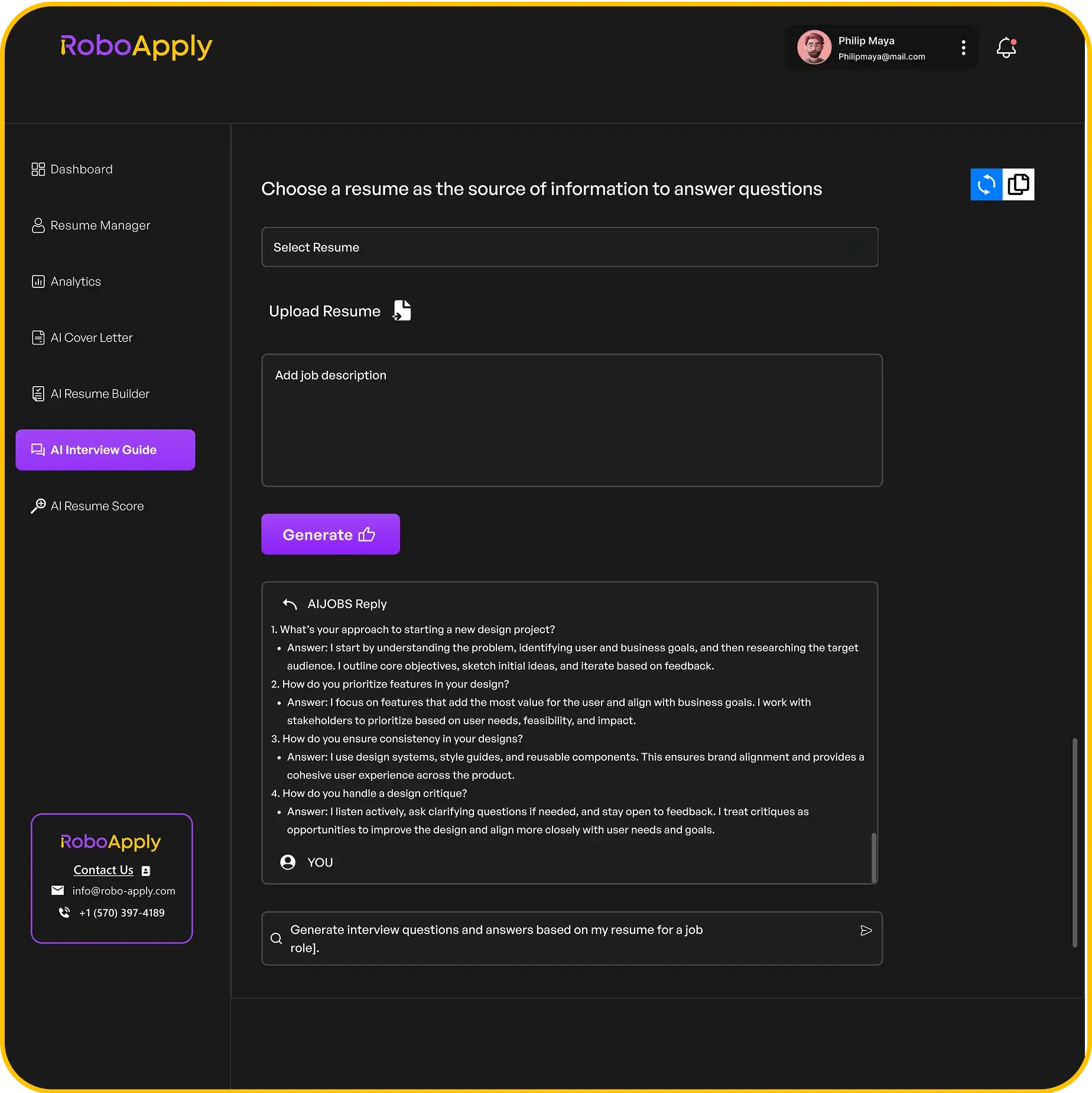
Modern tools speed things up without cutting corners. AI practice platforms let you rehearse common questions until answers flow naturally. Work on your team player response specifically until it feels smooth.
Feedback before the real interview catches problems early. You spot weak parts in your examples or how you say them. Fix stuff that might tank your chances.
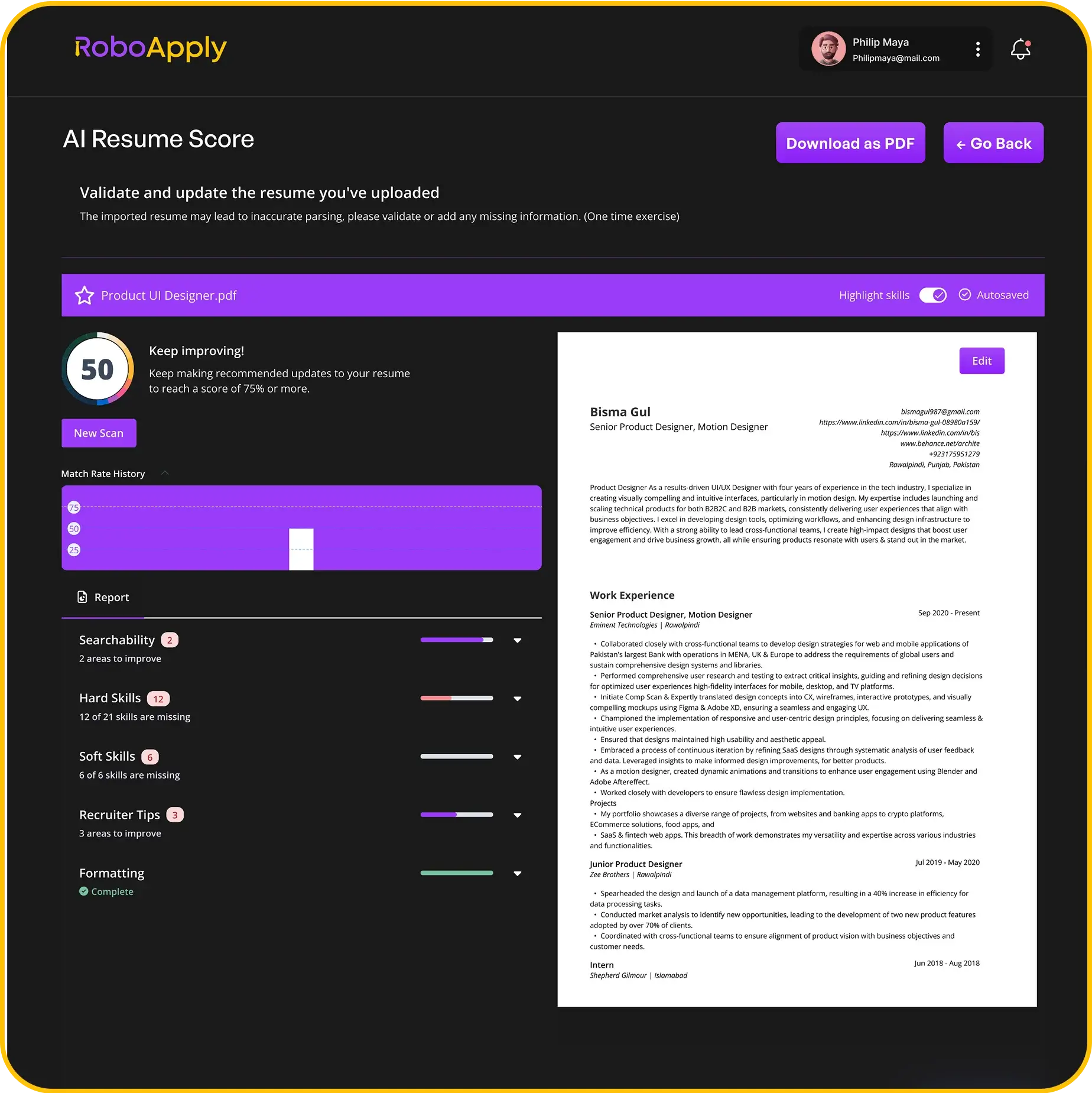
Resume tools that emphasize teamwork help present collaborative stuff effectively. Your written materials should back up your verbal examples.
Applying to more jobs faster gives you more practice naturally. Answer questions like are you a team player more times? You get way more confident.
These don’t replace your real experience. They help present your background better. You stay real while tech handles optimization.

Getting Jobs That Actually Value Teams
Nailing are you a team player opens better doors. Companies serious about this question usually have cultures worth joining.
Prep your examples thoroughly. Practice until delivery sounds natural, not memorized. Pick stories with real collaboration and results you can measure. Skip all generic claims.
Interviewers hear boring answers nonstop. Specific examples with details make you stick in their mind. Numbers and real names add believability that vague stuff never will.
Your answer should feel like you. Don’t make stuff up or exaggerate what you did. Interviewers catch dishonesty pretty easily anyway. They check references that verify big claims.
Focus on times you genuinely helped the team succeed. Best answers come from real situations where working together truly mattered. Your natural excitement shows when talking about something that actually happened.
Frequently Asked Questions
How long should my answer to are you a team player be?
Between 60-90 seconds total. Clear yes, one strong STAR example, and specific results the teamwork achieved. Keep it tight and focused.
Should I mention team conflicts when answering are you a team player?
Yes, if you fixed them professionally. Show how you handled disagreements constructively and kept things positive despite different approaches people took.
Can I use the same example for multiple teamwork questions? Better to prep 2-3 different examples. Interviewers often ask follow-ups about teamwork. Variety shows you’ve collaborated successfully across different situations.
What if I don’t have much team experience yet? School projects, volunteer work, sports teams all count. Any situation needing coordination toward shared goals works. Focus on what you contributed and outcomes.
Is saying I prefer working alone a deal-breaker?
Usually yes for most jobs. Even independent roles need some teamwork. Frame it as enjoying focused work while still valuing coordination and input.