


Using a job applying bot transforms how you find work. Instead of spending hours each night filling out applications, you set up automation once and let it run. The bot submits applications to hundreds of positions while you sleep, work, or do literally anything else.
Here’s what actually happens: the software scans job boards continuously, finds positions matching your criteria, fills out applications with your information, and hits submit. You wake up to fifty applications already sent. No repetitive form filling. No copying and pasting the same information into different websites. Just results.
What Job Bots Really Do For You
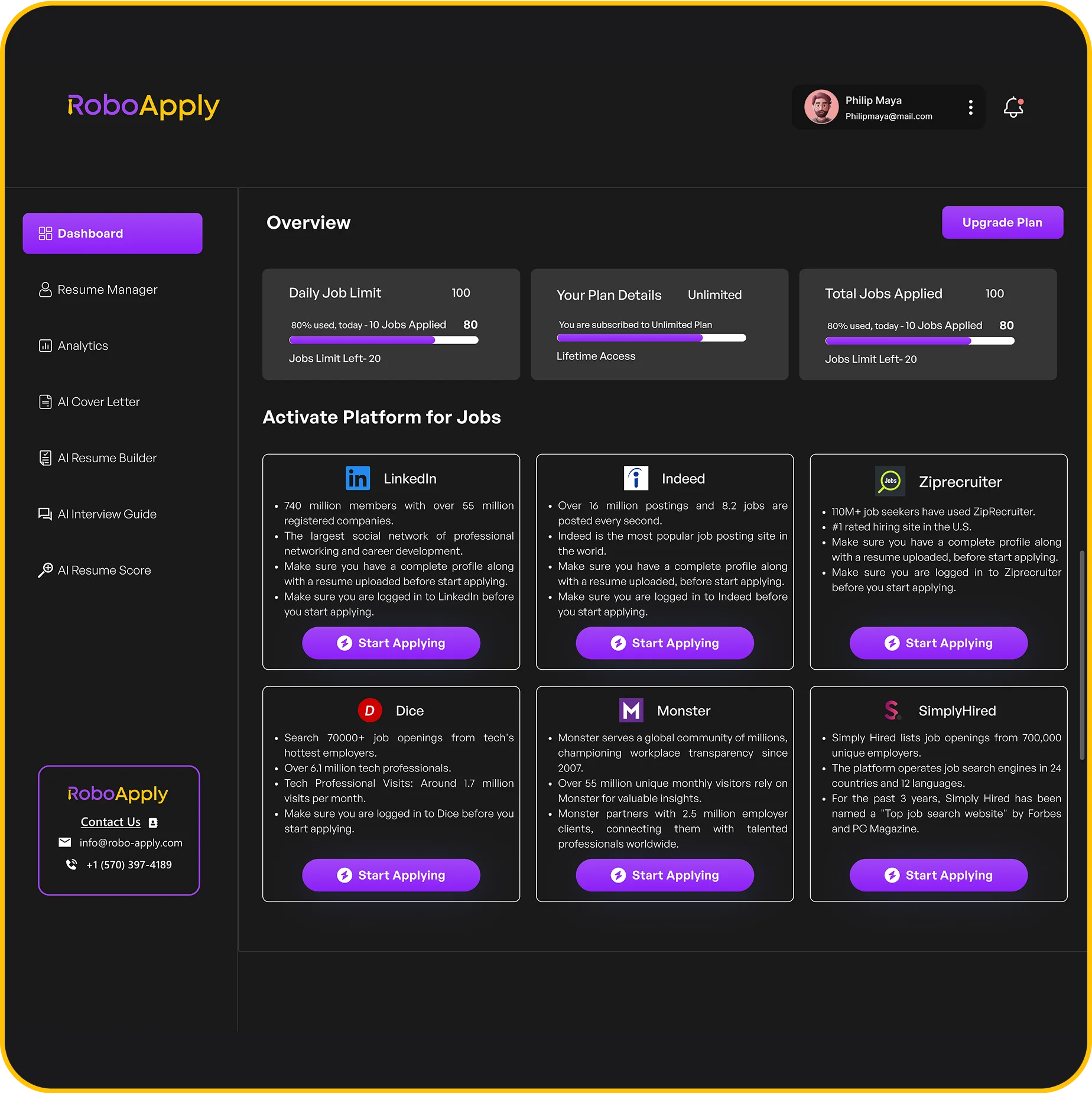
These tools handle everything you hate about job searching. They scan LinkedIn, Indeed, ZipRecruiter, and other platforms looking for openings. When something matches your preferences, they read the posting, pull relevant details from your profile, customize your materials, and submit the application.
The software runs all day and night. Most people apply to jobs during lunch breaks or evenings. Your bot applies at 3am when new postings go live. This timing advantage alone can make a huge difference because many hiring managers review applications in the order received.
The Four-Step Automation Process
Understanding how bots work helps you use them better. Here’s what happens with every application:
- Job Discovery: The bot searches multiple platforms simultaneously based on your filters for title, location, salary, and industry preferences.
- Requirement Matching: Advanced algorithms read job descriptions and compare requirements against your profile to determine fit quality.
- Material Customization: The system adjusts your resume and cover letter to emphasize experience relevant to that specific position.
- Application Submission: Everything gets submitted through normal channels while tracking the application in your dashboard.
Volume vs Quality Reality
People always say quality over quantity with job applications. But here’s the reality – you can’t control which applications get responses. You might think a role is perfect for you and hear nothing. Then a job you applied to as a backup calls within two days.
Using a job applying bot solves this problem through volume. Apply to two hundred positions and a two percent response rate gets you four interviews. Apply to ten positions manually and that same rate gets you zero interviews. Volume creates opportunities you can’t predict.
The quality concern makes sense though. Nobody wants to spam resumes everywhere. Good bots don’t do that. They read each job description, identify key requirements, and adjust your materials accordingly. Your resume for a project management role emphasizes different experience than your resume for a technical role. This happens automatically for every single application.
Setting Things Up Correctly
Getting started takes some work upfront, but you only do it once. The initial setup determines how well automation works for your specific situation. Take time to get these elements right and you’ll see better results faster.
Building Your Complete Profile
Your profile serves as the foundation for every application the bot submits. Incomplete profiles generate weak applications that hiring managers ignore.
Start by listing every job you’ve held with detailed descriptions of responsibilities and accomplishments. Include different variations of job titles because companies use wildly different terminology for similar roles. A “Customer Success Manager” at one company might be a “Client Relations Specialist” somewhere else.
Add all your technical skills, soft skills, certifications, and education history. The more complete your profile, the better the bot can match you to appropriate positions and customize applications effectively. According to Forbes, having a comprehensive professional profile increases your visibility to recruiters by up to 40 percent.
Creating Multiple Resume Versions
One resume doesn’t work for every type of job you might want. Create three to five versions targeting different roles or industries:
- Technical Focus Version: Emphasizes coding languages, technical projects, and system architectures for engineering roles.
- Management Focus Version: Highlights team leadership, project management, and strategic planning for leadership positions.
- Client-Facing Version: Showcases communication skills, relationship building, and customer outcomes for external roles.
- Hybrid Version: Balances technical and management skills for roles requiring both capabilities.
The bot automatically selects the most appropriate version based on each job description’s requirements.
Filter Setup Strategy
Filters determine which jobs get applications. Getting this right separates useful automation from wasted applications.
- Start Broad, Then Narrow: Begin with somewhat loose filters and tighten them based on results you see. Too restrictive initially and you miss opportunities.
- Location Flexibility: Include multiple cities or regions if you’re open to relocating. Specify remote work preferences clearly.
- Salary Minimums: Set realistic salary thresholds to avoid wasting applications on positions you’d never accept financially.
- Company Size Preferences: Choose between startups, mid-size companies, enterprises, or all of the above based on your preferences.
- Industry Selection: Target specific industries where your experience translates best rather than applying everywhere.

Strategies That Get Real Results
Just turning on a bot and waiting doesn’t work. You need active management and strategy to convert applications into interviews. The difference between people who succeed with automation and those who don’t usually comes down to how they optimize the process.
Continuous Profile Optimization
Check which applications generate responses and adjust your profile to emphasize whatever’s working. Getting interviews for certain roles but not others tells you something important.
Maybe your profile undersells skills that certain employers value highly. Update things weekly based on actual results you’re seeing. This iterative improvement compounds over time. Research from Harvard Business Review shows that candidates who regularly update their profiles see 27 percent more interview requests.
Quality Assurance Checks
Look at submitted applications occasionally to verify quality remains high. Here’s what to check:
- Resume Formatting: Does it display correctly across different application systems?
- Cover Letter Relevance: Do generated letters actually address the specific job requirements?
- Job Match Accuracy: Is the bot selecting appropriate positions based on your qualifications?
- Keyword Integration: Are relevant keywords from job postings appearing naturally in your materials?
Catch problems early before they waste hundreds of applications on poor-quality submissions.
Response Time Management
Respond to employer outreach immediately. Having hundreds of applications pending means nothing if you take three days to answer when someone wants to interview you.
Set up mobile notifications for your job search email. Check it multiple times throughout the day. Reply to interview requests within two to four hours whenever possible. This responsiveness sets you apart from other candidates who treat job searching casually.
Platform Performance Tracking
Track which platforms generate responses for your specific situation:
- LinkedIn: Often best for white-collar professional roles and tech positions.
- Indeed: Strong for entry to mid-level positions across various industries.
- ZipRecruiter: Good for small to mid-size company opportunities.
- Monster: Sometimes better for executive and specialized roles.
Focus energy where you see actual results. Stop wasting applications on platforms that don’t work for your particular job search.
Problems That Tank Your Success
New users make predictable mistakes that kill their results. Learn from other people’s failures instead of repeating them yourself. Most of these issues are completely avoidable with proper setup and management.
Common Setup Mistakes
Here are the biggest problems people create during initial configuration:
- Overly Broad Filters: Applying to everything from entry-level to executive just because keywords match accomplishes nothing.
- Missing Profile Details: Incomplete profiles can’t generate strong customized applications for specific roles.
- Single Resume Version: Using one generic resume for every type of job reduces your match quality significantly.
- Unrealistic Salary Ranges: Setting salary minimums too high limits opportunities unnecessarily.
- Poor Keyword Selection: Choosing the wrong keywords means missing relevant positions entirely.
Management Failures
These ongoing mistakes prevent good results even with proper initial setup:
Never tracking where you’ve applied creates awkward moments. You might apply to the same company four times across different job boards without realizing it. Or forget you already talked with a recruiter about a specific role.
Leaving your profile unchanged for months means your materials get stale. As you finish certifications, learn new skills, or adjust career goals, your profile needs updates. What worked three months ago might not work today.
Expecting instant results leads to disappointment. Even with massive application volumes, building momentum takes a few weeks. Give the process time before changing everything dramatically.
Using identical materials across wildly different industries destroys your chances. A resume perfect for tech startups bombs for government positions. Create separate profiles for different types of work you’re pursuing.
Turning Applications Into Actual Interviews
Getting applications submitted is step one. Converting them to interviews requires different skills and strategies. This is where many people drop the ball despite having strong application volume.
Speed Wins Opportunities
Speed of response separates you from other candidates competing for the same roles. When an employer reaches out, reply within two to four hours if humanly possible.
Quick responses signal genuine interest and strong organizational skills. Waiting until the next day suggests you’re not that excited about the opportunity or you’re disorganized. Neither impression helps your chances. According to The Muse, responding quickly to interview requests can increase your chances of landing the job by up to 30 percent.
Interview Management Systems
Managing multiple interview requests simultaneously takes organization. Here’s what you need:
- Calendar Tools: Use Google Calendar or similar to prevent scheduling conflicts between different opportunities.
- Company Research Templates: Create a standard framework for quickly researching each company before interviews.
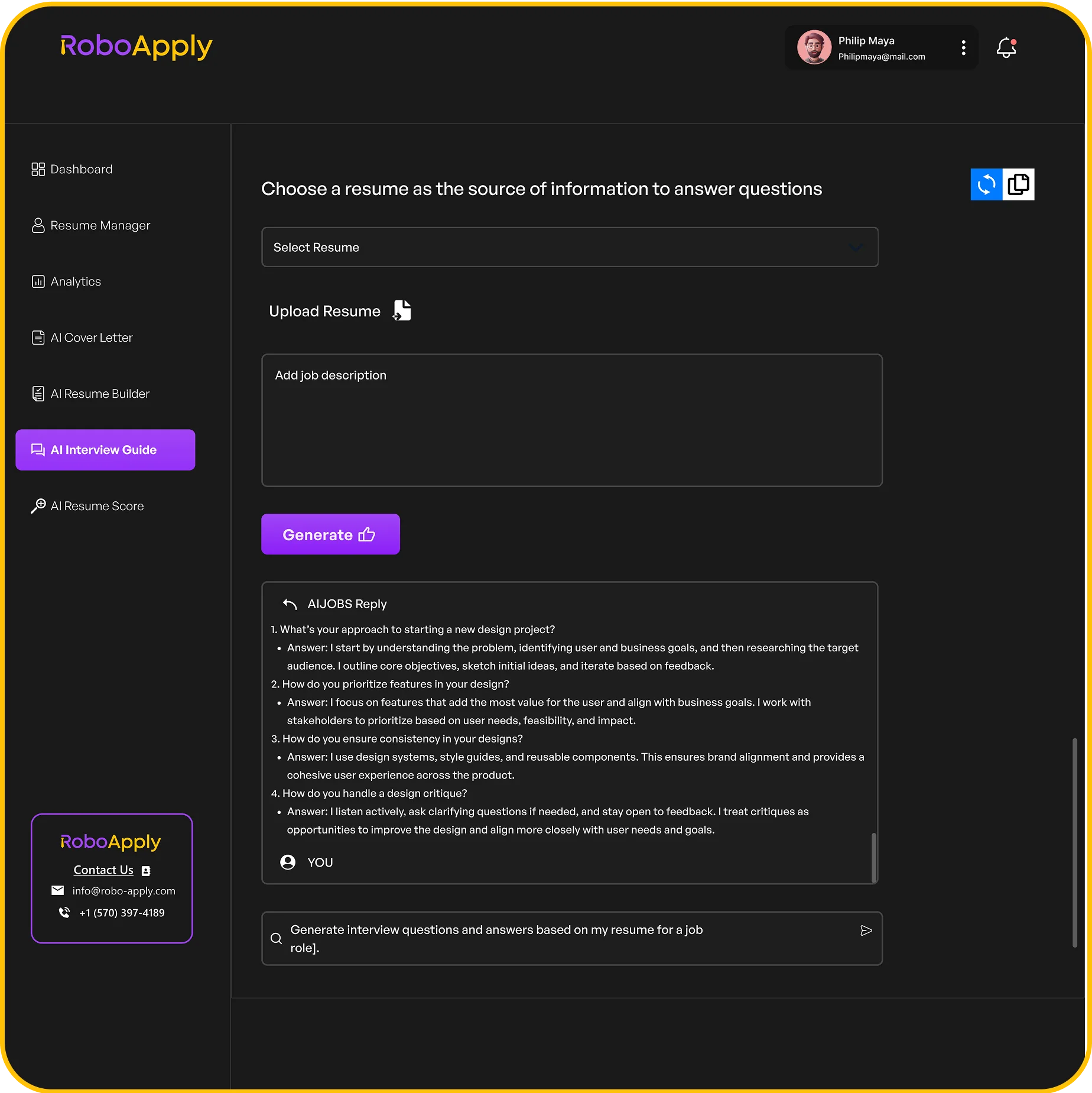
- Answer Preparation: Develop templates for common questions so you’re not starting from scratch each time.
- Follow-Up Tracking: Note when you should hear back and set reminders for follow-ups if needed.
Selective Interview Strategy
Be selective about which interviews you accept. Automation generates tons of opportunities, but your time still matters.
Focus on positions you’d genuinely consider accepting. Interviewing everywhere wastes time you could spend preparing better for opportunities you actually want. Quality interview performance matters more than interview quantity.
Post-Interview Follow-Through
Follow up after interviews within twenty-four hours. Send thank-you notes that reference specific conversation points. Generic thank-yous get ignored. Personalized ones that reference actual discussion topics remind hiring managers why you stood out.
If they said you’d hear back in a week and you don’t, send a polite follow-up. Express continued interest and ask about timeline updates. These basics matter even more when juggling multiple processes simultaneously.
Measuring What Actually Matters
Track specific metrics to know if things are working. Most people using job applying bots never look at their numbers. That’s like trying to lose weight without ever stepping on a scale. Data tells you what’s working and what needs adjustment.
Key Performance Metrics
Watch application volume first. How many go out daily and weekly? Low numbers suggest overly strict filters. Extremely high numbers might indicate filters need tightening for better relevance.
Calculate response rate next. What percentage of applications get you actual recruiter contact or interview requests? Normal rates run one to five percent. Below one percent means profile issues. Above five percent indicates strong market fit.
Monitor interview conversion closely:
- Contact to Phone Screen: What percentage of initial contacts become phone screens?
- Phone Screen to First Interview: How many screens advance to formal first-round interviews?
- First to Final Round: What percentage of first interviews lead to final rounds?
- Final to Offer: How many final rounds result in actual job offers?
Drop-offs at specific stages reveal where to focus improvement efforts. Glassdoor research indicates that tracking these conversion metrics can help you identify bottlenecks in your job search process.
Platform Comparison Analysis
Compare performance across different job boards and platforms. LinkedIn might generate way more responses than Indeed for your situation, or the opposite.
Create a simple spreadsheet tracking applications by platform, response rates by platform, and interview conversion by platform. Concentrate on platforms producing actual results for you specifically.
Monthly Optimization Cycle
Use data to refine your approach monthly. Set a recurring calendar reminder to review metrics and make adjustments.
Update filter settings based on which types of jobs generated responses. Modify profile content to emphasize skills that employers clearly value. Adjust resume versions based on which ones led to interviews. Change target job titles if certain roles convert better than others.
Job searching is ultimately a numbers game. Smart people use data to improve their odds systematically rather than hoping things work out.

Professional Automation Tools
Serious automation requires professional platforms, not just basic scripts or simple form fillers. The difference between amateur tools and professional platforms shows up clearly in your results.
RoboApply handles application work so you can focus on interview prep and networking instead of repetitive form filling.
Core Automation Features
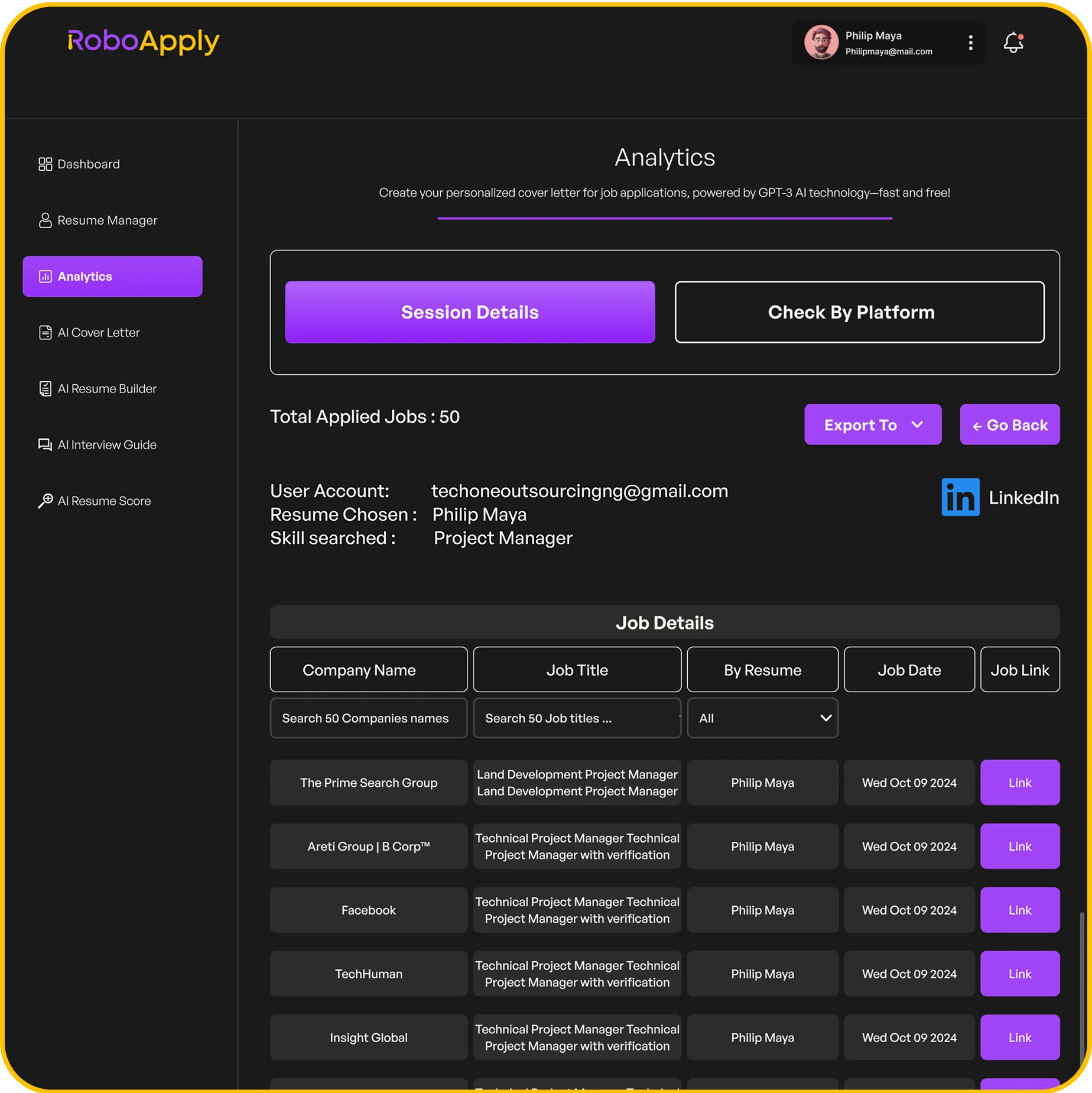
The Auto Apply feature runs constantly across LinkedIn, Indeed, ZipRecruiter, Monster, and other platforms. Set preferences once. The system finds matches and submits applications automatically without you touching anything.
AI-Tailored Apply customizes every application for each specific employer. The system reads job descriptions and adjusts your materials to highlight relevant experience. This happens instantly for every application instead of you manually customizing each one.
Material Creation Tools
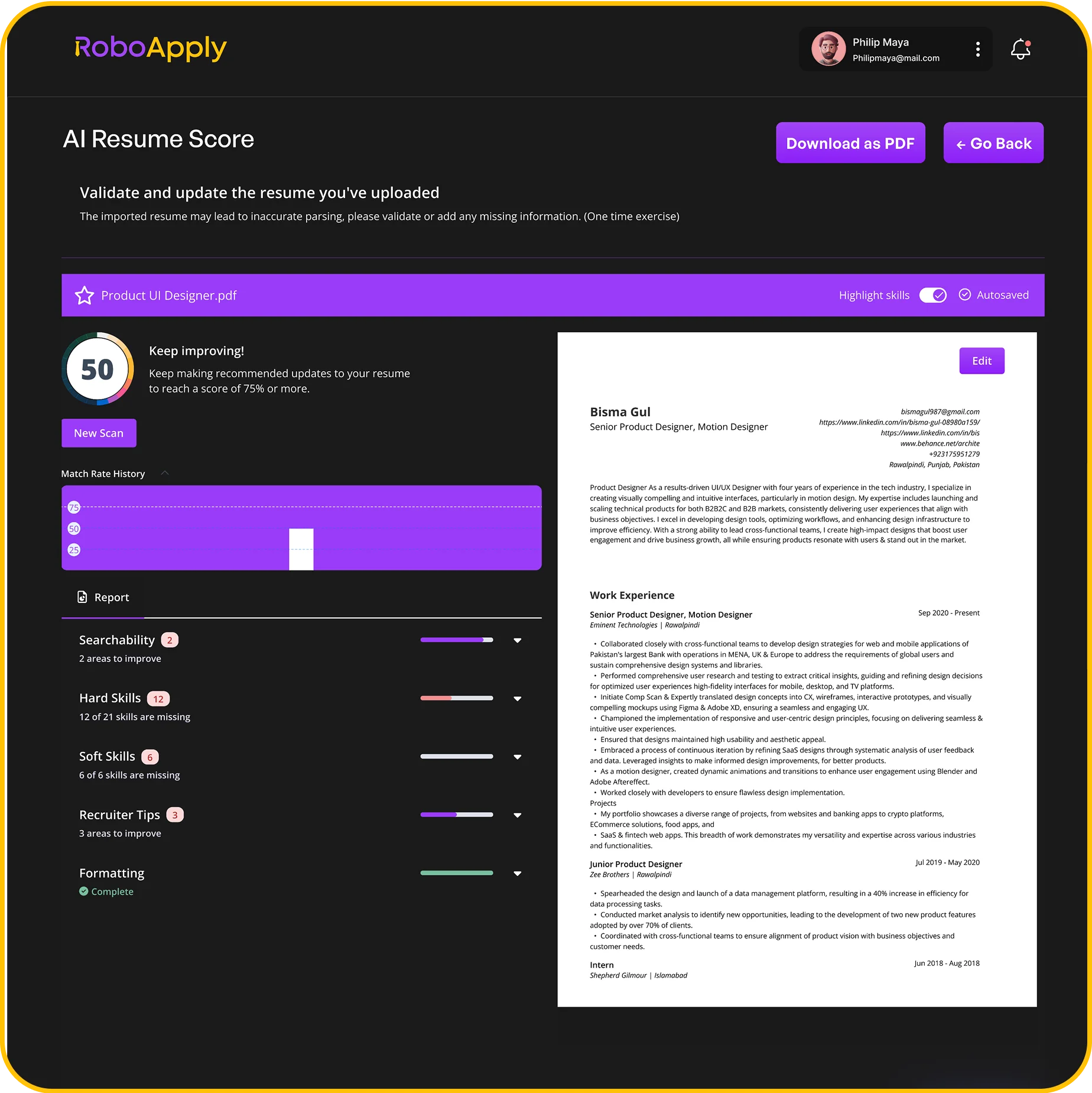
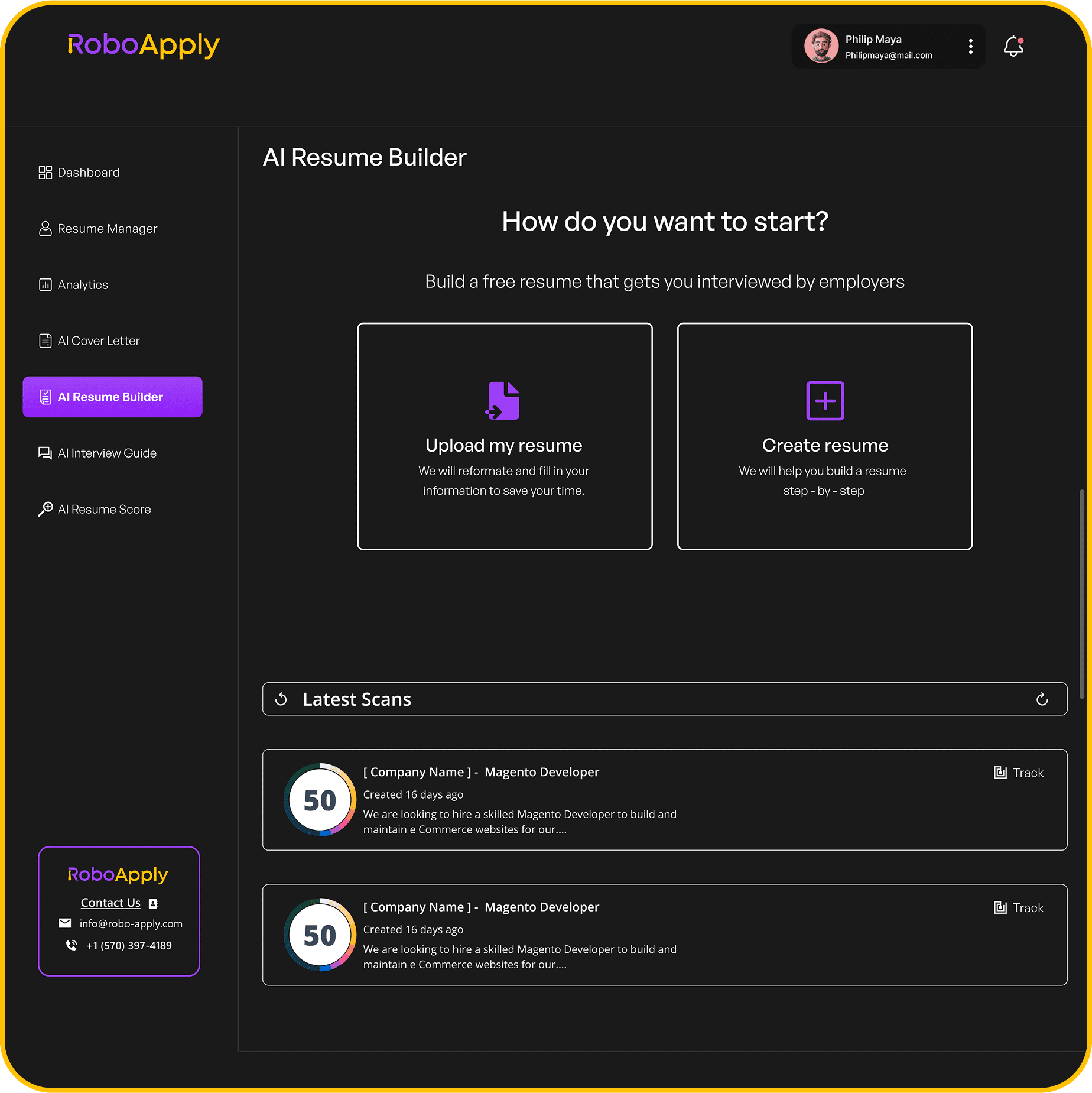
Resume tools let you create multiple versions optimized for different roles. ATS optimization ensures your materials pass automated screening that filters most applications before humans review them.
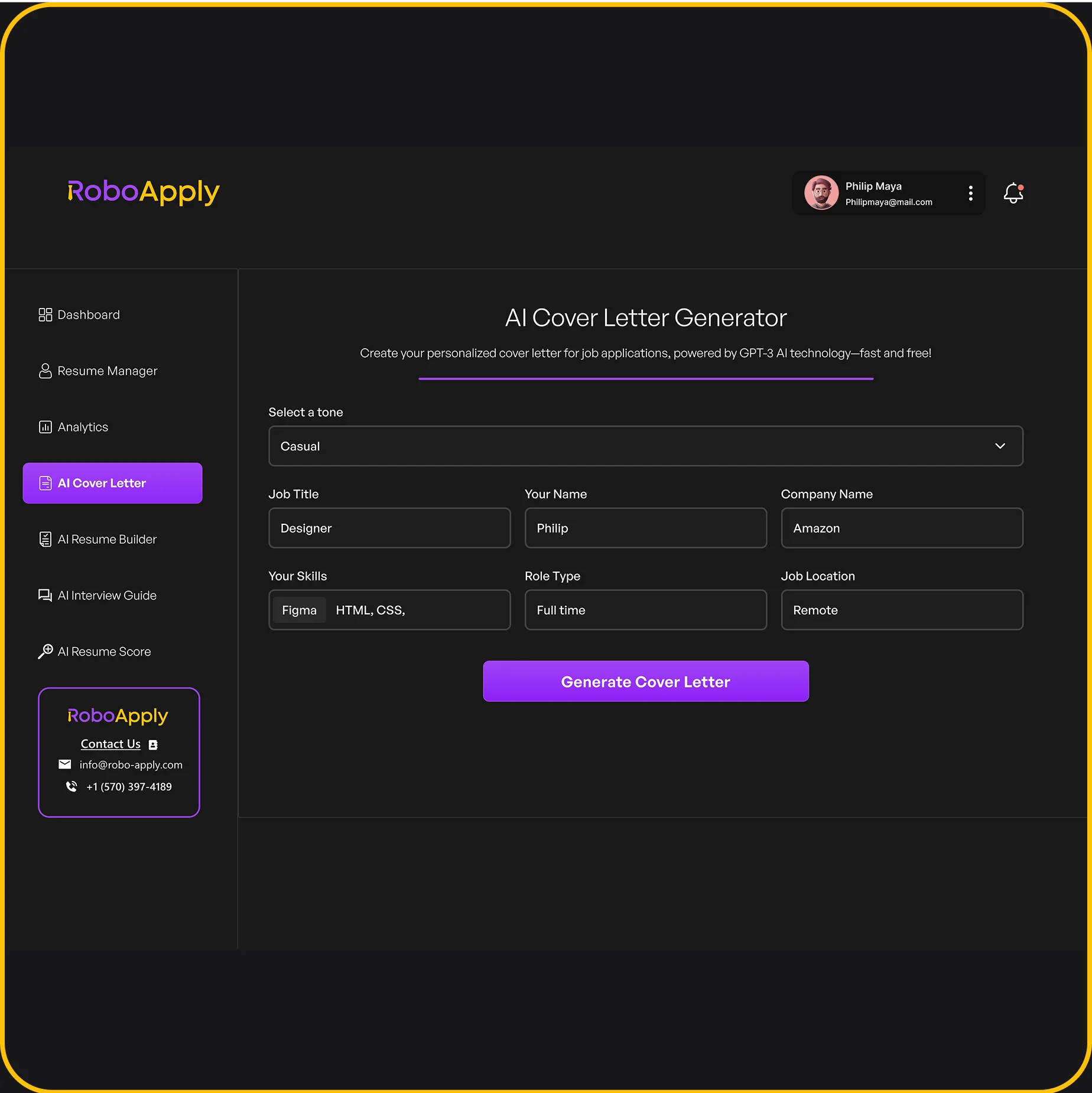
Cover letter generation produces personalized letters in seconds. No more spending thirty minutes writing letters for jobs that might never respond. The AI creates compelling content matching requirements while maintaining your voice.
Organization and Tracking
Tracking features organize everything in one dashboard. See every position you applied to, track which generated responses, and manage your pipeline without scattered spreadsheets or notes.
The platform works continuously, applying to positions as they post. Being among first applicants significantly improves your odds of getting noticed by hiring managers.
Users consistently report three to four times more interview requests compared to manual application methods. High volume combined with smart customization creates opportunities that don’t exist otherwise. According to CNBC, job seekers using automation tools report finding positions 40 percent faster than traditional methods.
Frequently Asked Questions
How does using a job applying bot improve my job search?
Bots submit hundreds of customized applications automatically while you focus on interviews, creating way more opportunities without requiring extra time from you.
Will employers know I used automation for my application?
No. Bot submissions look identical to manual ones when configured correctly, using your real information and materials customized specifically for each position.
Can I control which jobs the bot applies to?
Absolutely. You set all parameters including titles, locations, salary minimums, industries, and company sizes. Bots only apply to positions matching everything you specify.
How many applications should I expect daily from automation?
Most people see twenty to one hundred applications daily depending on how broad their filters are and how many matching positions exist currently.
Does using a job applying bot work for all industries?
Yes. Automation works across all industries and experience levels from entry roles to executive positions, though results vary based on market demand.