


Surefire signs your interview went well aren’t what most people think. You leave the room replaying every answer, every question, every awkward pause. Did you nail it? Did you totally bomb it? The not knowing eats at you.
Here’s the thing – most candidates completely misread interview signals. They think a friendly interviewer guarantees a job offer. They panic when an interview runs short. Reality is way more specific than vague feelings.
Real surefire signs show up in specific things interviewers say and do. These aren’t gut feelings or wishful thinking. They’re concrete behaviors that separate “maybe” candidates from “we want this person” candidates.
Your Interview Ran Way Over Time
Time matters more than you think. Interviewers block out specific time slots. When they blow past that time, something changed during your conversation.
Hiring managers pack their days tight. Back-to-back meetings, lunch squeezed in somewhere, constant emails needing responses. If your 30-minute interview stretches to 45, they chose to sacrifice something else to keep talking to you.
This happens when they get genuinely interested. The script goes out the window. They start asking questions that weren’t on their list. They want to know more about how you think, how you’d tackle specific challenges, whether you’d actually fit this role.
You’ll notice they stop watching the clock. Questions flow naturally instead of feeling like a checklist. When they finally check the time, they seem surprised. “Oh wow, we’ve been talking for an hour.”
Sometimes interviews run long for wrong reasons though. The interviewer rambles. They’re disorganized. They ask the same thing five different ways because they weren’t listening. The difference is obvious. Good long interviews feel productive and engaging. Bad ones feel repetitive or scattered.
They Brought Up Money Before You Did
Money conversations happen at specific points. When interviewers break that pattern and bring up salary early, it’s one of the clearest surefire signs they’re thinking offer.
Standard interview scripts say wait on compensation talk. Save it for later rounds. When they skip ahead, they’re moving faster than normal for a reason.
They found someone they like. Now they need to make sure money won’t kill the deal before investing more time. It’s practical, not personal.
Listen for how they frame it. “Just so you know what to expect, the range for this role is…” or “I want to make sure we’re aligned on compensation before moving forward.”
They might ask your salary expectations directly. They volunteer the range without prompting. They walk through benefits in detail when you didn’t ask. Health insurance options, 401k matching, bonus structure, vacation days.
These detailed benefit explanations take time. Time they wouldn’t waste on someone they’re not serious about. They’re building the complete picture. They want you to see why this is a good opportunity worth taking.
They Started Using “When” Instead of “If”
Language shifts reveal what people are actually thinking. Once interviewers mentally place you in the role, their words change without them noticing.
Listen carefully to verb choices. “If you got this position” becomes “When you join the team.” “A person in this role would” shifts to “You’ll be working with.” “Someone doing this job might” turns into “You’re going to handle.”
This isn’t a trick or technique. It’s unconscious. They stopped evaluating whether you could do the job. They’re now planning how you’ll do the job.
Direct questions about timing seal this. “When could you start?” “How much notice do you need to give?” “Do you have any vacations planned in the next few months?”
These aren’t theoretical. They’re building an actual timeline for getting you in the door.
They might start naming specific people you’d work with. Not “our marketing team” but “Sarah heads marketing and she’s great.” They describe actual projects you’d join, not hypothetical work.
“We’re launching a new product in Q2, and you’d be pretty involved in that.” They’re already seeing you as part of their team’s future.

You Met More People Than Expected
Interview processes have stages. Each stage costs time and coordination. Meeting additional people means you cleared initial screening and they’re investing real resources in you.
Companies don’t pull employees from their work randomly. Every person who interviews you represents time away from their actual job. If they’re making that investment, they think you’re worth it.
This happens after the first interviewer liked what they saw. They want other opinions before moving forward. You passed a gate.
Sometimes it’s planned. “Your next interview will be with three team members.” Sometimes it’s spontaneous. “Let me grab Sarah real quick. I’d love for you to meet her.”
Impromptu additions are especially good signs. The interviewer got excited enough to want a second opinion immediately. They didn’t want to wait for formal next rounds and risk losing you.
Meeting people outside the immediate team shows integration planning. Someone from IT because “you’d need system access from them.” Someone from another department because “you’d collaborate a lot.”
These aren’t courtesy introductions. They’re practical. They’re thinking about how you’d actually function day-to-day.
They Asked About Your Other Job Opportunities
Smart interviewers want to know their competition. When they ask about other opportunities, they’re assessing urgency.
“Are you interviewing anywhere else?” “How far along are you in other processes?” “Do you have any pending offers?”
These questions reveal concern about losing you. Companies don’t ask this unless they’re interested. Why would they care about your other opportunities if they’re not planning to make an offer?
They want to understand their window. Do they need to move faster? Can they take time for multiple rounds? Are they competing against other offers?
The framing matters. Sometimes it’s direct. Sometimes it’s subtle. “When are you hoping to make a decision?” “What’s your ideal timeline for starting a new role?”
The subtext stays the same. They want to know how long they have before someone else snatches you up.
Good versions of this feel like genuine interest. Bad versions feel manipulative. “You’re not seriously considering that other company, are you?” crosses a line. Tone matters. Respectful curiosity is positive. Pressure tactics are red flags.
You Got Specific Details About Next Steps
Vague endings happen with everyone. Specific next steps happen with serious candidates.
Instead of “we’ll be in touch,” you hear actual dates. “You’ll hear from us by Friday.” “We’re interviewing three more people this week, then deciding Monday.” “HR will reach out within 48 hours to schedule round two.”
Real timelines mean they have a plan that includes you. Vague timelines mean they’re keeping options open.
They walk you through the remaining process step by step. “You’ll have a second interview with our director.” “Then you’ll meet the full team.” “We’ll do reference checks.” “Final approval comes from our VP.”
This level of detail serves a purpose. They’re preparing you because they expect you to go through it. They want you ready.
They tell you exactly who will contact you. “Jessica from HR will email you.” “I’ll call you personally.” They might even introduce you to that person right then if they’re around.
This personalization suggests real coordination. They’re not leaving your follow-up to chance or standard HR processes.
They Started Selling You on the Company
Interview dynamics flip when interviewers become salespeople. This is one of the clearest surefire signs something shifted.
The interviewer starts highlighting company benefits without you asking. Company culture, growth opportunities, recent wins, exciting upcoming projects. Why employees love working there.
They stopped just evaluating you. Now they’re convincing you. This flip happens when they decided they want you and need you to want them back.
They address potential concerns before you voice them. You mentioned remote work matters? They emphasize flexibility. You talked about growth? They detail career paths in depth.
This tailored approach shows they listened. They identified what matters to you personally and they’re positioning the role to match.
They get genuinely enthusiastic about company direction. Recent funding. New products launching. Market expansion plans. They’re painting a picture of somewhere exciting to work.
Real excitement is contagious. They believe in their company. They want you to feel that same energy. When it’s authentic, you feel it.
What Actually Happens Next
Understanding the post-interview process helps you interpret silence and timing without driving yourself crazy.
Most companies take one to two weeks for hiring decisions. Big companies or government roles take way longer. Startups often move faster.
First follow-up usually comes within a week. Either they schedule next steps or ask for more time. Radio silence past two weeks with zero communication is a bad sign.
Reference checks happen late in the process. If they request references earlier than expected, you’re moving fast. Strong positive signal. They only check references for candidates they’re seriously considering. It takes effort they won’t waste.
Sometimes delays hit good candidates. Budget approvals stall. A key person is traveling. They’re negotiating headcount with leadership. Delays aren’t always rejections. If they communicate about delays and keep you posted, stay patient. If they ghost you, that’s different.
Wait at least a week before following up. Send a brief, polite email checking on timeline. Don’t apologize for asking. You’re allowed to be curious. One follow-up is professional. Multiple follow-ups look desperate. If you hear nothing after one follow-up, time to move on mentally.
Keep Your Job Search Moving
Smart candidates stay active during waiting periods instead of just stressing.
Never stop searching until you have a signed offer letter. Even interviews that felt amazing don’t always convert. Budgets change. Internal candidates appear. Hiring freezes happen out of nowhere.
Keep applying and interviewing. This protects you financially and keeps you from obsessing over one opportunity. It also gives you leverage if multiple offers come in.
Alert your references they might get contacted. Remind them of projects you did together. Give context about the role so they can tailor their recommendation. Good references tip scales. Bad ones tank offers. Invest time preparing them properly.
Know your worth before offer conversations happen. Research market rates for the role in your area. Decide your minimum acceptable number. Salary negotiation strategies from Harvard Business Review help you prepare. Being ready prevents accepting too quickly or asking too little.

Automating Your Job Search
Waiting for results while continuing to search takes massive time and energy most people don’t have.
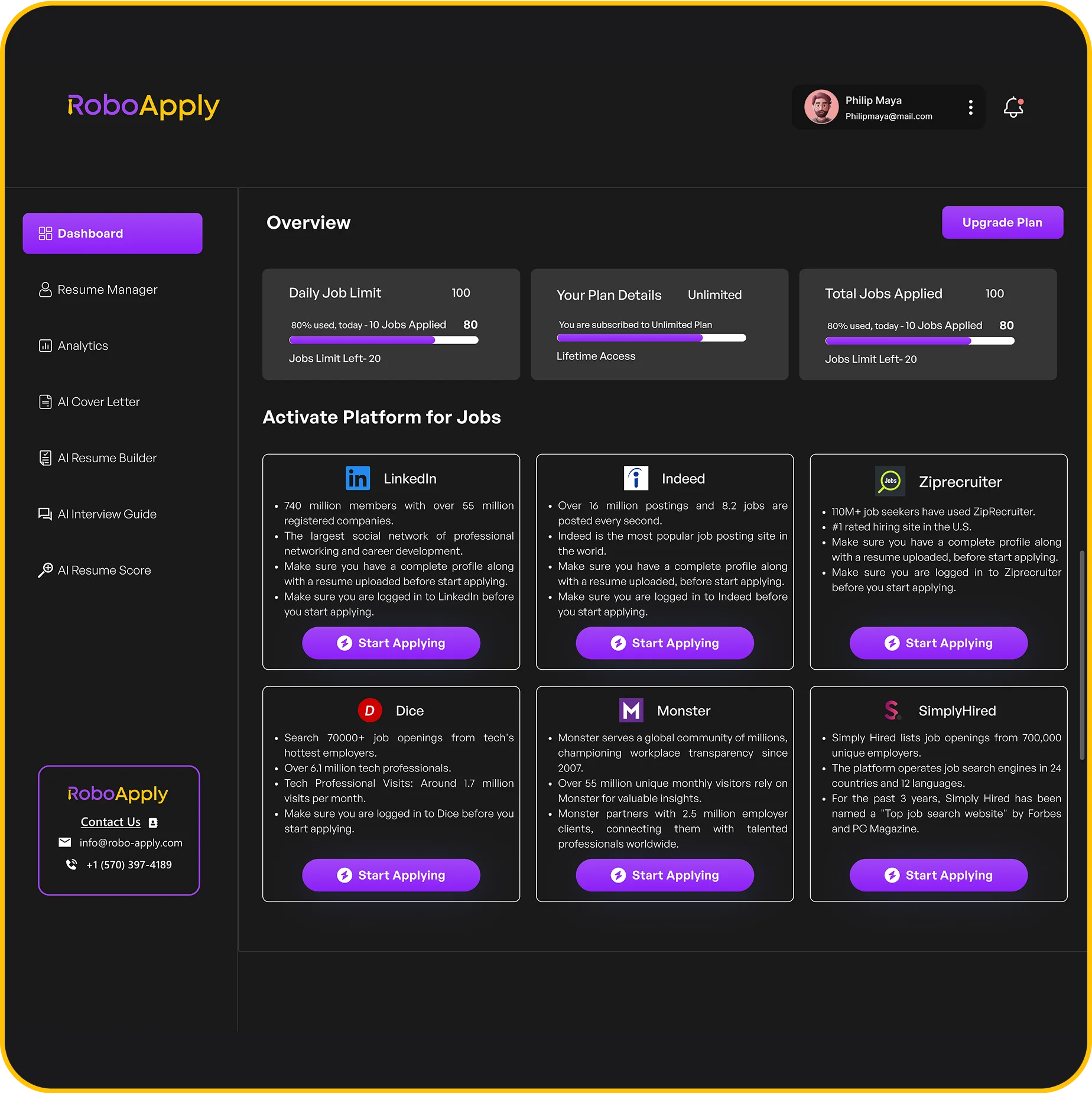
RoboApply handles application volume so you can focus on interview prep and follow-up. The platform automates applications across LinkedIn, Indeed, ZipRecruiter, and other major boards.
The AI Auto Apply feature keeps your pipeline full. Set preferences once. The system finds matching positions and submits customized applications automatically. You wake up to applications submitted overnight.
You’re not scrambling to apply manually while processing feedback and prepping for next rounds. Automation handles volume. You handle quality.
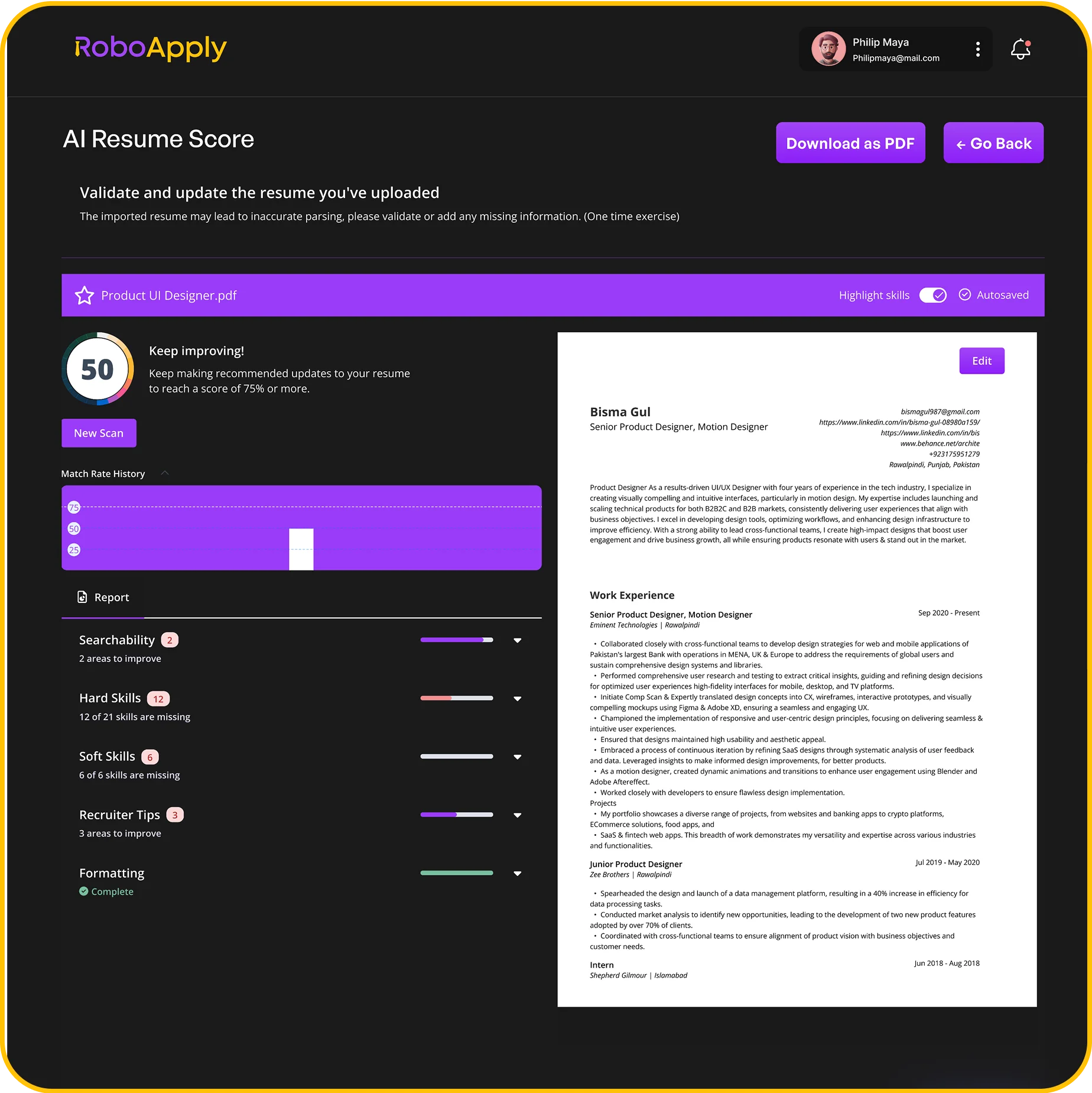
AI Tailored Apply customizes resumes for each job automatically. Reads descriptions and adjusts your resume to match. Keywords get added naturally. Experience gets reformatted. ATS compatibility stays optimized.
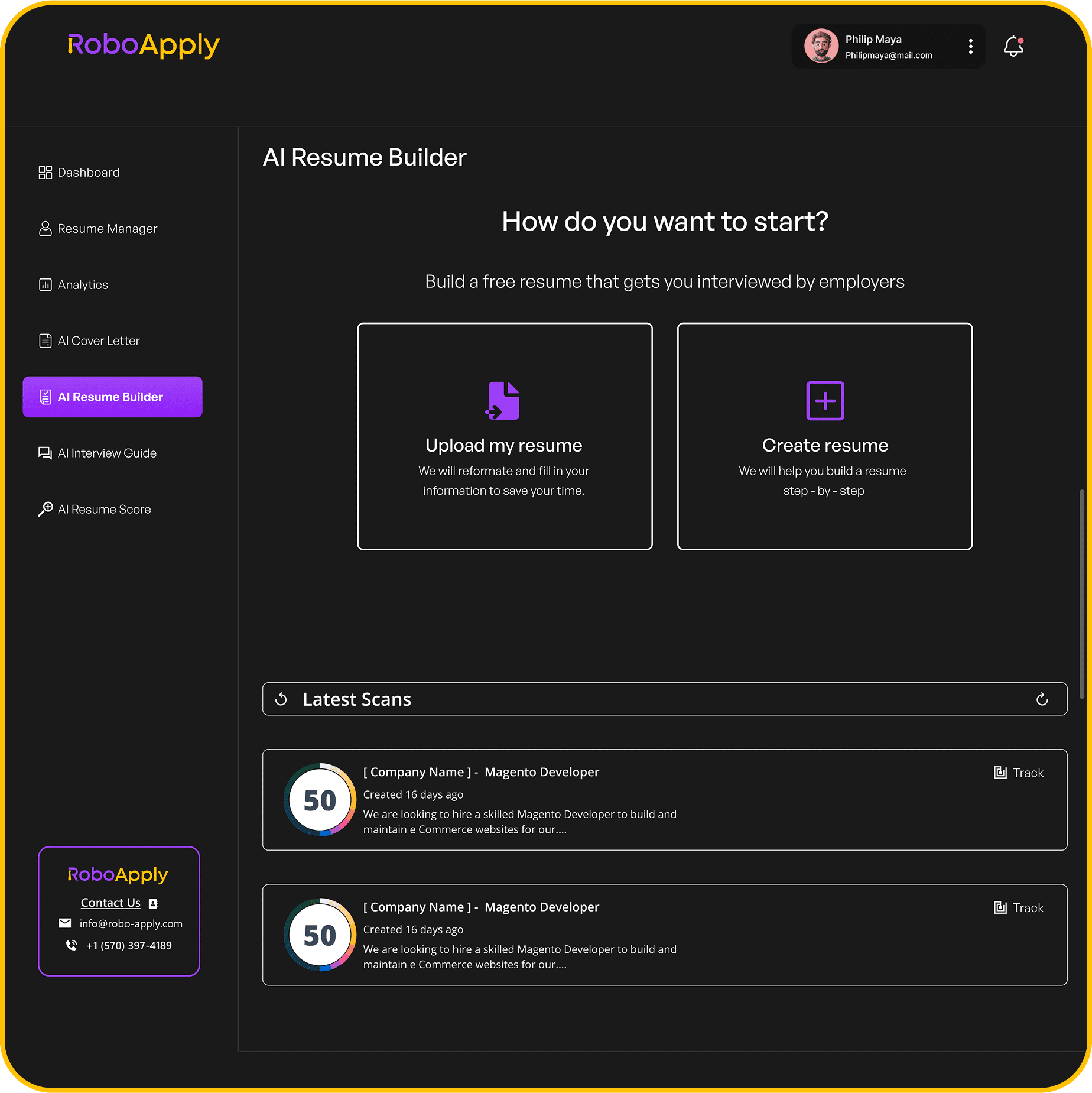
The Resume Builder creates professional resumes fast. Pick from 8 ATS-friendly templates. AI writes content based on your background.
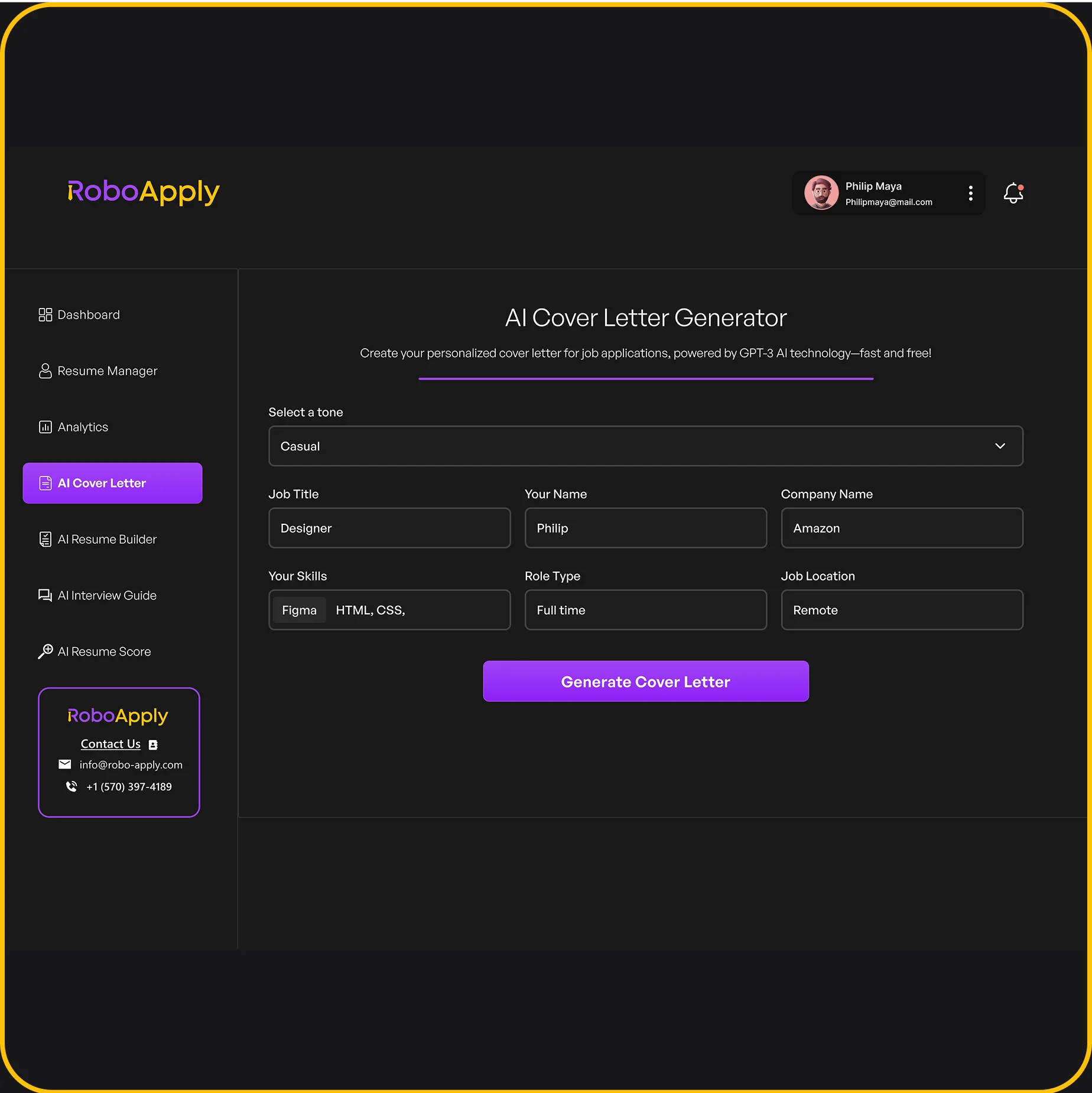
AI Cover Letter generation writes personalized letters for every application. Analyzes descriptions and creates customized letters matching each role.
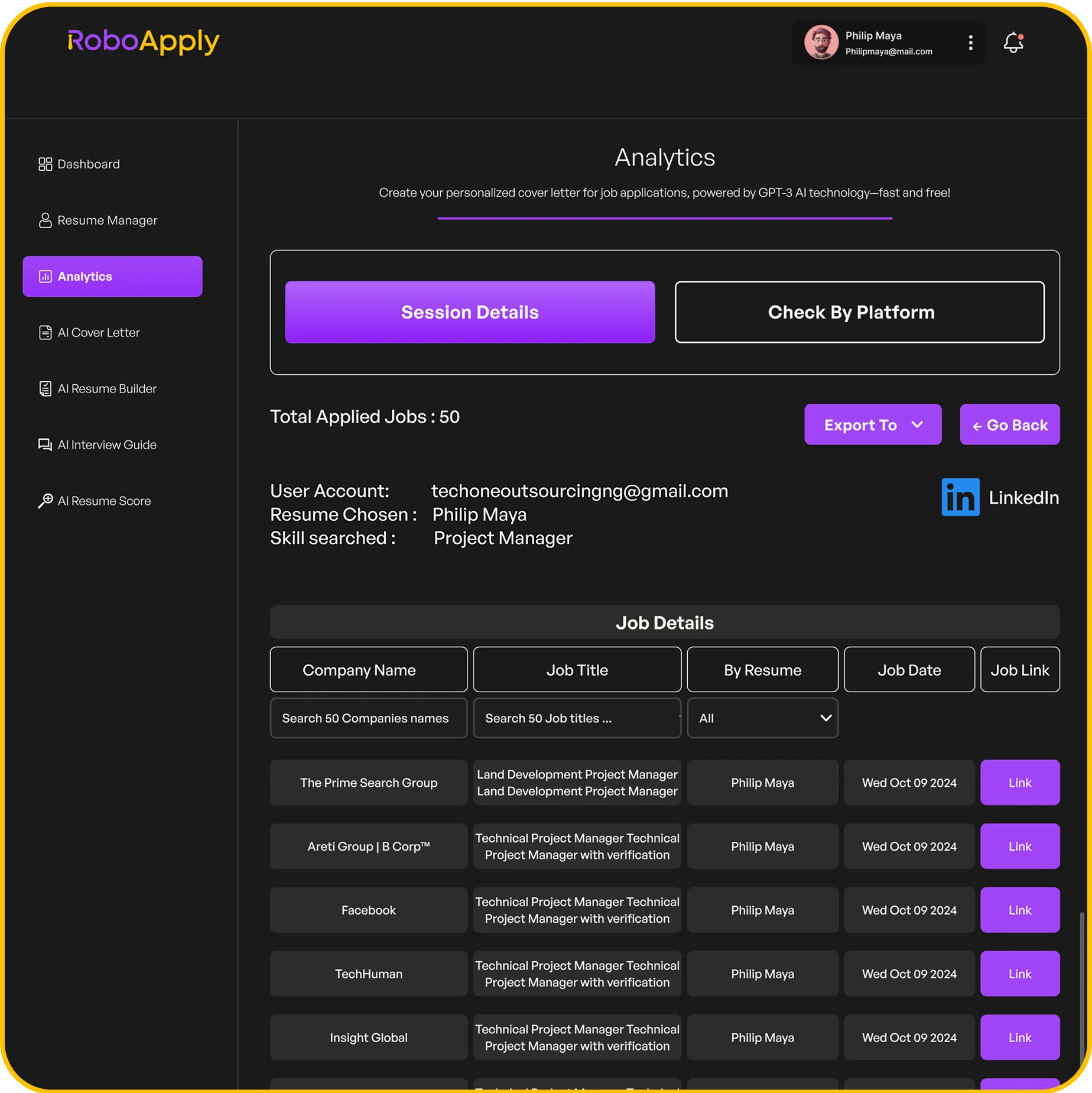
The dashboard tracks everything. Every application, interview scheduled, company response. You see exactly where you stand with each opportunity. This organization prevents confusion when multiple opportunities progress at once.
Start with RoboApply’s free trial to automate your search. The 90-day money-back guarantee means zero risk. Get an interview within 90 days or get your money back.
More job search tips from Indeed’s Career Guide and The Balance Careers help you improve your overall strategy.
Frequently Asked Questions
What are the most reliable surefire signs that an interview went well?
Extended time, detailed next steps, meeting multiple people, future-focused language, and salary discussions are the most reliable positive signals.
How long should I wait before following up after an interview?
Wait at least one week then send a brief email checking timeline and expressing continued interest without sounding desperate.
Does a friendly interviewer mean I got the job?
Not necessarily. Some interviewers are friendly with everyone. Focus on concrete actions like salary talk or team introductions instead.
What does it mean when they ask about my other interviews?
This signals strong interest and concern about losing you to competitors. They’re assessing urgency for making you an offer.
Should I stop job searching after a really good interview?
Never stop until you have a signed offer. Even excellent interviews don’t always convert due to budget changes or internal factors.