


A letter of introduction for job applications introduces you to hiring managers when no specific job exists. You explain who you are professionally. You highlight relevant qualifications briefly. You express genuine interest in their company specifically. This document serves a different purpose than standard cover letters entirely. Cover letters respond to posted job openings. Letters of introduction reach out proactively before positions get advertised.
You’re creating opportunities instead of just responding to existing ones. The approach works when executed strategically. Target companies where you genuinely want building your career. Research them thoroughly before writing. Show you understand their business challenges. Strong letters of introduction generate meetings and valuable conversations.
What Makes Letters of Introduction Work
Letters of introduction succeed when they combine genuine interest with relevant value. You can’t fake either element successfully. Hiring managers spot inauthentic outreach immediately from years of reading thousands of letters.
The document should accomplish several goals simultaneously in one page. Understanding what separates effective letters from ignored ones helps you create outreach that actually gets responses and generates conversations.
Here’s what your letter must accomplish clearly:
- Introduce your professional background concisely in one paragraph
- Demonstrate you’ve researched their company thoroughly with specifics
- Show how your skills match their business needs directly
- Request a conversation about opportunities confidently
- Provide quantified achievements proving your claims
- Connect your experience to their specific challenges
Effective letters include specific company references proving you’ve done homework. Mention recent news about them specifically. Reference their products or services accurately. Note their stated mission or values authentically. This specificity separates you from generic applicants immediately.
Quantified achievements make your claims believable instantly. “Increased sales” sounds vague and unverifiable completely. “Increased sales by 34% generating $2M additional revenue” provides concrete proof. Numbers cut through skepticism effectively every single time.

Key Elements Your Letter Needs
Strong letters of introduction follow a consistent structure working across industries. Each element serves a specific purpose in building your case effectively. Understanding this structure helps you create more effective outreach that actually gets read and generates responses from busy hiring managers.
Professional Header Information
Your header appears at the very top with all contact details displayed clearly. Include your full name prominently in larger font size. Add your phone number and professional email address. List your city and state for location context. Include your LinkedIn profile URL if your profile looks polished.
Below your information, add the current date written fully. Then include the recipient’s information formatted correctly. Their full name and professional title accurately. The company name spelled exactly right. The company’s complete business address.
This formal structure demonstrates professionalism immediately to readers. It also makes contacting you effortless if they’re interested in talking.
Strong Opening Paragraph
Your opening paragraph states your purpose clearly and immediately. Explain you’re writing to introduce yourself and express interest. Mention how you learned about the company specifically. Reference any mutual connections if applicable here.
“I’m writing to introduce myself and express interest in opportunities with your data analytics team. After reading your VP’s article on predictive modeling in Healthcare Analytics Journal, I’ve followed your innovative approach closely.”
This opening accomplishes multiple things efficiently in just two sentences. It states purpose directly. It shows you’ve done real research. It demonstrates genuine interest based on actual knowledge.
According to LinkedIn research, hiring managers spend an average of 7 seconds on initial review. Your opening needs grabbing attention instantly.
Why This Company Specifically
The second paragraph explains why you’re interested in their company particularly. This proves you’re not mass-mailing generic letters everywhere.
“Your company’s focus on using AI to reduce healthcare costs while improving patient outcomes aligns perfectly with my background in healthcare technology. The recent partnership with major hospital systems positions you to scale impact significantly.”
Be specific about what appeals beyond generic statements. Mention something recent showing you follow their business. A product launch from last month. An award they won recently. A new market they entered.
Your Relevant Qualifications
The third paragraph highlights your most relevant qualifications concisely. Focus on achievements matching their known needs. Quantify accomplishments with specific numbers.
“In my current role as Senior Data Analyst, I’ve built predictive models that reduced patient readmission rates by 18% across five hospitals. This work generated $3M in cost savings while improving patient outcomes.”
Connect each achievement to their business context directly. Include two to three impressive achievements maximum. Quality beats quantity always.
Research from Indeed shows that 75% of applications with quantified achievements get positive responses.
Clear Call to Action
Your closing paragraph requests a specific next step directly. Ask for a meeting or phone call explicitly. Offer to provide additional information.
“I’d welcome discussing how my healthcare analytics background could support your expansion into new hospital systems. I’m happy to meet in person or schedule a call at your convenience.”
Thank them genuinely for their time. “Thank you for taking time to read this introduction. I look forward to speaking with you soon.”
Common Mistakes That Kill Your Chances
Even highly qualified candidates make critical mistakes destroying their chances completely. Avoiding these errors dramatically improves your success rate. Learning what not to do matters just as much as knowing what to do right.
These mistakes appear constantly across all experience levels. Hiring managers spot them instantly from reading thousands of letters over years of experience.
Generic Content Everyone Recognizes
Sending obviously generic letters to multiple companies looks desperate. Hiring managers recognize template language instantly.
Watch out for these dead giveaways that scream template:
- Using “Your company’s innovative approach” without specifying what approach
- Writing “I admire your industry leadership” without explaining why specifically
- Including phrases like “dynamic team environment” that mean nothing
- Leaving placeholder text like [Company Name] accidentally in final version
- Referencing generic “growth opportunities” without connecting to their actual business
According to Jobscan research, 67% of hiring managers can identify template letters within the first paragraph. Personalization isn’t optional.
Focusing Only on Your Needs
Letters centered on your needs waste hiring managers’ time. “I’m looking for a role with growth opportunities” focuses entirely on you.
Instead write “I’d bring five years of proven project management results that could support your expansion.” This focuses on their needs clearly.
Every paragraph should answer “Why should they care about me?” Show what you offer them, not what you want.
Weak Achievement Statements
Vague claims don’t convince skeptical hiring managers. “Experienced project manager” says nothing memorable. “Led projects successfully” provides zero concrete information.
Transform weak statements into powerful proof with this approach:
- Replace “increased sales” with “increased sales by 42% generating $3M revenue”
- Change “managed team” to “led team of 15 across 3 locations delivering $8M project”
- Convert “improved efficiency” to “reduced processing time by 35% saving 200 hours monthly”
- Switch “handled customer service” to “resolved 95% of issues first-call, improving satisfaction scores by 28%”
Use this formula: Action verb plus what you did plus quantified result.
Writing Letters That Actually Get Responses
Letters of introduction work reliably when they’re personalized, well-researched, and focused on value. Generic templates fail consistently. Strategic authentic outreach succeeds when executed properly.
Creating effective letters requires following a proven process. Each step builds on the previous one. Skip any step and your success rate drops significantly.
Research Companies Thoroughly First
Look for recent company news providing natural conversation hooks:
- Product launches within past 6 months showing current direction
- Executive hires or promotions indicating growth areas
- Awards or recognition received demonstrating their strengths
- Partnerships announced revealing strategic priorities
- Expansion into new markets showing ambition
Read their website completely including About and News sections. Follow their social media accounts. Read recent articles about them. Understand their business model clearly.
Find the Right Contact Person
Identify the specific person to contact by actual name and title. Don’t address letters to “Hiring Manager” ever.
Here are proven steps for finding the right person:
- Search LinkedIn for hiring managers in your target department
- Check the company’s leadership page on their website
- Call their main number and politely ask for the appropriate person’s name
- Review company press releases for department leader names
- Check industry publications mentioning their executives
Write With Their Needs in Mind
Focus entirely on value you’d contribute, not benefits you’d gain. Every paragraph should demonstrate what you offer them specifically.
Write conversationally while maintaining professionalism. Avoid stiff formal language that sounds template-generated. Be yourself while staying appropriate.
Keep everything to one page maximum. Every sentence should advance your case directly.
Follow Up Appropriately
Follow up if you don’t hear back within one week. A brief polite email shows continued interest.
According to research, following up increases response rates by 30%. Timing and tone matter enormously.

Build Stronger Application Materials
Writing effective letters requires significant time and research for each company. Smart tools help you build better materials more efficiently without sacrificing quality.
Your letter introduces you initially. Your resume proves your capabilities. Your cover letter responds to specific postings. All documents need working together seamlessly.
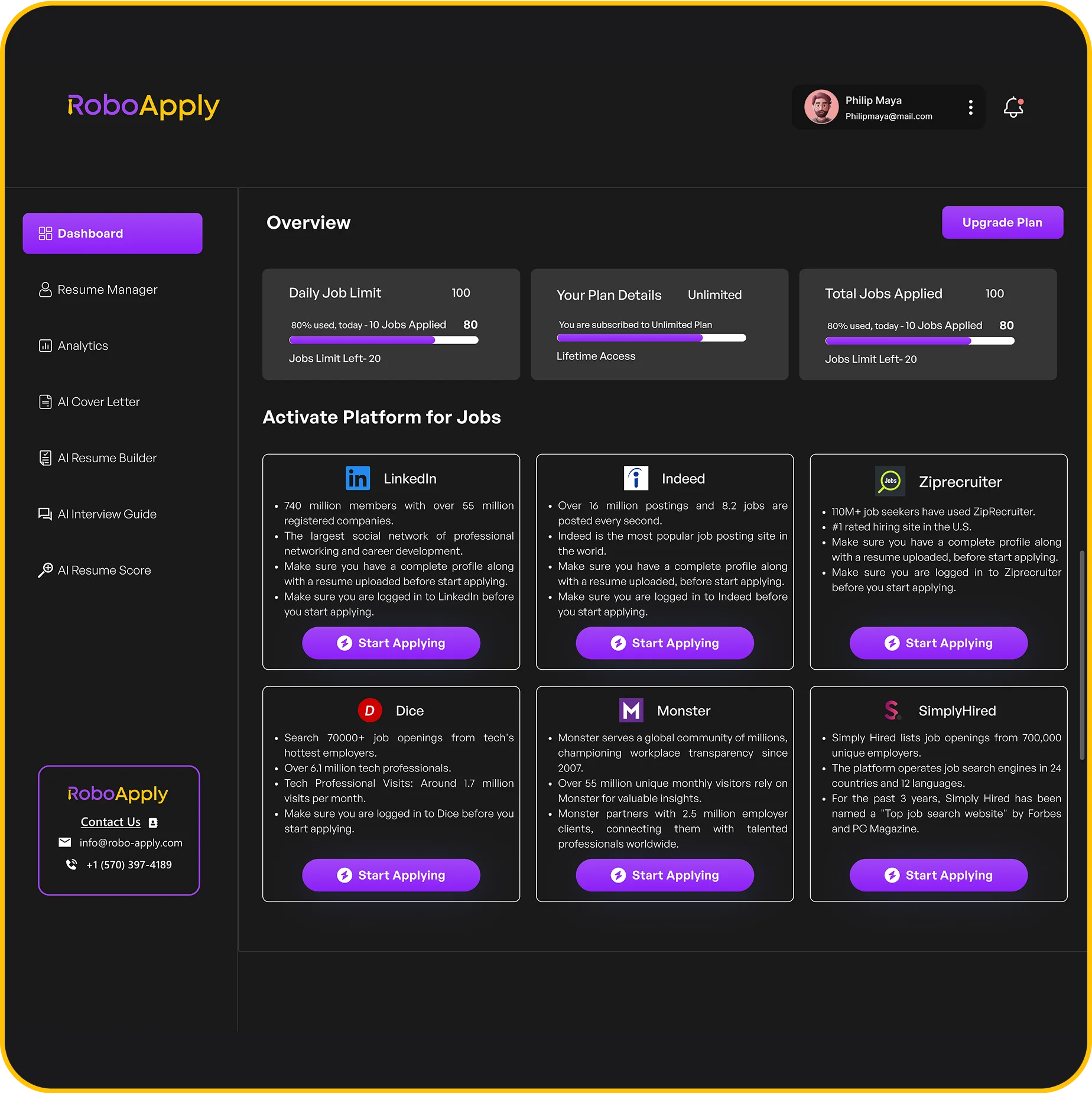
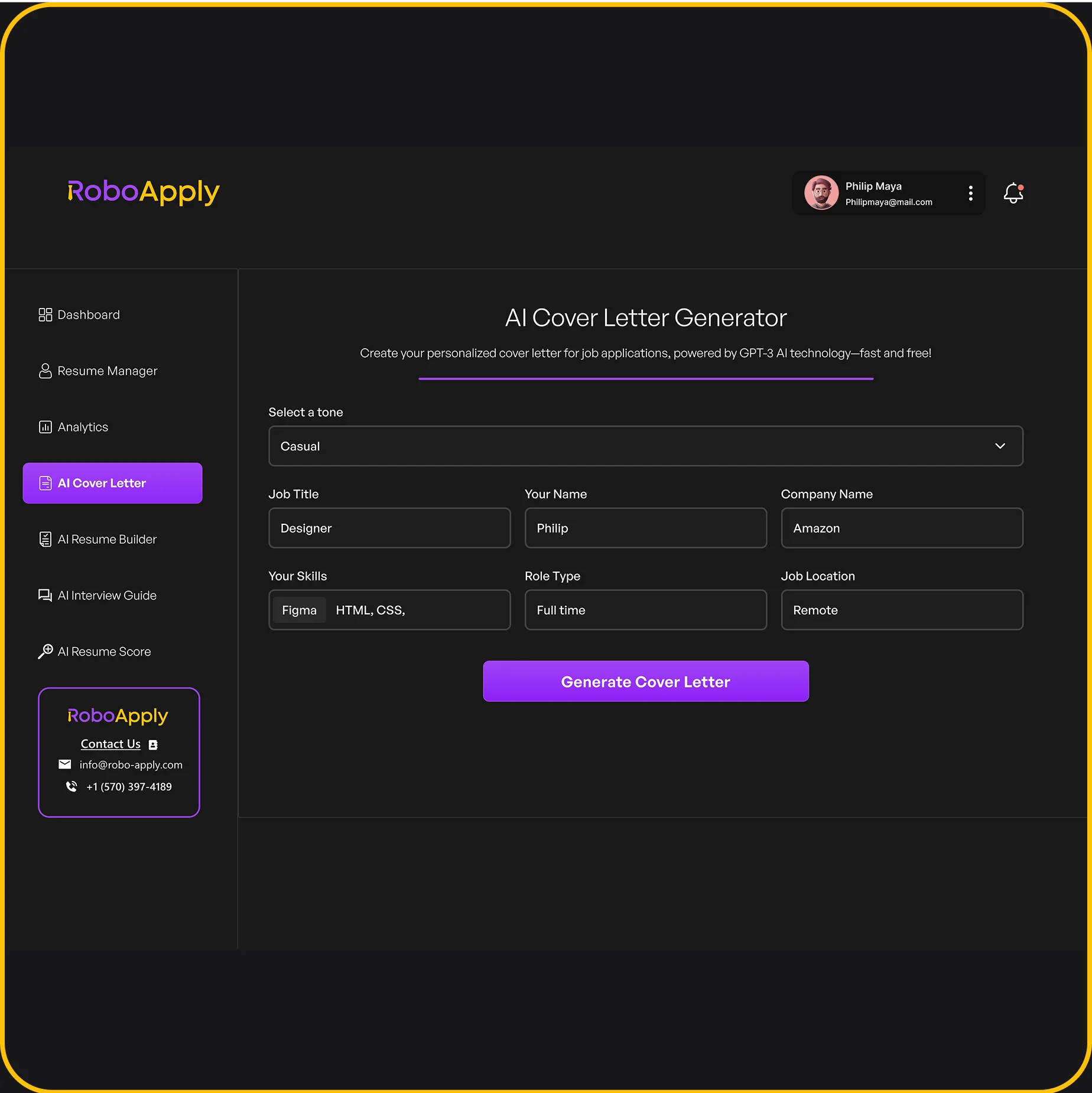
AI Cover Letter generates personalized letters in minutes. You input your background once. The platform generates well-structured content you customize. This saves hours compared to starting from blank pages.
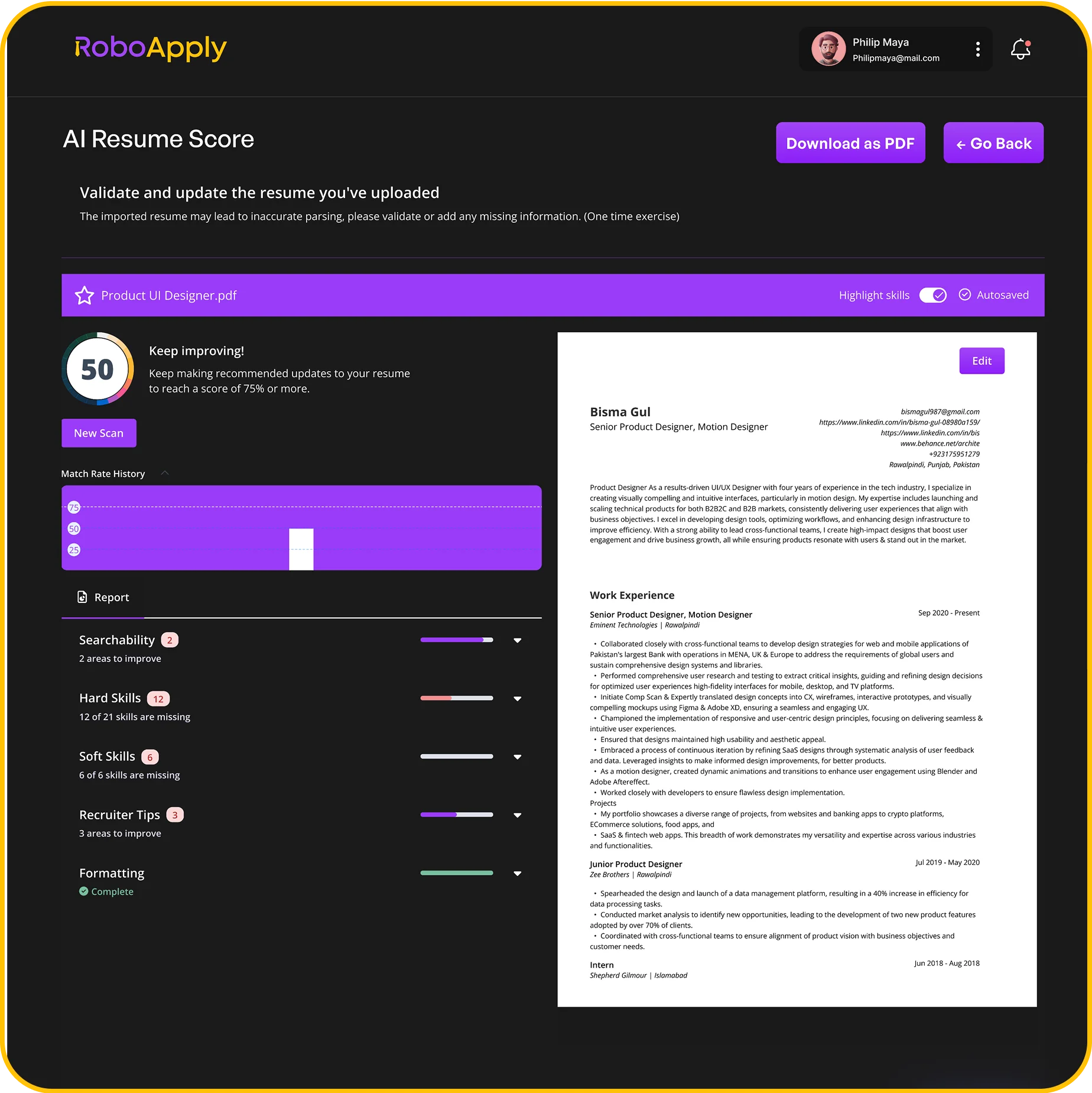
AI Resume Builder creates ATS-optimized resumes highlighting your qualifications. When companies respond requesting your resume, you need professional materials ready immediately.
AI Tailored Apply customizes resumes and cover letters for specific postings. When companies respond with job openings, you apply quickly with optimized materials.
Start Opening Doors Today
Letters of introduction open doors to opportunities never posted publicly. Great companies always need talented people regardless of formal openings. Your proactive outreach puts you ahead of candidates waiting for advertisements.
Research companies where you want building your career. Study their business model thoroughly. Understand their challenges clearly. Identify how you’d add measurable value immediately.
Write personalized letters to decision-makers by name. Explain why you want working there specifically. Highlight achievements quantified with concrete numbers. Request conversations confidently.
Follow up when you don’t get immediate responses. Combine introduction letters with traditional applications for maximum reach across opportunities. Start building better materials withautomated tools that showcase your qualifications effectively. Strong introduction letters combined with optimized resumes land interviews faster. That’s how you get hired.
Frequently Asked Questions
What’s the main difference between a letter of introduction and a cover letter?
A letter of introduction proactively introduces you before jobs exist, while cover letters respond to specific posted job openings with detailed requirements.
How do I find the right person to send my letter of introduction to?
Search LinkedIn for department managers, check the company’s leadership page, or call their main number and ask for the appropriate person’s name.
Should I include specific achievements in my letter of introduction?
Absolutely. Include two to three quantified achievements that directly relate to the company’s business needs and demonstrate concrete value you’d bring.
How long should a letter of introduction be?
Keep it to one page maximum. Busy hiring managers don’t have time for lengthy letters, so make every sentence count and stay focused.
Is it okay to follow up after sending a letter of introduction?
Yes, definitely. Follow up within one week if you haven’t heard back. A polite email shows genuine interest and increases response rates significantly.