


Interview questions to ask during hiring separate finding someone amazing from replacing them six months later when things fall apart. The questions you pick show how candidates handle stress, balance competing demands, and fix problems that come up constantly in offices.
Most hiring managers blow time on boring questions that get practiced answers everyone memorizes. “Where do you see yourself in five years?” tells you zero about whether someone can wrangle three executives’ calendars while some vendor is losing their mind on the phone. The right interview questions to ask expose what candidates can actually do instead of how well they interviewed last week.
Core Competency Questions That Actually Work
Administrative assistants need certain skills to survive fast-paced offices where everything happens at once. Your interview questions to ask should test these capabilities directly rather than hoping candidates volunteer useful stuff on their own time.
The best questions dig into what happened before because that predicts what’ll happen next way better than made-up scenarios. When candidates walk you through real situations they’ve dealt with, you get insight into how they actually solve problems, talk to people, and get work done.
Organization and Time Management
Administrative roles mean juggling tons of priorities without dropping anything critical. These interview questions to ask show you how candidates really handle competing demands when everything feels urgent:
“Walk me through your craziest day at your last job. What needed to get done, and how did you figure out what mattered most?”
This makes candidates describe what they actually did instead of theory they learned somewhere. Listen for real details about their methods, how they protected time for important stuff, and what went down when interruptions happened.
Strong candidates talk about actual tools they used, how they told people about delays without causing drama, and what they figured out from dealing with chaos. Weak ones give fuzzy answers about “staying organized” without any real examples proving anything.
“Tell me about juggling multiple urgent requests from different people at the same time. How did you pick what to tackle first?”
This shows their thinking when everything’s on fire. Good answers prove they can spot real urgency versus someone claiming everything’s urgent because they want attention immediately. They should mention giving people realistic timelines instead of promising the world gets delivered in five minutes.
“Describe how you track ongoing projects and stuff you need to follow up on. What do you use to make sure nothing slips through the cracks?”
Look for actual tools and systems they maintain, not vague claims about having great attention to detail. Strong candidates mention calendar systems, task apps, or even simple spreadsheets they actually keep updated. The specific tool matters less than whether they’re disciplined about using it every single day. According to Indeed’s hiring research, candidates with clear organizational systems perform 40 percent better in administrative roles across the board.
Communication and Professionalism
Administrative assistants represent your company to clients, vendors, and partners constantly. These interview questions to ask check how they communicate and use judgment when situations get weird:
“Give me an example of delivering bad news or telling someone no when they didn’t want to hear it. How did you handle that conversation?”
This shows how they manage tough talks without making everything worse. Strong answers show they get why people are upset, communicate clearly what’s happening, and stay firm when they need to. Watch for candidates who blame everyone else or dodge owning hard decisions they made.
“Describe getting unclear instructions from someone. What did you do to figure out what they actually wanted?”
Administrative assistants bomb if they’re constantly guessing at what executives want from them. Good candidates explain asking questions to clarify without seeming totally lost or annoying. They might mention repeating instructions back to confirm they got it right or writing summaries to verify understanding.
“Tell me about working with someone difficult or unresponsive who you needed something from. How did you get what you needed?”
Every office has people who are absolute nightmares to work with. This shows whether candidates stay professional while being pushy enough to get results anyway. Strong answers prove creativity in building relationships somehow and finding workarounds when normal methods fail completely.
Problem-Solving and Initiative
The absolute best administrative assistants fix problems before they explode into full crises. These interview questions to ask separate people who solve stuff proactively from people who just take orders:
“Share a time you spotted a process that wasn’t working and actually fixed it. What did you do, and what happened?”
Look for candidates who notice when things are broken and fix them instead of just complaining endlessly. Strong answers include real numbers showing improvement, like how much time got saved or how many errors disappeared. This also shows whether they can actually implement changes, not just whine about how things should be different.
“Describe handling something way outside your normal job because nobody else was around. How did you approach it?”
Administrative roles need flexibility when weird situations pop up unexpectedly. Good candidates explain sizing up what was happening, finding people or resources to help, and getting unfamiliar stuff done successfully. They should admit asking for help rather than pretending they magically knew everything already.
“Tell me about screwing something up at work. How did you handle it, and what did you learn?”
Everyone messes up eventually at some point. This tests whether they’re self-aware and take responsibility. Strong candidates own their mistakes completely, explain real steps they took to fix things, and share actual systems they built to stop it happening again. The Society for Human Resource Management found that candidates who learn from mistakes perform way better long-term.

Technical Skills Assessment Questions
Administrative assistants need to know various software and tools in modern offices. Your interview questions to ask should check if they actually know this stuff rather than just trusting whatever their resume claims.
These questions help you understand not just what tools candidates have touched before, but how well they really use them every day. Anyone can write that they’re amazing with Microsoft Office, but can they explain advanced stuff they rely on regularly?
Software and Systems Knowledge
Modern administrative work needs comfort with technology that changes all the time. Test real knowledge with these specific interview questions to ask:
“What calendar systems have you run before, and what did you do to stop scheduling conflicts from happening?”
Strong candidates discuss real features they used, like color-coding everything, blocking time strategically, or setting up recurring meetings without wasting tons of time. They should mention dealing with last-minute changes and telling everyone about updates fast.
“Describe creating presentations or documents for executives. What tools did you use, and how did you make sure everything met their picky standards?”
Look for actual familiarity with Microsoft Office, Google Workspace, or whatever your organization relies on daily. Good answers mention learning executive quirks and weird preferences, keeping templates so everything looks consistent, and catching errors through proofreading before anything leaves their desk.
“Tell me about handling expense reports or tracking budgets. What systems have you used, and how did you keep everything accurate?”
Administrative assistants often deal with money stuff requiring serious attention to detail. Strong candidates explain how they verified everything, categorized expenses right, and which specific accounting or expense software they’ve actually used before.
Behavioral Questions About Workplace Dynamics
Administrative assistants work with tons of different people at all levels. Your interview questions to ask need to check whether they can handle office politics and relationships without getting sucked into drama constantly.
Understanding how candidates dealt with past workplace stuff gives you the best preview of how they’ll handle similar situations in your place. According to Forbes research on hiring practices, behavioral questions predict actual job performance better than any other interview method you can use.
Working With Executives and Leadership
Supporting executives needs discretion, flexibility, and solid judgment when sensitive stuff comes up. These interview questions to ask test those critical qualities:
“Tell me about your relationship with the executive or manager you worked with most closely. What made it work well or not work at all?”
Listen for how they adapted to different styles and weird preferences. Strong candidates discuss learning what their executive really cared about, figuring out needs before being asked, and keeping appropriate boundaries professionally.
“Describe having confidential information when someone asked you about it directly. How did you handle that?”
Being discreet isn’t optional for administrative roles at all. Good answers show they politely refuse sharing stuff without making people angry or acting paranoid about everything.
“Give an example of your manager asking you to do something you thought was a bad idea. What did you do?”
This shows whether candidates can push back respectfully when needed. Strong answers prove they raised concerns professionally, explained their thinking clearly, and supported the final decision even when they thought it was wrong.
Team Collaboration and Support
Administrative assistants often support whole teams, not just one person. These interview questions to ask test whether they collaborate well and help others:
Here’s what to listen for when they talk about teamwork:
- They offer help to swamped colleagues without being asked
- They coordinate across departments on messy projects successfully
- They resolve conflicts or miscommunications without escalating drama
- They care about team wins more than getting personal credit
“Tell me about coordinating multiple departments on a project. What challenges happened, and how did you keep everything moving?”
Working across functions needs real communication skills and persistence. Look for candidates who mention checking in regularly, documenting everything clearly so everyone could access it, and solving problems before they became bottlenecks.
Situational Questions for Real-World Scenarios
Made-up scenarios show how candidates think through stuff they haven’t faced yet. Your interview questions to ask should present realistic situations they’ll definitely hit in the role.
These questions test judgment, how they prioritize, and problem-solving in your organization’s specific context. The best candidates think out loud while answering, showing you how they actually reason through things.
Handling Pressure and Competing Priorities
Administrative work means constant interruptions and priorities changing every single day. Test how candidates handle this with these interview questions to ask:
“Imagine working on something urgent with a tight deadline when your phone rings, someone walks in with questions, and three urgent emails hit your inbox. Walk me through the next ten minutes.”
Strong candidates explain a triage process that actually makes sense. They mention quickly figuring out what’s truly urgent, telling people realistic timelines, and protecting focus time for deadline work.
“Your manager’s in meetings all day, but a client keeps calling about something urgent. What do you do?”
Good answers show judgment about interrupting someone versus handling it independently. They should mention getting information from the client first, deciding if it really needs immediate executive attention, and keeping everyone updated on status. Research from The Balance Careers shows judgment questions predict success way better than technical questions.
Dealing With Difficult Situations
Offices create tricky situations constantly. These questions show how candidates navigate them without making bigger problems:
“A vendor calls angry about a payment problem, but you can’t fix it and the person who can is gone. How do you handle the call?”
Look for empathy, clear talk about what they can and can’t do right now, and actually trying to solve it somehow. Strong candidates mention taking detailed notes, setting realistic expectations about when this gets fixed, and following up like they promised.
“You discover important information didn’t get communicated right, and now there’s a problem. You don’t know whose fault it was originally. What’s your next move?”
This tests whether they focus on fixing problems or blaming someone. Good answers prioritize solving the immediate mess fast, then building systems so communication doesn’t break down again.

Streamlining Your Hiring Process With Smart Tools
Finding the right administrative assistant eats up time most hiring managers don’t have. Between posting jobs everywhere, reading hundreds of resumes, scheduling interviews, and doing them, weeks disappear. Meanwhile, your team’s drowning without support they need badly.
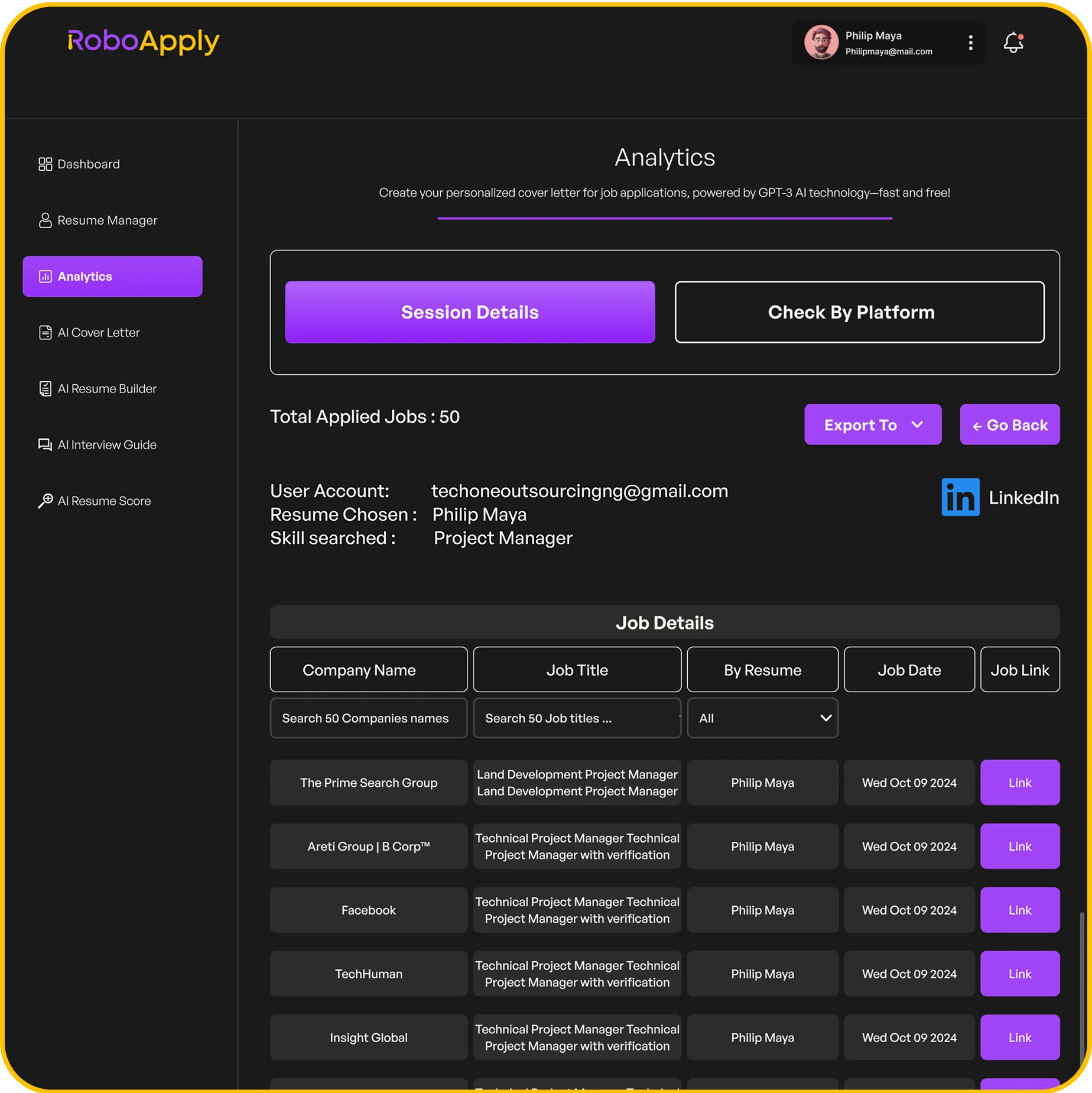
RoboApply helps you find qualified people faster by automating the stuff that drains your energy. Instead of manually posting everywhere and sorting applications that don’t fit, the platform handles it automatically.
The AI tools analyze applications against what you actually need, flagging candidates who match. You spend time interviewing promising people instead of reading resumes that clearly don’t work here.
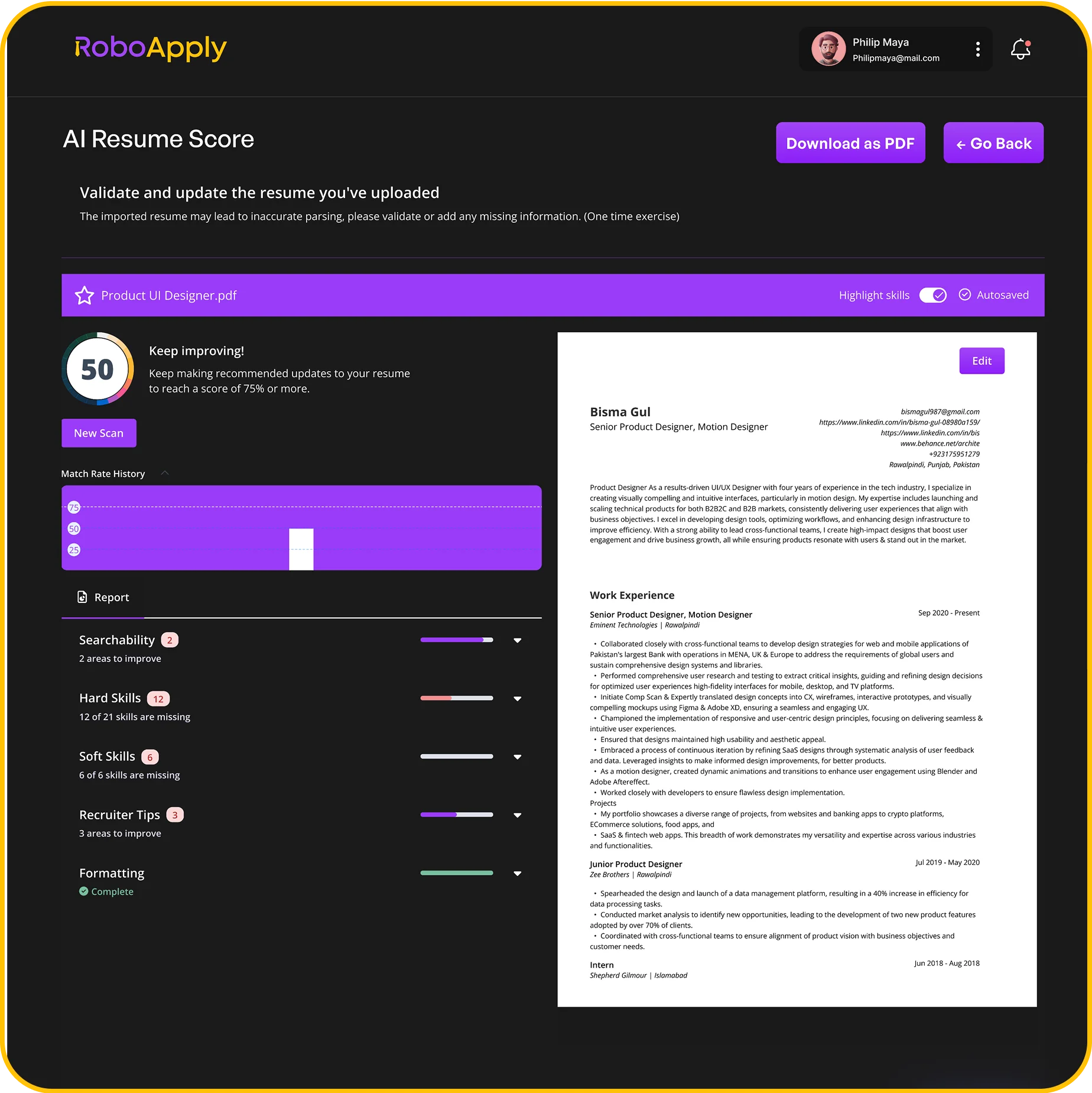
Resume scoring evaluates applications objectively based on your criteria, eliminating bias and ensuring you don’t miss qualified candidates who might be perfect. The system finds candidates with organization skills, communication abilities, and technical stuff you need.
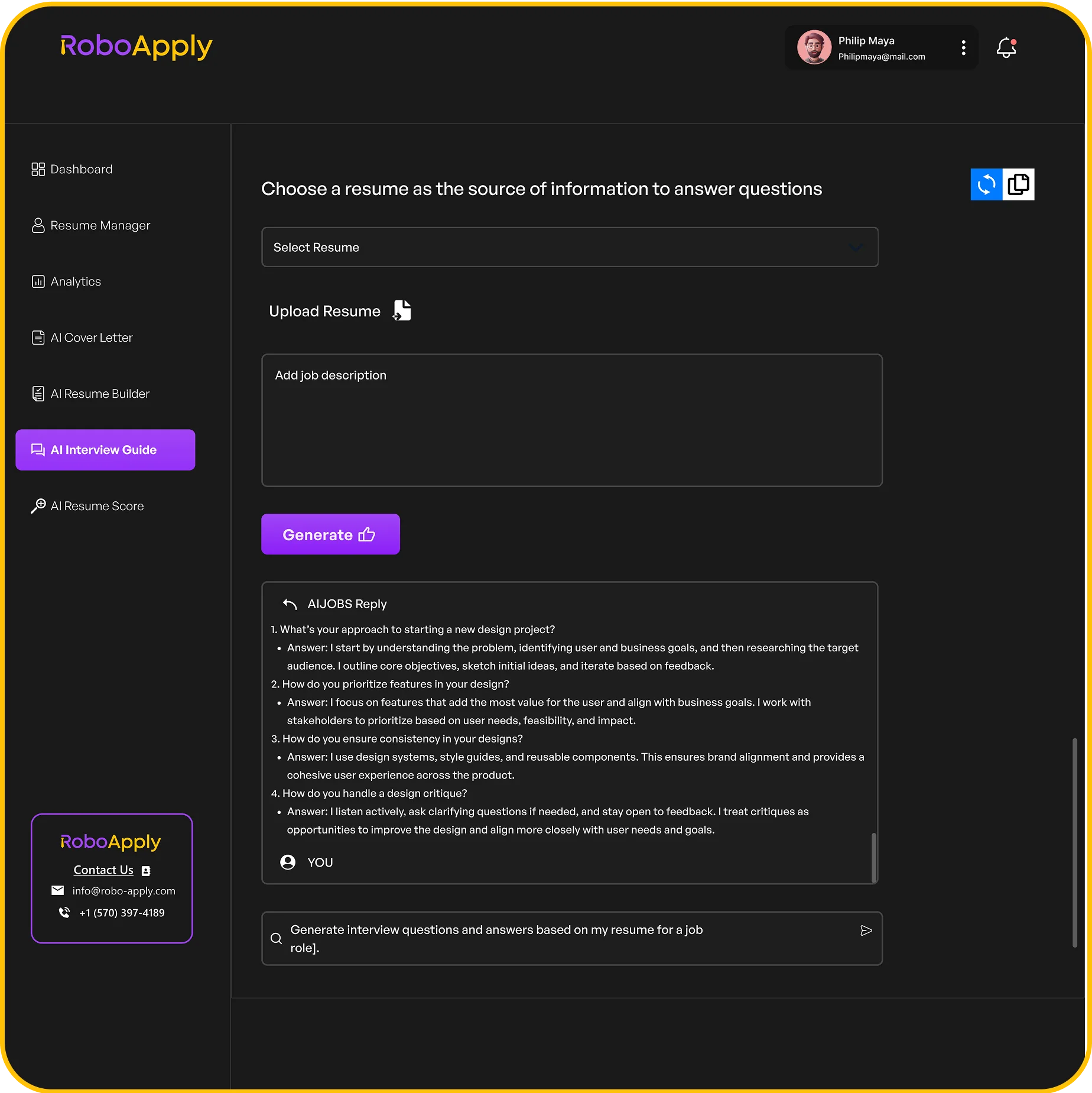
Once you spot top candidates, the platform organizes your interview questions to ask and tracks responses without losing anything. Everything stays in one place instead of scattered emails, random notes, and spreadsheets nobody can find.
The platform saves hiring managers fifteen hours per position by automating repetitive stuff while you control decisions that matter.
Frequently Asked Questions
What are the most important interview questions to ask for administrative assistant roles?
Focus on behavioral questions about organization, communication, problem-solving, and handling pressure with real examples rather than hypothetical scenarios everyone practices.
How many interview questions to ask during a typical administrative assistant interview?
Plan for eight to twelve solid questions with time for follow-ups. This fills a 45 to 60 minute slot comfortably.
Should interview questions to ask focus more on technical skills or soft skills?
Balance both with roughly 40 percent technical and 60 percent behavioral questions checking soft skills and judgment in real situations.
What interview questions to ask reveal whether a candidate will fit our culture?
Ask about their ideal work environment, how they like getting feedback, and past workplace cultures where they genuinely thrived.
How can I tell if answers to interview questions to ask are genuine or rehearsed?
Ask detailed follow-ups about examples they give. Rehearsed answers crumble fast when you dig for more details and context.