


Putting an MBA on your resume means listing it in your education section with the degree name, school, graduation year, and any honors. You can also add “MBA” after your name in the header for instant visibility. Format it as “Master of Business Administration (MBA)” the first time, then just “MBA” after that.
Here’s the thing most people don’t realize. Where you place your MBA matters as much as having one. Recent grads should lead with education. Experienced professionals? Work history comes first. The MBA supports your story. It doesn’t tell the whole thing.
Recruiters spend roughly six seconds scanning resumes initially. Your MBA needs to register in that tiny window. Too subtle and they miss it. Too prominent and you look like you’re hiding weak experience behind a degree.
This guide breaks down exactly how to position your MBA based on career stage, industry, and experience level. No fluff. Just practical formatting that works.
Where Your MBA Actually Belongs on Your Resume
Most people overthink MBA placement. The education section is standard for good reason. It’s where recruiters expect to find degrees. That said, placement within your overall resume structure changes based on experience.
Recent graduates put education near the top. You lack extensive work history. Your MBA is your strongest credential right now. Lead with it. Makes total sense.
Experienced professionals flip that order. Work experience comes first. Education follows. Your accomplishments at previous jobs matter more than where you studied. The MBA got you opportunities. Your results got you promoted.
Education Section Best Practices
Your education section needs specific elements formatted cleanly. Don’t overthink it, but get the basics right. Here’s what hiring managers actually want to see:
Required Information:
- Full degree name (Master of Business Administration)
- University name and location
- Graduation month and year
- GPA if above 3.5
- Academic honors like cum laude or Dean’s List
- Concentration or specialization if relevant
Example formatting: “Master of Business Administration (MBA), Finance Concentration | Wharton School, University of Pennsylvania, Philadelphia, PA | May 2023 | GPA: 3.7 | Beta Gamma Sigma”
Skip listing every required course you took. Nobody cares about Management 101. Focus on achievements and distinctions instead.
Adding MBA to Your Header
Some people add “MBA” right after their name in the resume header. “Sarah Johnson, MBA” creates immediate credibility before recruiters read further. This works particularly well in industries where MBAs are expected.
Finance, consulting, corporate strategy roles? Use it. These fields value advanced business degrees. The credential signals you speak their language.
Tech startups and creative agencies care less about letters after your name. They prioritize what you’ve built or created. Read the room for your industry.
Professional Summary Integration
Your professional summary offers another placement option. “Marketing Director, MBA | 12 Years Driving Revenue Growth” combines your title with credentials efficiently.
This approach works when competing for roles requiring advanced degrees. Research from Harvard Business Review shows credentials in headers increase perceived expertise significantly. Particularly useful when career pivoting or applying to competitive positions.
Just don’t overdo it. The goal is strategic visibility, not credential stuffing.

Formatting MBA Credentials the Right Way
Getting formatting details correct separates professional resumes from sloppy ones. Small choices add up. Consistency matters across your entire document.
Always write “Master of Business Administration” on first reference. Then switch to “MBA” for subsequent mentions. This follows standard professional writing conventions. Never use “M.B.A.” with periods between letters. That style died in the 90s.
Different MBA program types need different labels. Executive MBA? List it as “Executive Master of Business Administration (EMBA).” Part-time MBA? “Master of Business Administration (MBA), Part-time Program.” Online MBA? Same deal. “Master of Business Administration (MBA), Online.”
Coursework and Specializations
Here’s where most people make mistakes. Recent graduates can list 4-6 relevant courses. Choose ones directly applicable to target jobs. “Relevant Coursework: Strategic Management, Financial Modeling, Data Analytics, Operations Strategy.”
Once you’ve got 3-5 years of solid work experience? Drop the coursework section entirely. Your professional achievements speak louder than classes you passed.
Specializations deserve mention though. MBA in Marketing, Finance Concentration, Healthcare Management focus. These signal expertise in specific domains. Format them clearly after the main degree name.
When to Include Your GPA
Include GPA only if it’s 3.5 or higher. Below that? Leave it off completely. Hiring managers assume it’s mediocre if you don’t mention it. That’s fine. Your work results matter more.
Academic honors absolutely deserve space. Dean’s List, cum laude, academic scholarships, Beta Gamma Sigma business honor society. These distinctions show consistent high performance over time.
Format honors right after your graduation date: “May 2023 | Graduated with Distinction | Dean’s List All Semesters”
Adjusting MBA Emphasis by Career Stage
Your career stage determines how much you emphasize your MBA. Fresh graduates lean heavily on it. Mid-career professionals treat it as one credential among many. Executives barely mention it.
Understanding this progression helps you position your degree appropriately. Wrong emphasis makes you look inexperienced or out of touch.
Fresh MBA Graduate Strategy
Just finished your MBA last year? Education section goes right after your contact information. You might have some pre-MBA work experience. Still lead with the degree. It’s your most recent and impressive credential.
Include more detail here than experienced professionals would. GPA, honors, relevant projects, leadership roles in student organizations. These demonstrate capability when you lack extensive professional track record.
Add a projects section showcasing MBA work with real business impact. “Led team of six MBA students developing market entry strategy for SaaS startup. Projected 40% first-year revenue growth based on competitive analysis and customer research.”
According to Jobscan’s resume research, including MBA projects with quantified outcomes increases interview rates for recent graduates by roughly 35%.
Mid-Career Professional Approach
Got 5-10 years experience? Flip the order. Professional experience leads. Education follows below. Your MBA still matters. It’s just not the headline anymore.
This makes logical sense. Hiring managers care more about results you delivered at previous companies than where you studied. Your degree qualified you for opportunities. Your performance got you promoted twice.
Format your MBA in a standard education section. Include key details but don’t elaborate extensively. Your work achievements carry more weight now.
Senior Executive Positioning
Senior executives often bury education at the very bottom. Sometimes in smaller font. Their track record speaks for itself. An MBA is baseline qualification, not differentiator.
Certain industries still value program prestige though. Finance, consulting, academia. Financial Times MBA rankings show top programs impact earnings decades later. If you went to Harvard, Wharton, Stanford? Mentioning it still helps.
For executives, consider adding MBA to your LinkedIn headline and email signature. Less emphasis needed on the resume itself.
Common MBA Resume Mistakes to Avoid
Most people mess up MBA presentation in predictable ways. Avoid these errors and you’re instantly ahead of most applicants.
Incomplete or Vague Information
Writing just “MBA, 2022” without school name doesn’t cut it. Recruiters need to evaluate program quality. Columbia MBA carries different weight than random online program. Fair or not, that’s reality in hiring.
Always include complete details. Degree name, institution, location, graduation date. This establishes credibility and prevents awkward follow-up questions.
Listing Irrelevant Coursework
Nobody cares that you took Business Communications or Organizational Behavior. These are standard required courses. Listing them wastes space and looks naive.
Only mention courses if they directly relate to target positions AND you’re a recent graduate lacking work experience. Otherwise skip this entirely.
Formatting Unfinished Degrees Wrong
Currently pursuing your MBA? Format it clearly: “Master of Business Administration (MBA), Expected May 2025 | Northwestern University, Kellogg School of Management.”
The “Expected” date prevents confusion. Never imply completion of a degree you haven’t finished. That’s immediate disqualification if discovered. Also potentially illegal depending on jurisdiction.
Overemphasizing Education vs Experience
Your MBA matters. Your track record matters more once you have one. Don’t dedicate half a page to education details while cramming ten years of achievements into cramped bullet points.
Balance emphasis based on what’s actually strongest in your background. Let your accomplishments shine.
Optimizing for Applicant Tracking Systems
Applicant Tracking Systems scan resumes before humans see them. Your MBA needs to register correctly with these bots. Otherwise your resume never reaches actual recruiters.
Use standard section headings. “Education” works universally. “Academic Credentials” or “Academic Background” might confuse systems looking for standard labels. Keep it simple and conventional.
Keyword Strategy That Works
ATS systems search for specific terms from job descriptions. When postings require “MBA” or “Master’s degree,” you need exact keyword matches. Write out “Master of Business Administration” plus use the acronym “MBA.”
This redundancy helps significantly. Some systems search full degree names. Others search acronyms. Including both formats covers all scanning approaches.
Study target job postings carefully. Note which terms appear repeatedly. LinkedIn research on job postings shows ATS systems prioritize exact keyword matches over similar terms. Incorporate these naturally throughout your resume.
ATS-Friendly Formatting Rules
Avoid complex formatting that confuses parsing systems. No tables, text boxes, headers, footers, or graphics. These elements break ATS parsing algorithms.
Stick to standard fonts everyone recognizes. Times New Roman, Arial, Calibri. Size 10-12 points. Use standard bullet points, not fancy symbols or graphics. Left-align all text. Centered or right-aligned content confuses many systems.
Save as .docx unless instructions specifically request PDF. Many ATS platforms parse Word documents more accurately than PDFs. Check each application for format requirements.
Industry-Specific MBA Presentation
Different industries value MBAs differently. What impresses finance recruiters might fall flat with tech startups. Tailor your approach accordingly.
Consulting and finance expect MBAs. Top-tier programs matter significantly here. List your MBA prominently. If you attended a top 20 program, mention it. Include relevant concentrations like strategy or corporate finance.
Technology companies care more about technical skills and product outcomes. Your MBA matters less than ability to ship products and drive user growth. De-emphasize it slightly. Focus heavily on measurable achievements.
Healthcare and pharmaceutical industries value MBA training applied to their specific context. Highlight healthcare management coursework or medical device projects. These sectors increasingly need business expertise combined with industry knowledge.
Nonprofit and government roles appreciate business training more than many realize. These organizations need operational efficiency and strategic planning. Emphasize nonprofit management courses or social impact projects from your program.

Smart Tools for Resume Optimization
Creating effective resumes takes serious time. Proper formatting, keyword optimization, customization for each application. Most successful job seekers apply to 50-100 positions. That’s extensive customization work.
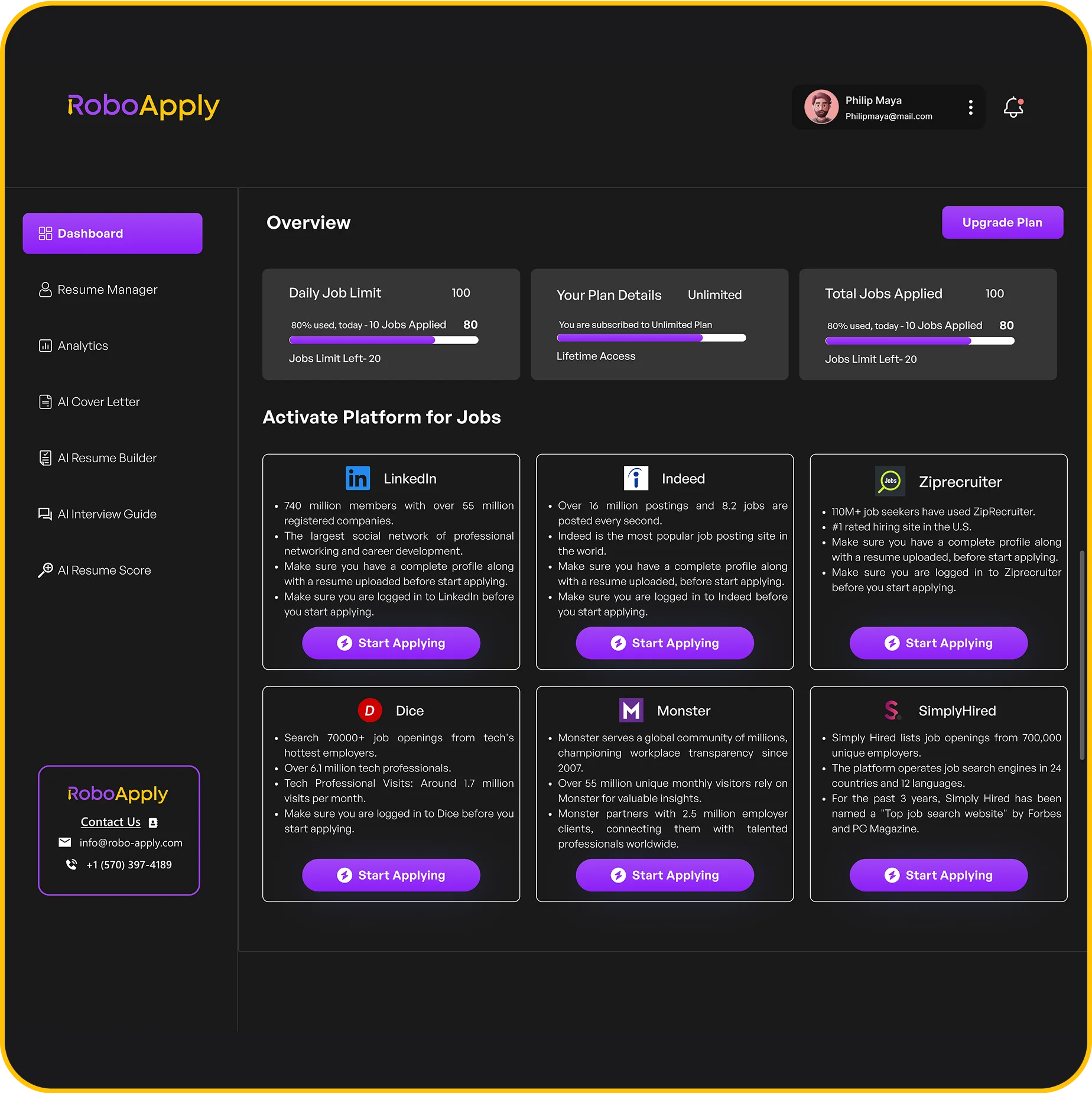
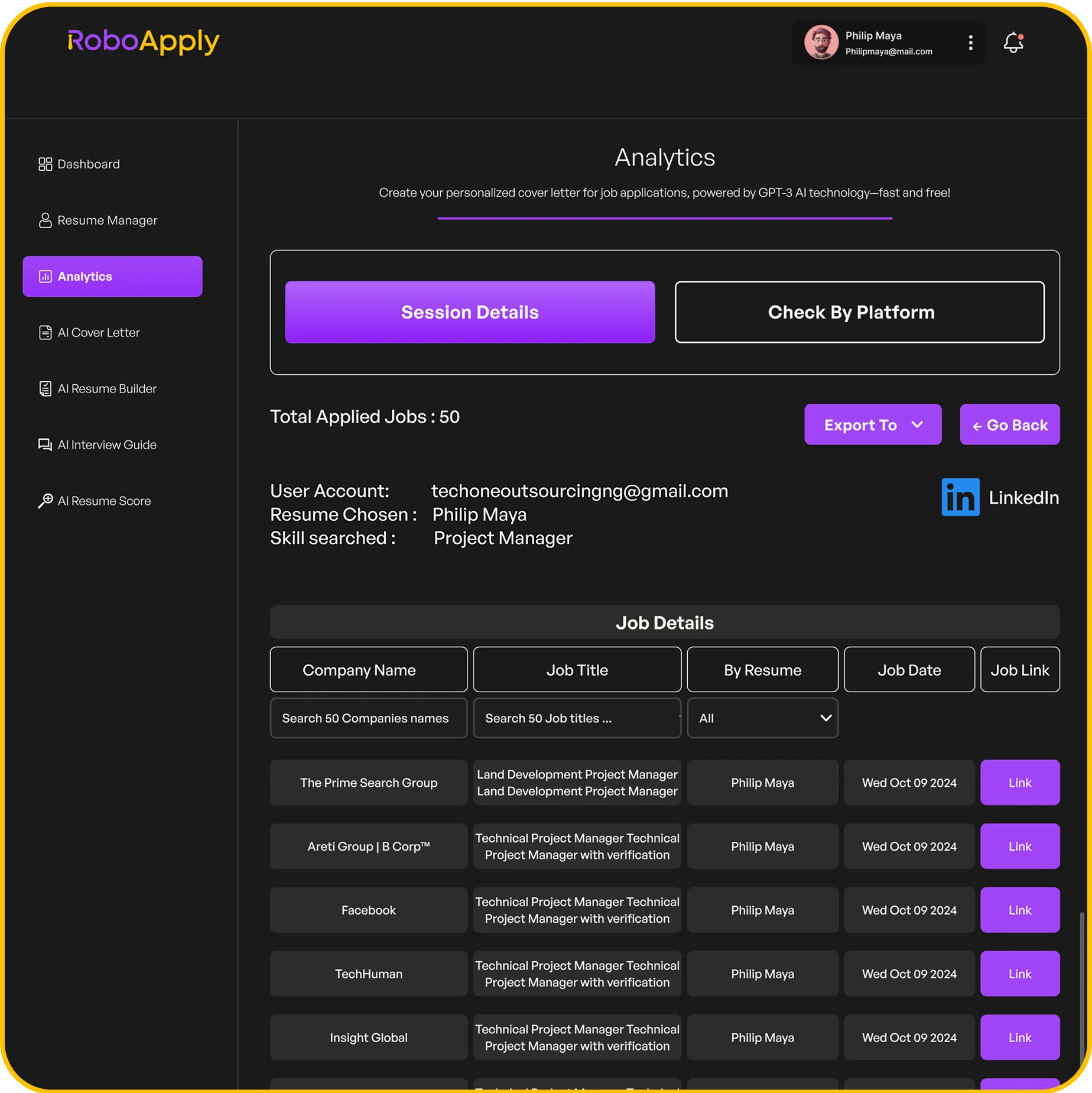
RoboApply handles repetitive tasks while maintaining quality. The platform automatically optimizes resumes for ATS systems. It identifies keywords from job descriptions and adjusts content accordingly.
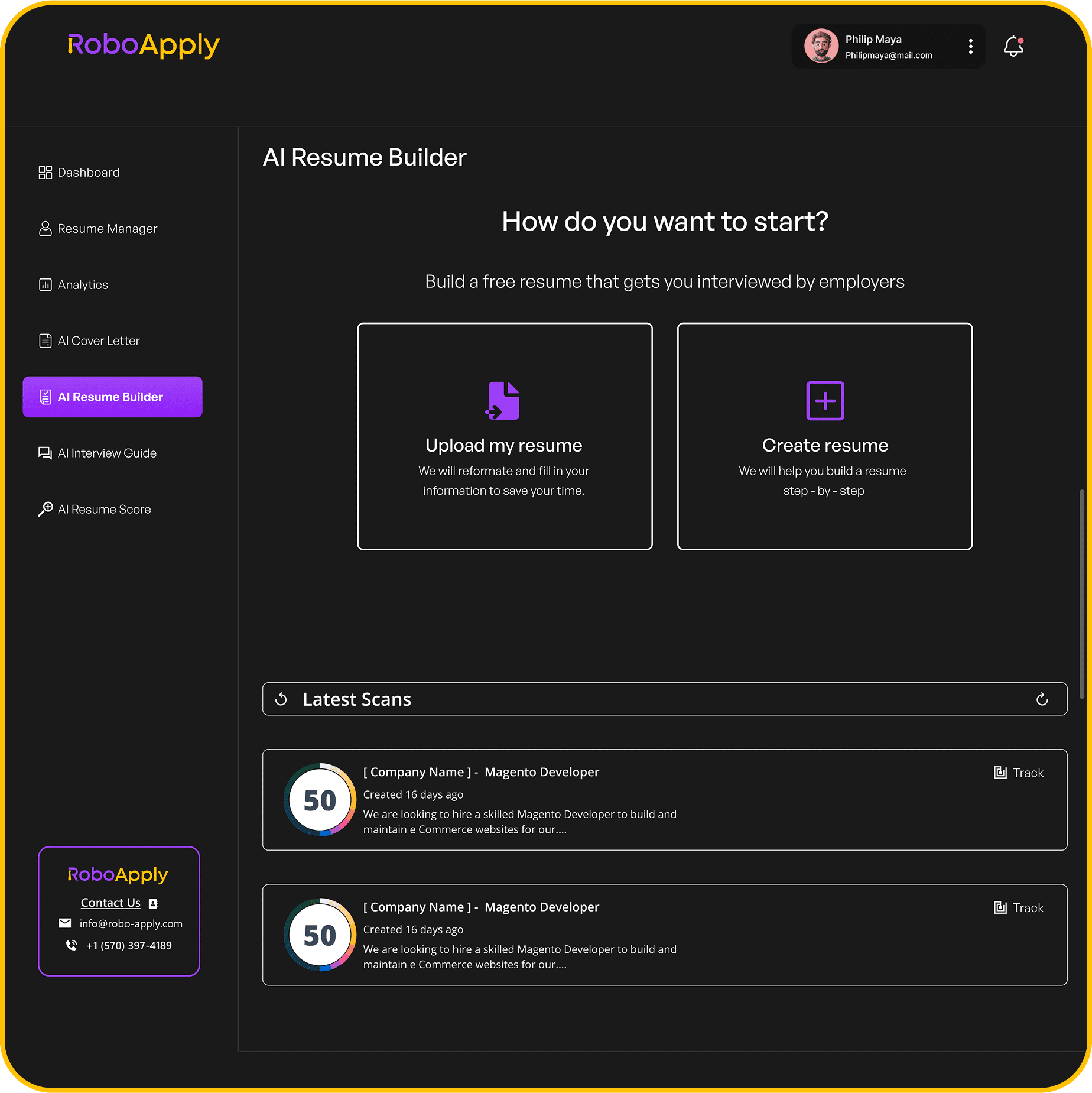
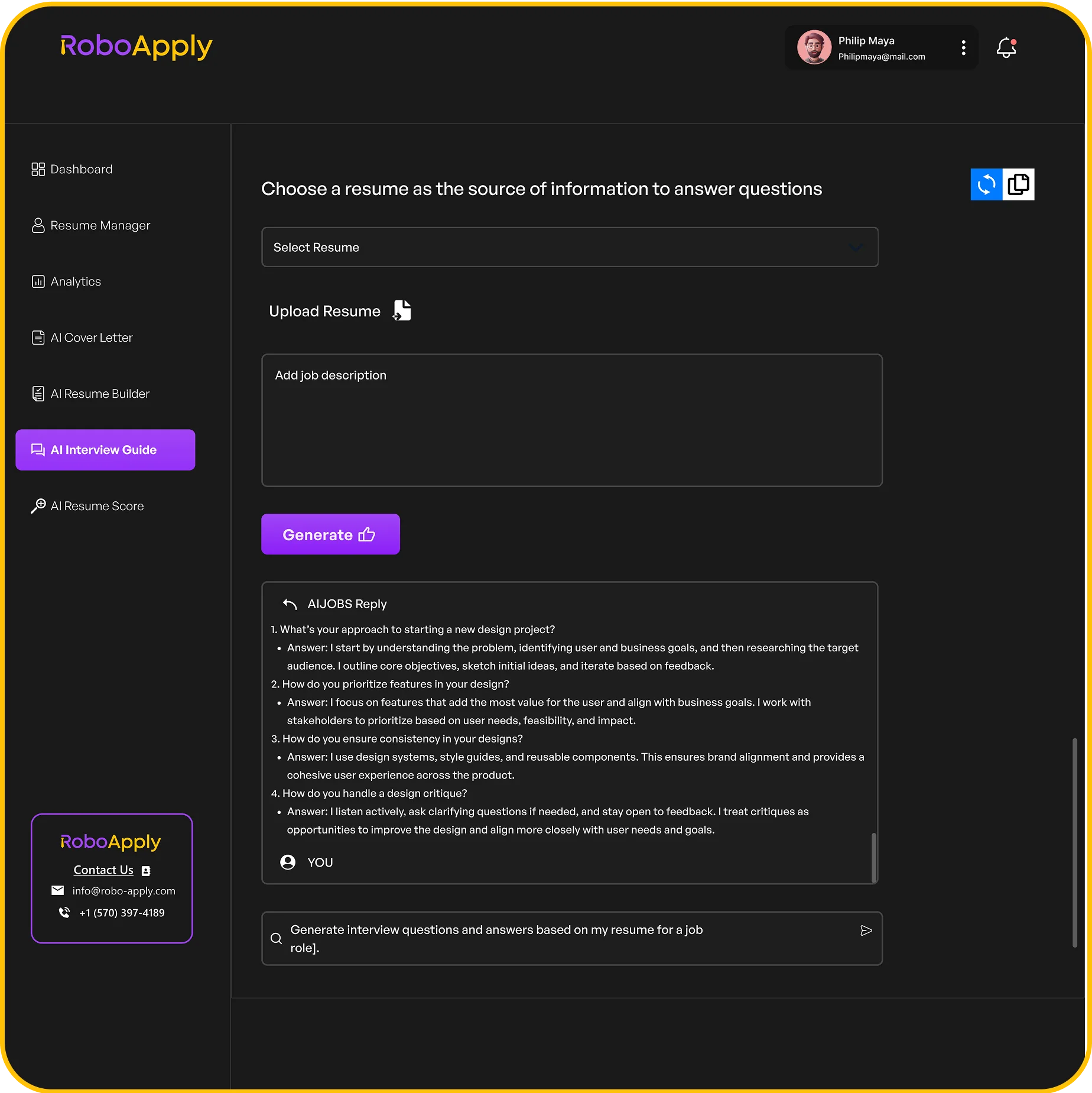
The AI Resume Builder creates ATS-optimized resumes fast. Answer questions about your MBA and work experience. The system generates properly formatted resumes highlighting credentials effectively. You control whether education or experience gets more emphasis.
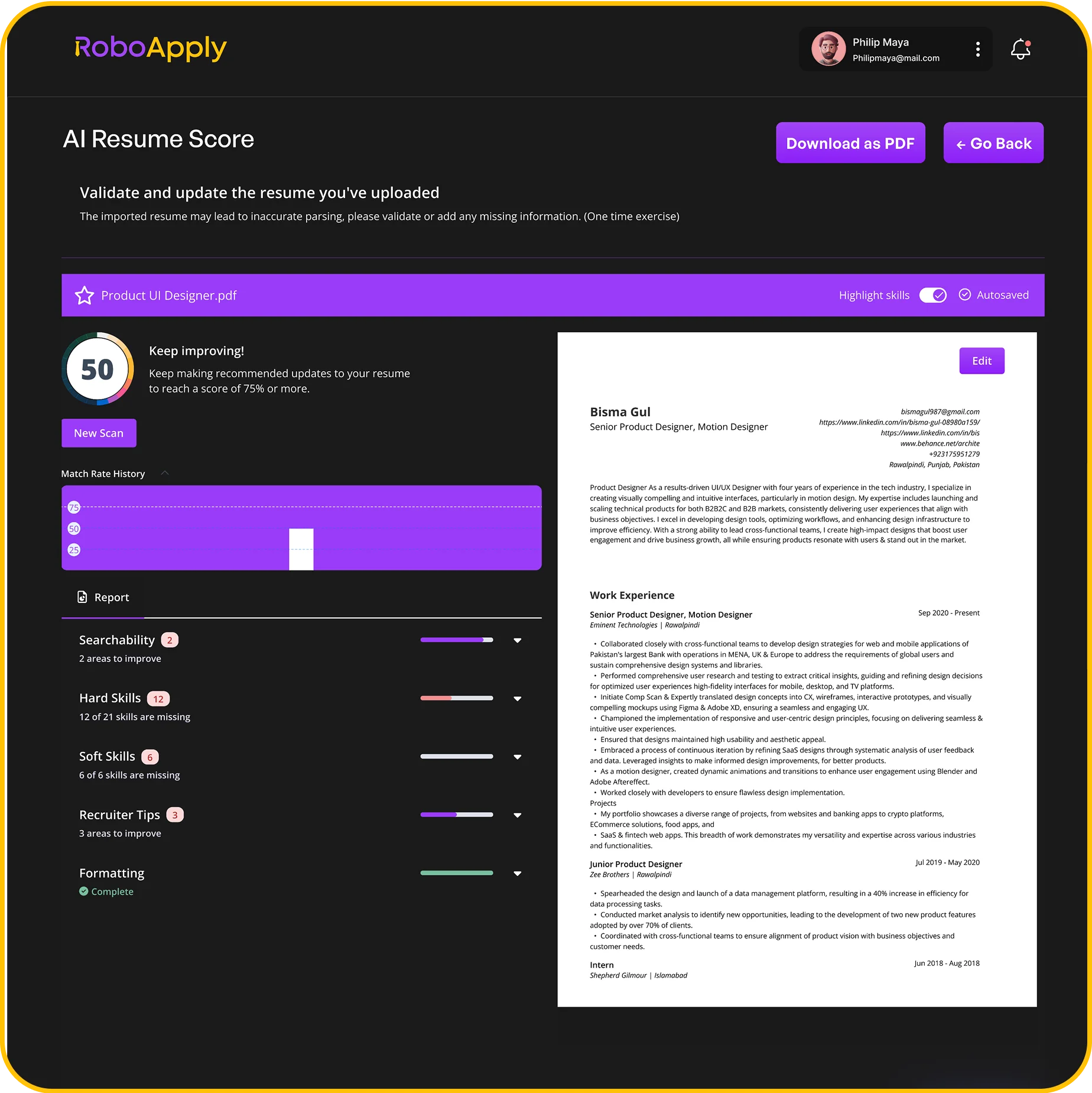
AI Resume Score analyzes your MBA resume performance. The system evaluates formatting, keywords, ATS compatibility. You get specific feedback improving education section presentation and overall resume strength.
Automated Customization Features
AI Tailored Apply customizes resumes for each position automatically. The system analyzes job descriptions and adjusts MBA prominence. Emphasis shifts based on what specific roles require.
Applying to strategy consulting? Your MBA gets prominent placement with relevant coursework highlighted. Targeting startup product management? Work experience leads with MBA as supporting credential.
This customization happens automatically for every application. Maintain consistency while optimizing for each opportunity.
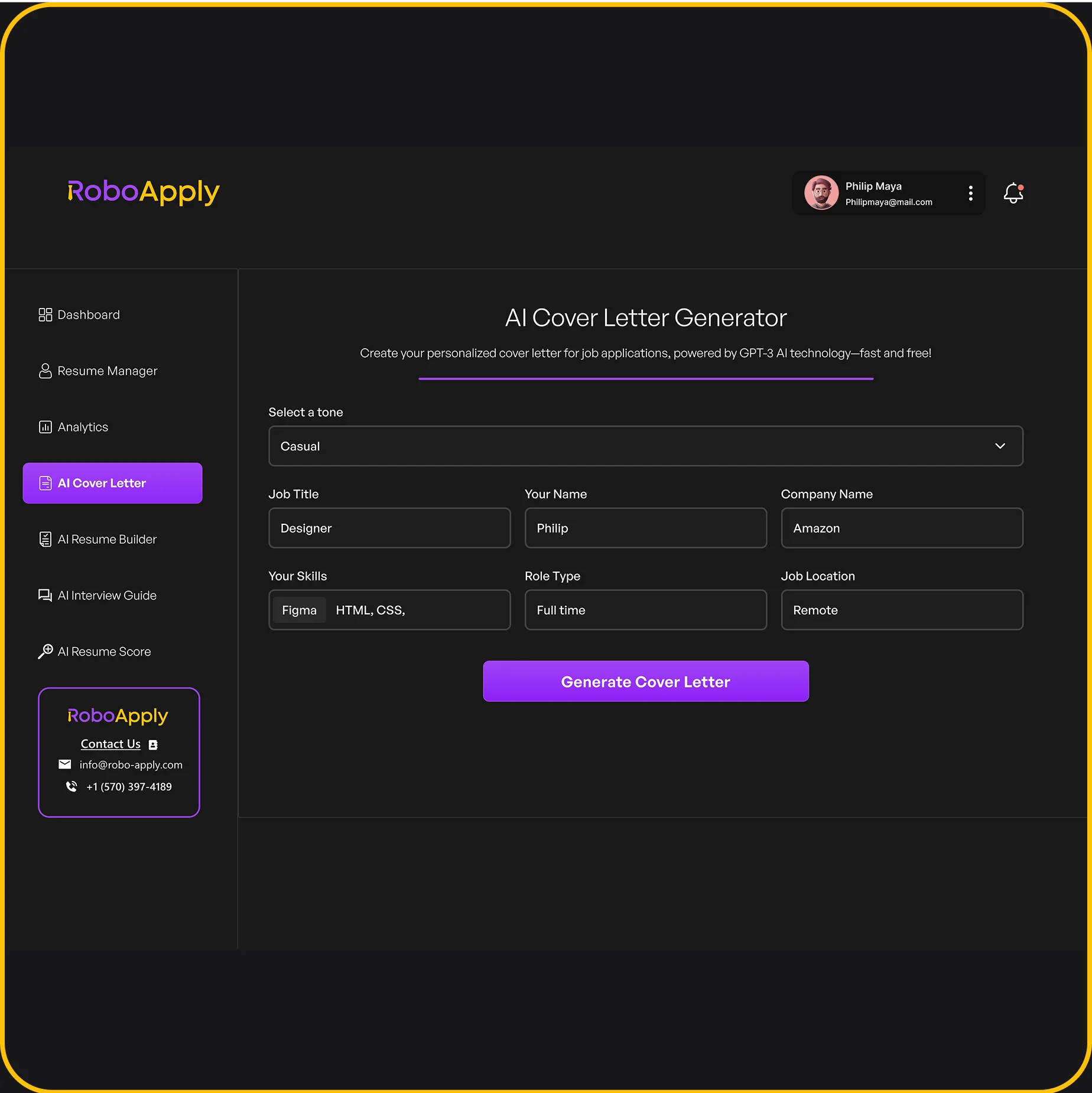
AI Cover Letter generates personalized letters mentioning your MBA appropriately. The system knows when to emphasize degrees versus practical experience. Each letter matches tone and focus that specific employers expect.
Platform tracking shows which resume versions perform best. This data helps refine MBA presentation over time based on actual results.
Get Your MBA Resume Right Starting Now
Putting an MBA on your resume correctly sets you apart from candidates who bury credentials or overemphasize them. Strategic placement in education sections, professional summaries, or after your name creates immediate impact with recruiters.
Formatting choices matter more than most people realize. Write full degree name once, then use acronym. Include relevant details like GPA above 3.5, honors, and specializations. Skip obvious information and irrelevant coursework that wastes space.
Your career stage determines emphasis level. Recent graduates lead with education. Experienced professionals prioritize work achievements. Senior executives treat MBAs as baseline qualifications rather than primary selling points.
ATS optimization ensures resumes reach human reviewers instead of getting filtered out. Use standard section headings. Include both full degree names and acronyms for maximum keyword matching. Maintain simple formatting that systems parse correctly without errors.
Customize MBA presentation for target industries. Consulting and finance value program pedigree. Tech startups prioritize demonstrable skills. Healthcare wants business acumen applied to their context. Tailor emphasis accordingly without misrepresenting your background or experience.
Start optimizing today. Review current MBA placement on your resume. Adjust formatting for clarity and ATS compatibility. Customize emphasis based on roles you’re targeting. Each small improvement increases chances of landing interviews at companies you actually want to join.
Frequently Asked Questions
Should I put MBA after my name on my resume?
Yes, adding MBA after your name works great. Format as “Your Name, MBA” in the header. Creates immediate credibility and visibility.
Where does MBA go on resume if I have experience?
Place your MBA in the education section below work experience. Experienced professionals prioritize job accomplishments. Recent graduates list education first instead.
Do I write out Master of Business Administration?
Write “Master of Business Administration (MBA)” first time, then just “MBA” after. This follows standard professional writing conventions and helps ATS systems.
Should I include my MBA GPA on resume?
Only include GPA if it’s 3.5 or higher. Below that, skip it. Strong work results matter more than average grades anyway.
How do I list unfinished MBA on resume?
Format as “Master of Business Administration (MBA), Expected [Month Year]” with school name. Never imply you completed a degree you haven’t finished yet.