


So you sent out 50 job applications last month. Got exactly zero responses. Not even a rejection email. Just silence.
That’s brutal. And way more common than you’d think.
Here’s the thing most people get wrong. They assume applying to more jobs fixes the problem. Send 100 applications instead of 50. Play the numbers game. Something’s gotta hit eventually, right?
Nope. That’s like thinking if you throw enough spaghetti at a wall, it’ll suddenly start sticking better. The spaghetti’s the problem. Not how much you’re throwing.
These effective job application tips change your entire approach. You stop wasting hours on applications that were never gonna work anyway. Start getting actual responses from places you’d genuinely want to work at.
Nobody tells you this part. Hiring managers are absolutely drowning right now. Hundreds of applications for every halfway decent job. Your resume gets maybe 6 seconds of attention. Research from TheLadders found recruiters spend about 7.4 seconds on that first look. Blink and they’ve already decided.
This guide walks through what genuinely works. Not that vague stuff like “show passion” or “be yourself.” Concrete, specific effective job application tips that actually get you interviews.
Why Your Applications Keep Failing
You gotta understand why applications fail before fixing them. Otherwise you’re just repeating the same mistakes.
Generic applications kill your chances instantly. Your resume could apply to any job in your entire field. Cover letter says absolutely nothing specific about the actual company. Zero connection between what you bring and what they desperately need right now.
Then there’s the robot problem. Applicant tracking systems filter applications before humans ever see them. These ATS programs scan for specific keywords and qualifications. Miss what they’re looking for? You’re out. Studies show 75% of resumes get rejected by ATS systems before reaching actual people.
Timing screws people over constantly. Apply three days after something posts and you’re candidate number 247. Apply in the first few hours? You’re in that initial group getting real attention and consideration.
Applications die for these reasons before anyone reads yours:
- Absolutely zero customization for the job or company
- Missing the exact keywords from their job description
- Formatting so weird ATS systems can’t even read it
- Applying way too late in the cycle
- Completely ignoring their application instructions
- Obviously copy-pasted cover letters everyone can spot
Effective Job Application Tips That Get Real Responses
Alright. You know what tanks applications now. Here’s what actually works when you’re trying to get hired.
Customize Everything Every Single Time
Yeah, I already hear you groaning. “But that takes forever!”
Sure does. Also actually works though.
Grab exact keywords straight from the posting. They wrote “project management experience” in the description? Your resume needs to say “project management” somewhere they’ll see. Not “led initiatives” or “oversaw projects” or whatever synonym you think sounds better. Exact matches get through those ATS filters.
Rearrange your whole resume for each application. Going for a marketing job? Marketing stuff goes first. Sales position? Lead with your sales numbers. Don’t bury the relevant experience on page two under a bunch of unrelated stuff they don’t care about.
Cover letters need real specific things about the actual company. Not generic fluff like “I admire your commitment to excellence” because literally every company claims that. Try “Your expansion into the healthcare sector last quarter caught my attention” or “The new product launch addresses a gap I noticed.”
Here’s how this process works when you actually do it:
- Read their job description carefully and highlight key requirements
- Match your resume bullet points directly to those requirements
- Use their exact words and phrases throughout everything
- Rearrange sections so the relevant stuff jumps out first
- Research the company properly and mention actual recent news
- Write a cover letter that connects your background to their specific needs
Apply Fast or Get Left Behind
Timing matters way more than most people realize with job applications.
Data shows applications submitted in the first 24 hours get 50% more responses than ones sent later. Companies review applications in waves. That first batch? Gets serious attention. By the time they’re looking at application 150, they’re speed-scanning for reasons to say no.
Set up alerts on Indeed, LinkedIn, wherever. Check them twice daily minimum. Something pops up matching your skills? Apply that day. Same day if you possibly can.
Stop waiting around crafting the absolutely perfect application for three days. Good enough right now beats perfect next week. Every single time.
Numbers Make Everything Real
Vague achievements mean absolutely nothing on a resume. “Improved team efficiency” could mean you brought donuts to one meeting. Nobody knows.
“Improved team efficiency by 34% by implementing new project management software” tells an actual story. That’s concrete. Believable. Impressive even.
Stick numbers on every achievement you can. Revenue generated. Costs cut. Time saved. Customers handled. Projects finished. Error rates reduced. Whatever you can measure, measure it and get it on your resume.
Non-sales jobs have numbers too. “Managed team of 8” is better than “managed team.” Way better. “Processed 150+ support tickets daily maintaining 96% satisfaction” absolutely destroys “handled customer service responsibilities.”

Mistakes That Automatically Disqualify You
Knowing effective job application tips helps. Stopping the stuff that kills applications helps more.
Typos and grammar errors are instant death. One spelling mistake suggests you’re careless. Multiple errors? You’re done before they finish reading your name. Hiring managers figure if you can’t proofread one page, you won’t deliver quality work ever.
Same resume for everything wastes your time and theirs. Your resume doesn’t match the specific job? ATS rejects it automatically. You basically applied just to say you applied.
Lying catches up with you eventually. Background checks verify employment dates. Reference calls confirm what you actually did. Getting caught costs you the job and tanks your reputation in the industry.
Ignoring their application instructions is worse than most people think. They wanted a PDF, you sent Word. They asked for salary requirements, you skipped it. This screams “I can’t follow basic directions.” Nobody’s hiring that person.
What gets you rejected immediately:
- Any typos or grammar mistakes anywhere at all
- Generic resumes with zero customization
- Lies about job titles, dates, or what you accomplished
- Missing required materials they specifically requested
- Unprofessional email addresses from high school
- Weird personal information like photos or your age
- Massive attachments that crash their email
- Aggressively following up before they’ve even looked
Making Your Resume Pop Without Being Weird
Your resume is usually your only shot. Better make it count without trying too hard or getting creative in bad ways.
Format for Humans and Those Annoying Robots
Keep formatting clean and simple. Fancy fonts might look cool but they confuse ATS systems completely. Arial, Calibri, Times New Roman. Clear section headers. White space so it’s not overwhelming to look at.
Start strong with a professional summary. Three or four sentences explaining who you are and why you’re perfect for this kind of role. Not your whole life story. Your elevator pitch basically.
Action verbs punch harder. “Led team of 12” sounds way stronger than “was responsible for team of 12.” “Created new onboarding process” beats “helped with onboarding.” Show what you did, not what you were theoretically in charge of.
One or two pages max. Period. Hiring managers absolutely do not read page three. If something’s not worth the first two pages, it’s not worth including at all.
Cover Letters People Might Actually Read
Cover letters still matter for a lot of positions. Done right, they add context your resume can’t. Done wrong, everyone’s time gets wasted.
Three paragraphs is the sweet spot. First one explains why you’re writing and proves you researched them. Second highlights your most relevant experience. Third thanks them and suggests what happens next.
Make it about them, not you. Your resume already lists where you worked and what you did. Cover letter connects that experience to their actual specific needs right now. How you’ll help them grow. What problems you’ll solve for them.
Let personality show through a bit. Hiring managers read dozens of stiff, formal letters every day. One with genuine enthusiasm and real interest stands out immediately. Just don’t go overboard being quirky.
Making the Application Process Not Completely Soul-Crushing
Applying to jobs literally becomes a full-time job. You’re typing the same information into different systems for hours every day. Exhausting. Honestly kind of depressing.
Smart people figure out how to apply efficiently without sacrificing the customization that actually gets responses. You want both quantity and quality happening at once.
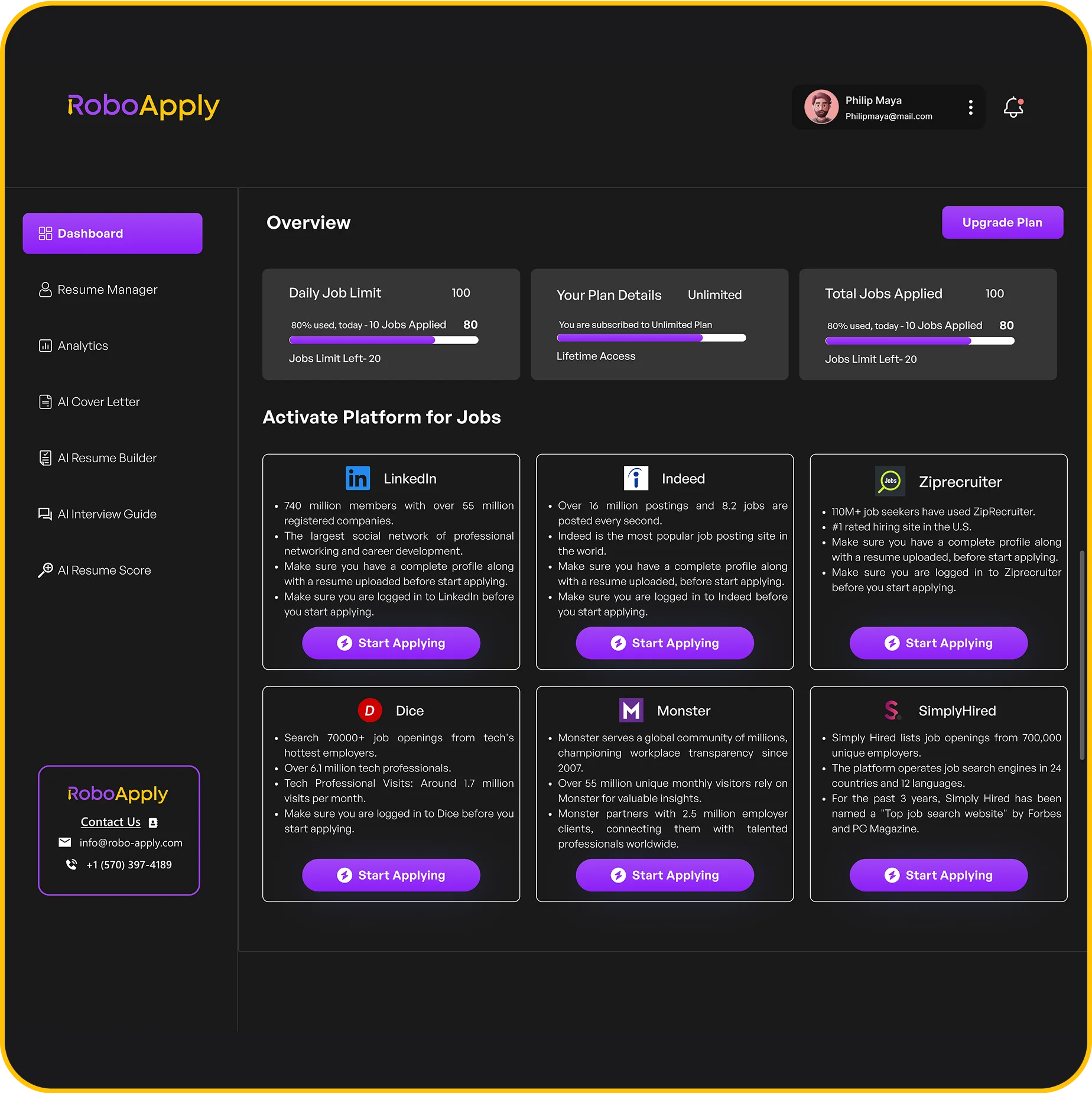
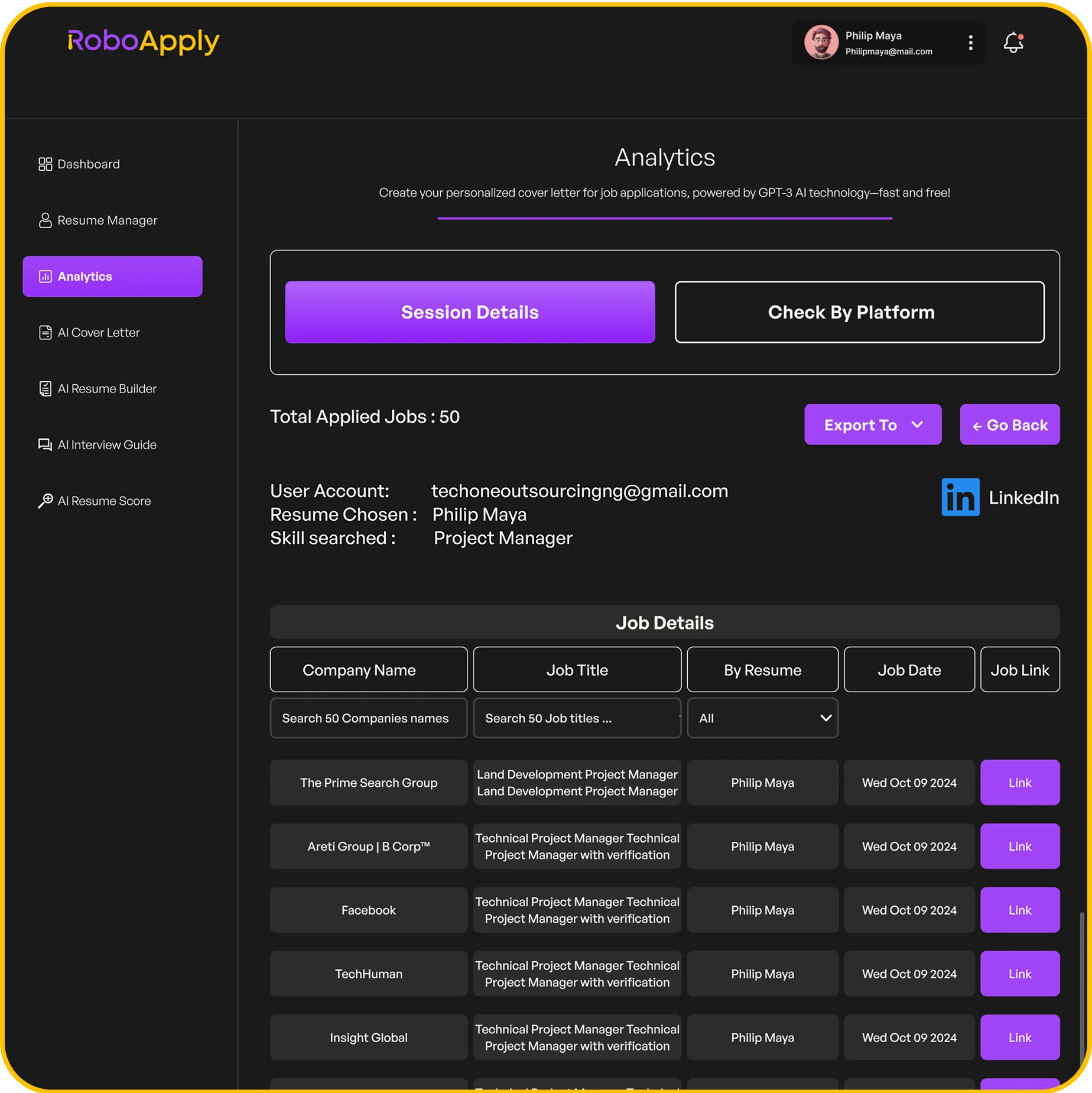
RoboApply automates the repetitive garbage nobody wants to do anyway. Set preferences for roles and locations you want. The Auto Apply feature finds matches and submits applications around the clock. You’re applying while you’re sleeping or watching Netflix or living your life.
Here’s what makes it different though. It’s not spamming generic applications everywhere hoping something sticks. Resume customization happens for each specific job automatically. AI pulls relevant keywords and adjusts your resume matching their requirements. Every application looks personalized without you manually customizing for an hour.
That choice between applying to tons of jobs or properly customizing each one? Gone. Both happen now. The platform’s features let you apply to hundreds of positions with genuinely customized materials for each one.
Everything stays organized in one place too. See which companies actually looked at your stuff. Know exactly when following up makes sense. No more digging through three email accounts trying to remember where you applied last Tuesday.
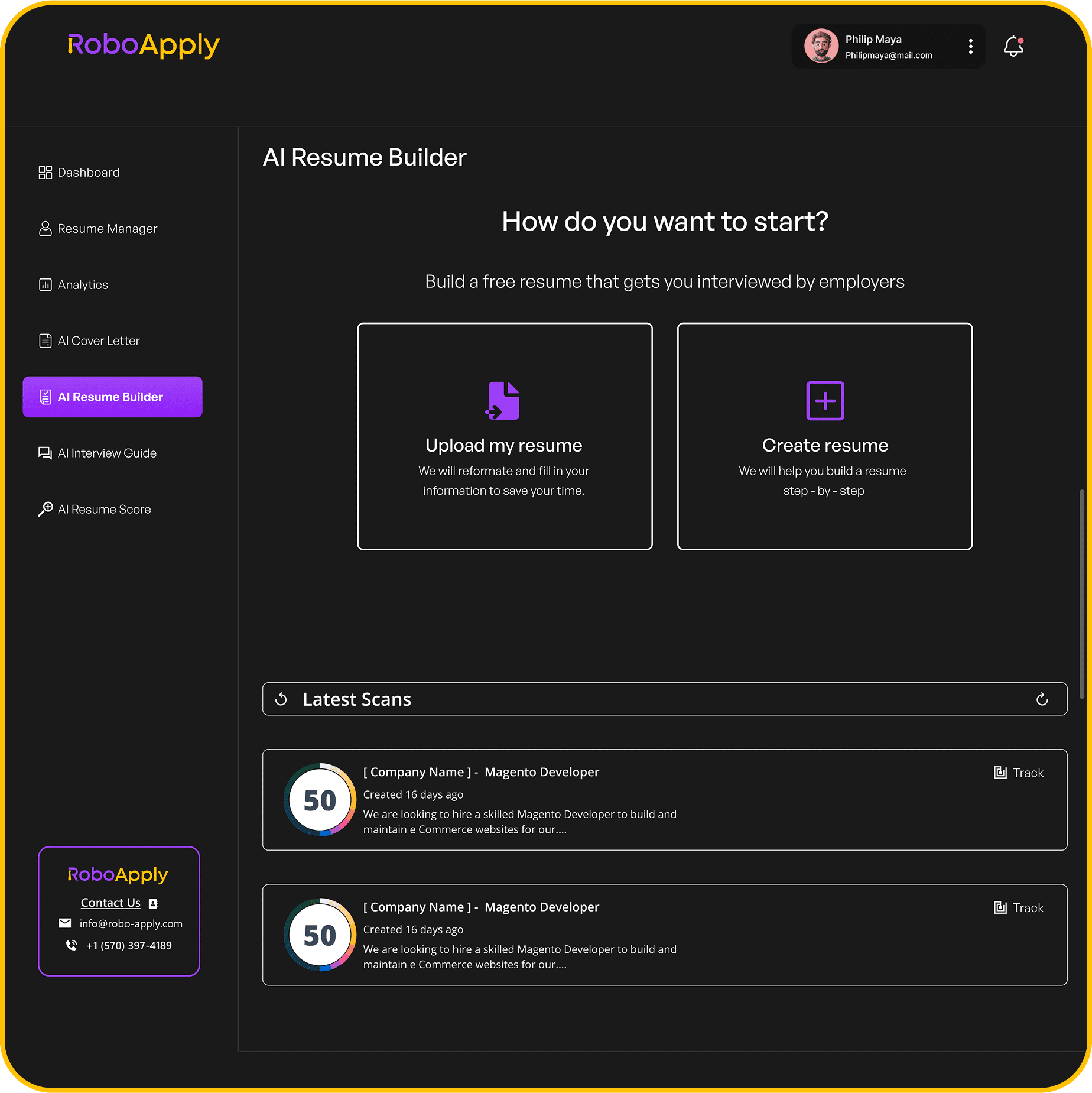
The resume builder cranks out professional versions fast using templates that work for different fields. Manufacturing resumes look nothing like tech resumes. Healthcare completely different from finance. System handles those differences without you thinking about it.
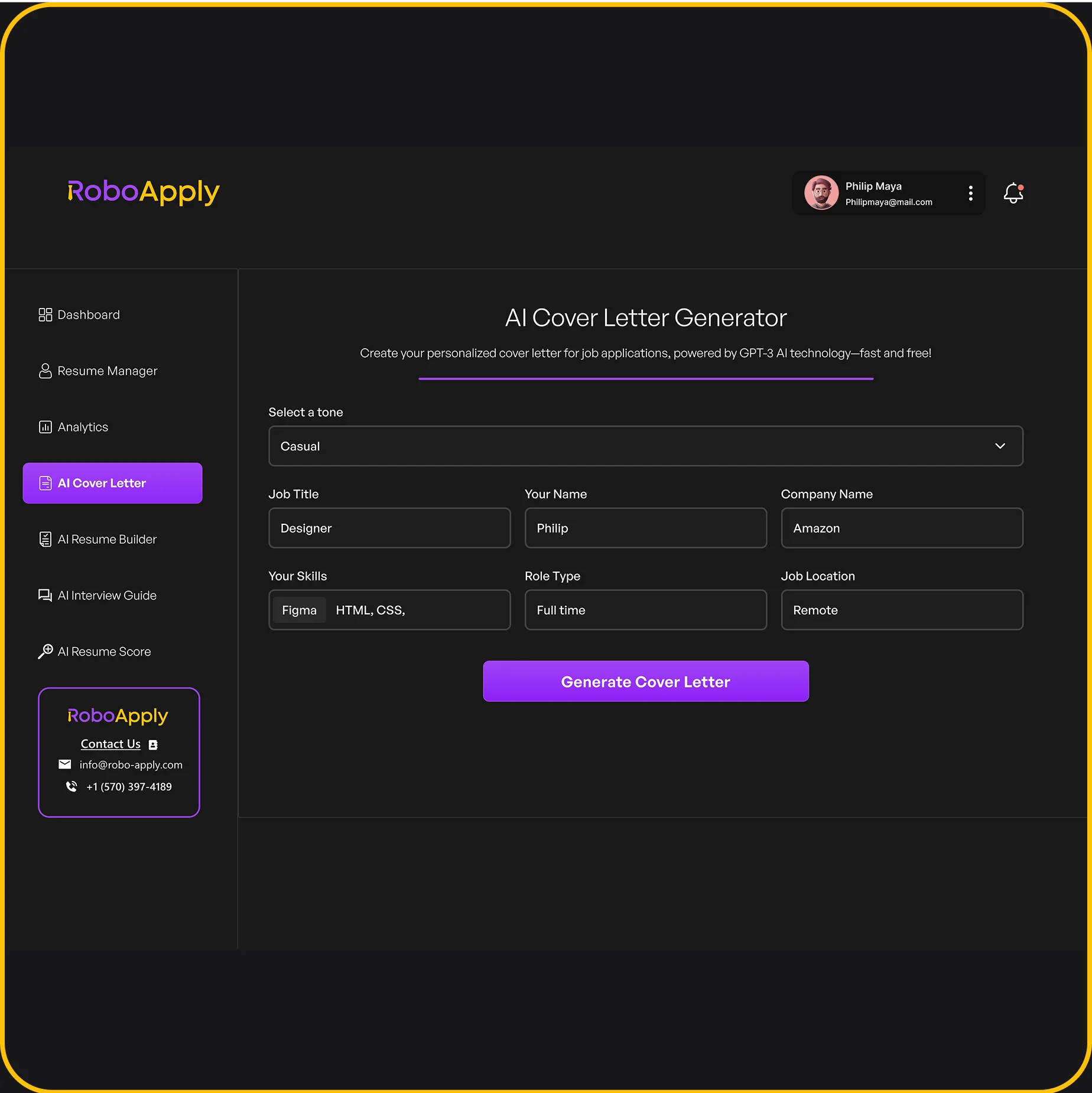
Cover letters get written specifically for each company you apply to. They mention actual company information and connect your background to what they need. No more “I am writing to express interest in opportunities at your esteemed organization” nonsense everyone sends.
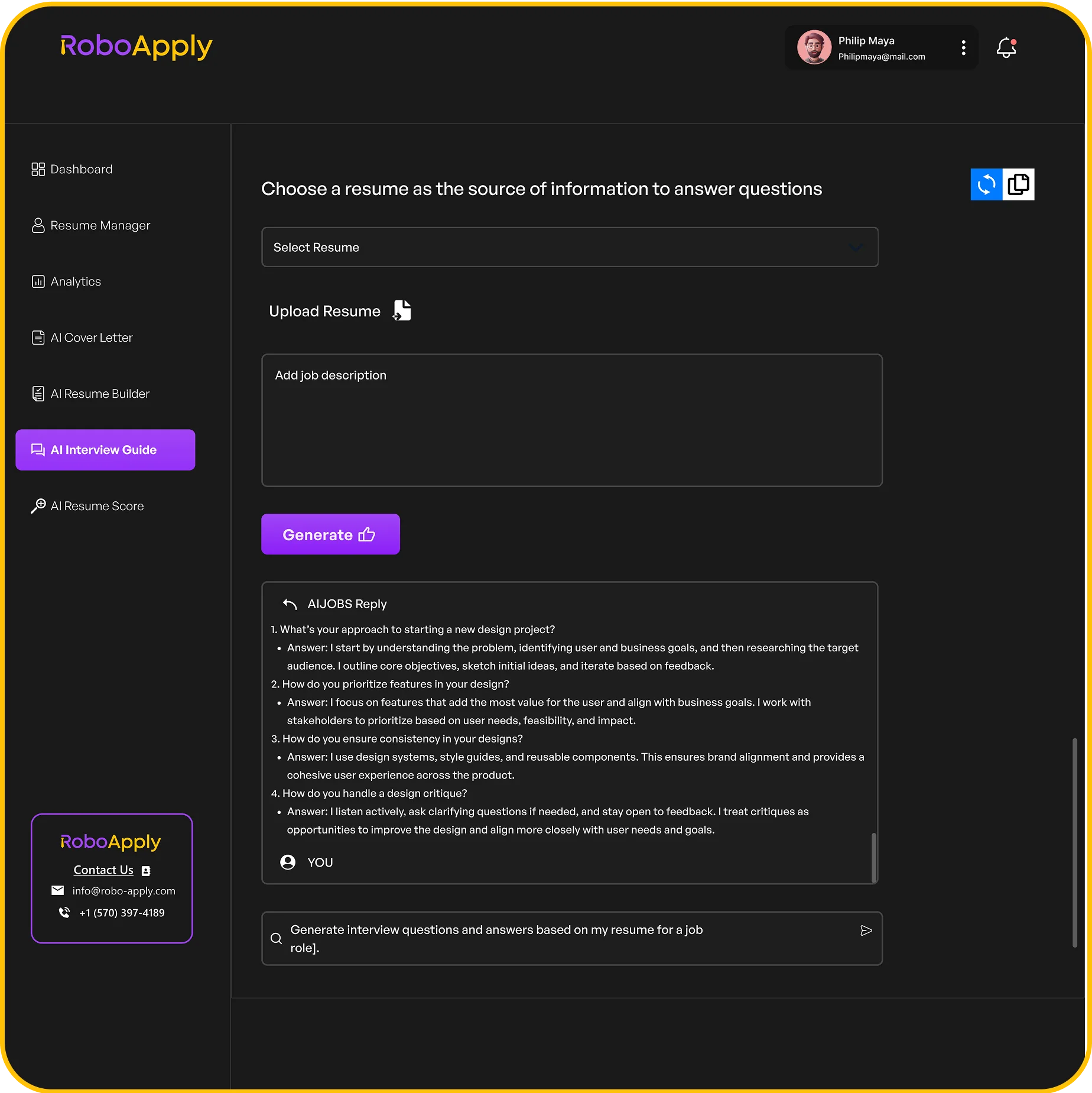
Interviews start coming in? Preparation matters just as much as applications did. Platform helps you practice typical questions. Get feedback on answers. Walk in confident instead of winging it and praying.
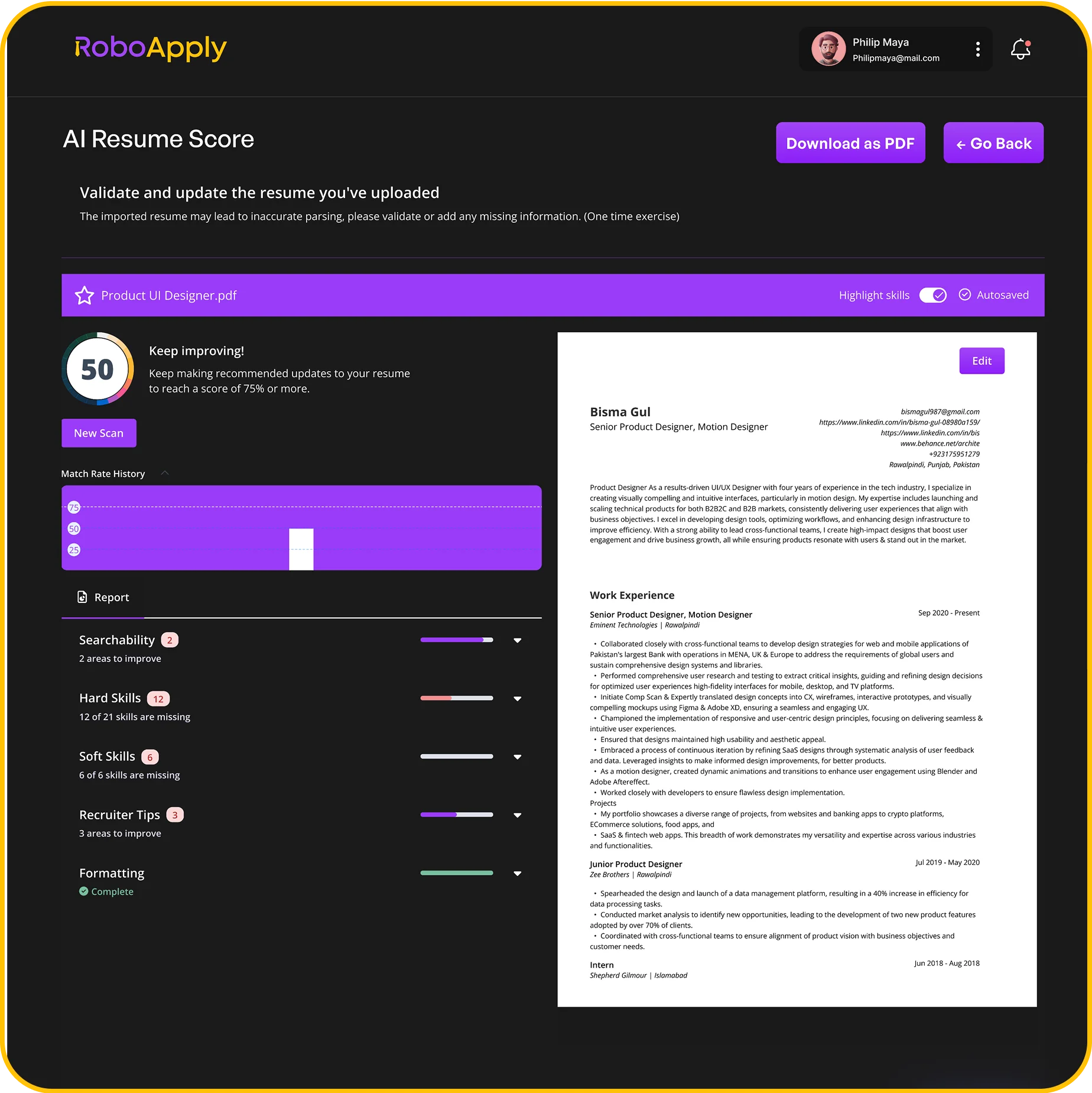
Tracking happens automatically in the background. Your entire job search organized and visible. Which applications are pending still. Which turned into interviews. What worked versus what flopped hard. Use that information to keep improving how you apply.
These effective job application tips work at actual scale this way. You’re applying to way more positions while keeping the quality that gets real responses from real companies.

Following Up Without Crossing Into Annoying
Following up separates serious candidates from people who applied and completely forgot. Fine line though between helpful persistence and annoying desperation that makes them not want to hire you.
Wait about a week before following up on anything. Sooner seems pushy. Companies batch their application reviews anyway. Let them actually look at your materials first.
Keep follow-ups incredibly brief. Two or three sentences tops. “Hi, applied for [Position] last week. Still really interested. Happy to send anything else you need.” That’s it. Done.
Don’t follow up multiple times unless they specifically told you to. One follow-up shows interest. Three follow-ups scream “I’m desperate and don’t understand boundaries.” Neither gets you hired.
Email for follow-ups always. Never phone calls. Calling interrupts their entire day and creates awkwardness for everyone involved. Email lets them respond whenever it’s convenient for them.
Frequently Asked Questions
What are the most effective job application tips for getting hired fast?
Customize every single application with exact keywords from their posting. Apply within 24 hours of jobs appearing online. Quantify all your achievements with real numbers. Follow every instruction exactly. Use super clean formatting.
How many jobs should I realistically apply to each day?
Apply to 5-10 quality positions daily with properly customized materials for each. Ten customized applications beat fifty generic ones every time. Quality actually wins over quantity here for once.
Should I apply even if I don’t meet all their requirements?
Yes, definitely apply if you meet around 70% of what they listed. Job descriptions list ideal qualifications, not strict requirements usually. Companies hire candidates meeting most but not all criteria constantly.
How long should my resume actually be these days?
One page if you’ve got under 10 years experience. Two pages maximum for longer careers no matter what. Hiring managers genuinely don’t read past page two regardless of your experience level.
When should I follow up after applying for a job?
Follow up once after one week if you haven’t heard anything back. Keep it brief and professional always. Multiple follow-ups seem desperate and actually hurt your chances of getting hired badly.