


Bus driver resume tips make the difference between getting called in and getting passed over. Transit agencies get swamped with applications. Sometimes hundreds come in for a single opening. Your resume has maybe 30 seconds to grab attention.
Most people blow their shot by listing boring job duties. They forget their clean driving record even matters on paper. They write like robots instead of showing who they really are. You don’t have to make those mistakes.
Smart resumes follow patterns that hiring folks recognize right away. The Bureau of Labor Statistics says demand for qualified bus drivers keeps growing. That means real opportunities exist if you know how to present yourself.
What Goes Into Every Strong Bus Driver Resume
Hiring managers spend barely a minute looking at your first page. They’re hunting for specific stuff. Your CDL class? That’s first. Safety record? Right behind it.
Think of your resume like a bus route. It needs clear stops in the right order. Here’s what can’t be missing:
Your Contact Info and License Details
Name, phone, email at the very top. City and state, but skip your full address. Toss in your CDL class and number where someone can spot it fast.
A Quick Summary Up Front
Three sentences max. Tell them how long you’ve been driving and what you’re best at. Numbers work great here. Years on the road, miles without incidents, that kind of thing.
Every Certification You’ve Got
List everything that matters. Passenger endorsement, air brakes, school bus certification. Put down when each one expires too.
Where You’ve Worked
Start with your current gig or most recent one. Go backward from there. Talk about what you achieved, not just what your job description said.
What You’re Good At
Split this into two groups. Technical stuff like inspections and GPS systems. People stuff like staying calm under pressure and helping passengers.
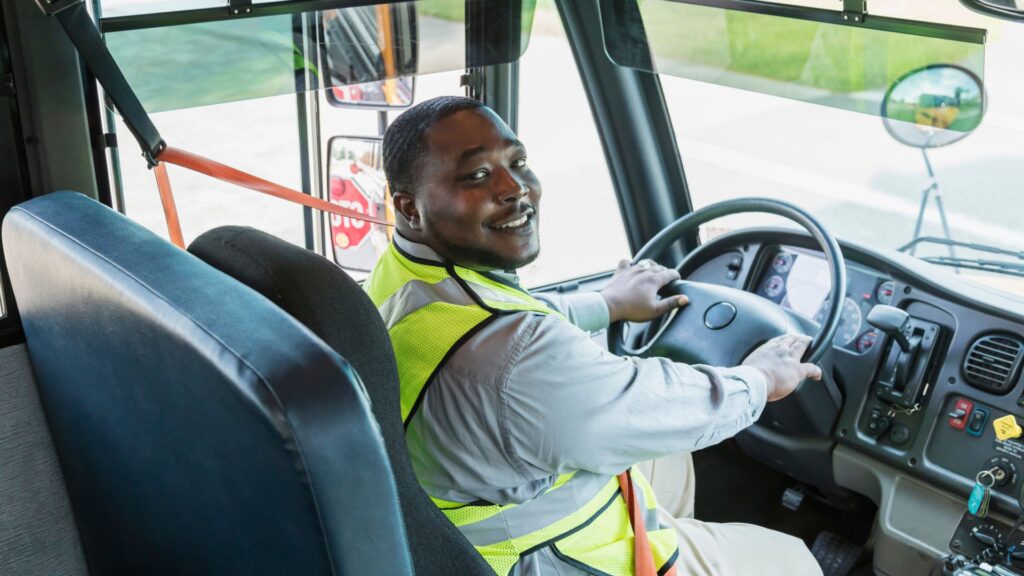
16 Bus Driver Resume Tips That Actually Work
These bus driver resume tips come from real hiring managers. Not theory. Not guesses. Actual people who decide who gets interviews and who doesn’t.
Put Your Safety Record Right Up Front
Numbers beat words every single time. “Zero accidents across 8 years” hits harder than “I’m a safe driver.” Safety records matter more than almost anything else when agencies hire drivers.
Figure out your accident-free miles. Count up your years without incidents. Got safety awards? Those go here too. Supervisors ever praise your safety? Mention it.
Make Your CDL Impossible to Miss
Your license class tells employers what you can legally drive. Bury this information and they might skip right past you. Schools need passenger and school bus endorsements. Transit agencies want passenger endorsements minimum.
Check the job posting twice. Some positions need special endorsements you might have forgotten about.
Back Up Everything With Real Numbers
Hiring managers love concrete data. They can picture it. “Served 350 riders daily across 12 routes” paints a clearer picture than “transported many passengers.” Try “completed pre-trip inspections on 40-foot vehicles” instead of “maintained buses.”
These details show the scale of what you’ve handled. They make your experience feel real. Other candidates just list vague responsibilities.
Talk About Your Route Knowledge
Knowing the area cuts training time way down. Transit agencies care about this more than you’d think. Mention what types of routes you’ve run. City routes are nothing like suburban or rural ones.
You’ve been driving the same city for years? That’s huge for public transit jobs. New drivers need weeks of route training. You can skip most of it.
Show How You Handle Passengers
Drivers deal with people all day long. Good ones and difficult ones. Customer satisfaction scores affect how transit agencies get evaluated. Your people skills actually matter here.
Think about times you’ve helped riders. Maybe you assist elderly folks getting on board. Perhaps you’ve calmed down nervous kids on school routes. Those stories prove you’ve got the right temperament.
Prove You Catch Maintenance Problems Early
Daily inspections keep buses running and passengers safe. Managers want drivers who spot trouble before it gets serious. Describe your inspection routine. Talk about problems you’ve found early.
Remember that weird noise you caught before it became a breakdown? That time you noticed tire wear? These examples show you protect equipment while keeping everyone safe.
Show You Actually Show Up
Transportation falls apart without reliable drivers. Public transit systems can’t function without dependable people behind the wheel. Got a strong attendance record? Use it.
Something like “98% on-time over 4 years” proves you’re dependable. Agencies desperately need drivers who won’t leave routes uncovered.
Spell Out Your Clean Record
Your MVR decides if you’re even eligible before anyone reads another word. Clean record? Say so loud and clear. Zero violations for multiple years? Write it down.
You can say “DMV-verified clean driving record” if you want. Or go with “no citations or accidents since 2015.” Either way works fine.
List Every Extra Certification
Additional credentials separate you from basic CDL holders fast. First aid training? That shows you’re ready for emergencies. CPR certification means you can handle medical situations on board.
Defensive driving courses prove you keep learning. Wheelchair lift training adds value for accessibility routes. Write down everything relevant you’ve completed.
Be Clear About Schedule Flexibility
Lots of positions need split shifts. Weekends. Holidays. Agencies struggle filling these less popular times. You can work weird hours? Tell them straight up.
Get specific here. “Available for all shifts including weekends and holidays” solves a scheduling headache for them.
Don’t Hide Your Tech Skills
Modern buses run on technology now. GPS navigation. Electronic fare systems. Computerized dispatch. These all need basic tech comfort. List the systems you’ve used.
Some managers assume older drivers struggle with computers. Prove them wrong by naming specific platforms you handle just fine.
Mention Experience With Kids
School bus drivers need crowd control skills unique to children. Ever worked with kids before? That background matters a ton. Coaching, teaching, youth programs all count.
Got specialized training in student transportation? Put it down. Describe your techniques for keeping order while driving safely.
Play Up Local Knowledge
Knowing your service area helps you do the job better from day one. You’ve lived and worked here for years? Say so. This familiarity means faster help for riders.
You can answer passenger questions about connections. You know the landmarks and timing. You need way less orientation than someone from out of town.
Add Any Languages You Speak
Bilingual drivers serve diverse communities better. Period. Transit riders come from increasingly diverse language backgrounds in most urban areas. Spanish, Mandarin, or other common languages make you more valuable.
Even basic conversation helps. You can understand passenger questions. You can give simple directions in their language.
List Recent Training or Classes
Extra training beyond the minimum shows you care about your career. Workshops, conferences, courses you’ve taken lately. List them. Regulations change and managers want drivers who stay current.
Safety seminars count. Customer service training matters. New technology workshops show initiative. They all prove you treat this as a profession, not just a paycheck.
Format for Computer Screening First
Many agencies run resumes through software before humans ever see them. These programs hunt for keywords and formatting patterns. Getting past ATS systems gets you in front of real people.
Use boring headers like “Work Experience” and “Education.” Pull exact phrases from job postings into your text naturally. Fancy formatting confuses the software.
Common Ways People Mess Up Good Resumes
Even drivers with years of experience make easily fixed mistakes. These problems kill your chances before you get a shot.
Listing job duties wastes your best opportunity. Everyone already knows drivers transport people and follow routes. Show what made you different or better than others doing the same work.
Leaving out your safety record makes people suspicious. Managers figure you’re hiding accidents or violations. Lead with your cleanest stats right away.
Sending the exact same resume everywhere looks lazy. Customize each one. Use the specific words each agency picked for their posting.
Throwing in unrelated jobs dilutes your message. Your retail gig from ten years back doesn’t help your driving application. Stick to transportation work.
How to Stand Out When Everyone’s Qualified
Tons of capable drivers apply for every single opening. You need something that makes recruiters remember your name specifically.
Do some homework on each agency before applying. Mention their actual routes or programs in your materials. This personal touch beats obvious mass applications.
Get references ready from old fleet managers or supervisors. Strong words about your safety and professionalism carry serious weight. Have their contact info ready when asked.
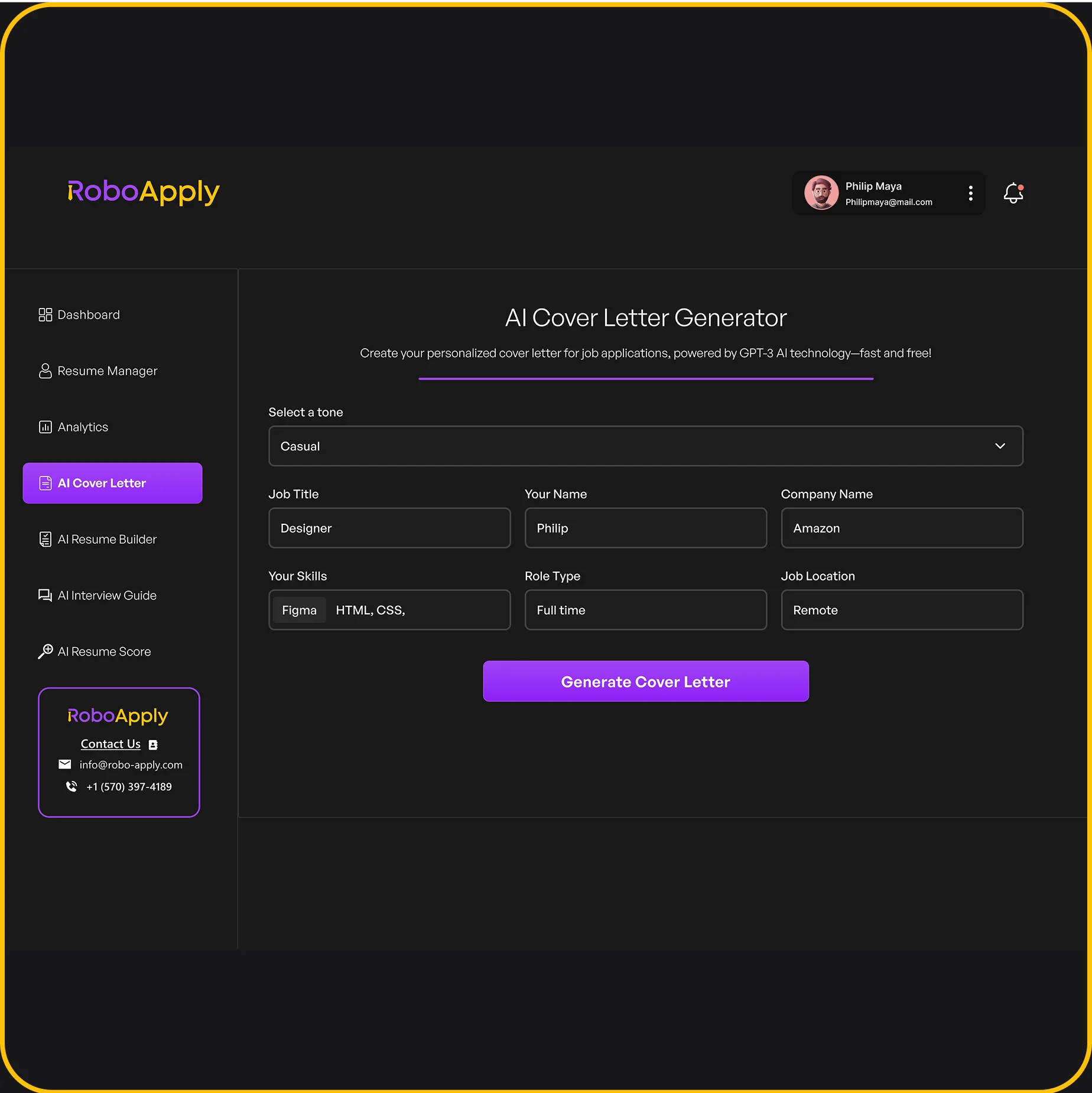
Write a short cover letter for jobs you really want. Keep it under three paragraphs. Explain why this particular role interests you beyond just needing work.

Making Applications Faster and Easier
Creating strong applications eats up time. You’re competing against people who optimize every little detail.
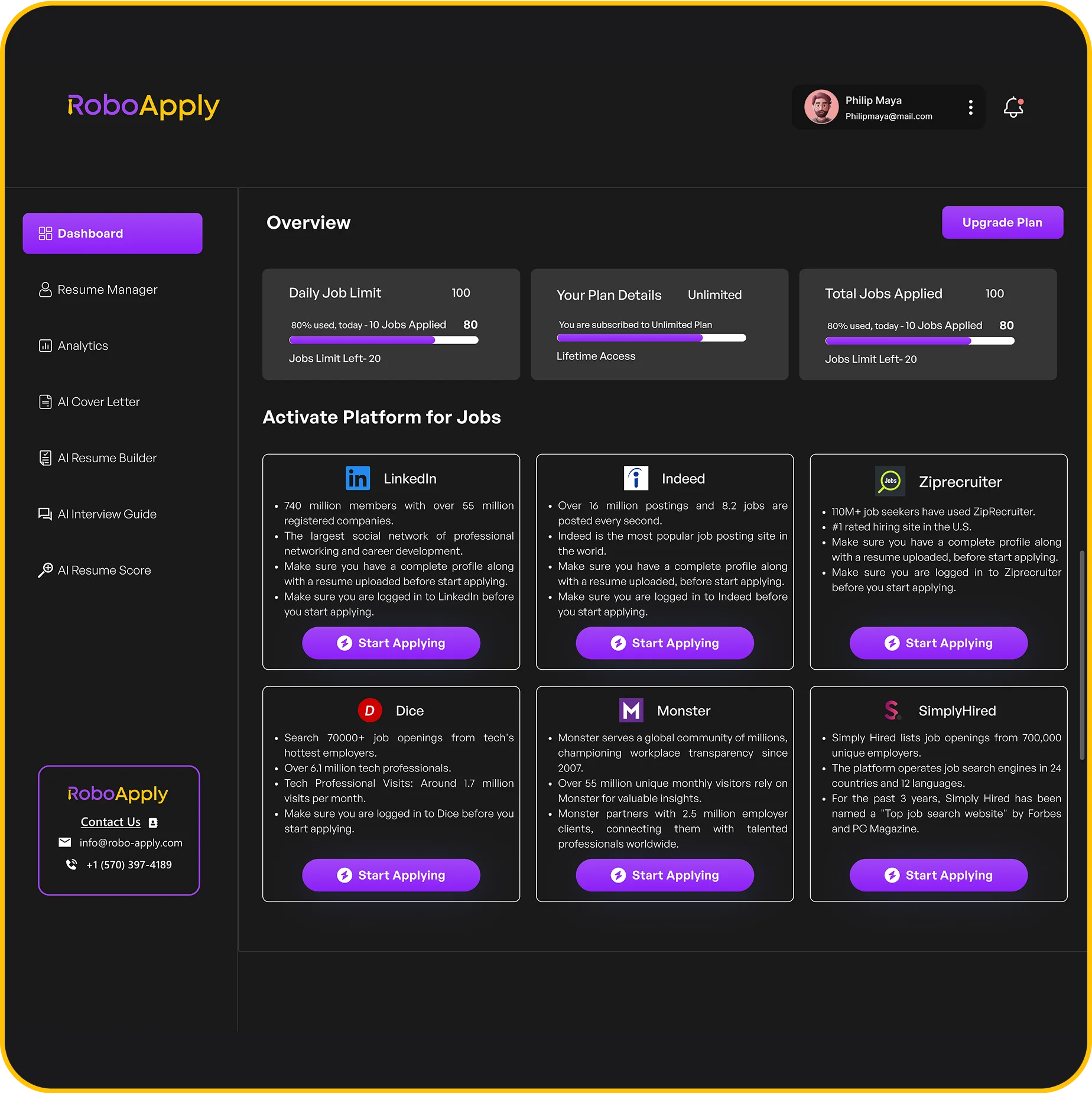
Modern tools help you build professional documents faster than doing it manually. AI-powered resume builders understand what transportation employers look for. They suggest keywords that get past computer screening.
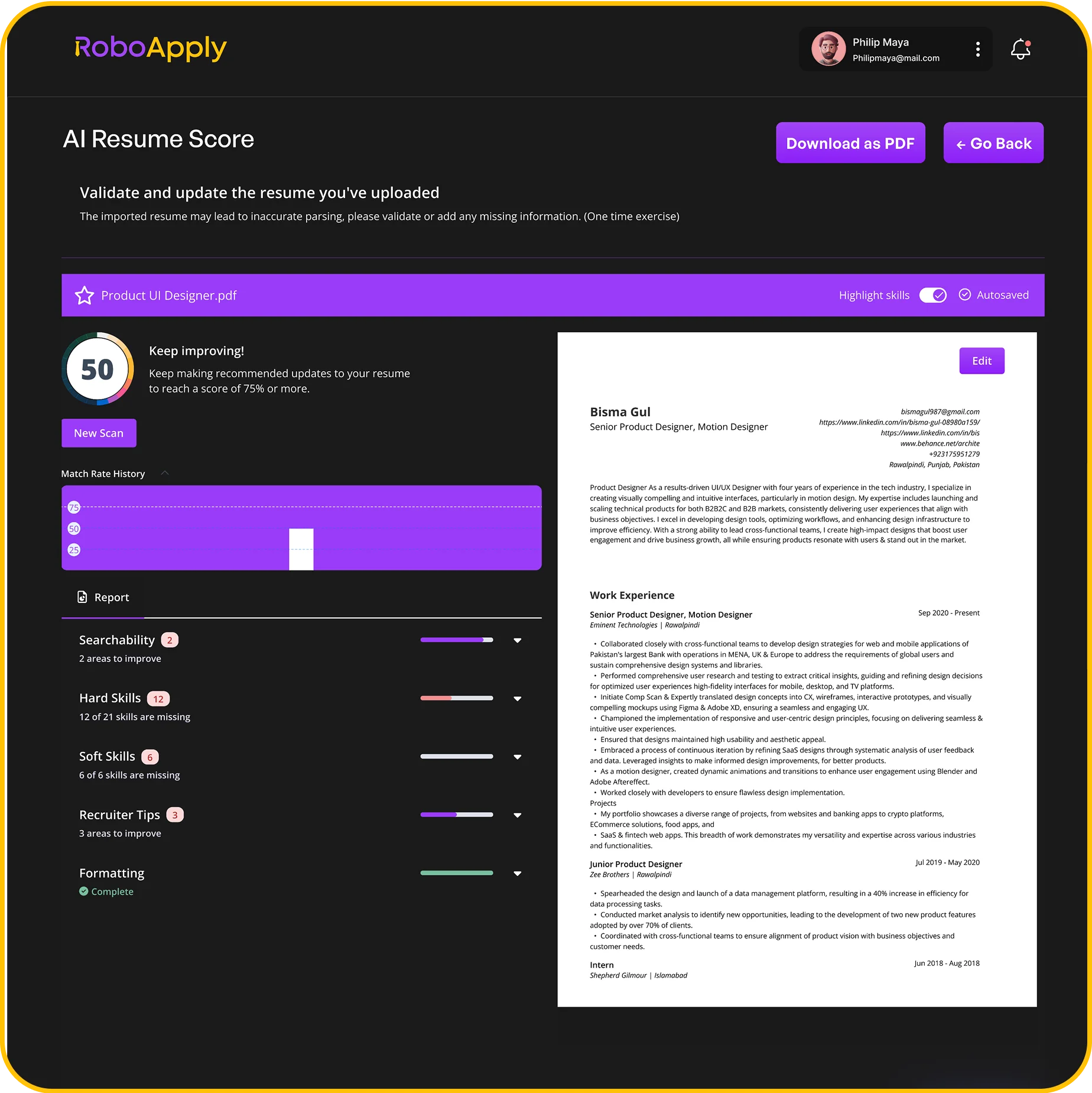
Getting your resume analyzed before sending it prevents embarrassing mistakes. You can fix weak spots that might knock you out of consideration. This kind of feedback catches problems you’d never notice yourself.
Applying to multiple agencies? Customizing each one by hand takes forever. Automated tailoring features adjust your resume for each specific job posting. The technology matches their keywords while keeping your real experience center stage.
These platforms don’t replace what you’ve actually done. They help you present your background in the format that works best. You stay in charge while technology handles the tedious optimization work.
Frequently Asked Questions
What should I put on a bus driver resume with no experience?
Focus hard on your CDL, clean driving record, and any customer service background you have. Safety certifications help too. Pull in relevant skills from other jobs.
How long should a bus driver resume be?
One page unless you’ve got 10+ years of experience. Hiring managers want focused, tight resumes. Long ones rarely get read all the way through.
Should I include my age on a bus driver resume?
Never. Skip your age, birth date, and when you graduated high school. These details trigger bias even though they shouldn’t matter at all.
Do I need a cover letter for bus driver jobs?
Most don’t require one, but a quick letter helps you pop. Use it to explain why you want this specific job instead of just any driving gig.
What matters most on a bus driver resume?
Your safety record and CDL information sit at the top. These qualifications determine if you even meet the basic requirements before anything else matters.