


Being fired on a job application needs honesty plus smart framing. You own what happened without making it your whole story. Most employers respect candidates who take responsibility and show they grew from the experience.
Getting fired feels like the end of the world. You’re convinced every employer will see it and throw your application in the trash. Reality check: being fired doesn’t automatically disqualify you. Tons of successful people got canned at some point. What counts is how you talk about it and what you did afterward.
This guide shows you exactly how to handle being fired on applications and in interviews. You’ll learn what to say, what to leave out, and how to present your termination without killing your chances. No theory here, just practical stuff that works.
What Employers Really Think Being Fired on a Job Application
Employers don’t see “fired” and immediately hit delete. They want the full picture. Was it performance stuff you fixed? Terrible culture match? A layoff they called something else? The backstory matters way more than the actual word.
Most hiring managers have dealt with terminations before. They know companies fire people for tons of reasons. Sometimes fair. Sometimes complete BS. They’re hunting for real red flags like dishonesty, zero accountability, or getting fired from literally every job.
You need to prove you’re safe to hire. Show you learned something, took responsibility, and fixed whatever caused the problem. That’s your ticket past this hurdle.
When You Actually Have to Tell Them
Some applications straight up ask “Have you ever been terminated?” Others have “terminated” in a dropdown menu. When they ask directly, answer honestly. Lying gets you fired from the new job if they find out later, and they often do.
Background checks rarely reveal firings unless your old company volunteers it. Most places only confirm your dates and job title. Some share more details though, especially if you signed paperwork letting them spill everything.
Reference checks are where this stuff usually comes out. A potential employer calls your old manager or coworkers, and boom, they learn you got fired. That’s why being upfront often beats hoping nobody discovers it.
When You Can Stay Quiet
If an application doesn’t specifically ask about terminations, don’t announce it. For “reason for leaving,” write something neutral like “seeking new opportunities” or “position ended.”
Online forms with dropdown menus sometimes don’t even list “terminated” as an option. Pick the closest accurate thing like “position ended” or “left for new opportunity.” Not lying if they don’t give you the right choice.
Casual networking chats and early interviews don’t need you leading with “I got fired.” Bring it up if directly asked why you left, but don’t drop that bomb too early in the conversation.
Writing About It on Applications
Written applications give you maybe two sentences to explain complex situations. Keep it short, honest, and forward-looking. Own what happened without turning your application into a confessional.
The Three-Part Approach
Use this when you need to address being fired in writing:
- State it simply. Just the basic fact without drama. “I was let go from this position” or “My employment was terminated.” No emotion, no blaming.
- Own your part. Even if the firing was partially unfair, find something you could’ve done better. “I didn’t communicate effectively with my manager” or “I struggled adapting to the new direction” shows you’re mature about it.
- Prove you grew. This matters most. Share what you learned and did since. “I’ve taken courses in project management since then” or “This taught me to ask for help sooner.”
Keep it to 2-3 sentences total on written applications. Save longer explanations for interviews.
Real Examples That Work
- Performance problems: “I was terminated for missing sales targets. I needed better product knowledge, so I got certified in [area]. At my next company, I beat targets by 15%.”
- Attendance issues: “I was let go due to attendance problems during a tough personal time. I’ve resolved that situation and had perfect attendance for 18 months at my current job.”
- Bad fit situation: “My position was cut during restructuring. The role had changed a lot from what I was hired for. I’m now targeting positions that match my strengths in [area].”
- Manager conflict: “I was terminated after disagreements about project direction. I’ve learned to communicate concerns better and work with different management styles. I’ve had three different managers since with positive reviews from all.”
- Policy screw-up: “I got fired for violating social media policy by posting about work. I didn’t get how serious it was. Now I keep personal and work completely separate with zero similar issues.”
What Kills Your Chances
Don’t blame your old employer completely. “They fired me for no reason” or “My boss was out to get me” screams inability to take responsibility. Even if totally true, it reads terribly.
Don’t sound defensive or pissed off. “I was wrongfully terminated and might sue” tells employers you could be litigious. Keep all emotions out of written stuff.
Don’t lie when asked directly. Saying “I left for better opportunities” when you actually got fired is lying if the application asked about terminations. This bites you later.
Don’t write a novel. Long explanations make the firing seem way bigger than it needs to be. Save context for interviews.

Talking About It in Interviews
Interviews give you way more control. You read body language, adjust based on reactions, and provide context that doesn’t fit on paper. You still need a game plan though.
How to Actually Say It
When asked about being fired, do this:
- Start with bare facts. “I was let go from that position.” Say it calmly. Pause. Don’t immediately make excuses.
- Add quick context. One or two sentences max. “The company moved in a direction needing different skills than I had” or “I made mistakes handling customer complaints early on.”
- Take ownership. Shows you’re an adult. “I should’ve asked for more training” or “I didn’t adapt quickly enough, that’s on me.” Find your role in it even if the firing was partly BS.
- Share what you learned. The turning point. “That taught me clear communication with supervisors matters” or “I realized I need to ask questions when I’m unsure instead of guessing.”
- Prove you changed. Seals the deal. “At my next job, I did weekly check-ins with my manager and my reviews improved a lot” or “I’ve handled similar challenges twice since then successfully.”
Should take 45-60 seconds total. Practice until it sounds natural, not rehearsed.
Pay Attention to Their Reaction
Watch the interviewer as you explain. If they seem satisfied and move on fast, great. Stop talking about it. If they look concerned or ask follow-ups, have more detail ready.
Some dig deeper. “Tell me more about what led to that” or “How did that make you feel?” Not attacks. They’re checking if you’re risky. Stay calm, stick to facts, keep focusing on what you learned.
If the interviewer acts judgmental after your explanation, you might not want that job anyway. Companies that can’t accept people sometimes get fired and learn from it usually have other problems.
Different Ways They Ask
- “Why did you leave your last job?” Gentle version. Start positive if possible, then acknowledge the termination. “Actually I was let go due to [brief reason]. Here’s what happened…”
- “Have you ever been fired?” Direct hit. Say yes immediately if true. Then explain using your framework. Don’t hedge with “Well, technically…” Just yes or no, then context.
- “What was your biggest work failure?” You can use your termination here if it’s your biggest setback. Frame it as something that made you better at your job.
- “Why hire someone who got fired?” Toughest one. Stay confident. “Because I learned lessons that make me better now. I get the importance of [key lesson], and I’ve proven I changed through [specific example].”
Specific Situations That Are Tricky
Different firings need different approaches. Here’s the stuff that trips people up most.
Performance Problems
Performance firings are actually easier to spin than you’d think. Employers get that jobs don’t always fit right or people struggle before improving.
Focus on gaps you fixed. “I got let go for not hitting productivity standards. I was using inefficient processes. I learned [specific tool] and now consistently beat targets.”
If it was lack of experience, even easier. “I got hired into a role needing more experience than I had. They let me go after six months. I took a junior position, built those skills for two years, then successfully moved into a similar role.”
Don’t just blame unclear expectations. Even if partly true, own your piece. “I should’ve asked for more clarity” shows you’re accountable.
Attendance or Being Late
Attendance problems often come from personal stuff. Acknowledge briefly without oversharing. “Family responsibilities affected my attendance. That situation’s been resolved for [timeframe].”
Prove it’s fixed with real evidence. “I haven’t missed a day in 14 months at my current job” or “I’ve been early to work consistently for a year.”
If it was motivation or time management, own it. “I wasn’t taking the job seriously and it showed. I learned my actions affect the whole team. My attendance has been excellent since.”
Fights with Bosses or Coworkers
Conflict terminations are tough to explain without sounding difficult. Frame it around communication and working with different personalities.
“I was let go after ongoing disagreements with my supervisor about priorities. I learned I need to understand different management styles and communicate concerns more constructively.”
Never trash your old boss or coworkers, even if they genuinely sucked. “My manager and I had different working styles” is as far as you go. Then immediately pivot to what you learned.
Show you’ve worked with difficult people successfully since. “I’ve worked under three managers with totally different styles and got positive reviews from all of them.”
Getting Fired Multiple Times
Multiple firings are harder but manageable. Show a clear pattern of improvement and learning.
Be direct. “I got fired from two jobs early in my career. I struggled with [specific issue]. After the second firing, I realized I needed major changes.”
Detail what you actually did. “I worked with a career coach, took courses in [area], and found a job with more structure and mentoring. I’ve been at my current company three years with great reviews.”
Show the firings happened in one period, you figured out the root cause, and you’ve had solid success since fixing it. If your last firing was years ago with stable work since, that’s your best proof.
Rebuilding Your Reputation
Getting past the termination on applications is only part of it. You need to rebuild your professional reputation and prove you’re worth hiring.
Do This Right After Getting Fired
Take specific steps immediately. Ask your old employer for a letter confirming dates and title. Documentation helps if they claim something different later.
Ask what they’ll tell future employers. Some companies share their policy. If not, have a friend call pretending to check references to see what they actually say.
Grab positive performance reviews, emails praising your work, or project wins from before things went bad. These counter the termination narrative by showing you’ve done good work.
File for unemployment if you qualify. Gives you income while searching and shows you went through proper channels. Getting denied doesn’t necessarily hurt your job prospects.
Build New References
Strong references matter way more after a termination. You need people vouching for your skills and character.
Coworkers from the job you got fired from might still give positive references, especially if they know the firing wasn’t totally fair or you worked well together. Reach out to people who saw your good work.
Volunteer work provides current references during a long search. Nonprofits need help and their staff can talk about your reliability and skills.
Freelance or contract work builds experience and references simultaneously. Projects during your search show you stayed active and give you recent references unconnected to the termination.
Professional groups let you work with people who can speak to your abilities. Join committees, go to events, contribute meaningfully to build real relationships.
Fill Employment Gaps Smartly
Long searches leave gaps on your resume. Fill these to show you stayed productive and relevant.
Take courses or get certified in your field. Shows you used time to improve and stay current. Online platforms make this cheap and easy.
Freelance, consulting, or contract work fills gaps and builds experience. Even small projects prove you kept working. List these clearly on your resume.
Volunteering shows work ethic when paid work isn’t available. Pick opportunities using your professional skills, not just busy work.
Side projects prove drive and passion. Tech people build stuff. Marketing people run blogs. Create evidence of your capabilities.

Tools That Speed Up Your Search
Searching after termination means applying to way more jobs to make up for the disadvantage. You need volume and quality together. Automation helps without losing personalization.
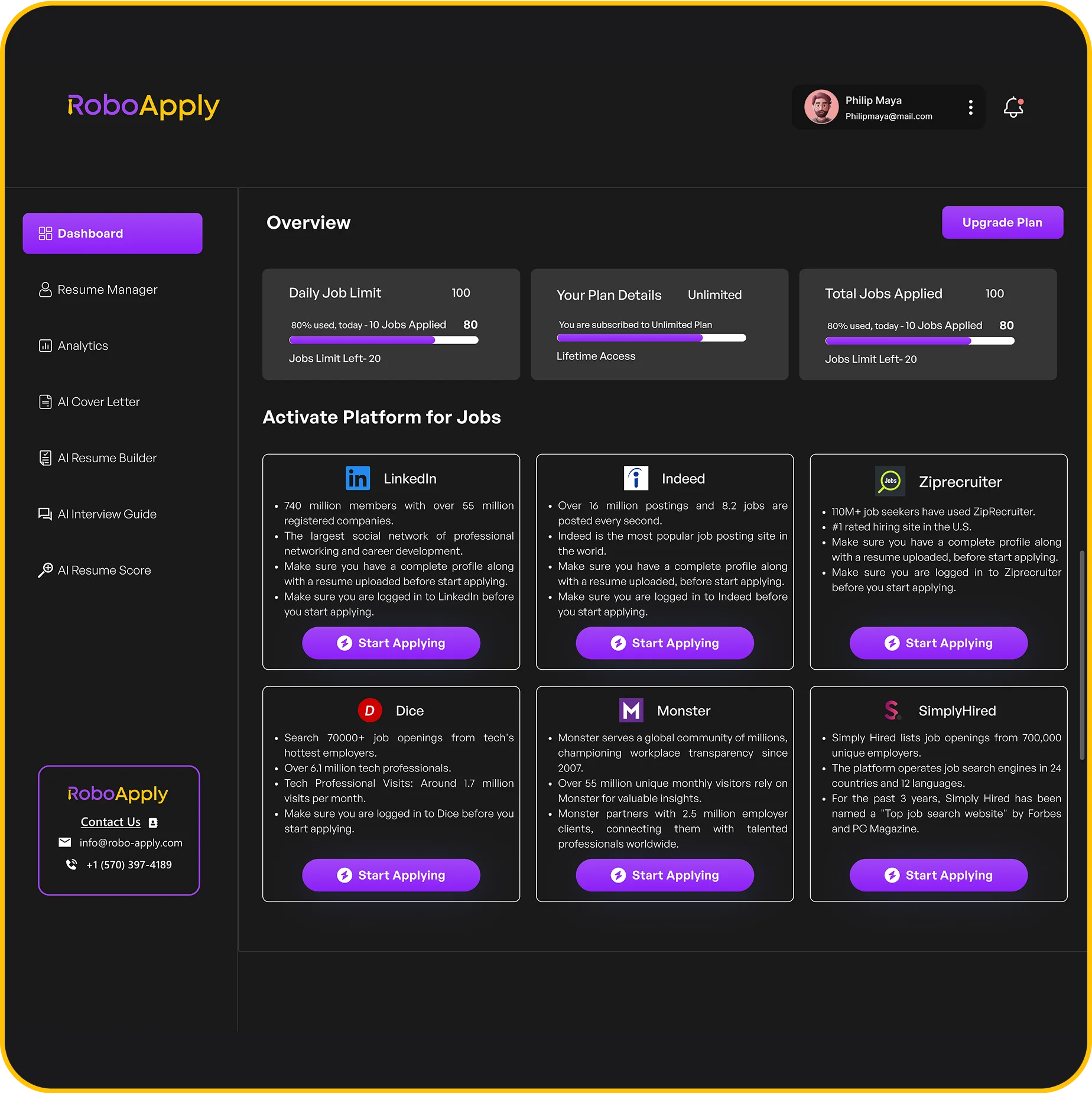
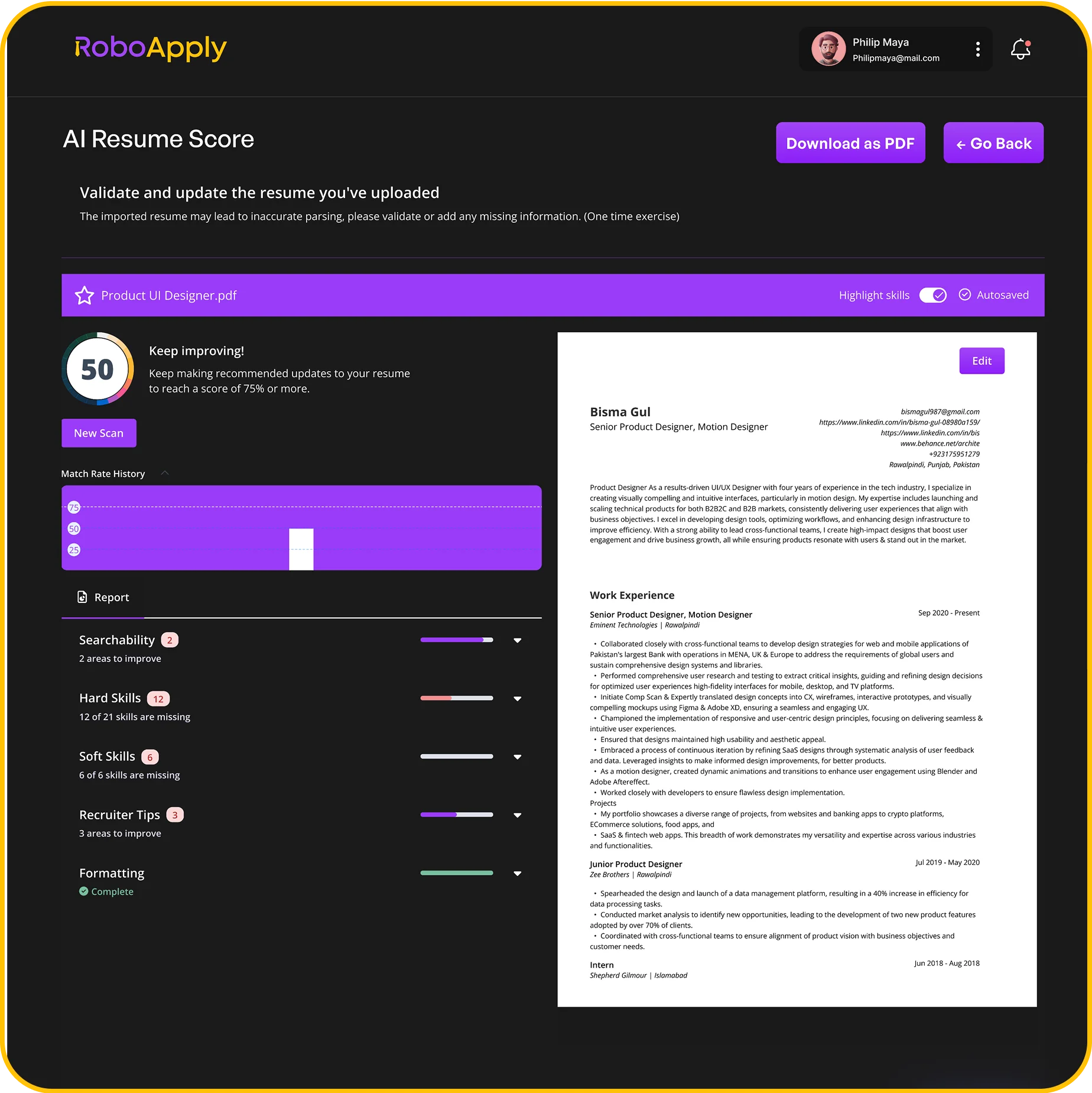
RoboApply’s AI Tailored Apply customizes your resume for each job automatically. It reads the description and adjusts your resume to highlight relevant stuff without changing core info. Helps you pass applicant tracking systems that might otherwise filter you out.
When applying to tons of positions weekly, AI Auto Apply handles repetitive work. Set preferences for job type, location, salary. The system finds matches and submits applications with custom materials while you prep for interviews and network.
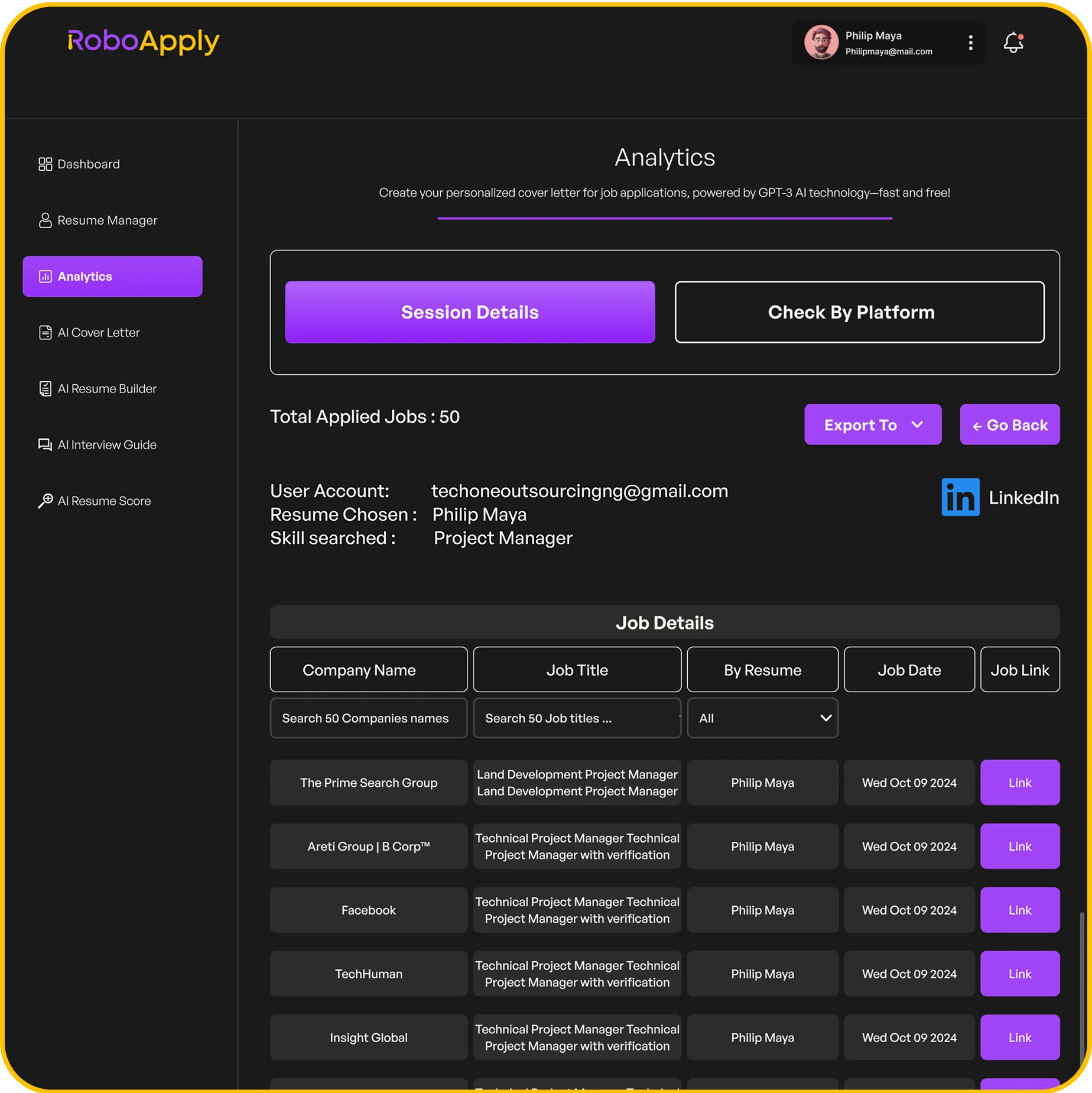
Track everything in one dashboard with analytics. See where you applied, monitor response rates, export history. This organization matters more after termination when volume matters.
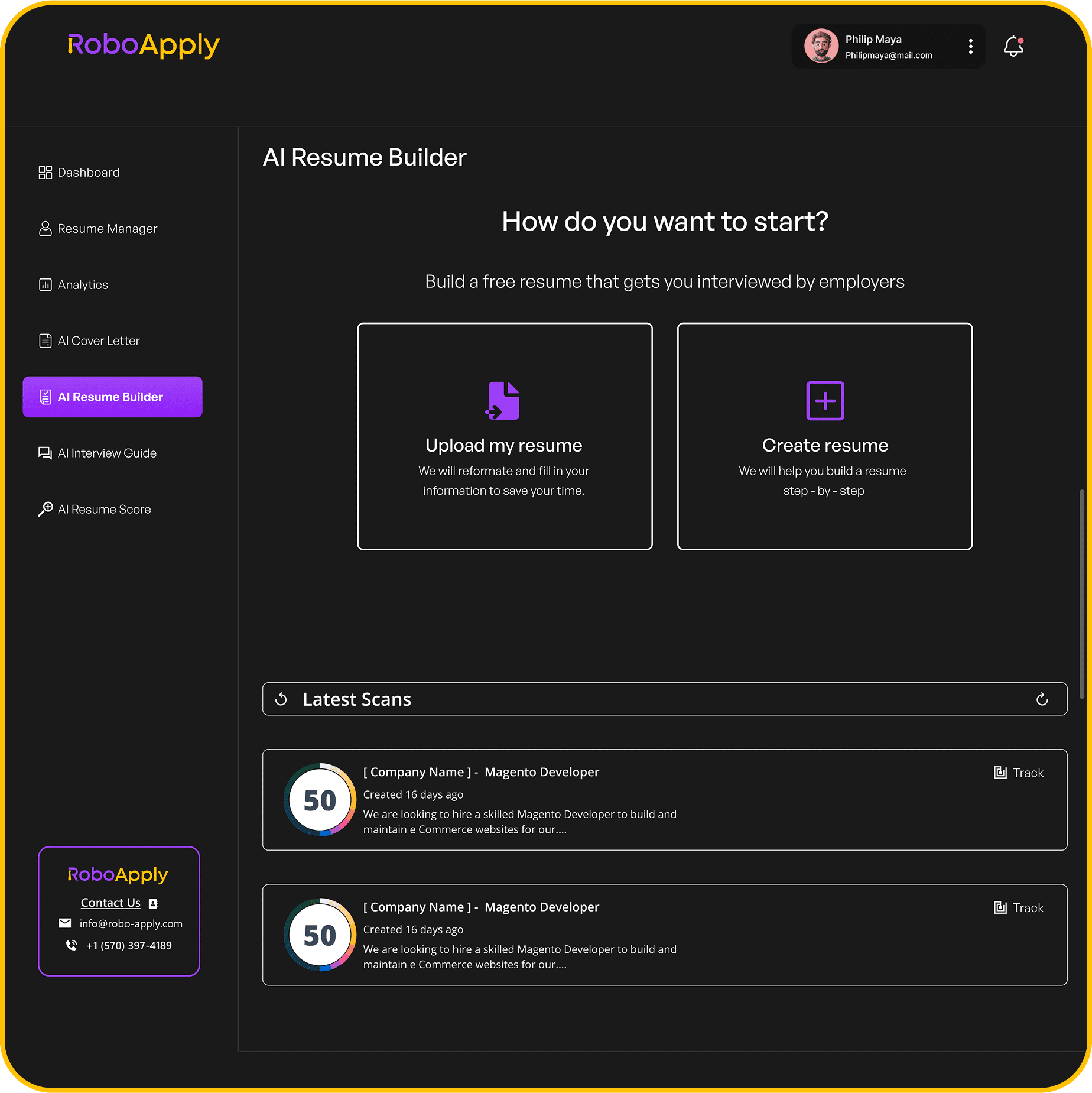
RoboApply’s AI Resume Builder makes different resume versions for different roles. Generate variations fast without starting over each time.
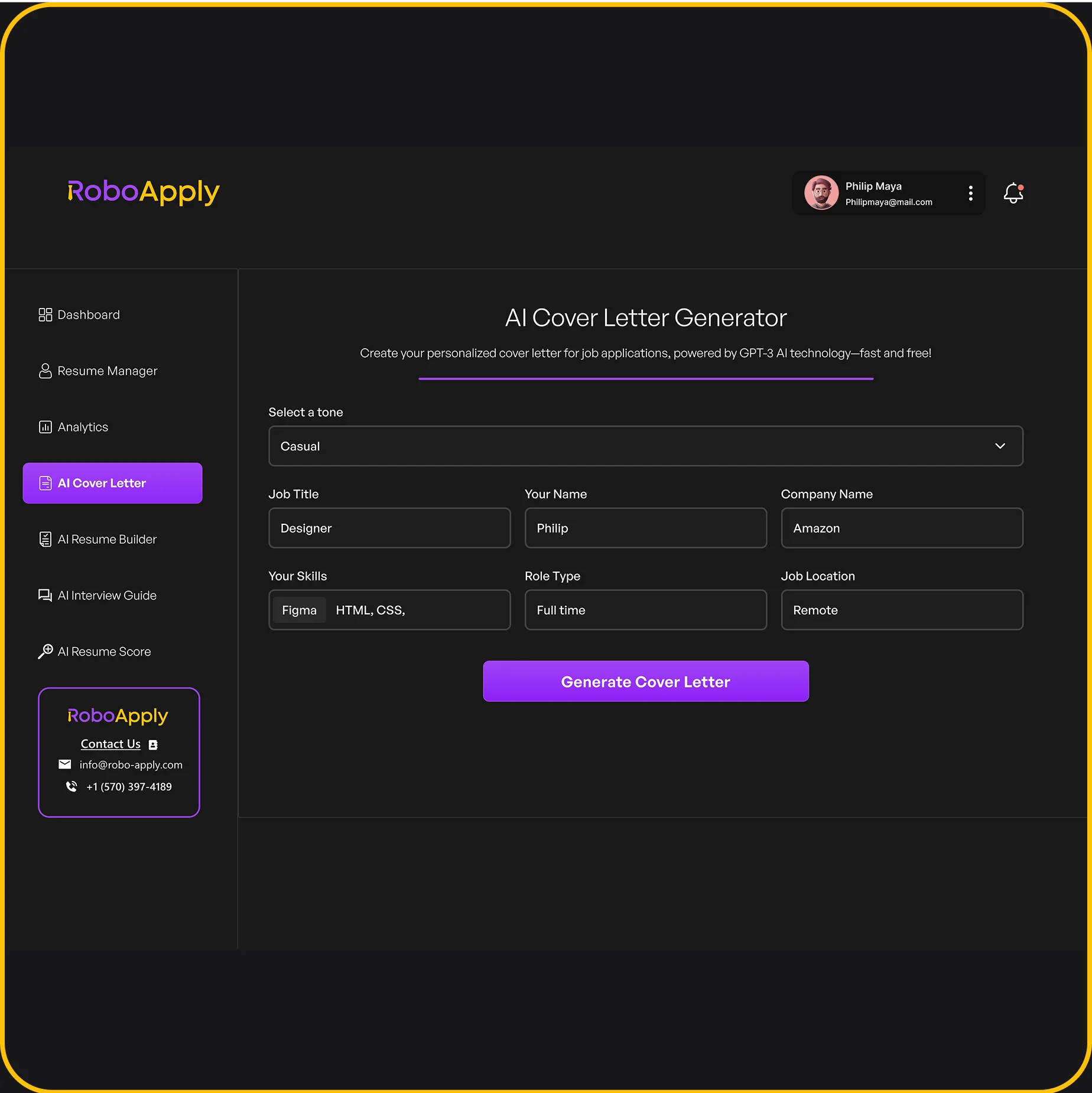
The AI Cover Letter Generator writes personalized letters in seconds. Upload your resume, paste the job description. It creates a letter highlighting your best experience for that specific job.
When applications ask about being fired, you answer that separately. These tools handle everything else so you focus on the termination explanation instead of spending hours on basic application stuff.
Frequently Asked Questions
Do I have to tell employers I was fired?
Only if the application specifically asks. No need to volunteer it if they don’t ask about terminations directly.
What if my old employer gives bad references?
Document what they’re saying. Consult a lawyer if it’s false. Focus on building strong references from other sources fast.
Should I wait before applying after getting fired?
Start applying immediately unless you need time to fix what caused the termination. Gaps make it harder to explain.
Can I say I quit instead of admitting I got fired?
Only if they gave you that option and you took it. Lying about being fired gets you terminated from your new job.
Should I mention being fired in my cover letter?
Only if the posting specifically asks. Otherwise save the explanation for interviews when you can give context and read reactions.