


Ask for feedback after an interview by sending a short email 24-48 hours after your rejection. Thank them, accept their decision, and ask 2-3 specific questions about where you could improve. Most companies won’t respond, but when they do, you get real insights for your next interview.
Getting rejected after an interview sucks. You spent hours getting ready, walked out feeling decent, then boom – the “we’ve moved forward with other candidates” email hits your inbox. Now you’re replaying every answer wondering what tanked it.
This guide shows you how to ask for interview feedback without looking desperate. You’ll learn the right timing, what gets responses, and how to use whatever comes back.
Why Ask for Feedback after an Interview
Interview feedback shows you what actually went wrong instead of leaving you to guess. You could spend weeks analyzing your performance and still miss the real issue. Hearing it straight from someone in the room beats all the overthinking.
Most people never ask. They take the L, feel crappy for a day, then spam more applications. Just asking puts you ahead of most rejected candidates. Even if only one in five responds, that’s intel you didn’t have before.
There’s also a smart angle. Asking thoughtfully keeps you on their radar positively. When another spot opens in a few months, they might remember you as the candidate who handled rejection professionally.
Interview feedback catches stuff you can’t see about yourself. Maybe you rambled. Your stories might not have shown the skills they needed. You could’ve missed signals about team fit.
Common themes in feedback include technical gaps for the role, communication style mismatches, vague examples that didn’t prove abilities, lack of company research, and body language or confidence stuff. According to research from Indeed on interview preparation, these factors seriously impact hiring decisions.
This info helps you course-correct. You can practice better storytelling, research companies thoroughly, or realize you should target different levels. Each piece sharpens your game for the next shot.
Most companies won’t give feedback. They worry about legal problems. Hiring managers interview tons of people and writing personalized feedback for everyone isn’t realistic.
You’ll probably hear back from 10-30% depending on company size and how far you got. Smaller companies and startups respond more than giant corporations. Places where you interviewed multiple times or built connection are more likely to share something.
Don’t read silence as your interview being terrible. Usually just means they have a policy or the hiring manager doesn’t have time. Ask anyway because responses you do get make it worthwhile.
When to Send Your Request
Timing plays a bigger role than most people realize. Jump too fast and you look impatient. Wait too long and they’ve forgotten your conversation.
Sweet spot is 24-48 hours after your rejection email. This gives you time to process disappointment and write something professional. It reaches them while your interview is still fresh.
If you went through multiple rounds, wait until final rejection. Don’t ask after each round unless they encourage it. One thoughtful request beats pestering them at every stage.
Quick phone screens where you get rejected within a day have a tighter timeline. You can ask within 24 hours since conversations are shorter and they cycle through candidates faster.
Skip asking if you never interviewed with a human. Auto-rejection after applying means your resume didn’t match. There’s no interview feedback because no interview happened.
Also skip it if you withdrew or declined their offer. Circling back looks weird. And don’t bother if the interview obviously bombed and you know why – showed up late, unprepared, way under-qualified. Feedback won’t tell you anything new.
Don’t send multiple follow-ups if you hear nothing. One nudge after a week is acceptable. Beyond that, let it go and focus on other opportunities.

Writing Your Request Email
Your email needs to stay professional, stay brief, and make responding easy. Hiring managers juggle a million things. The simpler you make this, the better your odds.
Get a ready-to-use email template for requesting interview feedback professionally.
Start by thanking them for their time and the chance to interview. Keep this genuine but tight – one or two sentences max. Don’t grovel or get weird.
Next, acknowledge their decision to move ahead with others. This proves you’re not arguing or trying to reverse it. You’ve accepted it and moved on.
Make your request clear and direct. Ask if they’d share any feedback about your interview. Don’t bury this in a long paragraph or hint around it.
Finally, include 2-3 specific questions. Vague “any feedback appreciated” requests are easy to ignore. Specific questions about skills, your answers, or improvement areas give them something concrete to respond to.
The entire email should be 5-7 sentences total. Research on email effectiveness from Boomerang shows shorter emails between 50-125 words get way better response rates.
If you really clicked with your interviewer, requesting a brief call might work better. This fits senior roles or situations where you had multiple conversations.
Start with email even for phone requests. Mention you’d value a quick 10-15 minute call if they have time, but you totally understand if they’d rather share written thoughts or can’t respond.
Keep feedback calls tight. Thank them. Ask your questions. Take notes without interrupting. Thank them again. The whole thing should stay under 15 minutes.
Fight the urge to defend yourself or argue if you disagree. Just listen, acknowledge what they’re sharing, and ask clarifying questions if something’s unclear. Save defensive reactions for after the call.
Asking Questions That Get Responses
Generic requests like “any feedback would be helpful” are easy to ignore. They dump all the work on the interviewer. Specific questions do that work for them and prove you’re genuinely trying to improve.
Frame questions around areas where you can take concrete action. Dodge questions that put them in awkward spots or sound like you’re challenging their decision.
Here are types that get actual responses:
- About qualifications: “Were there specific technical skills or experience the selected candidate had that I was missing?” This helps you understand if you need more training or should target different role levels.
- About performance: “How could I have better demonstrated my relevant experience during our conversation?” This focuses on your presentation rather than questioning their decision.
- About communication: “Was there anything about my communication approach or answers that didn’t align with your team culture?” This opens up soft skills feedback.
- About preparation: “Were there aspects of the role or company I should have researched more thoroughly?” This shows humility and desire to improve your homework.
- About development: “What specific skills or experiences should I focus on developing for similar roles?” This positions you as growth-oriented.
Don’t ask defensive questions. “Why wasn’t I qualified?” or “What did the other candidate have that I didn’t?” put them on the spot. Keep everything focused on your improvement, not their decision.
Different industries care about different things. Tech roles benefit from asking about technical assessments. Sales needs questions about pitch effectiveness. Creative fields should ask about portfolio presentation. Management roles work better asking about leadership examples, as noted in Harvard Business Review’s guidance.
Making Sense of Responses
The feedback you receive varies wildly in quality. Knowing how to extract value from each type helps you improve regardless of what comes back.
Detailed feedback is rare but gold when you get it. Someone took 10-15 minutes to write paragraphs explaining specific areas where you fell short.
Respond immediately with a quick thank you that acknowledges specific points. Mention one or two actions you’ll take. Keep this under three sentences – don’t drag it into another conversation.
Then actually implement it. If they said your stories were vague, practice STAR method examples. If they flagged technical gaps, enroll in courses. If they mentioned communication issues, work with a coach or drill with honest friends.
Save detailed feedback in a document you review before each interview. This builds an evolving list of areas you’re actively improving.
Generic feedback sounds like “we found a candidate whose background matched our needs better” or “other finalists had more direct experience.” Pretty useless honestly.
Don’t push back demanding more. Generic responses usually mean they’re legally barred from sharing more, trying to be nice, or genuinely don’t have detailed criticism beyond you not being the perfect match.
Watch for patterns across rejections though. If three companies mention “other candidates had more technical experience,” that’s screaming you need to build those skills or demonstrate them better.
Most requests get silence. Companies avoid feedback for liability concerns, time limits, or HR policies. This is normal – don’t take it personally.
Wait a week, then send one brief follow-up. “Wanted to follow up on my email requesting feedback. If you have any brief insights, I’d appreciate it. If not, I completely understand.”
Still nothing? Drop it entirely. Don’t send more follow-ups. Don’t connect on LinkedIn to ask again. Move on and invest energy elsewhere. Experts at The Muse confirm silence is standard for most organizations.
Occasionally you’ll get blunt feedback that stings. “You seemed unprepared” or “your answers went off-topic” or “you didn’t demonstrate genuine interest.”
Take 24 hours to process harsh feedback emotionally before responding. Your gut reaction will be defending yourself. Squash that urge.
Respond by thanking them for their honesty. “I really appreciate you taking time to share direct feedback. This gives me concrete areas to work on.” Then actually work on those areas.
Harsh feedback often proves most valuable because it identifies real problems you need to address. If someone invested time being brutally honest, they’re doing you a favor even though it doesn’t feel that way.
Turning Feedback Into Improvement
Collecting feedback accomplishes nothing if you don’t use it. Start by organizing feedback into categories – skills gaps need training or practice, interview technique needs drilling, preparation needs better research, presentation needs video practice or coaching.
For each category, write specific action items. Not vague stuff like “improve technical skills.” Write concrete goals: “Complete AWS certification by March 15th” or “Practice five behavioral questions on video weekly.”
If feedback mentioned rambling answers, record yourself practicing questions. Watch recordings and note where you lose the thread. If technical knowledge was the issue, block weekly time for building those skills through courses or projects.
Keep a document tracking feedback and actions you’re taking. Update after every interview and review before the next one. Note patterns – if three companies mention the same weakness, that’s your top priority.

Speed Up Your Search With Automation
Interview feedback helps you improve, but landing more interviews boosts your odds of getting offers. Volume matters when you’re learning.
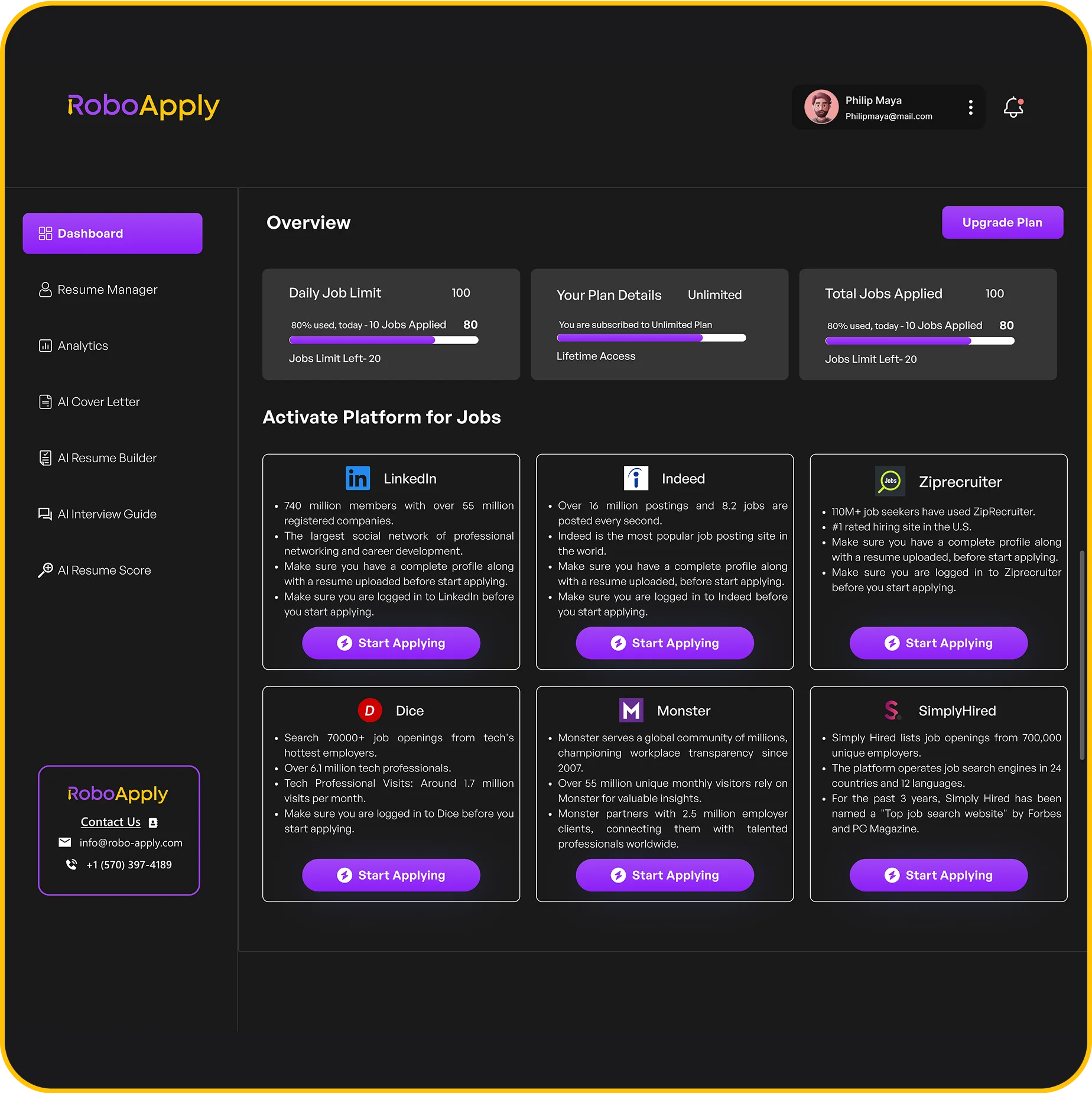
RoboApply’s AI Auto Apply submits applications automatically based on your preferences. Set criteria for job type, location, salary. The system finds matches and applies with customized materials while you focus on prep. More applications mean more interview shots.
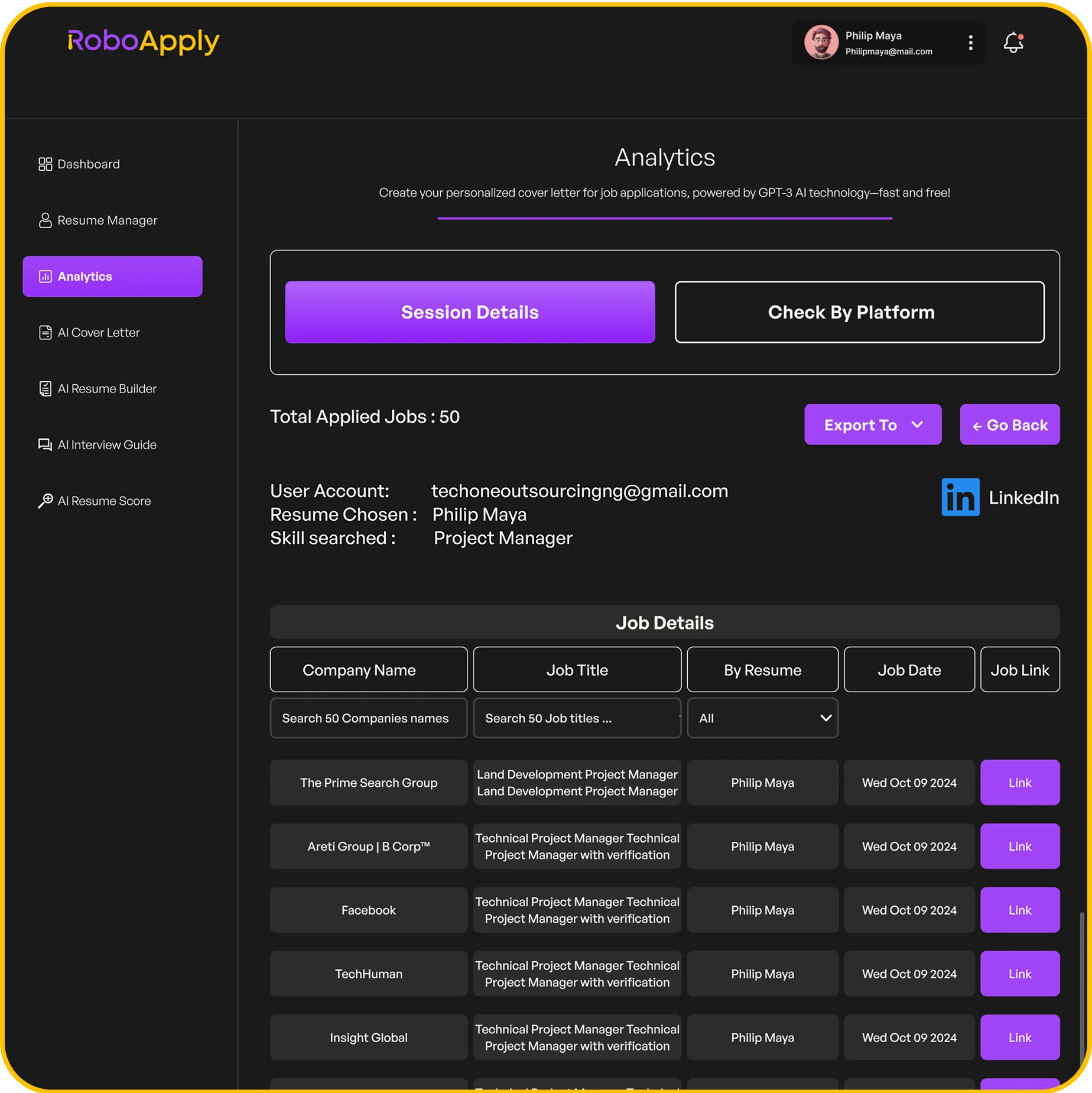
Track everything in RoboApply’s dashboard. See which companies you’ve applied to, monitor response rates, export history. This helps you spot patterns in which roles or companies respond best.
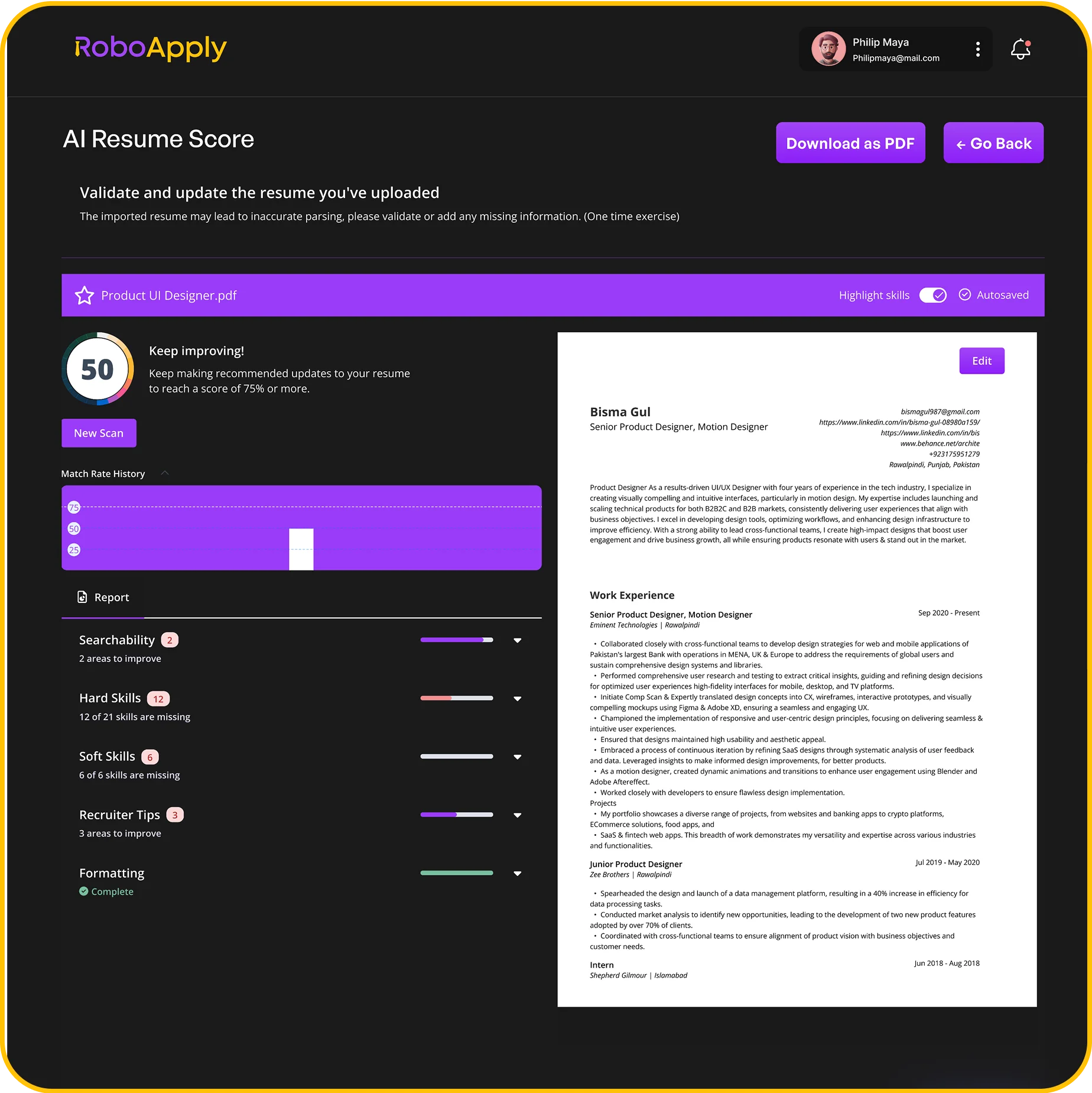
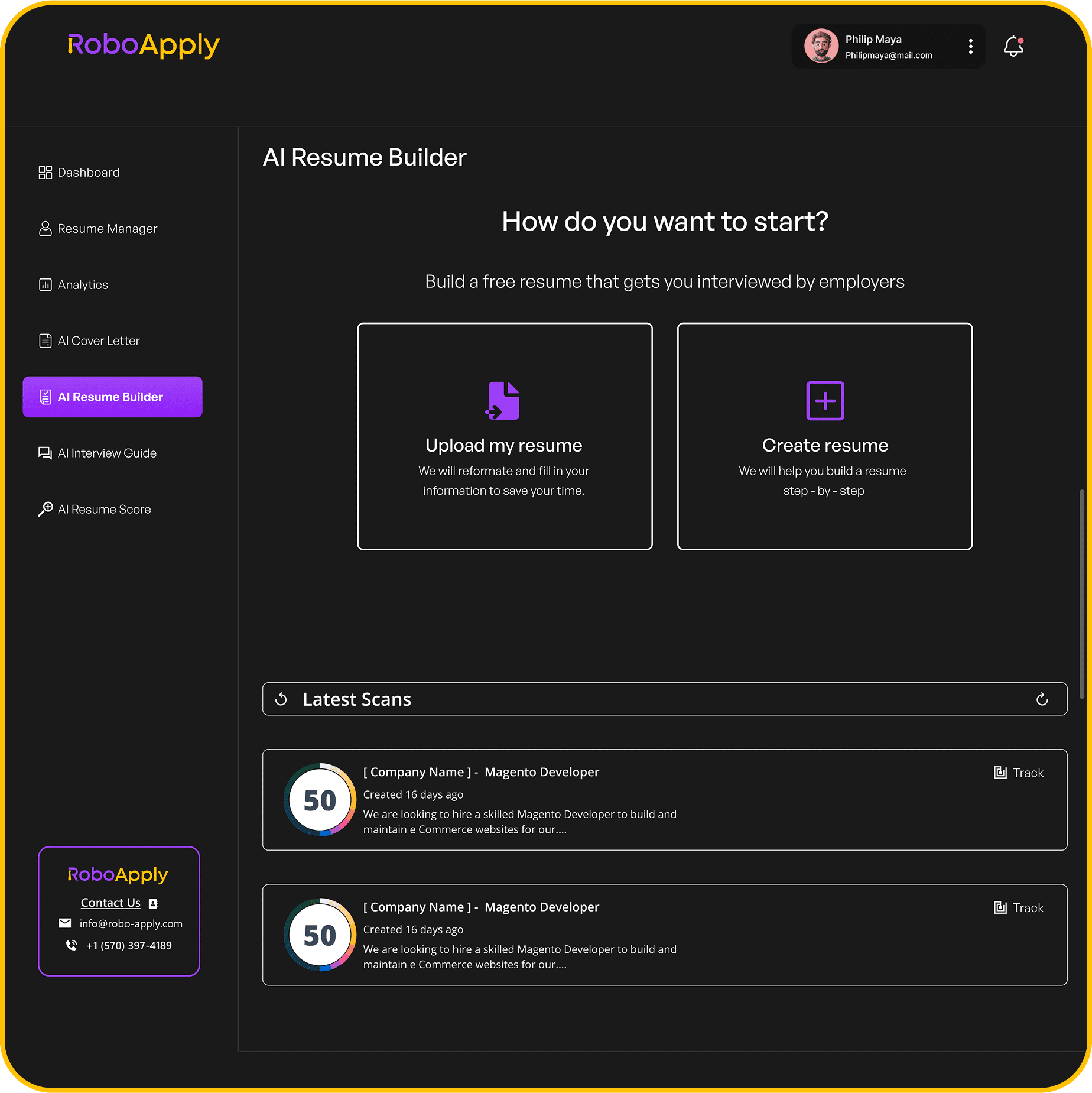
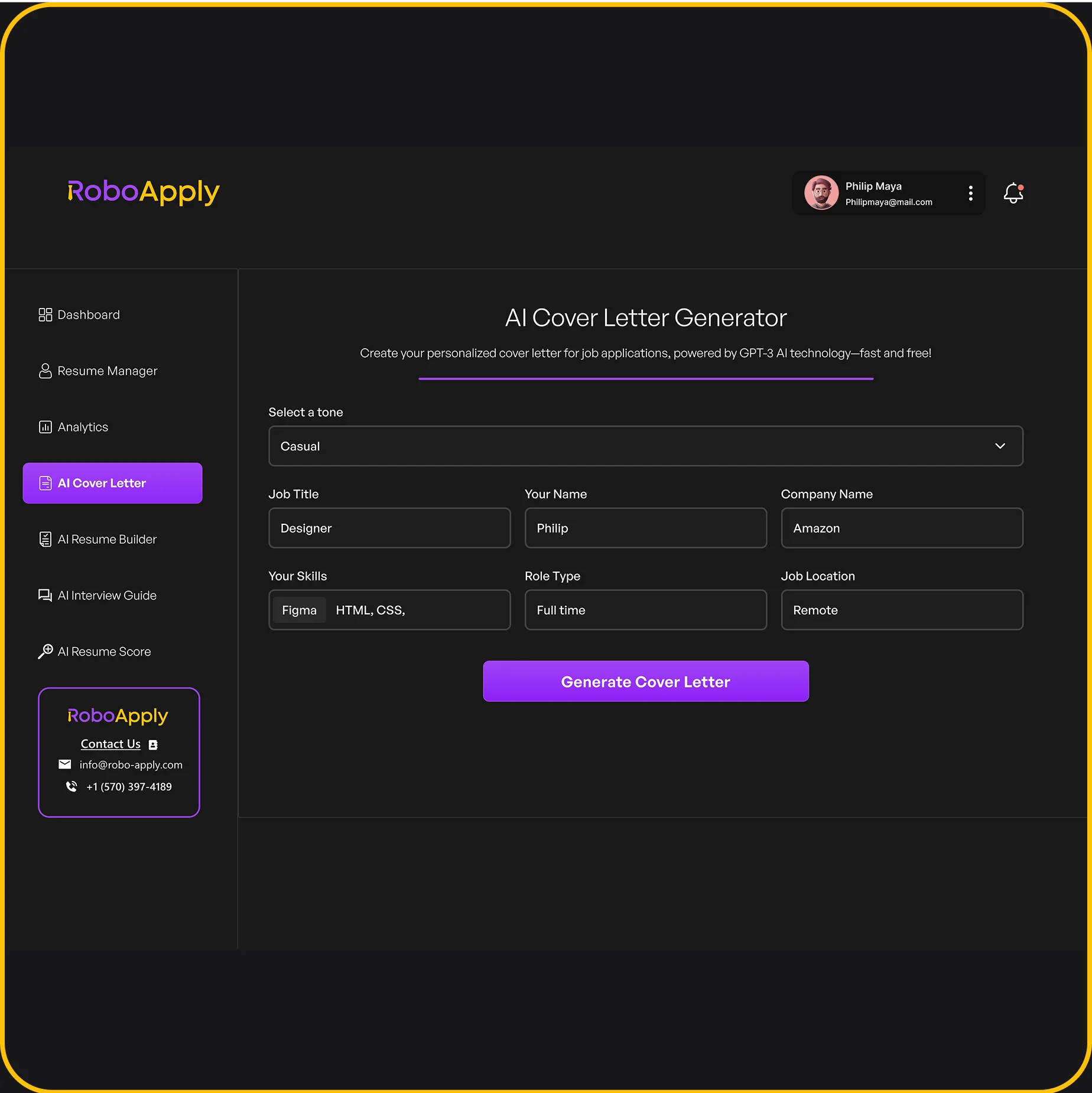
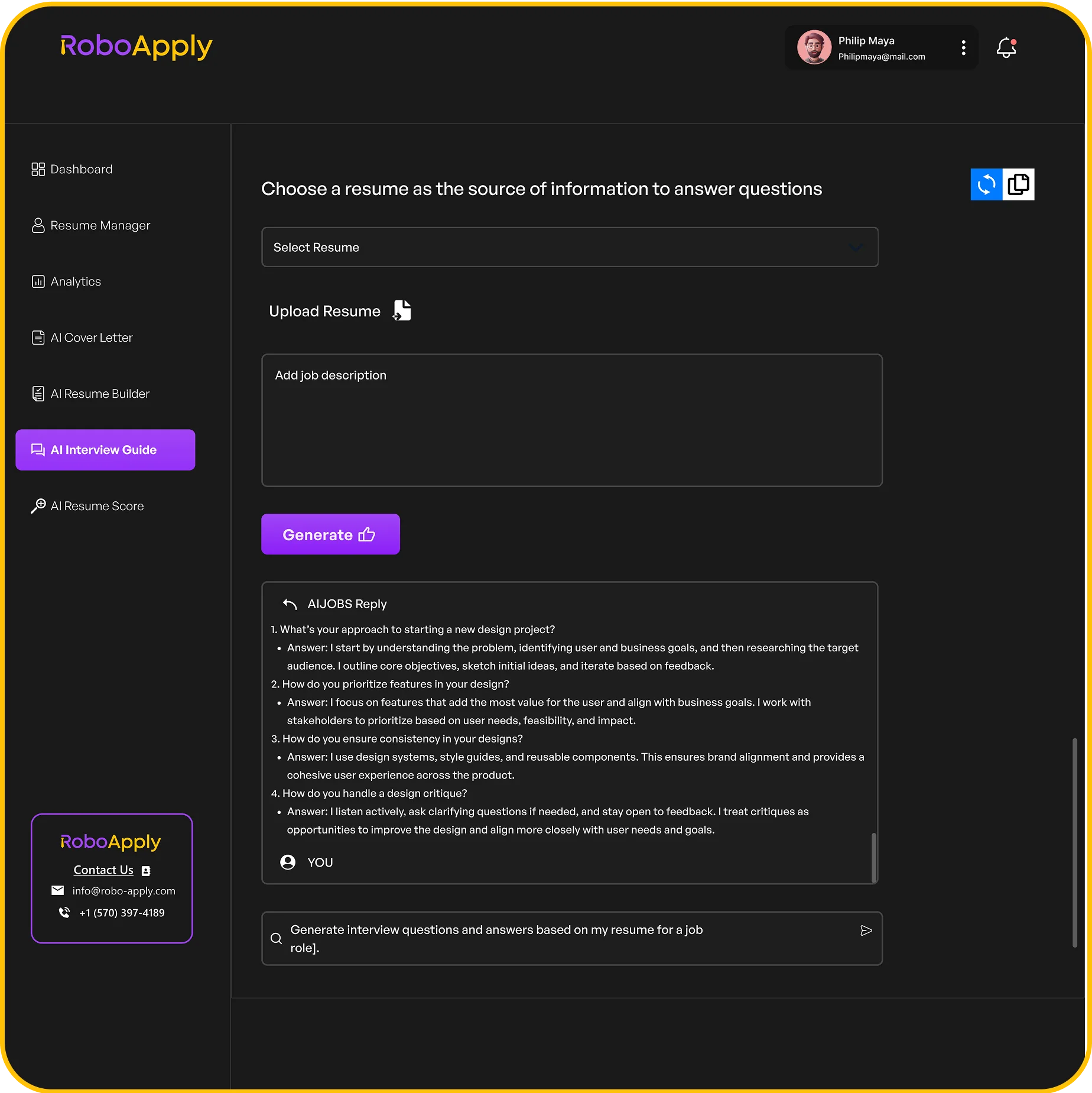
AI Tailored Apply customizes your resume for each job. The system reads requirements and adjusts your resume to spotlight relevant experience. This boosts your interview rate. The AI Resume Builder creates ATS-friendly resumes, while the AI Cover Letter Generator writes personalized letters in seconds.
Combining feedback implementation with increased interview volume speeds up your search significantly, backed by LinkedIn’s job search data.
Frequently Asked Questions
When should I ask for feedback after an interview?
Send your request 24-48 hours after getting your rejection email while details are still fresh in the interviewer’s mind.
What if the company doesn’t respond to my feedback request?
Most won’t respond due to policies or time constraints. Send one follow-up after a week, then drop it completely.
Should I ask for feedback after every interview round?
No, wait until final rejection to ask once. Don’t request feedback after each round unless specifically invited.
How long should my feedback request email be?
Keep it to 5-7 sentences maximum. Shorter emails with specific questions get much better response rates than long messages.
Can I call to ask for interview feedback instead of emailing?
Only if you built strong rapport with the interviewer. Start with email offering a brief call option if they prefer.